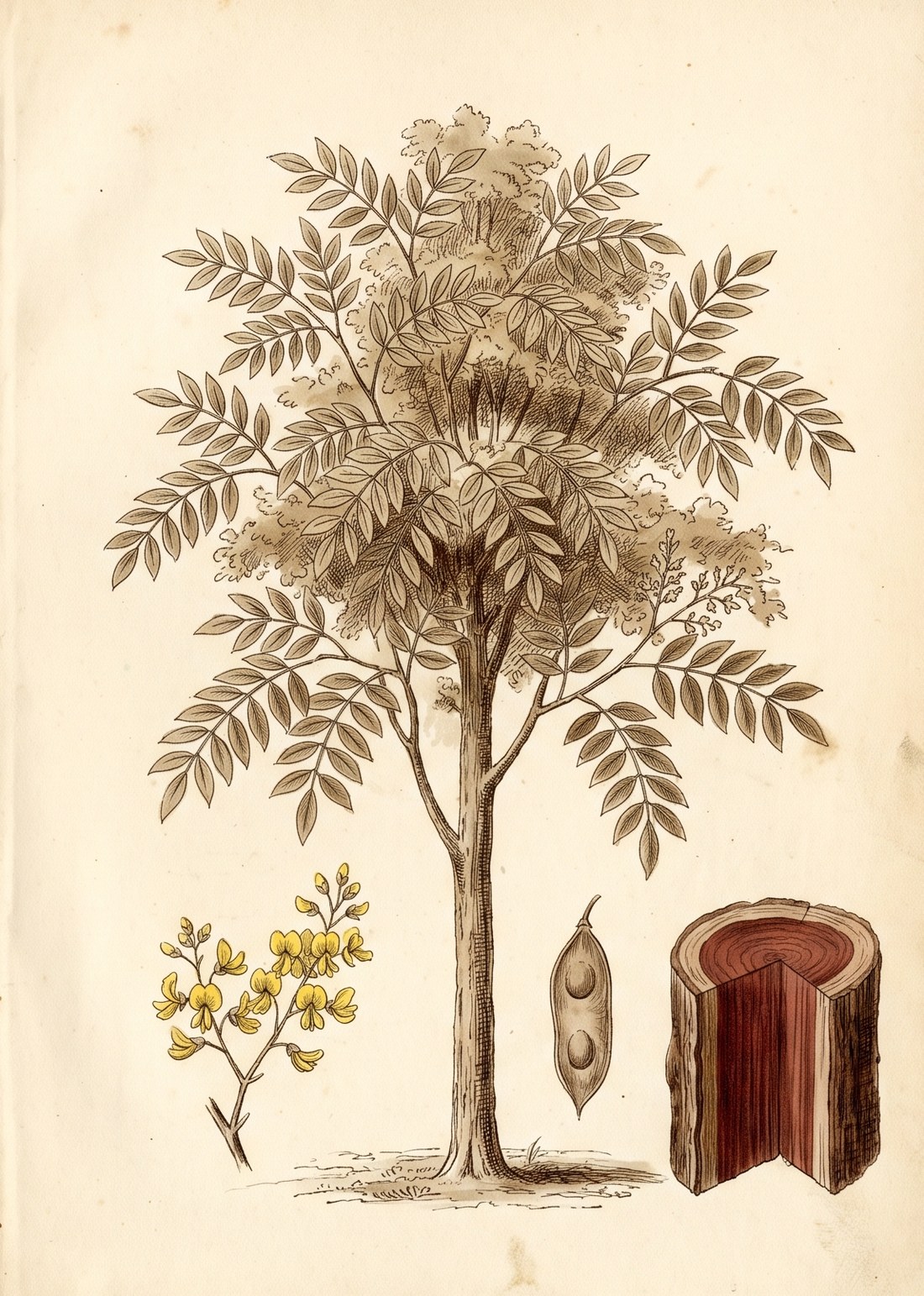
Western and Ayurvedic herbalism
Red sandalwood
Pterocarpus santalinus
Also known as red sanders, ruby wood, saunderswood, rakta chandana, Red Saunders, AND SYNONYM: Red sounders, Red sandal-wood; Lignum santalinum rubrum, Red sounders, Raktachandana, Raktasara, Kshudrachandana.
Pterocarpus santalinus is a small deciduous leguminous tree confined in the wild to the dry hill forests of the southern Eastern Ghats in Andhra Pradesh and adjoining Tamil Nadu and Karnataka, valued for centuries for its deep red heartwood, which has made it one of the most illegally traded timbers in India. In Ayurveda the heartwood is Raktachandana, red sandalwood, a heavy, cooling, astringent drug that stands beside white sandalwood for burning, bleeding, fever and skin disease, and is used chiefly as a paste on the skin and in the great cooling oils. It is not related to true sandalwood and has no scent.

Ask Herbert about Red sandalwood. Herbert is the master herbalist inside Bountiful Herbs: he answers from this plate and eleven hundred others, with dosing, pairing and cautions. Your first ten questions are free.
Ask HerbertActions
Indications what the tradition reached for it in
- Burning sensation of the skin, eyes, hands and feet
- Fever with thirst and flushing
- Nosebleed and bleeding of pitta type
- Acne, rashes and inflamed skin (paste)
- Melasma and uneven complexion (in Kumkumadi taila)
- Headache of heat (paste on the forehead)
- Sunburn and prickly heat (paste)
- Hot swollen joints and sprains (paste)
- Sore inflamed eyes (cooled decoction wash)
- Type 2 diabetes with heat signs (traditional adjunct, wooden tumbler water)
- Nausea and vomiting of pitta
- Astringent diarrhea
- Skin eruptions and rashes
- Minor wounds and abrasions
- Hyperpigmentation and blemished skin
- Acne and inflamed skin
- Fevers with a hot, flushed presentation (Ayurvedic pitta excess)
- Chronic skin ulcers (topical paste)
- Used historically as a coloring agent for tinctures and pharmaceutical preparations
Specific indications
A hot, red faced patient with burning eyes and palms, thirst and irritability during a summer fever, cooled by a paste on the forehead and a decoction inside
Recurrent nosebleeds and heavy bright red periods in a pitta woman with a warm dry skin
Inflamed acne and blotchy pigmentation on oily skin that responds to a nightly cooling paste
A sprained or hot swollen joint that wants a cooling, drying paste rather than a warming rub
Hot, inflamed, reddened skin with a burning quality, applied as a cooling paste
Dull, pigmented, or blemished complexion where a cooling astringent wash is wanted
Safety
The record lists 6 contraindications; open the plate in the library to read them in full.
In practice
The Ayurvedic practitioner uses Raktachandana as the cooling paste of choice. The wood is rubbed on a wet stone or the powder mixed with rose water, milk or aloe gel and applied to the forehead for headache and fever, to hot swollen joints and sprains, to acne and rashes, to sunburn and to the reddened eyelids of pitta, and Dashanga lepa, in which it joins Shirisha, Yashtimadhu, Haridra and others, is the classical paste for swellings, bites and skin inflammation.
In Ayurveda
Rasa: tikta (bitter), madhura (sweet). Virya: sheeta (cooling). Vipaka: katu (pungent). Guna: guru (heavy), ruksha (dry). Dosha: pacifies kapha and pitta; may aggravate vata in excess. Karma: dahaprashamana (relieves burning); raktastambhana (hemostatic); raktaprasadana (clarifies the blood); varnya (improves complexion); shothahara (reduces swelling); vranaropana (heals wounds); jvarahara (reduces fever); vishaghna (counteracts poison); chakshushya (benefits the eyes); chhardinigrahana (stops vomiting); trishnanigrahana (relieves thirst); balya (strengthening). Classical indications: raktapitta (bleeding disorders); daha (burning sensation); jvara (fever); vrana (wounds); shotha (inflammatory swelling); netraroga (eye disease); visarpa (spreading skin inflammation); tvakroga (skin disease); chhardi (vomiting); trishna (thirst); prameha (urinary disorders including diabetes); bhagna (fracture, as a paste). The dark red heartwood is the drug, rasped or powdered and given as churna, as kwatha, and as kshirapaka in milk; ground with water on a stone it makes the cooling lepa applied to the forehead, skin eruptions, swellings and fractures, and the wood enters many medicated oils and pastes for the skin and eyes. Classical formulations: Raktachandanadi kwatha, Chandanadi lepa, Dashanga lepa, Kumkumadi taila, Mahamanjishthadi kwatha, Chandanabala lakshadi taila, Raktachandanadi lepa (for headache and fever), Nalpamaradi taila (some versions). Described in: Charaka Samhita, Sushruta Samhita, Ashtanga Hridaya, Bhavaprakasha Nighantu, Dhanvantari Nighantu, Raja Nighantu, Kaiyadeva Nighantu, Ayurvedic Pharmacopoeia of India.
Dosing as the sources wrote it
| Preparation | As written | Metric |
|---|---|---|
| Churna | 3-6 g powdered heartwood twice daily with water or milk | 3000-6000 mg |
| Kwatha | 50-100 mL decoction twice daily | 50-100 mL |
| Kshirapaka | 3-5 g powder boiled in 200 mL milk once daily | 3000-5000 mg |
| Lepa, topical | 5-10 g paste with rose water applied to the skin or forehead once or twice daily | 5000-10000 mg |
| Kwatha, wash | 50-100 mL cooled decoction as an eye or skin wash once daily | 50-100 mL |
| Powder, topical paste | mix powdered heartwood with water or rosewater to a paste, apply to affected skin once or twice daily |
Doses are reproduced from the sources for practitioners and are not a recommendation for any person.
From the sources
Overview. Pterocarpus santalinus is a small deciduous leguminous tree confined in the wild to the dry hill forests of the southern Eastern Ghats in Andhra Pradesh and adjoining Tamil Nadu and Karnataka, valued for centuries for its deep red heartwood, which has made it one of the most illegally traded timbers in India. In Ayurveda the heartwood is Raktachandana, red sandalwood, a heavy, cooling, astringent drug that stands beside white sandalwood for burning, bleeding, fever and skin disease, and is used chiefly as a paste on the skin and in the great cooling oils. It is not related to true sandalwood and has no scent.
Overview. Red Saunders is the heartwood of Pterocarpus santalinus, a small leguminous tree native to the hill forests of southern India, prized since antiquity for its deep red, richly pigmented timber. Despite the old name Santalum Rubrum and its historical grouping alongside true sandalwood, it is botanically unrelated to Santalum album and contains no significant aromatic oil; the resemblance in old texts is one of trade name and appearance rather than chemistry.
Clinical Notes. The Ayurvedic practitioner uses Raktachandana as the cooling paste of choice. The wood is rubbed on a wet stone or the powder mixed with rose water, milk or aloe gel and applied to the forehead for headache and fever, to hot swollen joints and sprains, to acne and rashes, to sunburn and to the reddened eyelids of pitta, and Dashanga lepa, in which it joins Shirisha, Yashtimadhu, Haridra and others, is the classical paste for swellings, bites and skin inflammation.
Clinical Notes. In practice today Red Saunders is used almost exclusively as a topical astringent, most often as a fine powder made into a paste with water, rosewater, or milk and applied to inflamed, irritated, or blemished skin.
Drawn from King's American Dispensatory, 18th edition (Felter and Lloyd), and the Bountiful Herbs editorial.
In formulas
Red sandalwood stands in 22 documented formulas in the library, among them Ayaskṛti, Aśvagandhādyariṣṭa, Candanāsava, Sārivādyāsava, Jīrakādi Modaka, Kalyāṇaka Ghṛta.
Often paired with
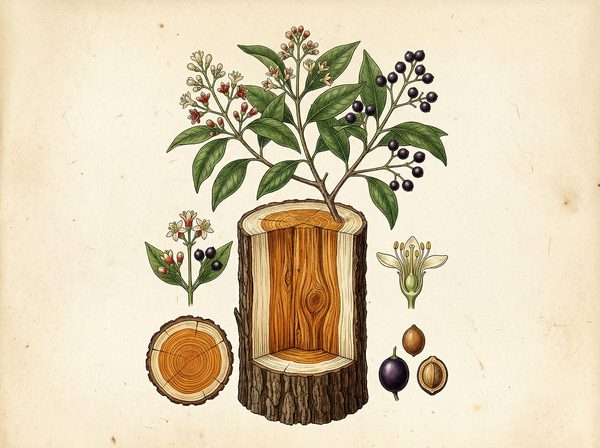 sandalwoodSantalum album
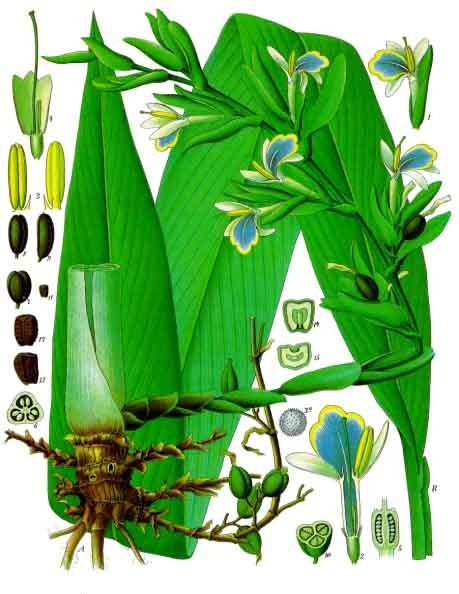 cardamomElettaria cardamomum
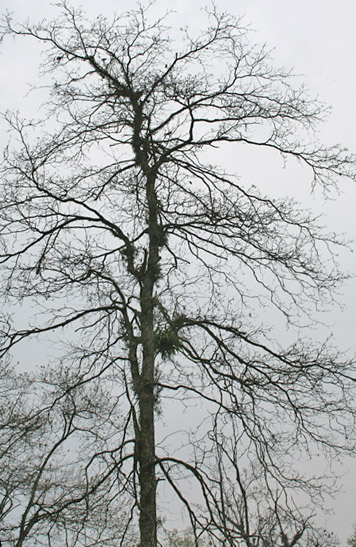 chebulic myrobalanTerminalia chebula
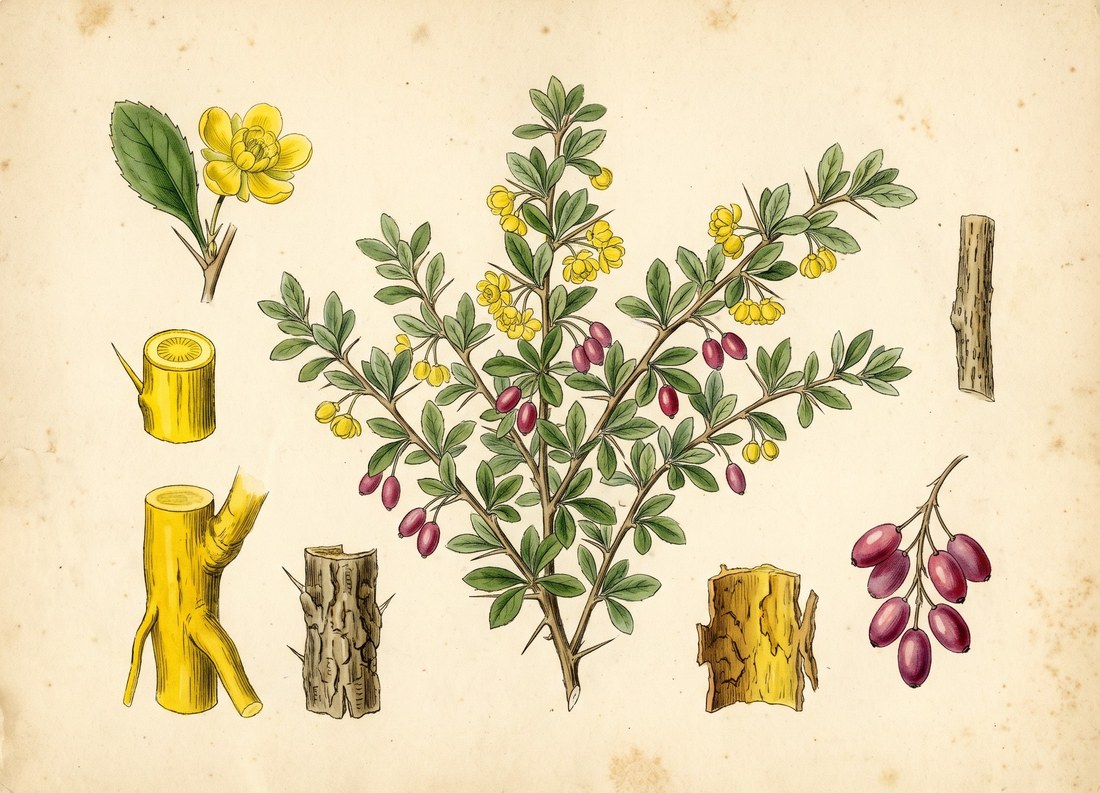 Indian barberryBerberis aristata
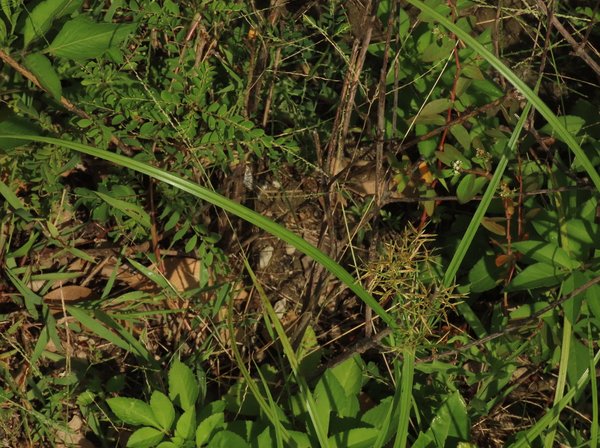 nut grassCyperus rotundus
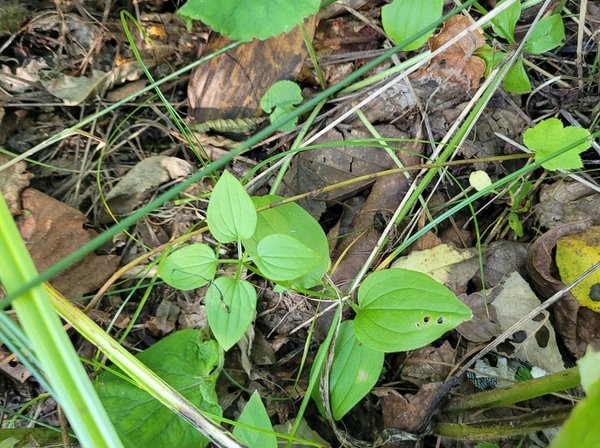 Indian madderRubia cordifolia
Nearby on the shelf
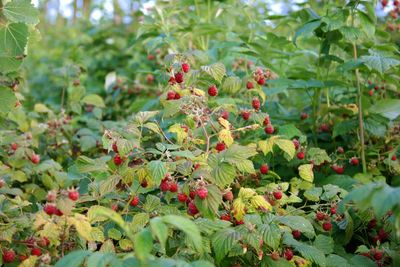 Red raspberryRubus idaeus
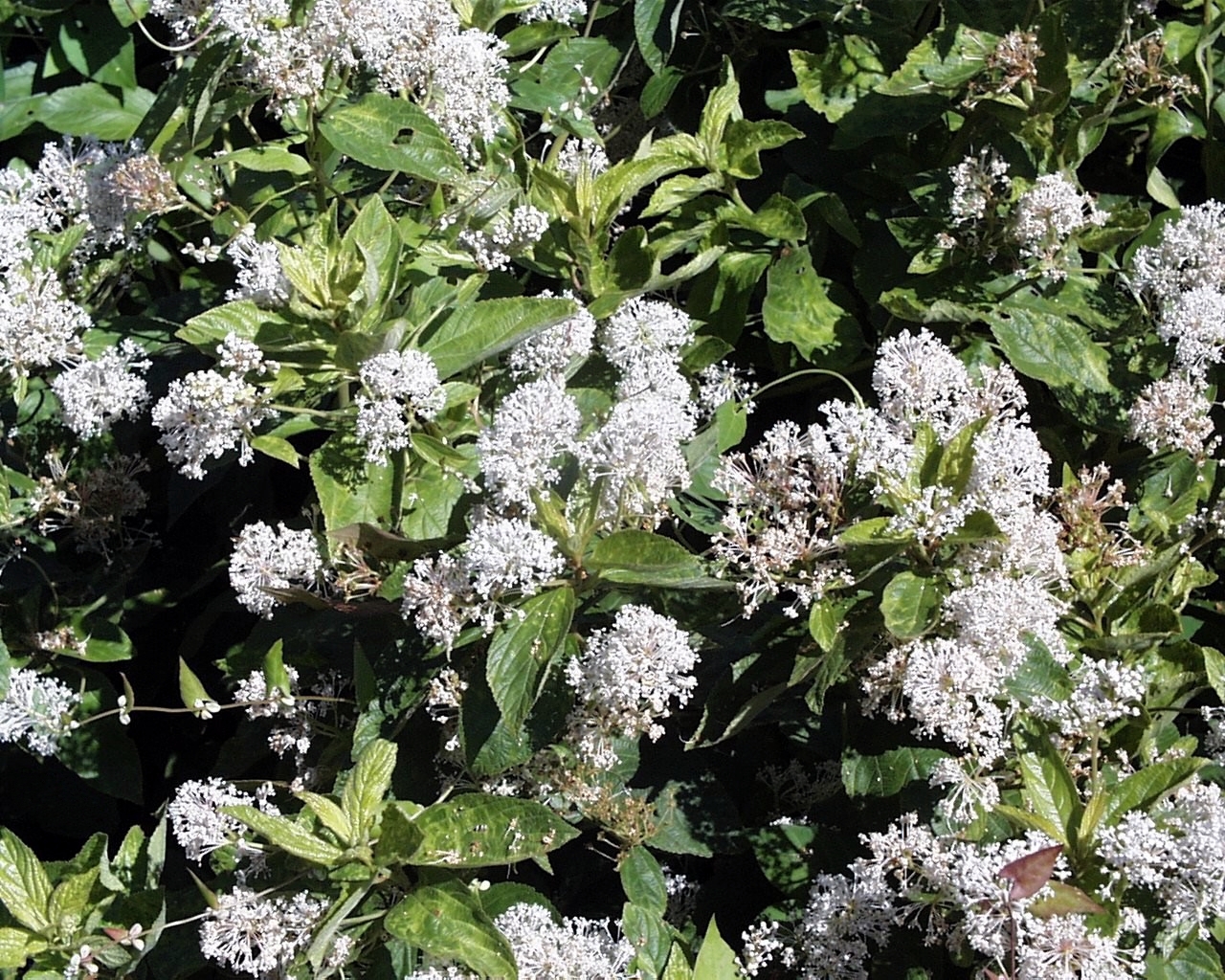 Red rootCeanothus americanus
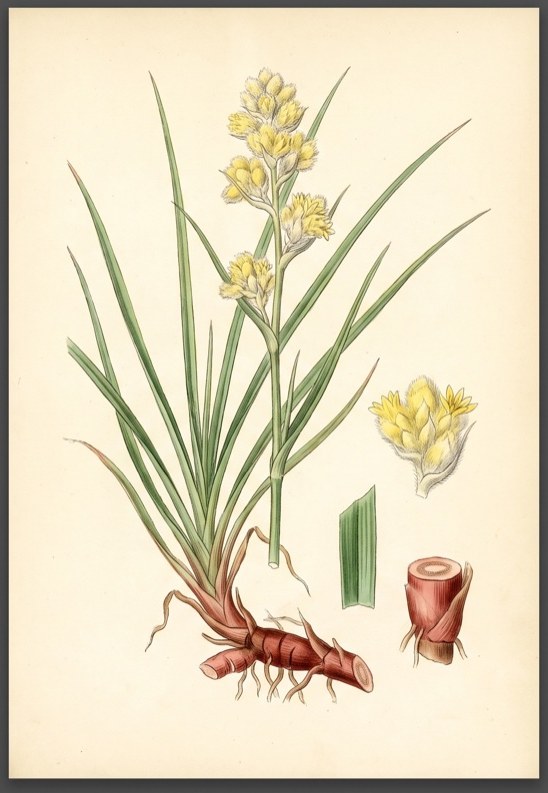 Red rootLachnanthes
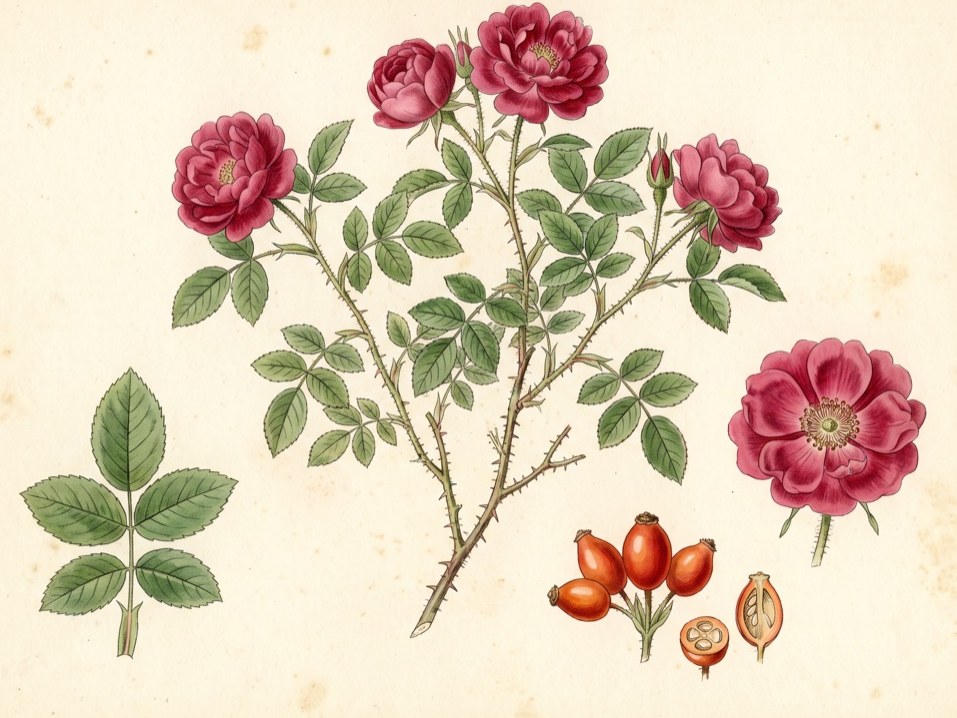 Red roseRosa Gallica
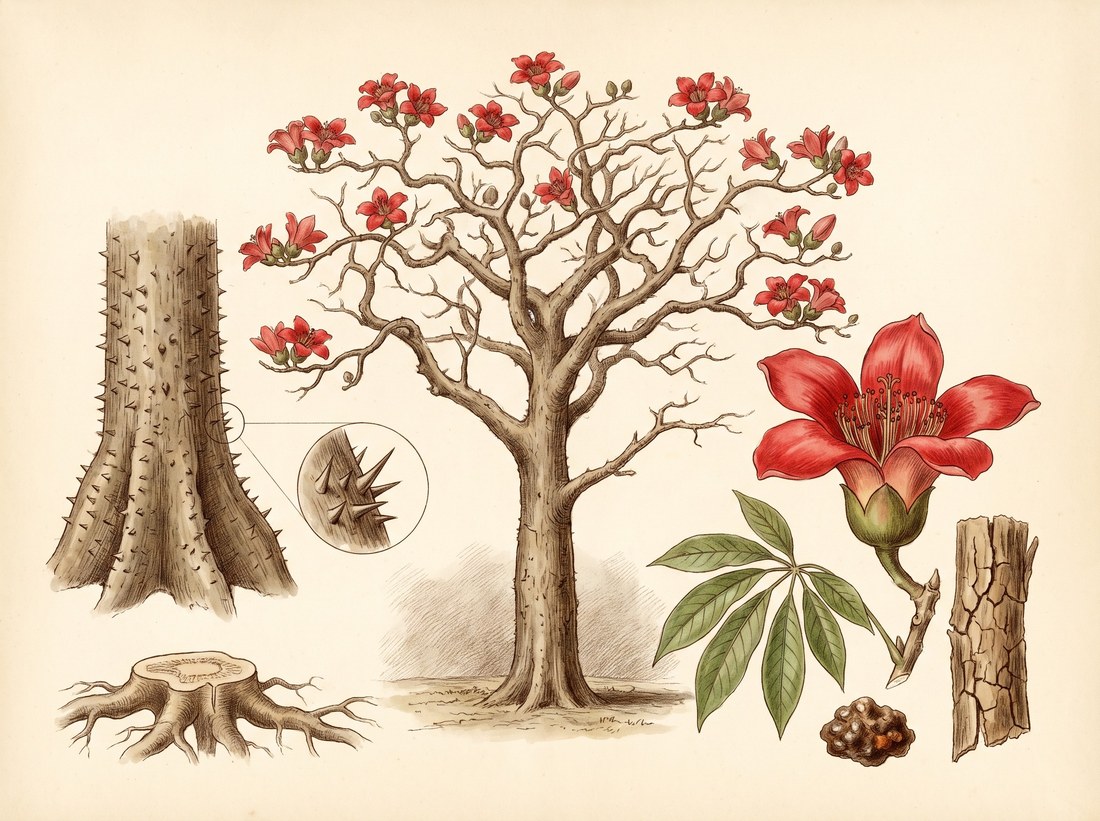 Red silk cotton treeBombax ceiba
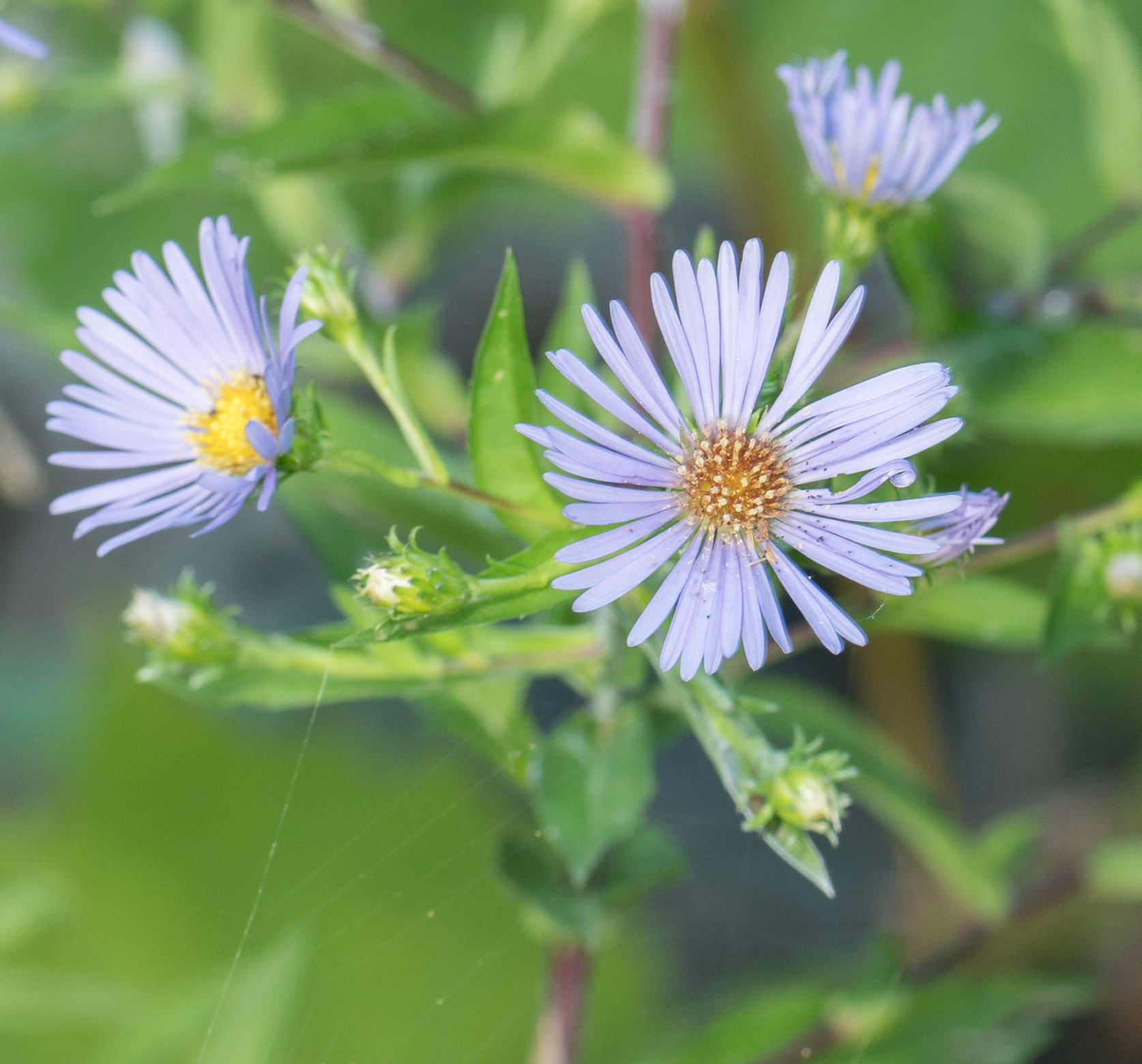 Red-stalked asterAster Puniceus
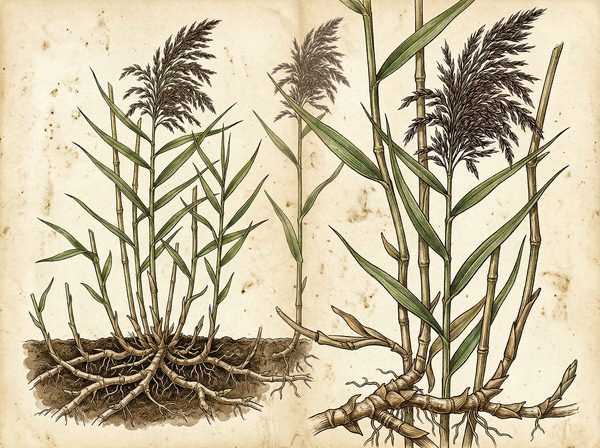 Reed RootPhragmites australis
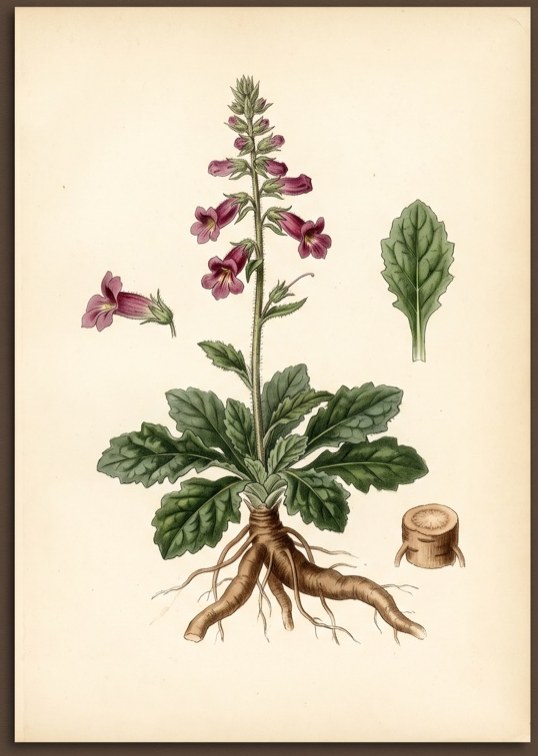 RehmanniaRehmannia glutinosa
The whole plate is in the library. The compass, Compare, the Sky of eleven hundred plants and the formulary open with an email address and a password, free, with the formula builder and its safety engine. Herbert without limit, his formulating, clients, the handouts and the labels are the paid room.
Open the library, free