Western Herbalism
Klip dagga
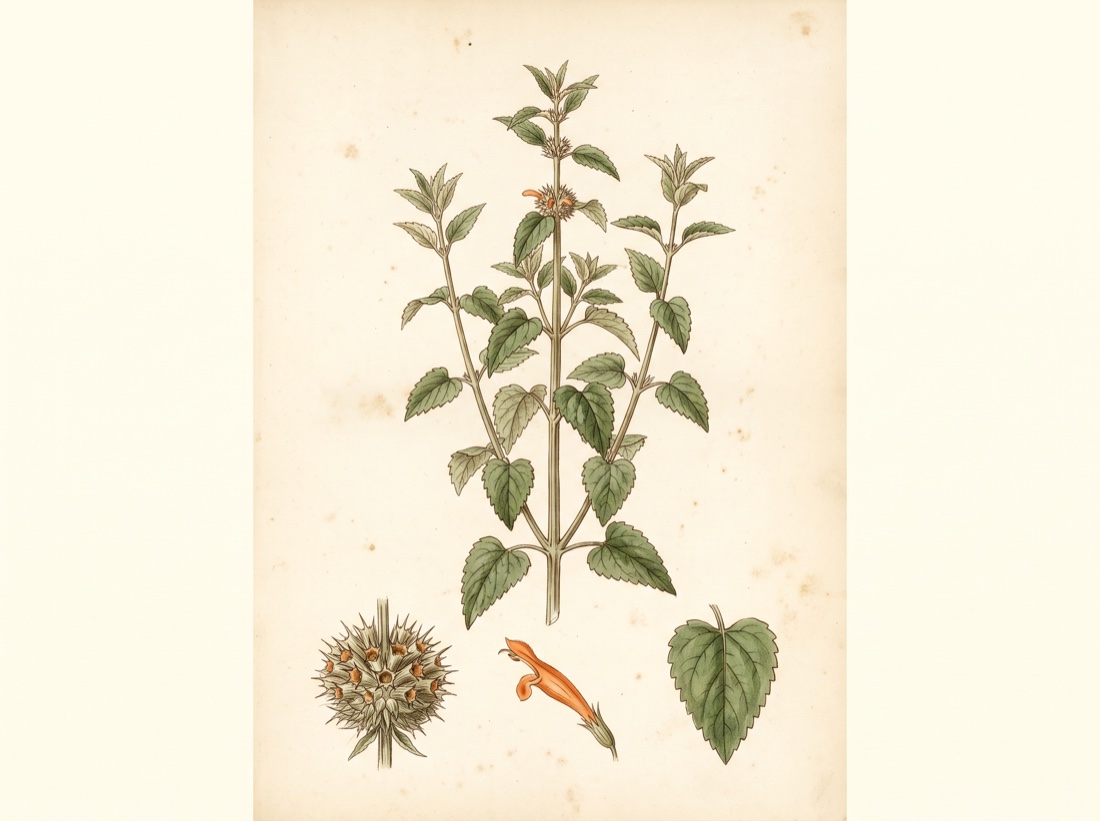
Leonotis nepetifolia
Also known as lion's ear, Christmas candlestick, annual lion's ear, shandilay, cordao de frade.
Klip dagga is a tall annual mint with square stems and spiky orange flower whorls stacked like candlesticks, native to tropical Africa and now naturalized across the Caribbean, Latin America, India and the southern United States. The leaves and flowering tops are used, usually as a tea. It sits in the Afro-Caribbean bush medicine tradition as a relaxing, warming-then-cooling remedy for coughs, fevers, cramps and nerves, and in Brazil and Trinidad it is a common household tea for colds and asthma.

Ask Herbert about Klip dagga. Herbert is the master herbalist inside Bountiful Herbs: he answers from this plate and eleven hundred others, with dosing, pairing and cautions. Your first ten questions are free.
Ask HerbertActions
Indications what the tradition reached for it in
- Anxiety with muscular tension
- Mild insomnia
- Cough and bronchitis
- Asthma with tightness (traditional)
- Common cold with fever
- Dysmenorrhea
- Delayed or scanty menses
- Rheumatic and muscular pain
- Skin infections and slow wounds (topical)
- Tension headache
- Intestinal worms (traditional)
Specific indications
A wound-up, tense person with a tight chest and dry cough during a cold who needs to relax and sweat it out
Cramping menses in a stressed patient, where a relaxant that also brings on a slow period is wanted
Feverish respiratory infection in a tropical setting where klip dagga is the local bush tea of choice
Safety
Pregnancy: Avoid in pregnancy: an aqueous extract contracted the uterus of pregnant mice and shortened gestation, and the plant is traditionally used to bring on menses.
Breastfeeding: No data; avoid regular use while breastfeeding except in customary tea amounts.
The record lists 4 contraindications; open the plate in the library to read them in full.
In practice
Reach for klip dagga when tension and respiratory irritation travel together: the nervous asthmatic, the anxious patient who coughs more at night, the stressed woman with cramping periods. The taste is bitter and slightly aromatic, so a short infusion of 2 to 4 g is more palatable than a long one.
Dosing as the sources wrote it
| Preparation | As written | Metric |
|---|---|---|
| Infusion | 2-4 g dried aerial parts three times daily | 2000-4000 mg |
| Tincture (1:5, 40%) | 2-4 mL three times daily | 2-4 mL |
| Topical wash or poultice | strong infusion or bruised fresh leaf applied as needed |
Doses are reproduced from the sources for practitioners and are not a recommendation for any person.
From the sources
Overview. Klip dagga is a tall annual mint with square stems and spiky orange flower whorls stacked like candlesticks, native to tropical Africa and now naturalized across the Caribbean, Latin America, India and the southern United States. The leaves and flowering tops are used, usually as a tea. It sits in the Afro-Caribbean bush medicine tradition as a relaxing, warming-then-cooling remedy for coughs, fevers, cramps and nerves, and in Brazil and Trinidad it is a common household tea for colds and asthma.
Clinical Notes. Reach for klip dagga when tension and respiratory irritation travel together: the nervous asthmatic, the anxious patient who coughs more at night, the stressed woman with cramping periods. The taste is bitter and slightly aromatic, so a short infusion of 2 to 4 g is more palatable than a long one.
Nearby on the shelf
 Kentucky coffee treeGymnocladus canadensis
 KhejriProsopis cineraria
 KhellaAmmi visnaga
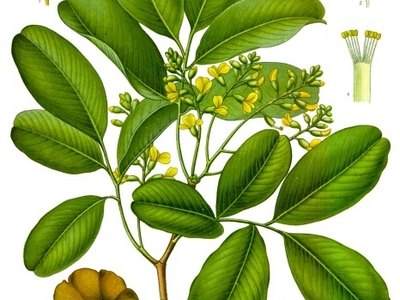 KinoPterocarpus marsupium
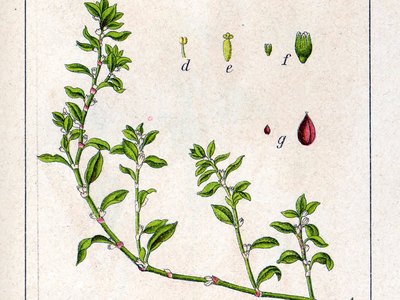 KnotgrassPolygonum aviculare
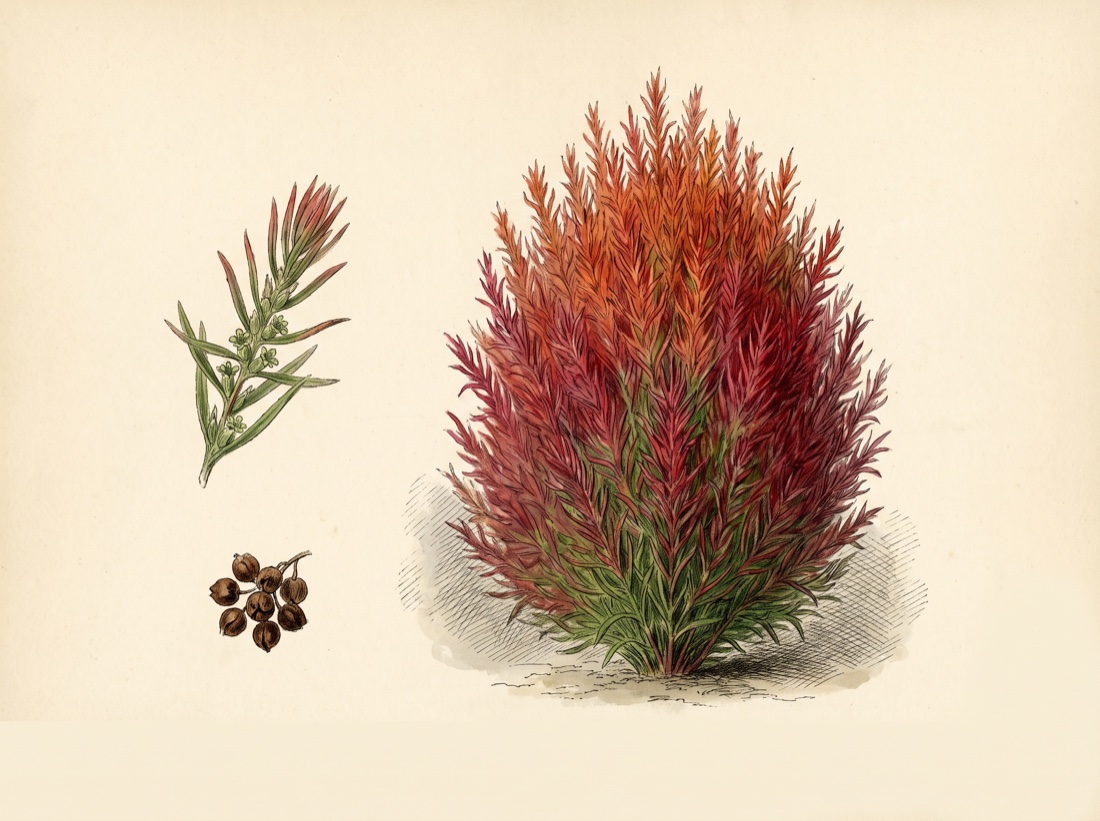 KochiaBassia scoparia
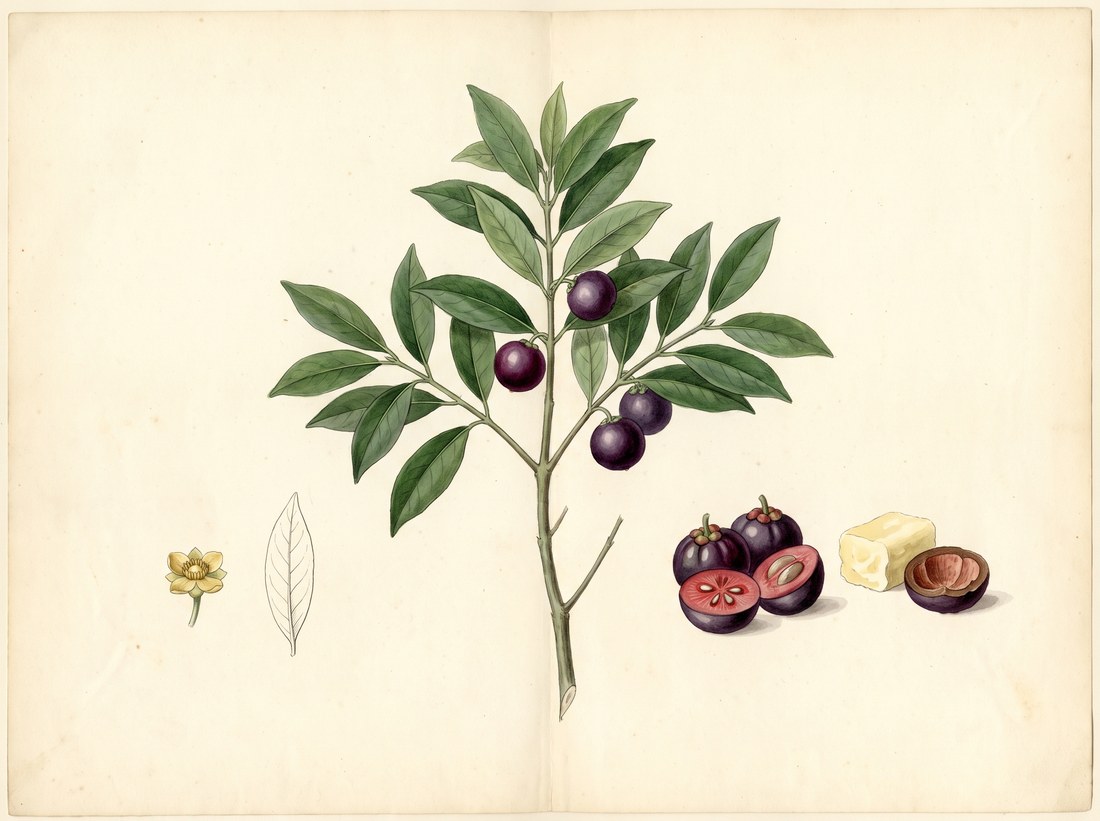 KokumGarcinia indica
 Kola NutCola acuminata
The whole plate is in the library. The compass, Compare, the Sky of eleven hundred plants and the formulary open with an email address and a password, free, with the formula builder and its safety engine. Herbert without limit, his formulating, clients, the handouts and the labels are the paid room.
Open the library, free