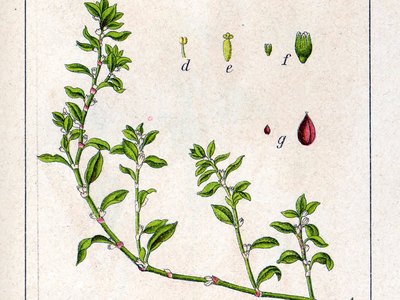
Western Herbalism
Knotgrass
Polygonum aviculare
Also known as Knotweed, Goose-grass, Door-weed, Birdweed, Allseed, Prostrate knotweed, Knot-grass, biǎn xù.
Knotgrass is a low, mat-forming annual of the smartweed family, common along paths, dooryards, and disturbed sandy soils across temperate regions worldwide. The flowering aerial parts are gathered in summer for use as a mild astringent and diuretic. In older Western herbal traditions, including the physiomedicalist school, it was valued as a gentle, diffusive remedy for cramping pain and minor urinary complaints, though it was often overlooked in favor of showier plants.

Ask Herbert about Knotgrass. Herbert is the master herbalist inside Bountiful Herbs: he answers from this plate and eleven hundred others, with dosing, pairing and cautions. Your first ten questions are free.
Ask HerbertActions
Indications what the tradition reached for it in
- Diarrhea with loose, mucous stools
- Flatulent colic
- Painful menstruation with cramping
- Menorrhagia or prolonged bleeding
- Hemorrhoids with bleeding
- Epistaxis
- Cystitis with aching low back
- Sudden urinary suppression
- Minor wounds and skin irritation
- Chronic cough with catarrh
Specific indications
Flatulent colic with cramping abdominal pain that eases with warmth, especially when combined with ginger
Sudden urinary suppression accompanied by a dull aching across the low back and bladder
Painful menstruation with a cramping, spasmodic quality rather than a congestive one
Safety
Pregnancy: Limited safety data in pregnancy
The record lists 2 contraindications; open the plate in the library to read them in full.
In practice
Knotgrass sits quietly among the astringent diuretics, useful where a gentle, non-depleting action is wanted rather than a forceful one. The physiomedicalist writers described it as a mild and diffusive relaxant and stimulant with antispasmodic qualities, reaching for it in flatulent colic and painful, cramping menstruation, usually as a warm infusion with a little ginger added to enhance its carminative effect and improve palatability.
Dosing as the sources wrote it
| Preparation | As written | Metric |
|---|---|---|
| Infusion | 2-4 g dried herb as infusion, three times daily | 2000-4000 mg |
| Tincture (1:5, 25%) | 2-4 mL three times daily | 2-4 mL |
| Warm infusion for colic | one ounce dried herb per pint water, taken warm and freely, often with a little ginger added |
Doses are reproduced from the sources for practitioners and are not a recommendation for any person.
From the sources
Overview. Knotgrass is a low, mat-forming annual of the smartweed family, common along paths, dooryards, and disturbed sandy soils across temperate regions worldwide. The flowering aerial parts are gathered in summer for use as a mild astringent and diuretic. In older Western herbal traditions, including the physiomedicalist school, it was valued as a gentle, diffusive remedy for cramping pain and minor urinary complaints, though it was often overlooked in favor of showier plants.
Clinical Notes. Knotgrass sits quietly among the astringent diuretics, useful where a gentle, non-depleting action is wanted rather than a forceful one. The physiomedicalist writers described it as a mild and diffusive relaxant and stimulant with antispasmodic qualities, reaching for it in flatulent colic and painful, cramping menstruation, usually as a warm infusion with a little ginger added to enhance its carminative effect and improve palatability.
Properties and Uses. This insignificant herb, a member of the smartweed Family, is usually overlooked by physicians, but possesses qualities deserving of attention. It is a mild and quite diffusive relaxant and stimulant, antispasmodic in action, and of decided usefulness in flatulent colic and painful menstruation. A warm infusion, of an ounce to a pint, may be used freely; and its efficacy is usually increased by the addition of a little ginger. It acts rather efficiently upon the kidneys, relieving sudden suppression, with aching through the back and bladder; and the cold infusion not unfrequently relieves tickling coughs. Medical Herbalism journal and medherb.com The Physiomedical Dispensatory by William Cook, M.D., 1869
Description. Natural Order, Polygonaceae. This is a well-known but humble plant, often growing in door-yards upon sandy soils, where its procumbent stems form soft and even masses of pale green. Stems slender, light purplish-red, with several slender branches, all procumbent and spreading. Leaves alternate, small, oblong lanceolate, sessile, sheathed at the joints. Flowers axillary, two or three together, greenish-white tinged with pale purplish-red, small, almost sessile; calyx petaloid and five-parted; stamens eight or nine; styles three. Blooming all the season.
Drawn from Cook's Physio-Medical Dispensatory, and the Bountiful Herbs editorial.
In formulas
Knotgrass stands in 12 documented formulas in the library, among them bà zhèng sǎn, qing fei yín zi, wũ líng tông guán tāng, jia wèi bà zhèng sǎn.
Often paired with
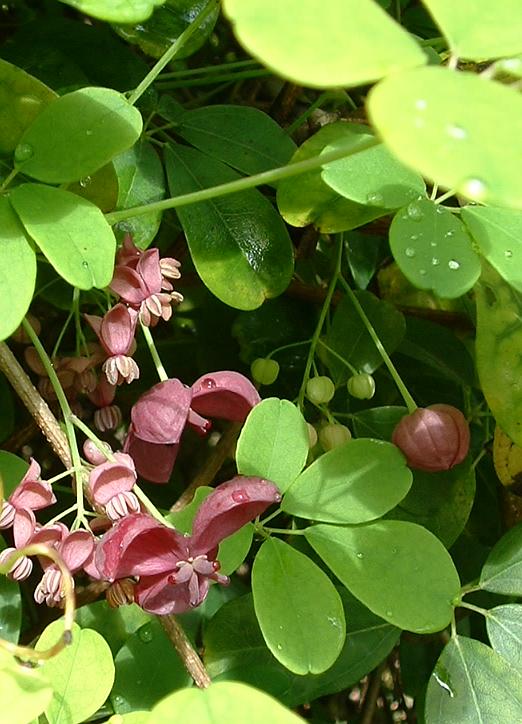 AkebiaAkebia quinata
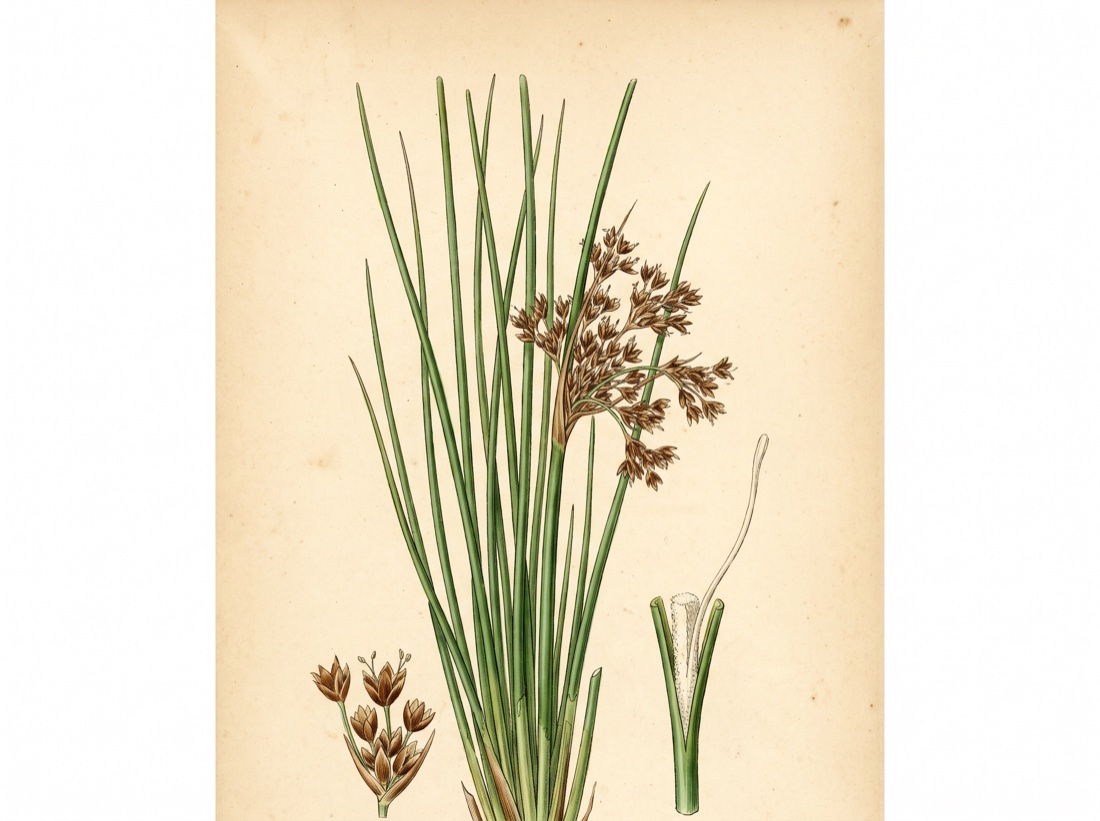 soft rushJuncus effusus
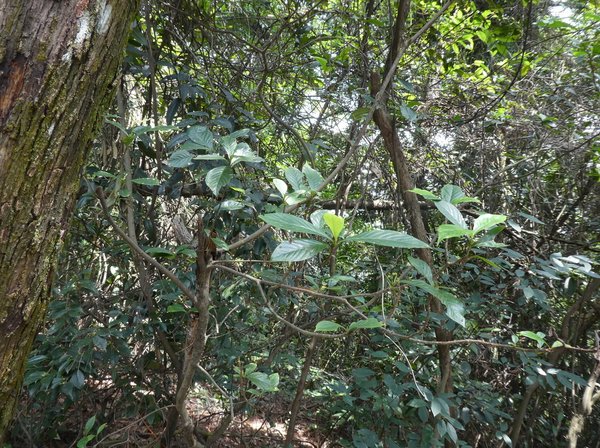 Zhi ZiGardenia jasminoides
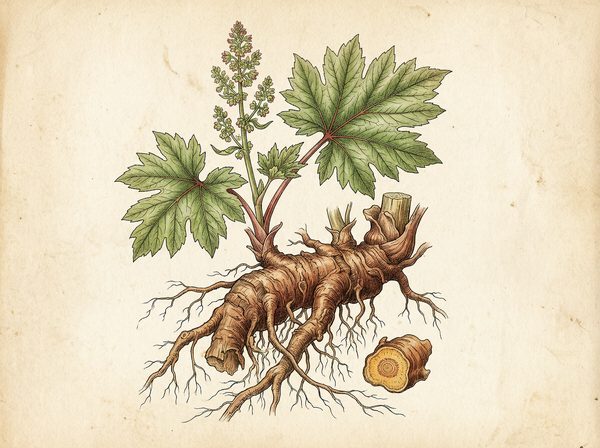 Chinese RhubarbRheum palmatum
 Licorice rootGlycyrrhiza glabra
 SmartweedPolygonum hydropiper
Nearby on the shelf
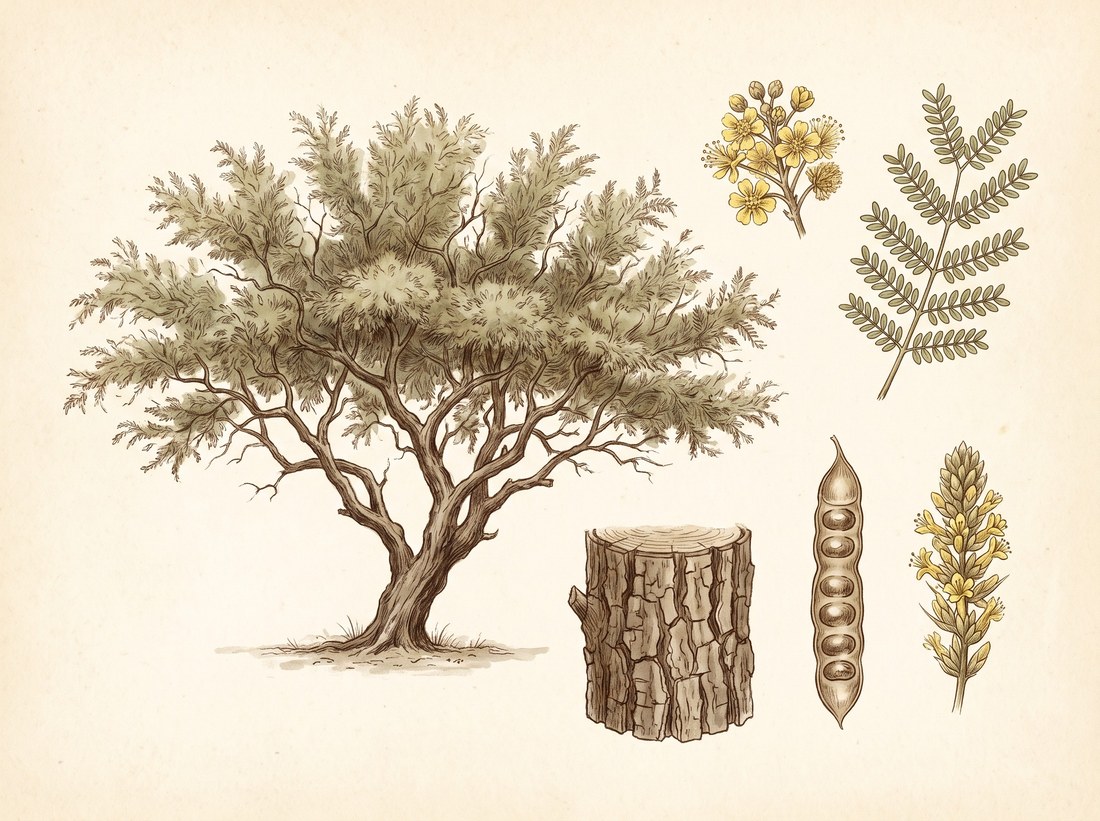 KhejriProsopis cineraria
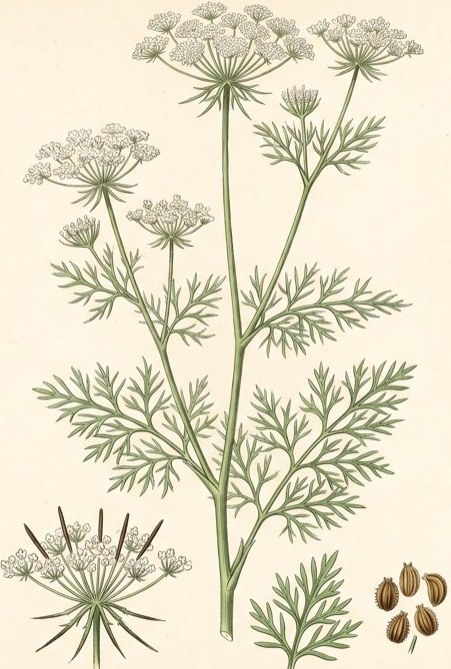 KhellaAmmi visnaga
 KinoPterocarpus marsupium
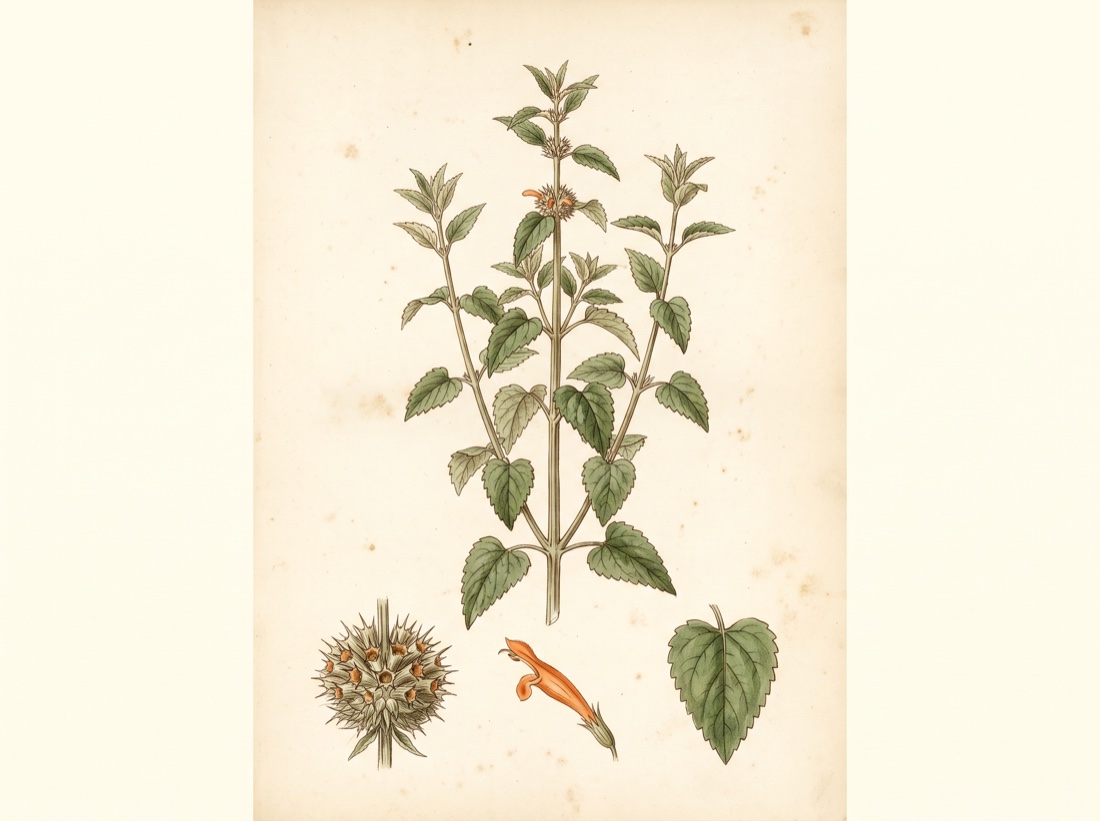 Klip daggaLeonotis nepetifolia
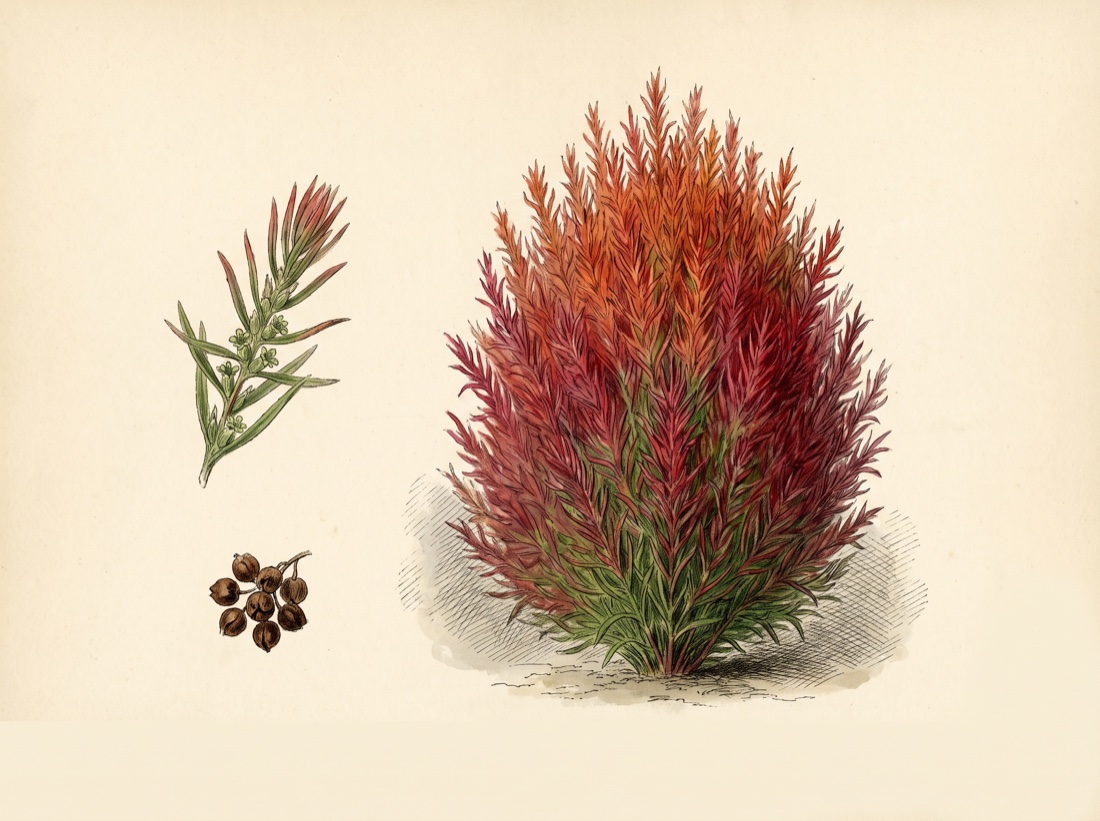 KochiaBassia scoparia
 KokumGarcinia indica
 Kola NutCola acuminata
 KonjacAmorphophallus konjac
The whole plate is in the library. The compass, Compare, the Sky of eleven hundred plants and the formulary open with an email address and a password, free, with the formula builder and its safety engine. Herbert without limit, his formulating, clients, the handouts and the labels are the paid room.
Open the library, free