Western and Ayurvedic herbalism
Kamala
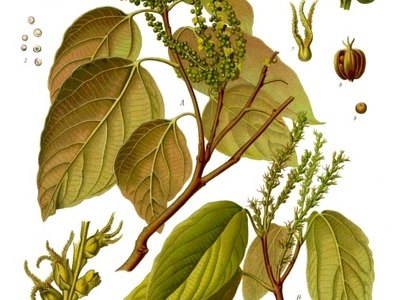
Mallotus philippinensis
Also known as Kameela, Monkey face tree, Red kamala, Kamela, Mallotus, Spoonwood, Rottlera (U. S. P, 1870), Kampillaka, Kampilla, Karkasha.
Kamala is the fine red glandular powder brushed from the ripe fruit capsules of Mallotus philippinensis, a small tree native to South and Southeast Asia and northern Australia. The powder has a long history in Ayurvedic medicine and was adopted by nineteenth century Eclectic physicians chiefly as a taeniafuge for expelling tapeworm and as a topical dressing for parasitic skin disease. It is a resinous, staining substance once also used as a dye, and the medicinal action and the dye action come from the same resin fraction.

Ask Herbert about Kamala. Herbert is the master herbalist inside Bountiful Herbs: he answers from this plate and eleven hundred others, with dosing, pairing and cautions. Your first ten questions are free.
Ask HerbertActions
Indications what the tradition reached for it in
- Tapeworm infestation
- Roundworm infestation
- Intestinal parasites
- Scabies
- Ringworm and other tinea infections
- Herpetic skin eruptions
- Sluggish bowel needing brisk evacuation
- Parasitic skin conditions in animals
- Roundworm infestation (ascariasis)
- Threadworm and pinworm
- Parasitic skin eruptions
- Sluggish bowel with parasitic burden
- Chronic constipation associated with intestinal worms
- Intestinal worms generally
- Constipation with worm burden
- Ringworm and other superficial fungal skin conditions
- Herpetic eruptions
- Chronic skin eruptions with scaling
- Sluggish bowel requiring brisk evacuation
- Tapeworm infestation (traditional taenicide)
- Roundworm and threadworm (adjunct)
- Scabies (topical)
- Ringworm and fungal skin infection (topical)
- Chronic itching eruptions (topical)
- Slow healing wounds and ulcers (topical)
- Constipation with worms (traditional)
- Hyperpigmentation and melasma (topical, experimental)
- Herpetic and eczematous skin lesions (topical, traditional)
- Veterinary tapeworm in animals (traditional)
Specific indications
Confirmed or strongly suspected tapeworm, given as a single decisive dose to expel the worm rather than for chronic dosing
Obstinate ringworm or scabies where the fine red powder is dusted on or made into an ointment when gentler topical antifungals have failed
Obstinate ringworm or scabies where a topical astringent, drying paste is indicated
Circular scaly patches of ringworm on the trunk or groin in a damp, sweaty kapha patient
A sluggish ulcer with a foul discharge that needs a drying, antiseptic dressing
Safety
Low dose botanical. Used in drop doses in the classical practice; not a plant to dose freely.
Pregnancy: Avoid in pregnancy: it is a strongly purgative, gastrointestinally irritant remedy with no modern safety data and a traditional reputation as an emmenagogue-adjacent purge.
Breastfeeding: Avoid during lactation given the lack of modern safety data and its irritant, purgative action.
The record lists 7 contraindications; open the plate in the library to read them in full.
In practice
Kamala earned its Eclectic reputation almost entirely as a single-dose vermifuge for tapeworm, generally given as a bolus of the powder stirred into honey or syrup on an empty stomach, sometimes followed a few hours later by a mild purgative to hasten expulsion of the worm.
In Ayurveda
Rasa: Katu (pungent), Kashaya (astringent). Virya: Ushna (heating). Vipaka: Katu. Dosha: Reduces Kapha and Vata, may aggravate Pitta in excess.
Dosing as the sources wrote it
| Preparation | As written | Metric |
|---|---|---|
| Powder (glandular hairs) | 10-20 g as a single dose stirred into honey or syrup, taken on an empty stomach as a taeniafuge | 10000-20000 mg |
| Specific tincture | 2-4 mL (historically dosed as 30-60 minims), in divided doses | 2-4 mL |
| The powder is given in doses ranging from fifty to one hundred and fifty grains | 3240-3240 mg | |
| Specific Kamala | Dose, from thirty to sixty minims. | 1.85-3.7 mL |
| If the first does does not act, it should be repeated in four hours or followed with a dose of castor oil. | ||
| Dose, 30 to 60 grains. | 1944-3888 mg |
Doses are reproduced from the sources for practitioners and are not a recommendation for any person.
From the sources
Overview. Kamala is the fine red glandular powder brushed from the ripe fruit capsules of Mallotus philippinensis, a small tree native to South and Southeast Asia and northern Australia. The powder has a long history in Ayurvedic medicine and was adopted by nineteenth century Eclectic physicians chiefly as a taeniafuge for expelling tapeworm and as a topical dressing for parasitic skin disease. It is a resinous, staining substance once also used as a dye, and the medicinal action and the dye action come from the same resin fraction.
Overview. Kamala is the fine red glandular powder brushed from the ripe fruit capsules of Mallotus philippensis, a small tree native to South and Southeast Asia, southern China, and parts of Australia. It has a long history in Ayurvedic and Unani medicine as a vermifuge and skin remedy, and it entered Western eclectic and official pharmacy in the nineteenth century as a taeniacide, being listed in the United States Pharmacopoeia under the name Rottlera. The powder, not a tincture of leaf or root, is the traditional preparation, taken internally for worms or applied externally for parasitic skin disease.
Overview. Kamala is the fine, brick-red glandular powder brushed from the ripe capsules of a small Euphorbiaceous tree native to India, southern China, and parts of Southeast Asia and northern Australia. It has long served two quite different purposes: taken internally it was prized across South and East Asia, and later in Europe, as a decisive vermifuge for tapeworm; applied externally as a paste or ointment it was used against scabies, ringworm, and other parasitic or scaling skin conditions. The physiomedicalist and Eclectic writers who took it up in the nineteenth century regarded it as a specific, single-dose tapeworm remedy imported from Eastern practice rather than a tonic herb for ongoing use.
Overview. Mallotus philippinensis is a small evergreen tree of the spurge family found throughout the outer Himalaya, the Deccan, the Eastern and Western Ghats and across Southeast Asia to the Philippines. Its ripe fruits are covered in a fine brick red powder of glandular hairs, brushed off and sold as kamala, which has been used for centuries as a dye for silk and as a medicine. In Ayurveda Kampillaka is the classical taenicide and a purgative, given internally for worms in carefully limited doses and applied externally for scabies, ringworm, wounds and itching skin.
Drawn from Cook's Physio-Medical Dispensatory; King's American Dispensatory, 18th edition (Felter and Lloyd); Ellingwood's American Materia Medica, Therapeutics and Pharmacognosy; Felter's Eclectic Materia Medica, Pharmacology and Therapeutics, and the Bountiful Herbs editorial.
In formulas
Kamala stands in 22 documented formulas in the library, among them Śivā Guṭikā, Kāsīsādi Ghṛta, Dhānvantara Ghṛta, Miśraka Sneha, Aravindāsava, Uśīrāsava.
Often paired with
 sacred lotusNelumbo nucifera
 nut grassCyperus rotundus
 cardamomElettaria cardamomum
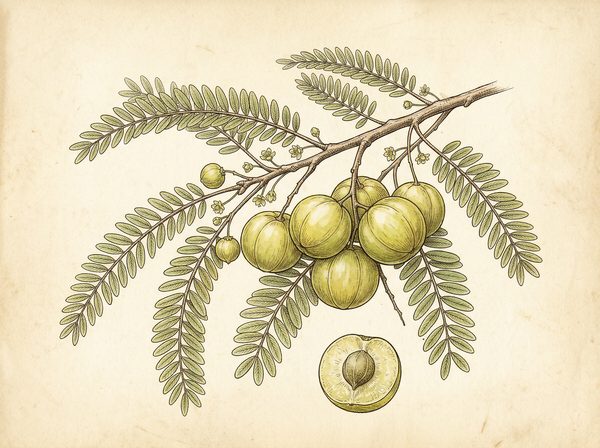 Indian gooseberryPhyllanthus emblica
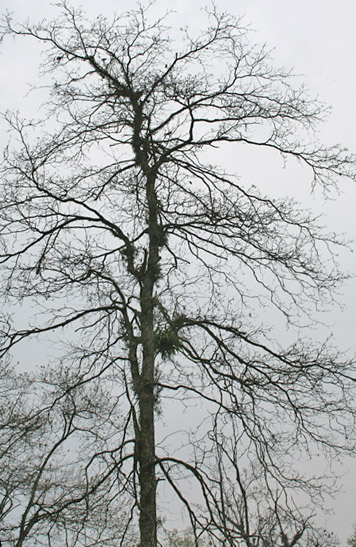 chebulic myrobalanTerminalia chebula
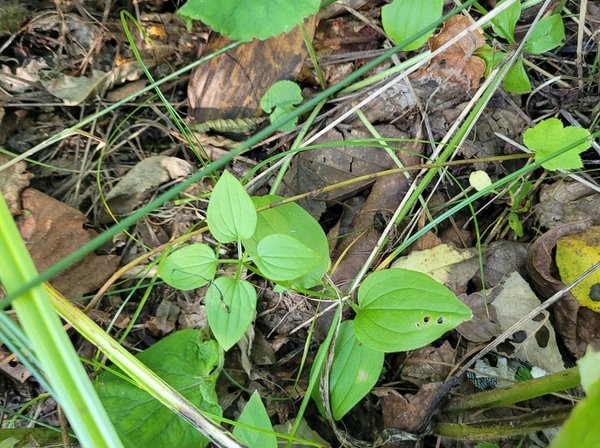 Indian madderRubia cordifolia
Nearby on the shelf
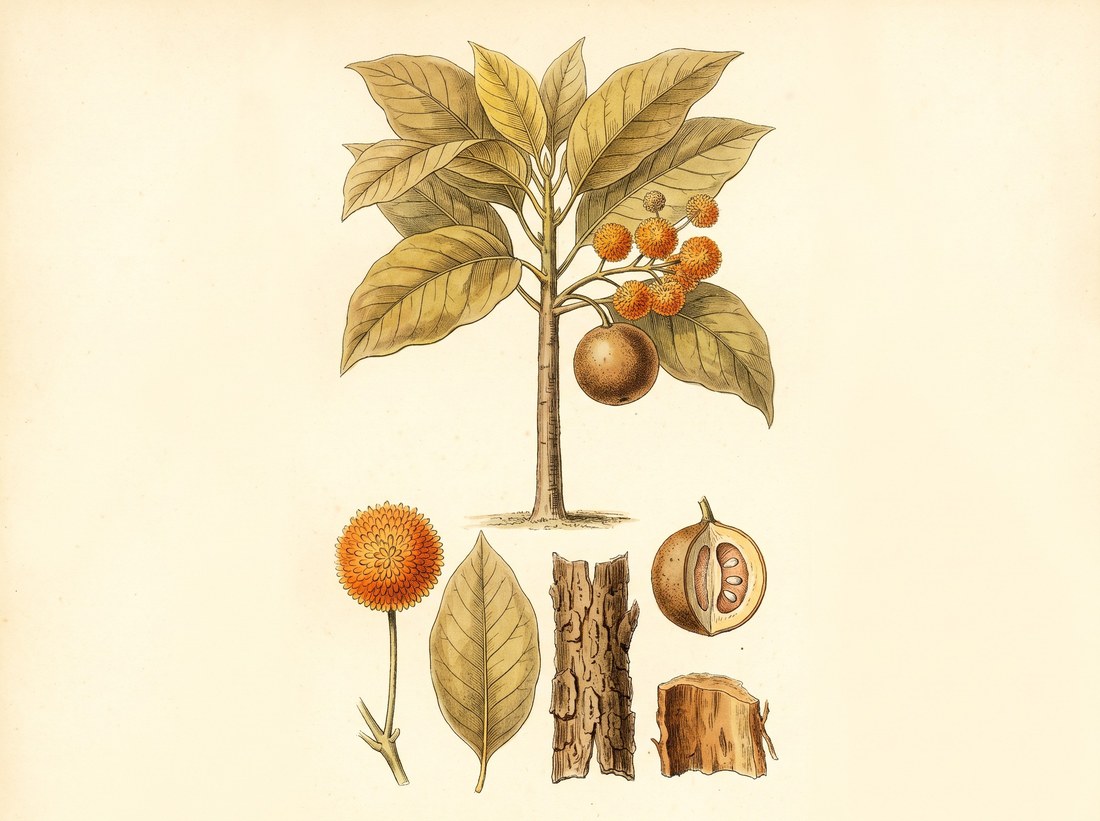 KadamNeolamarckia cadamba
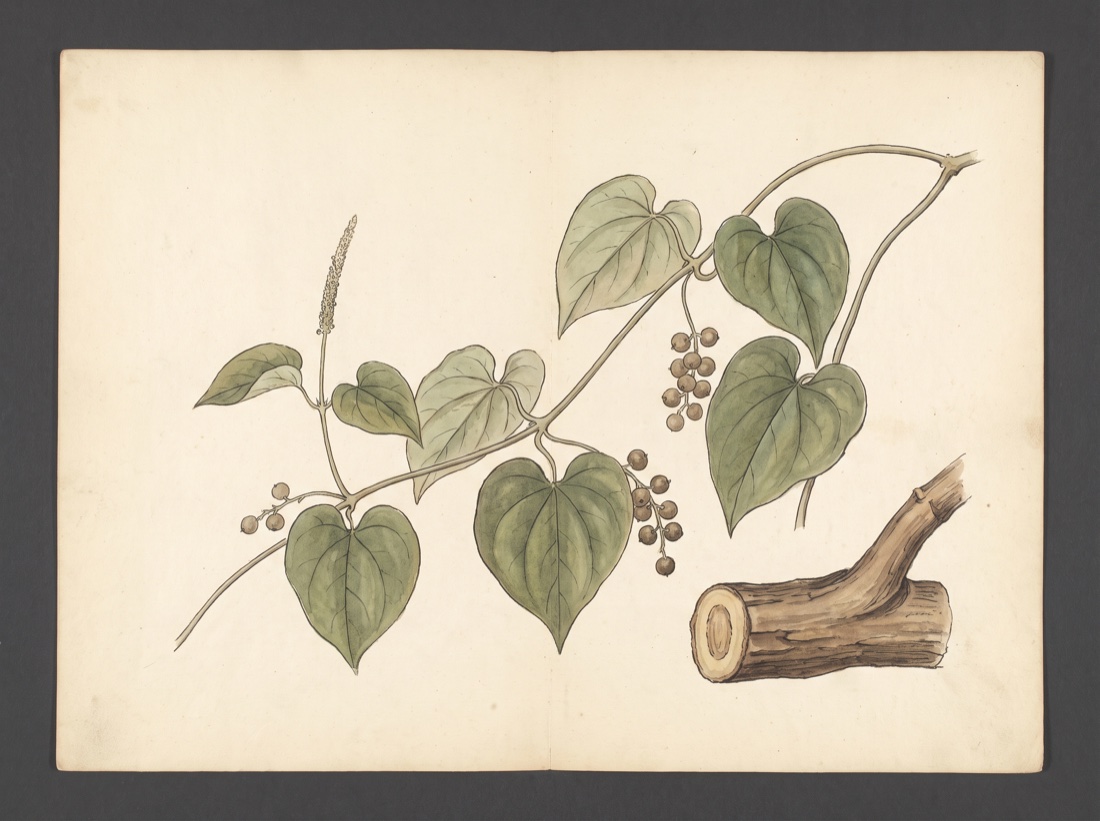 Kadsura pepperPiper kadsura
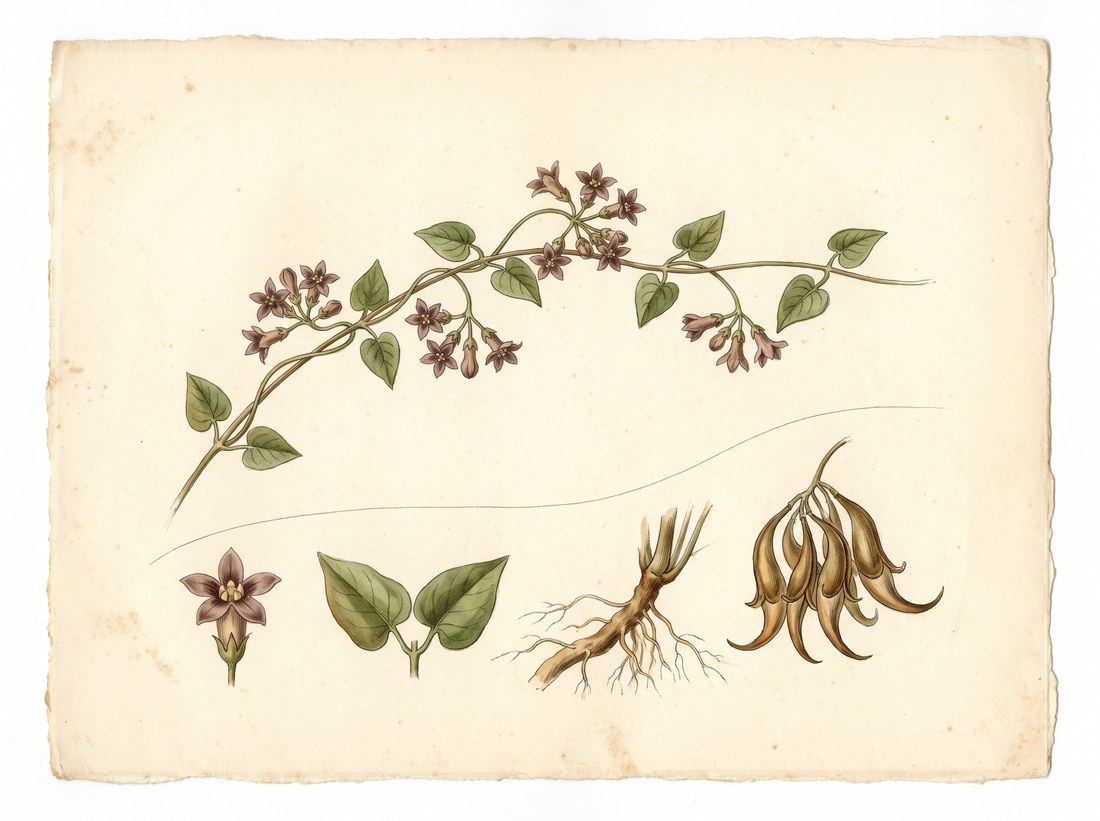 KakanasaPentatropis capensis
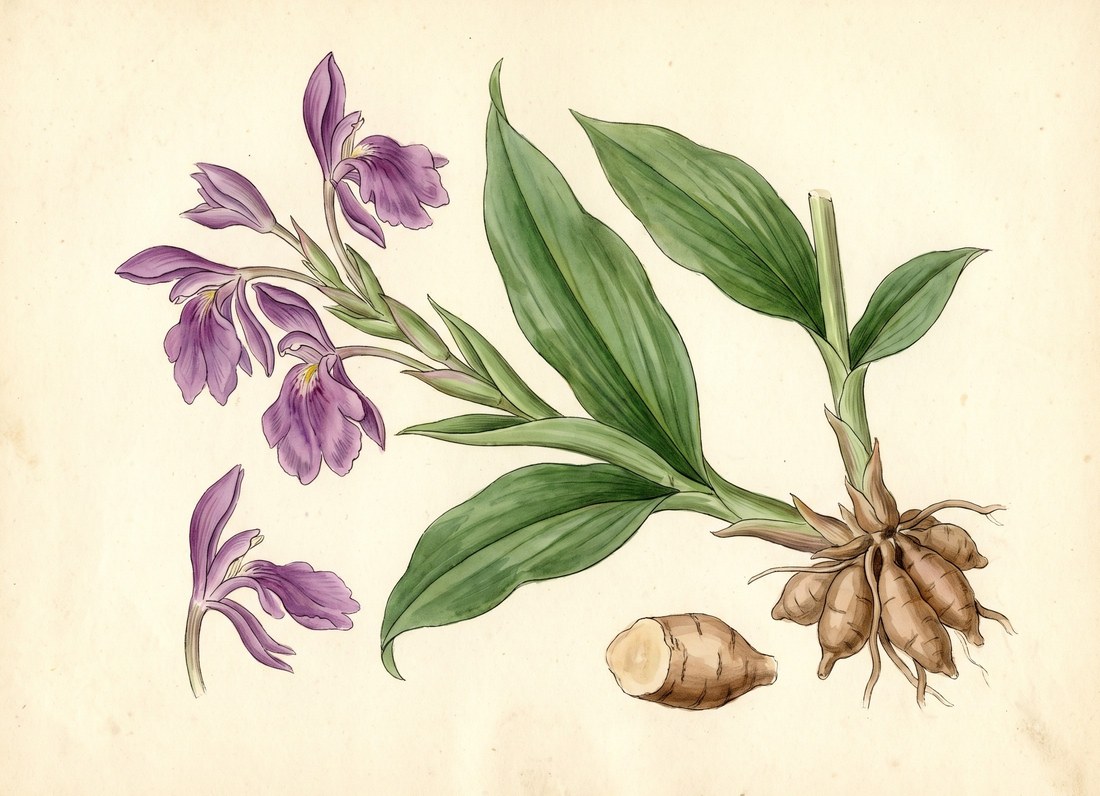 KakoliRoscoea procera
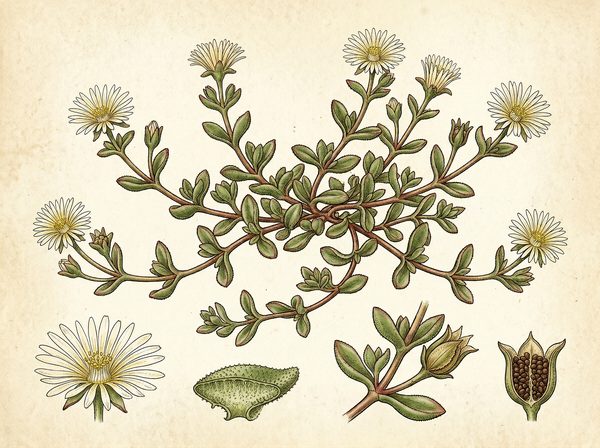 KannaSceletium tortuosum
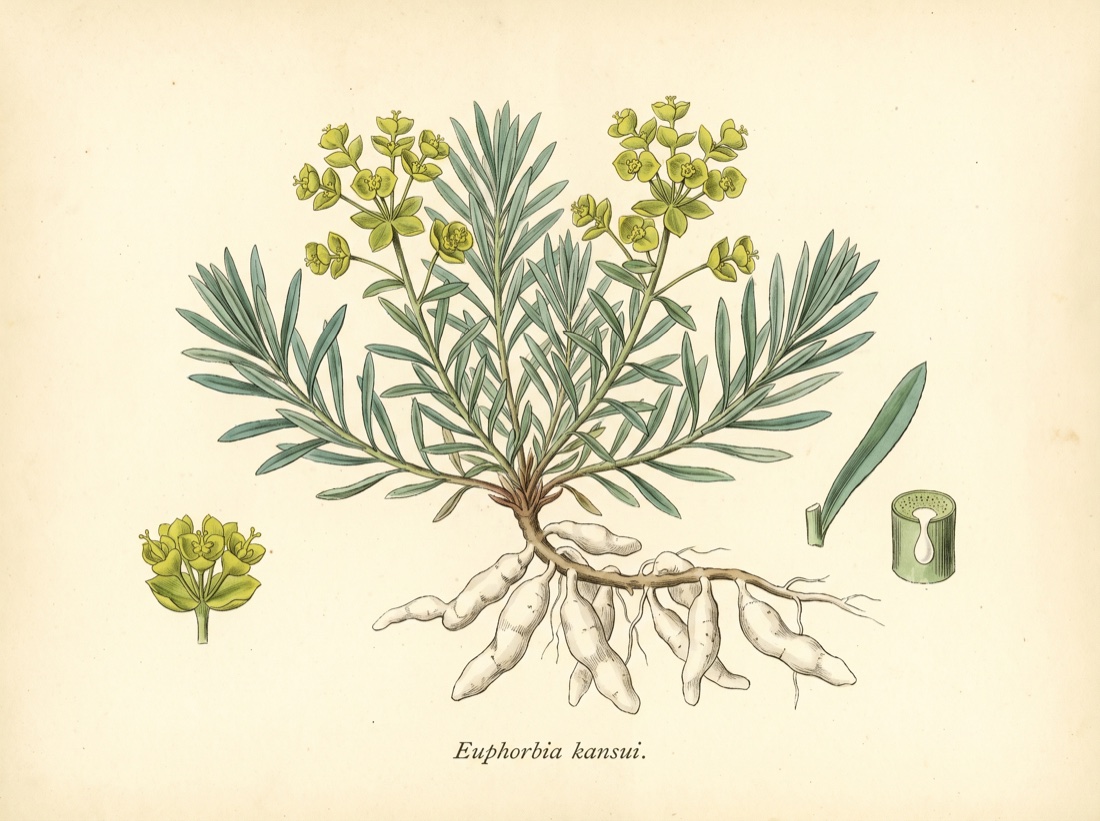 KansuiEuphorbia kansui
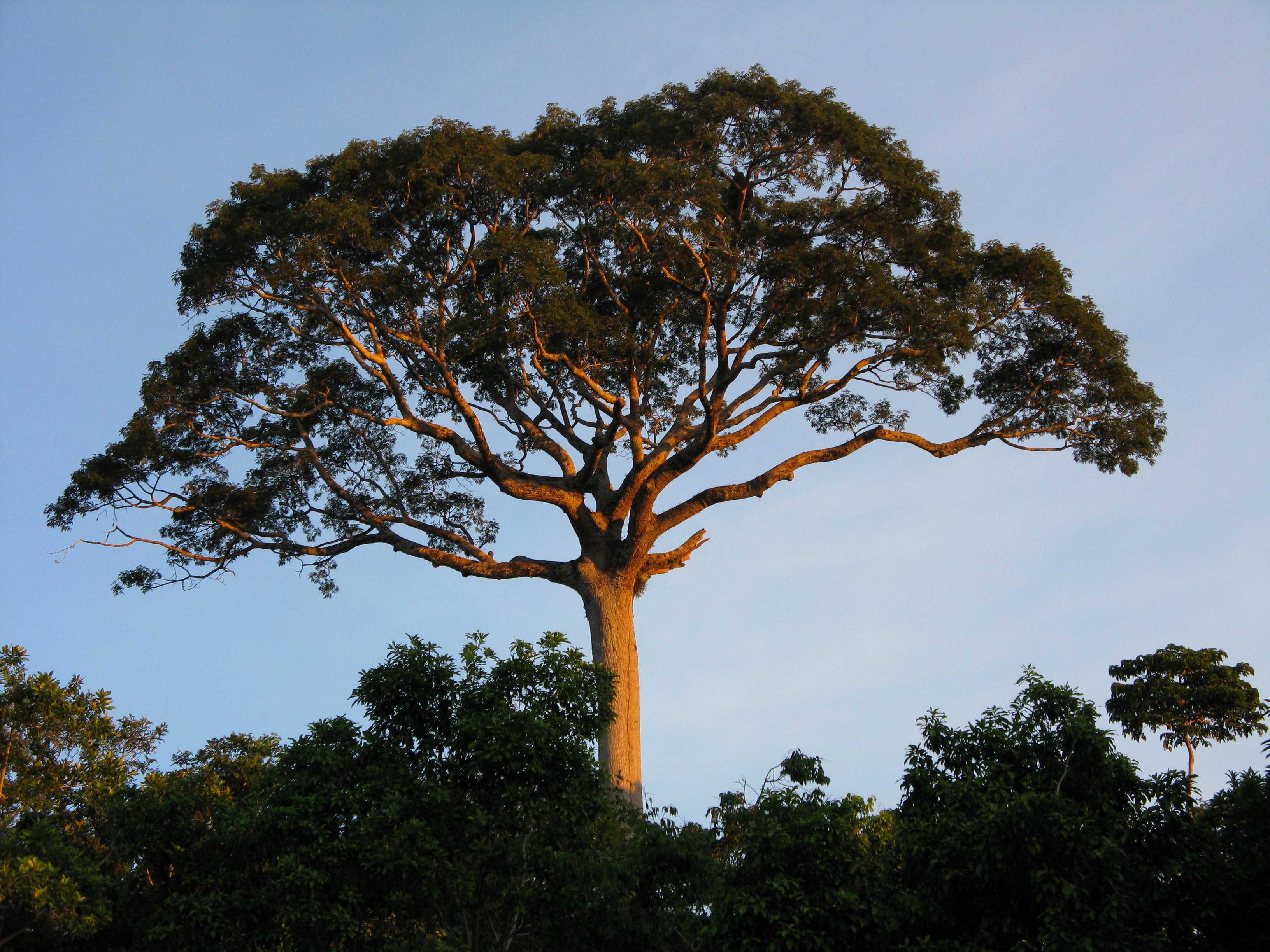 KapokCeiba pentandra
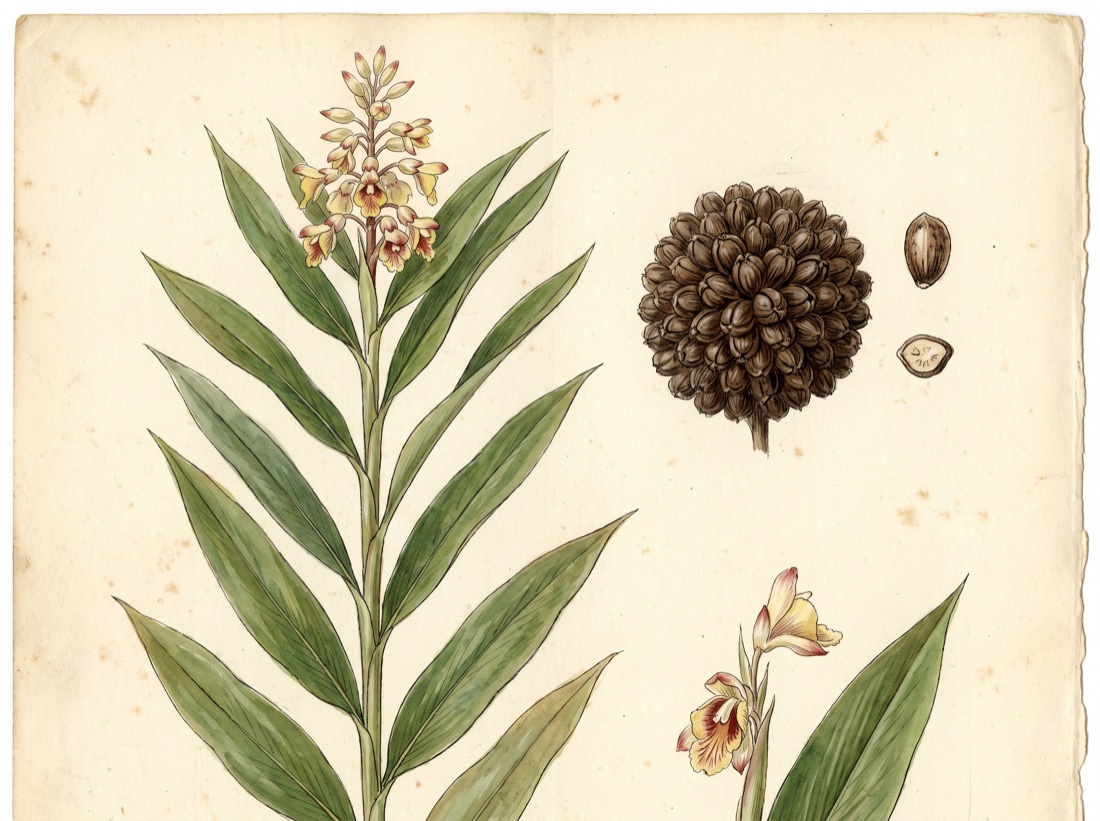 Katsumada galangalAlpinia katsumadai
The whole plate is in the library. The compass, Compare, the Sky of eleven hundred plants and the formulary open with an email address and a password, free, with the formula builder and its safety engine. Herbert without limit, his formulating, clients, the handouts and the labels are the paid room.
Open the library, free