Ayurvedic Herbalism
Kadam
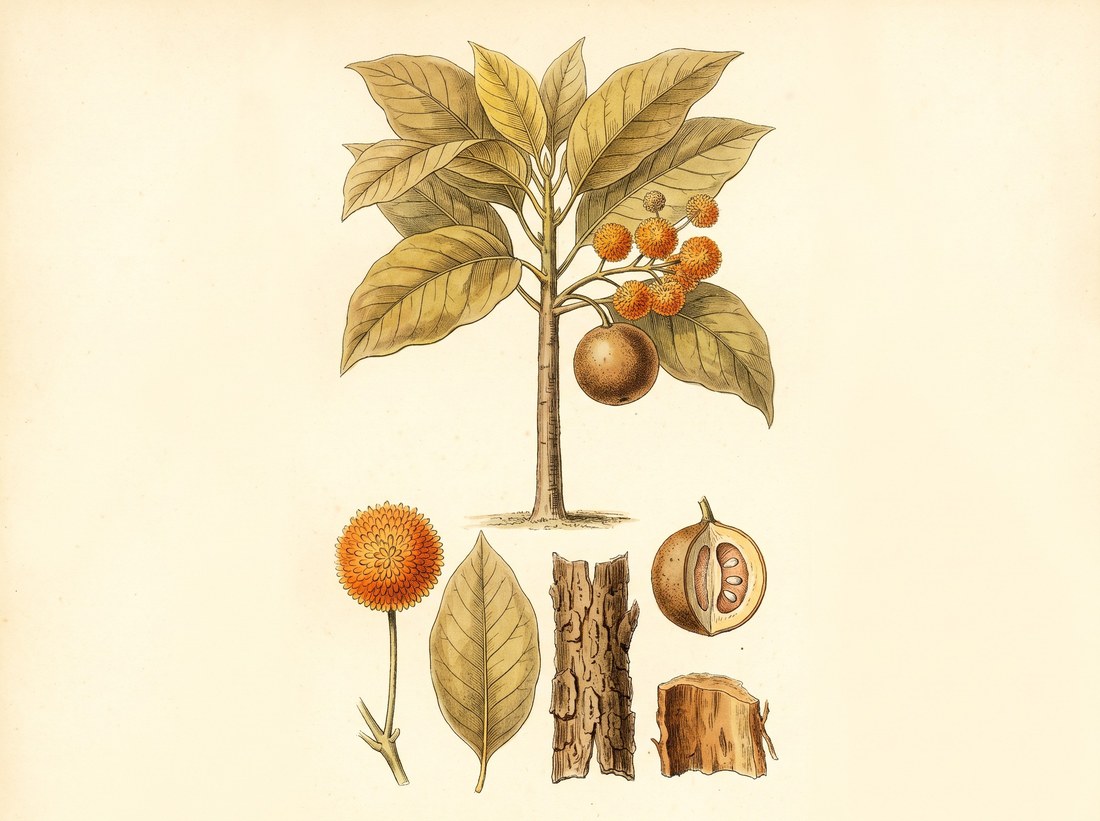
Neolamarckia cadamba
Also known as kadamba, burflower tree, common bur-flower, wild cinchona, Kadamba, Priyaka, Nipa.
Neolamarckia cadamba is the tall, straight-trunked kadam tree of the coffee family, native to the moist forests of the Himalayan foothills, Bengal, Assam, the Western Ghats and the eastern states, and widely planted along roads and in temple compounds for its fragrant orange ball-shaped flowers. Ayurveda uses the stem bark, and to a lesser degree the fruit and leaf, as a cooling astringent for diarrhea, bleeding, fever and wounds. The tree is loved in poetry and devotional literature, and the bark has held a modest but steady place in the classical nighantus and in village medicine.

Ask Herbert about Kadam. Herbert is the master herbalist inside Bountiful Herbs: he answers from this plate and eleven hundred others, with dosing, pairing and cautions. Your first ten questions are free.
Ask HerbertActions
Indications what the tradition reached for it in
- Acute and chronic diarrhea
- Dysentery with mucus and blood
- Bleeding gums and mouth ulcers (gargle)
- Fever with loose stools
- Slow-healing wounds and ulcers (topical)
- Inflamed joints and soft tissue swelling (topical)
- Type 2 diabetes with loose bowels (adjunct)
- Heavy menstrual bleeding (adjunct)
- Conjunctivitis and sore eyes (wash)
- Skin eruptions with weeping discharge
Specific indications
A kapha-pitta patient with loose, mucoid, sometimes bloody stools, a coated tongue and low-grade fever, who needs binding and cooling rather than heating
Spongy, bleeding gums and recurrent aphthous ulcers in a hot, congested constitution, where an astringent cooling gargle is wanted
A weeping wound or inflamed joint in a warm, swollen patient, where a cooling bark paste is applied while the bowel is quietly toned
Safety
The record lists 5 contraindications; open the plate in the library to read them in full.
In practice
Kadamba belongs on the astringent shelf beside Udumbara, Nyagrodha and Lodhra, and the classical texts group it with the fig barks for the same purposes: it binds the bowel, checks bleeding and cools inflamed tissue.
In Ayurveda
Rasa: kashaya (astringent), tikta (bitter), madhura (sweet, the fruit). Virya: sheeta (cooling). Vipaka: katu (pungent). Guna: guru (heavy), ruksha (dry). Dosha: pacifies kapha and pitta; heavy and astringent, so it can aggravate vata if used long in a dry patient. Karma: stambhana (astringes, checks discharge); grahi (binds the bowel); raktastambhana (stops bleeding); vranaropana (heals wounds); shothahara (reduces swelling); jvaraghna (relieves fever); krimighna (anthelmintic); dahaprashamana (relieves burning); vishaghna (counters poison, topical). Classical indications: atisara (diarrhea); pravahika (dysentery); raktapitta (bleeding disorders); jvara (fever); vrana (wounds and ulcers); mukhapaka (stomatitis); shotha (inflammatory swelling); prameha (urinary disorders including diabetes); kushtha (skin disease); netraroga (eye inflammation, as a wash). The stem bark is the principal drug, given as churna, as kwatha for internal use and as a gargle or wash, and ground with water as a kalka for wounds and swellings. The ripe fruit is eaten and its juice taken for thirst and fever; the leaf is warmed and applied to painful joints. Classical formulations: Kadamba kwatha, Kadamba twak churna, Kadambadi lepa, Nyagrodhadi gana kwatha, Kadamba phala swarasa. Described in: Charaka Samhita, Sushruta Samhita, Ashtanga Hridaya, Bhavaprakasha Nighantu, Dhanvantari Nighantu, Raja Nighantu, Kaiyadeva Nighantu.
Dosing as the sources wrote it
| Preparation | As written | Metric |
|---|---|---|
| Churna | 3-6 g powdered stem bark twice daily with honey or rice water | 3000-6000 mg |
| Kwatha | 50-100 mL bark decoction twice daily | 50-100 mL |
| Swarasa | 10-20 mL fresh fruit juice once or twice daily | 10-20 mL |
| Kalka, topical | 5-10 g bark paste applied to wounds or swollen joints once daily | 5000-10000 mg |
| Gargle | 50-100 mL bark decoction used as a mouth rinse twice daily | 50-100 mL |
Doses are reproduced from the sources for practitioners and are not a recommendation for any person.
From the sources
Overview. Neolamarckia cadamba is the tall, straight-trunked kadam tree of the coffee family, native to the moist forests of the Himalayan foothills, Bengal, Assam, the Western Ghats and the eastern states, and widely planted along roads and in temple compounds for its fragrant orange ball-shaped flowers. Ayurveda uses the stem bark, and to a lesser degree the fruit and leaf, as a cooling astringent for diarrhea, bleeding, fever and wounds. The tree is loved in poetry and devotional literature, and the bark has held a modest but steady place in the classical nighantus and in village medicine.
Clinical Notes. Kadamba belongs on the astringent shelf beside Udumbara, Nyagrodha and Lodhra, and the classical texts group it with the fig barks for the same purposes: it binds the bowel, checks bleeding and cools inflamed tissue.
Ayurvedic Profile. Rasa: kashaya (astringent), tikta (bitter), madhura (sweet, the fruit). Virya: sheeta (cooling). Vipaka: katu (pungent). Guna: guru (heavy), ruksha (dry). Dosha: pacifies kapha and pitta; heavy and astringent, so it can aggravate vata if used long in a dry patient.
In formulas
Kadam stands in 2 documented formulas in the library, among them Grahaṇīmihira Taila, Abhraka Bhasma.
Often paired with
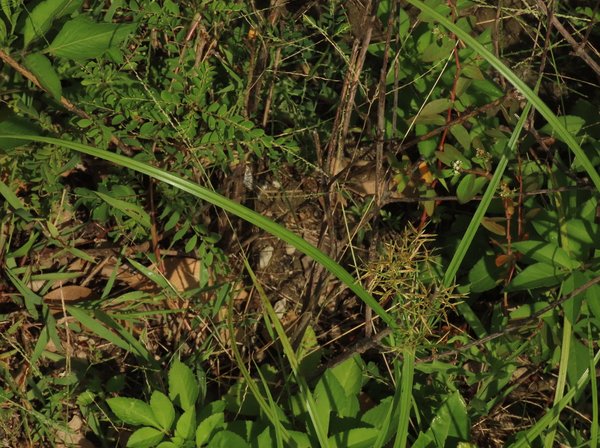 nut grassCyperus rotundus
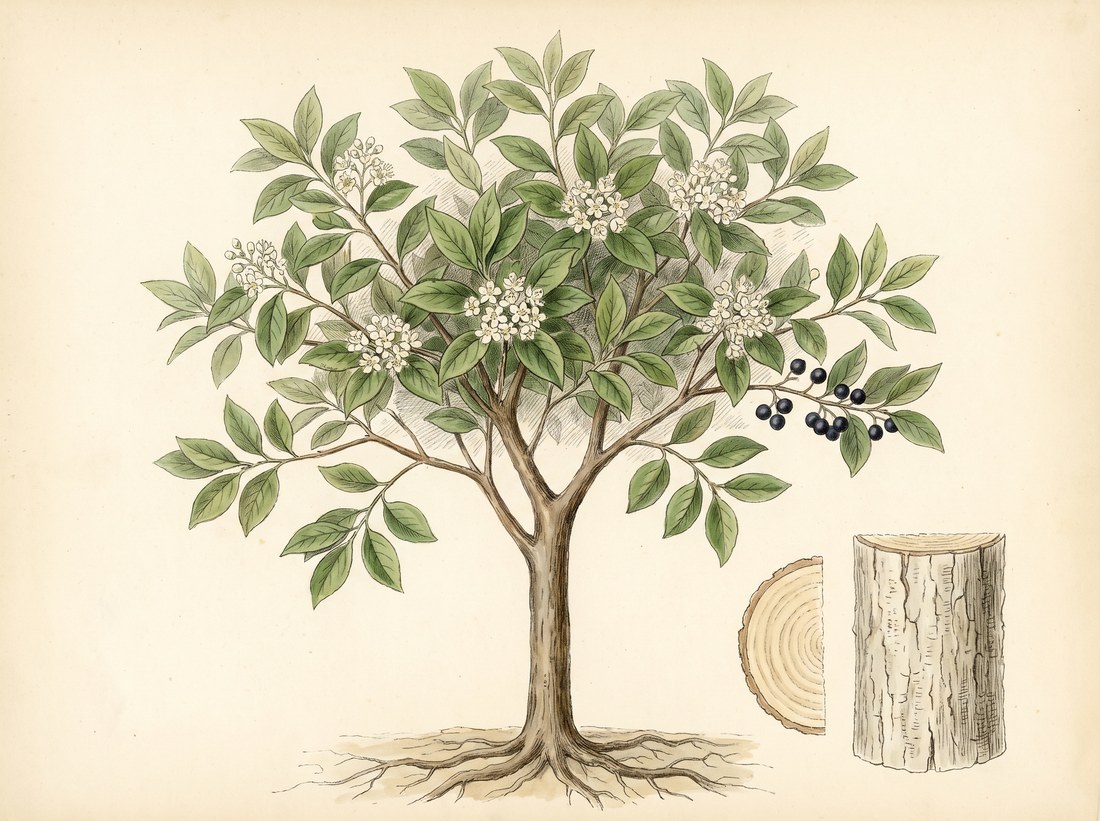 lodh treeSymplocos racemosa
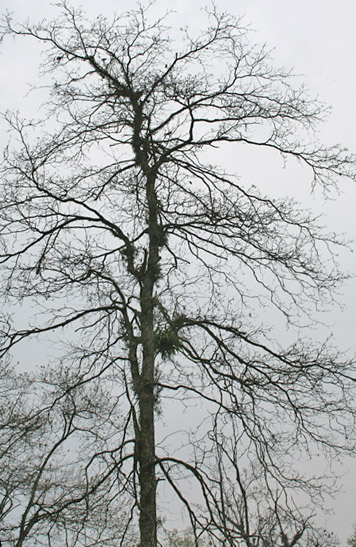 chebulic myrobalanTerminalia chebula
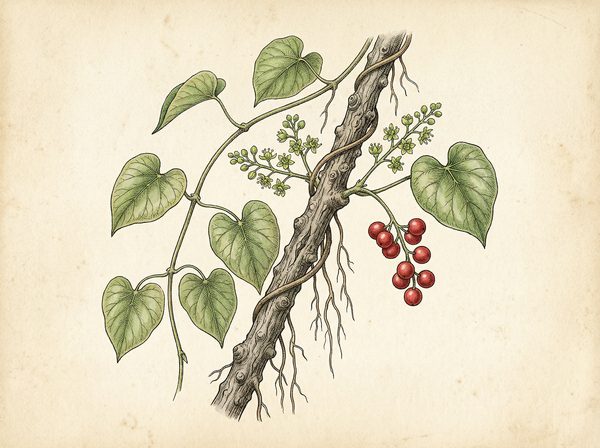 guduchiTinospora cordifolia
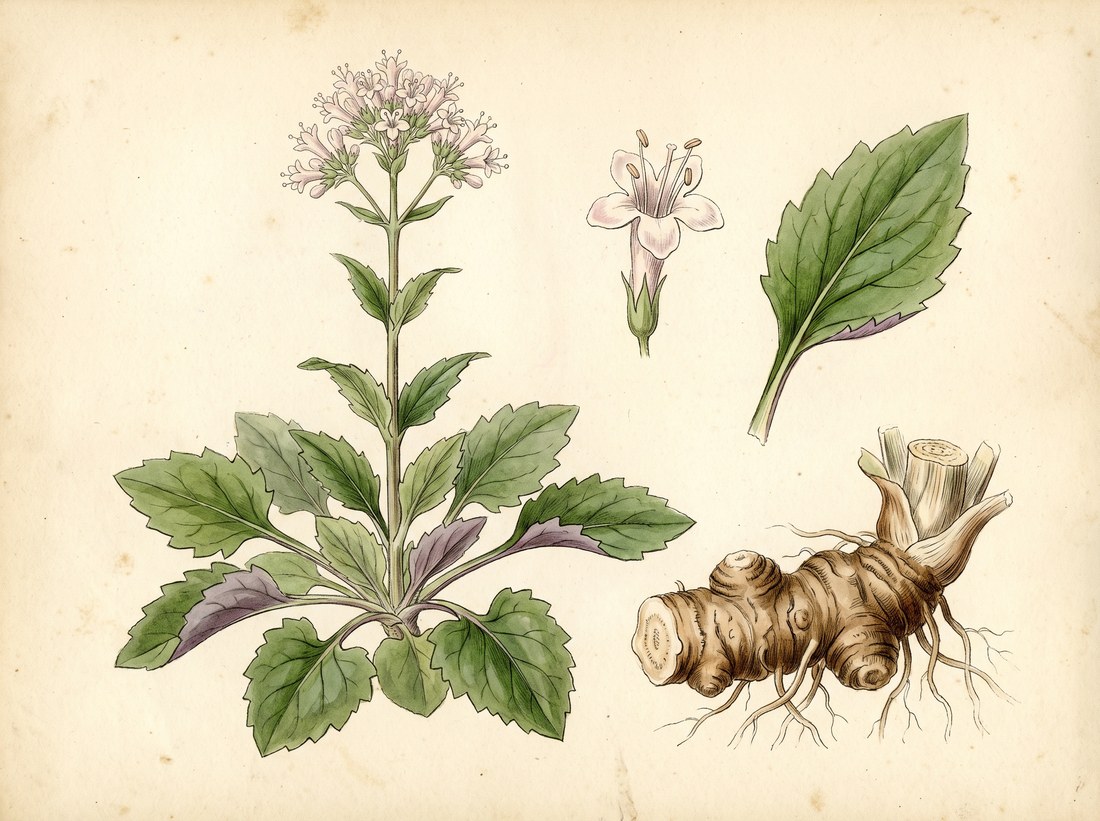 Indian valerianValeriana jatamansi
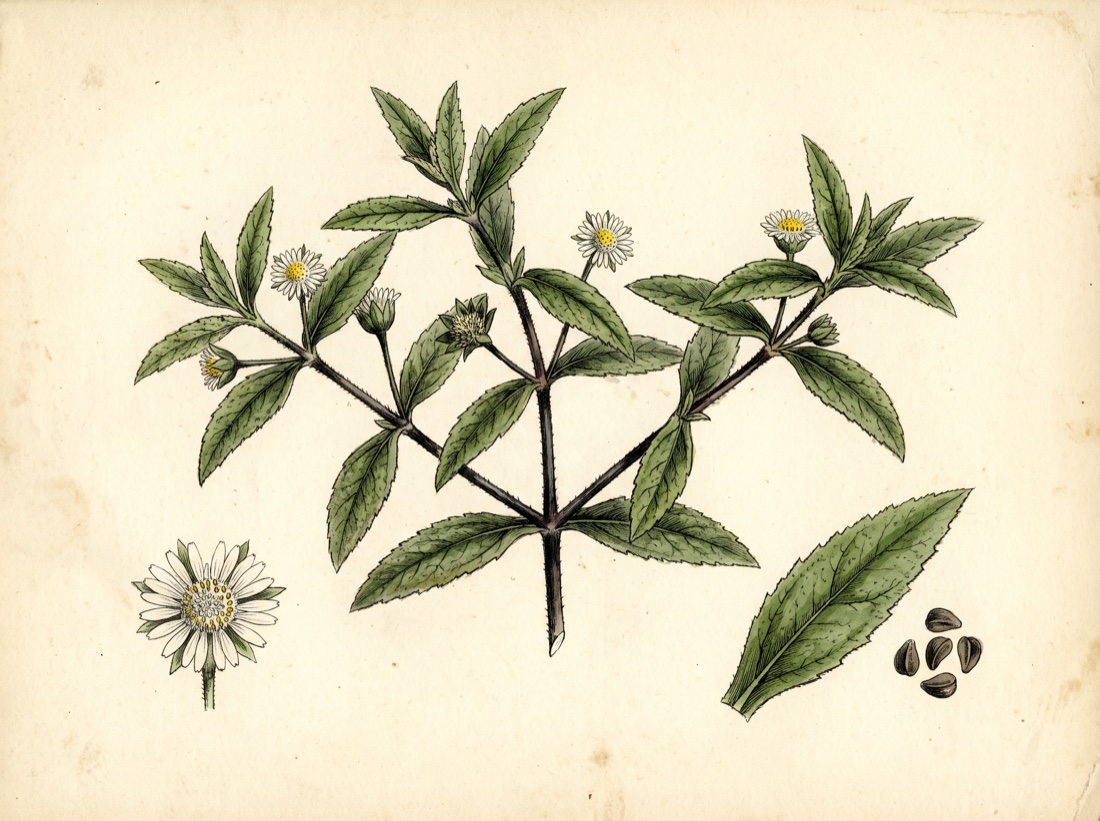 false daisyEclipta prostrata
Nearby on the shelf
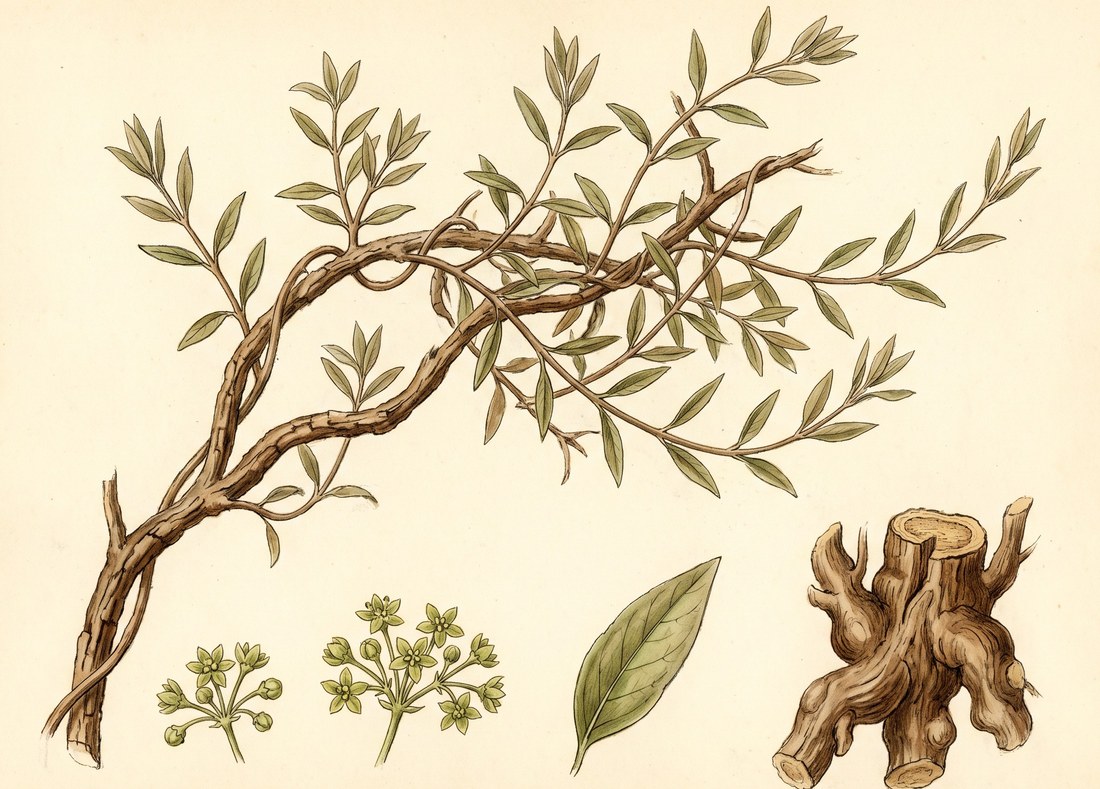 JivantiLeptadenia reticulata
 Job's TearsCoix lacryma-jobi
 JujubeZiziphus jujuba
 JuniperJuniperus communis
 Kadsura pepperPiper kadsura
 KakanasaPentatropis capensis
 KakoliRoscoea procera
 KamalaMallotus philippinensis
The whole plate is in the library. The compass, Compare, the Sky of eleven hundred plants and the formulary open with an email address and a password, free, with the formula builder and its safety engine. Herbert without limit, his formulating, clients, the handouts and the labels are the paid room.
Open the library, free