Chinese Herbalism
Katsumada galangal
Alpinia katsumadai
Also known as Katsumada's galangal seed, Hainan galangal, cao dou kou, cǎo dòu kòu.
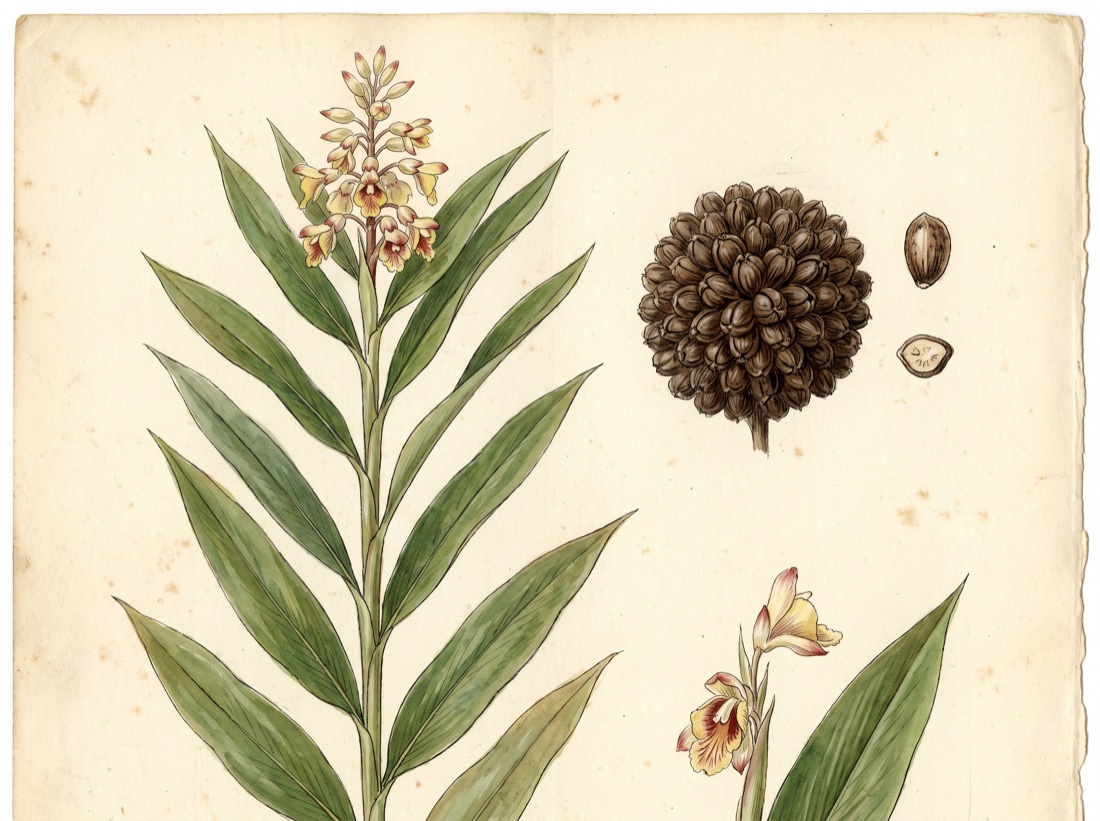
Cao dou kou is the dried seed mass of Alpinia katsumadai, a large-leaved ginger of the humid forests of Guangdong, Guangxi and Hainan; botanists now treat the plant as Alpinia hainanensis, but the pharmacopoeial name is unchanged. The round, tightly packed brown seed cluster is harvested from the ripening fruit in summer and dried, and it smells sharply of camphor and eucalyptus. In Chinese medicine it is a middle-burner aromatic, warmer and more drying than the cardamoms (bai dou kou, sha ren) and used when cold and dampness together clog the Spleen and Stomach.

Ask Herbert about Katsumada galangal. Herbert is the master herbalist inside Bountiful Herbs: he answers from this plate and eleven hundred others, with dosing, pairing and cautions. Your first ten questions are free.
Ask HerbertActions
Indications what the tradition reached for it in
- Epigastric and abdominal distension from cold-damp
- Nausea and vomiting with cold in the Stomach
- Poor appetite with heaviness and a greasy tongue coat
- Cold-damp diarrhea with loose, watery stools
- Belching and reflux of clear fluid in a cold pattern
- Chronic gastritis with cold-damp signs (adjunct)
- Food stagnation after cold or raw food
- Vomiting in pregnancy from Stomach cold (short courses in formula, supervised)
- Damp obstruction of the middle burner with sticky mouth and no thirst
Specific indications
A cold, bloated stomach with belching and nausea, no thirst, a white greasy tongue coat, and symptoms that follow cold or raw food
Vomiting of clear fluid with a cold epigastrium that likes warm pressure and warm drinks
Safety
The record lists 6 contraindications; open the plate in the library to read them in full.
In practice
Choose cao dou kou when dampness and cold sit in the middle: a heavy, distended epigastrium, nausea or vomiting of clear fluid, a white greasy coat, little thirst, and a patient who feels worse after cold food.
In Chinese medicine
Temperature: warm. Taste: acrid. Channels: Spleen, Stomach. Actions: Dries dampness and moves qi in the middle burner; Warms the middle and stops vomiting; Awakens the Spleen and relieves cold-damp distension.
Dosing as the sources wrote it
| Preparation | As written | Metric |
|---|---|---|
| Decoction (crushed seed, added last) | 3-6 g dried seed daily | 3000-6000 mg |
| Powder | 1-2 g twice daily | 1000-2000 mg |
| Tincture (1:5, 60%) | 1-2 mL three times daily | 1-2 mL |
Doses are reproduced from the sources for practitioners and are not a recommendation for any person.
From the sources
Overview. Cao dou kou is the dried seed mass of Alpinia katsumadai, a large-leaved ginger of the humid forests of Guangdong, Guangxi and Hainan; botanists now treat the plant as Alpinia hainanensis, but the pharmacopoeial name is unchanged. The round, tightly packed brown seed cluster is harvested from the ripening fruit in summer and dried, and it smells sharply of camphor and eucalyptus. In Chinese medicine it is a middle-burner aromatic, warmer and more drying than the cardamoms (bai dou kou, sha ren) and used when cold and dampness together clog the Spleen and Stomach.
Clinical Notes. Choose cao dou kou when dampness and cold sit in the middle: a heavy, distended epigastrium, nausea or vomiting of clear fluid, a white greasy coat, little thirst, and a patient who feels worse after cold food.
Chinese Medicine Profile. Temperature: warm. Taste: acrid. Channels: Spleen, Stomach. Actions: Dries dampness and moves qi in the middle burner; Warms the middle and stops vomiting; Awakens the Spleen and relieves cold-damp distension.
In formulas
Katsumada galangal stands in 7 documented formulas in the library, among them hòu pò wẽn zhông tāng, yin chén fù zi gân jiãng tāng, zhông mǎn fên xião tāng, thông mǎn fên xiào wán.
Often paired with
 GingerZingiber officinale
 PoriaWolfiporia extensa
 tangerineCitrus reticulata
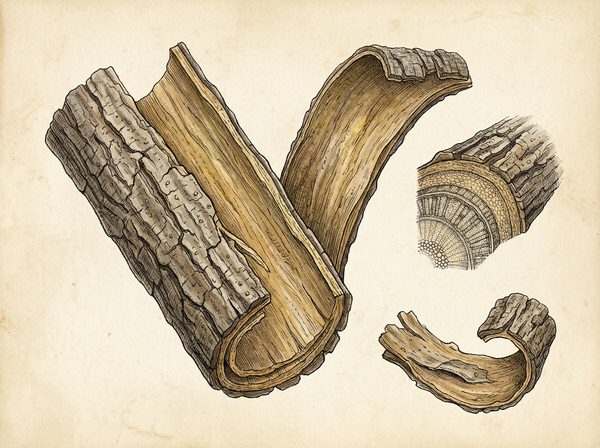 Magnolia BarkMagnolia officinalis
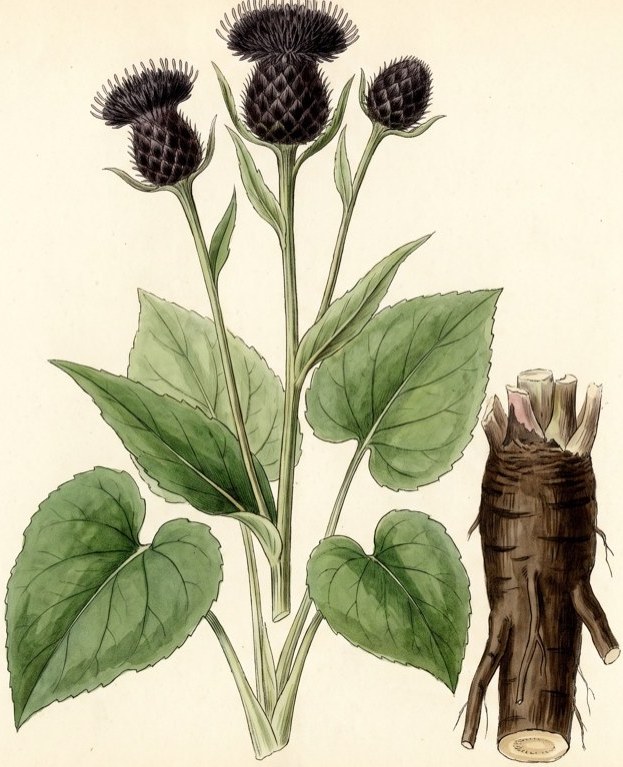 costusSaussurea costus
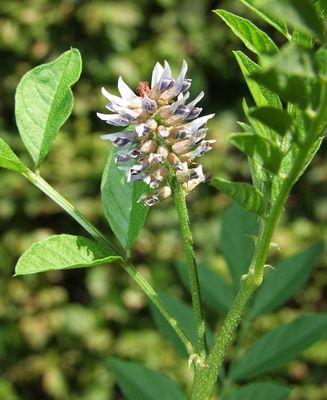 Licorice rootGlycyrrhiza glabra
Nearby on the shelf
 KamalaMallotus philippinensis
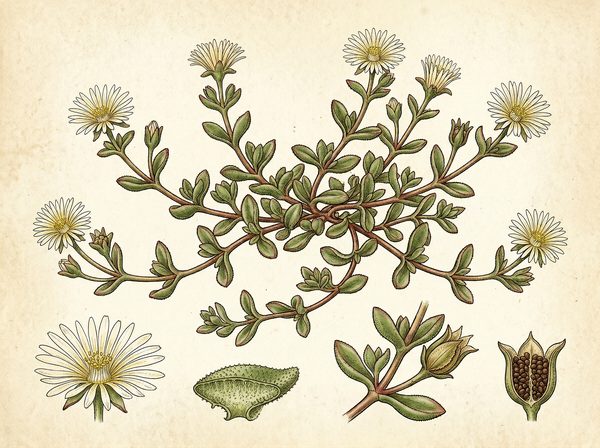 KannaSceletium tortuosum
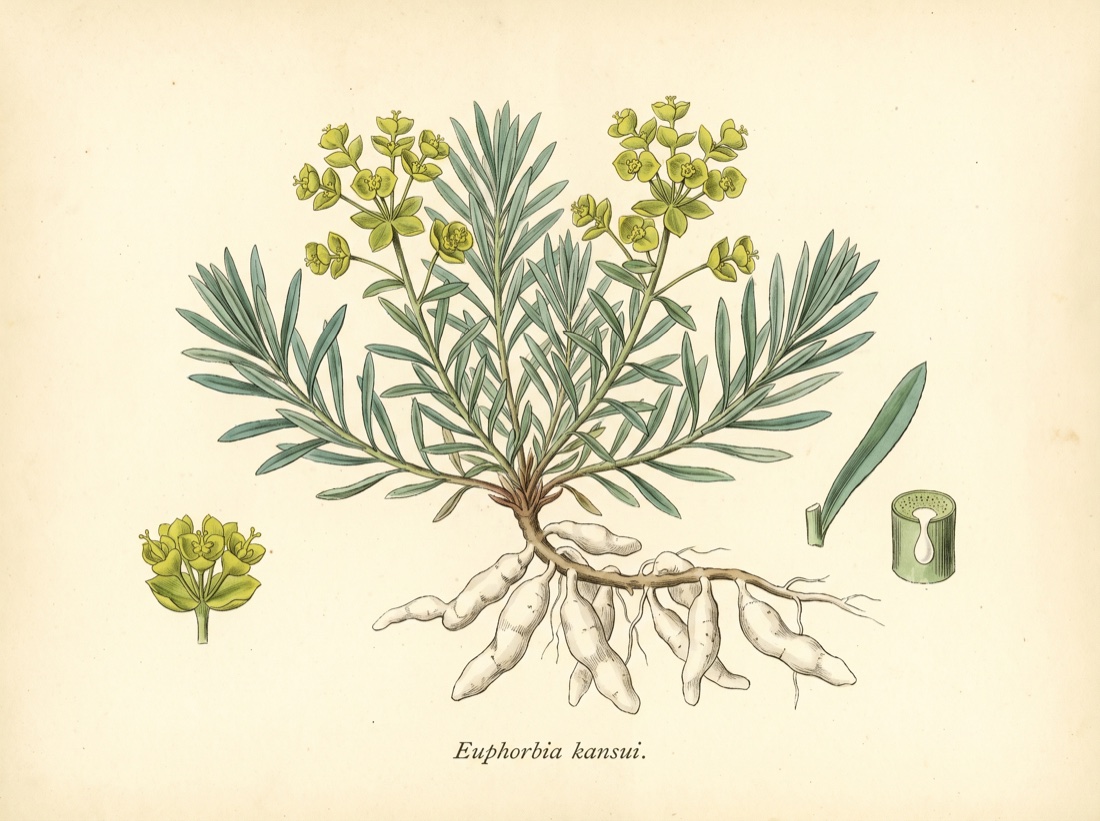 KansuiEuphorbia kansui
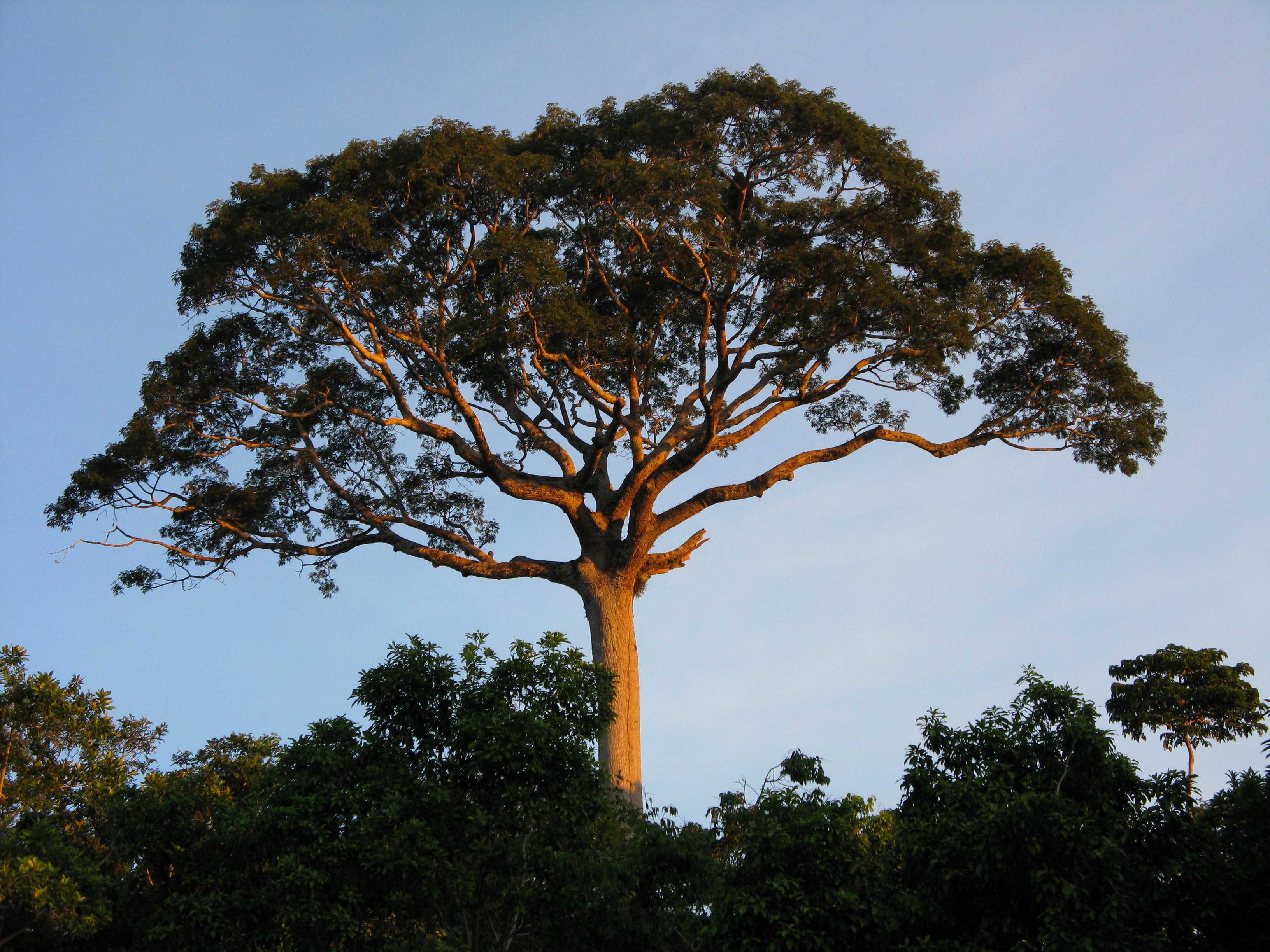 KapokCeiba pentandra
 Kava kavaPiper methysticum
 Kentucky coffee treeGymnocladus canadensis
 KhejriProsopis cineraria
 KhellaAmmi visnaga
The whole plate is in the library. The compass, Compare, the Sky of eleven hundred plants and the formulary open with an email address and a password, free, with the formula builder and its safety engine. Herbert without limit, his formulating, clients, the handouts and the labels are the paid room.
Open the library, free