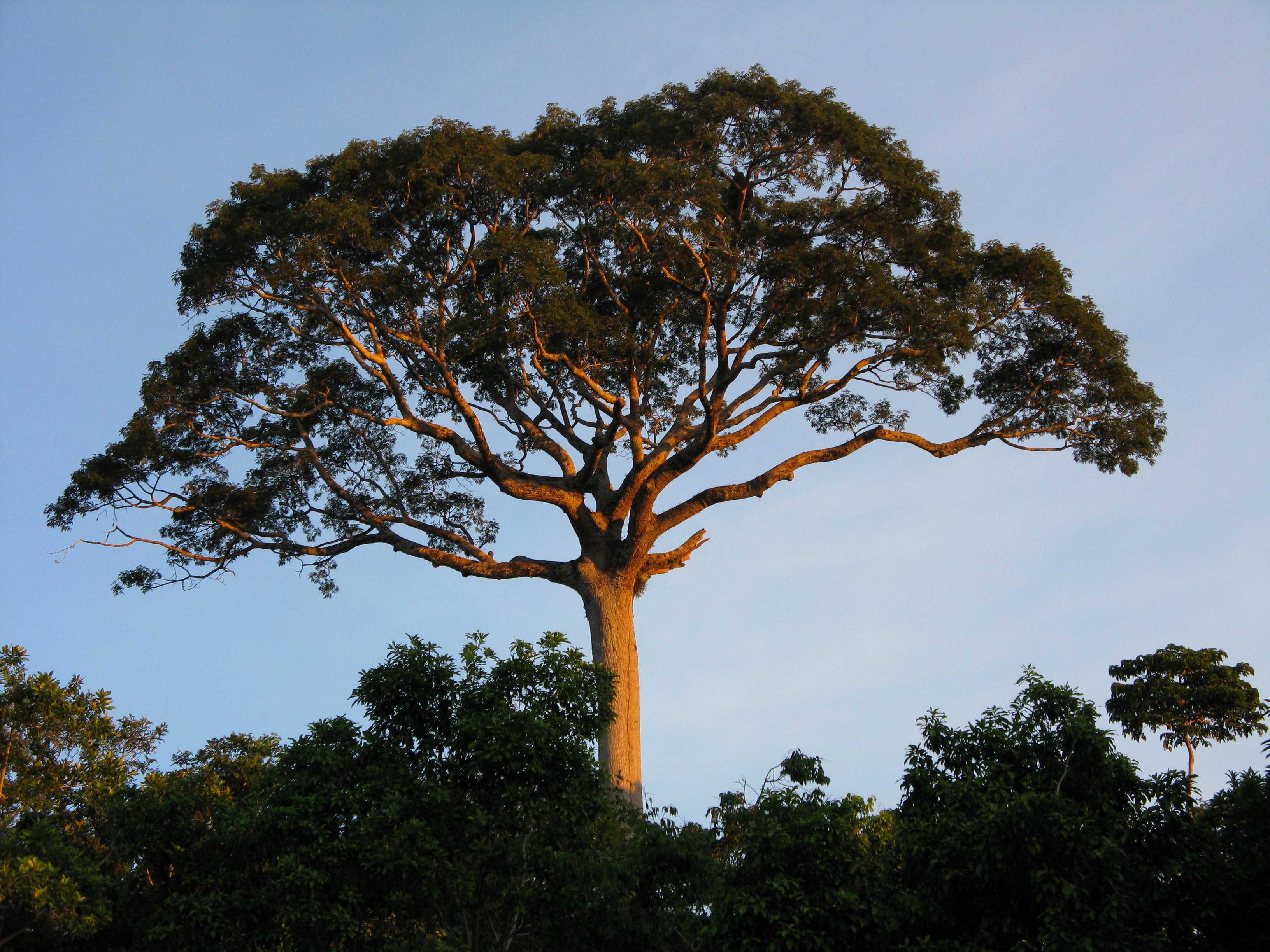
Western Herbalism
Kapok
Ceiba pentandra
Also known as Silk-cotton tree.
Used in Ayurveda as Kuta Shalmali or Sweta Salmali traditional African and Amazonian uses research supports hepatoprotective, anti-inflammatory, hypoglycemic activity

Ask Herbert about Kapok. Herbert is the master herbalist inside Bountiful Herbs: he answers from this plate and eleven hundred others, with dosing, pairing and cautions. Your first ten questions are free.
Ask HerbertActions
Indications what the tradition reached for it in
- Post-delivery infections
- Abscess
- Ascites
- Constipation
- Skin infection
- Syphilis
- Heart problems
- Hepatopathy
- Gonorrhea
- Blood diseases
- Dizziness
- Diabetes
- Abdominal tumors
- Headache
- Hypertension
- Eye infection
- Cough
- Snake bites
- Wounds
- Diarrhea
- Fever
- Tumors
- Dysentery
- Splenomegaly
- Bleeding
- Debility
- Edema
- Fatigue
- Fluid retention
- Inflammation
Safety
Pregnancy: Pregnancy Caution
Breastfeeding: Lactation (source flag notSafeInLactation)
The record lists 2 contraindications; open the plate in the library to read them in full.
Dosing as the sources wrote it
| Preparation | As written | Metric |
|---|---|---|
| Bark decoction: 2-4 g dried bark in 200 mL water, twice daily | 2000-4000 mg | |
| Seed oil: 1 tsp oral or 1-2 tsp topical | ||
| Ethyl acetate fraction: 400 mg/kg (experimental | 400-400 mg |
Doses are reproduced from the sources for practitioners and are not a recommendation for any person.
From the sources
Clinical Notes. Used in Ayurveda as Kuta Shalmali or Sweta Salmali traditional African and Amazonian uses research supports hepatoprotective, anti-inflammatory, hypoglycemic activity
primary-actions. Kapok acts primarily as: Diuretic, Anti-inflammatory, Tonic, Hepatoprotective. Secondary actions include Aphrodisiac, Antipyretic, Emollient, Laxative, Antibiotic, Astringent.
indications. Kapok is traditionally indicated for: Post-delivery infections, Abscess, Ascites, Constipation, Skin infection, Syphilis, Heart problems, Hepatopathy, Gonorrhea, Blood diseases, Dizziness, Diabetes, Abdominal tumors, Headache, Hypertension, and 24 further conditions.
constituents. Notable constituents of Kapok include: flavonoids (quercetin, kaempferol), triterpenoids (pentandrin, lupeol), polysaccharides, isoflavonoids, sesquiterpenes, naphthoquinones, tannins, C-glycosides, phenolics, reducing sugars.
Nearby on the shelf
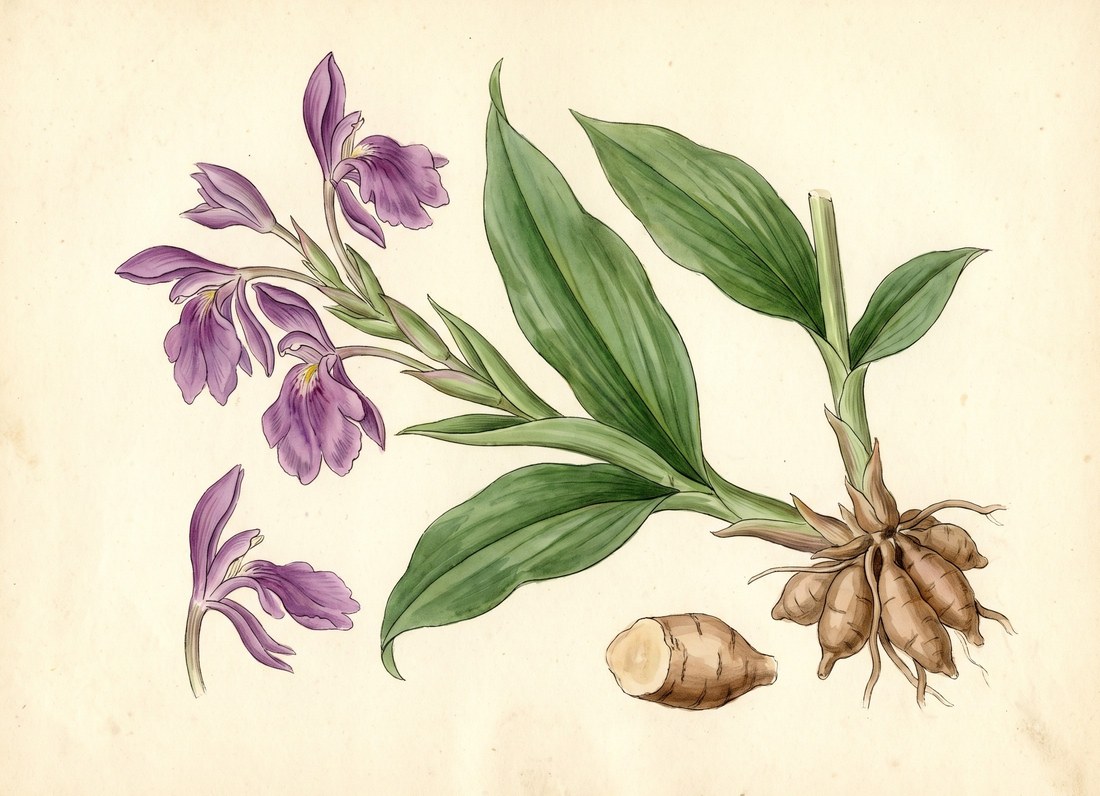 KakoliRoscoea procera
 KamalaMallotus philippinensis
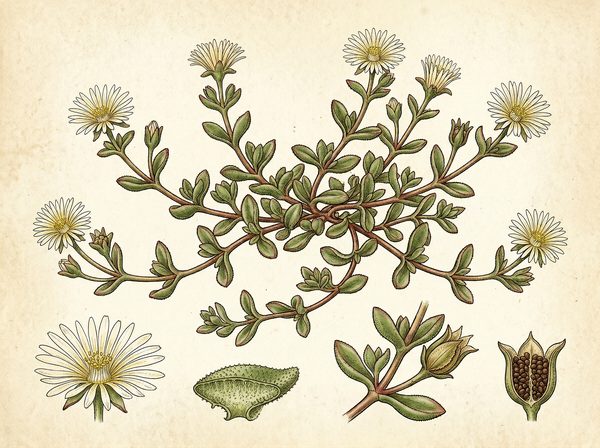 KannaSceletium tortuosum
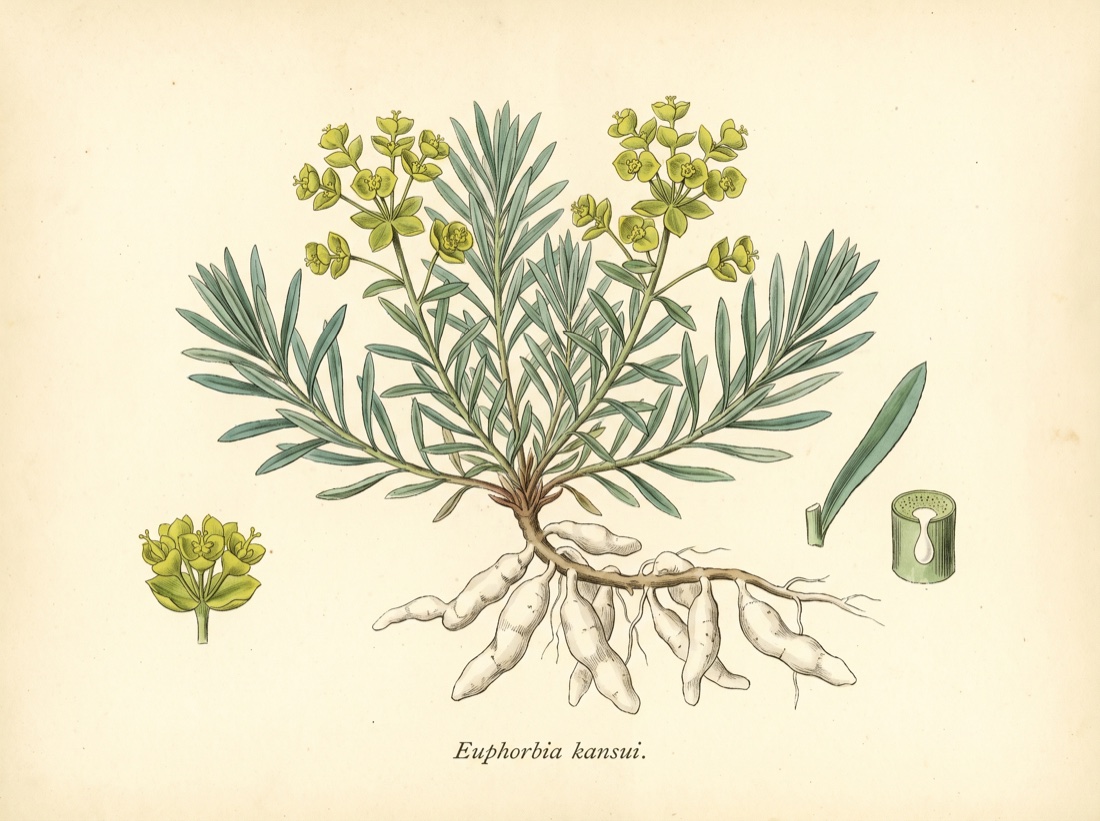 KansuiEuphorbia kansui
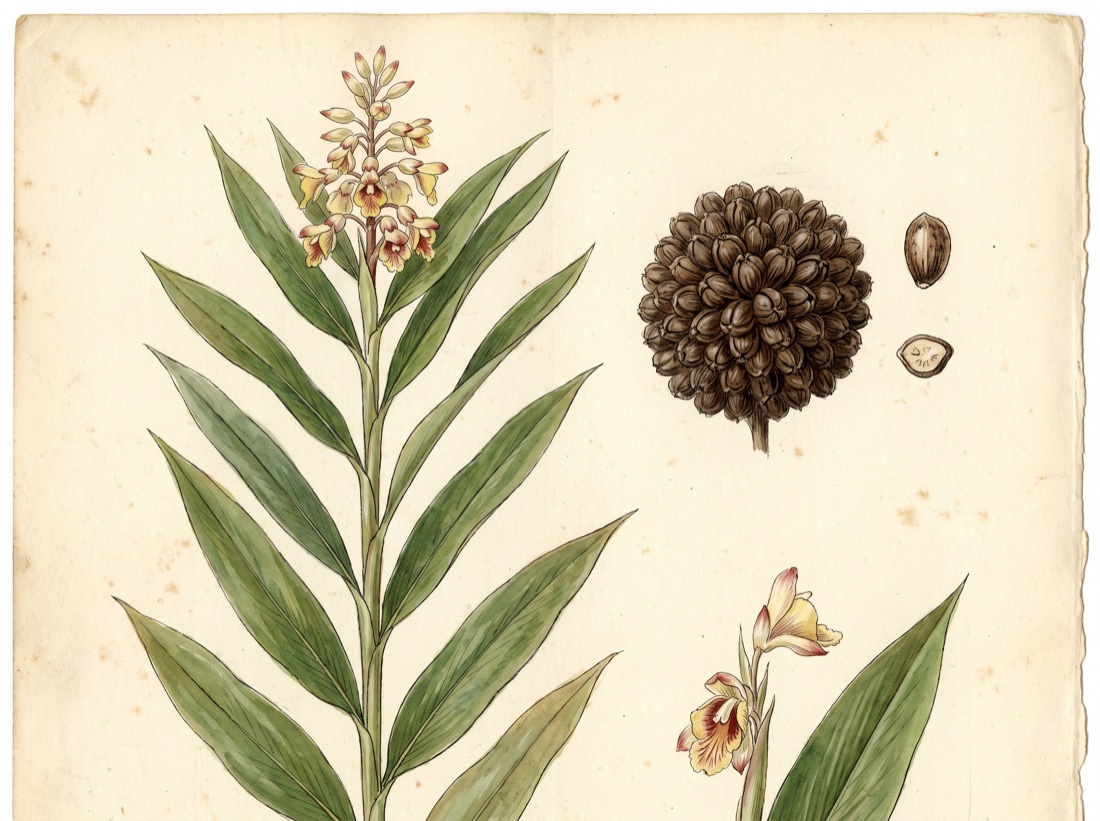 Katsumada galangalAlpinia katsumadai
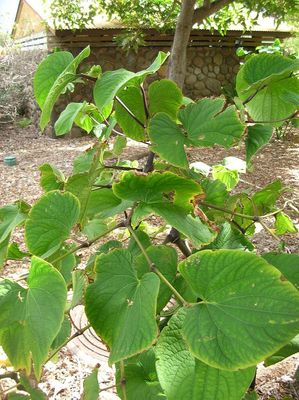 Kava kavaPiper methysticum
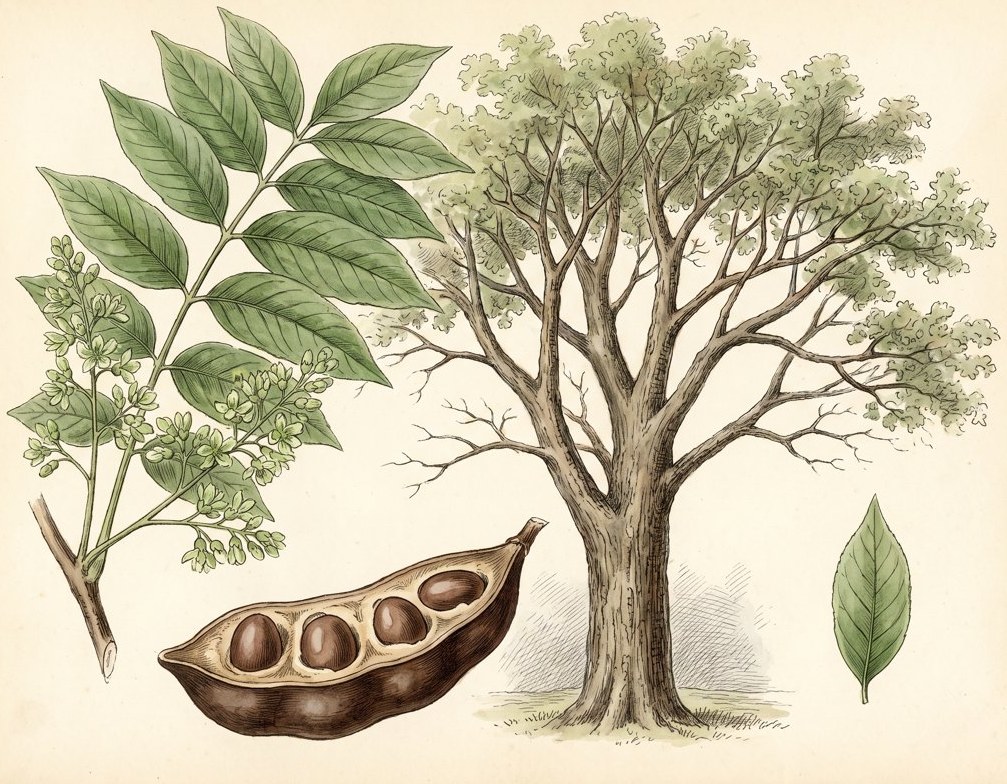 Kentucky coffee treeGymnocladus canadensis
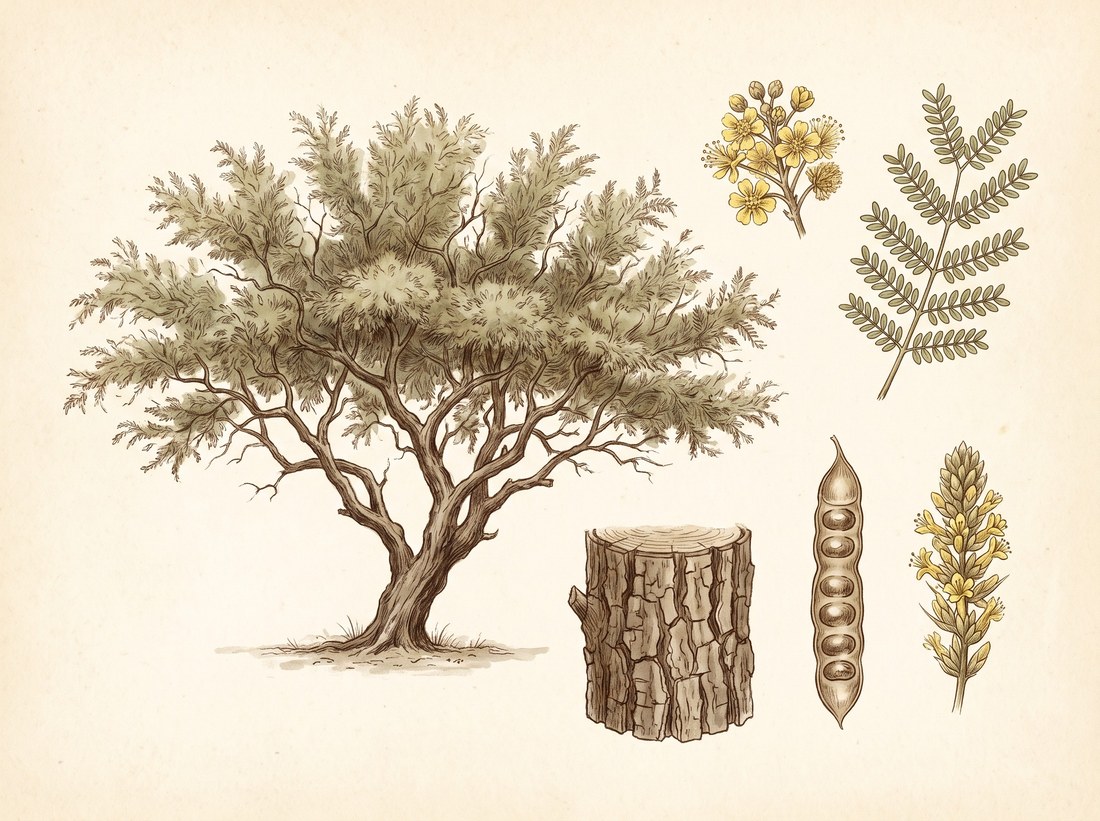 KhejriProsopis cineraria
The whole plate is in the library. The compass, Compare, the Sky of eleven hundred plants and the formulary open with an email address and a password, free, with the formula builder and its safety engine. Herbert without limit, his formulating, clients, the handouts and the labels are the paid room.
Open the library, free