Chinese Herbalism
Kansui
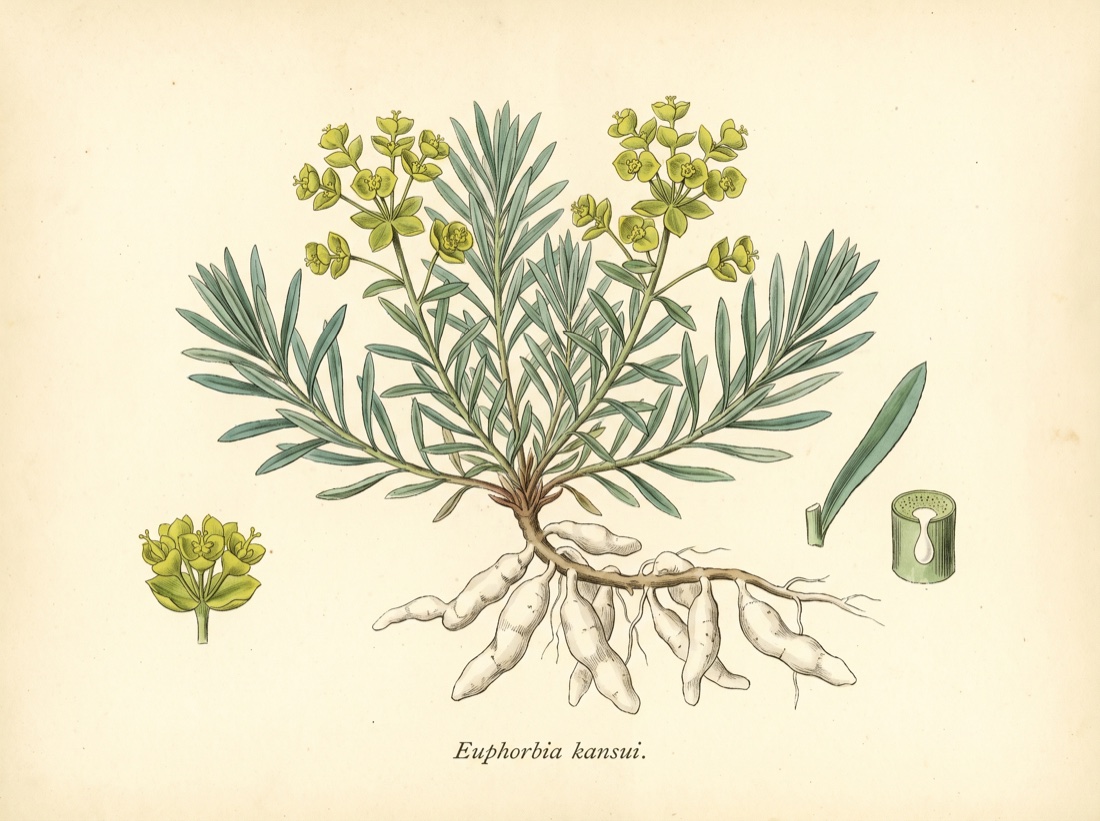
Euphorbia kansui
Also known as kan-sui root, gan sui, gān suì, cù gān suì, shēng gān suì.
Gan sui is the tuberous root of a small spurge of the dry loess hills of Shaanxi, Shanxi and Henan, dug before flowering or in late autumn, peeled and dried. Its milky latex carries irritant diterpene esters, and the raw root is among the most violent purgatives in the Chinese materia medica. It is used only after vinegar processing, in small doses, in pills or powders, and only in the strong patient with a full pattern of retained water.

Ask Herbert about Kansui. Herbert is the master herbalist inside Bountiful Herbs: he answers from this plate and eleven hundred others, with dosing, pairing and cautions. Your first ten questions are free.
Ask HerbertActions
Indications what the tradition reached for it in
- Ascites with a hard distended abdomen and constipation in a robust patient
- Malignant ascites and pleural effusion (in hospital TCM practice)
- Generalized edema unresponsive to milder herbs
- Retained fluid in the chest and hypochondrium with pain on breathing
- Severe constipation with fluid accumulation
- Wind-phlegm epilepsy (classical, rarely used)
- Carbuncles and swollen sores (external, raw root)
- Intestinal obstruction (adjunct, hospital use only)
Specific indications
A strong patient with tense ascites, a hard full abdomen, constipation and scanty urine, when a single decisive purge is needed and milder diuretics have failed
Fluid trapped in the chest and flanks with pain on deep breathing and a hard epigastrium, treated with Da Xian Xiong Tang under close supervision
Safety
Recognised toxicity. This plant carries a toxicity flag in the record; it is for trained practitioners only.
Low dose botanical. Used in drop doses in the classical practice; not a plant to dose freely.
The record lists 12 contraindications; open the plate in the library to read them in full.
In practice
Gan sui is a weapon, not a remedy for everyday edema. It is for water filling the chest or abdomen of a robust patient with a full pulse and dry stool, after milder diuretics have failed. It appears with da ji and yuan hua in Shi Zao Tang, taken as a powder with a jujube decoction to protect the stomach; with da huang and mang xiao in Da Xian Xiong Tang for fluid and heat bound in the chest; and with da ji and bai jie zi in Kong Xian Dan for phlegm-fluid.
In Chinese medicine
Temperature: cold. Taste: bitter. Channels: Lung, Kidney, Large Intestine. Actions: Drives out retained water through the stool and urine with drastic force; Expels phlegm-fluid from the chest and abdomen; Reduces swelling and dissipates nodules when applied externally.
Dosing as the sources wrote it
| Preparation | As written | Metric |
|---|---|---|
| Vinegar-processed root, powder or pill | 0.5-1.5 g daily in capsules or pills, for 1-3 days | 500-1500 mg |
| Raw root, external only | powdered root mixed to a paste and applied to carbuncles as needed |
Doses are reproduced from the sources for practitioners and are not a recommendation for any person.
From the sources
Overview. Gan sui is the tuberous root of a small spurge of the dry loess hills of Shaanxi, Shanxi and Henan, dug before flowering or in late autumn, peeled and dried. Its milky latex carries irritant diterpene esters, and the raw root is among the most violent purgatives in the Chinese materia medica. It is used only after vinegar processing, in small doses, in pills or powders, and only in the strong patient with a full pattern of retained water.
Clinical Notes. Gan sui is a weapon, not a remedy for everyday edema. It is for water filling the chest or abdomen of a robust patient with a full pulse and dry stool, after milder diuretics have failed. It appears with da ji and yuan hua in Shi Zao Tang, taken as a powder with a jujube decoction to protect the stomach; with da huang and mang xiao in Da Xian Xiong Tang for fluid and heat bound in the chest; and with da ji and bai jie zi in Kong Xian Dan for phlegm-fluid.
Chinese Medicine Profile. Temperature: cold. Taste: bitter. Channels: Lung, Kidney, Large Intestine. Actions: Drives out retained water through the stool and urine with drastic force; Expels phlegm-fluid from the chest and abdomen; Reduces swelling and dissipates nodules when applied externally.
In formulas
Kansui stands in 7 documented formulas in the library, among them dà xiàn xiông tāng, dà xiàn xiõng wán, hòu chẽ wán, shí zào tàng, kòng xián dân, gǎn sùì bàn xia tǎng.
Often paired with
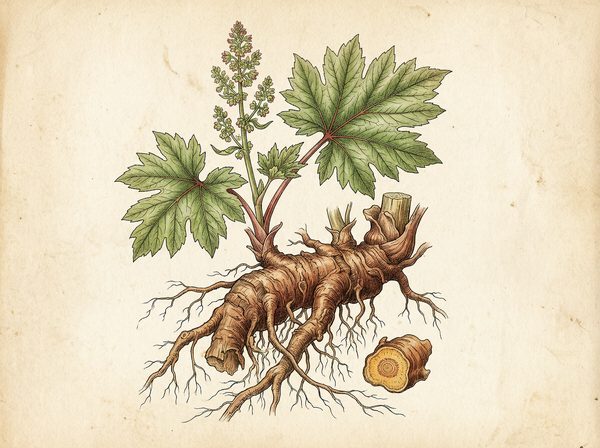 Chinese RhubarbRheum palmatum
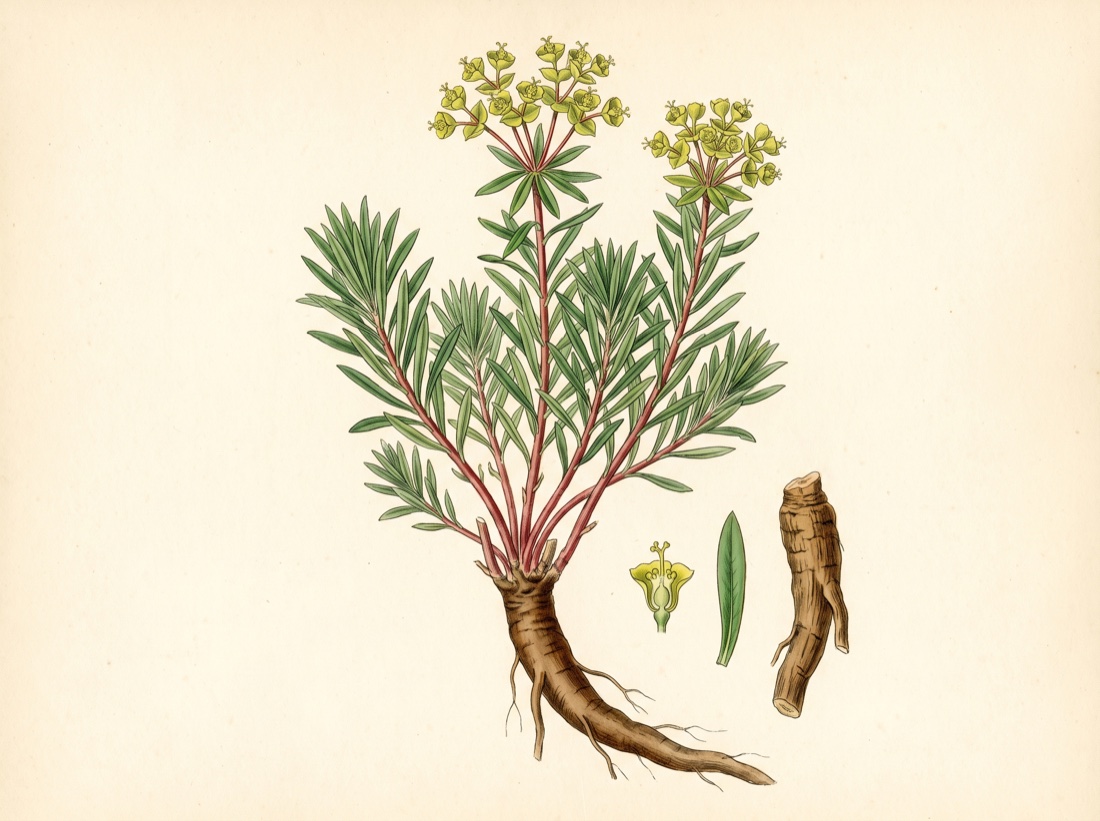 Peking spurgeEuphorbia pekinensis
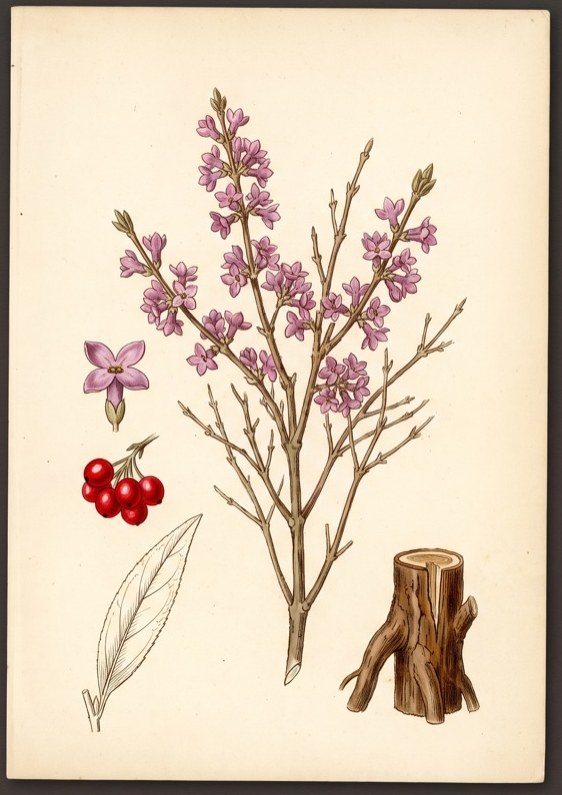 MezereumMezereum
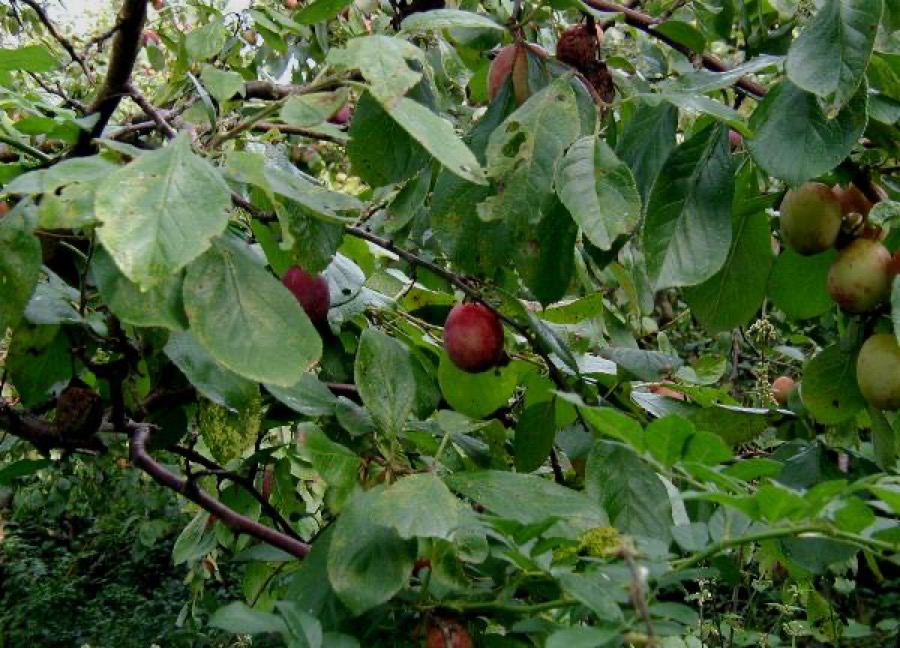 PrunePrunus
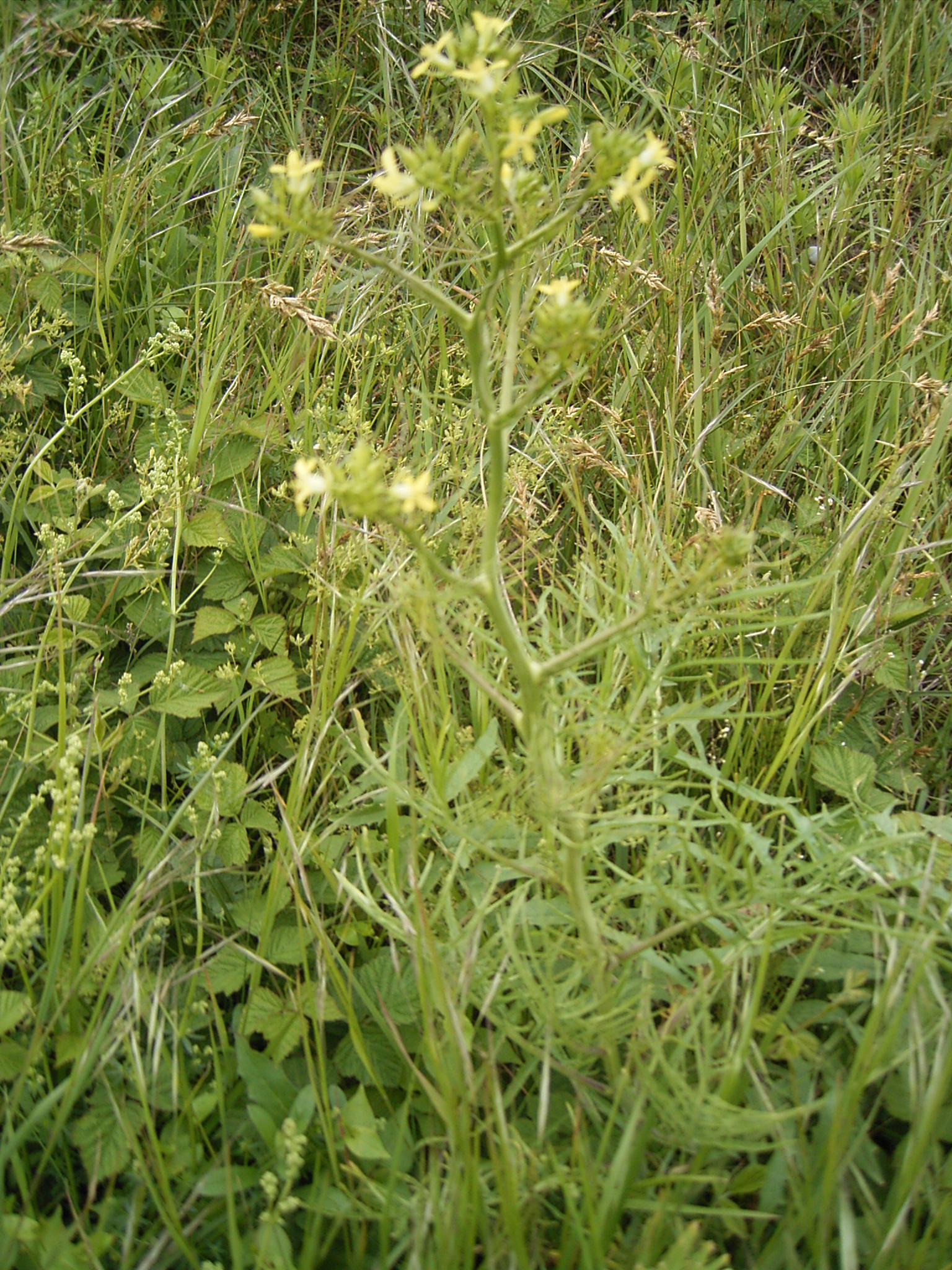 Hedge MustardSisymbrium
 Wild cherryPrunus serotina
Nearby on the shelf
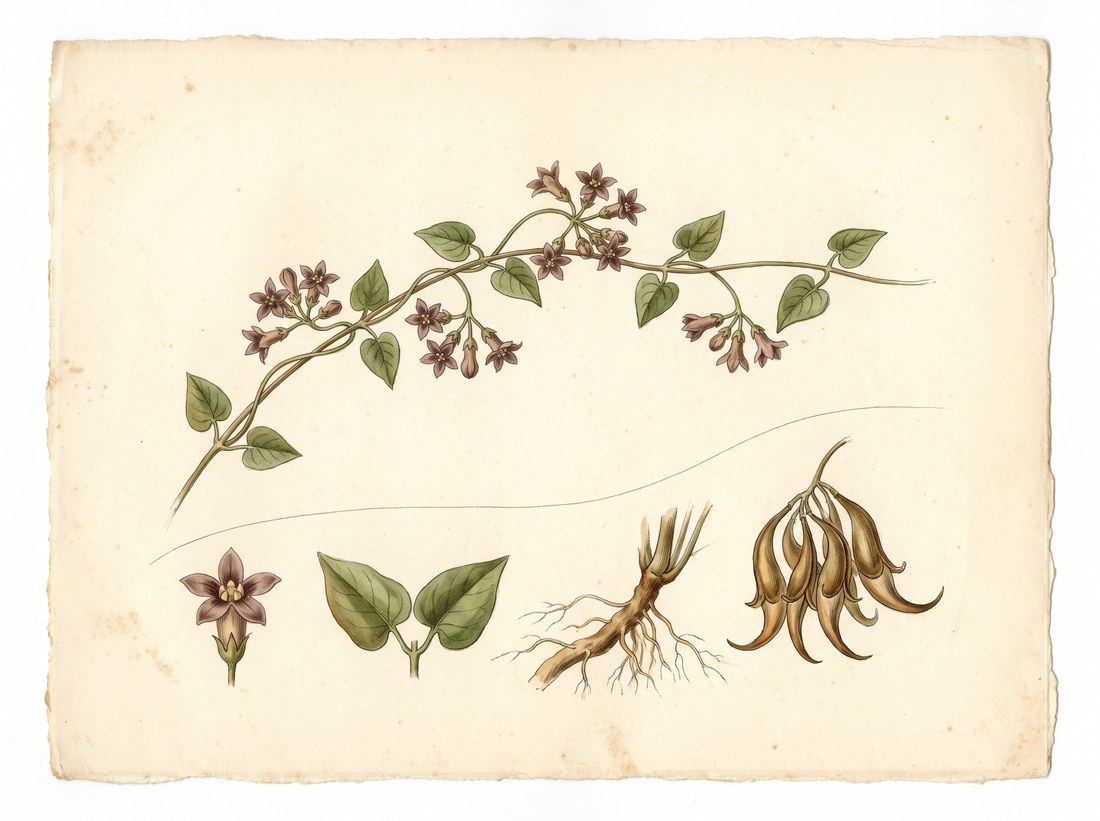 KakanasaPentatropis capensis
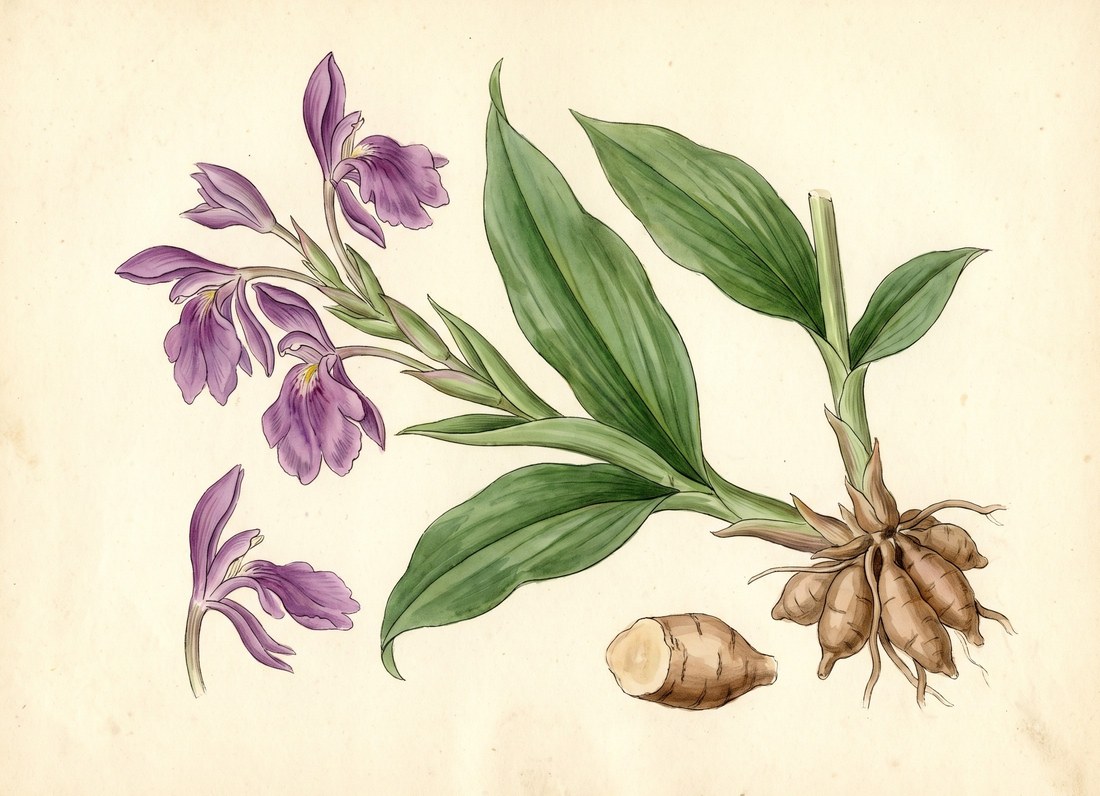 KakoliRoscoea procera
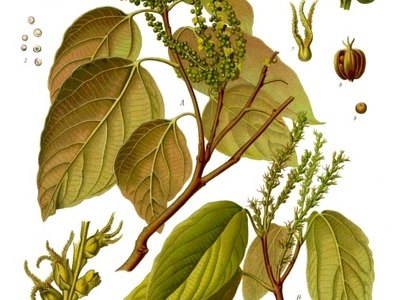 KamalaMallotus philippinensis
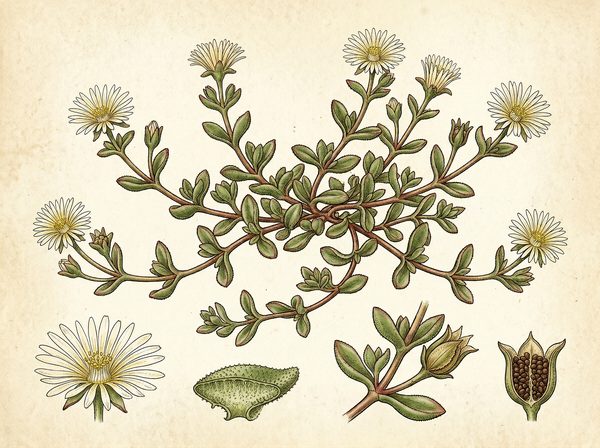 KannaSceletium tortuosum
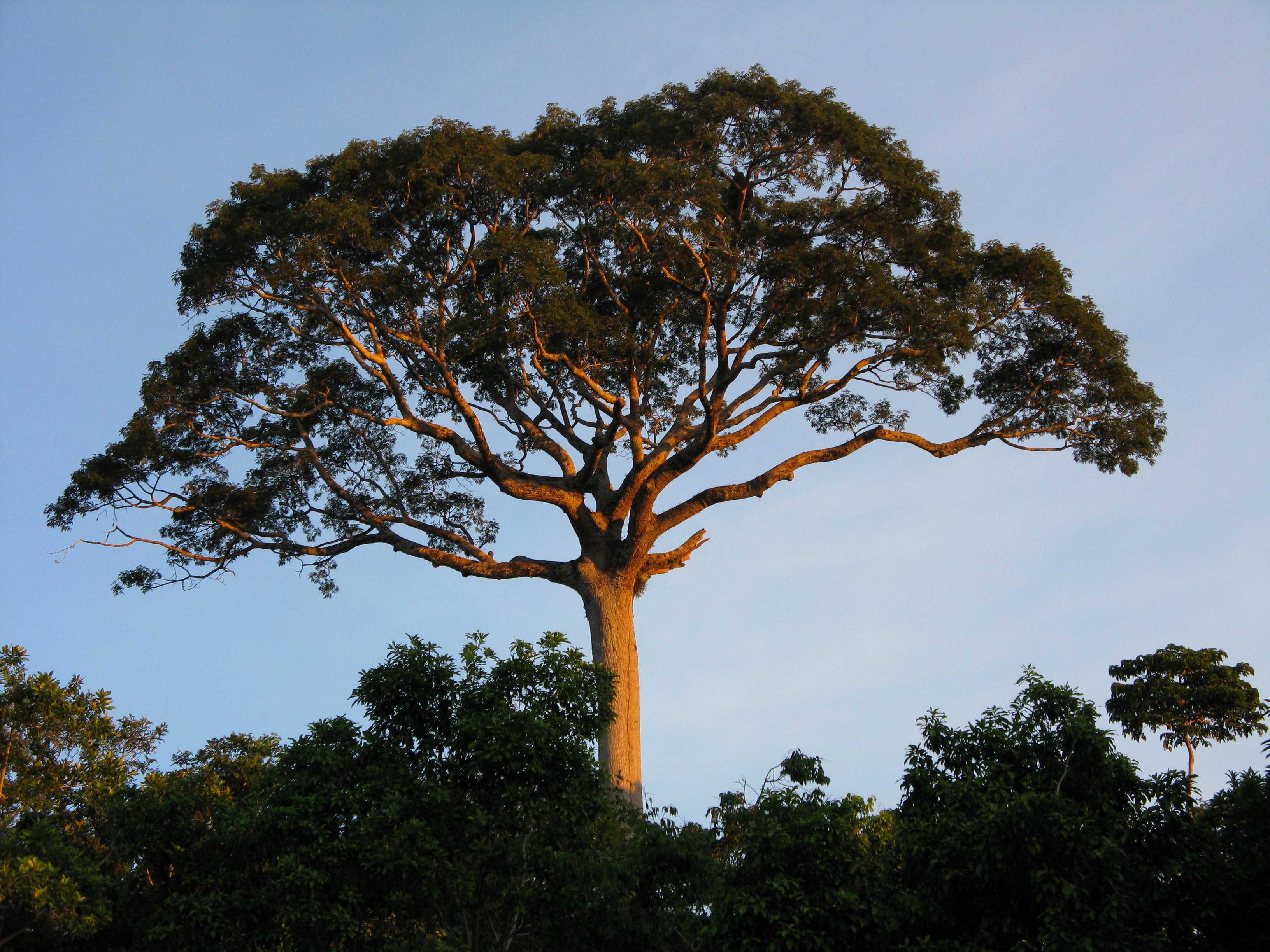 KapokCeiba pentandra
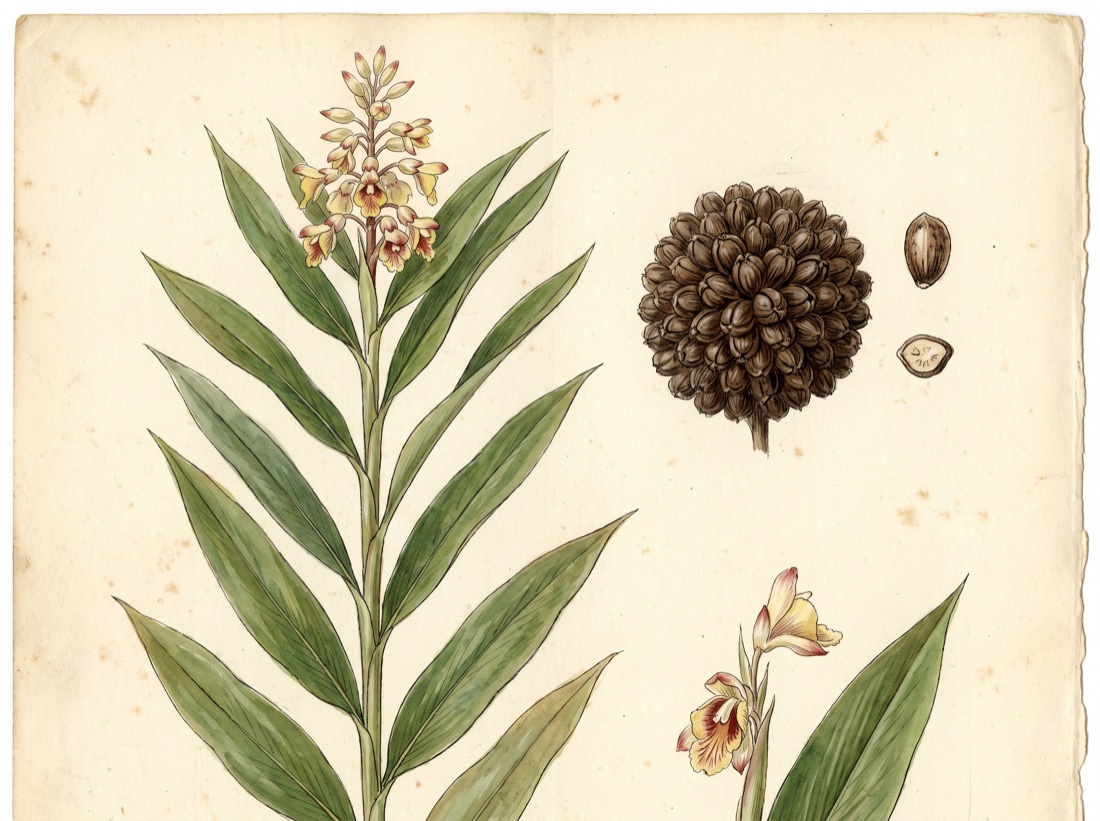 Katsumada galangalAlpinia katsumadai
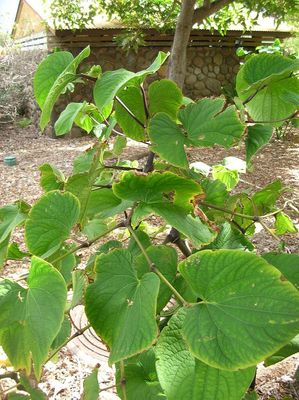 Kava kavaPiper methysticum
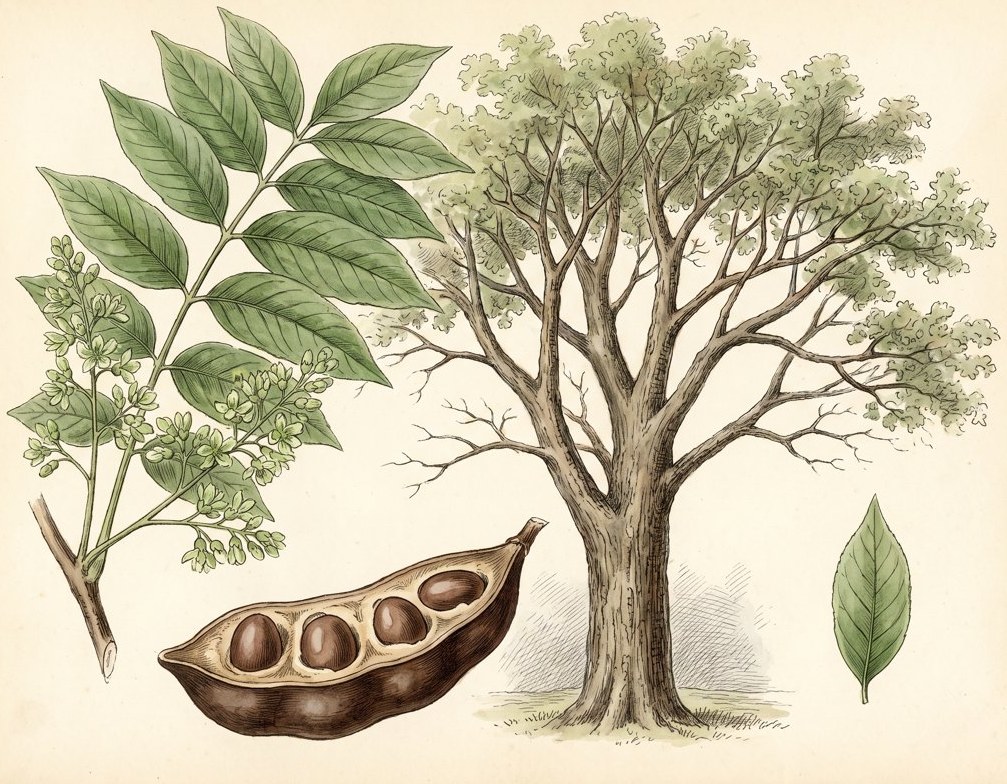 Kentucky coffee treeGymnocladus canadensis
The whole plate is in the library. The compass, Compare, the Sky of eleven hundred plants and the formulary open with an email address and a password, free, with the formula builder and its safety engine. Herbert without limit, his formulating, clients, the handouts and the labels are the paid room.
Open the library, free