Ayurvedic Herbalism
Kakanasa
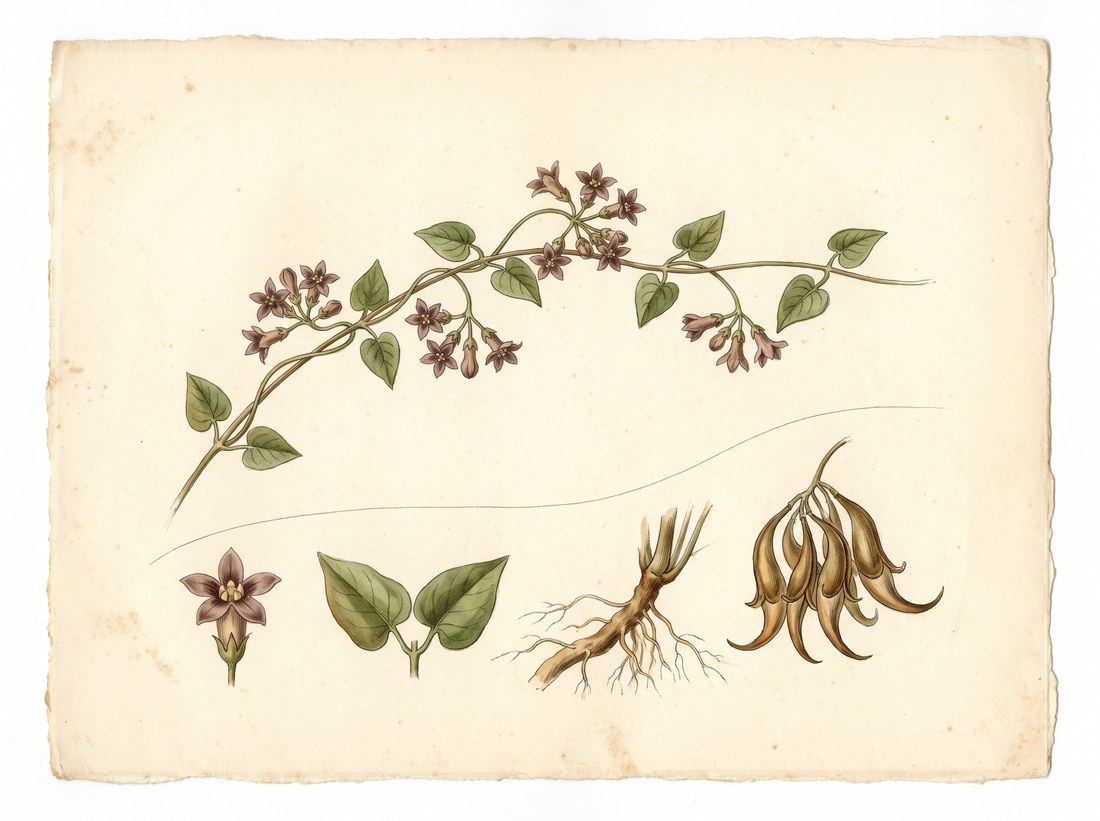
Pentatropis capensis
Also known as crow's beak creeper, small-leaved pentatropis, Kakanasa, Kakanasika, Kakatundi.
Pentatropis capensis is a slender, twining, small-leaved climber of the milkweed subfamily that grows on hedges and scrub across the drier plains of peninsular India, Gujarat, Rajasthan and the Deccan, and westward through Arabia to Africa. Ayurveda knows it as Kakanasa, named for its beak-shaped follicles, a cooling bitter plant of the nighantus used for wounds, skin disease, swellings, worms and eye complaints. It is a minor drug of village and Siddha practice rather than a mainstay of the great formularies.

Ask Herbert about Kakanasa. Herbert is the master herbalist inside Bountiful Herbs: he answers from this plate and eleven hundred others, with dosing, pairing and cautions. Your first ten questions are free.
Ask HerbertActions
Indications what the tradition reached for it in
- Painful, swollen joints (topical and internal)
- Slow-healing wounds and ulcers (topical)
- Chronic itchy skin eruptions
- Boils and abscesses (poultice)
- Insect and minor venomous bites (traditional poultice)
- Intestinal worms (traditional)
- Cough with sticky phlegm (traditional)
- Sore, inflamed eyes (traditional wash)
- Convalescent weakness (traditional tonic)
Specific indications
A hot, swollen, tender joint in a pitta-kapha patient, where a cooling leaf poultice is laid over the joint while a bitter cooling decoction is given inside
A dull, weeping skin sore that will not close in a patient with heat and sluggish tissue, treated with fresh leaf paste and the plant taken as juice
A village-medicine picture of a minor bite or sting with local swelling and burning, where the fresh leaf is crushed and bound over the site
Safety
Low dose botanical. Used in drop doses in the classical practice; not a plant to dose freely.
Pregnancy: Avoid internal use in pregnancy: no published safety class is known to us, the tradition gives no reassurance, and the family carries cardioactive and pregnane glycosides.
Breastfeeding: Avoid internal use while nursing for the same reasons; topical use on intact skin away from the breast is acceptable.
The record lists 6 contraindications; open the plate in the library to read them in full.
In practice
Kakanasa is an outside-in remedy in most Ayurvedic and Siddha practice: the fresh leaves are pounded into a kalka and applied to inflamed joints, abscesses, non-healing wounds and the site of bites and stings, and the same paste is warmed in sesame oil for a rubbing taila.
In Ayurveda
Rasa: tikta (bitter), madhura (sweet), kashaya (astringent). Virya: sheeta (cooling). Vipaka: madhura (sweet). Guna: laghu (light), snigdha (unctuous). Dosha: pacifies pitta and kapha; described as tridoshahara in some nighantus. Karma: vranaropana (heals wounds); kushthaghna (relieves skin disease); shothahara (reduces swelling); vedanasthapana (relieves pain); vishaghna (counters poison); krimighna (anthelmintic); chakshushya (benefits the eyes); rasayana (rejuvenative, in the nighantus); vrishya (aphrodisiac). Classical indications: vrana (wounds); kushtha (skin disease); shotha (swelling); sandhishula (joint pain); netraroga (eye disorders); krimi (worm infestation); visha (poisoning, including bites); kasa (cough); shvasa (dyspnea). The whole climbing plant, chiefly the leaf, is used fresh as swarasa and kalka, dried as churna, and boiled as kwatha; the leaf paste is the usual topical form for wounds, swellings and painful joints. Classical formulations: Kakanasa swarasa, Kakanasadi lepa, Kakanasa kwatha, Kakanasadi taila. Described in: Charaka Samhita, Bhavaprakasha Nighantu, Dhanvantari Nighantu, Raja Nighantu, Kaiyadeva Nighantu.
Dosing as the sources wrote it
| Preparation | As written | Metric |
|---|---|---|
| Swarasa | 5-10 mL fresh leaf juice once or twice daily with honey | 5-10 mL |
| Churna | 1-3 g powdered whole plant twice daily | 1000-3000 mg |
| Kwatha | 30-60 mL decoction twice daily | 30-60 mL |
| Kalka, topical | 5-10 g fresh leaf paste applied to the affected area once or twice daily | 5000-10000 mg |
Doses are reproduced from the sources for practitioners and are not a recommendation for any person.
From the sources
Overview. Pentatropis capensis is a slender, twining, small-leaved climber of the milkweed subfamily that grows on hedges and scrub across the drier plains of peninsular India, Gujarat, Rajasthan and the Deccan, and westward through Arabia to Africa. Ayurveda knows it as Kakanasa, named for its beak-shaped follicles, a cooling bitter plant of the nighantus used for wounds, skin disease, swellings, worms and eye complaints. It is a minor drug of village and Siddha practice rather than a mainstay of the great formularies.
Clinical Notes. Kakanasa is an outside-in remedy in most Ayurvedic and Siddha practice: the fresh leaves are pounded into a kalka and applied to inflamed joints, abscesses, non-healing wounds and the site of bites and stings, and the same paste is warmed in sesame oil for a rubbing taila.
Ayurvedic Profile. Rasa: tikta (bitter), madhura (sweet), kashaya (astringent). Virya: sheeta (cooling). Vipaka: madhura (sweet). Guna: laghu (light), snigdha (unctuous). Dosha: pacifies pitta and kapha; described as tridoshahara in some nighantus.
In formulas
Kakanasa stands in 1 documented formula in the library, among them Cyavanaprāśa.
Often paired with
 vasakaAdhatoda vasica
 baelAegle marmelos
 thorny bambooBambusa arundinacea
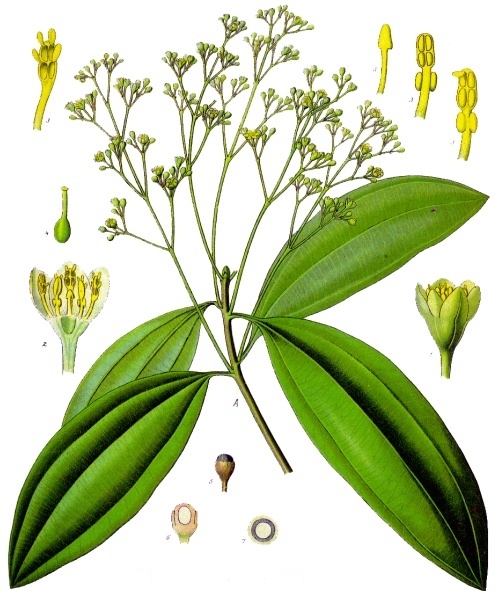 Indian bay leafCinnamomum tamala
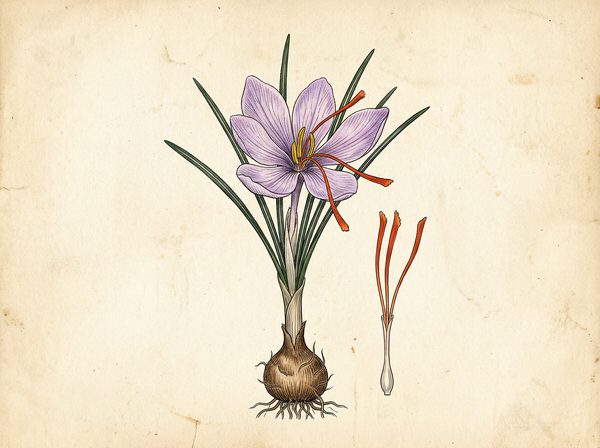 saffronCrocus sativus
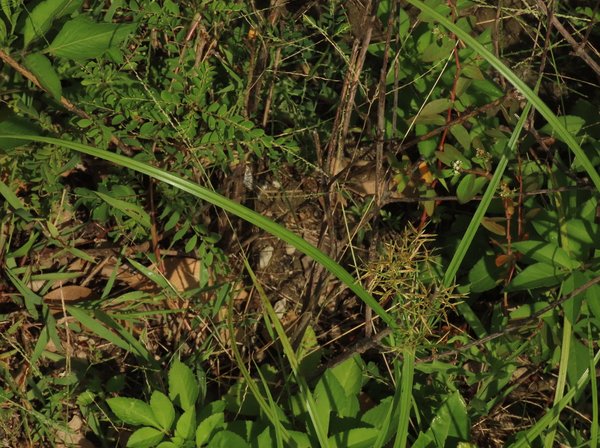 nut grassCyperus rotundus
Nearby on the shelf
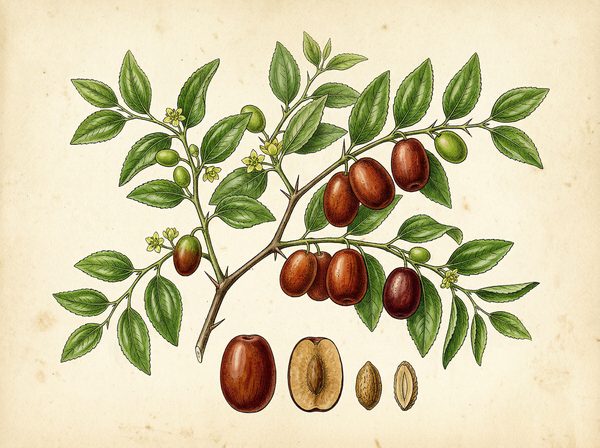 JujubeZiziphus jujuba
 JuniperJuniperus communis
 KadamNeolamarckia cadamba
 Kadsura pepperPiper kadsura
 KakoliRoscoea procera
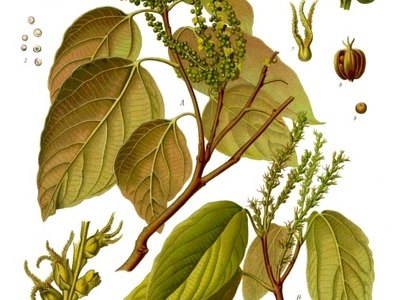 KamalaMallotus philippinensis
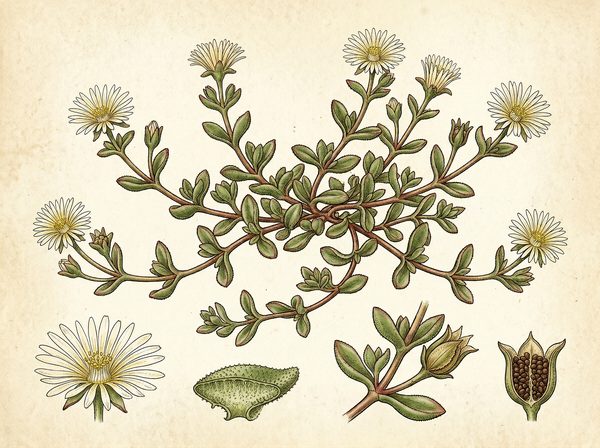 KannaSceletium tortuosum
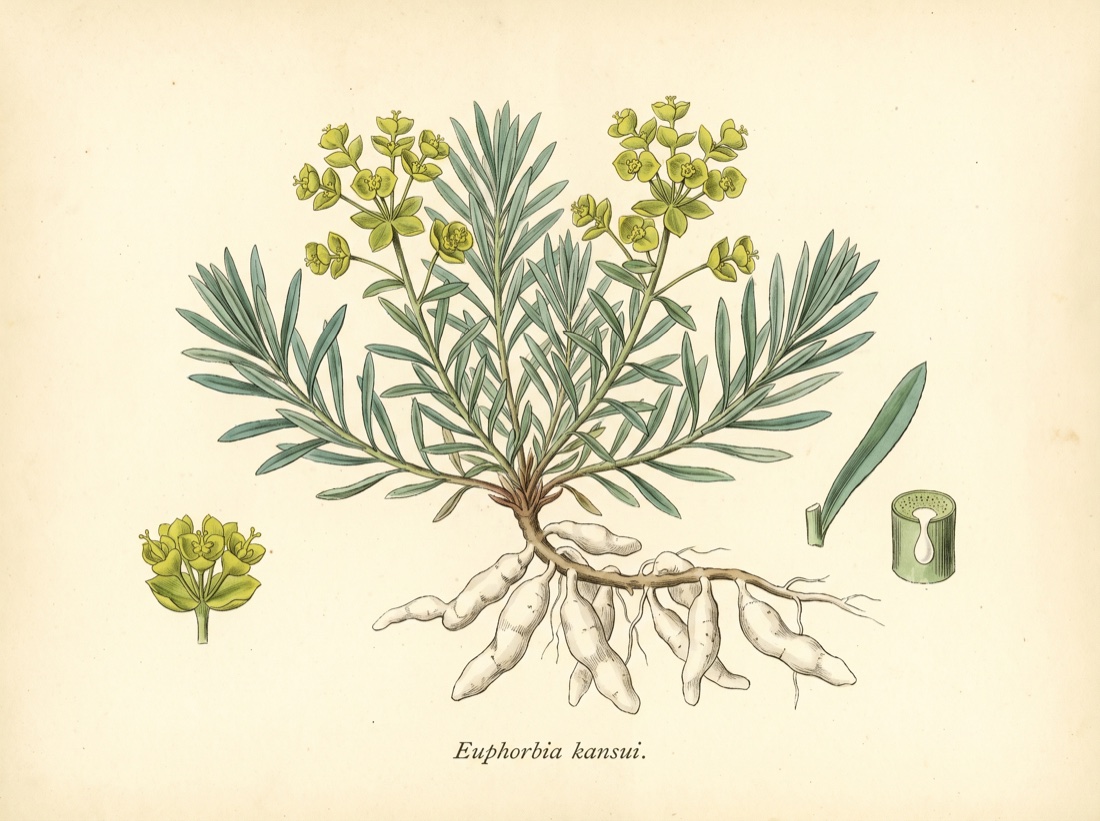 KansuiEuphorbia kansui
The whole plate is in the library. The compass, Compare, the Sky of eleven hundred plants and the formulary open with an email address and a password, free, with the formula builder and its safety engine. Herbert without limit, his formulating, clients, the handouts and the labels are the paid room.
Open the library, free