Western, Chinese and Ayurvedic herbalism
Sweet flag
Acorus calamus
Also known as calamus, myrtle grass, sweet sedge, Vacha, Ugragandha, Shadgrantha.
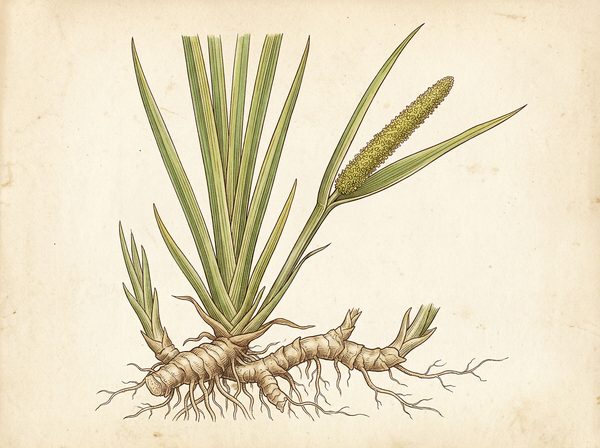
Vacha is the aromatic rhizome of a reed like marsh plant that grows in wet ground, pond margins and paddy edges through the Himalayan foothills, Kashmir, Manipur, the Gangetic plain and the wetter parts of the south, and is cultivated in Karnataka, Kerala and Tamil Nadu. The Indian plant is a tetraploid form whose oil is rich in beta-asarone, which sets it apart chemically from the European and North American sweet flags. Ayurveda treats Vacha as the foremost medhya for a dull, heavy mind and a slow tongue, a sharp warming bitter that opens the channels of the head, digestion and chest. Its very name means speech.

Ask Herbert about Sweet flag. Herbert is the master herbalist inside Bountiful Herbs: he answers from this plate and eleven hundred others, with dosing, pairing and cautions. Your first ten questions are free.
Ask HerbertActions
Indications what the tradition reached for it in
- Poor memory and slow thinking with dull digestion
- Delayed speech and articulation problems in children (traditional, tiny doses)
- Flatulent dyspepsia, bloating and colic
- Loss of appetite with a heavy coated tongue
- Chronic bronchitis with copious sputum
- Epilepsy and seizure disorders (adjunct, traditional)
- Anxiety with mental fog and heaviness
- Nasal and sinus congestion with headache (as snuff or nasya)
- Intestinal worms
- Joint pain and swelling (topical paste)
- Hoarseness and weak voice
- Acute
- Chronic dyspepsia
- Gastritis
- Gastric ulcer
- Intestinal colic
- Anorexia
- Flatulence
- Lack of focus
- Sinusitis
- Memory loss
- Bronchitis
- Asthma
- Abdominal cramps
- Epilepsy
- Parasites
- Dyspepsia
- Diabetes
- Toothache
- Headache
Specific indications
A heavy, foggy, kapha type patient whose mind is slow, whose digestion is sluggish and whose chest is full of loose mucus
A child who is late to talk or speaks indistinctly, given a trace of the powder with honey in the classical way
Gas, distension and colicky pain after meals in a cold, damp digestion that calls for a pungent aromatic bitter
Dull frontal headache with blocked sinuses that clears when a pinch of the powder is used as snuff
Safety
Low dose botanical. Used in drop doses in the classical practice; not a plant to dose freely.
Pregnancy: Not for use in pregnancy
Breastfeeding: Avoid during lactation; the asarones pass into milk in animal studies and there is no human safety data.
The record lists 10 contraindications; open the plate in the library to read them in full.
In practice
The Ayurvedic practitioner uses Vacha where kapha clouds the mind and clogs the body: sluggish thinking, poor recall, heaviness after eating, sticky mucus in the chest and throat, and the flat affect that goes with these.
In Ayurveda
Rasa: katu (pungent), tikta (bitter). Virya: ushna (heating). Vipaka: katu (pungent). Guna: laghu (light), tikshna (sharp, penetrating). Dosha: pacifies kapha and vata; aggravates pitta in excess. Prabhava: medhya and vak-shuddhikara: sharpens the mind and clears speech beyond what its taste and potency would predict. Karma: medhya (promotes intellect and memory); vak-shuddhikara (clears and strengthens speech); deepana (kindles digestion); pachana (digests ama); kaphahara (clears kapha and mucus); vatanulomana (regulates the movement of vata); krimighna (anthelmintic); mutrala (diuretic); kanthya (benefits the throat and voice); unmadahara (relieves mental disturbance); apasmarahara (relieves seizure disorders); shothahara (reduces swelling); vamaka (emetic in large doses); rasayana for the nervous system in children. Classical indications: apasmara (epilepsy and seizure disorders); unmada (psychosis and severe mental disturbance); smritinasha (loss of memory); vak-dosha (speech disorders, delayed speech in children); agnimandya (weak digestion); adhmana and anaha (bloating and distension); shula (abdominal colic); kasa and shvasa (cough and dyspnea); krimi (worms); jvara (fever); mutrakrichra (painful urination); shotha (swelling); shiroroga (headache and heaviness of the head, as nasya). The dried rhizome is used as churna with honey, as kwatha, in medicated ghrita and taila, and as a fine powder for nasya and for external paste on joints and swellings. In the classical pediatric practice a tiny amount rubbed with honey is given to infants to promote speech and intellect. Vacha is also a common ingredient of fermented arishtas for the nervous system. Classical formulations: Vacha churna, Saraswatarishta, Sarasvata churna, Vachadi churna, Vachadi ghrita, Vachalashunadi taila, Brahmi ghrita. Described in: Charaka Samhita, Sushruta Samhita, Ashtanga Hridaya, Bhavaprakasha Nighantu, Dhanvantari Nighantu, Raja Nighantu, Kaiyadeva Nighantu, Sharngadhara Samhita, Ayurvedic Pharmacopoeia of India.
Dosing as the sources wrote it
| Preparation | As written | Metric |
|---|---|---|
| Churna | 0.25-1 g powdered rhizome once or twice daily with honey | 250-1000 mg |
| Kwatha | 30-60 mL decoction once or twice daily | 30-60 mL |
| Arishta | 12-24 mL Saraswatarishta twice daily after food | 12-24 mL |
| Nasya, snuff | 0.1-0.25 g fine powder as snuff once daily | 100-250 mg |
| Kalka, topical | 5-10 g paste in oil applied to joints or abdomen | 5000-10000 mg |
| Rhizome 1-3 g as an infusion three times daily | 1000-3000 mg |
Doses are reproduced from the sources for practitioners and are not a recommendation for any person.
From the sources
Overview. Vacha is the aromatic rhizome of a reed like marsh plant that grows in wet ground, pond margins and paddy edges through the Himalayan foothills, Kashmir, Manipur, the Gangetic plain and the wetter parts of the south, and is cultivated in Karnataka, Kerala and Tamil Nadu. The Indian plant is a tetraploid form whose oil is rich in beta-asarone, which sets it apart chemically from the European and North American sweet flags. Ayurveda treats Vacha as the foremost medhya for a dull, heavy mind and a slow tongue, a sharp warming bitter that opens the channels of the head, digestion and chest. Its very name means speech.
Clinical Notes. The Ayurvedic practitioner uses Vacha where kapha clouds the mind and clogs the body: sluggish thinking, poor recall, heaviness after eating, sticky mucus in the chest and throat, and the flat affect that goes with these.
Action and Therapy. Carminative, sialagogue, excitant, and slightly tonic. Useful as ‘breath perfume,” and in flatulent colic, atonic dyspepsia, feebleness of the digestive organs; and in the form of syrup as an agreeable vehicle for less pleasant medicines. The fresh root shaved thin, transversely, may be candied by boiling in syrup, draining, and allowing it to dry. In this form it is a delicious confection. Calamus may also be given in the form of a syrup or by adding the specific medicine to the required amount of simple syrup.
Properties and Uses. The root is stimulating and moderately relaxing, and quite pungent. It is called aromatic. It is rather pleasant to the taste; warms the stomach, aids the expulsion of flatus, and relieves cramps and colics.
Drawn from Cook's Physio-Medical Dispensatory; King's American Dispensatory, 18th edition (Felter and Lloyd); Felter's Eclectic Materia Medica, Pharmacology and Therapeutics, and the Bountiful Herbs editorial.
In formulas
Sweet flag stands in 42 documented formulas in the library, among them Ayaskṛti, Aravindāsava, Aśvagandhādyariṣṭa, Sārasvatāriṣṭa, Brāhma Rasāyana, Maha Yogarāja Guggulu.
Often paired with
 costusSaussurea costus
 long pepperPiper longum
 sesameSesamum indicum
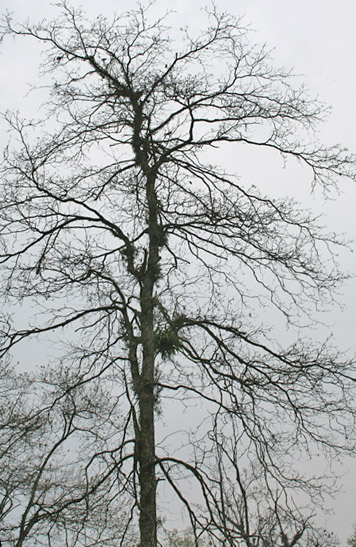 chebulic myrobalanTerminalia chebula
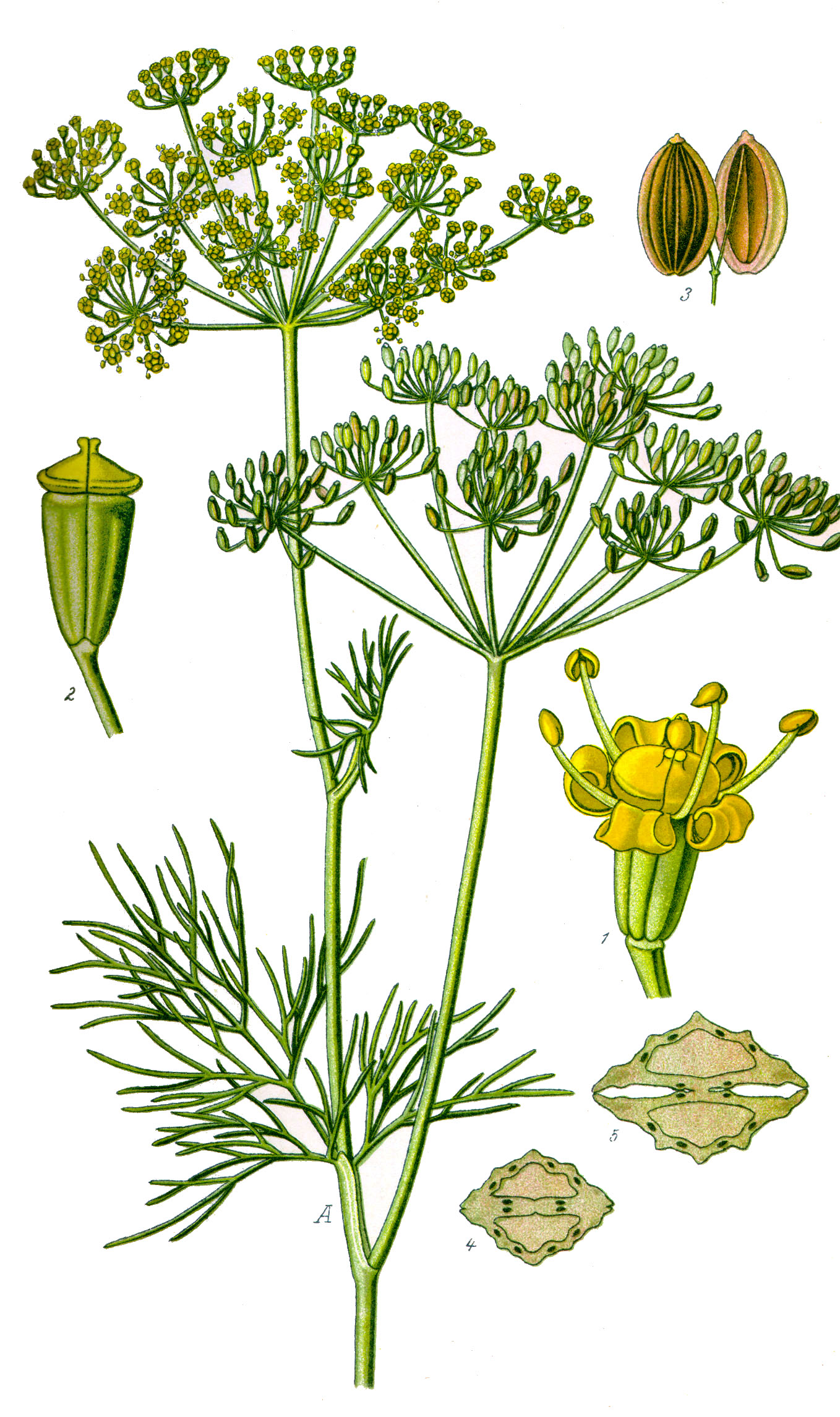 dillAnethum graveolens
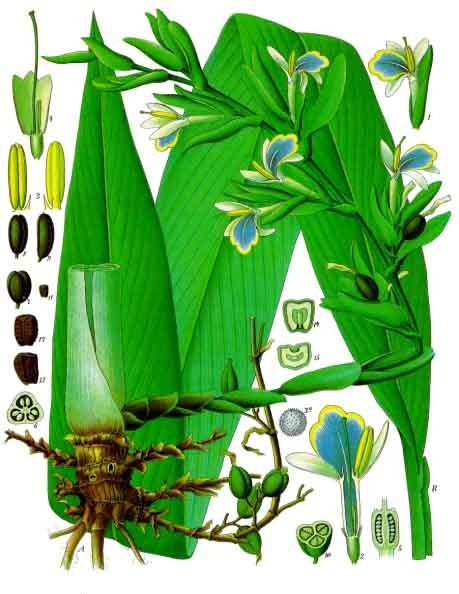 cardamomElettaria cardamomum
Nearby on the shelf
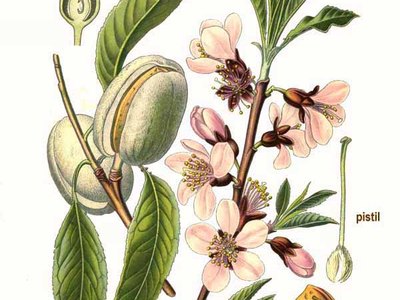 Sweet almondAmygdalus communis dulcis
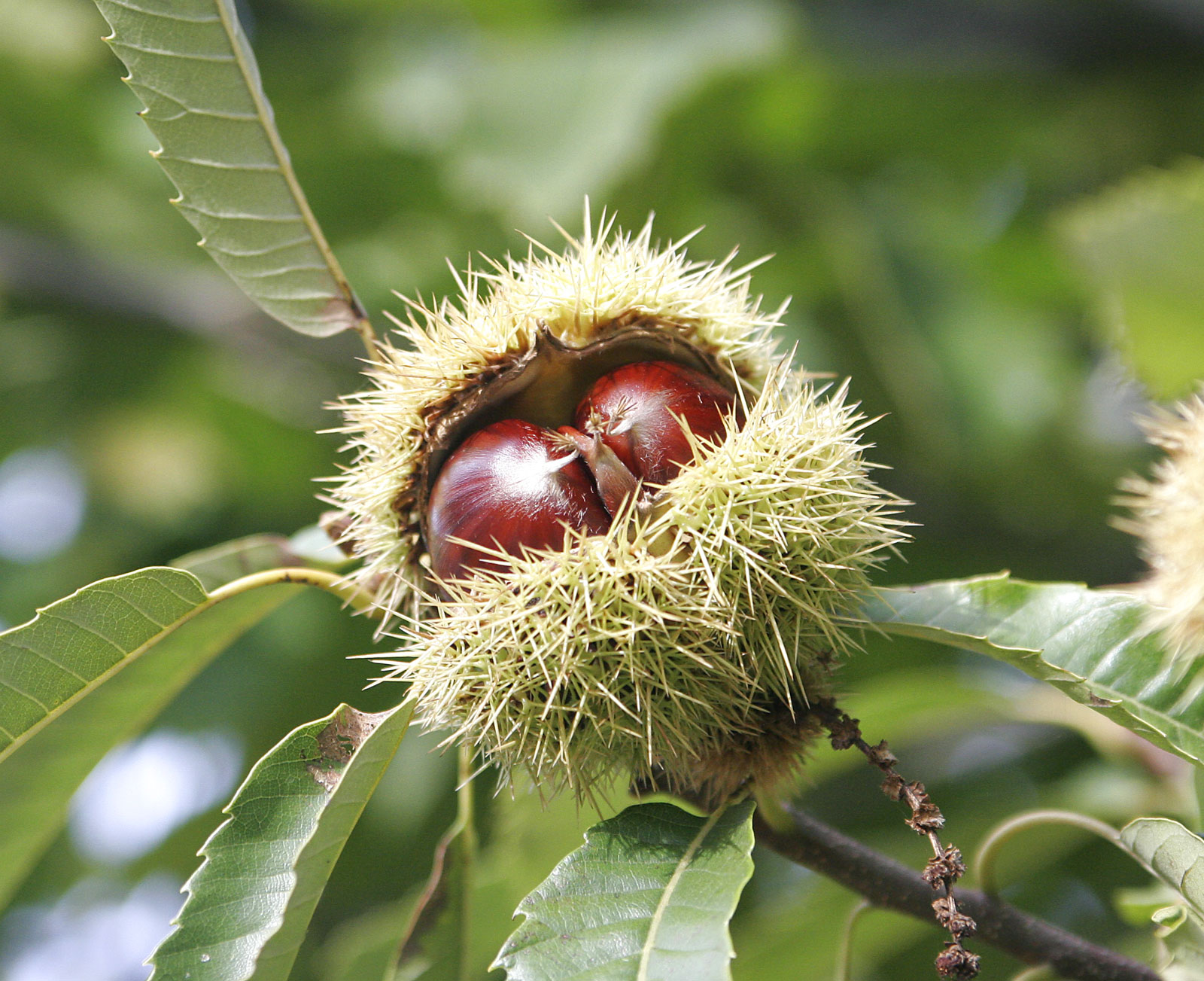 Sweet chestnutCastanea vesca
 Sweet cicelyOsmorhiza longistylis
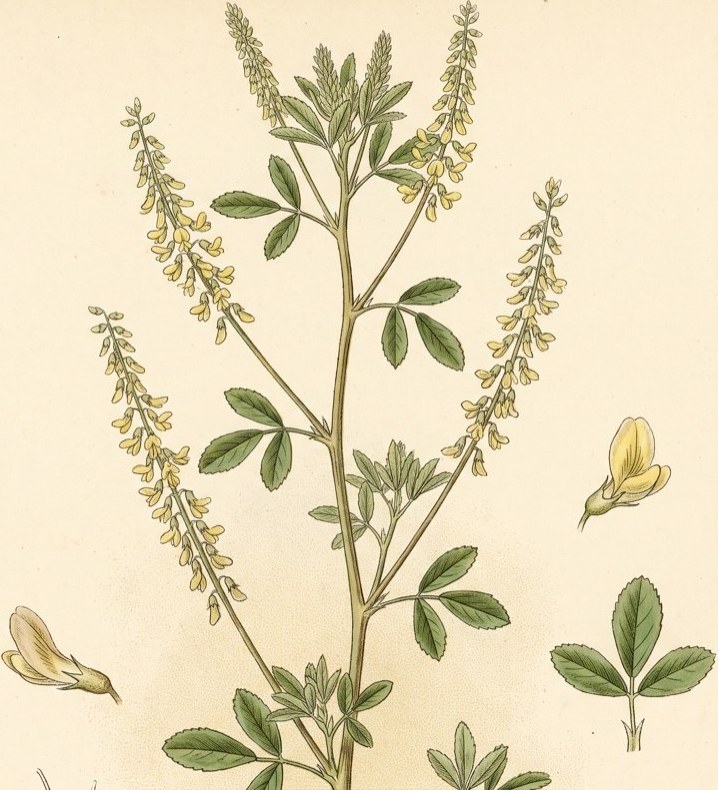 Sweet cloverMelilotus officinalis
 Sweet GoldenrodSolidago odora
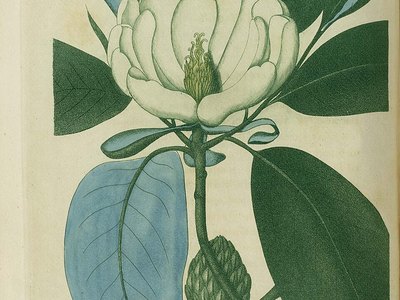 Sweet magnoliaMagnolia glauca
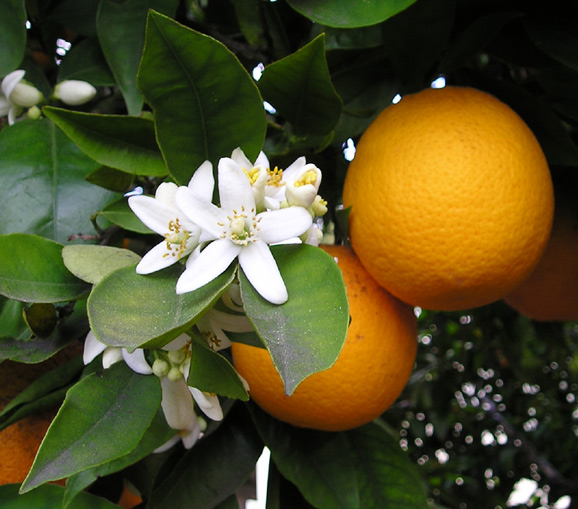 Sweet OrangeCitrus sinensis
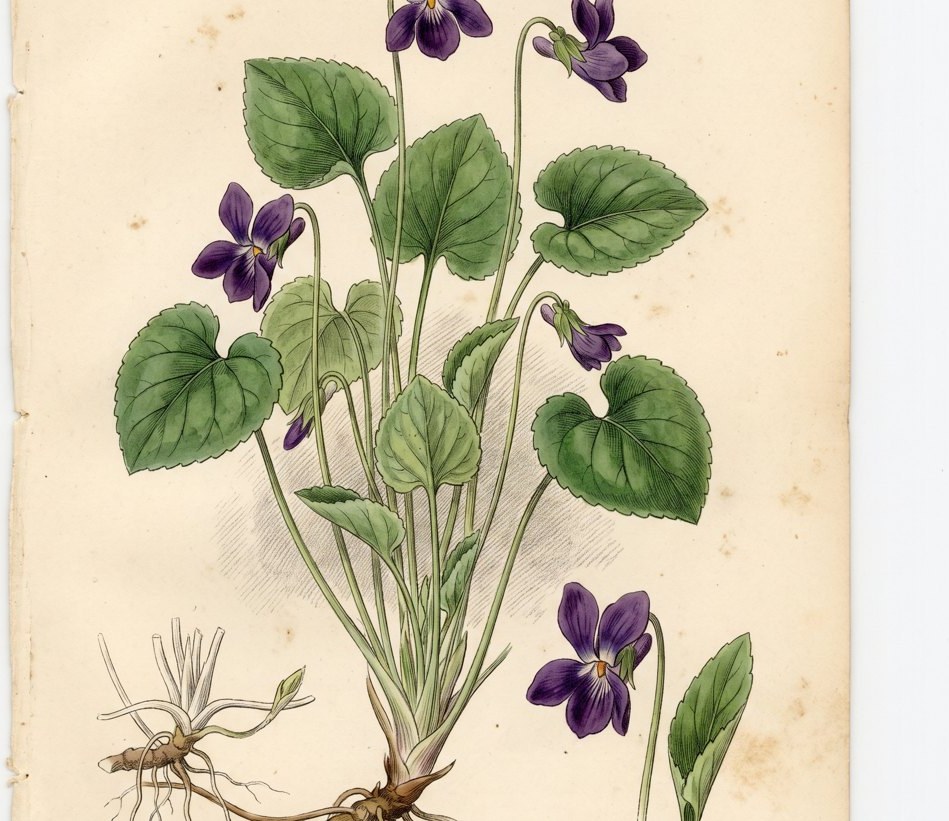 Sweet VioletViola odorata
The whole plate is in the library. The compass, Compare, the Sky of eleven hundred plants and the formulary open with an email address and a password, free, with the formula builder and its safety engine. Herbert without limit, his formulating, clients, the handouts and the labels are the paid room.
Open the library, free