Western and Ayurvedic herbalism
Bael
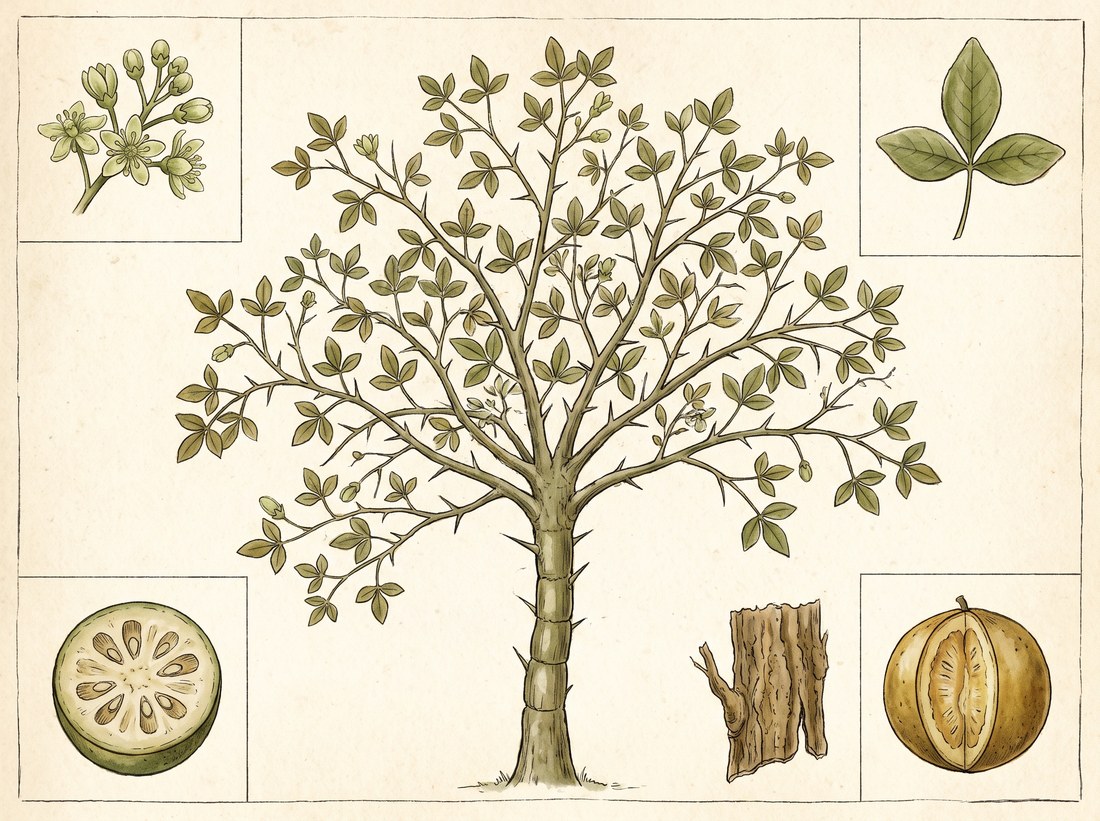
Aegle marmelos
Also known as bel, Bengal quince, stone apple, wood apple (sometimes, shared with Limonia), golden apple, Bael Fruit, Bèl, Bilva, Shriphala, Shandilya.
Aegle marmelos is a slow growing, thorny deciduous tree of the citrus family, native to the dry forests and plains of India and cultivated at temples and homesteads throughout the subcontinent, where its trifoliate leaves are offered to Shiva. Its hard shelled fruit ripens over nearly a year, and the unripe pulp is Ayurveda's principal remedy for chronic diarrhea and weak digestion, while the root bark is one of the five great roots of Dashamoola. Bilva is named in the earliest Ayurvedic texts and remains one of the most widely used fruits in Indian household medicine.

Ask Herbert about Bael. Herbert is the master herbalist inside Bountiful Herbs: he answers from this plate and eleven hundred others, with dosing, pairing and cautions. Your first ten questions are free.
Ask HerbertActions
Indications what the tradition reached for it in
- Chronic and recurrent diarrhea
- Dysentery and infective diarrhea (adjunct)
- Irritable bowel syndrome with loose stools
- Malabsorption with undigested food in the stool
- Post-infectious bowel irritability
- Chronic mucous colitis
- Type 2 diabetes (leaf, adjunct)
- Peptic ulcer and gastritis (unripe fruit)
- Weak digestion with gas and bloating
- Low grade fever with loose bowels
- Vata disorders and joint pain (root, in Dashamoola)
- Summer heat exhaustion with thirst (ripe fruit sherbet)
- Acute diarrhea
- Chronic diarrhea
- Bacillary and amoebic dysentery
- Irritable bowel with loose stools
- Dyspepsia with sluggish digestion
- Convalescent debility
- Constipation (ripe fruit used as gentle laxative)
- Intestinal parasites (traditional use)
- Mild scurvy or low vitamin C intake (ripe fruit as food-medicine)
Specific indications
Loose, frequent, urgent stools with mucus and cramping that have persisted after a gut infection, in a patient whose appetite is poor and who feels cold and depleted
Irritable bowel of the diarrhea type in an anxious vata patient who needs the stool bound and digestion warmed at the same time
A child or elder with recurrent diarrhea and weight loss where a gentle, food-like astringent is safer than pharmaceutical antimotility drugs
A kapha type diabetic with sluggish digestion and loose stools where fresh leaf juice supports glucose control
Safety
Pregnancy: Avoid the leaf and concentrated extracts in pregnancy: no published safety class is known to us, and leaf extracts have shown antifertility and uterine effects in animal studies; the ripe fruit as an occasional food is regarded as acceptable.
The record lists 8 contraindications; open the plate in the library to read them in full.
In practice
The Ayurvedic practitioner uses Bilva in two different ways depending on the part. The unripe fruit is grahi and deepana: it dries and binds the loose bowel while kindling a weak digestive fire, which sets it apart from purely astringent herbs that bind but chill.
In Ayurveda
Rasa: kashaya (astringent), tikta (bitter), katu (pungent). Virya: ushna (heating). Vipaka: katu (pungent). Guna: laghu (light), ruksha (dry). Dosha: pacifies vata and kapha; the ripe fruit is heavier and may increase kapha, the unripe fruit dries and binds. Prabhava: Grahi: the unripe fruit is the classical absorbent and stool binding drug for chronic loose bowels, while the ripe fruit is regarded as harder to digest. Karma: grahi (absorbent, binds the stool); deepana (kindles digestion); pachana (digestive); sangrahi (astringent to the bowel); vatahara (pacifies vata); kaphahara (reduces kapha); shothahara (reduces swelling, root); jvaraghna (relieves fever, root); hridya (cardiotonic, root); pramehaghna (helps urinary and diabetic disorders, leaf). Classical indications: atisara (diarrhea); pravahika (dysentery); grahani (malabsorption, irritable bowel); agnimandya (weak digestion); chardi (vomiting); shotha (swelling); jvara (fever, especially with diarrhea); prameha (urinary disorders including diabetes, leaf); hridroga (heart disease, as part of Dashamoola); shvasa and kasa (dyspnea and cough, as part of Dashamoola); netra roga (eye disease, leaf juice). The dried unripe fruit pulp is the drug for the bowel, given as churna, as kwatha and as the roasted pulp confection; the root bark is one of the five great roots of Dashamoola and is decocted for vata, fever and swelling; the leaf juice is used fresh for diabetes and the leaves in poultices; the ripe pulp is a summer food and mild laxative. Classical formulations: Dashamoola kwatha, Bilvadi churna, Bilvadi leha (avaleha), Bilva taila, Brihat Gangadhara churna, Dashamoolarishta, Chyawanprash (via Dashamoola), Kutajavaleha (variants). Described in: Charaka Samhita, Sushruta Samhita, Ashtanga Hridaya, Bhavaprakasha Nighantu, Dhanvantari Nighantu, Raja Nighantu, Madanapala Nighantu, Kaiyadeva Nighantu, Ayurvedic Pharmacopoeia of India.
Dosing as the sources wrote it
| Preparation | As written | Metric |
|---|---|---|
| Churna (unripe fruit) | 3-6 g powdered unripe fruit pulp twice daily with warm water or buttermilk | 3000-6000 mg |
| Kwatha (unripe fruit or root) | 50-100 mL decoction twice daily | 50-100 mL |
| Avaleha | 10-20 g Bilvadi leha twice daily | 10000-20000 mg |
| Swarasa (leaf) | 10-20 mL fresh leaf juice once daily before food | 10-20 mL |
| Arishta (Dashamoolarishta) | 12-24 mL twice daily after food | 12-24 mL |
| A fluid extract of the rind of the unripe fruit may be given in diarrhoea and in dysentery in doses of from 30 minims to 2 fluid drachms every 2 or 3 hours. | 1.85-7.39 mL |
Doses are reproduced from the sources for practitioners and are not a recommendation for any person.
From the sources
Overview. Aegle marmelos is a slow growing, thorny deciduous tree of the citrus family, native to the dry forests and plains of India and cultivated at temples and homesteads throughout the subcontinent, where its trifoliate leaves are offered to Shiva. Its hard shelled fruit ripens over nearly a year, and the unripe pulp is Ayurveda's principal remedy for chronic diarrhea and weak digestion, while the root bark is one of the five great roots of Dashamoola. Bilva is named in the earliest Ayurvedic texts and remains one of the most widely used fruits in Indian household medicine.
Overview. Bael is a thorny, deciduous tree of the Rutaceae family native to the Indian subcontinent and cultivated widely through South and Southeast Asia, held sacred in Hindu tradition and planted around temples. The hard-shelled fruit ripens from green to yellow, and both the unripe and ripe pulp are used medicinally, the unripe fruit dried as a firm astringent and the ripe fruit taken fresh as a milder, nourishing remedy. It entered nineteenth century Eclectic practice under the Latin name Belae Fructus, valued as a reliable gut astringent for diarrhea and dysentery that had resisted other treatments.
Clinical Notes. The Ayurvedic practitioner uses Bilva in two different ways depending on the part. The unripe fruit is grahi and deepana: it dries and binds the loose bowel while kindling a weak digestive fire, which sets it apart from purely astringent herbs that bind but chill.
Clinical Notes. The unripe, sun-dried fruit is the workhorse preparation for acute and chronic diarrhea, including dysentery with mucus and cramping. Eclectic physicians favored a strong decoction or fluid extract, often combined with other astringents such as blackberry root or geranium when stools were watery and frequent, and noted that bael seemed to settle the bowel without the constipating rebound sometimes seen with heavier tannin-rich astringents.
Drawn from King's American Dispensatory, 18th edition (Felter and Lloyd), and the Bountiful Herbs editorial.
In formulas
Bael stands in 44 documented formulas in the library, among them Daśamūlāriṣṭa, Mṛtasaṅjīvanī Surā, Miśreyārka, Kuṭajāvaleha, Cyavanaprāśa, Jīrakādi Modaka.
Often paired with
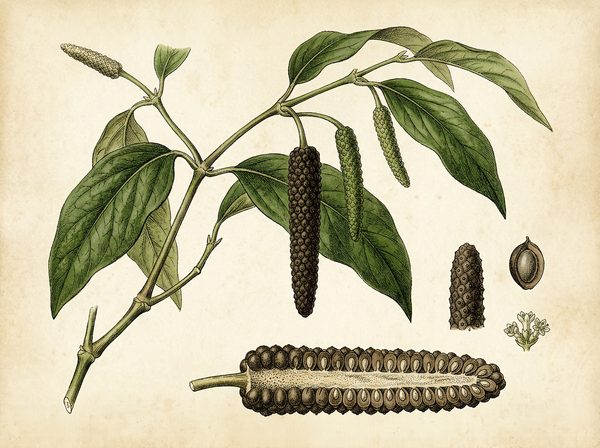 long pepperPiper longum
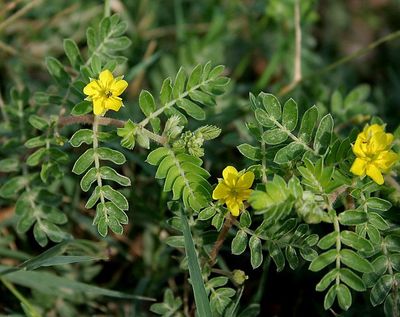 puncture vineTribulus terrestris
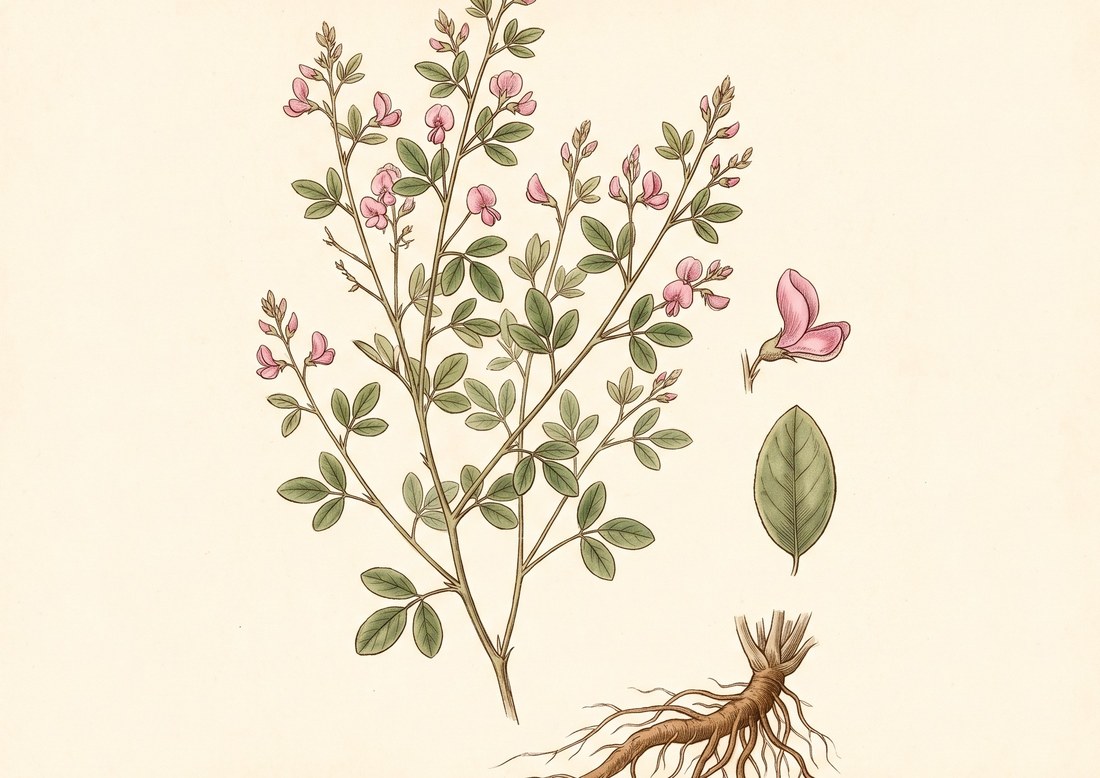 shalparniDesmodium gangeticum
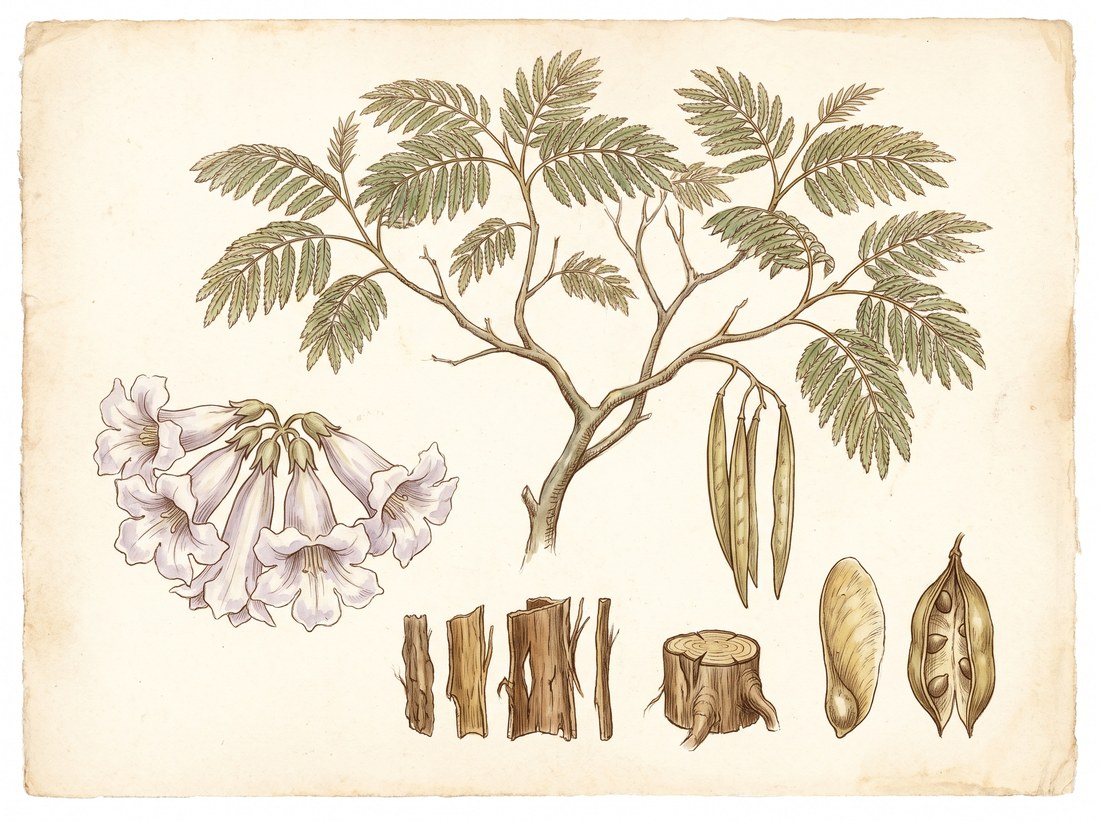 Indian trumpet flowerOroxylum indicum
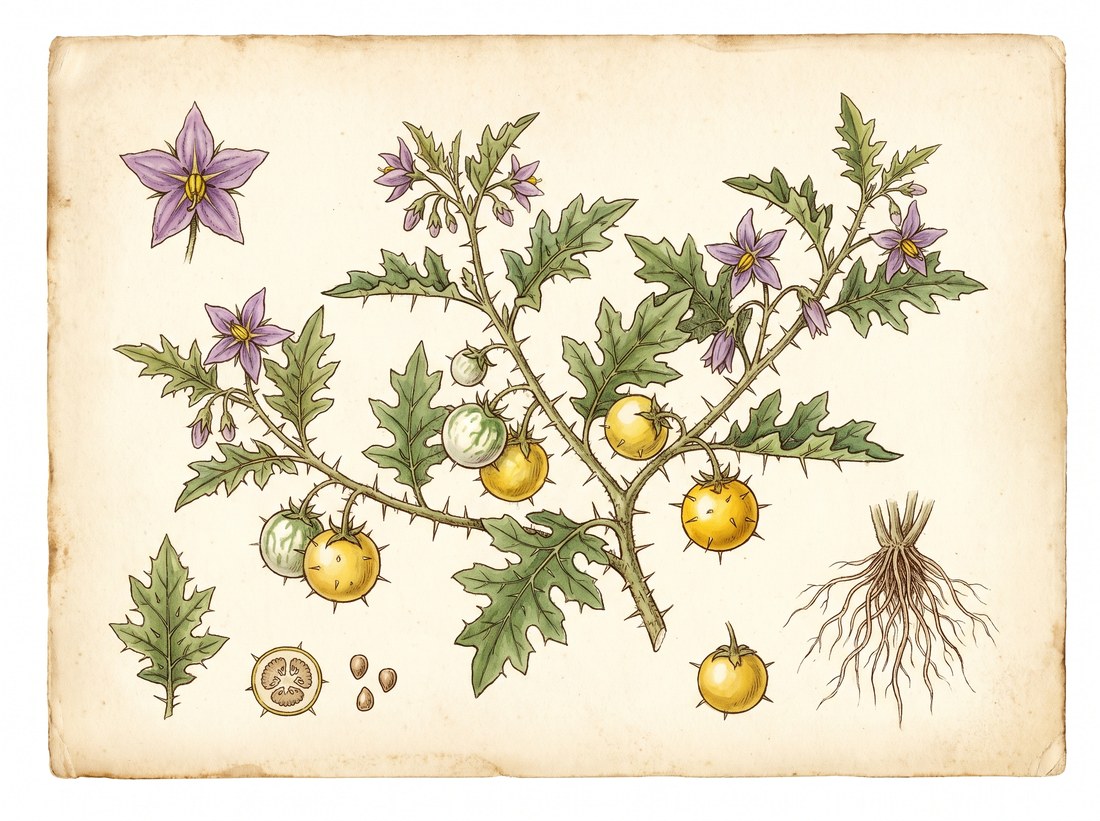 yellow-berried nightshadeSolanum xanthocarpum
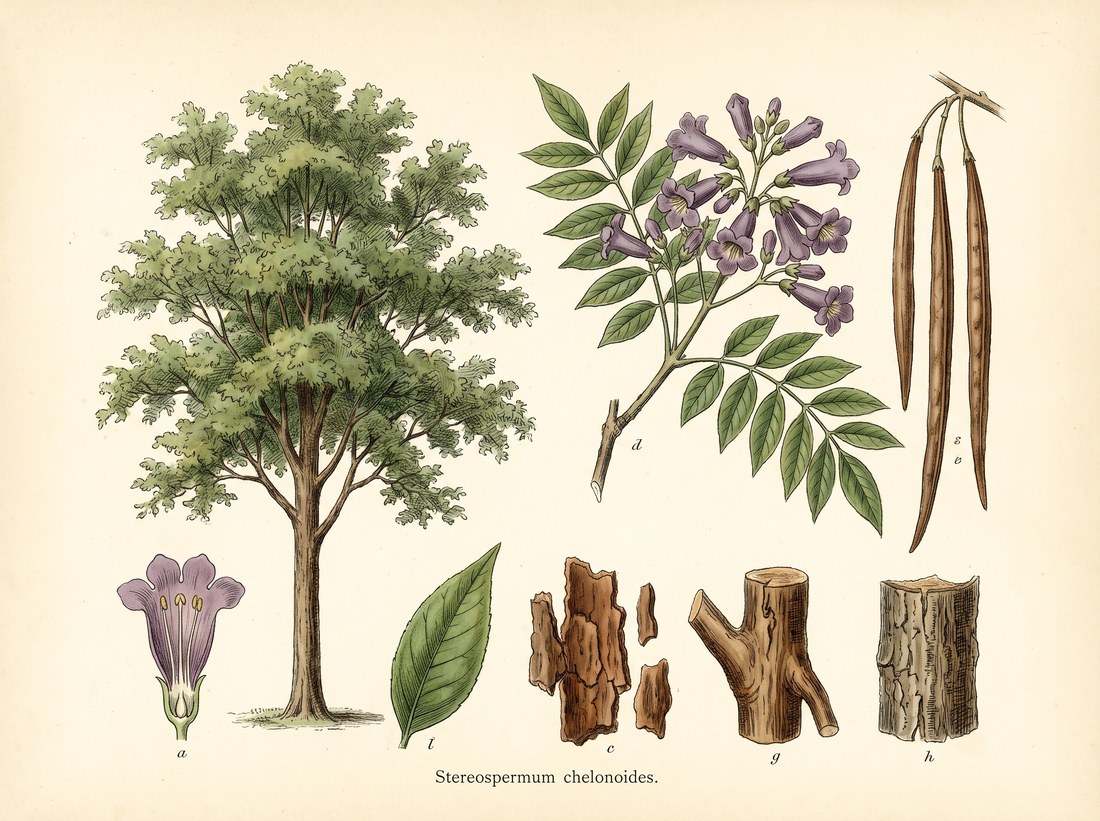 fragrant padri treeStereospermum suaveolens
Nearby on the shelf
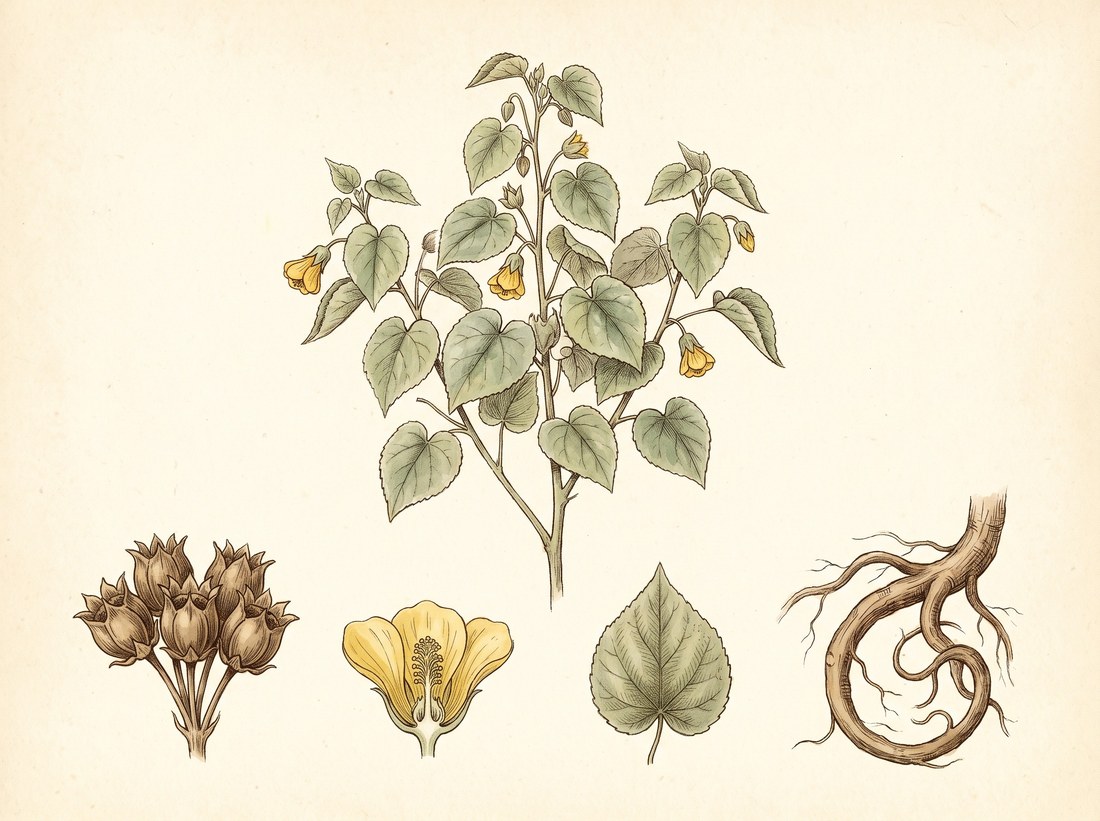 AtibalaAbutilon indicum
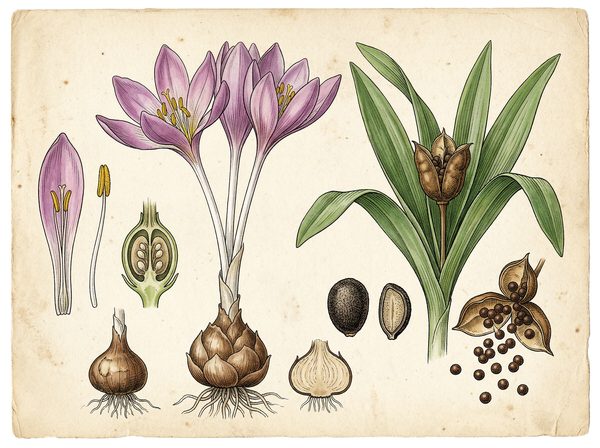 Autumn CrocusColchicum autumnale
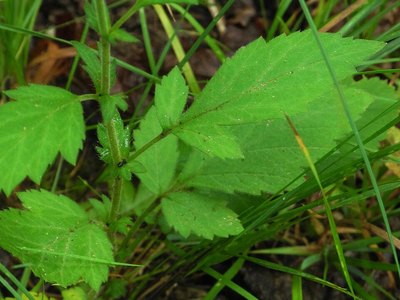 AvensGeum virginianum
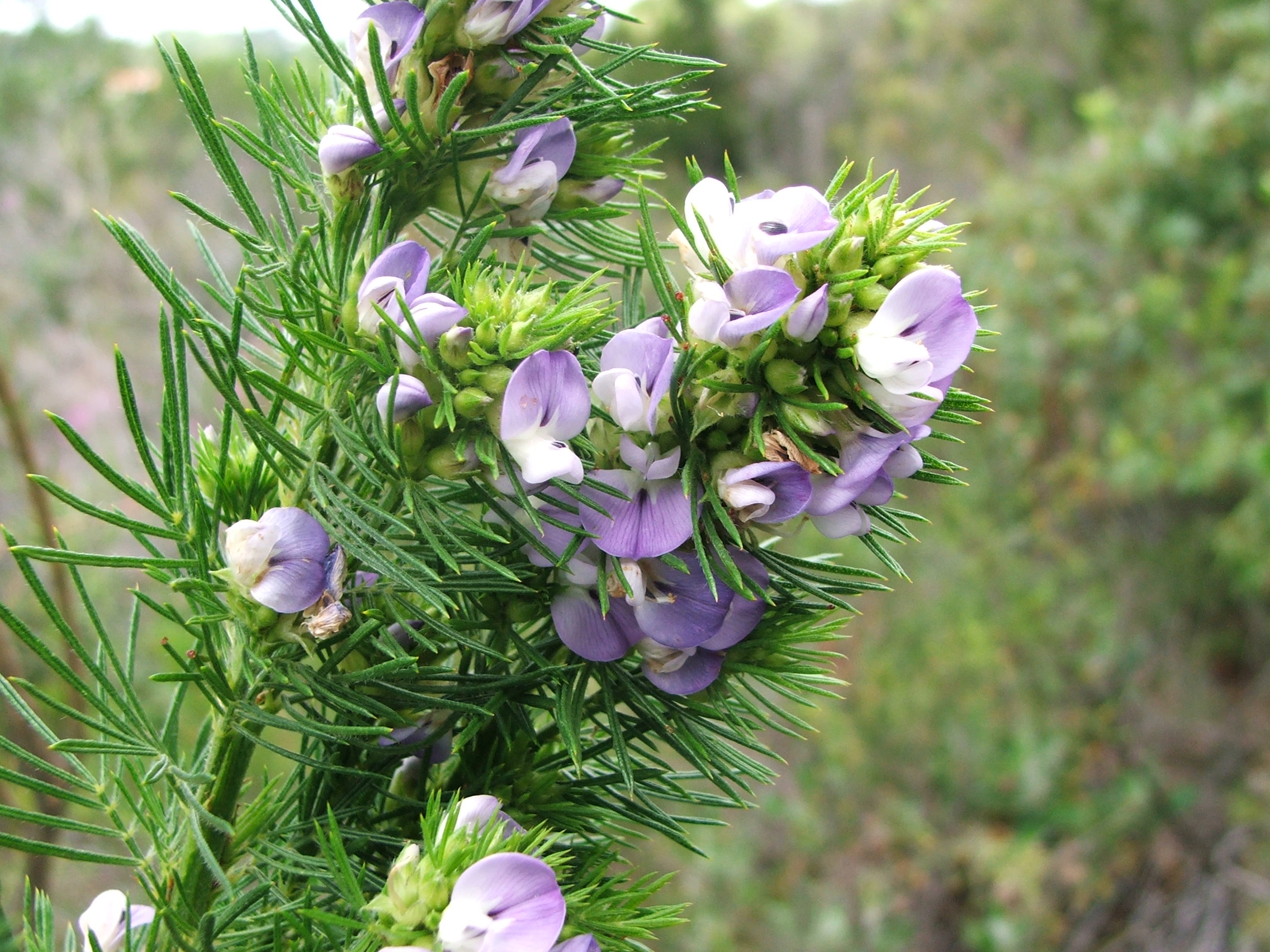 BabchiPsoralea corylifolia
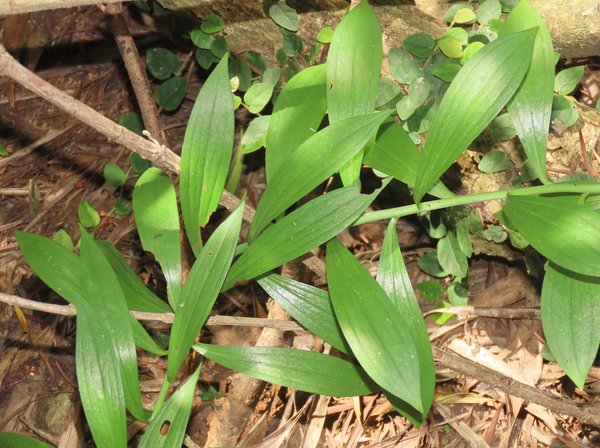 Bai HeLilium brownii
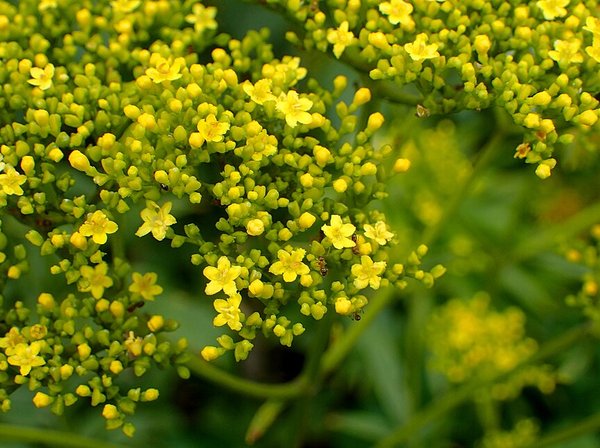 Bai Jiang CaoPatrinia scabiosifolia
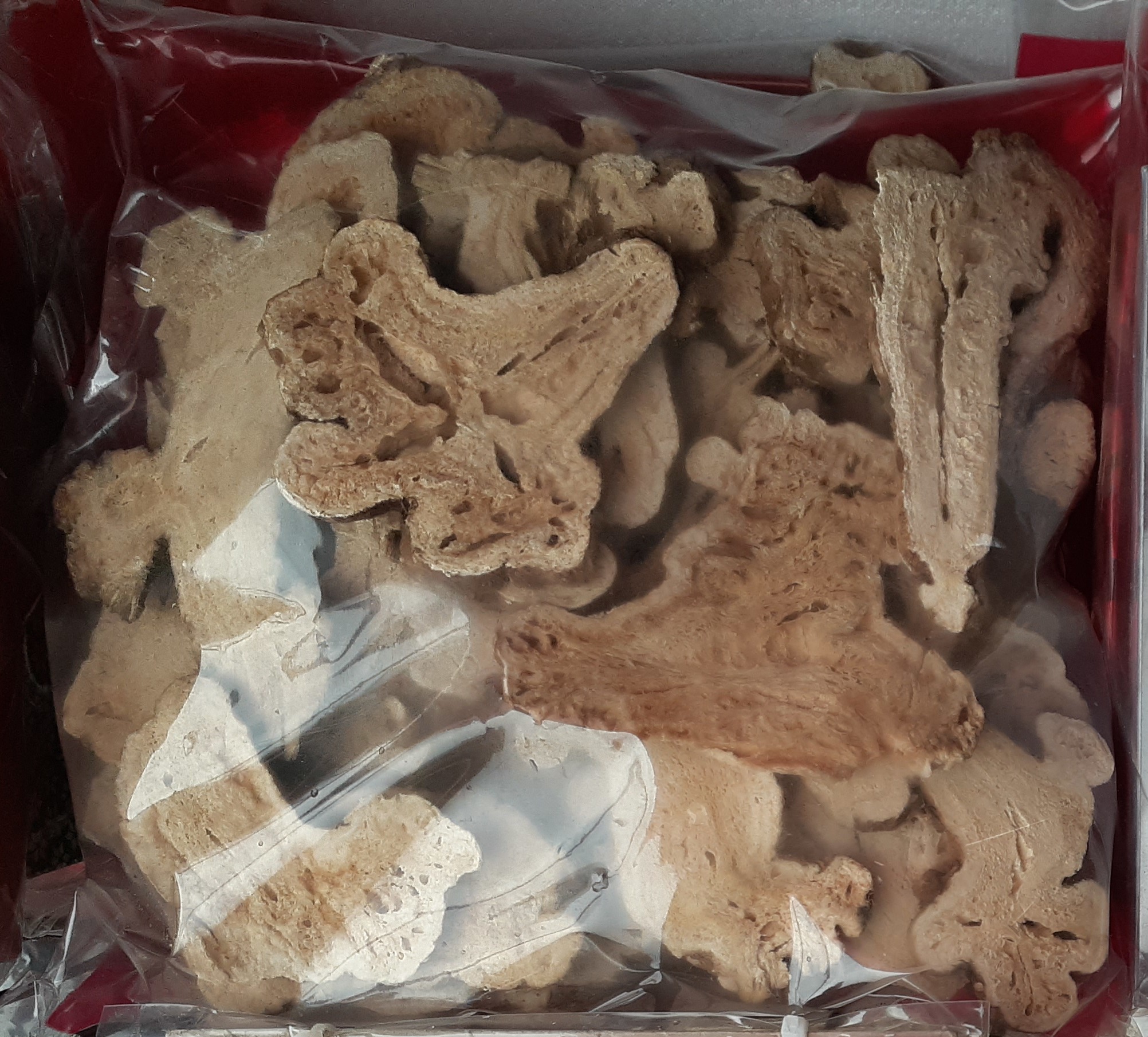 Bai ZhuAtractylodes macrocephala
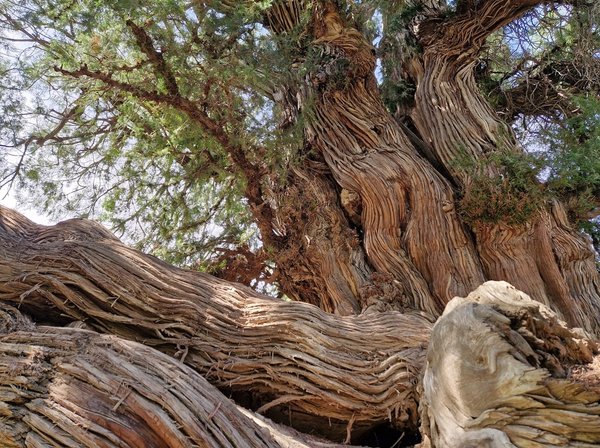 Bai Zi RenPlatycladus orientalis
The whole plate is in the library. The compass, Compare, the Sky of eleven hundred plants and the formulary open with an email address and a password, free, with the formula builder and its safety engine. Herbert without limit, his formulating, clients, the handouts and the labels are the paid room.
Open the library, free