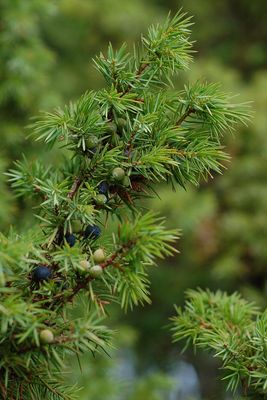
Western Herbalism
Juniper
Juniperus communis
Also known as Baccae Juniperi, Common Juniper, Genièvre, Wacholderbeeren, Zimbro, Juniper berries, Juniper Berry.
Juniper is a gastric stimulant and a stimulating diuretic to be used in atonic and depressed conditions, usually in chronic affections of the kidneys and urinary passages with catarrhal or pus-laden discharges.

Ask Herbert about Juniper. Herbert is the master herbalist inside Bountiful Herbs: he answers from this plate and eleven hundred others, with dosing, pairing and cautions. Your first ten questions are free.
Ask HerbertActions
Indications what the tradition reached for it in
- Rheumatic joints
- Renal insufficiency
- Gas/bloating
- Urinary tract infection (acute)
- Urinary tract infection (chronic)
- Myalgia
- Prostatitis
- Urethritis
- Abdominal distension
- Bloating
- Colic
- Digestive discomfort
- Edema
- Flatulence
- Fluid retention
- Gas
- Infection
- Urinary disorders
- Digestive complaints
- Urinary complaints
- Dyspepsia
- Cystitis
- Applied topically for rheumatic pains in joints
- Muscles
- cellulite/lymphatic massage blends
- achy joints (diluted)
- oily skin
Safety
Pregnancy: Pregnancy Caution
Breastfeeding: Lactation=data lacking
The record lists 4 contraindications; open the plate in the library to read them in full.
Dosing as the sources wrote it
| Preparation | As written | Metric |
|---|---|---|
| Tincture (1:3-1:5) | 1-2ml TID | 1-2 mL |
| Infusion | 1-2 tsp/c TID | |
| (G7) Fruit 1-2 g or equivalent three times daily | 1000-2000 mg | |
| 2 -10 g (equivalent to 20-100 mg of volatile oil) | 2000-10000 mg | |
| (G3) Liquid extract 2-4 mL (1 : 1 in 25% alcohol) three times daily .(G7) Tincture 1-2 mL (1 : 5 in 45% alcohol) three times daily | 2-4 mL | |
| They may be crushed with sugar, and given in doses of half a drachm to a drachm three or four times a day | 1944-3888 mg |
Doses are reproduced from the sources for practitioners and are not a recommendation for any person.
From the sources
Action and Therapy. Juniper is a gastric stimulant and a stimulating diuretic to be used in atonic and depressed conditions, usually in chronic affections of the kidneys and urinary passages with catarrhal or pus-laden discharges.
Therapy. Juniper has long been in use as a general diuretic and soothing kidney remedy. It is indicated in feeble or aged patients with persistent dragging or weight across the kidneys. In chronic disease it is especially beneficial.
Properties and Uses. Juniper berries are a mild stimulant and relaxant, chiefly influencing the kidneys and bladder. They are a pleasant and somewhat prompt diuretic, not usable in acute inflammation of any portion of the renal apparatus, but answering an excellent purpose in all renal congestions, aching through the back and loins, catarrh of the bladder, etc.
Action, Medical Uses, and Dosage. Oil of cade has been much used in France as a remedy in many cutaneous affections, as prurigo, chronic eczema, particularly of the moist variety, psoriasis, pityriasis rubra, and favus, and for the removal of worms (3 to 5 drops, several times a day). Probably our common tar will, as a substitute, prove fully as effectual. It is largely used upon animals. It may be used pure, or in ointment, liniments, soaps, or glycerites.
Drawn from Cook's Physio-Medical Dispensatory; King's American Dispensatory, 18th edition (Felter and Lloyd); Ellingwood's American Materia Medica, Therapeutics and Pharmacognosy; Felter's Eclectic Materia Medica, Pharmacology and Therapeutics, and the Bountiful Herbs editorial.
Often paired with
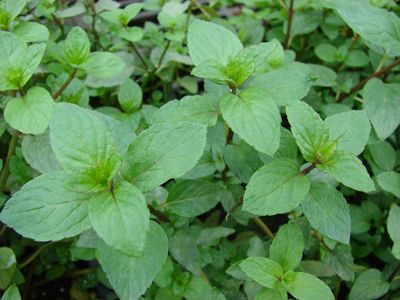 PeppermintMentha piperita
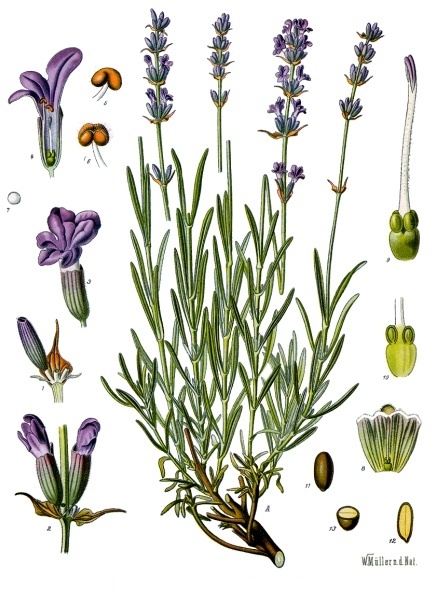 LavenderLavandula spp.
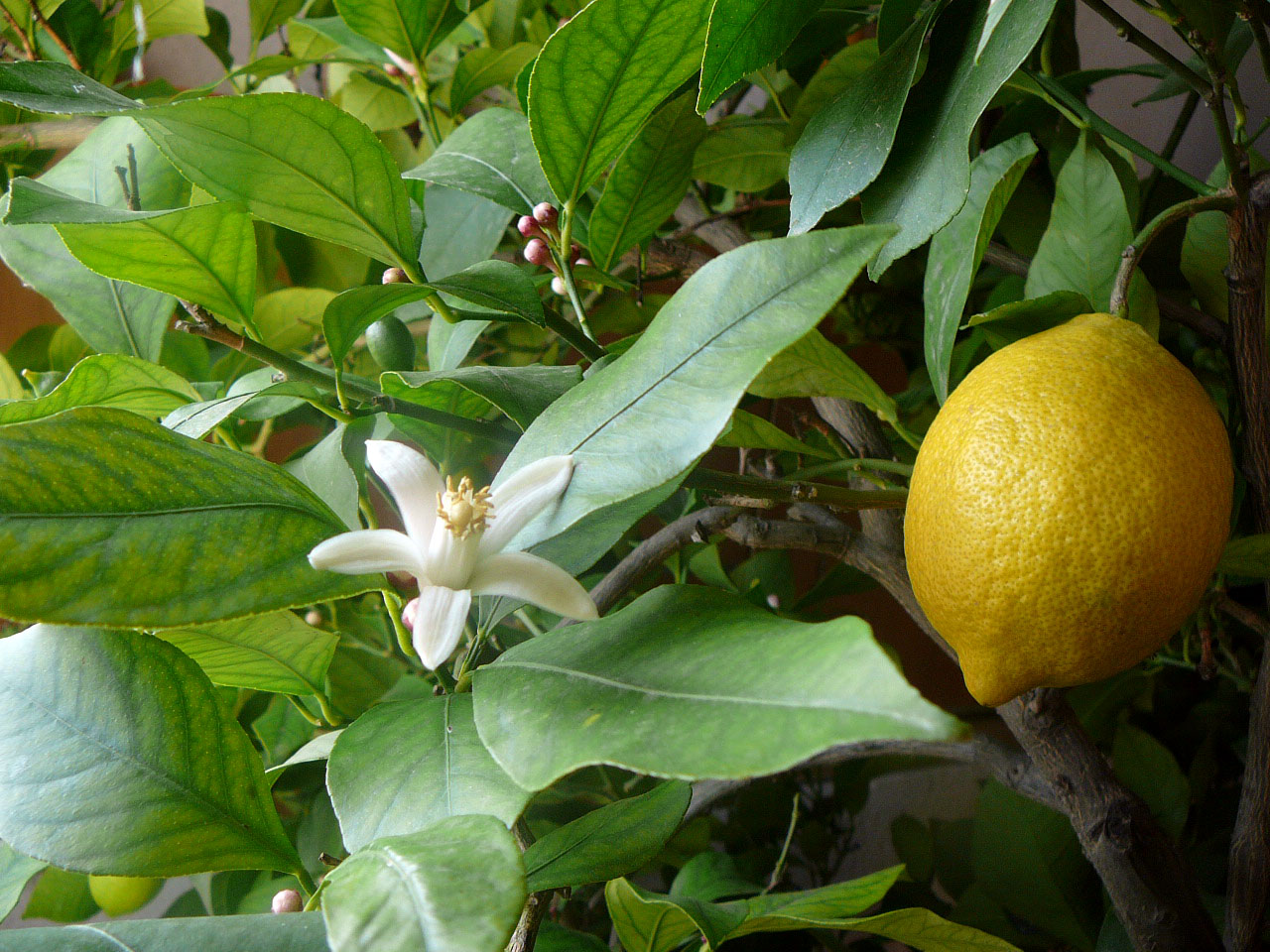 lemonCitrus limon
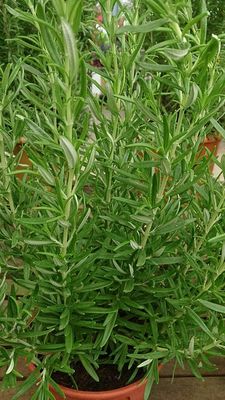 RosemaryRosmarinus officinalis
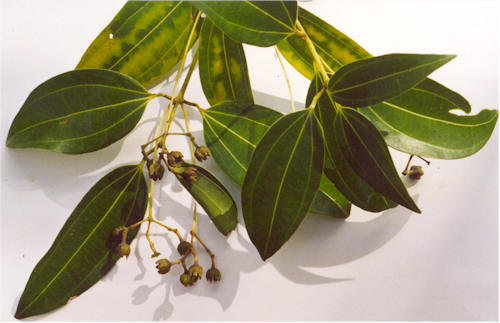 Ceylon cinnamonCinnamomum zeylanicum
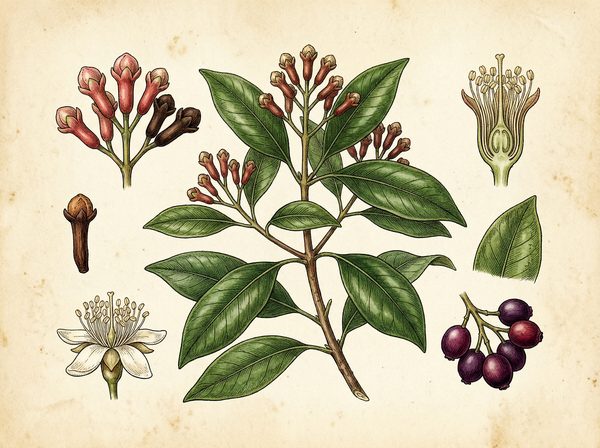 cloveSyzygium aromaticum
Nearby on the shelf
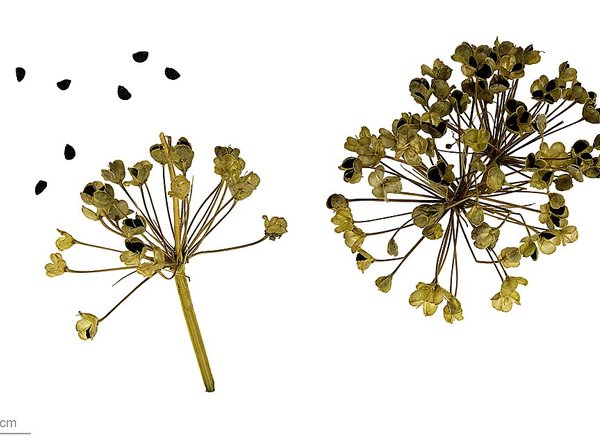 Jiu Zi (seed)Allium tuberosum
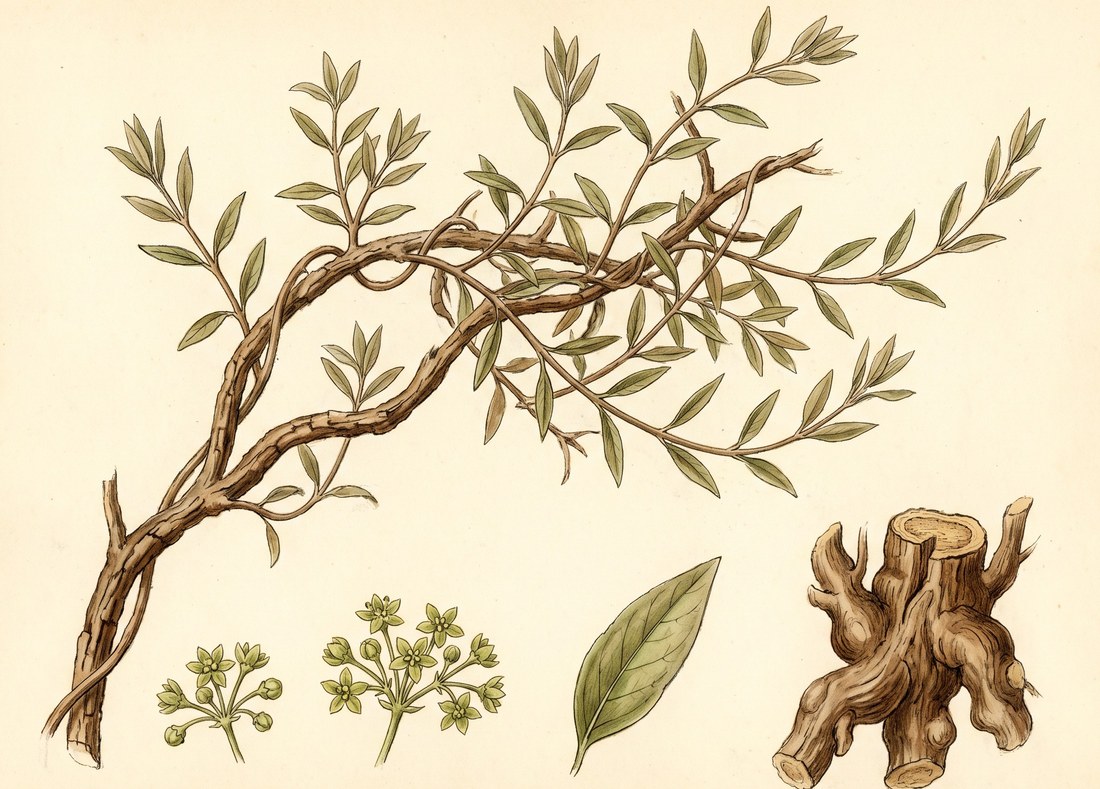 JivantiLeptadenia reticulata
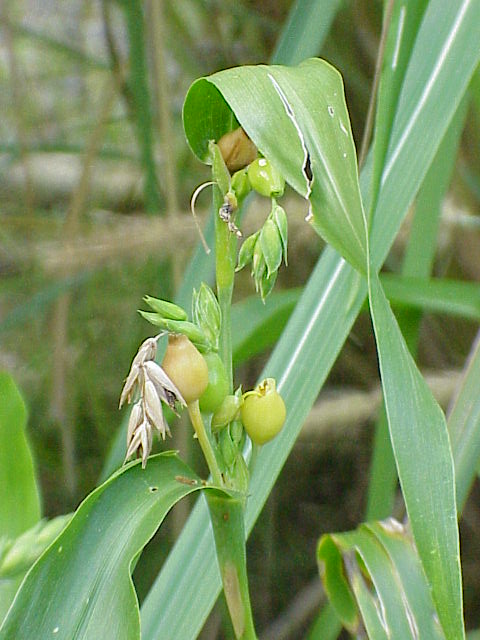 Job's TearsCoix lacryma-jobi
 JujubeZiziphus jujuba
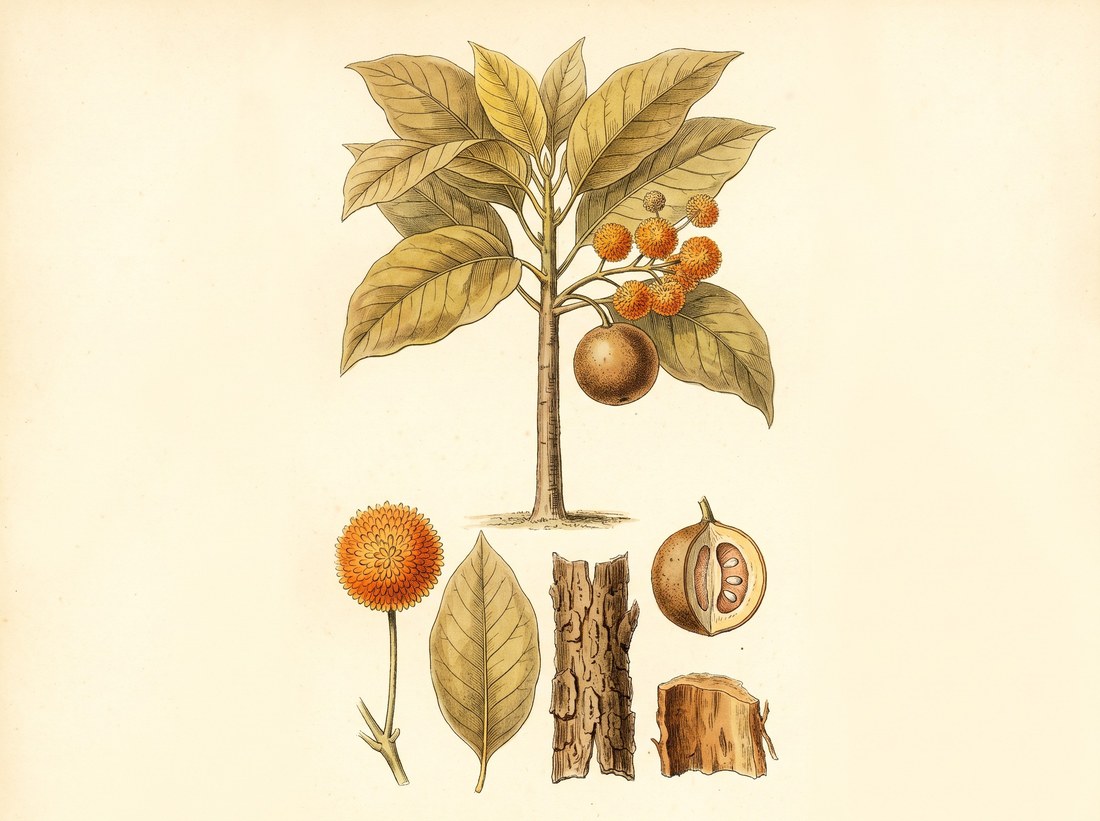 KadamNeolamarckia cadamba
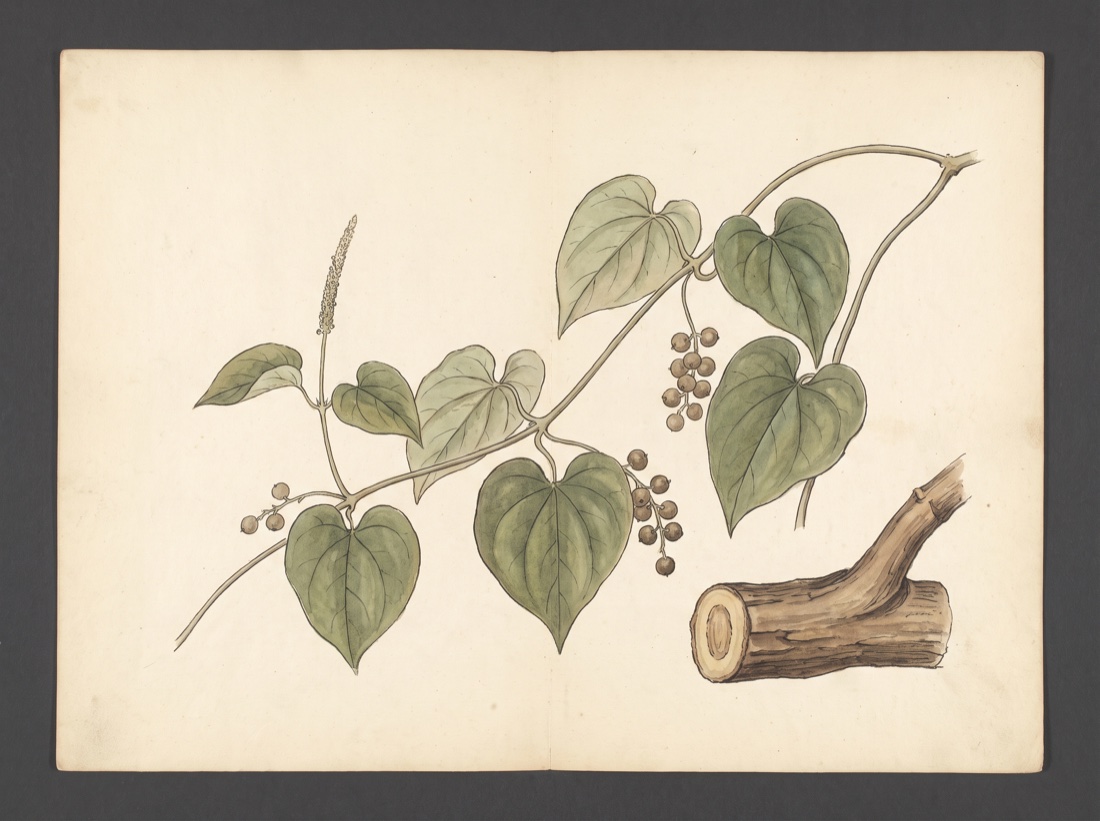 Kadsura pepperPiper kadsura
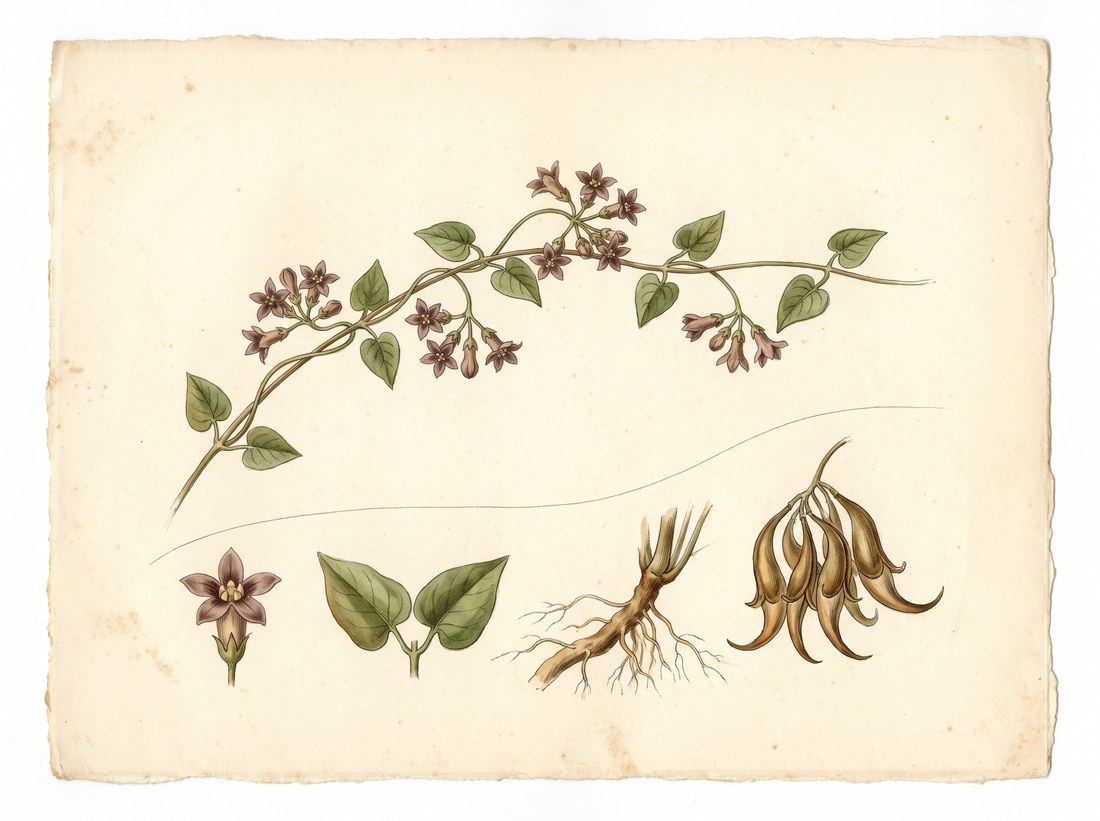 KakanasaPentatropis capensis
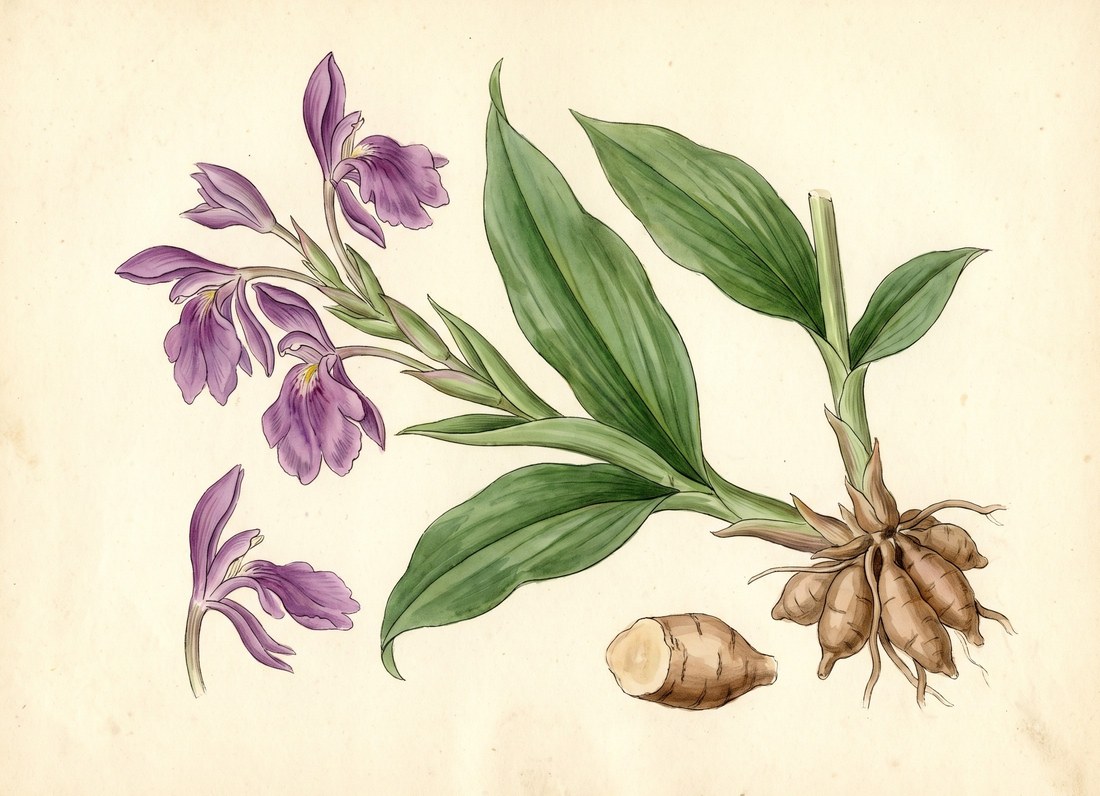 KakoliRoscoea procera
The whole plate is in the library. The compass, Compare, the Sky of eleven hundred plants and the formulary open with an email address and a password, free, with the formula builder and its safety engine. Herbert without limit, his formulating, clients, the handouts and the labels are the paid room.
Open the library, free