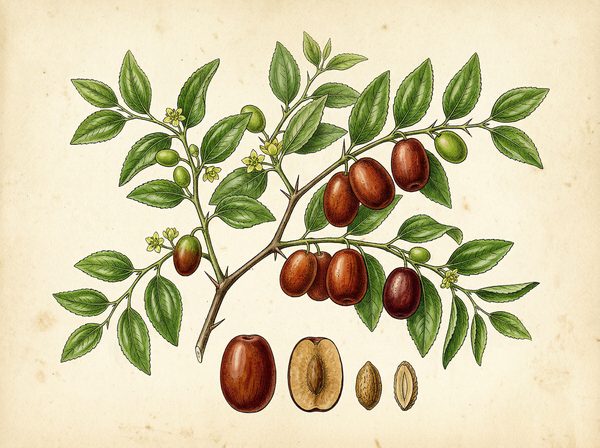
Western, Chinese and Ayurvedic herbalism
Jujube
Ziziphus jujuba
Also known as Chinese date, red date, common jujube, ber (Indian jujube, allied species), Jujube-Berries, Suan Zao Ren, Sour Jujube Seed, Kola, Badara, Badari.
Ziziphus jujuba is a small thorny deciduous tree of the buckthorn family native to a wide belt from the Mediterranean through Central Asia to China, and grown in the drier parts of north and northwest India; the closely related Ziziphus mauritiana, the ber, is the common Indian jujube of the plains and is what most Indian markets sell as Kola or Badara. Ayurveda treats the ripe sweet fruit as a nourishing, cooling tonic for wasting, thirst, dryness and bleeding, the seed as a calmer of the heart and sleep, and the bark and leaf as astringent wound and bowel remedies.

Ask Herbert about Jujube. Herbert is the master herbalist inside Bountiful Herbs: he answers from this plate and eleven hundred others, with dosing, pairing and cautions. Your first ten questions are free.
Ask HerbertActions
Indications what the tradition reached for it in
- Debility, low weight and slow convalescence
- Dry cough and sore throat
- Insomnia with anxiety and palpitations (seed)
- Restlessness and irritability in a depleted patient
- Excess thirst and burning in hot weather (fruit)
- Bleeding gums and mild bleeding tendency (ripe fruit)
- Chronic diarrhea (bark decoction)
- Constipation with dryness in the elderly (fresh ripe fruit)
- Poor appetite in children and the elderly
- Wounds, ulcers and boils (leaf paste and bark wash)
- Hair fall and scalp irritation (leaf paste)
- Loss of appetite
- Shortness of breath
- Poor memory
- Cognitive impairment
- Palpitations
- Fatigue
- Dizziness
- Restlessness
- Anxiety
- Pallor
- Insomnia
- Blood deficiency
- Scanty menses
- Loose stools
- Irritability
- Mental tension
- Nervous exhaustion
- Bloating
- Anemia
Specific indications
A thin, tired, anxious patient with a dry cough and poor sleep who needs to be fed and soothed rather than stimulated
The convalescent or elderly person with no appetite, a dry throat and a light, restless sleep
Palpitations and worry at bedtime in a depleted vata-pitta patient, for whom the seed powder in warm milk is given
Chronic mild diarrhea in a weak patient where a gentle astringent bark decoction is preferred to strong tannin herbs
Safety
Pregnancy: Use with care in pregnancy
The record lists 6 contraindications; open the plate in the library to read them in full.
In practice
Kola is a food-medicine for the depleted. The ripe dried fruit is simmered in milk or water and given to thin, dry, tired patients with poor appetite, a dry cough or a tendency to bleed, often with Draksha, Kharjura and Yashtimadhu in the sweet tonic decoctions for kshaya and cough.
In Ayurveda
Rasa: madhura (sweet), amla (sour), kashaya (astringent); the ripe dried fruit is predominantly sweet. Virya: sheeta (cooling); the unripe sour fruit is mildly heating. Vipaka: madhura (sweet). Guna: guru (heavy), snigdha (unctuous). Dosha: ripe fruit pacifies vata and pitta and increases kapha; unripe fruit aggravates pitta and kapha. Karma: brimhana (nourishing, builds tissue); balya (strengthening); vatahara (pacifies vata); pittahara (pacifies pitta, ripe fruit); hridya (supports the heart); ruchya (improves taste); trishnanigrahana (relieves thirst); dahaprashamana (relieves burning); raktapittahara (checks bleeding, ripe fruit); nidrajanana (promotes sleep, seed); grahi (binds the bowel, bark and unripe fruit); vranaropana (heals wounds, bark and leaf); keshya (good for the hair, leaf). Classical indications: kshaya (wasting); daurbalya (weakness); trishna (thirst); daha (burning); raktapitta (bleeding disorders); kasa (cough with dryness); shrama (fatigue); anidra (insomnia, seed); atisara (diarrhea, bark); vrana (wounds, bark and leaf); jvara (fever, as a cooling food); kesha patana (hair loss, leaf paste). The ripe fruit is eaten fresh or dried and is decocted or simmered in milk as a nourishing food; the seed kernel is powdered for sleep and anxiety; the stem bark is decocted for diarrhea and as a wash and gargle; the leaf is ground into a paste for wounds and the scalp and enters the Kola kulatthadi powder for sweating fomentation. Classical formulations: Kola kulatthadi churna, Badari phala churna, Badari twak kwatha, Badari patra lepa, Kola majja churna (seed kernel), Kolakulatthadi upanaha. Described in: Charaka Samhita, Sushruta Samhita, Ashtanga Hridaya, Bhavaprakasha Nighantu, Dhanvantari Nighantu, Raja Nighantu, Madanapala Nighantu, Kaiyadeva Nighantu.
Dosing as the sources wrote it
| Preparation | As written | Metric |
|---|---|---|
| Dried fruit | 10-20 g dried fruit daily, simmered in milk or water | 10000-20000 mg |
| Churna (seed kernel) | 3-6 g powdered seed kernel at bedtime with warm milk | 3000-6000 mg |
| Kwatha (bark) | 50-100 mL bark decoction twice daily | 50-100 mL |
| Lepa, topical | 10-20 g leaf paste applied to wounds or scalp | 10000-20000 mg |
| Churna (fruit) | 3-6 g powdered dried fruit twice daily with warm water | 3000-6000 mg |
| Decoction or infusion | Decoction or infusion 6-30 g dried fruit/day | 6000-30000 mg |
Doses are reproduced from the sources for practitioners and are not a recommendation for any person.
From the sources
Overview. Ziziphus jujuba is a small thorny deciduous tree of the buckthorn family native to a wide belt from the Mediterranean through Central Asia to China, and grown in the drier parts of north and northwest India; the closely related Ziziphus mauritiana, the ber, is the common Indian jujube of the plains and is what most Indian markets sell as Kola or Badara. Ayurveda treats the ripe sweet fruit as a nourishing, cooling tonic for wasting, thirst, dryness and bleeding, the seed as a calmer of the heart and sleep, and the bark and leaf as astringent wound and bowel remedies.
Clinical Notes. Distinguish fruit (Da Zao: nourishing tonic) from seed (Suan Zao Ren: primarily sedative) used as harmonizer in TCM formulas to protect digestion and improve absorption of other herbs over 3000 years use in China safe in clinical trials for various uses
Clinical Notes. Kola is a food-medicine for the depleted. The ripe dried fruit is simmered in milk or water and given to thin, dry, tired patients with poor appetite, a dry cough or a tendency to bleed, often with Draksha, Kharjura and Yashtimadhu in the sweet tonic decoctions for kshaya and cough.
sedative-action. Jujube seed has a calming sedative effect on the user's mental state; classified as a nutritive sedative, it calms the mind, relaxes and nourishes muscles, nourishes the blood, spleen and liver, helps conserve energy, and is analgesic, with muscle-relaxing effects and occasional use as an anticonvulsant.
Drawn from King's American Dispensatory, 18th edition (Felter and Lloyd), and the Bountiful Herbs editorial.
In formulas
Jujube stands in 289 documented formulas in the library, among them Dādhika Ghṛta, Dhānvantara Ghṛta, Bhallātaka Rasāyana, Bṛhatmāṣa Taila, dà ging lóng tàng, gui zhi tàng.
Often paired with
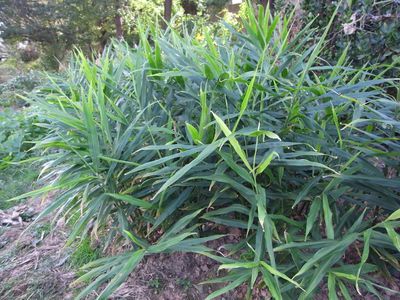 GingerZingiber officinale
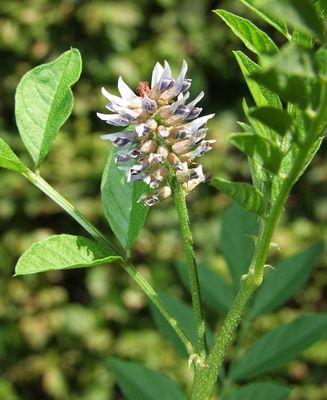 Licorice rootGlycyrrhiza glabra
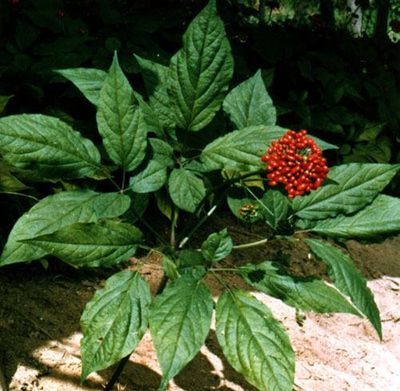 GinsengPanax ginseng
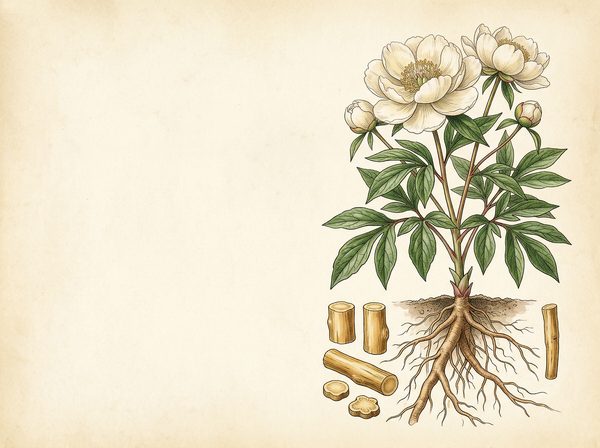 White PeonyPaeonia lactiflora
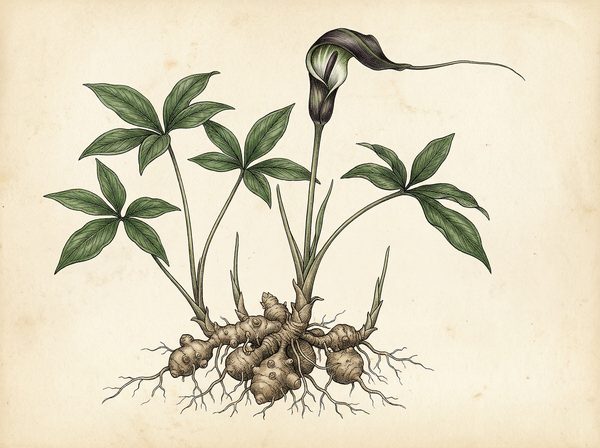 PinelliaPinellia ternata
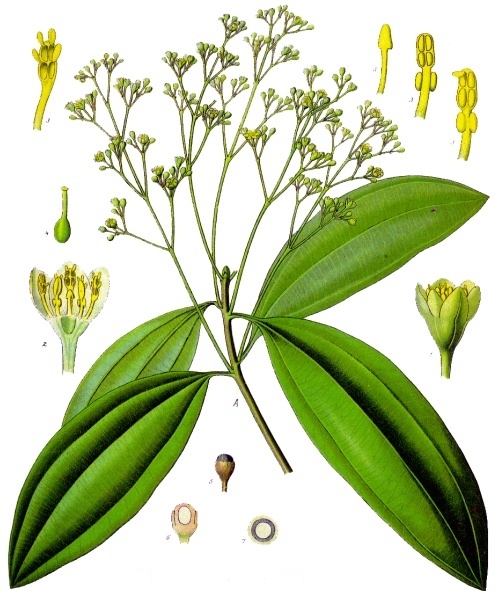 Indian bay leafCinnamomum tamala
Nearby on the shelf
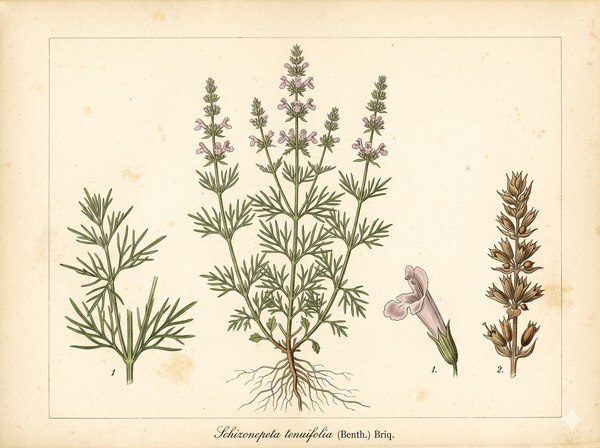 Jing JieSchizonepeta tenuifolia
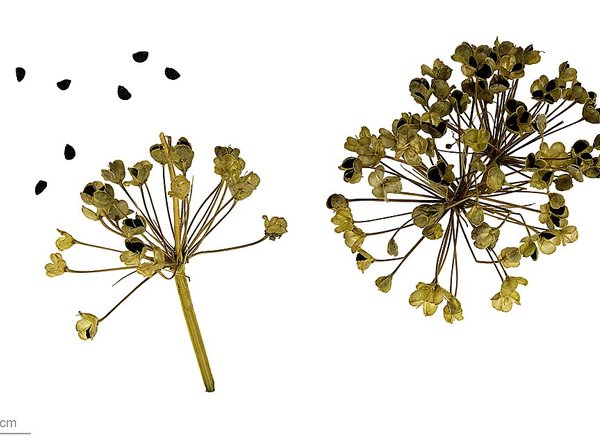 Jiu Zi (seed)Allium tuberosum
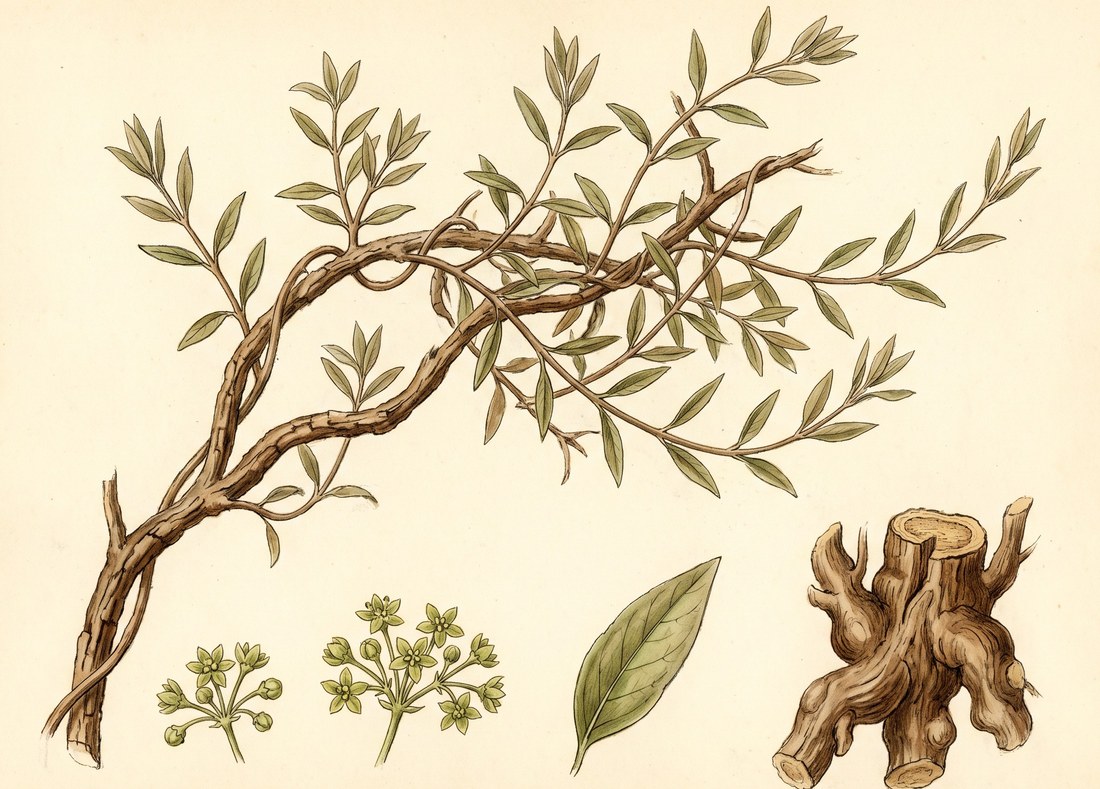 JivantiLeptadenia reticulata
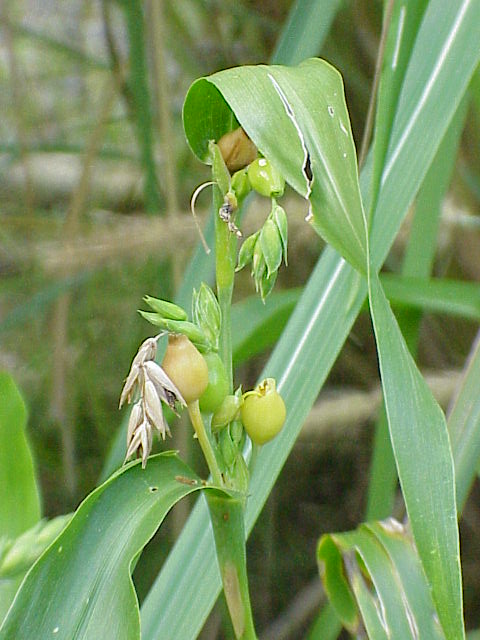 Job's TearsCoix lacryma-jobi
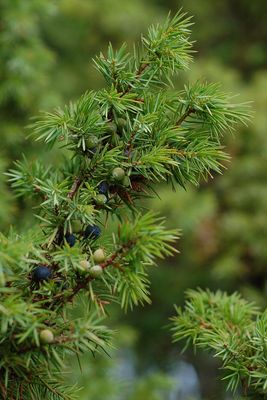 JuniperJuniperus communis
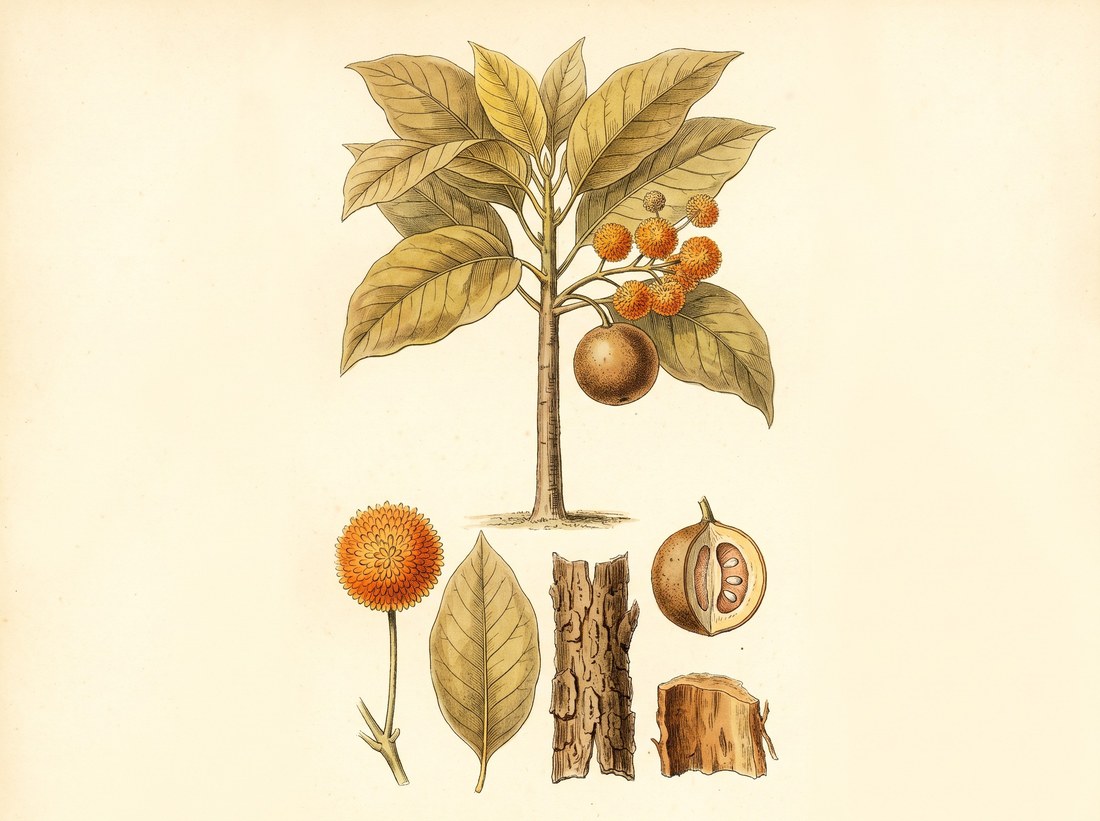 KadamNeolamarckia cadamba
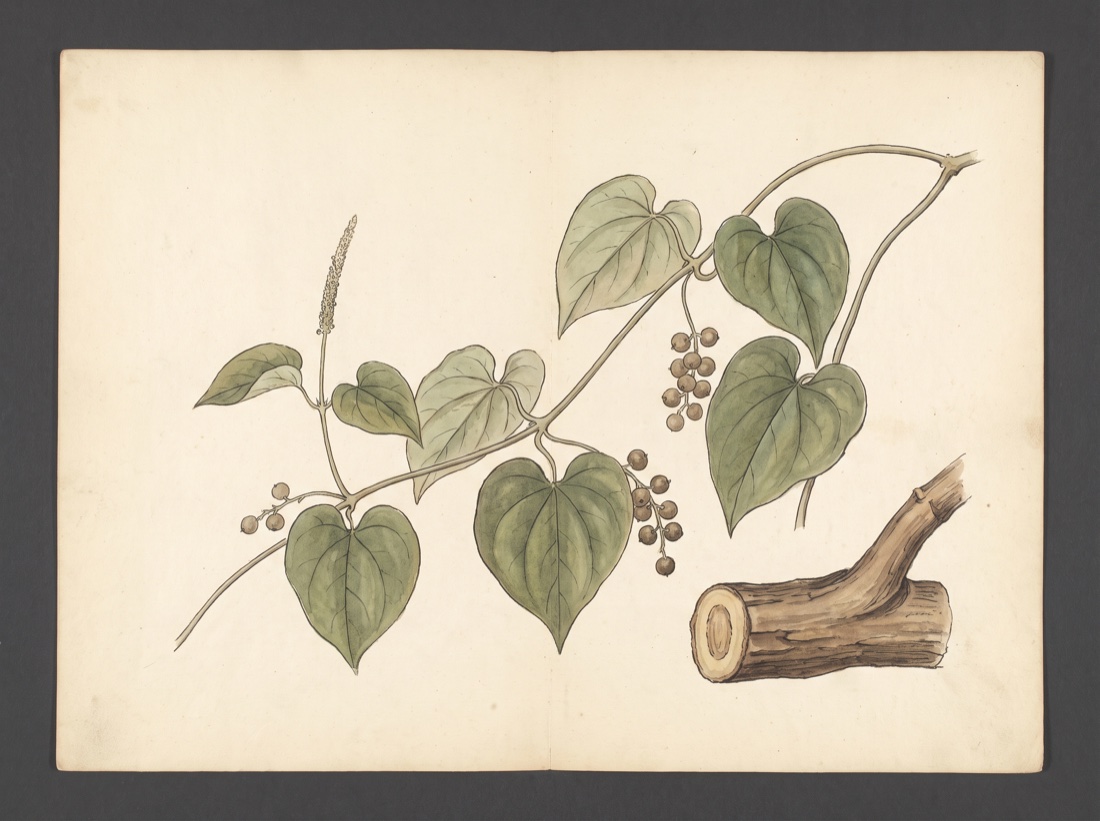 Kadsura pepperPiper kadsura
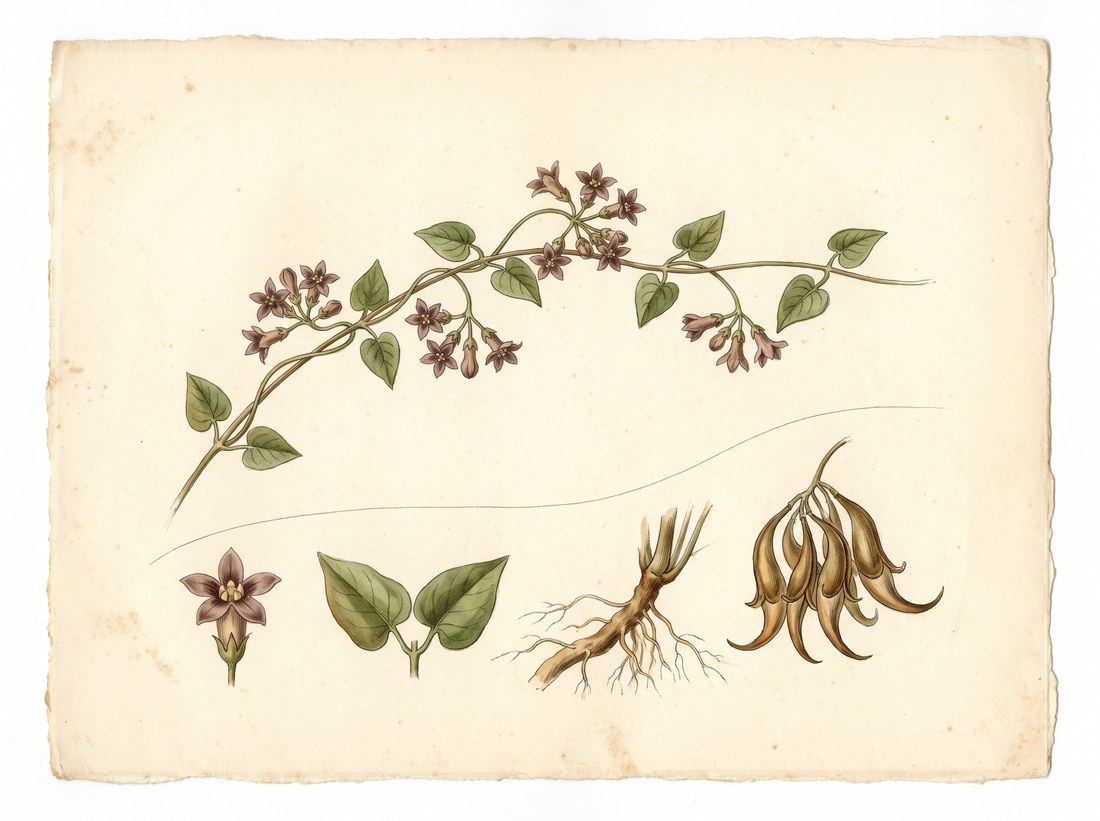 KakanasaPentatropis capensis
The whole plate is in the library. The compass, Compare, the Sky of eleven hundred plants and the formulary open with an email address and a password, free, with the formula builder and its safety engine. Herbert without limit, his formulating, clients, the handouts and the labels are the paid room.
Open the library, free