Western and Ayurvedic herbalism
Dill
Anethum graveolens
Also known as Indian dill, dill seed, sowa, Shatapushpa, Shatahva, Misi.
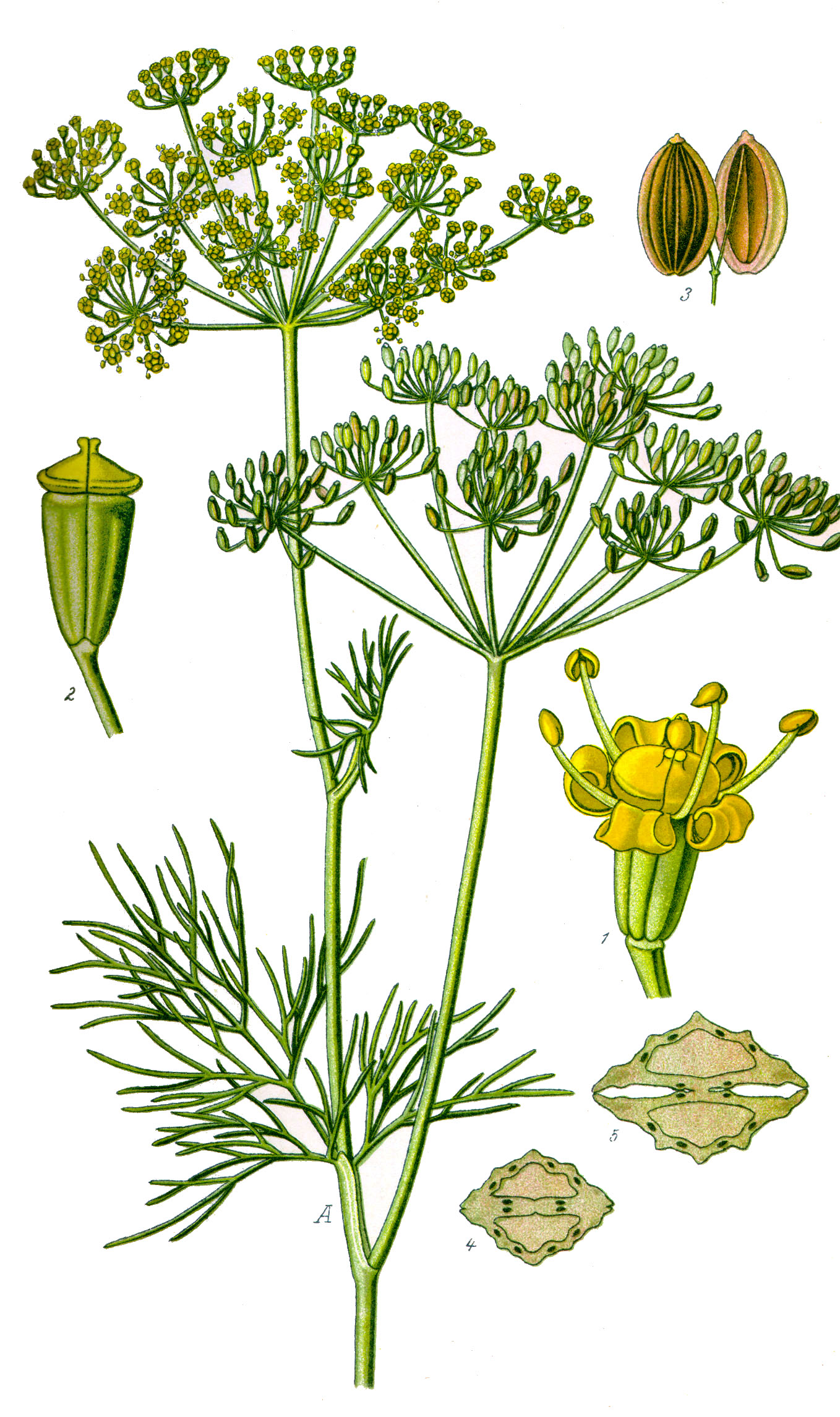
Anethum graveolens is an aromatic annual of the carrot family, cultivated across India for its seed and leaf; the Indian form, once separated as Anethum sowa, has a stronger, more camphoraceous fruit rich in dillapiole. Ayurveda calls it Shatapushpa, the plant of a hundred flowers, and uses the fruit as a warming carminative for colic and gas, a galactagogue and uterine cleanser for the postpartum mother, and, in the classical gynecological tradition, as one of a pair with Shatavari for regulating menstruation and fertility.

Ask Herbert about Dill. Herbert is the master herbalist inside Bountiful Herbs: he answers from this plate and eleven hundred others, with dosing, pairing and cautions. Your first ten questions are free.
Ask HerbertActions
Indications what the tradition reached for it in
- Infant colic and gripes
- Flatulence and bloating after meals
- Intestinal cramping and irritable bowel with gas
- Poor milk supply in nursing mothers
- Postpartum digestive weakness and abdominal pain
- Dysmenorrhea with cramping
- Scanty or delayed menstruation
- Hiccup and belching
- Dyslipidemia and insulin resistance (adjunct)
- Bad breath
- Uremic and dry skin itching (topical oil)
- Dyspepsia
- Spasms
- Nausea
- Loss of appetite
- Colic
- Intestinal gas
- Griping
- Bloating
- Flatulence
- Abdominal cramps
- Indigestion
- Abdominal distension
- Cramps
- Digestive discomfort
- Edema
- Fluid retention
- Gas
- Insufficient lactation
- Muscle spasms
Specific indications
The gassy, colicky infant who draws up the legs after feeds and settles with a few spoons of dill seed water
A new mother two weeks after delivery with a distended abdomen, poor appetite, low milk and cramping, the classical sutika picture
Cramping period pain with a cold, bloated abdomen that eases with warmth and pressure
A cold, thin vata patient whose meals end in belching, distension and rumbling
Safety
The record lists 6 contraindications; open the plate in the library to read them in full.
In practice
The Ayurvedic practitioner uses Shatapushpa in the same places the Western herbalist uses fennel and caraway, but with a warmer, more pungent character and a specific place in women's care after childbirth.
In Ayurveda
Rasa: katu (pungent), tikta (bitter). Virya: ushna (heating). Vipaka: katu (pungent). Guna: laghu (light), ruksha (dry), tikshna (penetrating). Dosha: pacifies vata and kapha; aggravates pitta in excess. Karma: deepana (kindles digestion); pachana (digestive); anulomana (moves vata downward, relieves gas); shulaghna (relieves colic); krimighna (anthelmintic); stanyajanana (galactagogue); artavajanana (emmenagogue); garbhashaya shodhana (cleanses the uterus after childbirth); jvarahara (reduces fever); hridya (cardiac tonic); vrishya (supports fertility, in the classical gynecological texts); chakshushya (benefits the eyes). Classical indications: adhmana (bloating and distension); shula (colic); agnimandya (weak digestion); ajirna (indigestion); krimi (worms); stanyakshaya (poor lactation); kashtartava (painful menstruation); anartava (absent menstruation); yonishula (pelvic pain); sutika roga (postpartum disorders); jvara (fever); balashula (infant colic). The ripe fruit is the drug, given as churna with warm water or jaggery, as a light decoction or infusion for infants and nursing mothers, and as the fruit water distilled in the household. The seed is cooked into Shatapushpa taila for vata pain and into the postpartum confections of the Marathi and Gujarati kitchens, and the fresh leaves are eaten as a vegetable. Classical formulations: Shatapushpadi churna, Shatapushpa taila, Shatapushpa Shatavari kalpa (Kashyapa tradition), Mahanarayana taila, Bala taila, Hinguvachadi churna (regional versions), Balantshepa ladoo (postpartum household preparation). Described in: Charaka Samhita, Sushruta Samhita, Ashtanga Hridaya, Bhavaprakasha Nighantu, Dhanvantari Nighantu, Raja Nighantu, Kaiyadeva Nighantu, Ayurvedic Pharmacopoeia of India.
Dosing as the sources wrote it
| Preparation | As written | Metric |
|---|---|---|
| Churna | 1-3 g powdered fruit twice daily with warm water before meals | 1000-3000 mg |
| Phanta (infusion) | 50-100 mL warm infusion two to three times daily | 50-100 mL |
| Phanta, infant | 5-10 mL weak infusion up to three times daily | 5-10 mL |
| Taila, topical | 5-10 mL medicated oil massaged over the abdomen or joints | 5-10 mL |
| Essential oil, topical | 1-2 drops in 5 mL carrier oil applied locally | 0.02-0.04 mL |
| Dried seed | Dried seed 3 g daily | 3000-3000 mg |
Doses are reproduced from the sources for practitioners and are not a recommendation for any person.
From the sources
Overview. Anethum graveolens is an aromatic annual of the carrot family, cultivated across India for its seed and leaf; the Indian form, once separated as Anethum sowa, has a stronger, more camphoraceous fruit rich in dillapiole. Ayurveda calls it Shatapushpa, the plant of a hundred flowers, and uses the fruit as a warming carminative for colic and gas, a galactagogue and uterine cleanser for the postpartum mother, and, in the classical gynecological tradition, as one of a pair with Shatavari for regulating menstruation and fertility.
Clinical Notes. The Ayurvedic practitioner uses Shatapushpa in the same places the Western herbalist uses fennel and caraway, but with a warmer, more pungent character and a specific place in women's care after childbirth.
Properties and Uses. These seeds are an excellent aromatic stimulant, diffusive, and quite warming. They are among the most valuable carminatives; and make an excellent adjunct to strong tonic and cathartic medicines. They are seldom used in this country, the fennel seeds taking their place. They may be compounded with angelica and dioscorea in colic preparations. Dose of the powder, fifteen to twenty grains; but they are usually employed as a diluted tincture, or by infusion. Medical Herbalism journal and medherb.com The Physiomedical Dispensatory by William Cook, M.D., 1869
Description. Natural Order, Umbelliferae. Dill is a native of Spain, Portugal, and Southern France; but is much cultivated in all the European countries, and somewhat in America. The plant grows erect, three to four feet high, branched, and with a pointed stem. Leaves on sheathing petioles, bi or tri-pinnate. Flowers yellow, without any involucre, and in large, flat umbels. The fruit is a flat, brownish seed, oval, and somewhat more than a line in length. These so-called seeds are of a peculiar and pungent aromatic odor, allied to the smell of fennel, though not so pleasant. They yield a small quantity of volatile oil; and are acted on readily by diluted alcohol, and partially by boiling water.
Drawn from Cook's Physio-Medical Dispensatory, and the Bountiful Herbs editorial.
In formulas
Dill stands in 35 documented formulas in the library, among them Kuṭajāriṣta, Daśamūlāriṣṭa, Mṛtasaṅjīvanī Surā, Sārasvatāriṣṭa, Jīrakādi Modaka, Saubhāgyaśuṇṭhī.
Often paired with
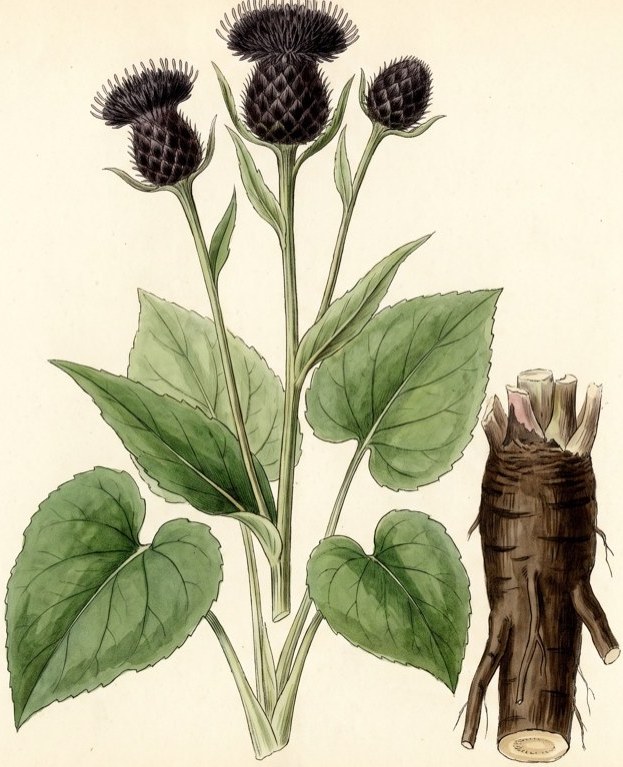 costusSaussurea costus
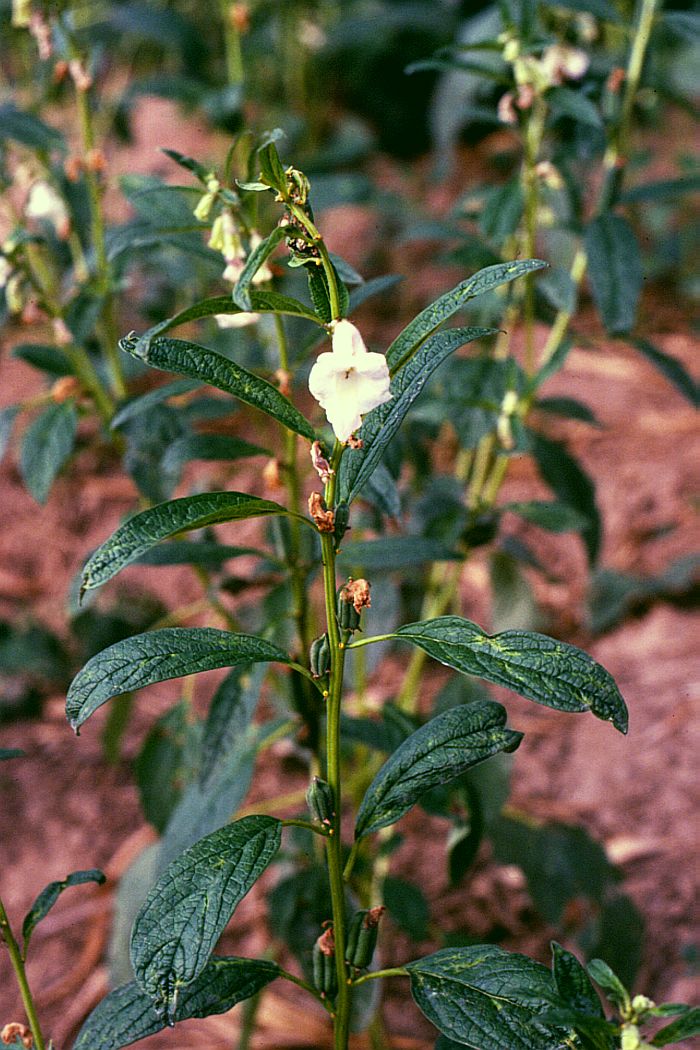 sesameSesamum indicum
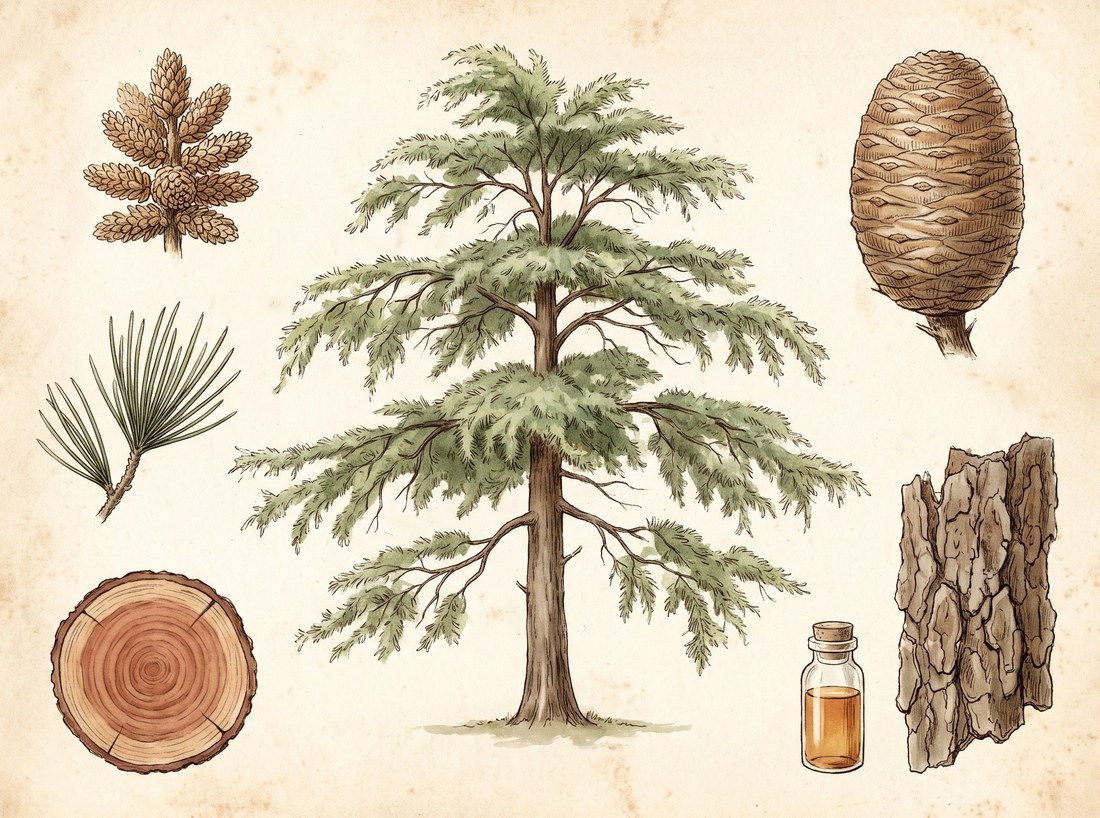 Himalayan cedarCedrus deodara
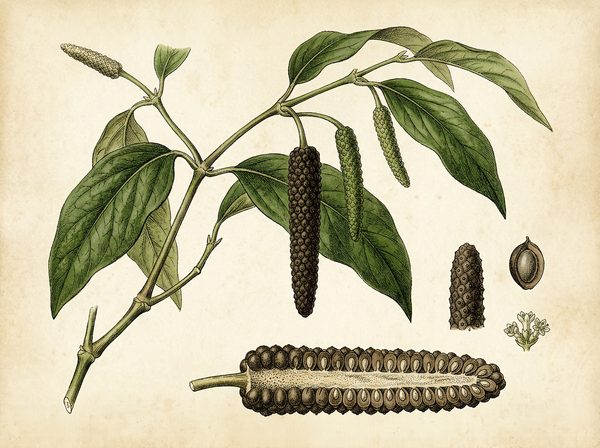 long pepperPiper longum
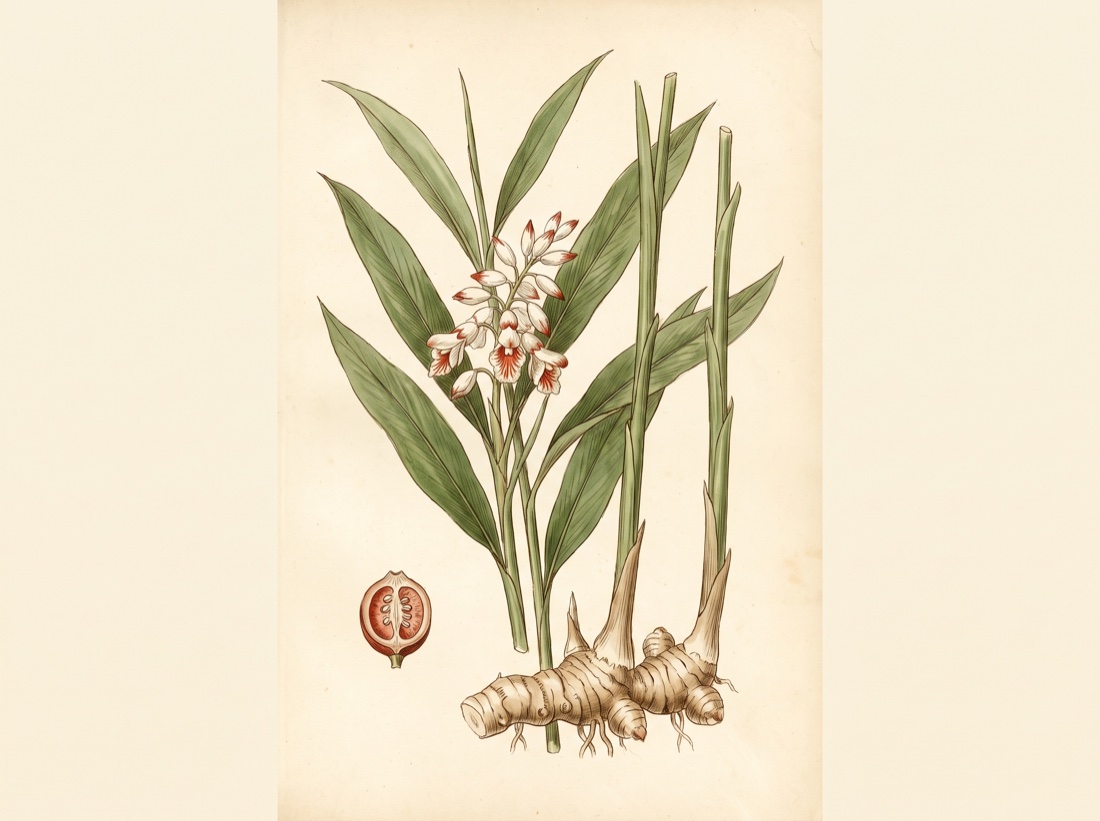 greater galangalAlpinia galanga
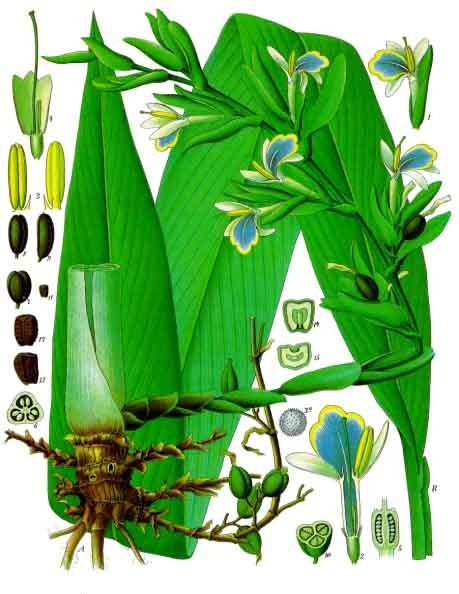 cardamomElettaria cardamomum
Nearby on the shelf
 Devil's walking stickAralia Spinosa
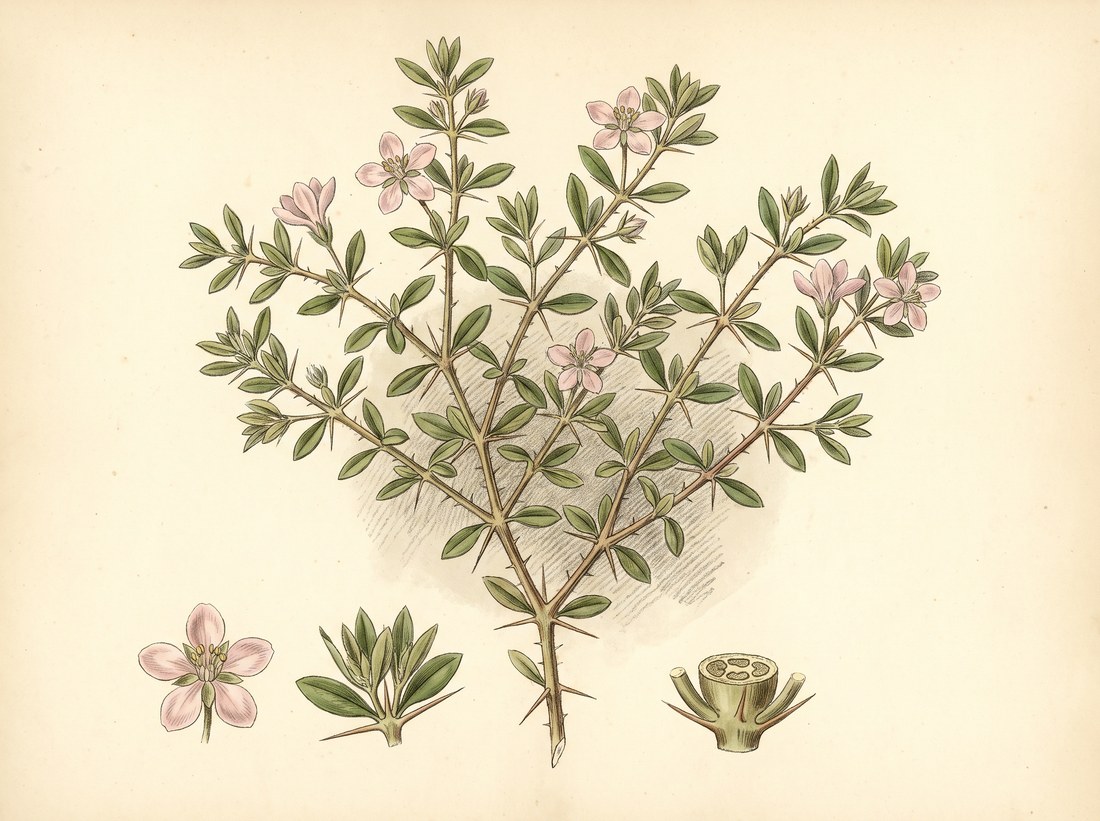 DhamasaFagonia cretica
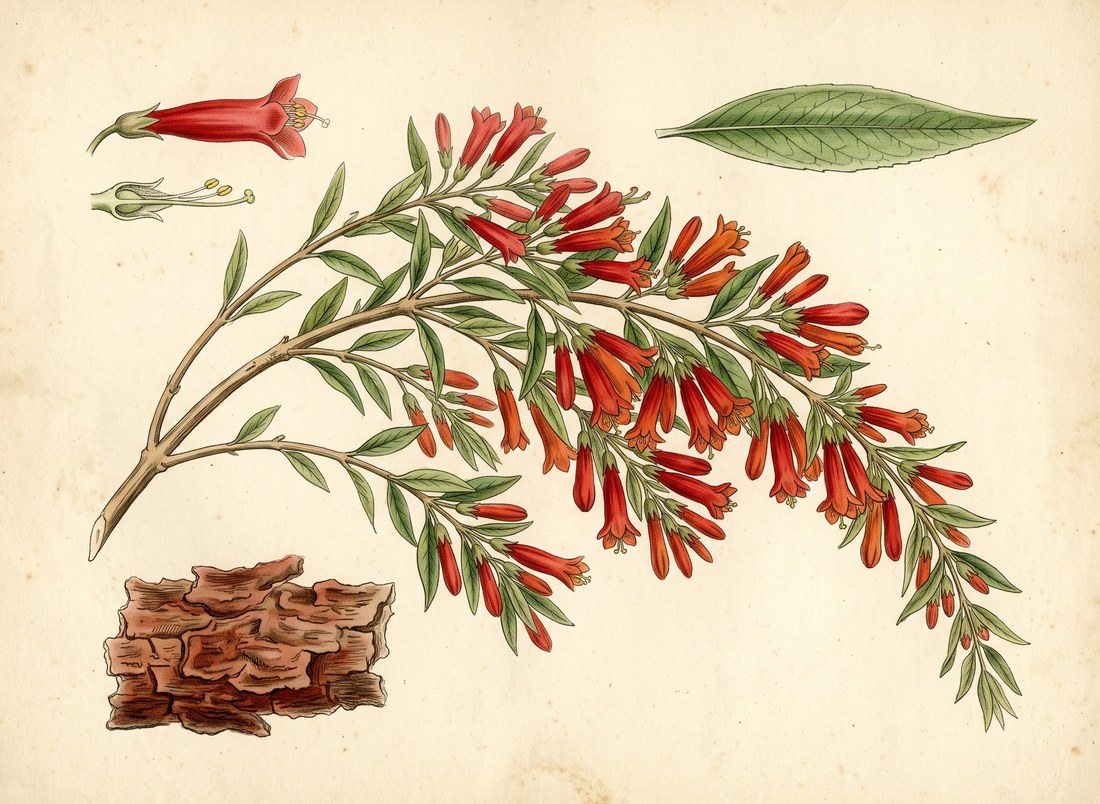 DhatakiWoodfordia fruticosa
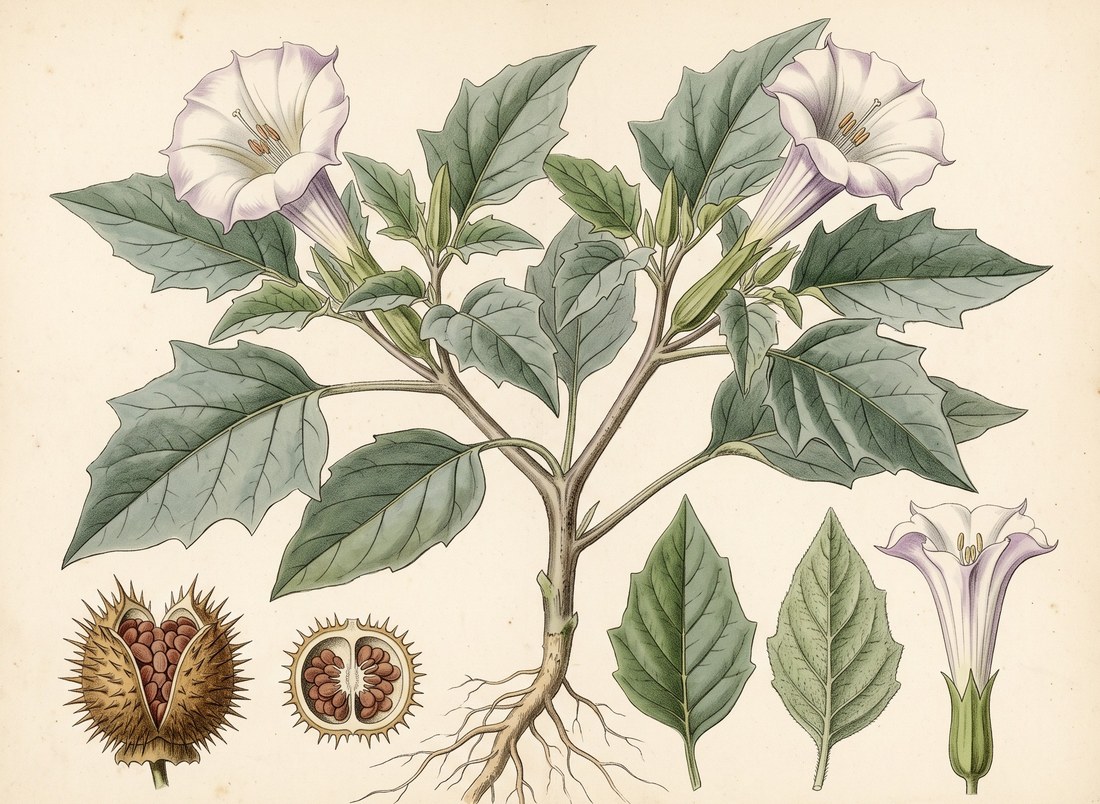 DhatturaDatura metel
 Dog's BaneApocynum Androsaemifolium
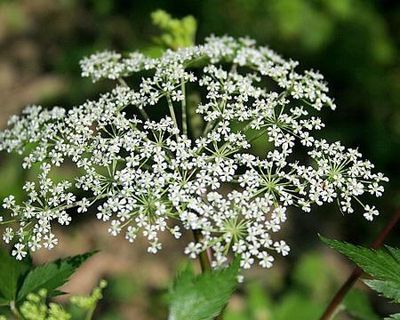 Dong QuaiAngelica sinensis
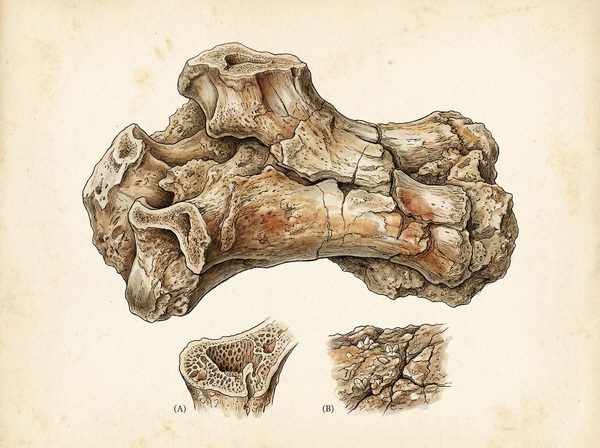 Dragon BoneFossilia Ossis Mastodi
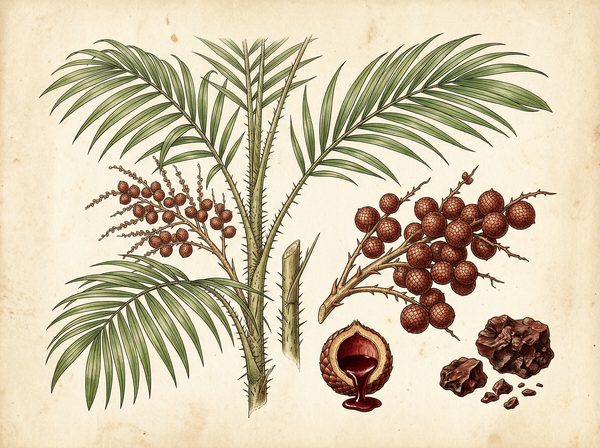 Dragon's BloodDaemonorops draco
The whole plate is in the library. The compass, Compare, the Sky of eleven hundred plants and the formulary open with an email address and a password, free, with the formula builder and its safety engine. Herbert without limit, his formulating, clients, the handouts and the labels are the paid room.
Open the library, free