Chinese Herbalism
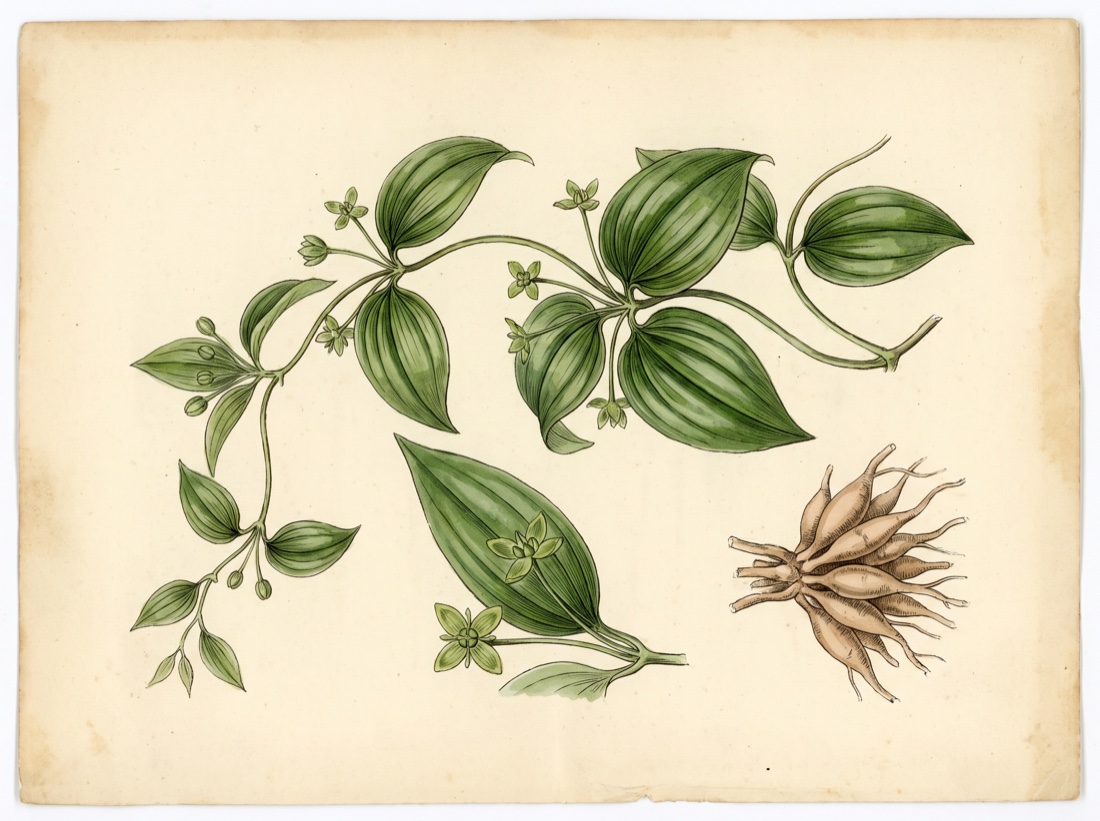
Japanese stemona
Stemona japonica
Also known as stemona root, bai bu, bǎi bù, mì bǎi bù.
Bai bu is the fleshy, spindle-shaped tuberous root of several climbing or erect Stemona species; Stemona japonica grows in Zhejiang, Jiangsu, Anhui and Fujian and shares the pharmacopoeial name with Stemona sessilifolia and the larger Stemona tuberosa. The roots are dug in spring or autumn, scalded, and dried. In the Chinese materia medica it is the cough herb that suits both new and old coughs because it is gently warm and moistening rather than drying, and it doubles as a traditional insecticide against lice, worms and mites.

Ask Herbert about Japanese stemona. Herbert is the master herbalist inside Bountiful Herbs: he answers from this plate and eleven hundred others, with dosing, pairing and cautions. Your first ten questions are free.
Ask HerbertActions
Indications what the tradition reached for it in
- Acute cough from wind-cold or wind-heat once the exterior is resolved
- Chronic dry cough of lung deficiency
- Whooping cough (pertussis) in children
- Cough of pulmonary tuberculosis
- Nocturnal spasmodic cough
- Cough with scanty sticky sputum
- Pinworm (enema or oral)
- Head lice and body lice (topical)
- Scabies and itchy skin eruptions (topical wash)
Specific indications
A cough that has outlasted its cold, still coming in dry spasms at night, in someone who is otherwise not feverish
Paroxysmal whooping cough in a child, where the herb is combined with sha shen and mai dong
Safety
Low dose botanical. Used in drop doses in the classical practice; not a plant to dose freely.
The record lists 4 contraindications; open the plate in the library to read them in full.
In practice
Bai bu is the herb for the cough that lingers: the dry, tickling, spasmodic cough after a cold, the night cough of a child with pertussis, or the chronic cough of someone with weak lungs. It works best combined.
In Chinese medicine
Temperature: slightly warm. Taste: sweet, bitter. Channels: Lung. Actions: Moistens the Lung and directs Lung qi downward to stop cough; Treats both new and long-standing cough, including consumptive cough; Kills parasites and lice when applied externally or given as an enema.
Dosing as the sources wrote it
| Preparation | As written | Metric |
|---|---|---|
| Decoction | 3-9 g dried root daily | 3000-9000 mg |
| Honey-fried root in decoction | 3-9 g daily | 3000-9000 mg |
| Tincture (1:5, 45%) | 1-3 mL three times daily | 1-3 mL |
| Topical for lice | 20% alcohol extract applied to scalp |
Doses are reproduced from the sources for practitioners and are not a recommendation for any person.
From the sources
Overview. Bai bu is the fleshy, spindle-shaped tuberous root of several climbing or erect Stemona species; Stemona japonica grows in Zhejiang, Jiangsu, Anhui and Fujian and shares the pharmacopoeial name with Stemona sessilifolia and the larger Stemona tuberosa. The roots are dug in spring or autumn, scalded, and dried. In the Chinese materia medica it is the cough herb that suits both new and old coughs because it is gently warm and moistening rather than drying, and it doubles as a traditional insecticide against lice, worms and mites.
Clinical Notes. Bai bu is the herb for the cough that lingers: the dry, tickling, spasmodic cough after a cold, the night cough of a child with pertussis, or the chronic cough of someone with weak lungs. It works best combined.
Chinese Medicine Profile. Temperature: slightly warm. Taste: sweet, bitter. Channels: Lung. Actions: Moistens the Lung and directs Lung qi downward to stop cough; Treats both new and long-standing cough, including consumptive cough; Kills parasites and lice when applied externally or given as an enema.
In formulas
Japanese stemona stands in 10 documented formulas in the library, among them má hung dèng shi wei wán, zhi sòu sǎn, yuè hua wán.
Often paired with
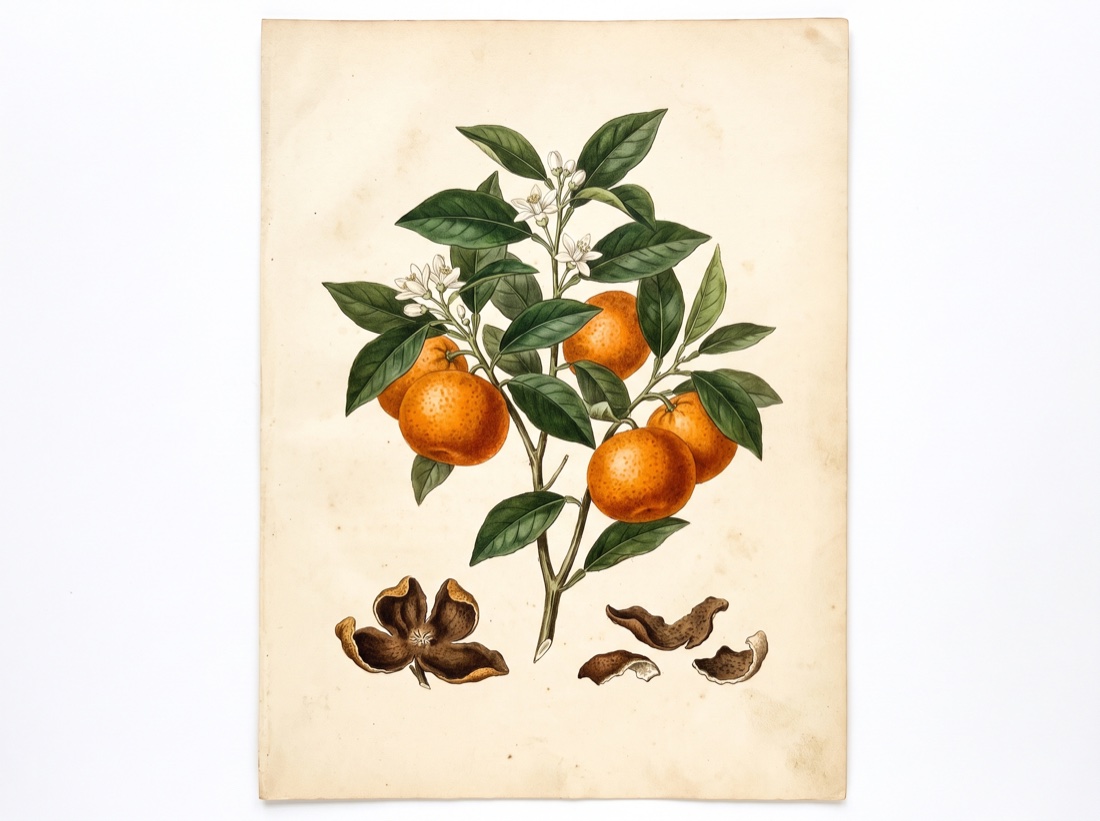 tangerineCitrus reticulata
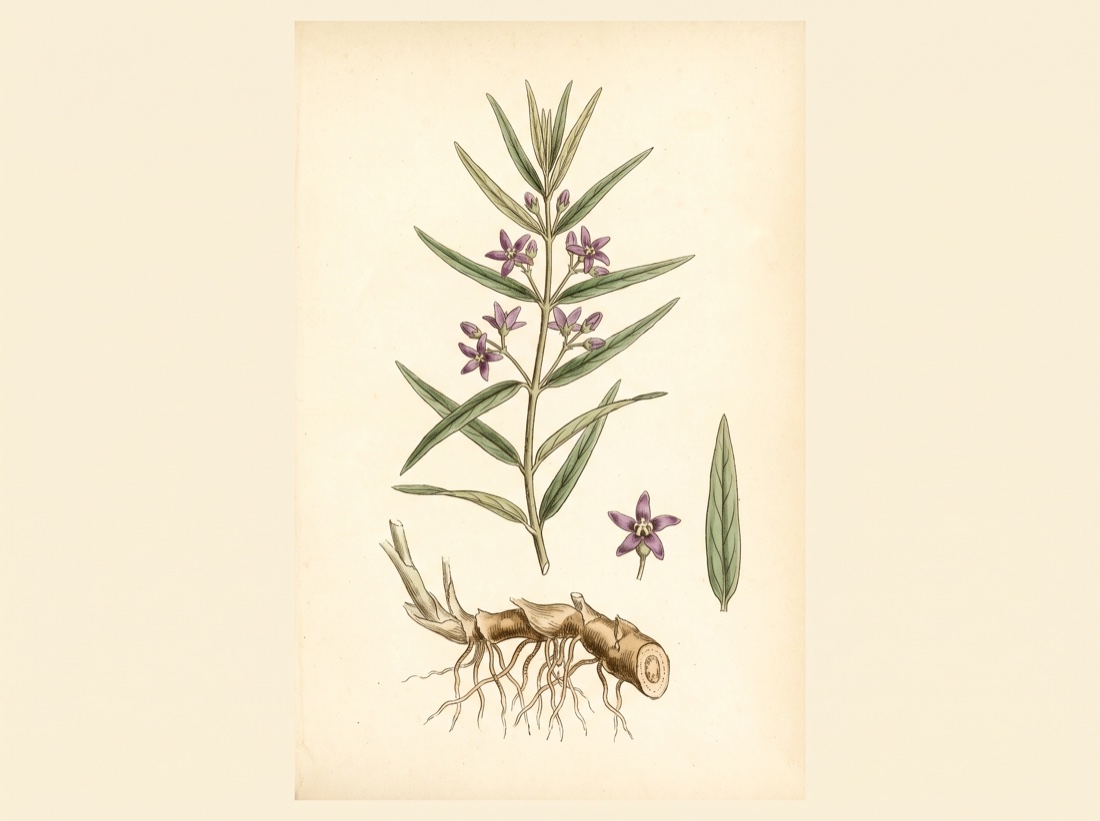 willowleaf swallowwortVincetoxicum stauntonii
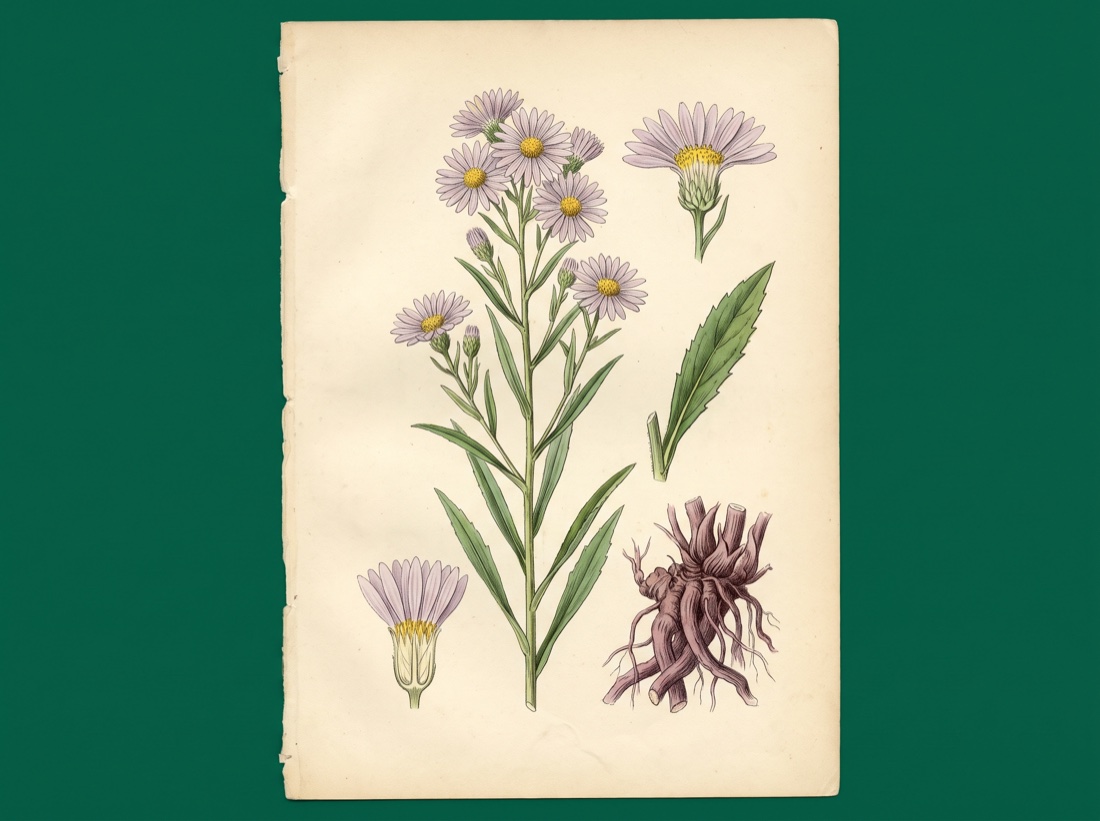 Tatarian asterAster tataricus
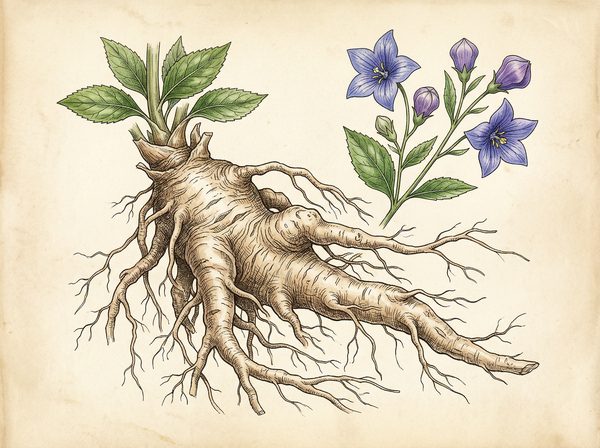 Balloon Flower RootPlatycodon grandiflorus
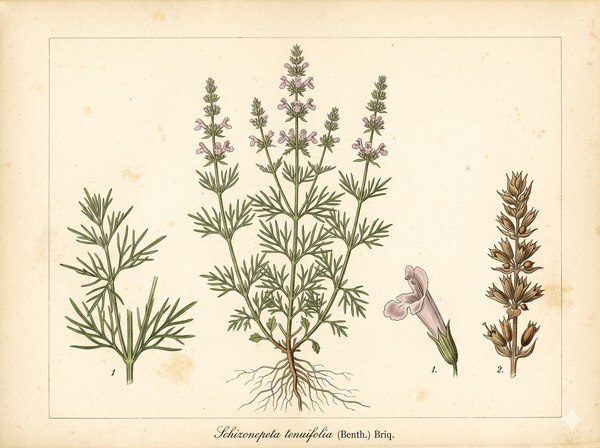 Jing JieSchizonepeta tenuifolia
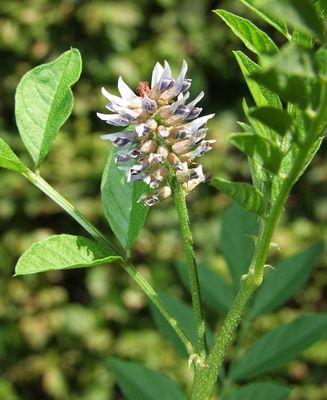 Licorice rootGlycyrrhiza glabra
Nearby on the shelf
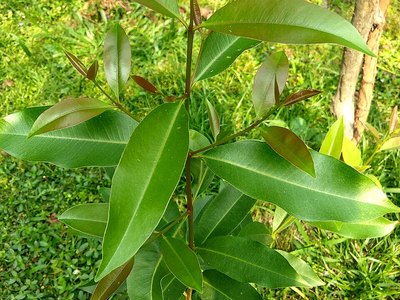 JambulSyzygium cumini
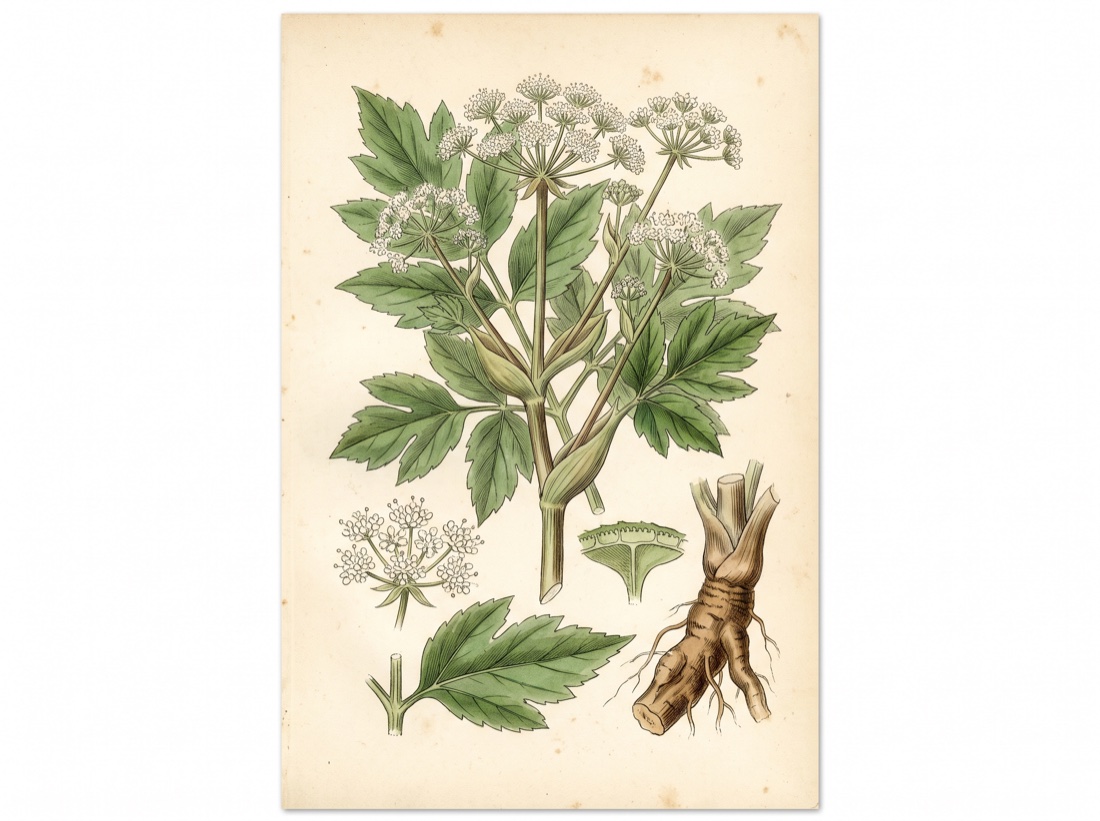 Japanese angelicaAngelica acutiloba
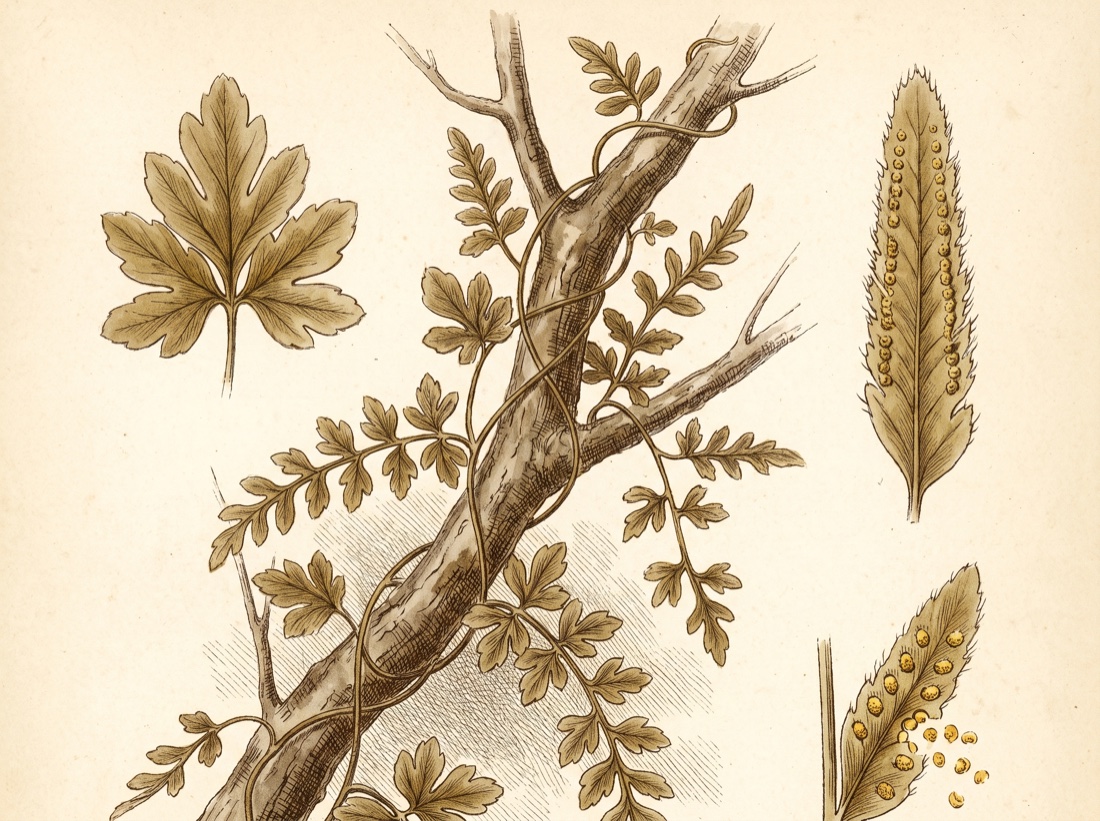 Japanese climbing fernLygodium japonicum
 Japanese KnotweedReynoutria japonica
 JasmineJasminum officinale
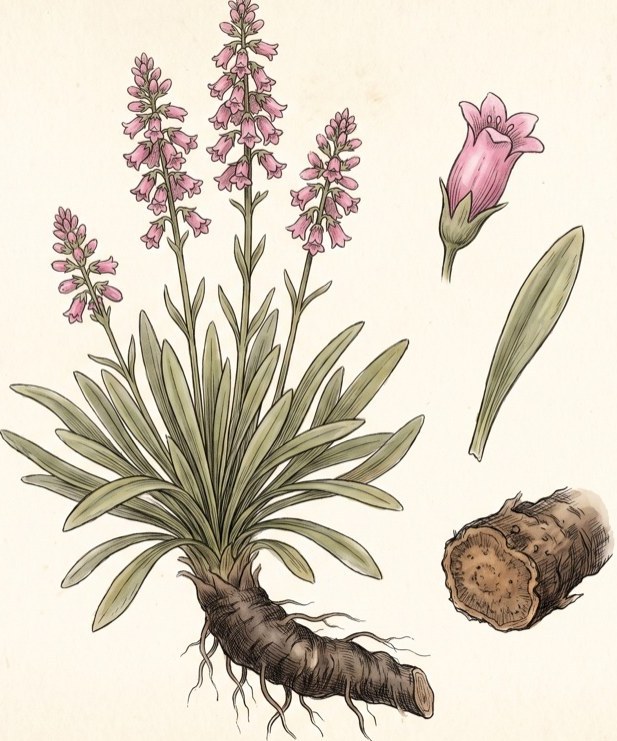 JatamansiNardostachys jatamansi
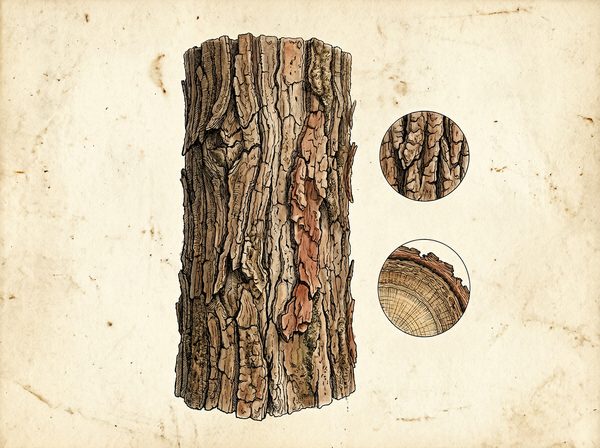 JatobaHymenaea courbaril
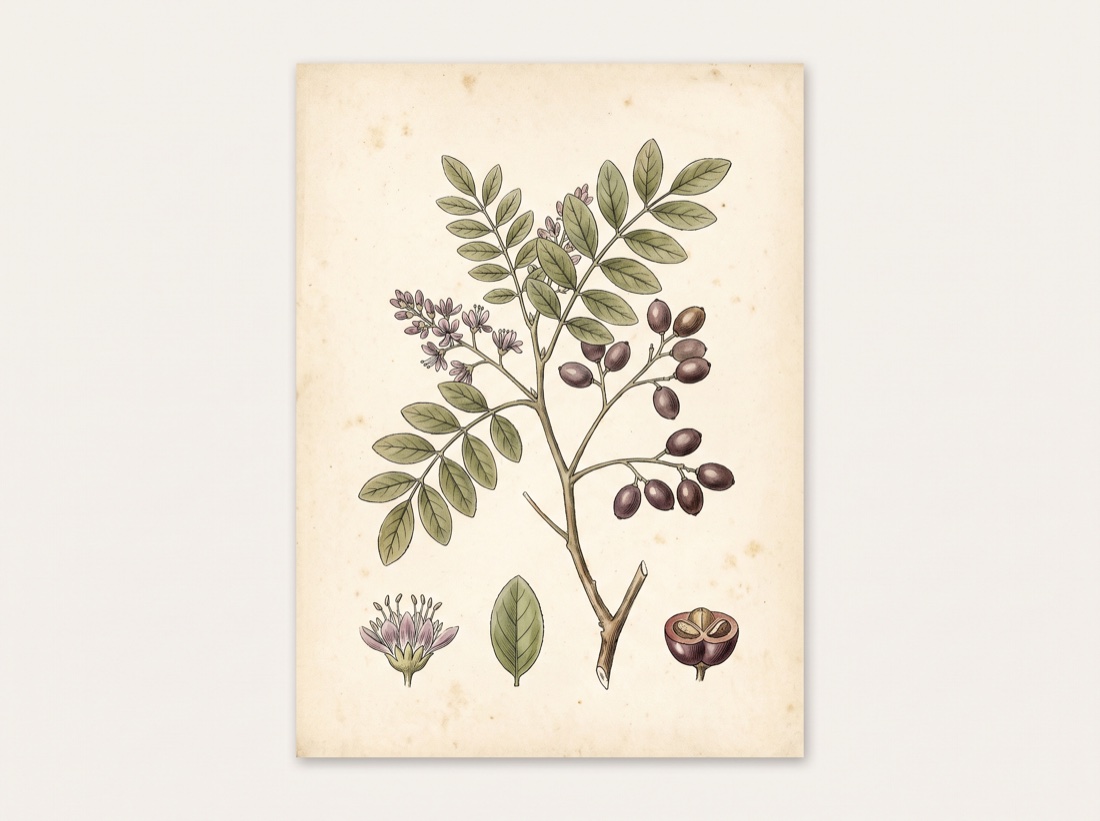 Java bruceaBrucea javanica
The whole plate is in the library. The compass, Compare, the Sky of eleven hundred plants and the formulary open with an email address and a password, free, with the formula builder and its safety engine. Herbert without limit, his formulating, clients, the handouts and the labels are the paid room.
Open the library, free