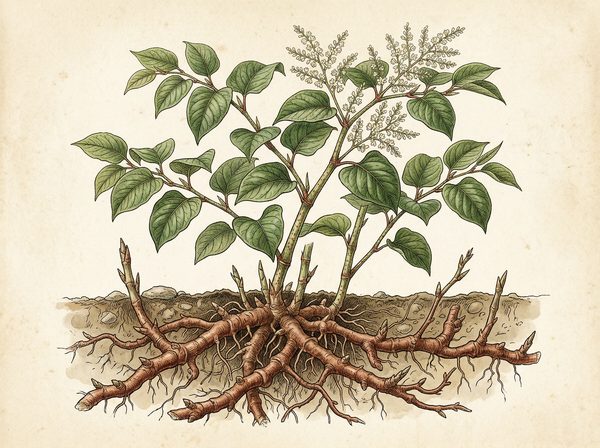
Western Herbalism
Japanese Knotweed
Reynoutria japonica
Root/rhizome primary part used in TCM as Hu Zhang Invasive species - source carefully to avoid contaminants Limited high-quality human clinical trials, mostly in vitro/animal/TCM traditional use Used in Lyme protocols

Ask Herbert about Japanese Knotweed. Herbert is the master herbalist inside Bountiful Herbs: he answers from this plate and eleven hundred others, with dosing, pairing and cautions. Your first ten questions are free.
Ask HerbertActions
Indications what the tradition reached for it in
- Traumatic injury pain
- Gingivitis
- Skin infection
- Cardiovascular support
- Lyme disease
- Respiratory infection
- Blood Stagnation
- Bronchitis
- Burns
- Menstrual pain
- Bartonella
- Joint pain from wind-damp obstruction
- Jaundice
- Poor microcirculation
- Antioxidant protection
- Internal abscesses
- Cough with yellow phlegm
- Gentle laxative for constipation
- Gallstone
- Constipation
- Debility
- Fatigue
- Immunodeficiency
- Infection
- Inflammation
- Recurrent infections
- Viral infections
- Weakness
- Dysmenorrhea
- Wounds
Safety
Pregnancy: Pregnancy Caution
Breastfeeding: Lactation (source flag notSafeInLactation)
The record lists 2 contraindications; open the plate in the library to read them in full.
Dosing as the sources wrote it
| Preparation | As written | Metric |
|---|---|---|
| Tincture | Tincture 1:5 (dry root), 0.5-5 mL (15-90 drops) 2-3x/day | 0.5-5 mL |
| Decoction | Decoction 9-30g root simmered 15-20 min, 3x/day | 9000-30000 mg |
| Tea | Tea 1.5g powder per cup, 3-4 cups/day | 1500 mg |
Doses are reproduced from the sources for practitioners and are not a recommendation for any person.
From the sources
Clinical Notes. Root/rhizome primary part used in TCM as Hu Zhang Invasive species - source carefully to avoid contaminants Limited high-quality human clinical trials, mostly in vitro/animal/TCM traditional use Used in Lyme protocols
primary-actions. Japanese Knotweed acts primarily as: Antimicrobial, Anti-inflammatory, Antioxidant, Blood tonic, Alterative, Hepatic. Secondary actions include Laxative, Cardioprotective, Immunomodulator, Antiviral.
indications. Japanese Knotweed is traditionally indicated for: Traumatic injury pain, Gingivitis, Skin infection, Cardiovascular support, Lyme disease, Respiratory infection, Blood Stagnation, Bronchitis, Burns, Menstrual pain, Bartonella, Joint pain from wind-damp obstruction, Jaundice, Poor microcirculation, Antioxidant protection, and 21 further conditions.
constituents. Notable constituents of Japanese Knotweed include: Anthraquinones (emodin, rhein, physcion), Stilbenes (resveratrol, polydatin), Flavonoids (quercetin, rutin, kaempferol.
Nearby on the shelf
 Jamaican dogwoodPiscidia piscipula
 JambulSyzygium cumini
 Japanese angelicaAngelica acutiloba
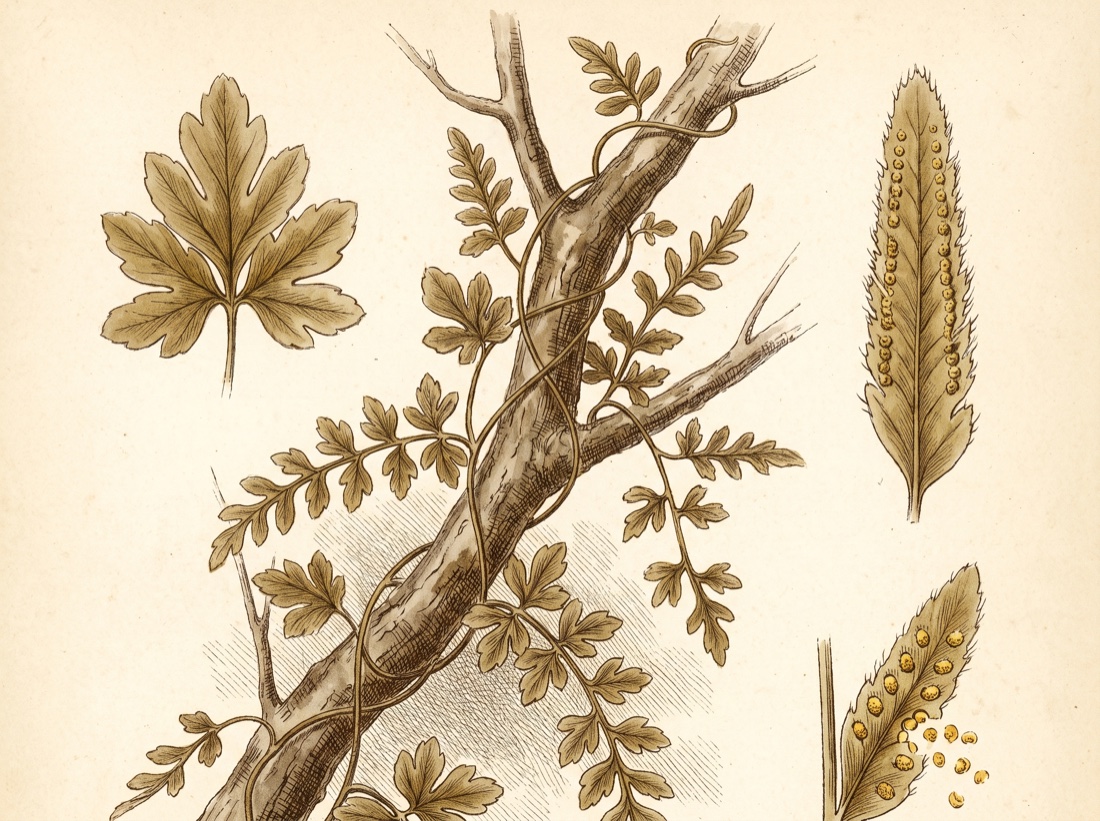 Japanese climbing fernLygodium japonicum
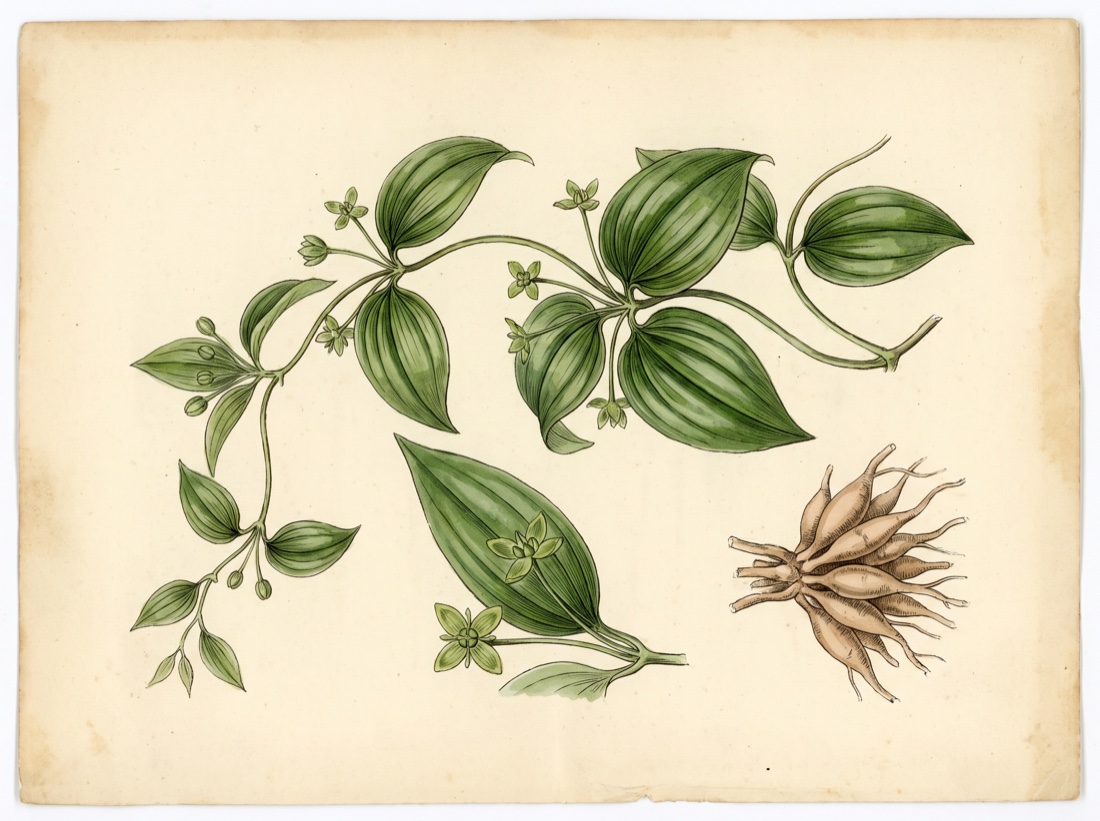 Japanese stemonaStemona japonica
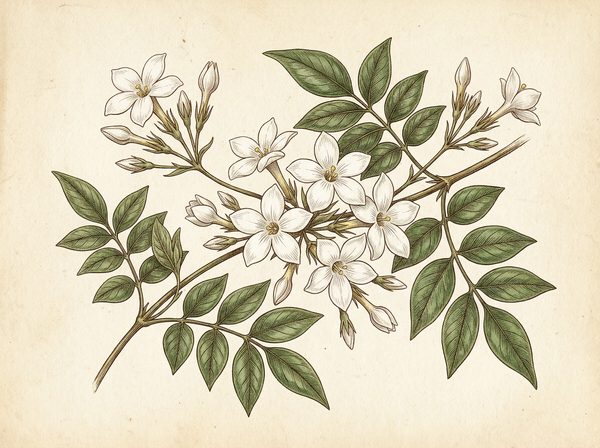 JasmineJasminum officinale
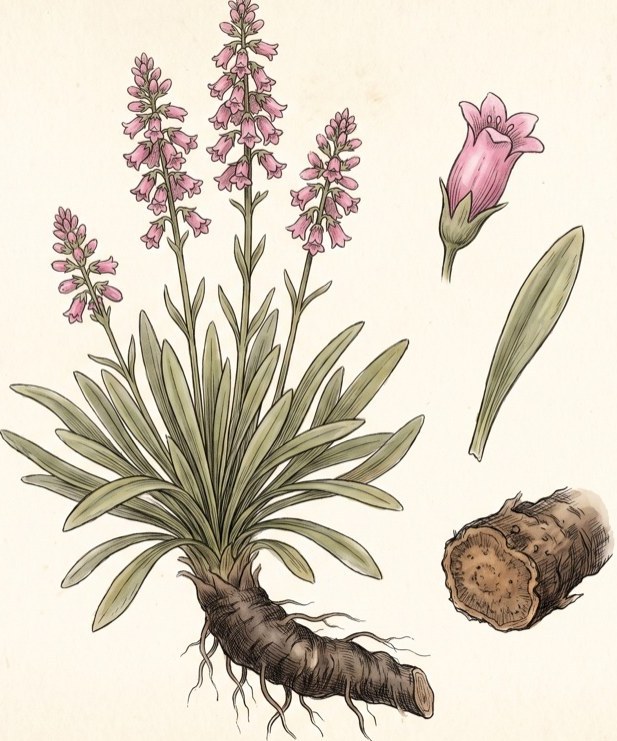 JatamansiNardostachys jatamansi
 JatobaHymenaea courbaril
The whole plate is in the library. The compass, Compare, the Sky of eleven hundred plants and the formulary open with an email address and a password, free, with the formula builder and its safety engine. Herbert without limit, his formulating, clients, the handouts and the labels are the paid room.
Open the library, free