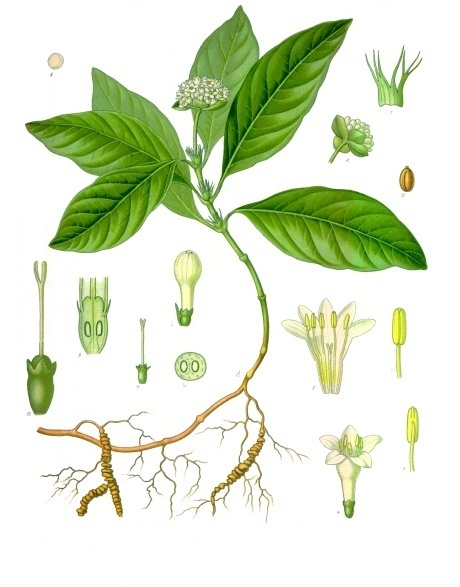
Western Herbalism
Ipecac
Carapichea ipecacuanha
Also known as Ipecac root, Ipecacuanha, (1) Rio Ipecac, (2) Cartagena Ipecac.
Not assessed by HMPC or ESCOP due to potent alkaloids No longer recommended for routine use in poisoning due to lack of proven benefit and risk of complications Historical emetic, now limited to low-dose expectorant in combinations Potent alkaloids require precise dosing StatPearls NCBI

Ask Herbert about Ipecac. Herbert is the master herbalist inside Bountiful Herbs: he answers from this plate and eleven hundred others, with dosing, pairing and cautions. Your first ten questions are free.
Ask HerbertActions
Indications what the tradition reached for it in
- Amoebiasis
- Urge to cough
- Nausea
- Difficult expectoration
- Helminth infections
- GI complaints
- Amebic dysentery
- Bronchitis
- Pyorrhea
- Vomiting (historical for poisoning)
- Whooping cough
- Spasmodic cough
- Cough
- Intestinal worms
- Parasites
- Respiratory congestion
- Respiratory complaints
- Mucus congestion
- Thick mucus
- Fatigue
- Lethargy
- Fever
- Common cold
- Flu
- Infection
Safety
Low dose botanical. Used in drop doses in the classical practice; not a plant to dose freely.
Pregnancy: Not for use in pregnancy
Breastfeeding: Lactation
The record lists 7 contraindications; open the plate in the library to read them in full.
Dosing as the sources wrote it
| Preparation | As written | Metric |
|---|---|---|
| Syrup of ipecac | Syrup of ipecac 15-30 mL to induce vomiting (historical, no longer recommended) | 15-30 mL |
| Persistent nausea and vomiting, with pale, relaxed membranes, whitecoated, broad tongue, will often yield most readily to minute doses (1/10 of a drop) frequently repeated. | ||
| Ipecac is given in these cases in single large doses, usually from twenty to thirty grains, given at least two hours after eating and best taken at bedtime. | 1296-1944 mg | |
| Persistent cases have been treated, with ten minim doses of a strong fluid extract, increased to forty minims. | 0.62-2.46 mL | |
| Dose, 1 to 20 grains. | 64.8-1296 mg | |
| Specific Medicine Ipecac | Dose, 1/30 to 20 drops (for specific purposes the fractional dose is employed). | 0-0.4 mL |
Doses are reproduced from the sources for practitioners and are not a recommendation for any person.
From the sources
Clinical Notes. Not assessed by HMPC or ESCOP due to potent alkaloids No longer recommended for routine use in poisoning due to lack of proven benefit and risk of complications Historical emetic, now limited to low-dose expectorant in combinations Potent alkaloids require precise dosing StatPearls NCBI
Therapy. The field of therapeutic activity of ipecac is restricted chiefly to the digestive and respiratory tracts, and to some extent to the blood vessels, acting as a hemostatic. It is decidedly irritant to mucous surfaces, particularly that of the nasal passages, and in some individuals will precipitate an attack simulating spasmodic asthma.
Therapy. For its emetic influence ipecac is one of the most satisfactory of the emetics. When there is undigested food in the stomach, causing irritation, when mild poisons are taken, when emesis is demanded to relieve sick headache , this agent is used in preference to others.
Properties and Uses. The root has been a very popular nauseant, relaxing all the structures, reducing the pulse, favoring diaphoresis and expectoration, securing thin discharges from the bowels, and in large doses inducing repeated emesis.
Drawn from Cook's Physio-Medical Dispensatory; Scudder's Specific Medication and Specific Medicines; King's American Dispensatory, 18th edition (Felter and Lloyd); Ellingwood's American Materia Medica, Therapeutics and Pharmacognosy, and the Bountiful Herbs editorial.
In formulas
Ipecac stands in 29 documented formulas in the library, among them Compound Powder of Ipecac and Opium, Compound Powder of Morphine.
Often paired with
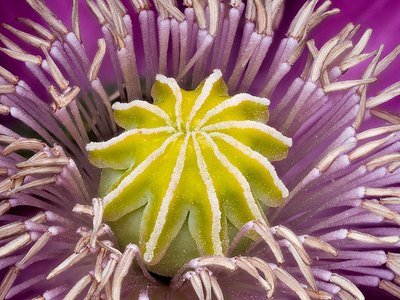 Opium poppyPapaver somniferum
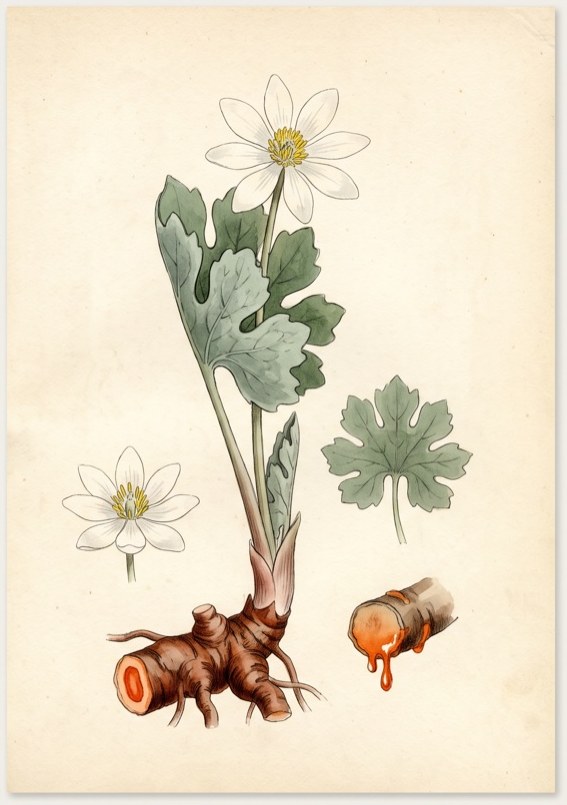 BloodrootSanguinaria canadensis
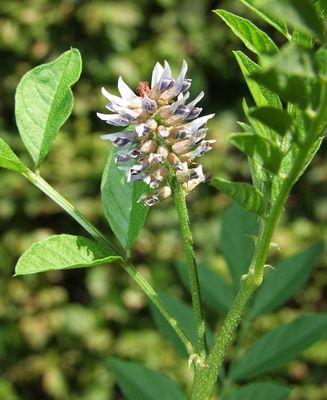 Licorice rootGlycyrrhiza glabra
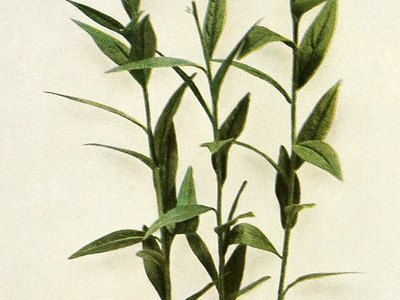 PolygalaPolygala senega
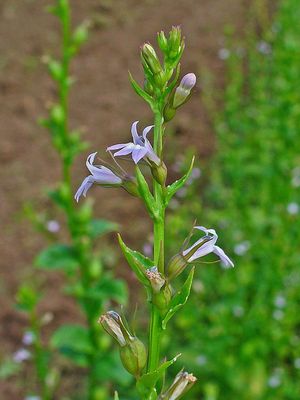 Indian tobaccoLobelia inflata
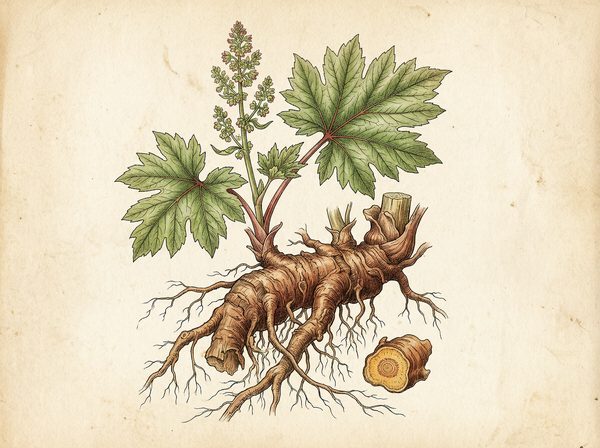 Chinese RhubarbRheum palmatum
Nearby on the shelf
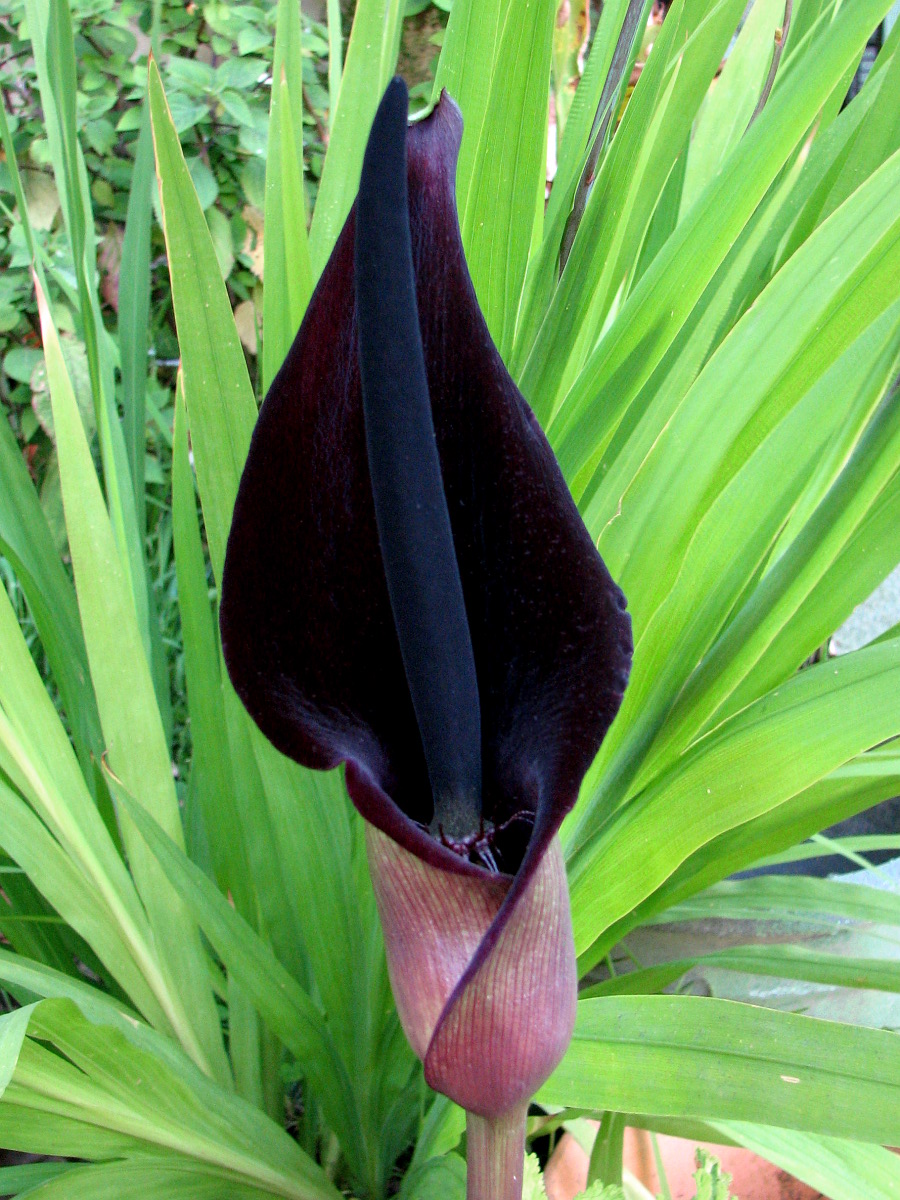 Indian turnipArisaema triphyllum
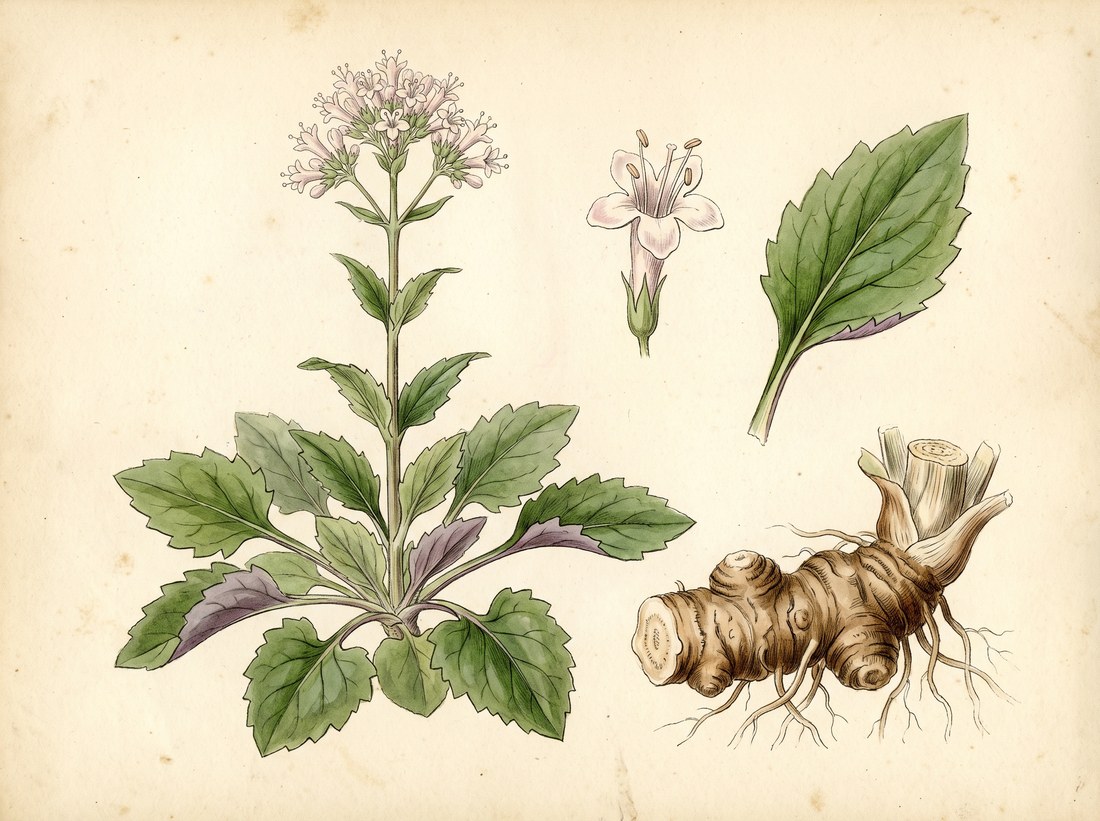 Indian valerianValeriana jatamansi
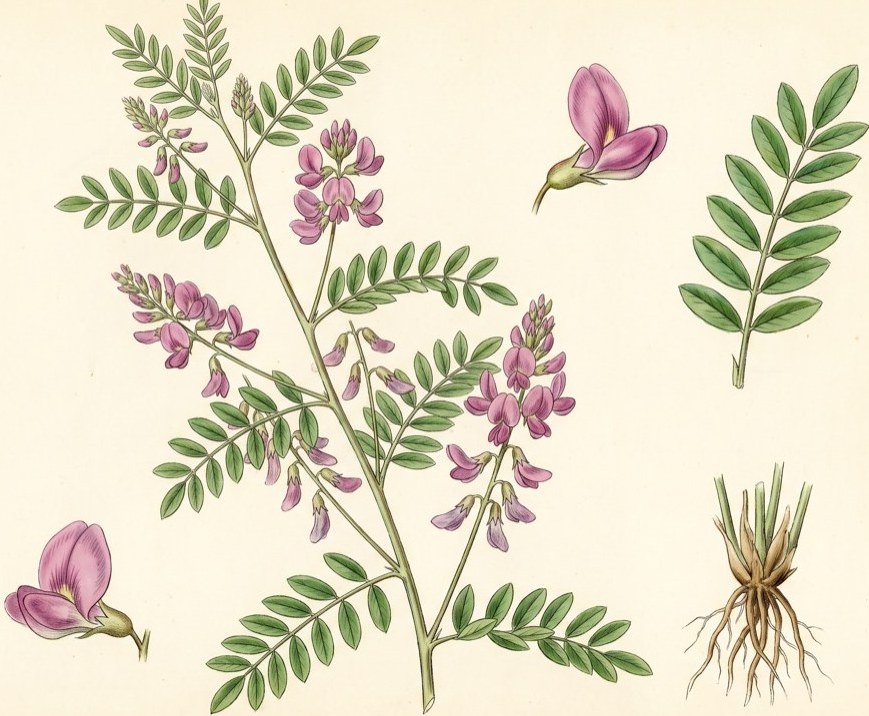 IndigoIndigo
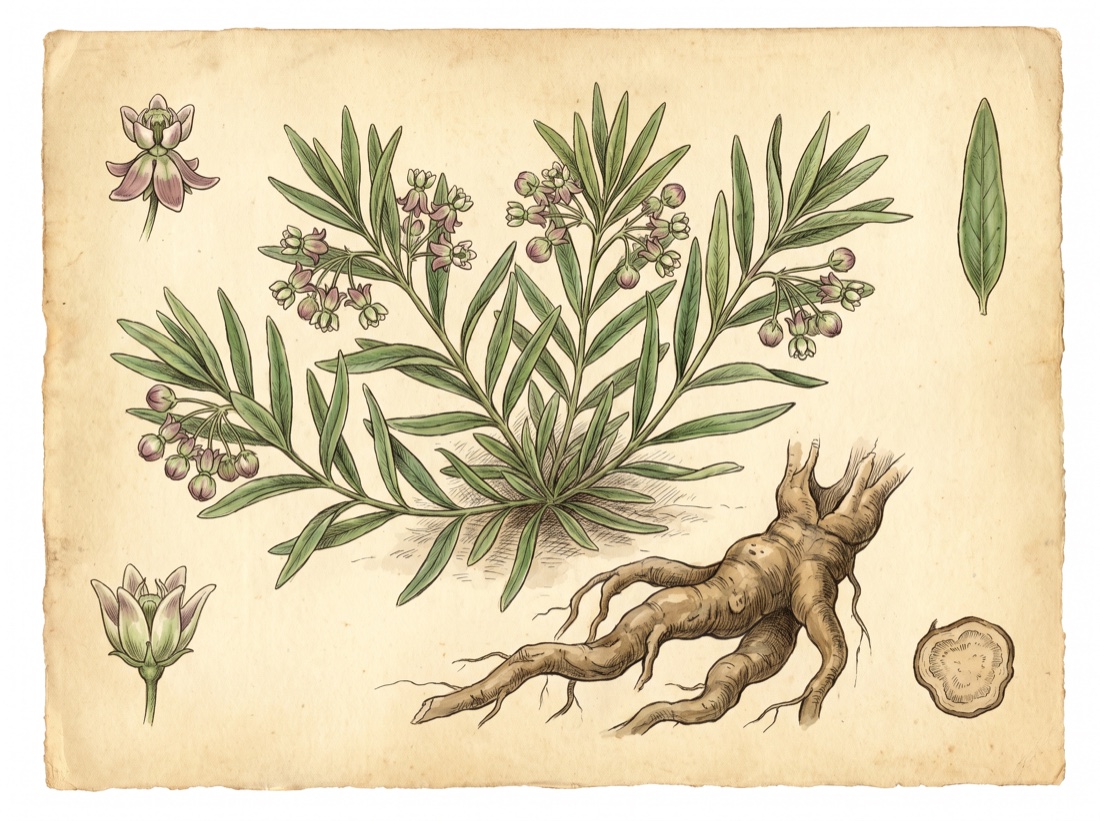 InmortalAsclepias asperula
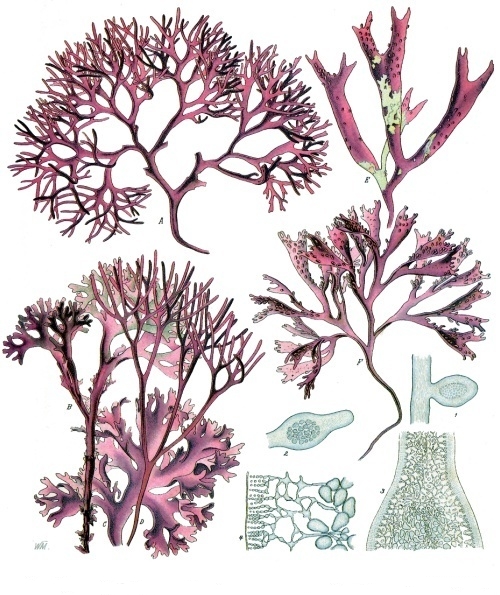 Irish MossChondrus crispus
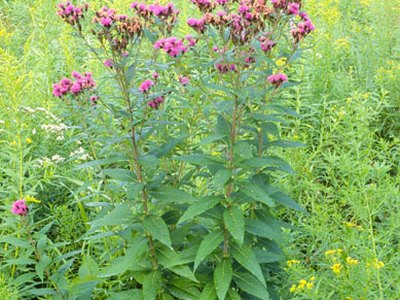 Iron WeedVernonia
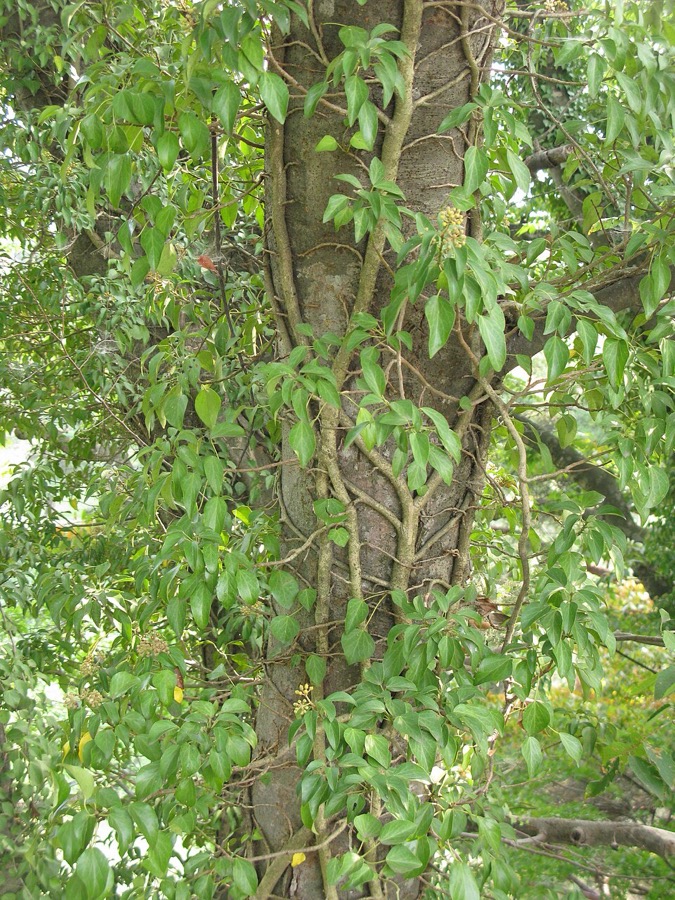 IvyHedera
The whole plate is in the library. The compass, Compare, the Sky of eleven hundred plants and the formulary open with an email address and a password, free, with the formula builder and its safety engine. Herbert without limit, his formulating, clients, the handouts and the labels are the paid room.
Open the library, free