Western Herbalism
Indigo
Indigo
Also known as Wild indigo, Yellow indigo, Horsefly weed, Rattlebush.
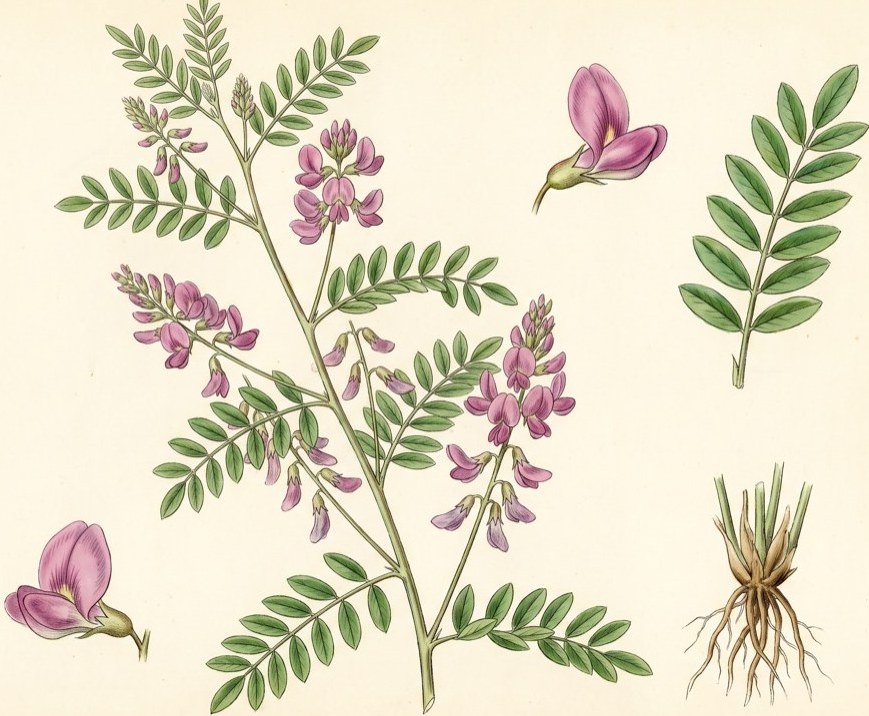
Wild indigo is a native North American legume that grows in dry open woodland and prairie edges across the eastern and central United States. The root is the part used, harvested in autumn from mature plants. It was a central remedy of the nineteenth century American Eclectic physicians, who used it for infections of the mucous membranes and lymphatics marked by a distinctive dark, boggy, purplish appearance and a putrid or foul character to discharges.

Ask Herbert about Indigo. Herbert is the master herbalist inside Bountiful Herbs: he answers from this plate and eleven hundred others, with dosing, pairing and cautions. Your first ten questions are free.
Ask HerbertActions
Indications what the tradition reached for it in
- Ulcerated sore throat
- Tonsillitis with foul discharge
- Low-grade septic states
- Enlarged, tender lymph nodes
- Mouth ulcers and gum disease
- Foul-smelling mucopurulent catarrh
- Chronic sluggish wounds and ulcers
- Recurrent upper respiratory infection with debility
- Typhoid-type continued fevers (historical use)
- Boggy, purplish mucous membranes
Specific indications
Dusky, purplish, boggy sore throat with ulceration and swollen glands, feeling worse than it looks
Foul, dark, mucopurulent discharge from an infected mucous membrane with a low, lingering fever
Safety
Low dose botanical. Used in drop doses in the classical practice; not a plant to dose freely.
Pregnancy: Not for use in pregnancy
Breastfeeding: Avoid in lactation: insufficient safety data and alkaloid content.
The record lists 5 contraindications; open the plate in the library to read them in full.
In practice
Eclectic physicians reached for wild indigo when an infection of the throat, gums or glands looked worse than the patient's overall state suggested, with tissue taking on a dusky, bluish-purple, edematous quality and discharges turning foul or dark.
Dosing as the sources wrote it
| Preparation | As written | Metric |
|---|---|---|
| Tincture (1:5, dried root, 30-40%) | 0.5-1.5 mL up to three times daily | 0.5-1.5 mL |
| Decoction (dried root, short course) | 0.5-1 g dried root daily in decoction | 500-1000 mg |
| The dose may be stated at from | The dose may be stated at from 1 to 20 grains. | 64.8-1296 mg |
| SYNTHETICAL INDIGO: Within the last | SYNTHETICAL INDIGO: Within the last 20 years, several syntheses of indigo-blue and its derivatives have been accomplished. An important stepping-stone to this feat was the synthesis of Indol (C8H7N) (the skeleton substance of indigo), by Baeyer and Emmerling, in 1869. The first synthesis of indigo by Baeyer (Ber. d. Deutsch. Chem. Ges., 1880, p. 2254), was accomplished by converting ortho-nitro-cinnamic acid (C6H4NO2.CH:CH.COOH) into ortho-nitro phenyl propiolic acid (C6H4[NO2].CC:COOH.), and this into indigo-blue through the reducing agency of sugar in alkaline solution. The graphic formula of indigo-blue (C6H4.NH.CO:C=C:CO.NH.C6H4), elucidated by the researches of Prof. Baeyer and his co-workers, suggests to him an analogy with that of the Azo dyes (which see). More recently additional syntheses of indigo were effected simultaneously by L. Lederer and K. Heumann (see Chemiker Zeitung, 1890, Oct. 1st and Oct. 8th | |
| also see Amer. Jour. Pharm | also see Amer. Jour. Pharm., 1890, p. 614) | |
| likewise some methods for the direct synthesis of indigo-carmine are on record (see A. Haas, in Amer. Jour. Pharm., 1891, p. 406, and B. Heymann, in Prof. Sadtler's Handbook, 1895, p. 452). |
Doses are reproduced from the sources for practitioners and are not a recommendation for any person.
From the sources
Overview. Wild indigo is a native North American legume that grows in dry open woodland and prairie edges across the eastern and central United States. The root is the part used, harvested in autumn from mature plants. It was a central remedy of the nineteenth century American Eclectic physicians, who used it for infections of the mucous membranes and lymphatics marked by a distinctive dark, boggy, purplish appearance and a putrid or foul character to discharges.
Clinical Notes. Eclectic physicians reached for wild indigo when an infection of the throat, gums or glands looked worse than the patient's overall state suggested, with tissue taking on a dusky, bluish-purple, edematous quality and discharges turning foul or dark.
Drawn from King's American Dispensatory, 18th edition (Felter and Lloyd), and the Bountiful Herbs editorial.
In formulas
Indigo stands in 23 documented formulas in the library, among them hão gin ging dǎn tāng, dàng gui lóng hui wán, bì yù sǎn, ké xuè fang, lu páo sǎn, èr qing gão.
Often paired with
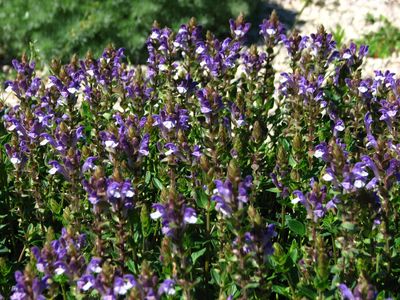 Chinese skullcapScutellaria baicalensis
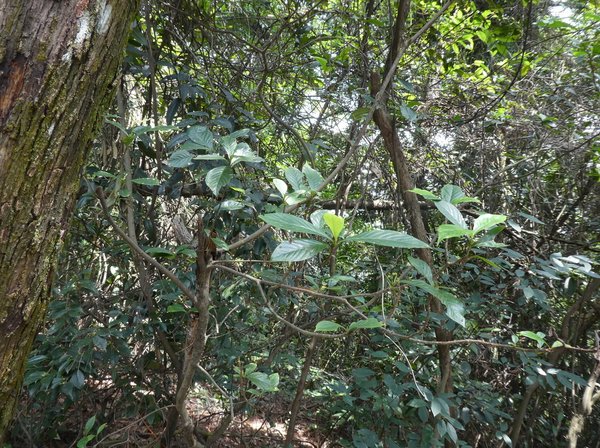 Zhi ZiGardenia jasminoides
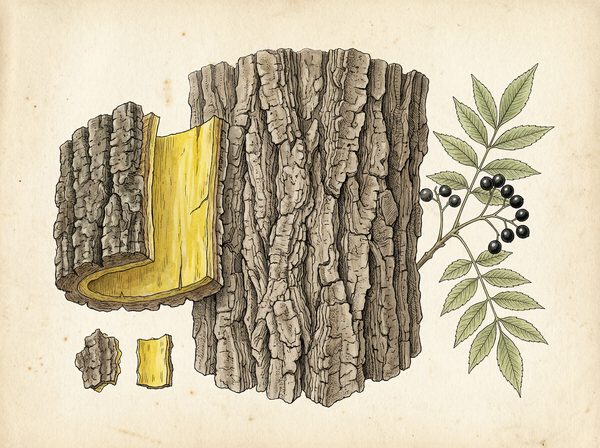 Huang BaiPhellodendron amurense
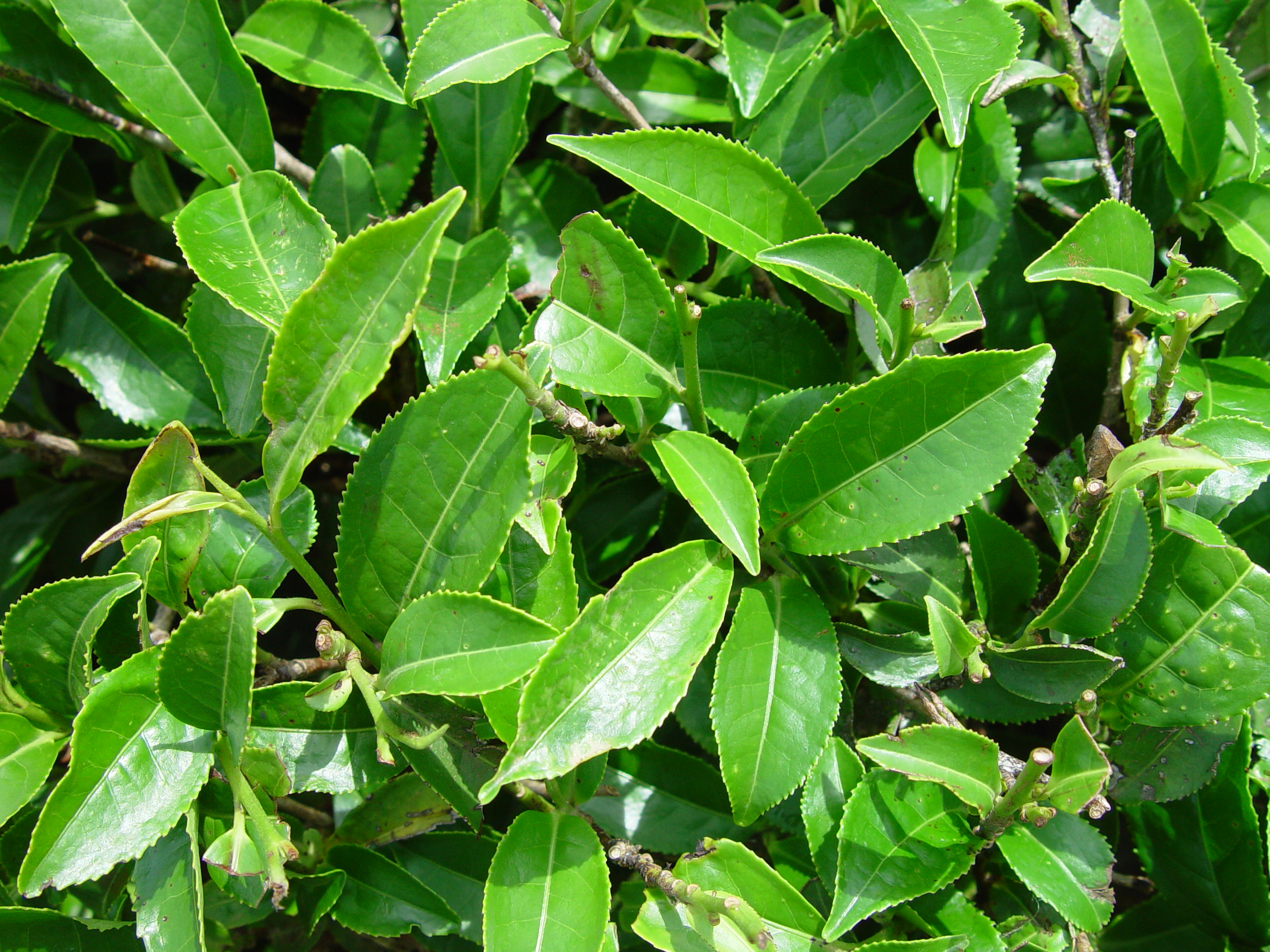 Black teaCamellia sinensis
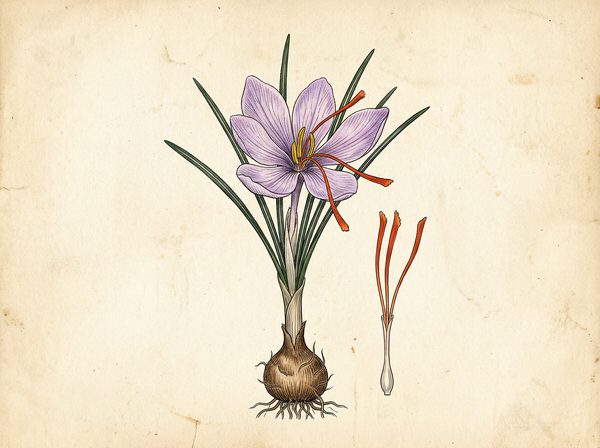 saffronCrocus sativus
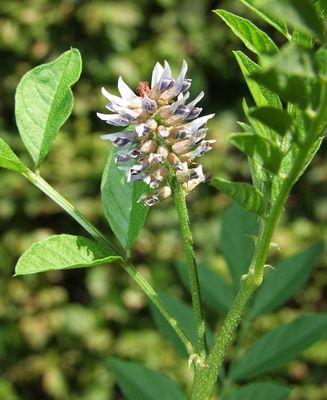 Licorice rootGlycyrrhiza glabra
Nearby on the shelf
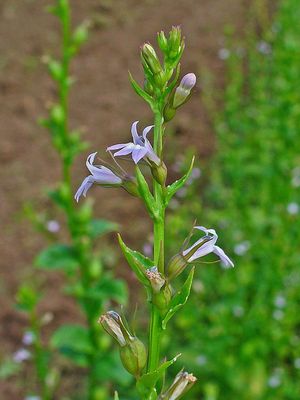 Indian tobaccoLobelia inflata
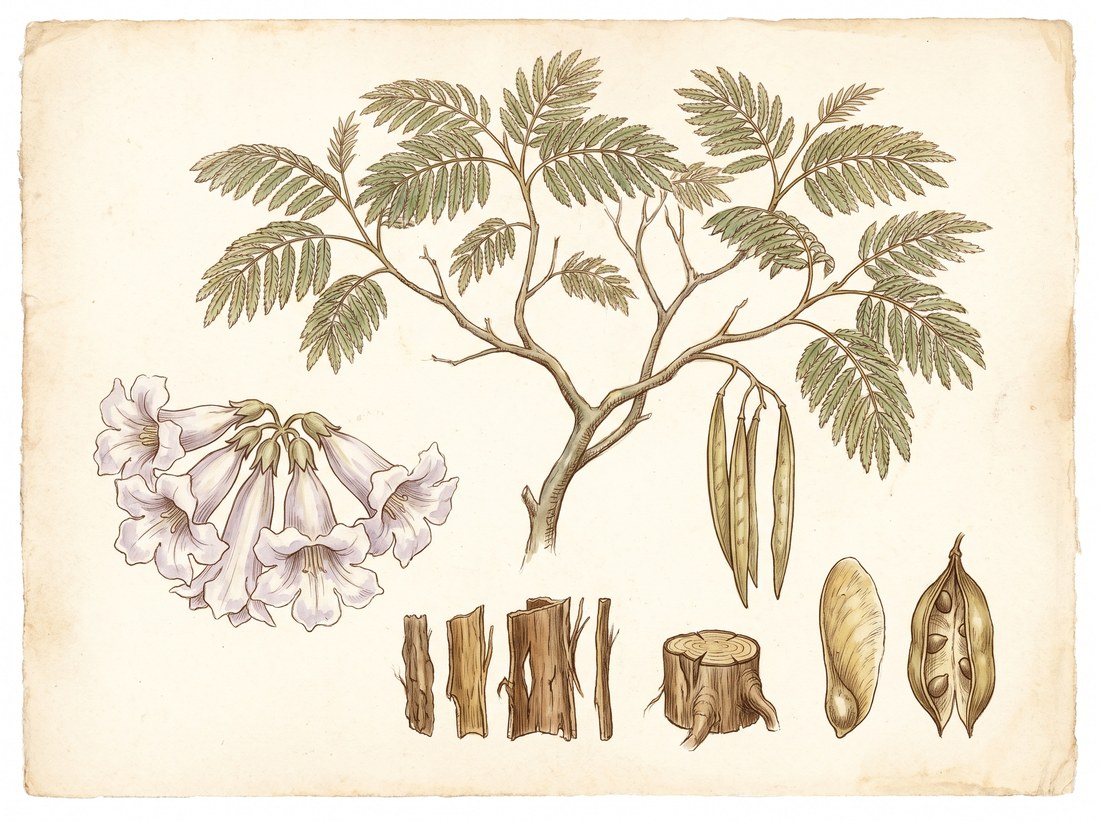 Indian trumpet flowerOroxylum indicum
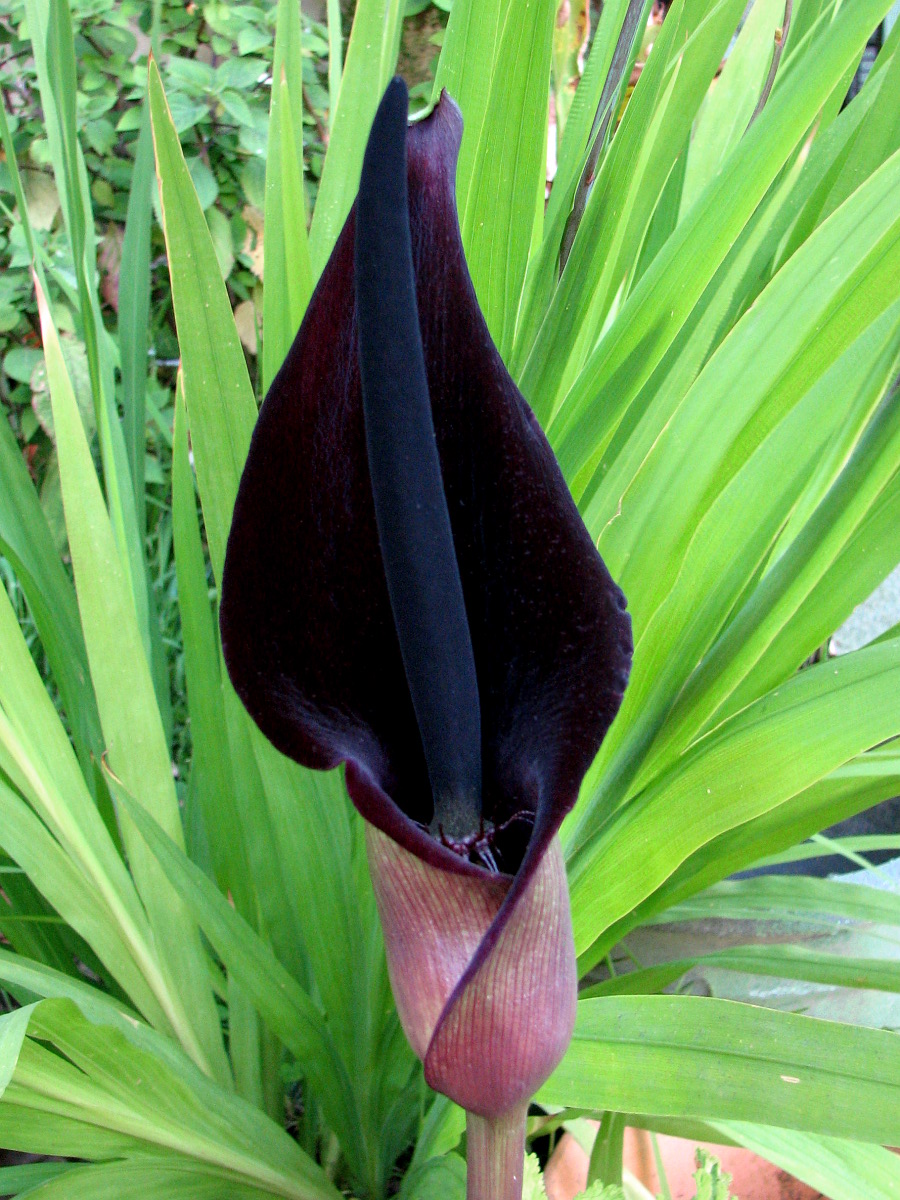 Indian turnipArisaema triphyllum
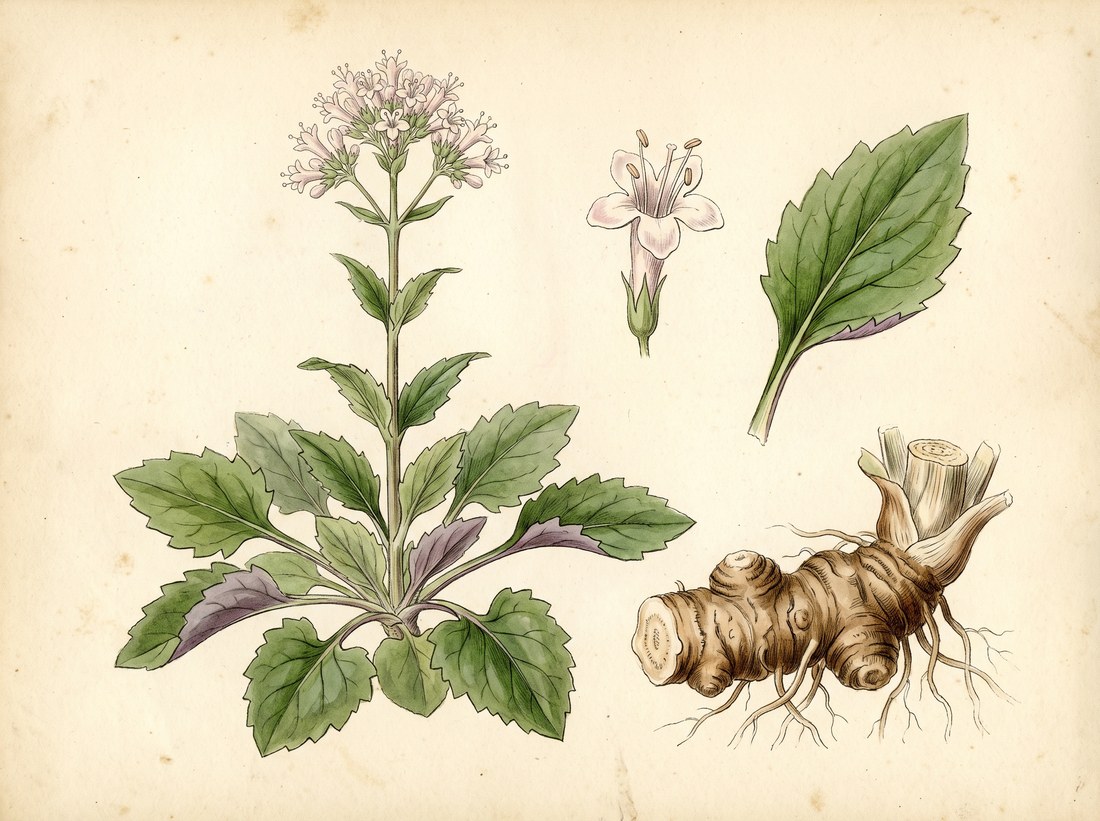 Indian valerianValeriana jatamansi
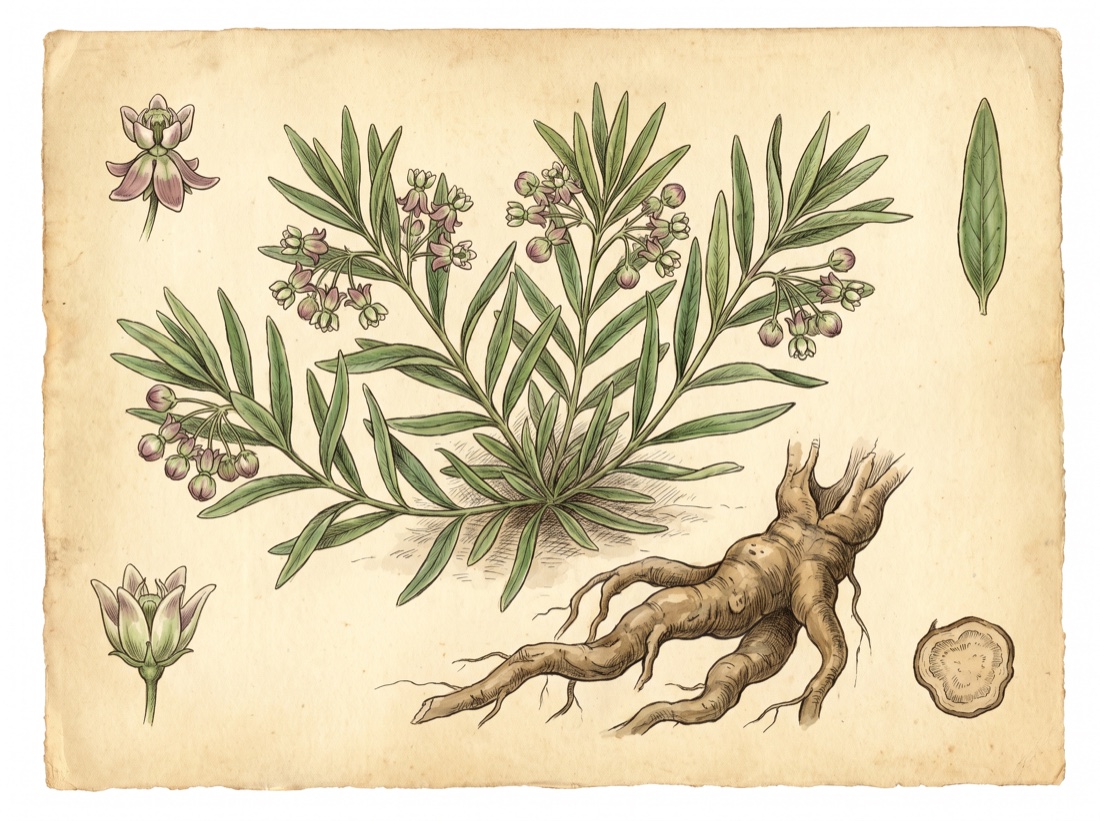 InmortalAsclepias asperula
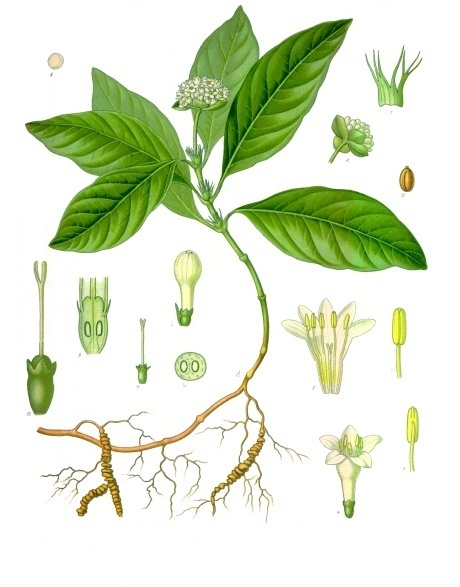 IpecacCarapichea ipecacuanha
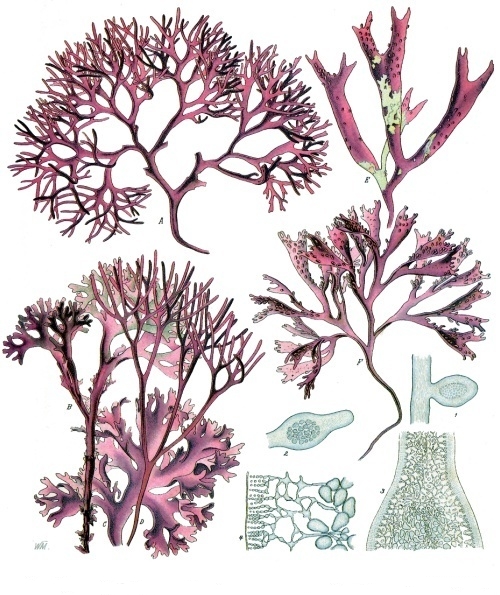 Irish MossChondrus crispus
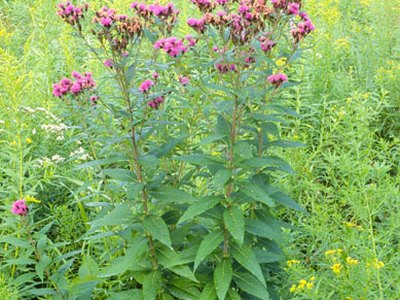 Iron WeedVernonia
The whole plate is in the library. The compass, Compare, the Sky of eleven hundred plants and the formulary open with an email address and a password, free, with the formula builder and its safety engine. Herbert without limit, his formulating, clients, the handouts and the labels are the paid room.
Open the library, free