Western Herbalism
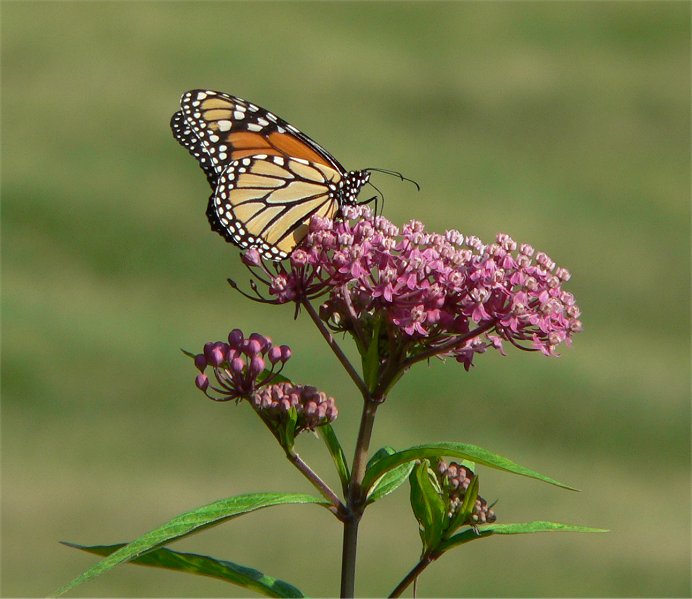
Flesh-colored asclepias
Asclepias Incarnata
Also known as Swamp milkweed, Swamp silkweed, Rose-colored silkweed, White Indian hemp.
Asclepias incarnata, swamp milkweed, is a perennial herb of wet meadows and marshes across eastern and central North America, valued in nineteenth century American Eclectic and Physiomedical practice for its root. The root was historically distinguished, sometimes with difficulty, from Apocynum cannabinum, with which it shares the common name white Indian hemp and a broadly similar range of traditional uses. It occupied a modest place in Eclectic materia medica as a gentle relaxant to the bowel and respiratory mucosa, and as a folk anthelmintic.

Ask Herbert about Flesh-colored asclepias. Herbert is the master herbalist inside Bountiful Herbs: he answers from this plate and eleven hundred others, with dosing, pairing and cautions. Your first ten questions are free.
Ask HerbertActions
Indications what the tradition reached for it in
- Intestinal worms, particularly tapeworm
- Chronic bronchitis with copious mucus
- Whooping cough
- Dropsy and dependent edema
- Rheumatic pain
- Sluggish digestion with constipation
- Catarrhal conditions of the respiratory tract
- Asthma with thick phlegm
- General debility of the mucous membranes with poor secretion
Specific indications
Chronic bronchitis with thick, copious mucus and a tendency toward wheezing or asthma
Suspected tapeworm or roundworm infestation, especially in children, used alongside other vermifuge agents
Constipation with dry, hard stool where a gentle relaxant cathartic is wanted rather than a harsh purgative
Safety
Low dose botanical. Used in drop doses in the classical practice; not a plant to dose freely.
Pregnancy: Not for use in pregnancy
Breastfeeding: Not for use while breastfeeding
The record lists 5 contraindications; open the plate in the library to read them in full.
In practice
Eclectic physicians reached for swamp milkweed root chiefly as a mild relaxant cathartic, one gentle enough to soften stool without violent griping, and as a secondary respiratory remedy for chronic bronchial catarrh with thick secretions that were slow to clear.
Dosing as the sources wrote it
| Preparation | As written | Metric |
|---|---|---|
| Dried root decoction | 1-2 g dried root daily in decoction | 1000-2000 mg |
| Tincture (1:5, 40%) | 0.5-2 mL up to three times daily | 0.5-2 mL |
| Specific Swamp Milkweed | Dose, from one to twenty minims. | 0.06-1.23 mL |
| In doses of ten to twenty grains it acts as a vermifuge. | 648-1296 mg | |
| Dose, 1 to 60 grains. | 64.8-3888 mg | |
| Dose, 1 to 60 drops. | 0.02-1.2 mL |
Doses are reproduced from the sources for practitioners and are not a recommendation for any person.
From the sources
Overview. Asclepias incarnata, swamp milkweed, is a perennial herb of wet meadows and marshes across eastern and central North America, valued in nineteenth century American Eclectic and Physiomedical practice for its root. The root was historically distinguished, sometimes with difficulty, from Apocynum cannabinum, with which it shares the common name white Indian hemp and a broadly similar range of traditional uses. It occupied a modest place in Eclectic materia medica as a gentle relaxant to the bowel and respiratory mucosa, and as a folk anthelmintic.
Clinical Notes. Eclectic physicians reached for swamp milkweed root chiefly as a mild relaxant cathartic, one gentle enough to soften stool without violent griping, and as a secondary respiratory remedy for chronic bronchial catarrh with thick secretions that were slow to clear.
Action and Therapy. Diuretic and vermifuge. There is good reason to believe this agent a good diuretic to be substituted for digitalis in cases of edema dependent upon cardiac insufficiency. Its action is similar to that of foxglove, without the irritating effects upon the gastric membranes. In fact, in small doses it is a stomachic and of some value in chronic catarrh of the stomach. In powder, 10 to 20 grains, 3 times a day, it is said to expel lumbricoids.
Therapy. It may be given in coughs and colds, rheumatism from cold, painful stitches in the chest with threatened inflammation of the lungs and pleura, asthma, chronic gastric catarrh, diarrhea, dysentery, dropsy, worms, erysipelatous diseases. It improves digestion, and is a good remedy in chronic catarrh of the stomach, and in catarrhal inflammation of the respiratory organs. It is both emetic and cathartic and may be used with advantage in the early stages of dysentery and diarrhea. In rheumatic and catarrhal inflammations it should be given to produce slight nausea. In doses of ten to twenty grains it acts as a vermifuge. It is also beneficial as a local and internal remedy in erysipelas and erysipelatous diseases.
Drawn from Cook's Physio-Medical Dispensatory; King's American Dispensatory, 18th edition (Felter and Lloyd); Ellingwood's American Materia Medica, Therapeutics and Pharmacognosy; Felter's Eclectic Materia Medica, Pharmacology and Therapeutics, and the Bountiful Herbs editorial.
Often paired with
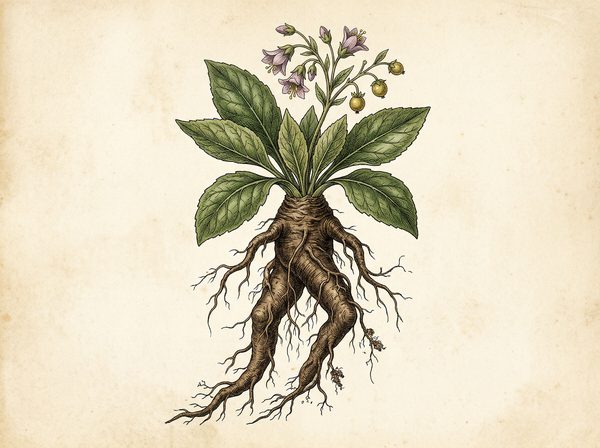 MandrakeMandragora officinarum
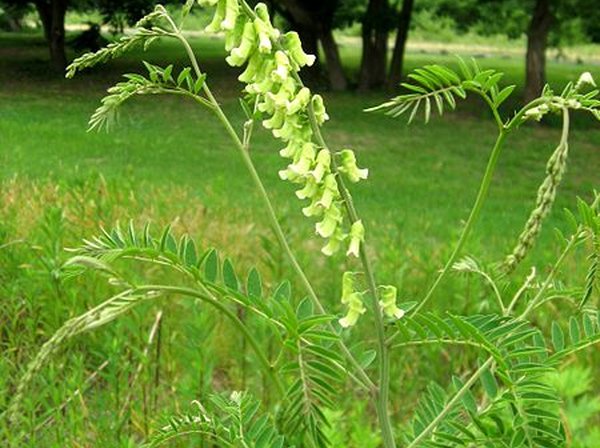 Ku ShenSophora flavescens
 Dog's BaneApocynum Androsaemifolium
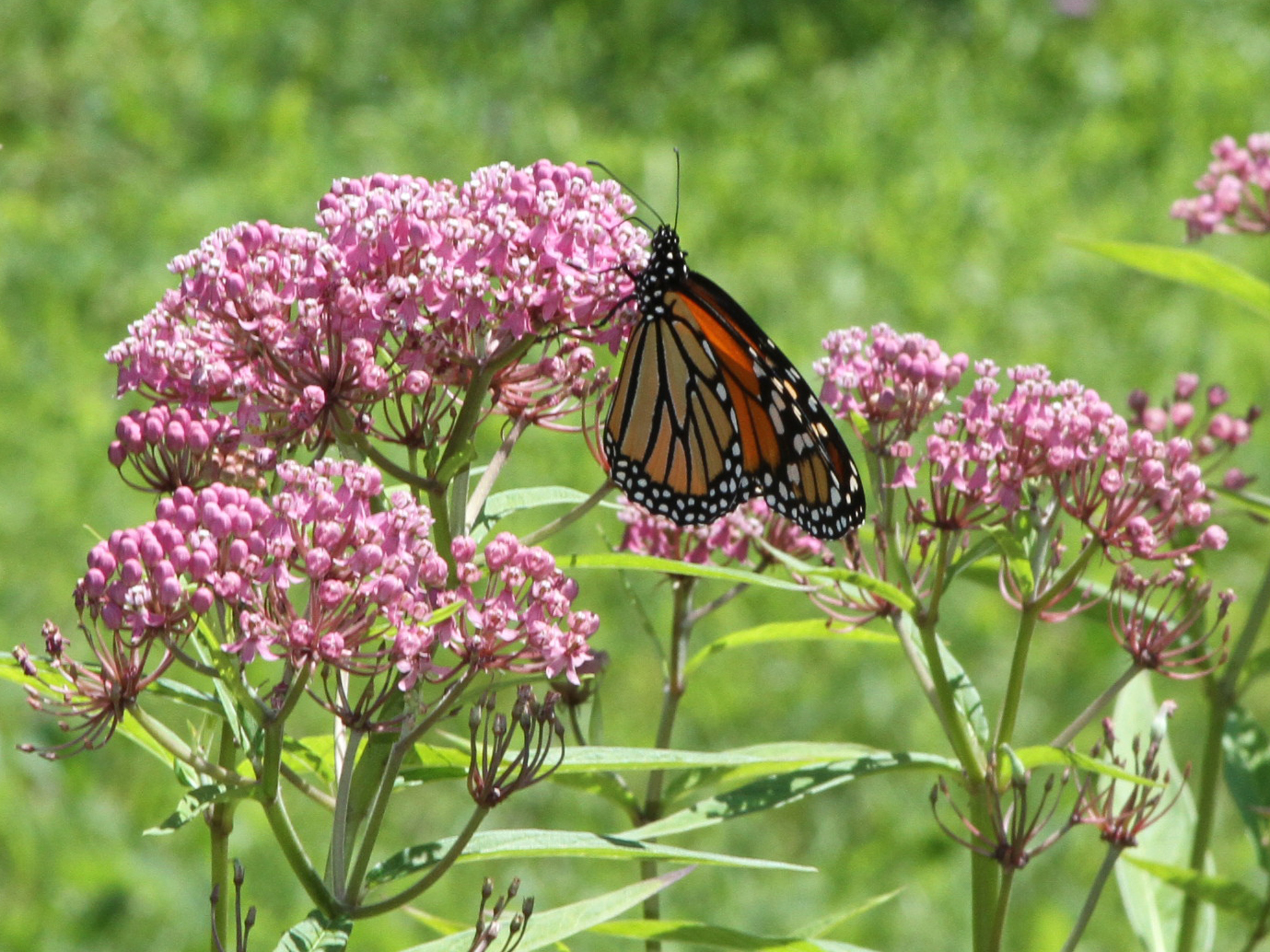 MilkweedAsclepias Cornuti
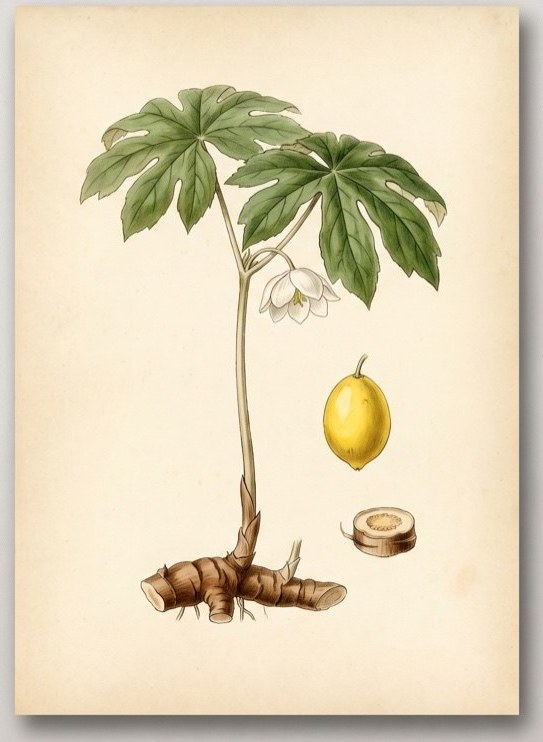 May applePodophyllum peltatum
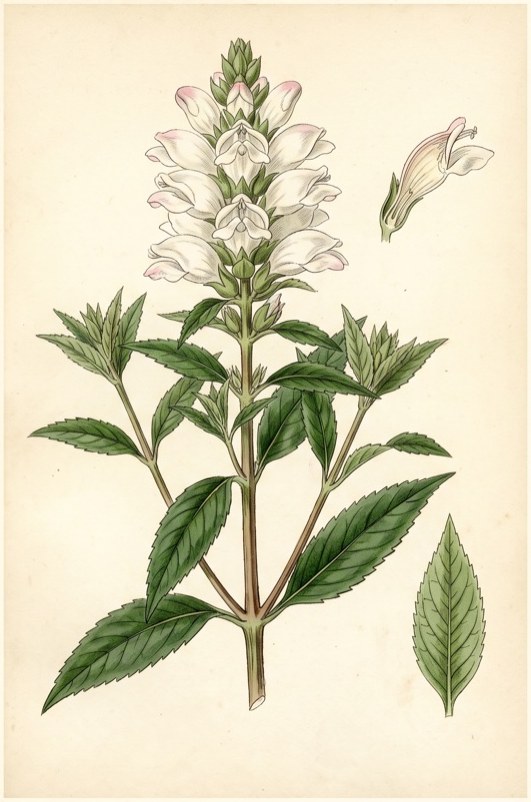 BalmonyChelone glabra
Nearby on the shelf
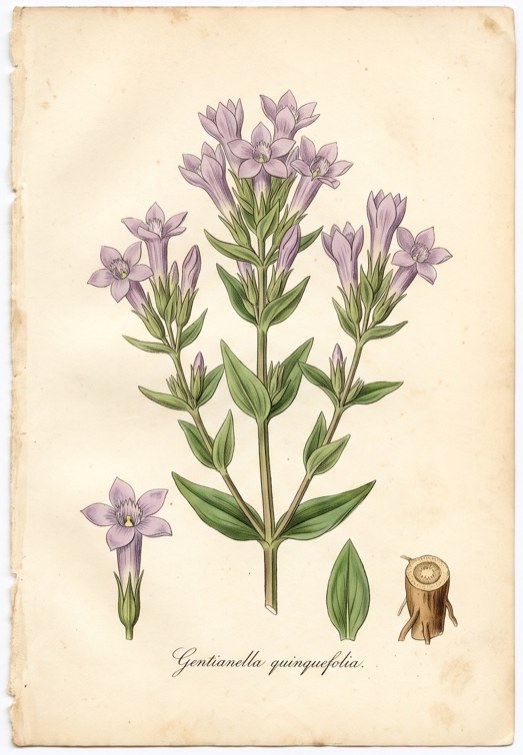 Five-flowered gentianGentiana Quinqueflora
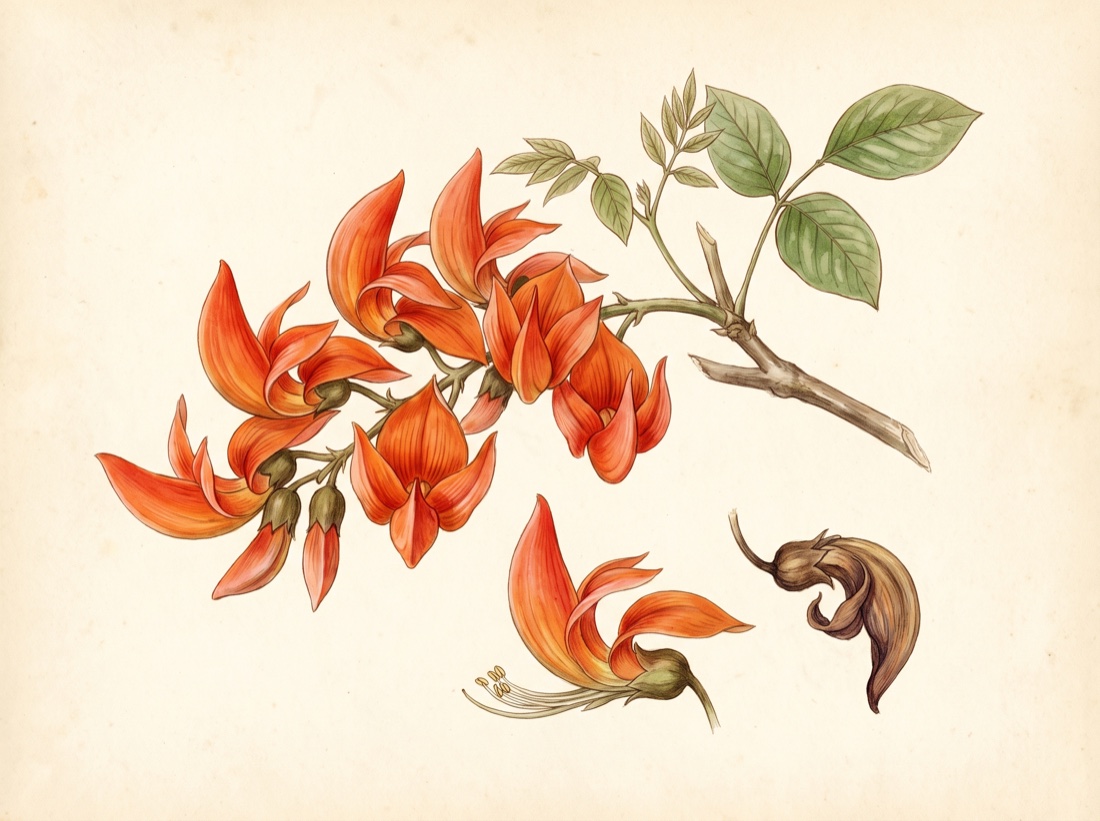 Flame of the forestButea monosperma
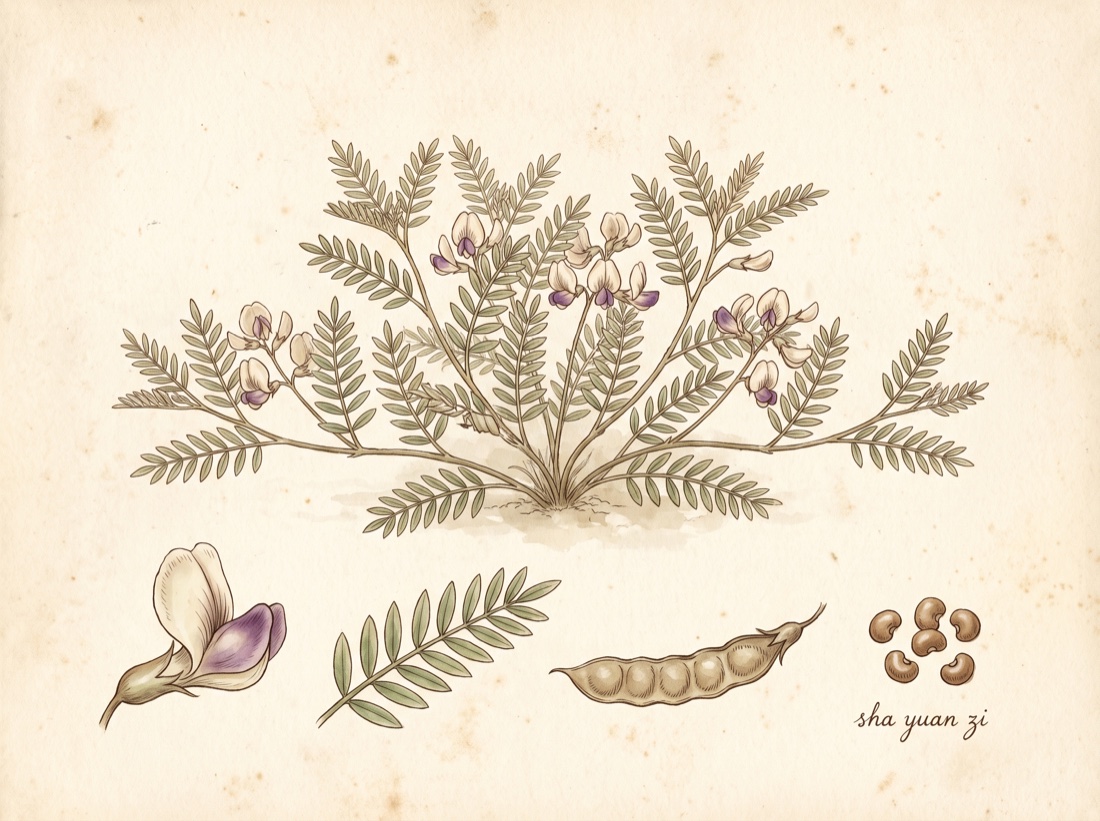 Flatstem milkvetch seedPhyllolobium chinense
 FlaxLinum usitatissimum
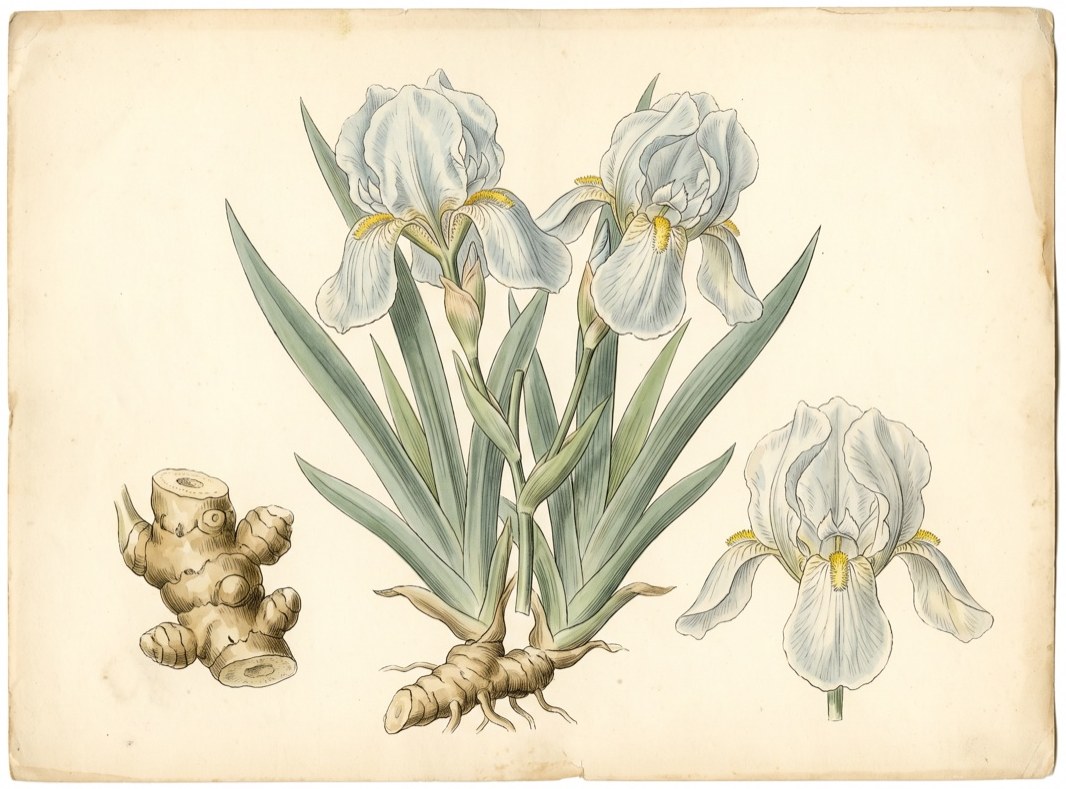 Florentine orrisIris Florentina
 Flowering dogwoodCornus florida
 Flowering quinceChaenomeles speciosa
 Flowering SpurgeEuphorbia corollata
The whole plate is in the library. The compass, Compare, the Sky of eleven hundred plants and the formulary open with an email address and a password, free, with the formula builder and its safety engine. Herbert without limit, his formulating, clients, the handouts and the labels are the paid room.
Open the library, free