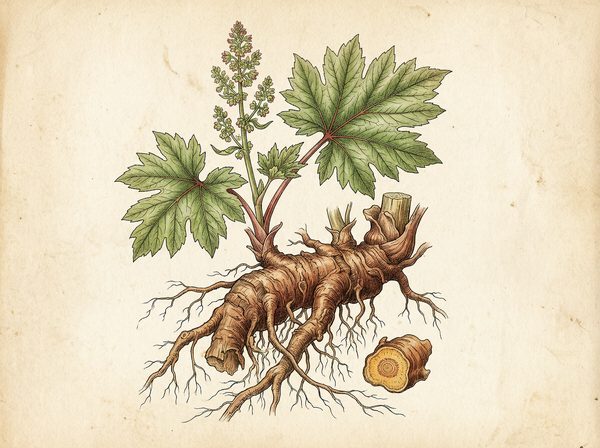
Western and Chinese herbalism
Chinese Rhubarb
Rheum palmatum
Also known as Da Huang, Yang et al, Rhubarb, Rheum, Chinese or Turkey Rhubarb, Rhubarb Root, Rhubarb root (Rhei radix, Br.), shēng dà huáng, dà huáng.
Use short-term only (max 1-2 weeks) to avoid dependence, electrolyte imbalance Processed forms (raw=purgative wine-fried=blood-activating cooked=stasis charcoal=hemostatic) alter effects/toxicity Prefer diet/bulk laxatives first for constipation Monitor in kidney disorders

Ask Herbert about Chinese Rhubarb. Herbert is the master herbalist inside Bountiful Herbs: he answers from this plate and eleven hundred others, with dosing, pairing and cautions. Your first ten questions are free.
Ask HerbertActions
Indications what the tradition reached for it in
- Acute/chronic pancreatitis
- Liver fibrosis/cirrhosis ascites
- Me & Qi
- Blood stasis/hemorrhage
- Gastrointestinal bleeding
- Hematemesis
- Nosebleed
- Menstrual disorders
- Traumatic swelling
- Ulcerative colitis
- Appendicitis
- Intestinal accumulation/obstruction
- Heat conditions
- Fever
- Jaundice hepatitis
- Conjunctivitis
- Sore throat
- Oral ulcers
- Pneumonia
- Non-alcoholic fatty liver
- Dysentery
- Ovarian cancer support
- Abdominal distension
- Pelvic inflammatory disease
- Occasional constipation
- Bleeding
- Constipation
- Diarrhea
- Gallbladder disorders
- Hemorrhage
Safety
Low dose botanical. Used in drop doses in the classical practice; not a plant to dose freely.
Pregnancy: Pregnancy Caution
Breastfeeding: Not for use while breastfeeding
The record lists 9 contraindications; open the plate in the library to read them in full.
Dosing as the sources wrote it
| Preparation | As written | Metric |
|---|---|---|
| Dry extract/tea equivalent to | Dry extract/tea equivalent to 20-30 mg hydroxyanthracene derivatives (rhein), once daily at bedtime (adults/adolescents/elderly), max 1 week | 30 mg |
| Decoction | Decoction 3-12g root/rhizome | 3000-12000 mg |
| Rhizome/root 0.2-1.0 g. | 200-1000 mg | |
| In doses of from four to eight grains three times a day, it soothes irritability of the stomach and promotes digestion | 259-518 mg | |
| Doses of from twenty to forty grains prove gently laxative, increasing peristaltic motion, procuring the dislodgment of scybala or other offensiv | 1296-2592 mg | |
| The average cathartic dose for an adult, is about thirty grains | 1944-1944 mg |
Doses are reproduced from the sources for practitioners and are not a recommendation for any person.
From the sources
Clinical Notes. Use short-term only (max 1-2 weeks) to avoid dependence, electrolyte imbalance Processed forms (raw=purgative wine-fried=blood-activating cooked=stasis charcoal=hemostatic) alter effects/toxicity Prefer diet/bulk laxatives first for constipation Monitor in kidney disorders
Therapy. Rhubarb is an ideal laxative and cathartic according to the dose administered. In smaller amounts it is a gastro-intestinal stimulant and tonic, promoting the gastric secretions and insuring good digestion.
Therapy. In atonic conditions of the bowels, with debility or general relaxation, whether diarrhoea, dysentery, cholera morbus or cholera infantum is present, it is a most useful remedy. Its tonic powers are promptly exercised, and properly combined with indicated remedies, it produces markedly restorative effects. It acts directly upon the duodenum, and subsequently upon the entire intestinal tract. It is the laxative for debilitated patients, or for patients recovering from prostrating disease. Given to a nursing mother, like aloes, it relaxes the infant's bowels, and in some cases it is desirable to administer it to the mother for this purpose.
Properties and Uses. Turkey (Russian) rhubarb is the officinal standard, but the cheaper Indian root has almost superseded it. The two are nearly the same in general action; but the Turkey is pleasanter, a little less astringent, and of greater relative strength.
Drawn from Cook's Physio-Medical Dispensatory; Scudder's Specific Medication and Specific Medicines; King's American Dispensatory, 18th edition (Felter and Lloyd); Ellingwood's American Materia Medica, Therapeutics and Pharmacognosy, and the Bountiful Herbs editorial.
In formulas
Chinese Rhubarb stands in 271 documented formulas in the library, among them ging bí tāng, dà chéng gì tàng, xiao chéng qì tāng, tiáo wèi chéng gì tàng, dà huáng gǎn co tāng, hòu pò sân wù tǎng.
Often paired with
 Chinese skullcapScutellaria baicalensis
 Licorice rootGlycyrrhiza glabra
 Dong QuaiAngelica sinensis
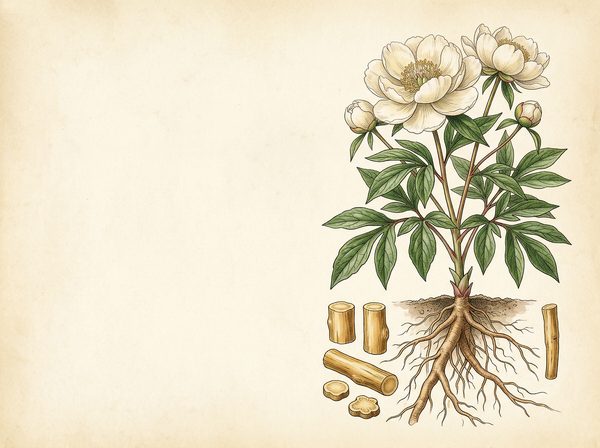 White PeonyPaeonia lactiflora
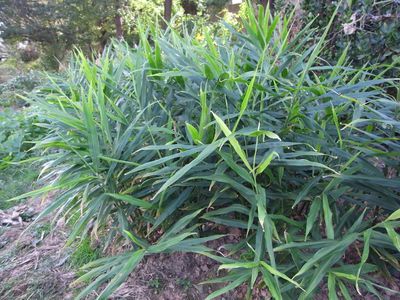 GingerZingiber officinale
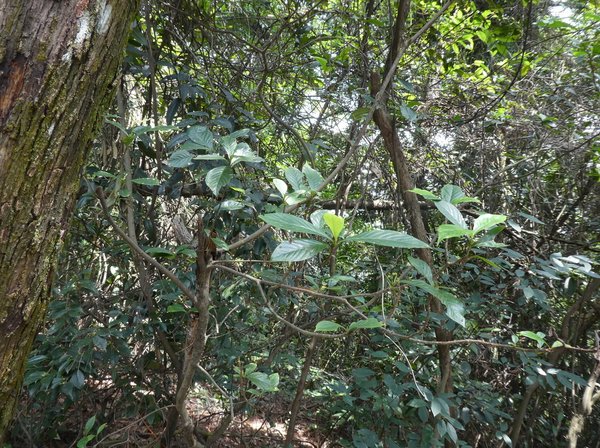 Zhi ZiGardenia jasminoides
Nearby on the shelf
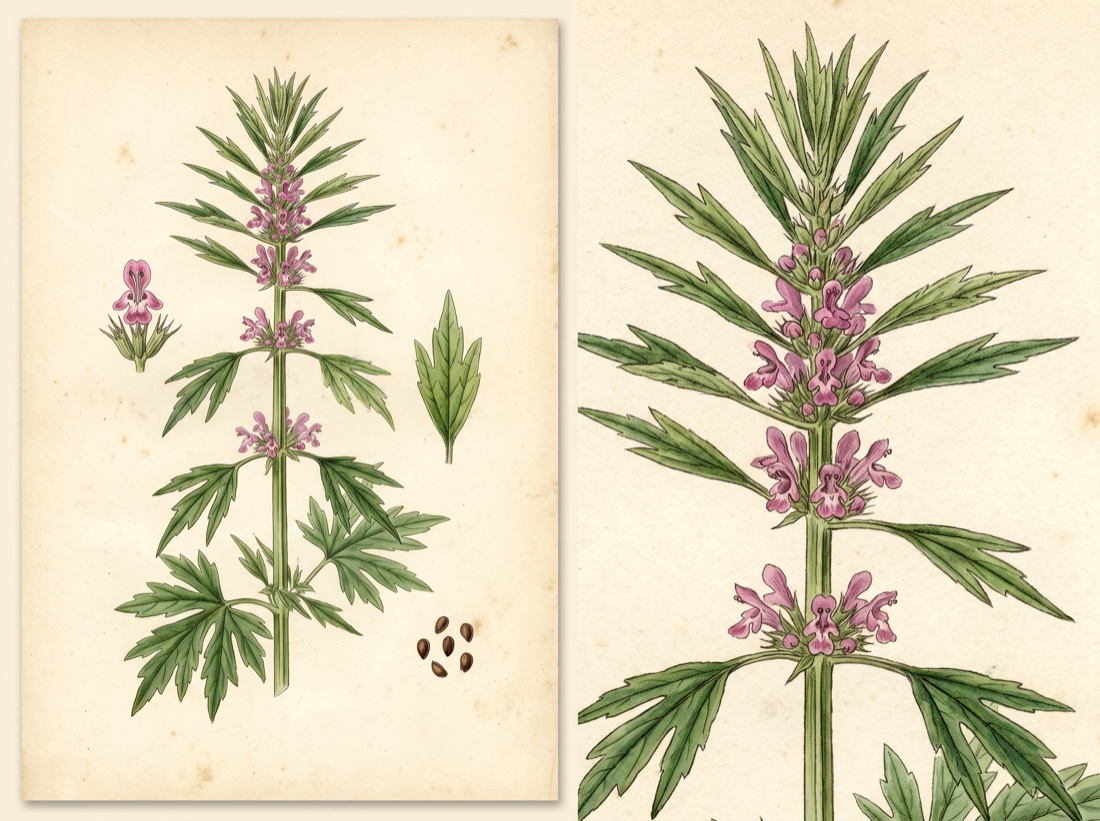 Chinese motherwortLeonurus japonicus
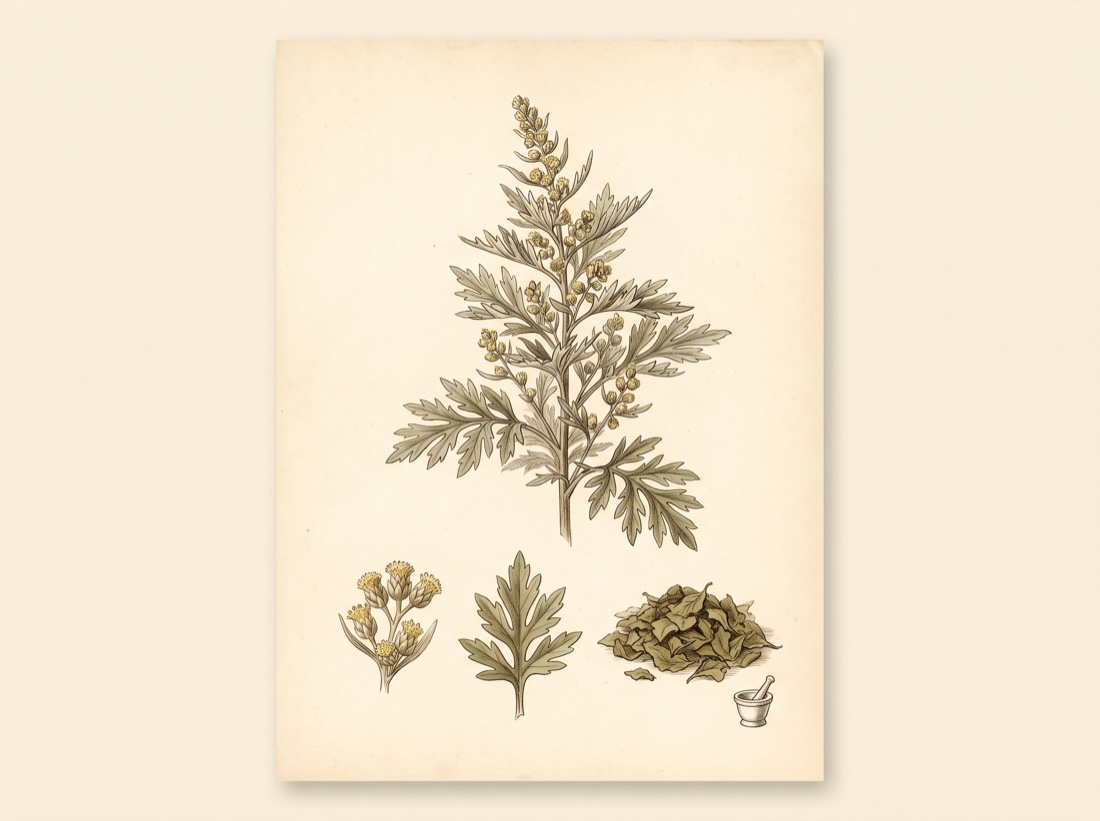 Chinese mugwortArtemisia argyi
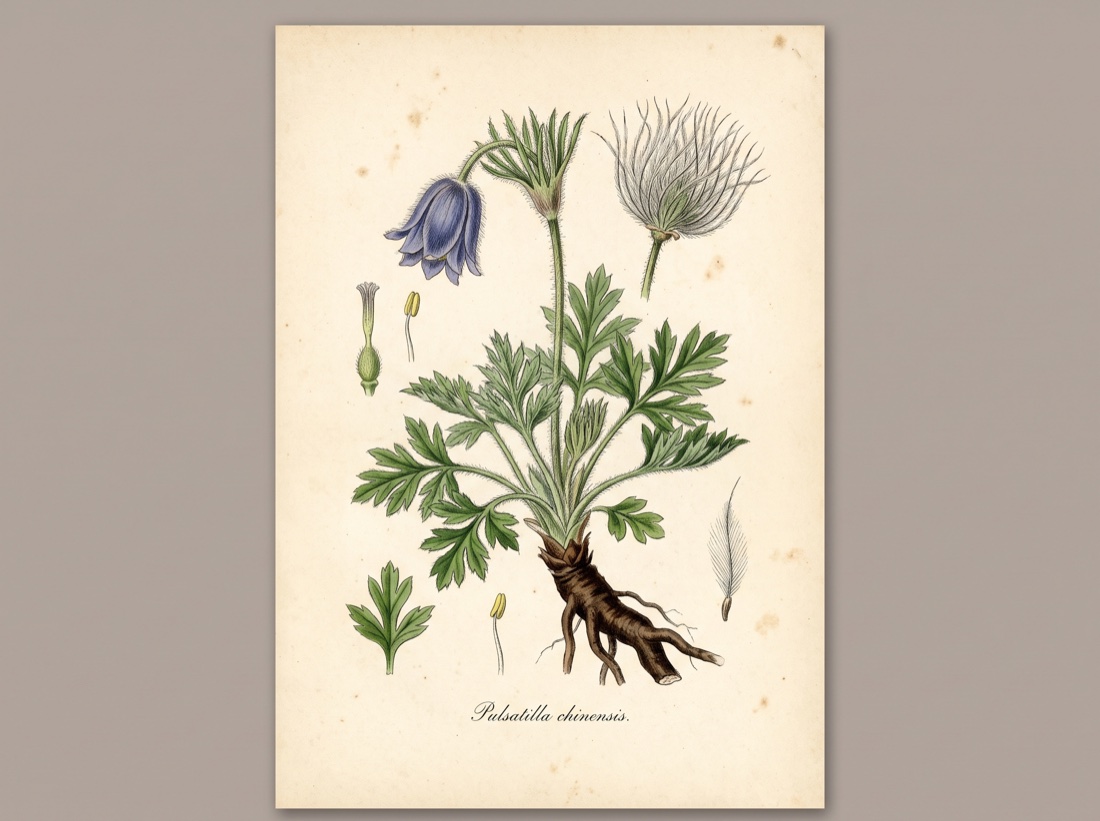 Chinese pulsatillaPulsatilla chinensis
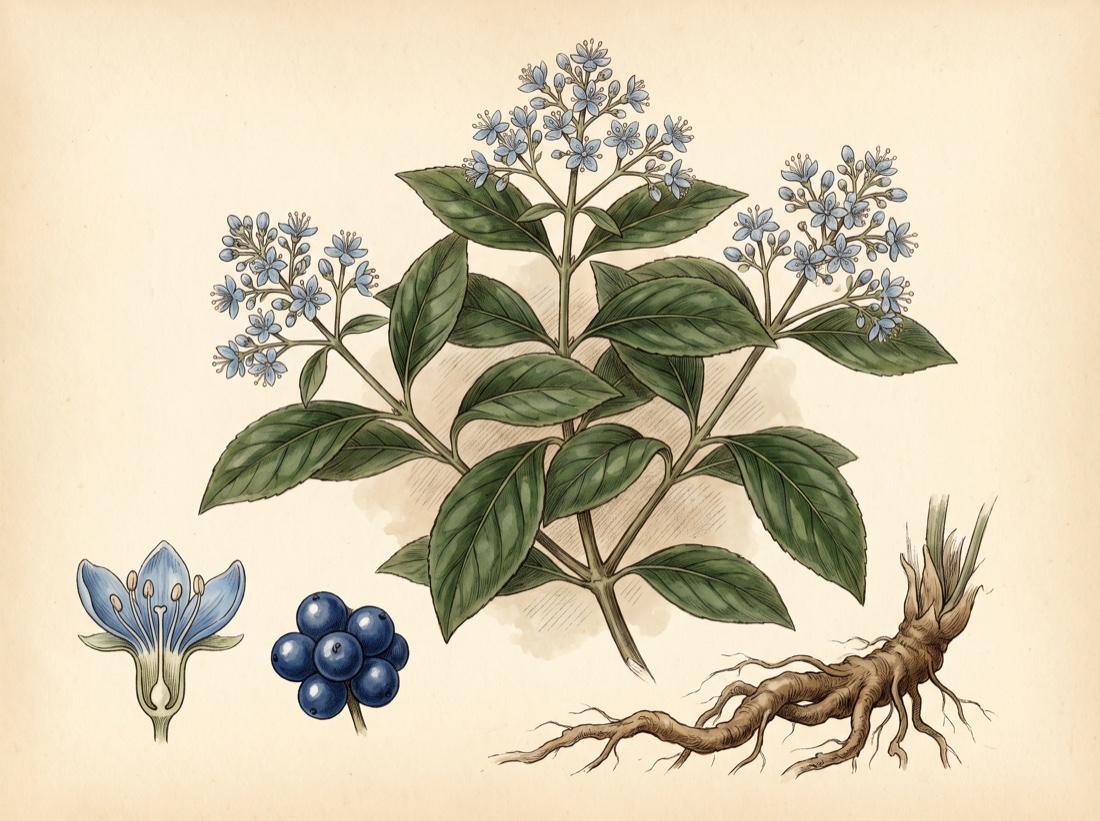 Chinese quinineDichroa febrifuga
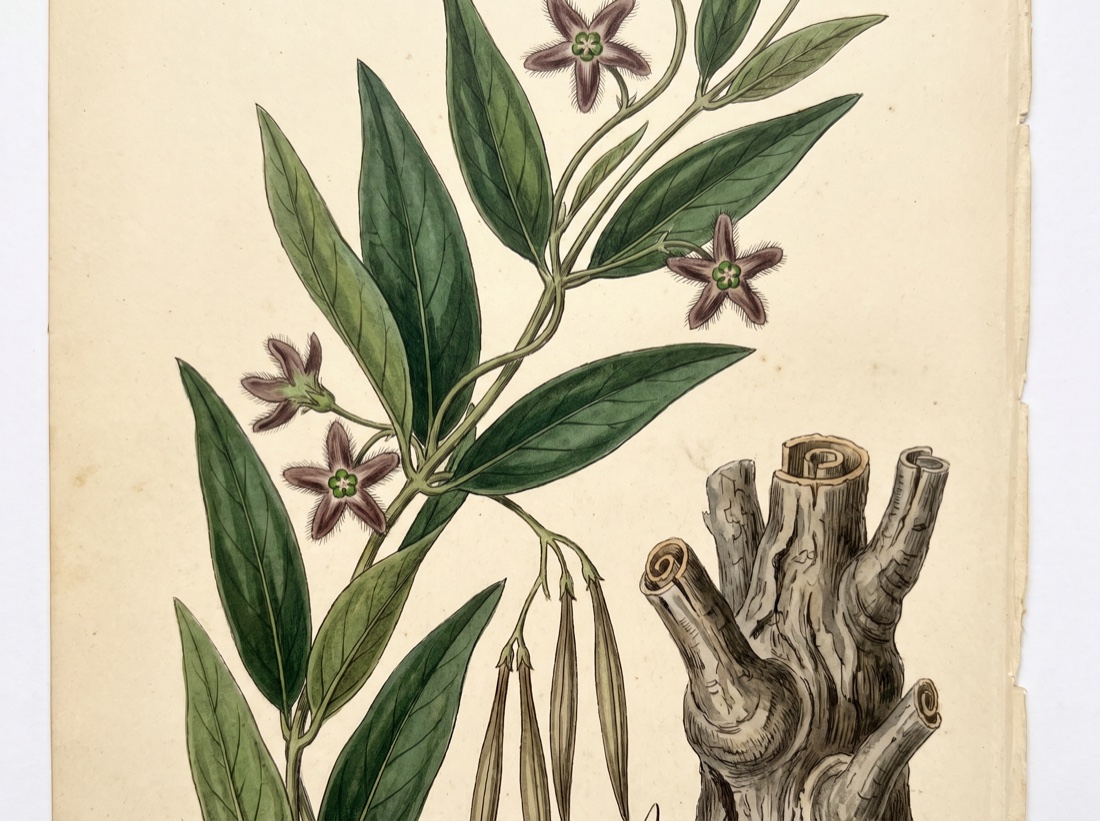 Chinese silk vinePeriploca sepium
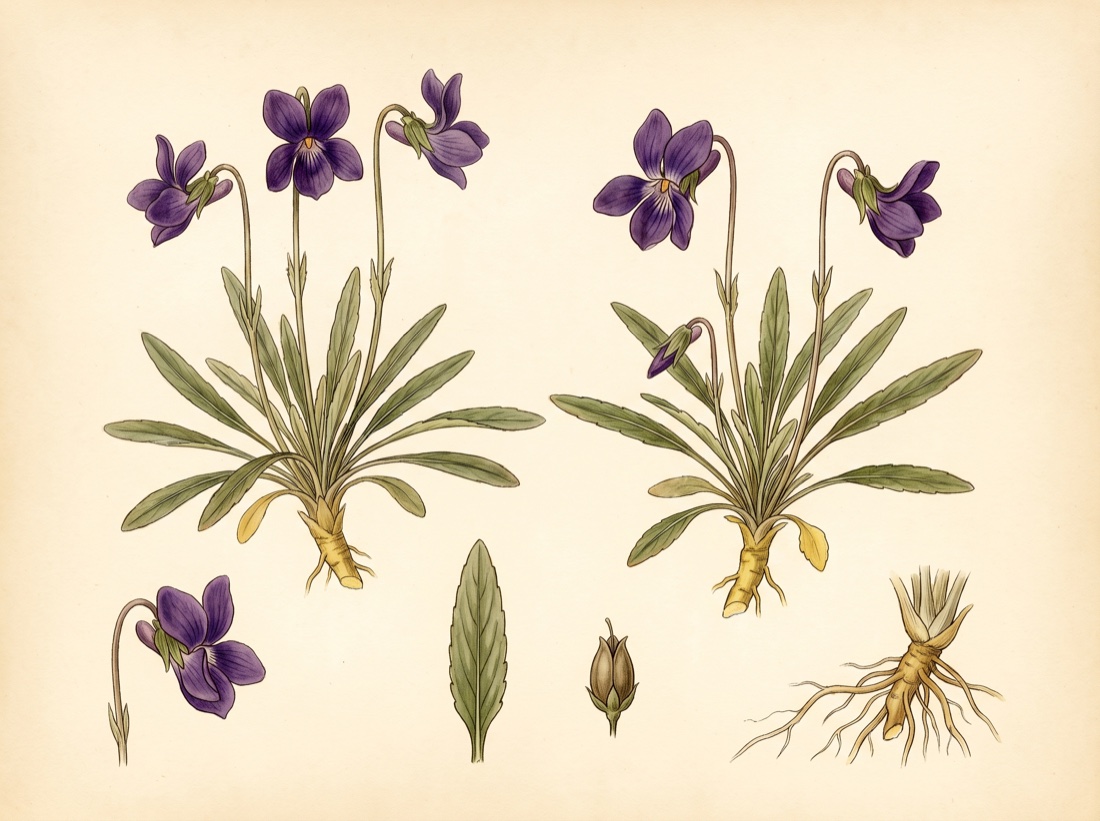 Chinese violetViola philippica
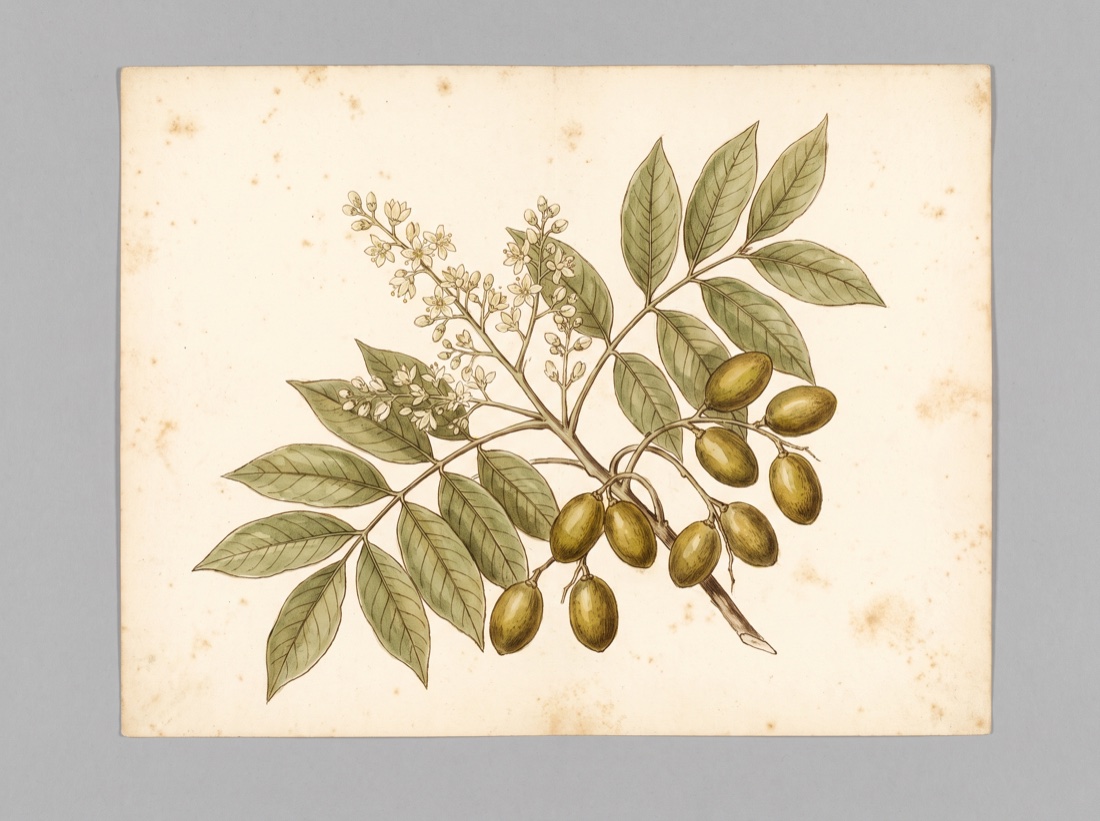 Chinese white oliveCanarium album
The whole plate is in the library. The compass, Compare, the Sky of eleven hundred plants and the formulary open with an email address and a password, free, with the formula builder and its safety engine. Herbert without limit, his formulating, clients, the handouts and the labels are the paid room.
Open the library, free