Ayurvedic Herbalism
Indian valerian
Valeriana jatamansi
Also known as tagar, Himalayan valerian, Tagara, Nata, Kalanusarya.
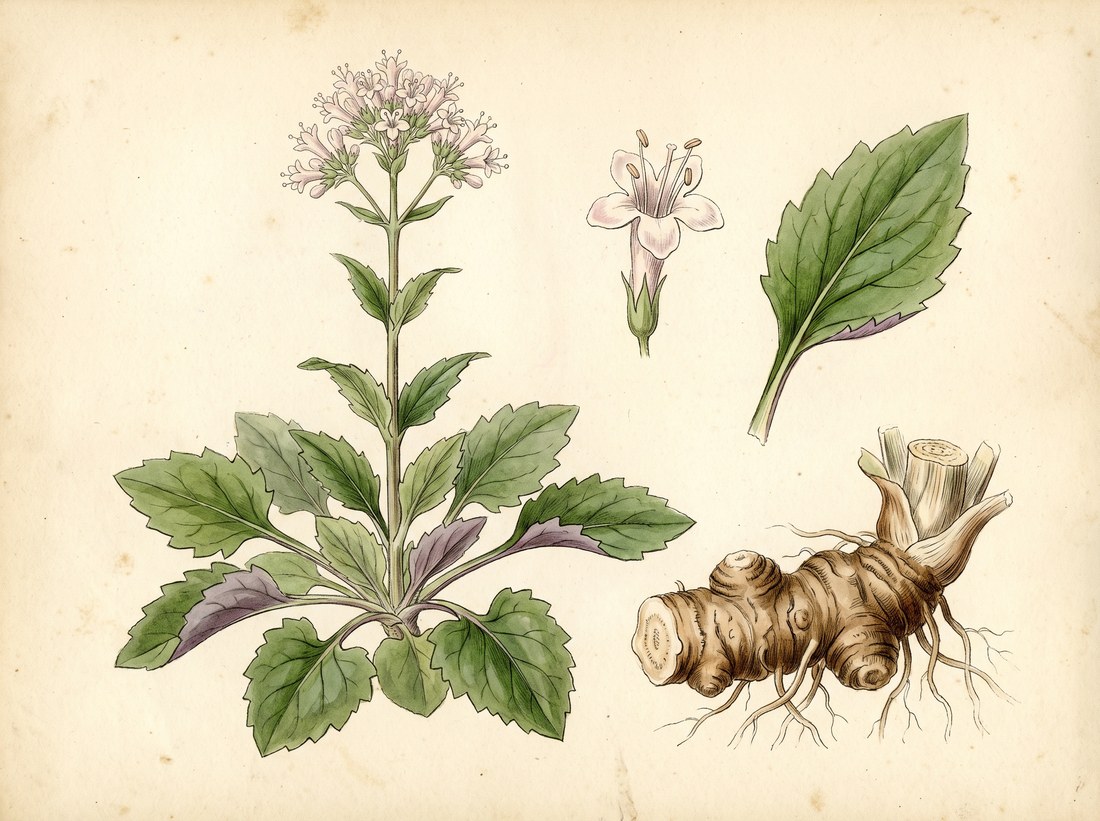
Valeriana jatamansi is a small perennial herb of the temperate Himalaya from Kashmir to Bhutan and on into southwest China, growing in moist shaded forest between about 1,500 and 3,000 meters, with a short horizontal rhizome that smells strongly of valerian and patchouli. Ayurveda calls it Tagara and uses it as a calming, grounding nervine for insomnia, mental agitation, convulsions and headache, and as a fragrant ingredient of medicated oils and incense. It is the Indian counterpart of European valerian and is now under pressure in the wild from heavy collection.

Ask Herbert about Indian valerian. Herbert is the master herbalist inside Bountiful Herbs: he answers from this plate and eleven hundred others, with dosing, pairing and cautions. Your first ten questions are free.
Ask HerbertActions
Indications what the tradition reached for it in
- Insomnia with difficulty falling asleep
- Anxiety with restlessness and racing thoughts
- Tension headache and migraine prophylaxis (adjunct)
- Nervous palpitations
- Irritable bowel with cramping and anxiety
- Muscle tension and spasm
- Hysteria and agitation (traditional)
- Epilepsy (traditional adjunct only)
- Menstrual cramps with nervous tension
- Restless legs and twitching at night
Specific indications
A wiry, anxious vata patient who lies awake with a racing mind, cold feet and a churning stomach, and wakes at the slightest sound
Tension headache that begins at the back of the neck and spreads forward, in someone who grinds the teeth and holds the shoulders tight
Nervous bowel with cramping, gas and alternating stools, worse with stress and travel
Palpitations, tremor and a sense of dread in the evening in a patient with no cardiac disease
Safety
Pregnancy: No published safety class specific to this species is known to us; European valerian is placed in class 1 by the AHPA Botanical Safety Handbook, but valepotriates are cytotoxic in vitro and the Indian species is richer in them, so avoid in pregnancy except in food-like amounts.
The record lists 8 contraindications; open the plate in the library to read them in full.
In practice
Tagara is the Ayurvedic sedative of choice for vata in the mind: insomnia, restlessness, fear, twitching and the mental churning that will not switch off at night. It is warming and unctuous, so it suits the cold, thin, nervous patient rather than the hot, flushed, irritable one, who does better with Brahmi or Shankhapushpi.
In Ayurveda
Rasa: tikta (bitter), katu (pungent), kashaya (astringent), madhura (sweet). Virya: ushna (heating). Vipaka: katu (pungent). Guna: laghu (light), snigdha (unctuous). Dosha: pacifies all three doshas, especially vata and kapha. Karma: nidrajanana (promotes sleep); manasadoshahara (calms disorders of the mind); vatahara (pacifies vata); vedanasthapana (relieves pain); akshepahara (anticonvulsant); vishaghna (counteracts poison); deepana (kindles digestion); chakshushya (good for the eyes); shothahara (reduces swelling); bhutaghna (dispels possession, used for psychiatric states). Classical indications: anidra (insomnia); unmada (psychosis and severe mental disturbance); apasmara (epilepsy); shiroroga (headache); apatantraka and akshepaka (convulsive disorders); visha (poisoning); netraroga (eye disease); shotha (swelling); vatavyadhi (nervous disorders). The short, knotted, strongly aromatic rhizome with its root fibers is dried and given as churna with honey or warm water, as kwatha, as a component of medicated oils and ghees for the head, and as an ingredient of incense and paste for the temples in headache. Classical formulations: Tagaradi churna, Manasamitra vataka, Mahakalyanaka ghrita, Himasagara taila, Brihat Vata Chintamani (as an adjunct herb), Sarpagandha ghana vati (some versions). Described in: Charaka Samhita, Sushruta Samhita, Ashtanga Hridaya, Bhavaprakasha Nighantu, Dhanvantari Nighantu, Raja Nighantu, Kaiyadeva Nighantu, Ayurvedic Pharmacopoeia of India.
Dosing as the sources wrote it
| Preparation | As written | Metric |
|---|---|---|
| Churna | 1-3 g powdered rhizome at bedtime with honey or warm water | 1000-3000 mg |
| Kwatha | 40-80 mL decoction once or twice daily | 40-80 mL |
| Tincture (1:5, 60%) | 2-4 mL thirty to sixty minutes before bed | 2-4 mL |
| Taila, topical | 5-10 mL medicated oil massaged into the scalp and temples at night | 5-10 mL |
Doses are reproduced from the sources for practitioners and are not a recommendation for any person.
From the sources
Overview. Valeriana jatamansi is a small perennial herb of the temperate Himalaya from Kashmir to Bhutan and on into southwest China, growing in moist shaded forest between about 1,500 and 3,000 meters, with a short horizontal rhizome that smells strongly of valerian and patchouli. Ayurveda calls it Tagara and uses it as a calming, grounding nervine for insomnia, mental agitation, convulsions and headache, and as a fragrant ingredient of medicated oils and incense. It is the Indian counterpart of European valerian and is now under pressure in the wild from heavy collection.
Clinical Notes. Tagara is the Ayurvedic sedative of choice for vata in the mind: insomnia, restlessness, fear, twitching and the mental churning that will not switch off at night. It is warming and unctuous, so it suits the cold, thin, nervous patient rather than the hot, flushed, irritable one, who does better with Brahmi or Shankhapushpi.
Ayurvedic Profile. Rasa: tikta (bitter), katu (pungent), kashaya (astringent), madhura (sweet). Virya: ushna (heating). Vipaka: katu (pungent). Guna: laghu (light), snigdha (unctuous). Dosha: pacifies all three doshas, especially vata and kapha.
Conservation. Assessed as vulnerable in the Indian Himalaya with wild populations reduced by heavy rhizome collection; source cultivated material and avoid wild harvested stock.
In formulas
Indian valerian stands in 26 documented formulas in the library, among them Devadārvāriṣṭa, Pippalyādyāsava, Mṛdvīkāriṣṭa, Śrīkhaṇḍāsava, Karpūrādyarka, Pūgakhaṇḍa.
Often paired with
 cardamomElettaria cardamomum
 costusSaussurea costus
 sandalwoodSantalum album
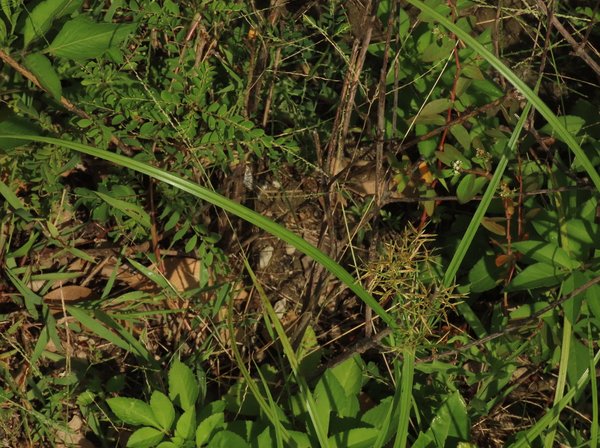 nut grassCyperus rotundus
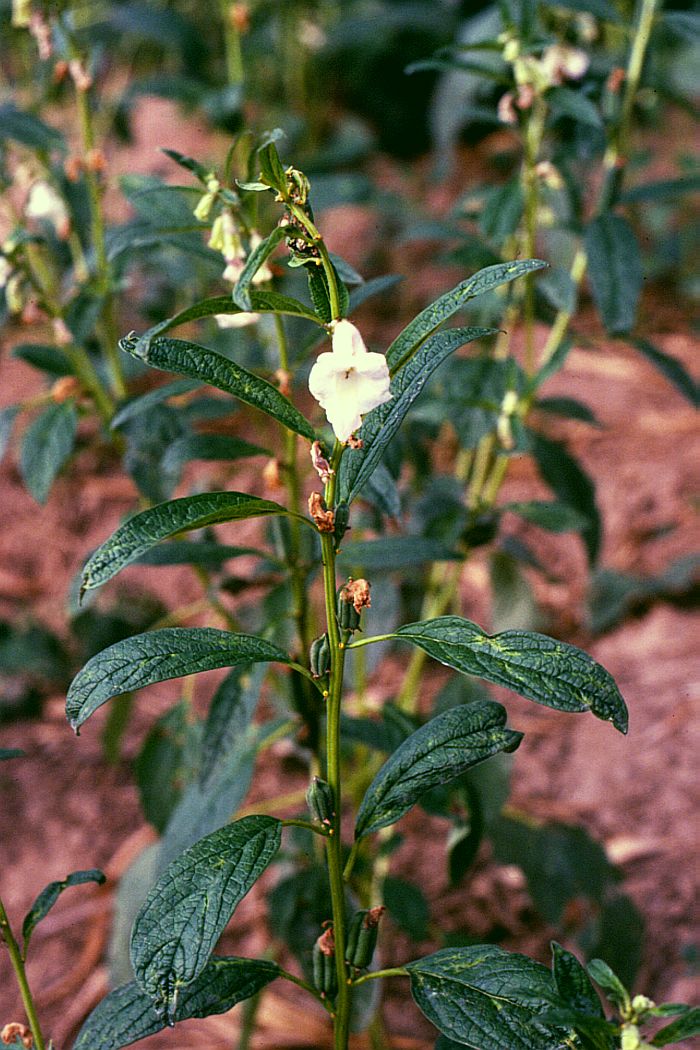 sesameSesamum indicum
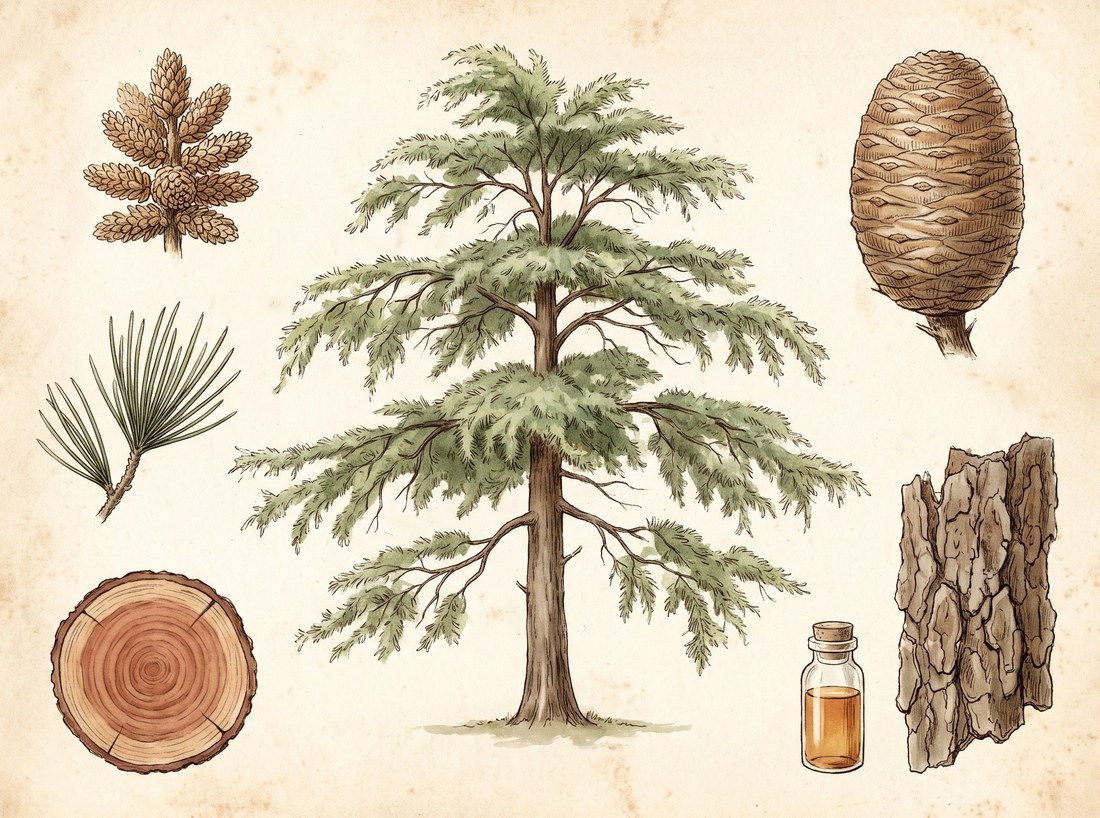 Himalayan cedarCedrus deodara
Nearby on the shelf
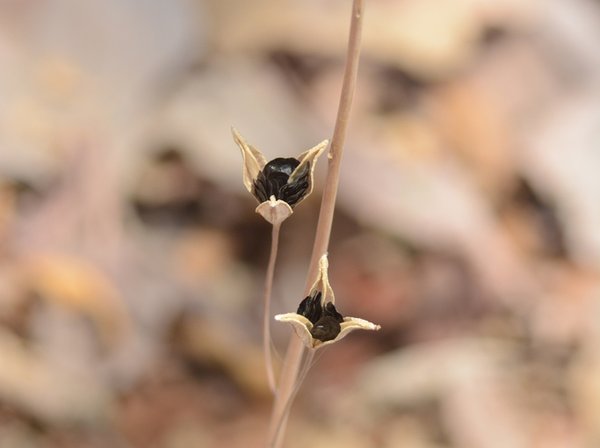 Indian SquillUrginea indica
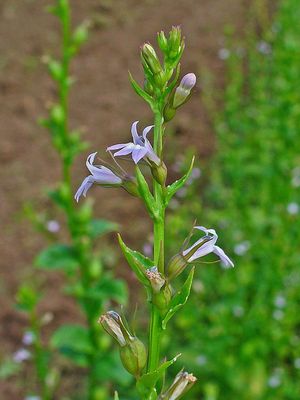 Indian tobaccoLobelia inflata
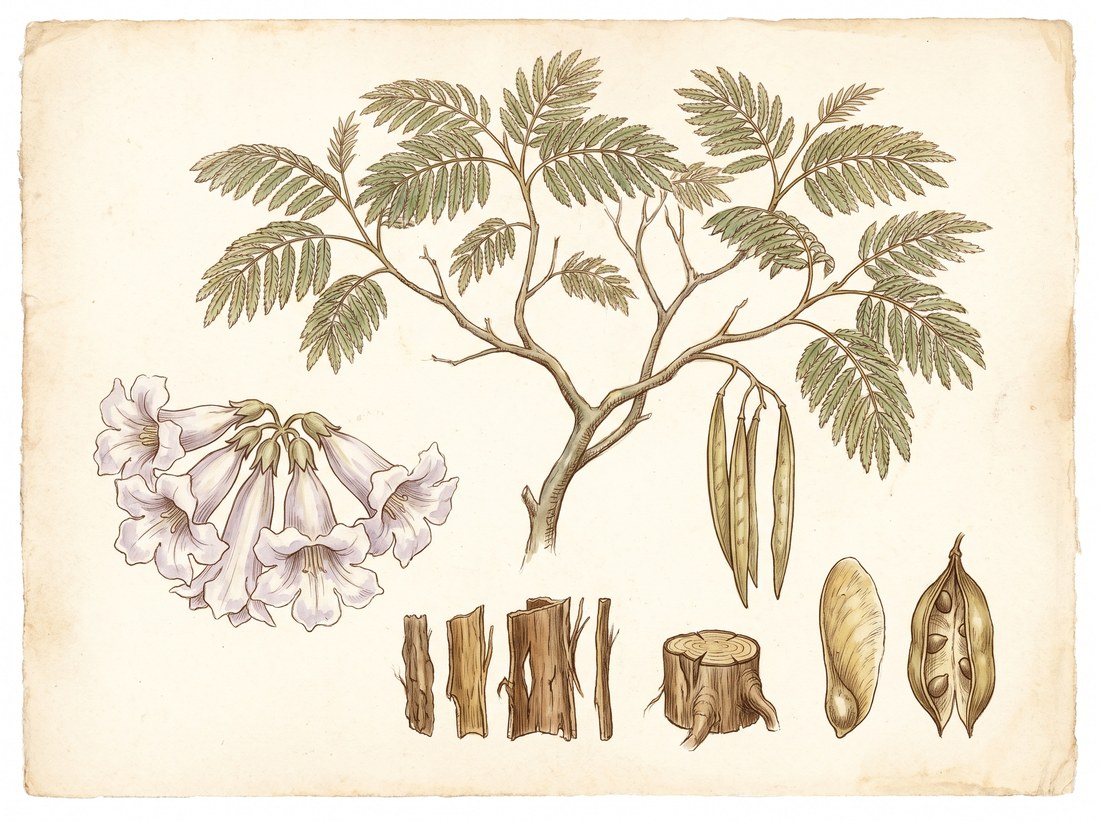 Indian trumpet flowerOroxylum indicum
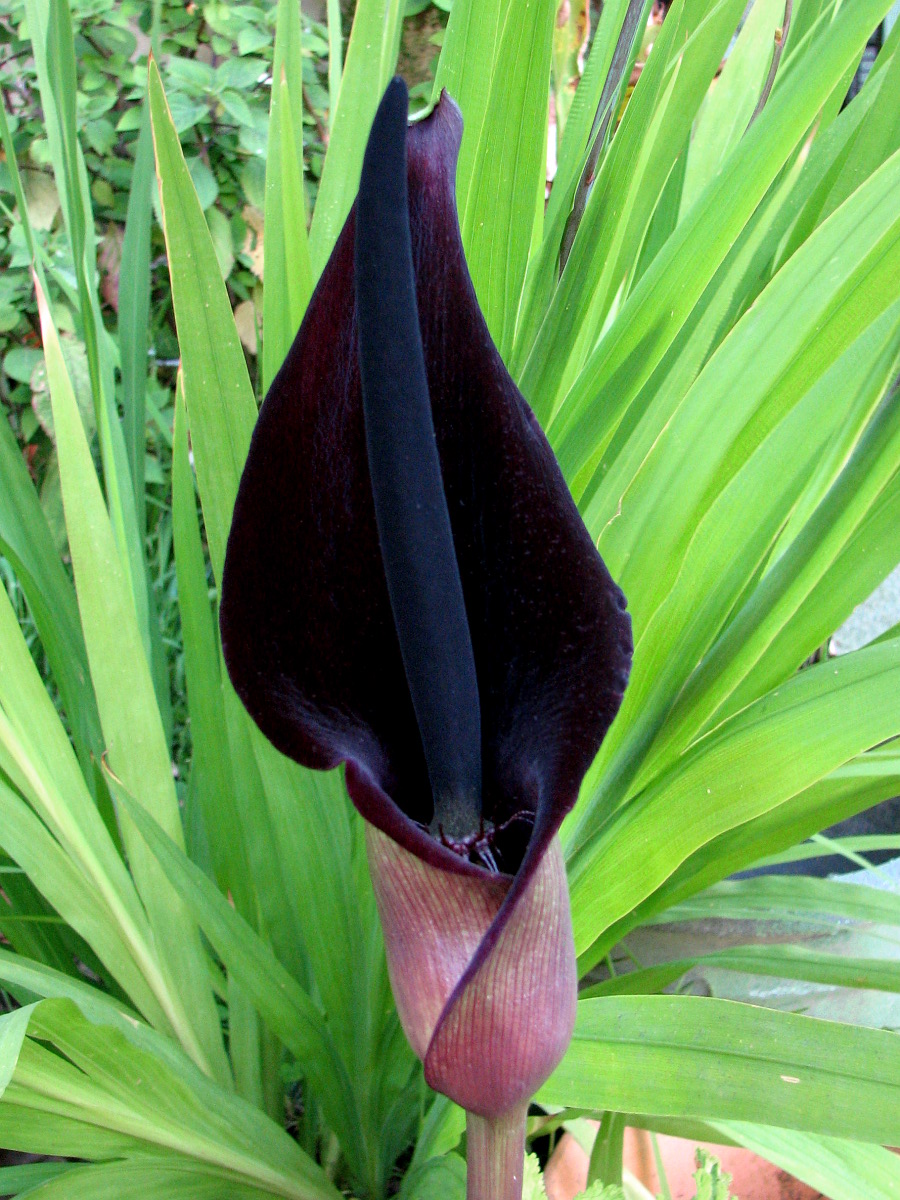 Indian turnipArisaema triphyllum
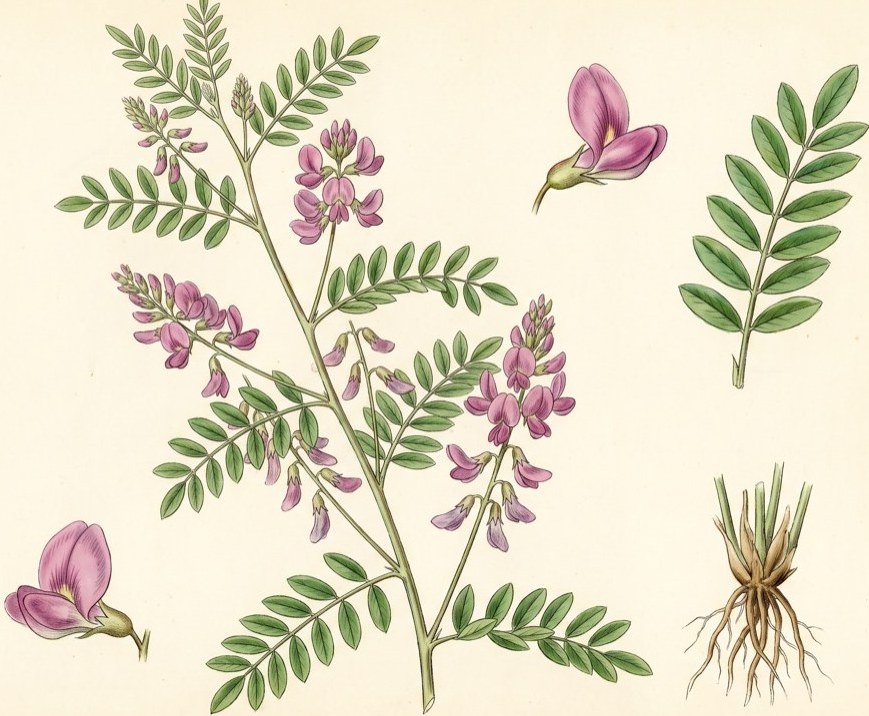 IndigoIndigo
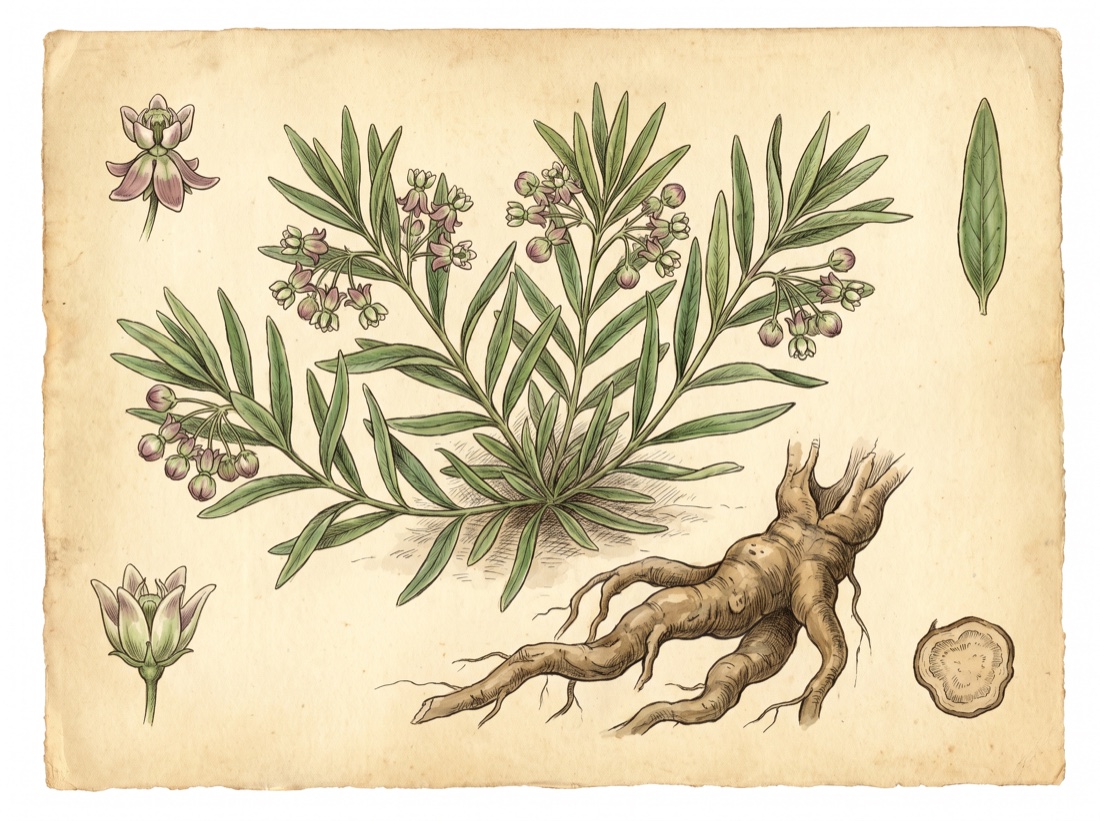 InmortalAsclepias asperula
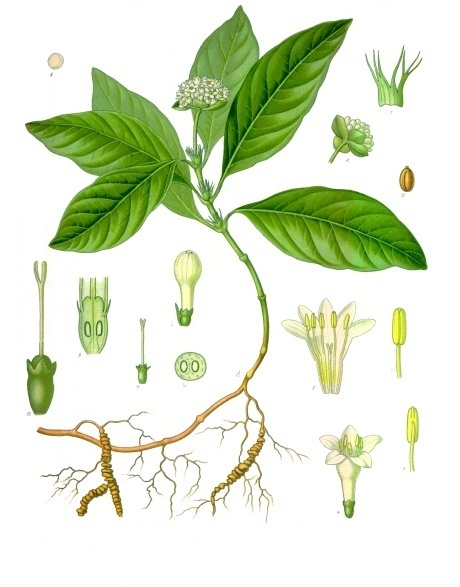 IpecacCarapichea ipecacuanha
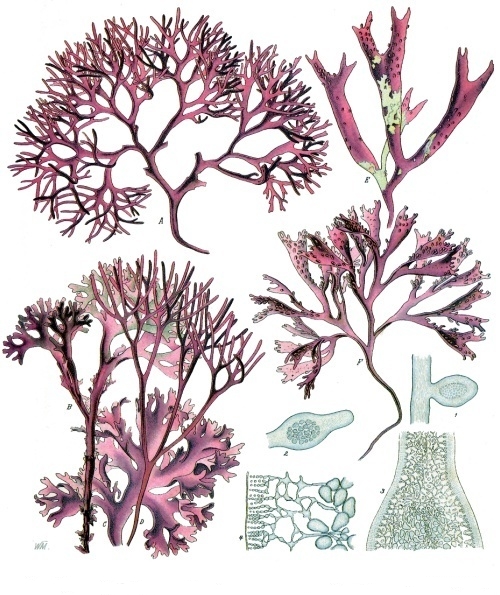 Irish MossChondrus crispus
The whole plate is in the library. The compass, Compare, the Sky of eleven hundred plants and the formulary open with an email address and a password, free, with the formula builder and its safety engine. Herbert without limit, his formulating, clients, the handouts and the labels are the paid room.
Open the library, free