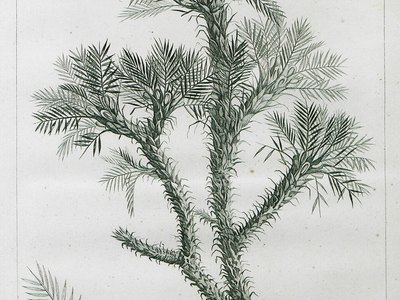
Western Herbalism
Tragacanth
Astragalus verus
Also known as Gum dragon, AND SYNONYM: Tragacanth, Gum tragacanth; Gummi tragacantha.
The strained mucilage is occasionally used as a vehicle for exhibiting very active and dense powders. Its most common employment is as a basis for medicated troches and lozenges, for which its density well adapts it. Druggists generally use it as their label paste; for which purpose four drachms may be macerated in a pint of cold water, and more water added as required.

Ask Herbert about Tragacanth. Herbert is the master herbalist inside Bountiful Herbs: he answers from this plate and eleven hundred others, with dosing, pairing and cautions. Your first ten questions are free.
Ask HerbertSafety
Pregnancy: No concern in culinary amounts. Safe as a food in the small amounts used as a thickener in foods and medicines, where it has US food additive (GRAS) status. A natural products monograph advises avoiding larger medicinal doses only because safety data are lacking.
Breastfeeding: No concern in culinary amounts. Safe as a food in the small amounts used as a thickener in foods and medicines, where it has US food additive (GRAS) status. A natural products monograph notes that safety data for larger medicinal doses are lacking, although the gum is not absorbed from the gut.
From the sources
Properties and Uses. The strained mucilage is occasionally used as a vehicle for exhibiting very active and dense powders. Its most common employment is as a basis for medicated troches and lozenges, for which its density well adapts it. Druggists generally use it as their label paste; for which purpose four drachms may be macerated in a pint of cold water, and more water added as required.
Action and Medical Uses. Tragacanth can only act as a demulcent; but on account of its insolubility, it is rarely given internally. In powder, it is used as a vehicle for active and heavy medicines, for the purpose of giving cohesion and firmness to lozenges, and to form paste, which druggists use to label their prescriptions.
Collection, Description, and Tests. Tragacanth exudes naturally from July to September, either from wounds cut into the shrub, or from spontaneous fissures. It usually assumes the form of tortuous bands of a parchment-like appearance. Sometimes it exudes in large tears, which have more or less the vermicular form, it then has a reddish color, and is less pure.
Description. Natural Order, Leguminosae. A small shrub, native to Asia Minor, Armenia, and Northern Persia. Branches covered with imbricate scales and spines; leaves of eight to ten pairs of linear pinnae; flowers in axillary clusters of two to five, yellow, sessile, small; legume two-celled, dorsal suture turning inward.
Drawn from Cook's Physio-Medical Dispensatory; King's American Dispensatory, 18th edition (Felter and Lloyd), and the Bountiful Herbs editorial.
Often paired with
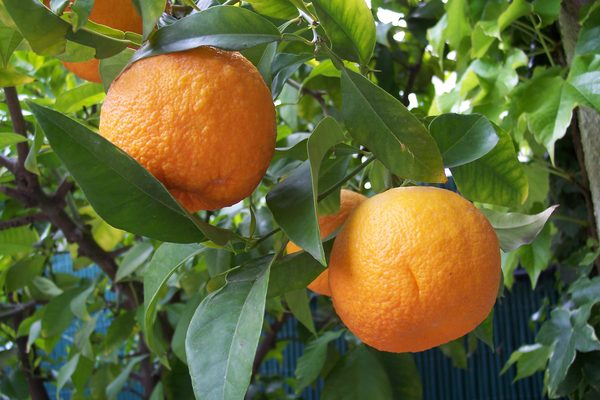 Bitter OrangeCitrus aurantium
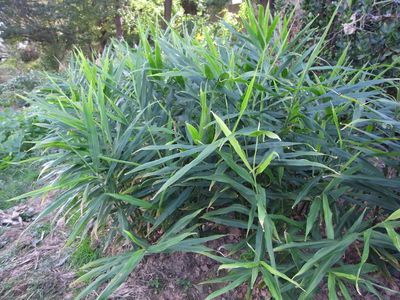 GingerZingiber officinale
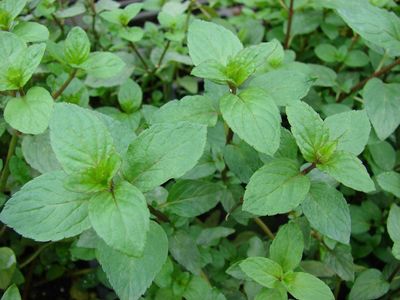 PeppermintMentha piperita
 AcaciaSenegalia senegal
 SugarSaccharum
 CayenneCapsicum frutescens
Nearby on the shelf
 Tongkat AliEurycoma longifolia
 Tongue fernPyrrosia lingua
 Toothache PlantSpilanthes acmella
 TormentilPotentilla erecta
 Tree peonyPaeonia suffruticosa
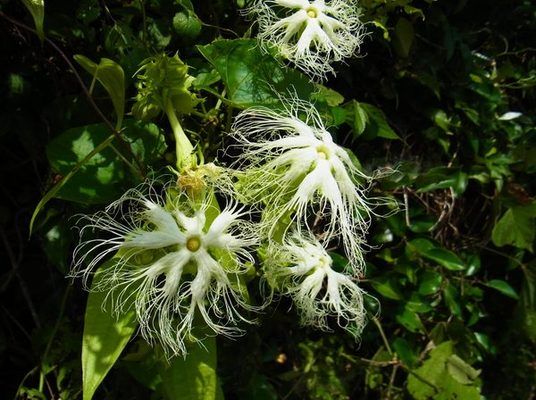 Trichosanthes kirilowiiTrichosanthes kirilowii
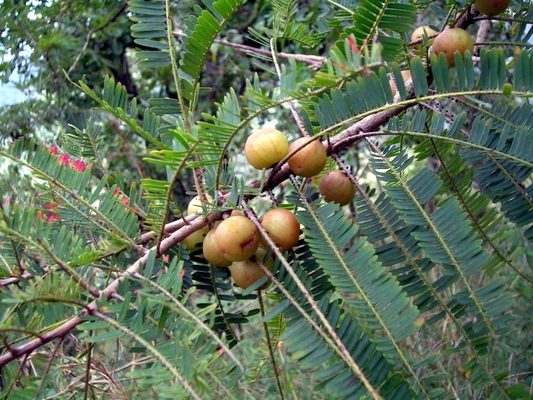 TriphalaTriphala
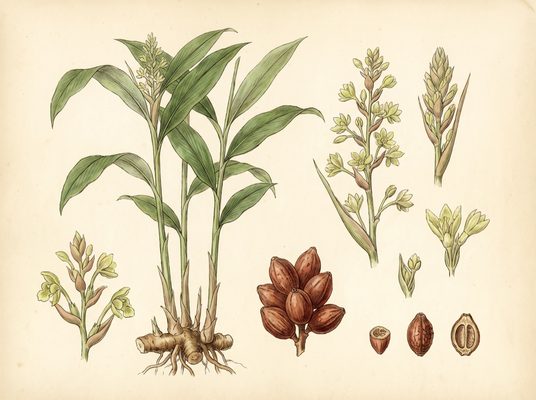 Tsao-koAmomum tsao-ko
The whole plate is in the library. The compass, Compare, the Sky of eleven hundred plants and the formulary open with an email address and a password, free, with the formula builder and its safety engine. Herbert in full, his formulating, clients, the handouts and the labels are the paid room.
Open the library, free