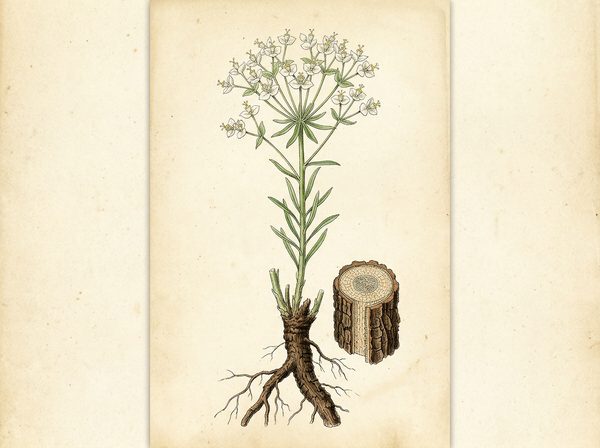
Western Herbalism
Flowering Spurge
Euphorbia corollata
Also known as Large Flowering Spurge, Blooming Spurge, Euphorbia, Milk Purslane, Snake Milk, Large Spotted Spurge, Garden Spurge, American Ipecac.
Historical Eclectic remedy Root bark gathered in fall Milky sap irritating to skin (vesicant). Seldom used medicinally due to irritating/uncertain qualities PFAF. Cherokee uses include purgative cancer treatment sores Facebook post laxative Nurture Native Nature

Ask Herbert about Flowering Spurge. Herbert is the master herbalist inside Bountiful Herbs: he answers from this plate and eleven hundred others, with dosing, pairing and cautions. Your first ten questions are free.
Ask HerbertActions
Indications what the tradition reached for it in
- Irritative diarrhoea
- Ascites
- Urinary dysfunction
- Constipation
- Laryngitis
- Elongated pointed tongue with prominent papillae
- Constant desire to defecate
- Chronic bronchitis
- Hot tender abdomen
- Tinnitus
- Dyspepsia
- Gastric irritation
- Dropsy
- Catarrhal inflammation of nares
- Partial deafness
- Cystitis
- Cancer
- Bilious diarrhoea
- Amenorrhea
- Eustachian tubes
- Skin sores
- Eruptions
- Hydrothorax
- Greenish irritating stools
- Cholera infantum
- Throat
- Dysentery
- Profuse mucous discharges
- Bronchitis
- Cough
Specific indications
Gastro-intestinal irritation with greenish and irritant passages.
Safety
Low dose botanical. Used in drop doses in the classical practice; not a plant to dose freely.
Pregnancy: Pregnancy Caution
Breastfeeding: Lactation (source flag notSafeInLactation)
The record lists 6 contraindications; open the plate in the library to read them in full.
Dosing as the sources wrote it
| Preparation | As written | Metric |
|---|---|---|
| Powdered root bark: emetic 15-30 grains every 15 min | 972-1944 mg | |
| cathartic | cathartic 4-12 grains | 259-778 mg |
| diaphoretic | diaphoretic 4 grains every 3 hours | 259-259 mg |
| expectorant | expectorant 3 grains | 194-194 mg |
| Tincture: emetic 15-60 drops every 15 min | 0.3-1.2 mL | |
| specific uses fraction of drop to | specific uses fraction of drop to 10 drops | 0.2 mL |
Doses are reproduced from the sources for practitioners and are not a recommendation for any person.
From the sources
Clinical Notes. Historical Eclectic remedy Root bark gathered in fall Milky sap irritating to skin (vesicant). Seldom used medicinally due to irritating/uncertain qualities PFAF. Cherokee uses include purgative cancer treatment sores Facebook post laxative Nurture Native Nature
Action and Therapy. In full doses euphorbia is a comparatively mild emetic; in overdoses it causes drastic emeto-catharsis. It was formerly used to fulfill the purposes of an emetic and purgative in dropsical conditions. It is now used chiefly in small doses for irritation of the gastrointestinal and respiratory tracts.
Action and Therapy. True, testing this plant upon himself, found the infusion to produce a full frontal headache, similar to but less severe than that caused by macrotys, with an unpleasant fullness with oppression at the epigastrium, and a sense of languor and drowsiness.
Action and Therapy. This is an old American medicine that was formerly employed as a substitute for ipecac. It is less active than Euphorbia corollata, but like it produces emeto-catharsis. In small doses it quiets irritation of the mucous membranes, proving useful in both gastrointestinal and bronchial disorders. The indications and uses are practically the same as those given for Euphorbia corollata, which see. Besides, it has been advised in irritative dyspepsia, and jaundice with obstinate hepatic torpor. For the latter purposes the larger doses are to be employed.
Drawn from King's American Dispensatory, 18th edition (Felter and Lloyd); Ellingwood's American Materia Medica, Therapeutics and Pharmacognosy; Felter's Eclectic Materia Medica, Pharmacology and Therapeutics, and the Bountiful Herbs editorial.
Nearby on the shelf
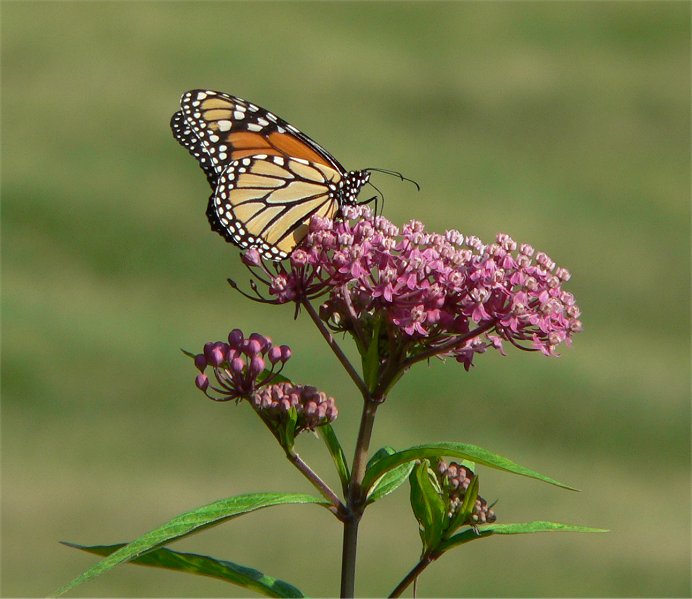 Flesh-colored asclepiasAsclepias Incarnata
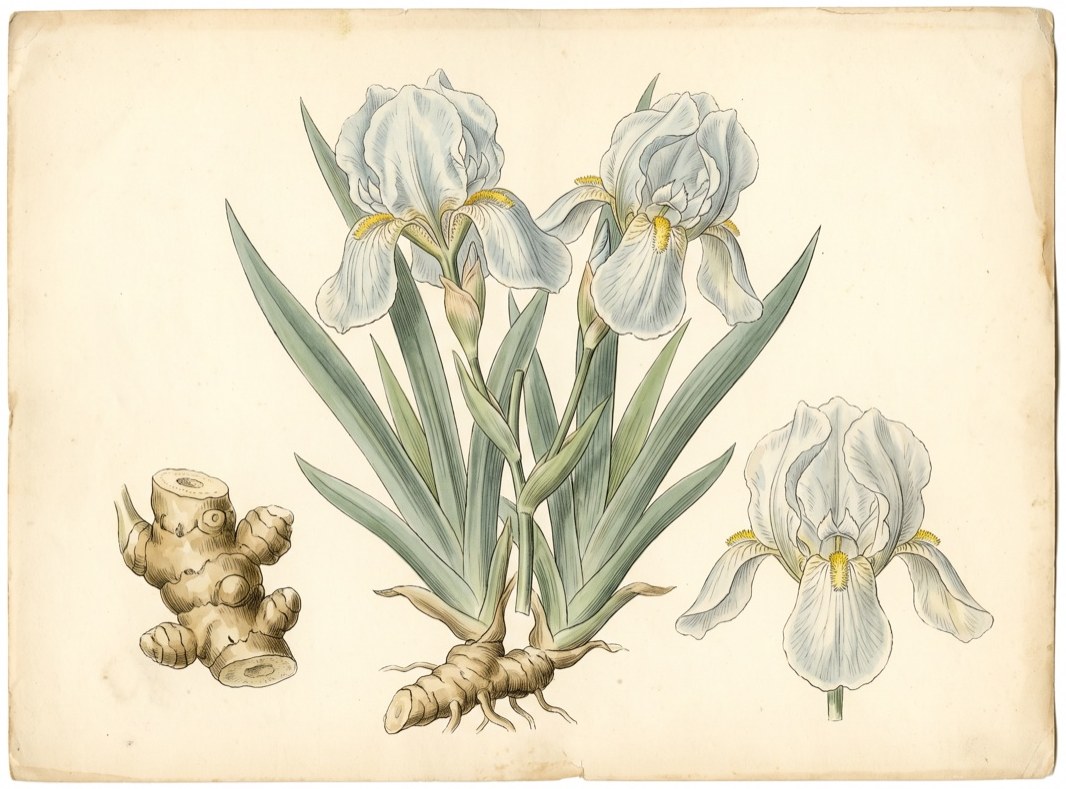 Florentine orrisIris Florentina
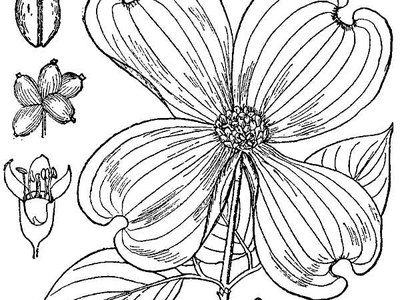 Flowering dogwoodCornus florida
 Flowering quinceChaenomeles speciosa
 Fo-TiPolygonum multiflorum
 Fortune's eupatoriumEupatorium fortunei
 FoxgloveDigitalis purpurea
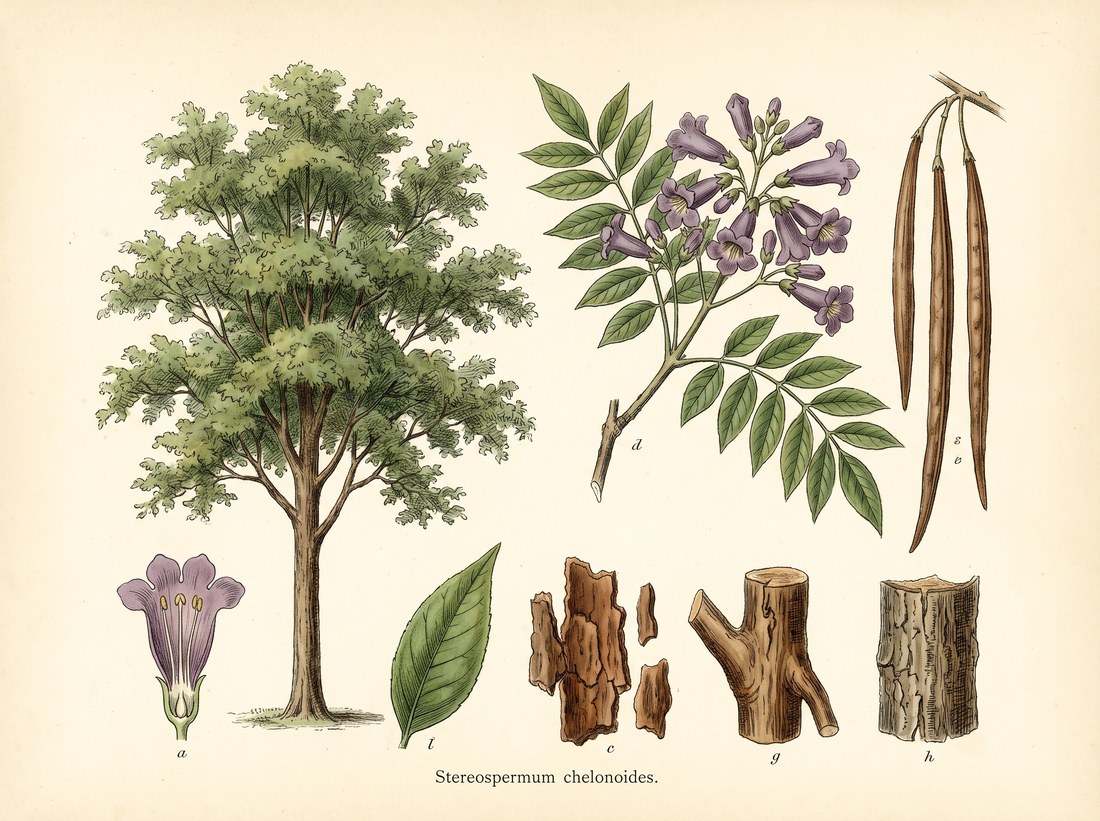 Fragrant padri treeStereospermum suaveolens
The whole plate is in the library. The compass, Compare, the Sky of eleven hundred plants and the formulary open with an email address and a password, free, with the formula builder and its safety engine. Herbert without limit, his formulating, clients, the handouts and the labels are the paid room.
Open the library, free