Western Herbalism
Polygala
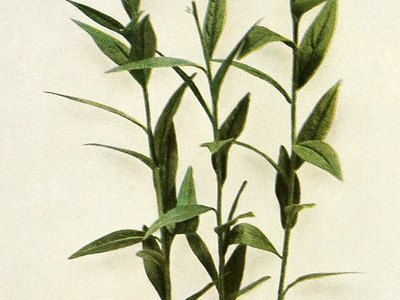
Polygala senega
Also known as Rattlesnake Root, Senega Root, Senega Snakeroot, Snake Root, Senega, Seneca snake-root, Seneca Snakeroot, Seneka Root.
Senega has an acrid taste and leaves a disagreeable sensation when swallowed. In ordinary doses it is sialagogue, stimulant, diuretic, expectorant, and is reputed emmenagogue. It may be used in subacute forms of cough as is found in chronic bronchitis with profuse secretion. It is contraindicated in active febrile conditions. Dropsy of renal origin has been benefited by it, but it is of no value when due to cardiac lesions. It is little used, and then chiefly in syrups containing other medicaments. It is an ingredient of the once celebrated Coxe’s Hive Syrup, a vicious preparation now represented by compound syrup of squill, and containing also squill and tartar emetic.

Ask Herbert about Polygala. Herbert is the master herbalist inside Bountiful Herbs: he answers from this plate and eleven hundred others, with dosing, pairing and cautions. Your first ten questions are free.
Ask HerbertActions
Indications what the tradition reached for it in
- Bronchitic asthma
- Chronic bronchitis
- Pharyngitis
- Specifically for chronic bronchitis
Safety
The record lists 7 contraindications; open the plate in the library to read them in full.
Dosing as the sources wrote it
| Preparation | As written | Metric |
|---|---|---|
| Dried root 0.5-1.0 g as an infusion three times daily | 500-1000 mg | |
| (G6, G7) Senega Liquid Extract (BPC 1968) 0.3 -1.0 mL | 0.3-1 mL | |
| Senega Tincture (BPC 1968) 2.5 -5.0 mL. | 2.5-5 mL | |
| Dose of the powder, from five to ten grains every three or four hours | 324-648 mg | |
| Dose, one to two fluid drachms | 3.7-7.39 mL | |
| Extractum Senegae Fluidum, Fluid Extract of Senega | Dose, from ten to twenty minims. | 0.62-1.23 mL |
Doses are reproduced from the sources for practitioners and are not a recommendation for any person.
From the sources
Action and Therapy. Senega has an acrid taste and leaves a disagreeable sensation when swallowed. In ordinary doses it is sialagogue, stimulant, diuretic, expectorant, and is reputed emmenagogue. It may be used in subacute forms of cough as is found in chronic bronchitis with profuse secretion. It is contraindicated in active febrile conditions. Dropsy of renal origin has been benefited by it, but it is of no value when due to cardiac lesions. It is little used, and then chiefly in syrups containing other medicaments. It is an ingredient of the once celebrated Coxe’s Hive Syrup, a vicious preparation now represented by compound syrup of squill, and containing also squill and tartar emetic.
Therapy. The agent is in use in the treatment of dropsy from obstruction and glandular enlargement, also in rheumatism, syphilis, squamous skin diseases and in amenorrhea. In inflammation of the eyelids, and iritis it is beneficial.
Properties and Uses. Senega root is a distinct and persistent stimulant, chiefly influencing the respiratory membranes, but extending its influence to other mucous membranes, to all the secretory organs, the uterus, and the circulation.
Action, Medical Uses, and Dosage. This forms a stimulating expectorant, which is often very useful in affections of the chest, etc. It is frequently combined with syrup of squill, tincture of lobelia, syrup of sanguinaria, etc. Its dose is 1 or 2 fluid drachms.
Drawn from Cook's Physio-Medical Dispensatory; Scudder's Specific Medication and Specific Medicines; King's American Dispensatory, 18th edition (Felter and Lloyd); Ellingwood's American Materia Medica, Therapeutics and Pharmacognosy, and the Bountiful Herbs editorial.
Often paired with
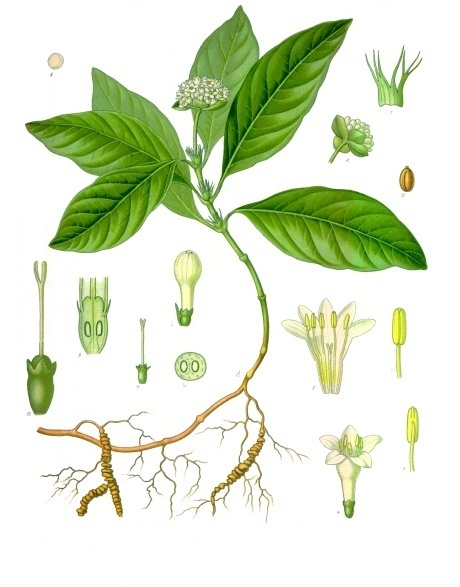 IpecacCarapichea ipecacuanha
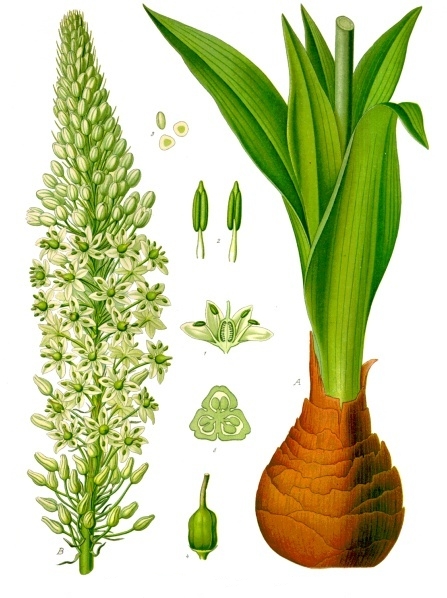 SquillDrimia maritima
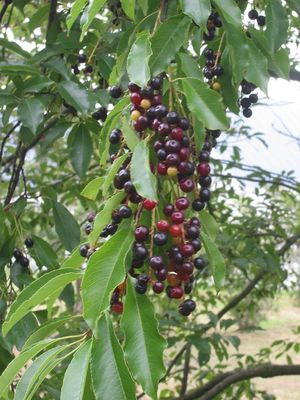 Wild cherryPrunus serotina
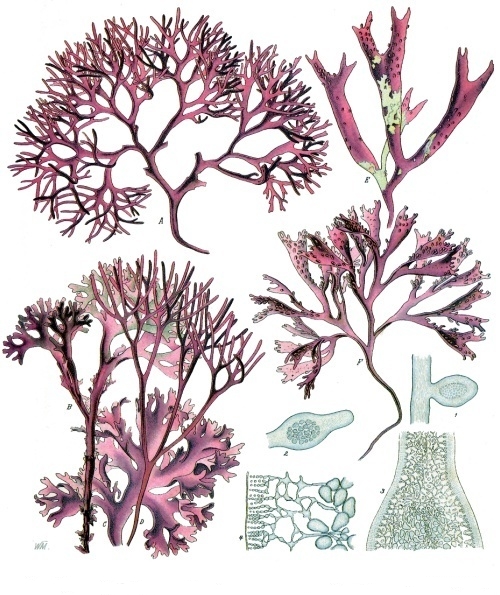 Irish MossChondrus crispus
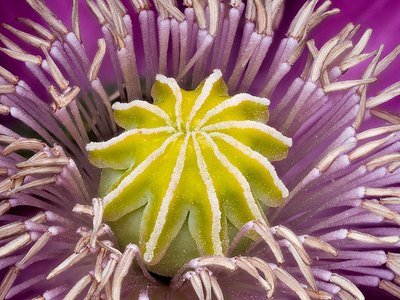 Opium poppyPapaver somniferum
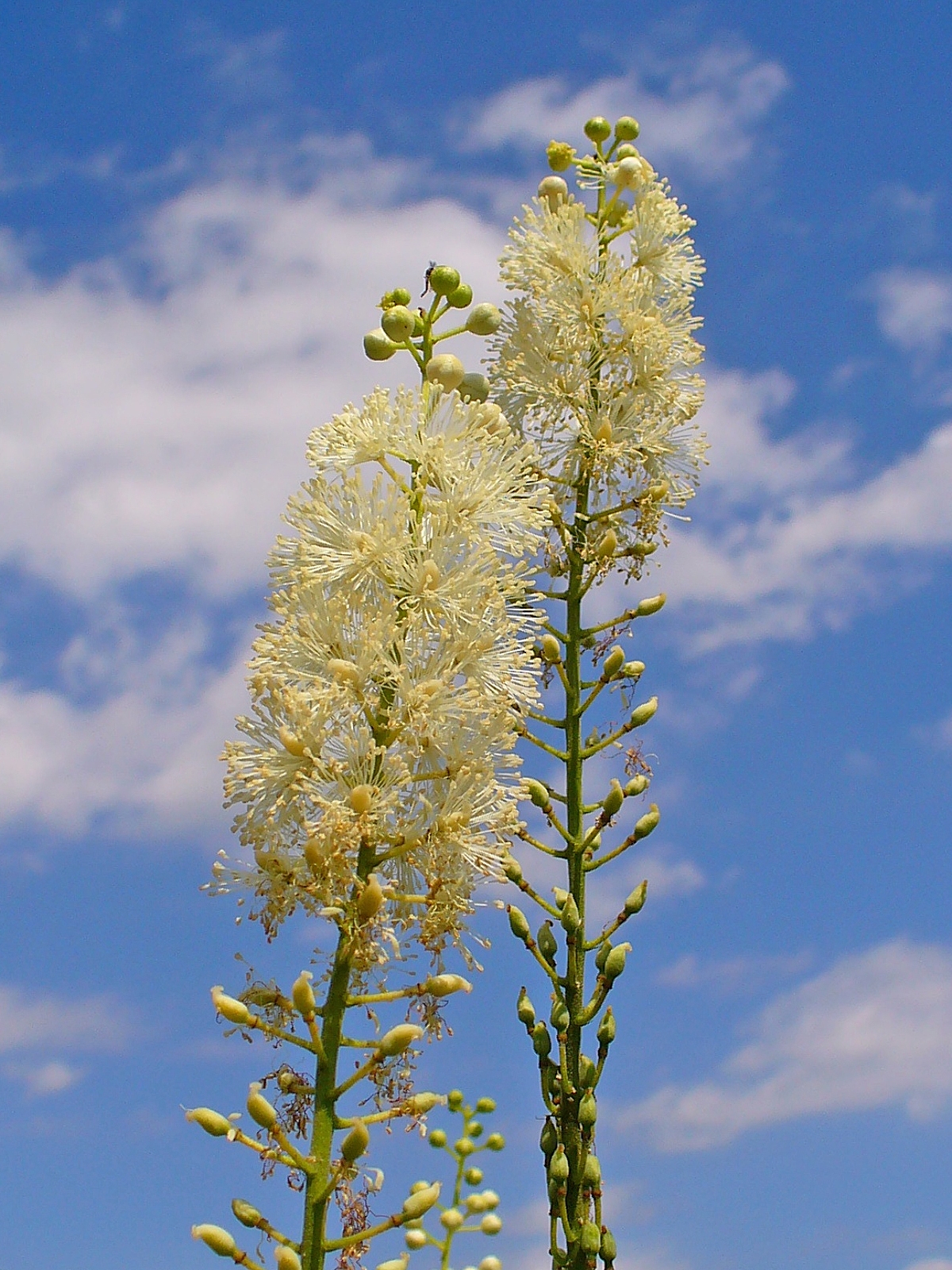 Black cohoshActaea racemosa
Nearby on the shelf
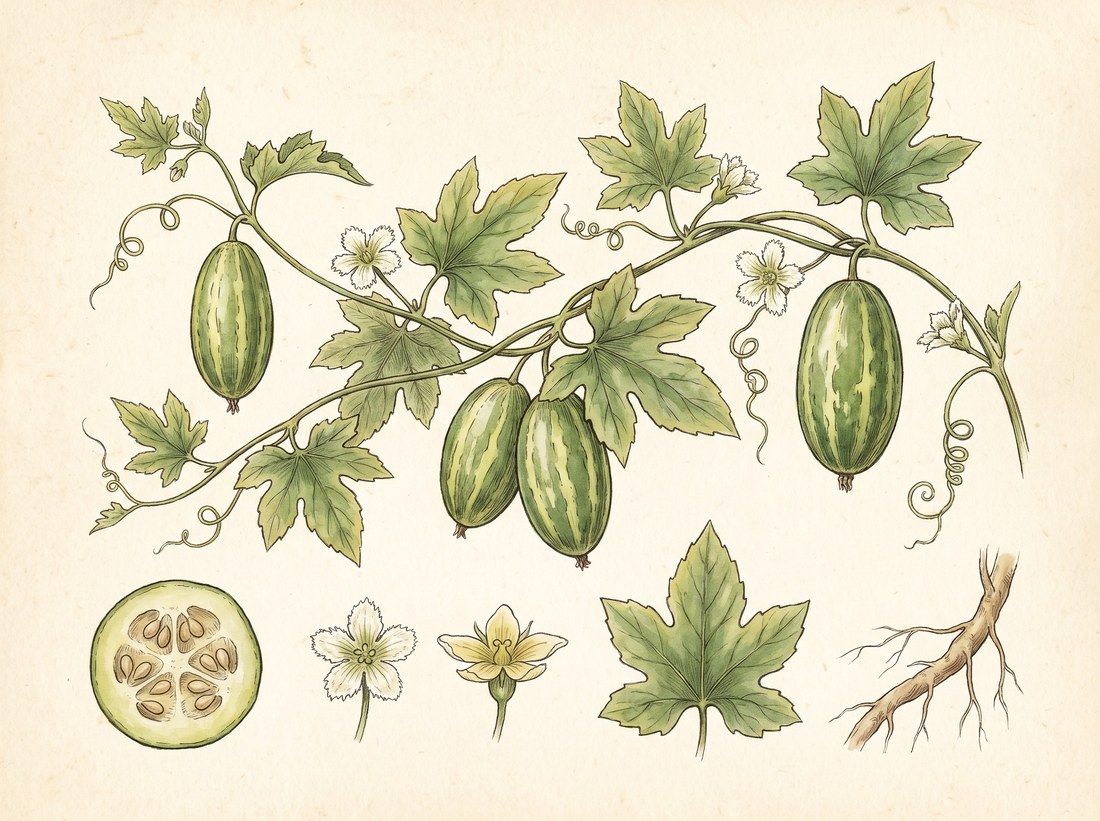 Pointed gourdTrichosanthes dioica
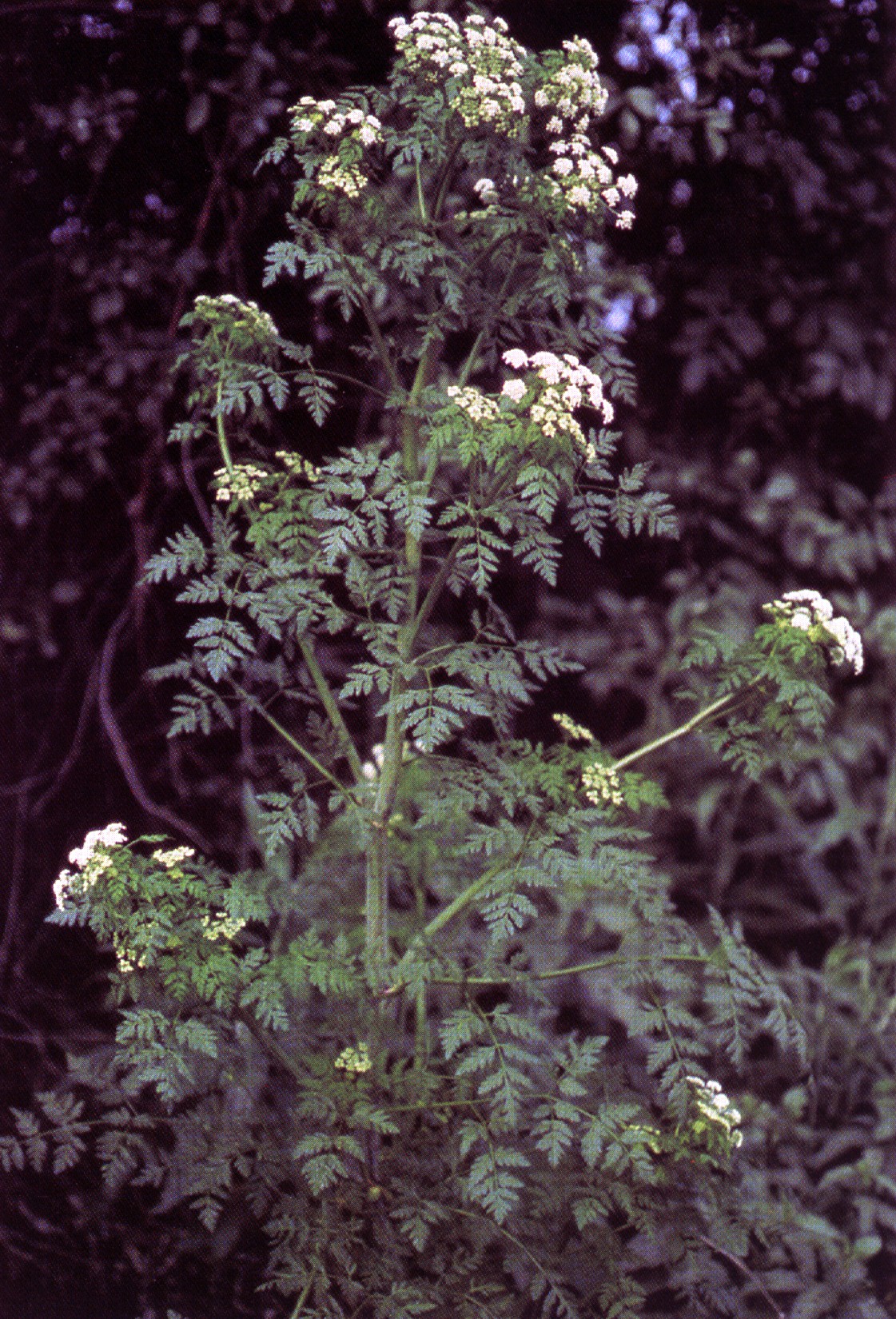 Poison HemlockConium maculatum
 Poke rootPhytolacca americana
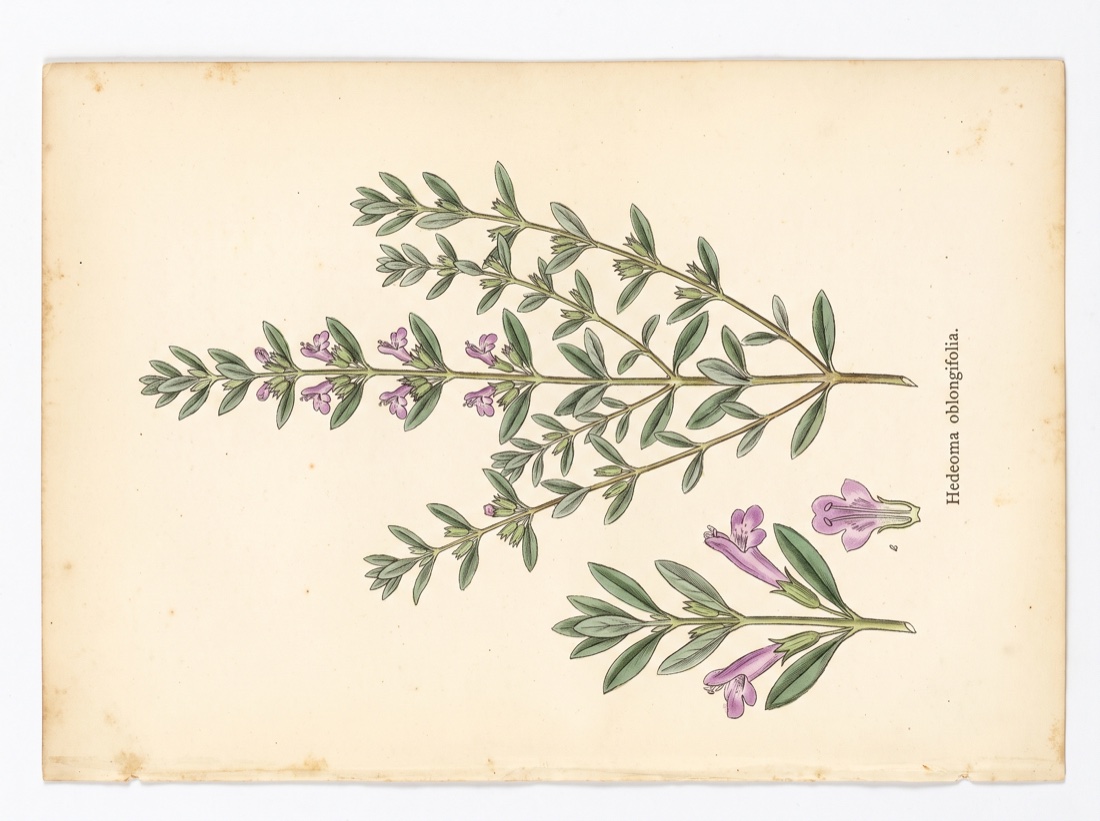 PoleoHedeoma oblongifolia
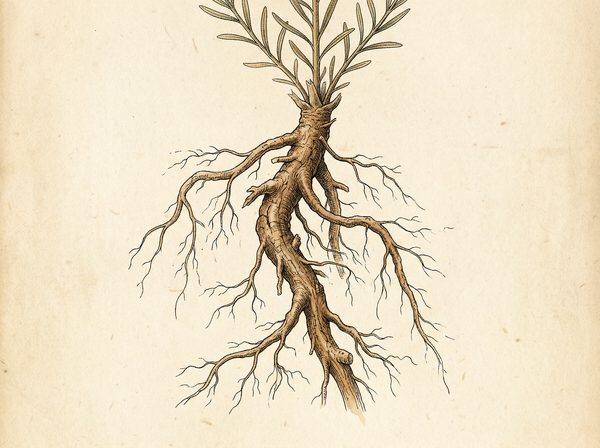 Polygala rootPolygala tenuifolia
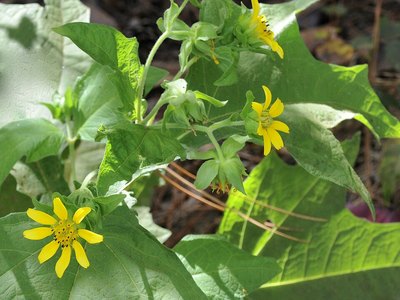 PolymniaPolymnia uvedalia
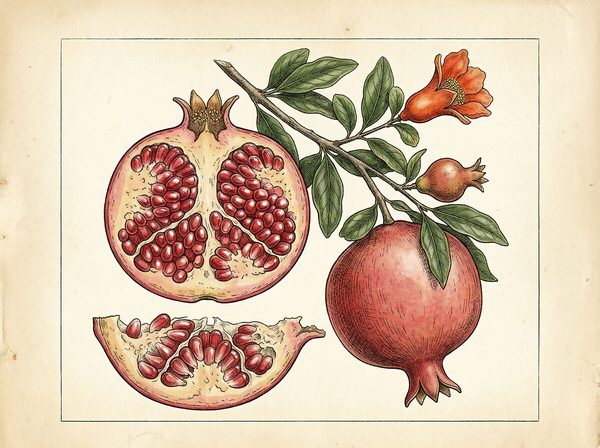 PomegranatePunica granatum
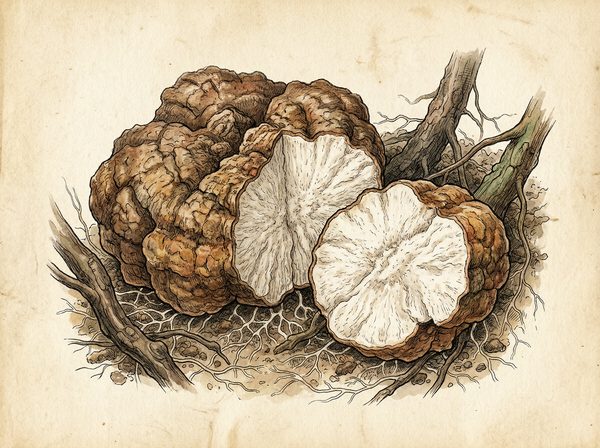 PoriaWolfiporia extensa
The whole plate is in the library. The compass, Compare, the Sky of eleven hundred plants and the formulary open with an email address and a password, free, with the formula builder and its safety engine. Herbert without limit, his formulating, clients, the handouts and the labels are the paid room.
Open the library, free