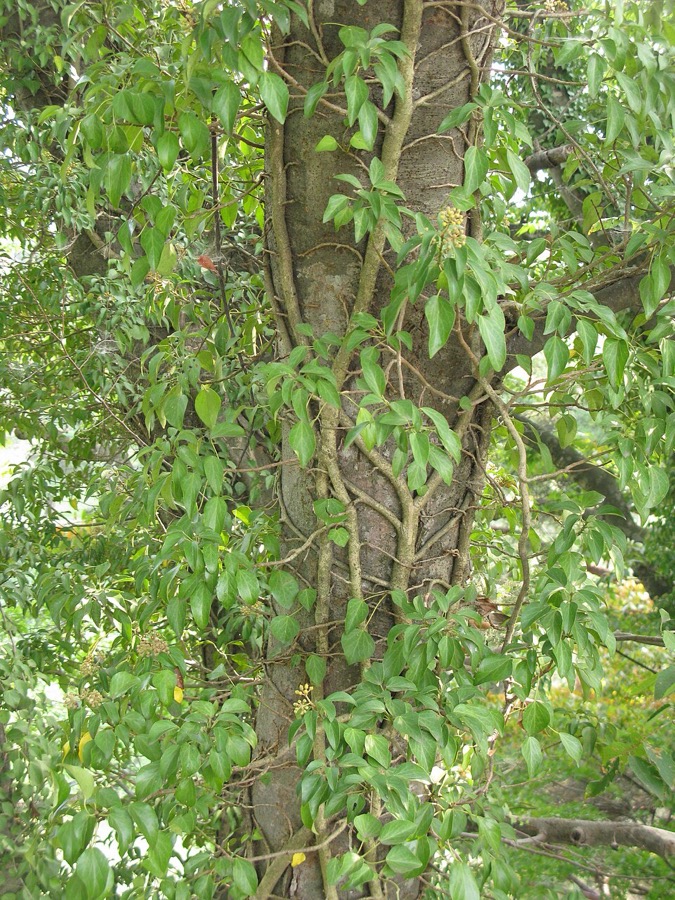
Western Herbalism
Ivy
Hedera
Also known as Common ivy, English ivy.
Ivy is a familiar evergreen climbing vine native to Europe and western Asia, now naturalized widely, valued in Western herbal practice chiefly for its dried leaf. Standardized leaf extracts have become a mainstay of European phytotherapy for coughs, particularly in children, and the plant has a long history in eclectic and folk medicine as an expectorant and topical remedy. The whole plant, including its berries, contains irritant saponins and is otherwise regarded as unsuitable for internal use outside carefully standardized leaf preparations.

Ask Herbert about Ivy. Herbert is the master herbalist inside Bountiful Herbs: he answers from this plate and eleven hundred others, with dosing, pairing and cautions. Your first ten questions are free.
Ask HerbertActions
Indications what the tradition reached for it in
- Productive cough with thick mucus
- Acute bronchitis
- Chronic bronchitis with catarrh
- Whooping cough (pertussis), supportive use
- Cough associated with the common cold
- Bronchial spasm with wheeze
- Difficult expectoration in children
- Sinus congestion with thick post nasal drip
Specific indications
Tight, unproductive cough that becomes rattly and hard to clear, especially in children who cannot expectorate well
Spasmodic cough with audible wheeze where mucus is thick and tenacious
Safety
Low dose botanical. Used in drop doses in the classical practice; not a plant to dose freely.
Pregnancy: Standardized leaf extract at labeled doses is not known to be harmful but data are limited, so use only under professional guidance and avoid raw leaf or berry preparations entirely.
Breastfeeding: No specific concerns reported with standardized extracts at typical doses, but avoid raw plant material and monitor the infant if used.
The record lists 4 contraindications; open the plate in the library to read them in full.
In practice
Ivy leaf extract is one of the better studied plant based expectorants and earns a regular place in the cough cabinet, especially for children with a productive but poorly cleared cough, or the tight, dry cough that becomes loose and rattly as the mucus starts to move.
Dosing as the sources wrote it
| Preparation | As written | Metric |
|---|---|---|
| Standardized dry leaf extract syrup | as directed on product, typically 25-50 mg extract in divided doses daily for children, higher for adults | 25-50 mg |
| Tincture (1:5) | 0.5-1 mL three times daily | 0.5-1 mL |
| Marasmus of children, rachitis, and pulmonary affections have been benefited by the dried leaves in powder, in doses of 20 grains or more. | 1296-1296 mg |
Doses are reproduced from the sources for practitioners and are not a recommendation for any person.
From the sources
Overview. Ivy is a familiar evergreen climbing vine native to Europe and western Asia, now naturalized widely, valued in Western herbal practice chiefly for its dried leaf. Standardized leaf extracts have become a mainstay of European phytotherapy for coughs, particularly in children, and the plant has a long history in eclectic and folk medicine as an expectorant and topical remedy. The whole plant, including its berries, contains irritant saponins and is otherwise regarded as unsuitable for internal use outside carefully standardized leaf preparations.
Clinical Notes. Ivy leaf extract is one of the better studied plant based expectorants and earns a regular place in the cough cabinet, especially for children with a productive but poorly cleared cough, or the tight, dry cough that becomes loose and rattly as the mucus starts to move.
Drawn from King's American Dispensatory, 18th edition (Felter and Lloyd), and the Bountiful Herbs editorial.
Nearby on the shelf
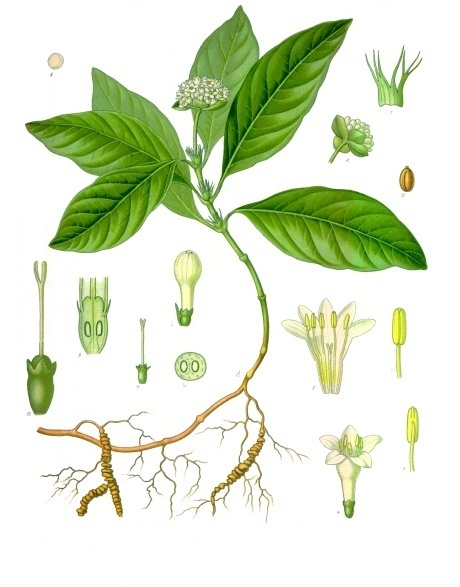 IpecacCarapichea ipecacuanha
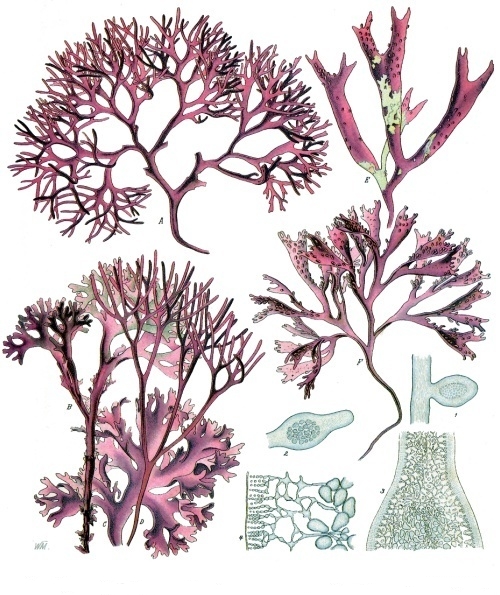 Irish MossChondrus crispus
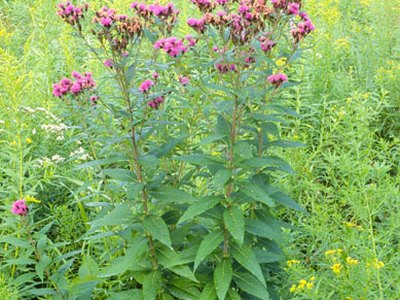 Iron WeedVernonia
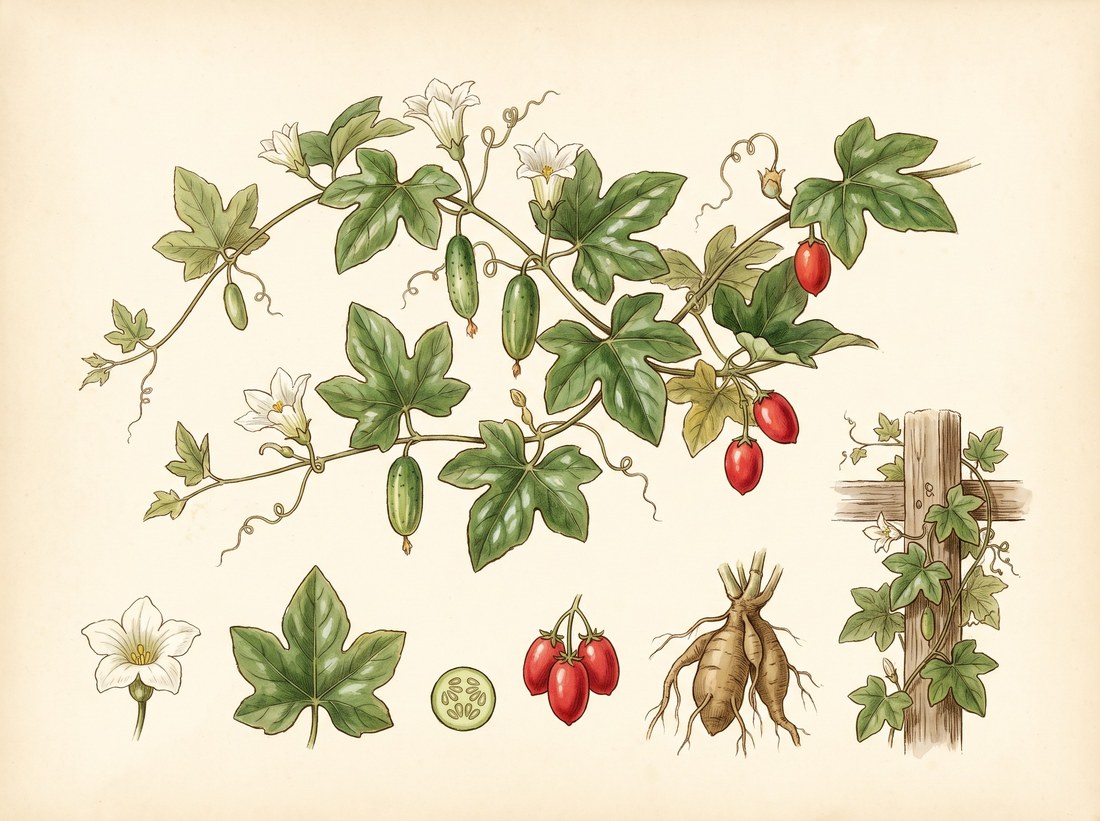 Ivy gourdCoccinia grandis
 JaborandiPilocarpus jaborandi
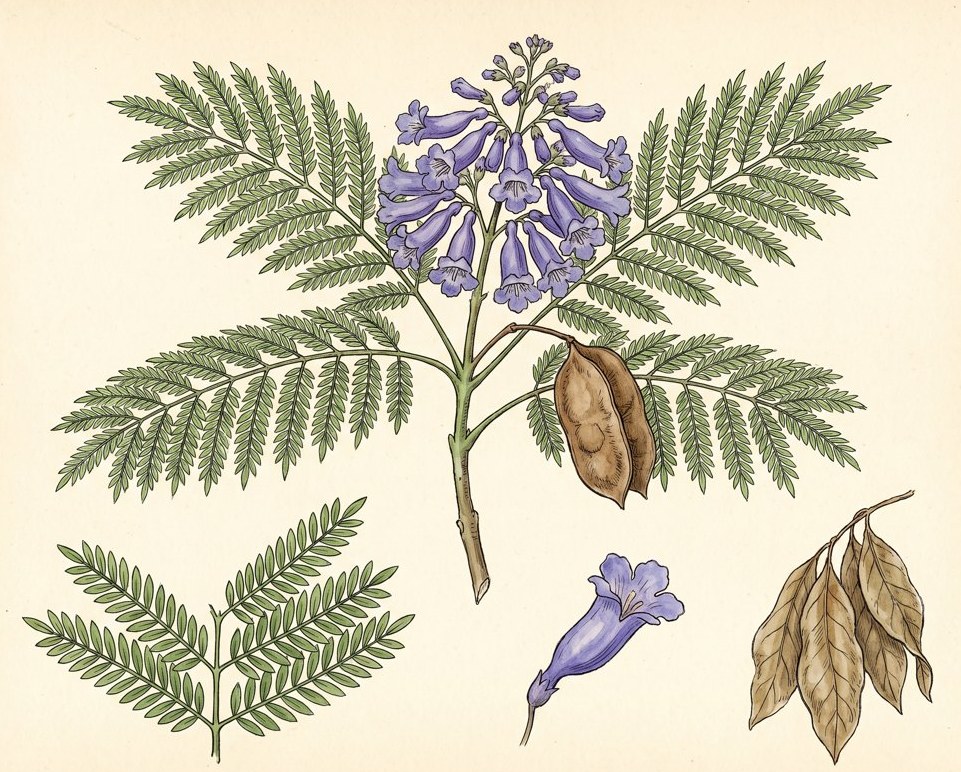 JacarandaJacaranda
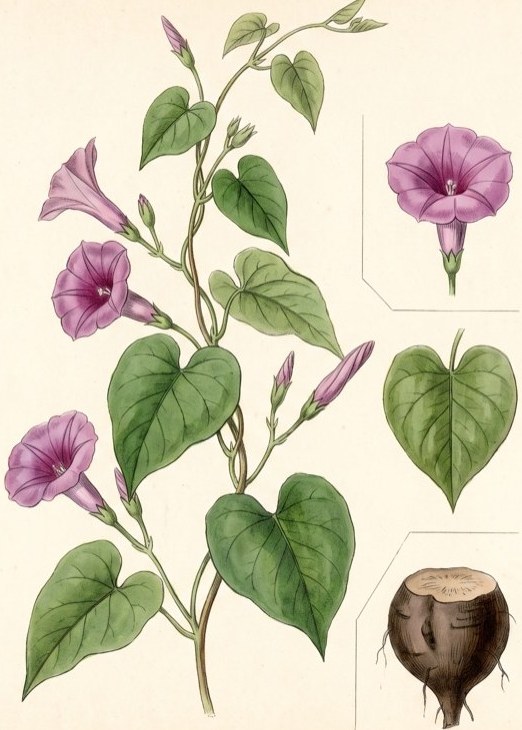 JalapIpomea jalapa
The whole plate is in the library. The compass, Compare, the Sky of eleven hundred plants and the formulary open with an email address and a password, free, with the formula builder and its safety engine. Herbert without limit, his formulating, clients, the handouts and the labels are the paid room.
Open the library, free