Western Herbalism
Indian turnip
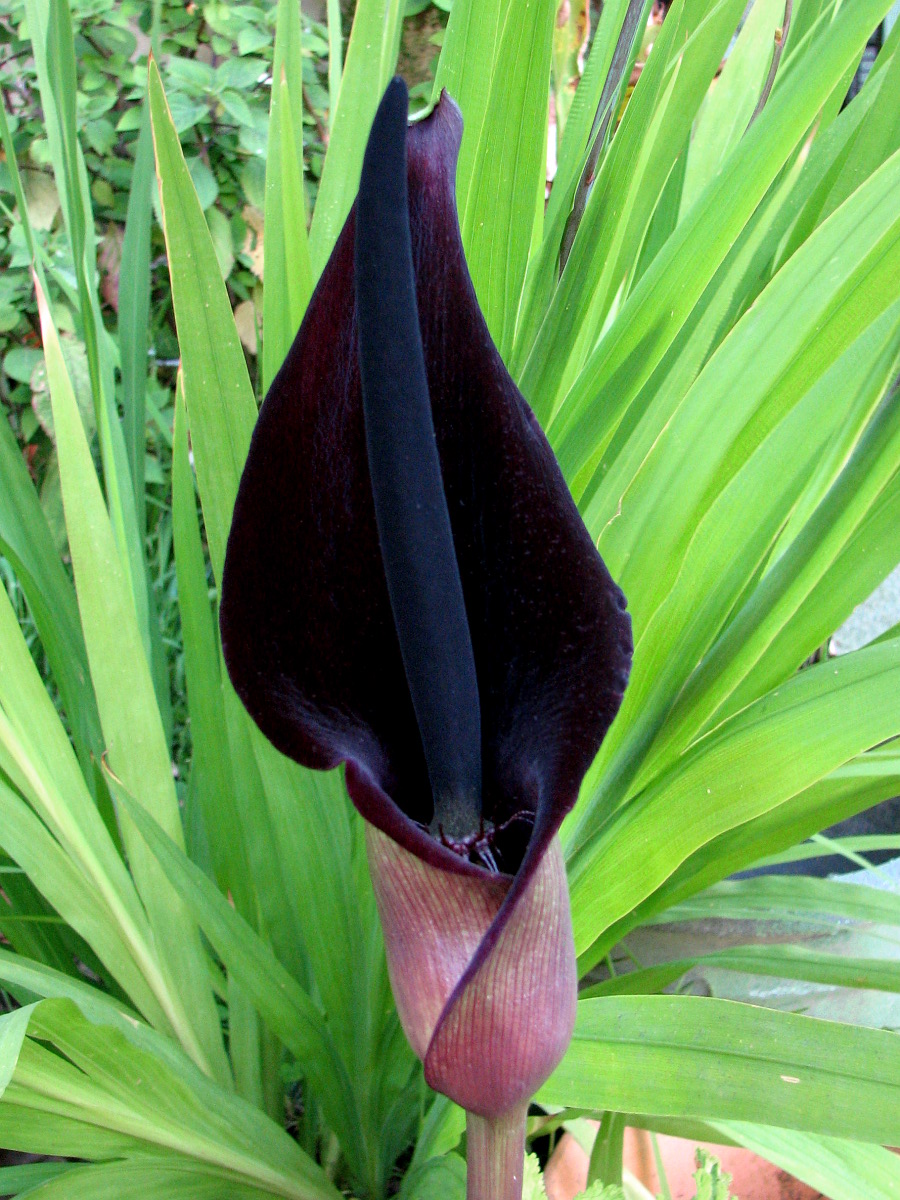
Arisaema triphyllum
Also known as Jack-in-the-pulpit, Dragon-root, Wake-robin, Bog onion.
Arisaema triphyllum, Jack-in-the-pulpit, is a woodland perennial of eastern North America, unmistakable for its hooded flower spathe enclosing the upright spadix. The corm was used by Indigenous peoples and later by nineteenth century Eclectic physicians, always after long drying or roasting to neutralize its intense fresh-root acridity. In its aged form it was regarded as a warming expectorant and diaphoretic for chest complaints, and it has largely disappeared from mainstream practice because of its narrow margin of safety and the difficulty of standardizing preparation.

Ask Herbert about Indian turnip. Herbert is the master herbalist inside Bountiful Herbs: he answers from this plate and eleven hundred others, with dosing, pairing and cautions. Your first ten questions are free.
Ask HerbertActions
Indications what the tradition reached for it in
- Chronic bronchitis with copious mucus
- Asthma with tight, wheezy chest
- Whooping cough
- Croup
- Sore throat and laryngitis with hoarseness
- Chronic catarrh
- Rheumatic pain (topical application of the fresh root, historical, high risk)
- Debility following a lingering chest complaint
Specific indications
Chronic, rattling bronchial cough with copious tenacious mucus in a run-down, weak patient
Hoarse, raw throat with a dry, irritable, spasmodic cough that resists ordinary expectorants
Safety
Low dose botanical. Used in drop doses in the classical practice; not a plant to dose freely.
Pregnancy: Not for use in pregnancy
Breastfeeding: Avoid: no safety data exist for use during breastfeeding.
The record lists 5 contraindications; open the plate in the library to read them in full.
In practice
This is a plant that modern practitioners rarely reach for, and with good reason: the fresh corm is loaded with needle-shaped calcium oxalate raphides that cause immediate, severe burning of the mouth, tongue, and throat on contact or ingestion, sometimes with swelling sufficient to threaten the airway.
Dosing as the sources wrote it
| Preparation | As written | Metric |
|---|---|---|
| Powdered dried, aged root (historical Eclectic dosing, not routinely recommended) | 0.3-1 g dried aged root, once to twice daily | 300-1000 mg |
| Tincture of dried, aged root (1:5, historical, use only under experienced supervision) | 0.5-1 mL up to three times daily | 0.5-1 mL |
| The powdered root may be given in | The powdered root may be given in 10-grain doses, increased, if required, to 20 or 30 grains, and repeated every 3 or 4 hours. | 1944 mg |
| Its specific effects are best obtained by minute doses of the specific arum ... 1/10 to ½ drop doses. | 0.01 mL |
Doses are reproduced from the sources for practitioners and are not a recommendation for any person.
From the sources
Overview. Arisaema triphyllum, Jack-in-the-pulpit, is a woodland perennial of eastern North America, unmistakable for its hooded flower spathe enclosing the upright spadix. The corm was used by Indigenous peoples and later by nineteenth century Eclectic physicians, always after long drying or roasting to neutralize its intense fresh-root acridity. In its aged form it was regarded as a warming expectorant and diaphoretic for chest complaints, and it has largely disappeared from mainstream practice because of its narrow margin of safety and the difficulty of standardizing preparation.
Clinical Notes. This is a plant that modern practitioners rarely reach for, and with good reason: the fresh corm is loaded with needle-shaped calcium oxalate raphides that cause immediate, severe burning of the mouth, tongue, and throat on contact or ingestion, sometimes with swelling sufficient to threaten the airway.
Drawn from King's American Dispensatory, 18th edition (Felter and Lloyd), and the Bountiful Herbs editorial.
Nearby on the shelf
 Indian spurge treeEuphorbia neriifolia
 Indian SquillUrginea indica
 Indian tobaccoLobelia inflata
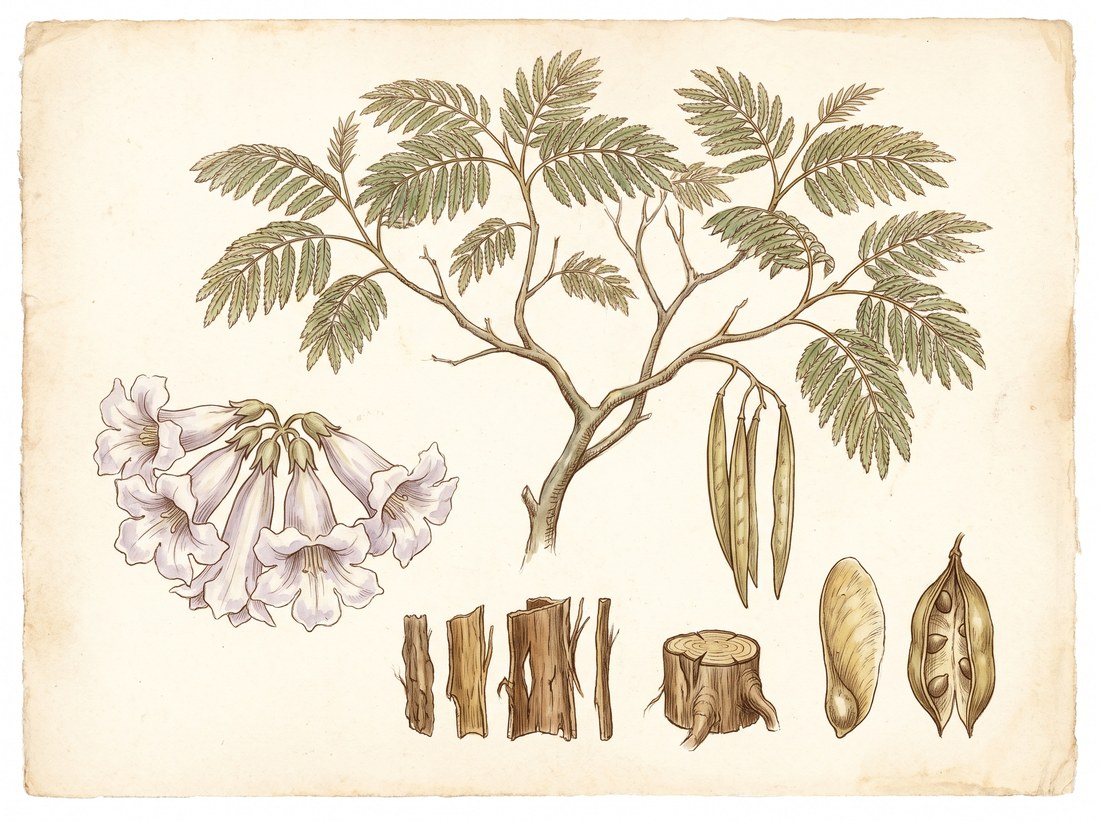 Indian trumpet flowerOroxylum indicum
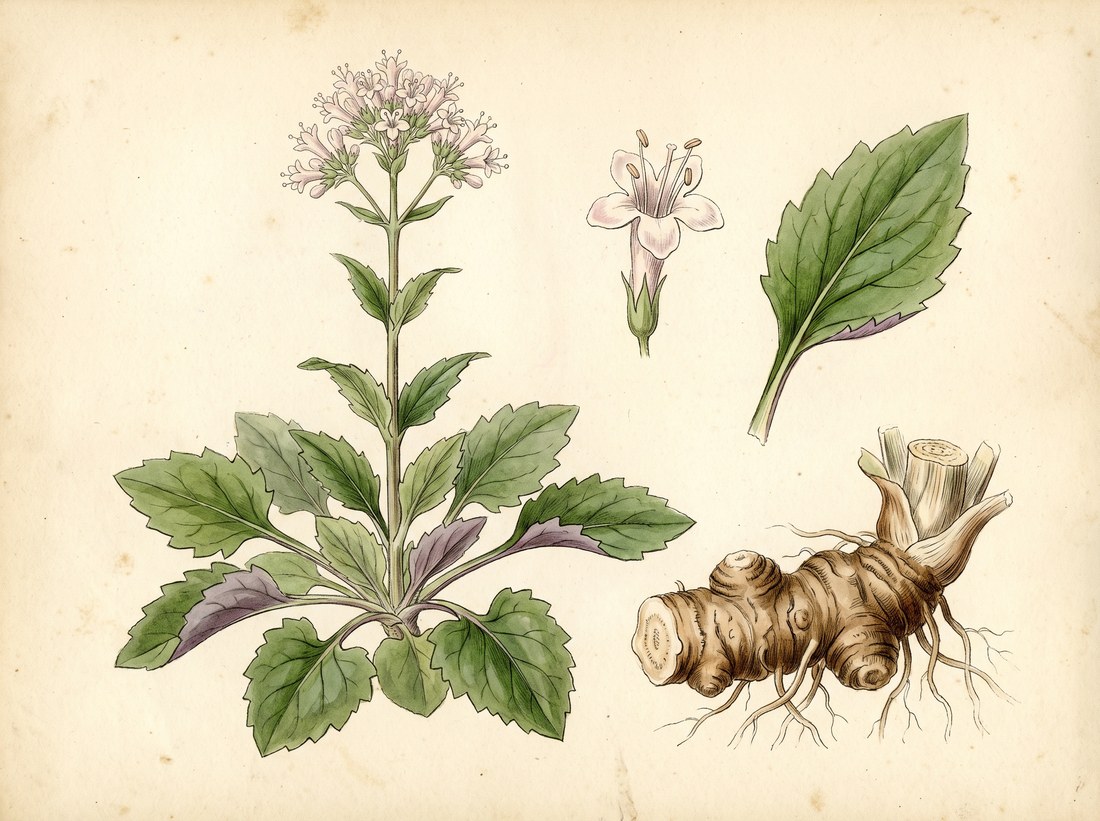 Indian valerianValeriana jatamansi
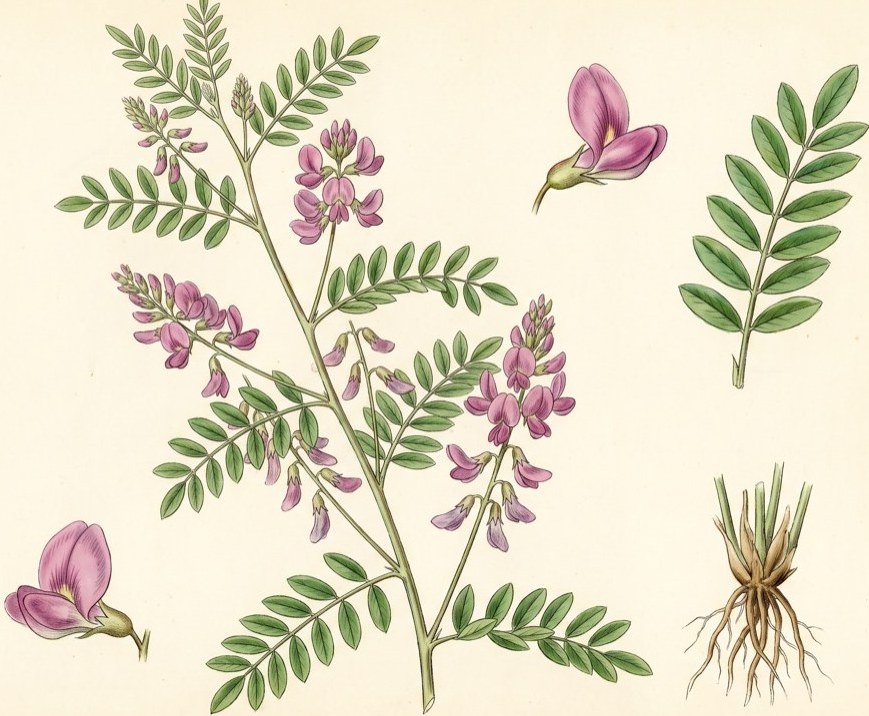 IndigoIndigo
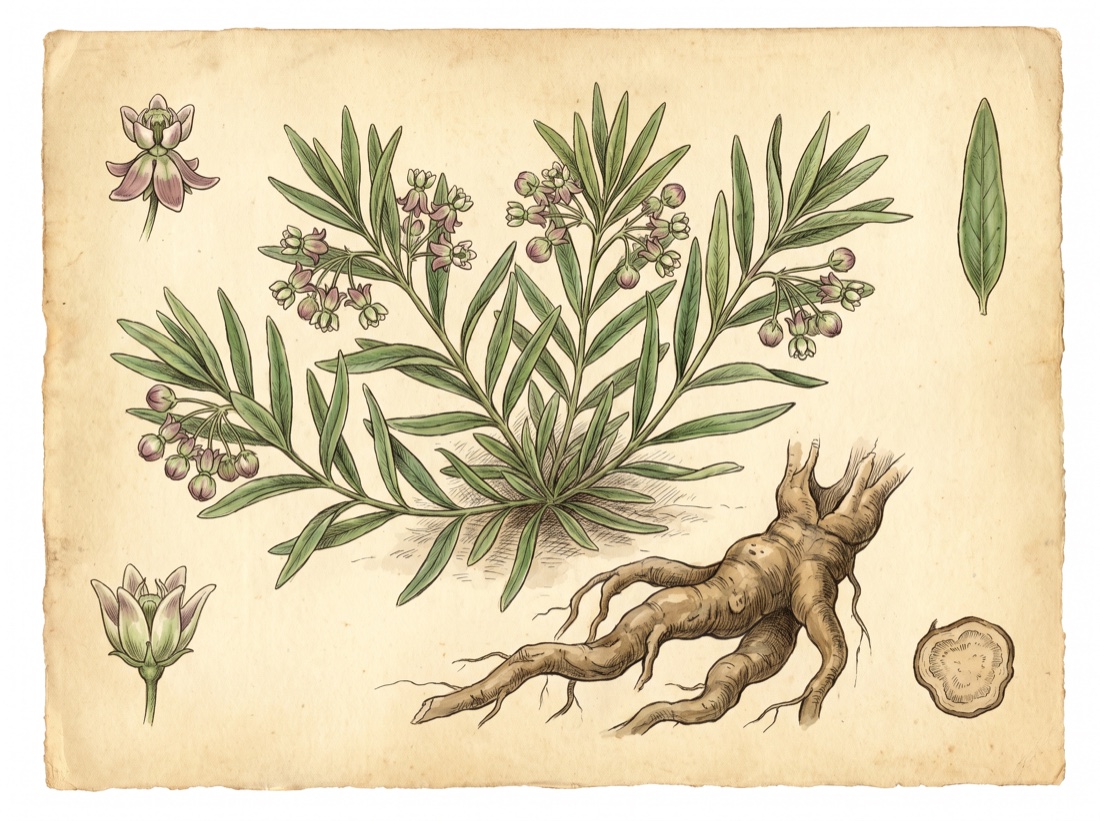 InmortalAsclepias asperula
 IpecacCarapichea ipecacuanha
The whole plate is in the library. The compass, Compare, the Sky of eleven hundred plants and the formulary open with an email address and a password, free, with the formula builder and its safety engine. Herbert without limit, his formulating, clients, the handouts and the labels are the paid room.
Open the library, free