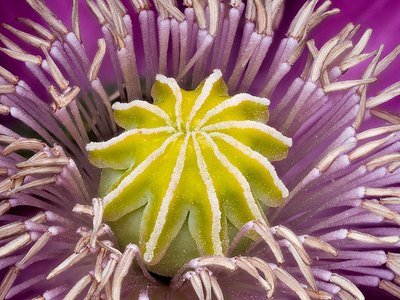
Western and Ayurvedic herbalism
Opium poppy
Papaver somniferum
Also known as Opium, Breadseed poppy, cont'd, poppy, white poppy, poppy seed (khus khus), Ahiphena, Aphuka, Khasa.
Papaver somniferum is the opium poppy, an annual herb native to the eastern Mediterranean and western Asia and now cultivated worldwide, both for licit pharmaceutical morphine production and, historically, as a household and folk remedy. The dried latex exuded from incised unripe seed capsules is opium, the source of morphine, codeine, and related alkaloids; the ripe seeds themselves are essentially free of narcotic alkaloids and are used as food. In nineteenth century American eclectic and regular medicine, opium preparations (laudanum, paregoric, tincture of opium) were mainstay analgesics, antidiarrheals, and cough suppressants, used with the same respect and caution that governs opioid prescribing today.

Ask Herbert about Opium poppy. Herbert is the master herbalist inside Bountiful Herbs: he answers from this plate and eleven hundred others, with dosing, pairing and cautions. Your first ten questions are free.
Ask HerbertActions
Indications what the tradition reached for it in
- Severe acute pain
- Terminal or cancer pain
- Intractable cough
- Severe diarrhea and dysentery
- Insomnia from pain
- Postoperative pain
- Colic with severe spasm
- Severe intractable pain unrelieved by other means (historical, now pharmaceutical opioids)
- Profuse diarrhea and dysentery with collapse (historical)
- Dry exhausting cough (historical, capsule)
- Insomnia from pain (historical)
- Premature ejaculation (classical, in compound pills)
- Intestinal colic (historical)
- Debility and dryness (seed paste as food)
- Insomnia and irritability (seed with milk, folk)
- Constipation of dryness (seed, mild)
- Culinary nutrition in convalescence (seed)
Specific indications
Severe, unremitting pain of any origin where lesser analgesics have failed, especially with restlessness and anxiety
Exhausting, non-productive cough that prevents rest, particularly at night
Profuse, watery diarrhea with cramping where fluid loss and pain both demand control
Safety
Recognised toxicity. This plant carries a toxicity flag in the record; it is for trained practitioners only.
Low dose botanical. Used in drop doses in the classical practice; not a plant to dose freely.
Pregnancy: Contraindicated: opioid alkaloids cross the placenta and cause neonatal respiratory depression and withdrawal, and any use in pregnancy requires specialist obstetric and addiction medicine management.
Breastfeeding: Contraindicated outside close medical supervision: morphine and codeine pass into breast milk and can cause sedation and respiratory depression in the infant.
The record lists 6 contraindications; open the plate in the library to read them in full.
In practice
Opium and its isolated alkaloids remain the standard against which all other analgesics are measured for severe pain, and this monograph is included for historical and pharmacological completeness rather than as a preparation any practitioner should compound today.
In Ayurveda
Rasa: tikta (bitter), kashaya (astringent), katu (pungent); the seed is madhura (sweet). Virya: ushna (heating); the seed is regarded as sheeta (cooling) and nourishing. Vipaka: katu (pungent). Guna: laghu (light), ruksha (dry), sukshma (subtle, penetrating), vyavayi (spreads before digestion), vikasi (loosens the tissues and joints), madakari (intoxicating). Dosha: the latex pacifies vata and kapha and aggravates pitta; it is described as a vishaghna that dries the tissues and dulls the mind; the seed pacifies vata and pitta. Prabhava: Madakari and grahi: the tradition classes the latex among the intoxicating drugs (madakari dravya) whose prabhava is to stupefy, and names its stool binding action as second to none. Karma: grahi (absorbent, binds the stool strongly); vedanasthapana (relieves pain); nidrajanana (induces sleep); madakari (intoxicating); shukrastambhana (delays ejaculation, retains semen); kasahara (suppresses cough); shoshana (dries the tissues); vatahara (pacifies vata); kaphahara (reduces kapha); balya and brimhana (strengthening and nourishing; seed only). Classical indications: atisara (severe diarrhea); pravahika (dysentery); grahani (chronic malabsorption with urgent stools); shula (colic and severe pain); anidra (insomnia); kasa (dry racking cough); shukrameha and shighrapatana (premature ejaculation); vatavyadhi with severe pain (neuralgia); unmada (agitation, as sedative); daurbalya (debility; seed as food). The dried latex from the unripe capsule is Ahiphena, which the tradition insists must undergo shodhana, purification by repeated soaking, boiling or triturating in ginger juice, and is then given in minute doses within compound pills for diarrhea, pain and sleeplessness; the seeds are a food and a cooling nourishing paste; the capsule is decocted in folk practice for cough and sleep, a use no longer acceptable. Classical formulations: Ahiphenasava, Karpura rasa, Nidrodaya rasa, Jatiphaladi churna (some variants), Kamini vidravana rasa, Shankhodara rasa (variants), Khasakhasa paka (seed confection). Described in: Sharngadhara Samhita, Bhavaprakasha Nighantu, Raja Nighantu, Kaiyadeva Nighantu, Madanapala Nighantu, Ayurvedic Pharmacopoeia of India.
Dosing as the sources wrote it
| Preparation | As written | Metric |
|---|---|---|
| Historical (paregoric, camphorated tincture, per period texts, not current practice) | 0.5-2 mL as needed, physician supervised | 0.5-2 mL |
| Modern equivalent | not applicable; use licensed pharmaceutical morphine or codeine preparations under prescription | |
| Hopi Pelvis, Powdered Opium | Dose, one-half to two grains. | 32.4-130 mg |
| Tincture Hopi, Tincture of Opium | Dose, five to twenty minims. | 0.31-1.23 mL |
| Tincture Hopi Camphorate, Camphorated Tincture of Opium (Paregoric) | Dose, from one-fourth to two drachms. | 972-7776 mg |
| Pelvis Ipecacuanhae et Hopi, Powder of Ipecac and Opium (Dover's Powder) | Dose, five to ten grains. | 324-648 mg |
Doses are reproduced from the sources for practitioners and are not a recommendation for any person.
From the sources
Overview. Papaver somniferum is the opium poppy, an annual herb native to the eastern Mediterranean and western Asia and now cultivated worldwide, both for licit pharmaceutical morphine production and, historically, as a household and folk remedy. The dried latex exuded from incised unripe seed capsules is opium, the source of morphine, codeine, and related alkaloids; the ripe seeds themselves are essentially free of narcotic alkaloids and are used as food. In nineteenth century American eclectic and regular medicine, opium preparations (laudanum, paregoric, tincture of opium) were mainstay analgesics, antidiarrheals, and cough suppressants, used with the same respect and caution that governs opioid prescribing today.
Overview. Papaver somniferum is an annual poppy of the Papaveraceae with glaucous lobed leaves, white to purple flowers and a large capsule that bleeds a milky latex when scored; the latex, dried, is opium. Native to the eastern Mediterranean, it is grown under government license in Madhya Pradesh, Rajasthan and Uttar Pradesh, and its seeds are a common kitchen ingredient across India. Ayurveda took up the latex as Ahiphena in the medieval period, classed it among the intoxicating drugs, and used minute purified doses for diarrhea, pain and sleeplessness, while prizing the seed as a cooling, nourishing food.
Clinical Notes. Opium and its isolated alkaloids remain the standard against which all other analgesics are measured for severe pain, and this monograph is included for historical and pharmacological completeness rather than as a preparation any practitioner should compound today.
Clinical Notes. The Ayurvedic tradition treats Ahiphena with respect and reluctance. It enters the texts late, in the medieval compendia, where it is grouped with the madakari or intoxicating substances and is described as vyavayi and vikasi, spreading through the body before digestion and loosening the joints and tissues.
Drawn from Scudder's Specific Medication and Specific Medicines; King's American Dispensatory, 18th edition (Felter and Lloyd); Ellingwood's American Materia Medica, Therapeutics and Pharmacognosy; Felter's Eclectic Materia Medica, Pharmacology and Therapeutics, and the Bountiful Herbs editorial.
In formulas
Opium poppy stands in 66 documented formulas in the library, among them Ahiphenāsava, Nidrodaya Rasa, Hemanātha Rasa, Compound Powder of Ipecac and Opium, Compound Powder of Morphine, Syrupus Rhei Et Potassae Compositus.
Often paired with
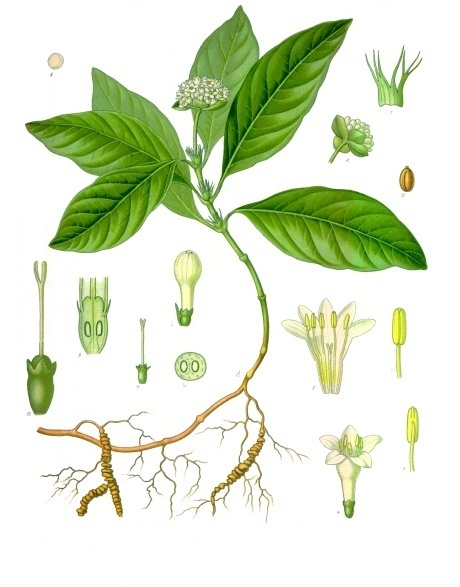 IpecacCarapichea ipecacuanha
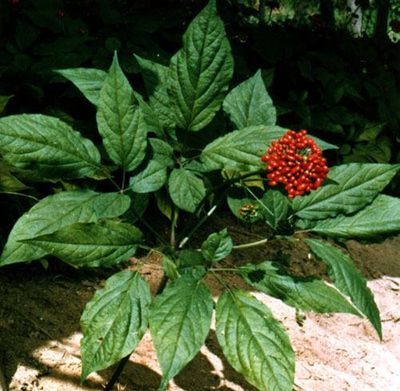 GinsengPanax ginseng
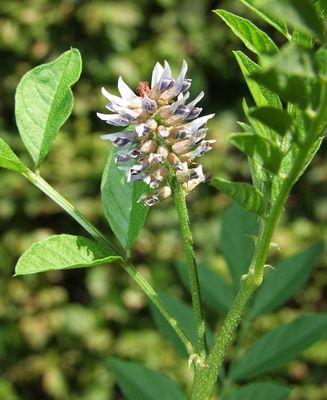 Licorice rootGlycyrrhiza glabra
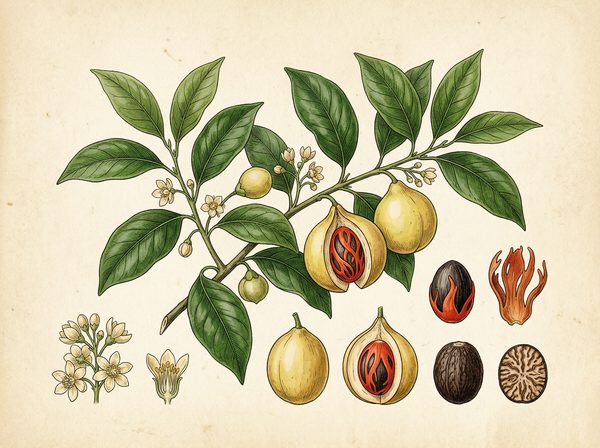 nutmegMyristica fragrans
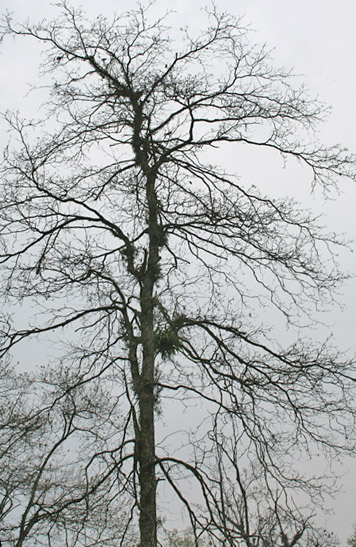 chebulic myrobalanTerminalia chebula
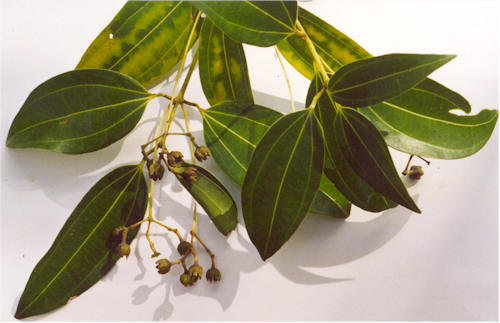 Ceylon cinnamonCinnamomum zeylanicum
Nearby on the shelf
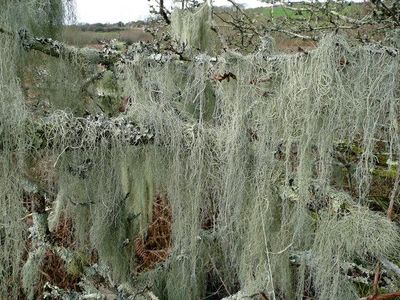 Old man's beardUsnea spp.
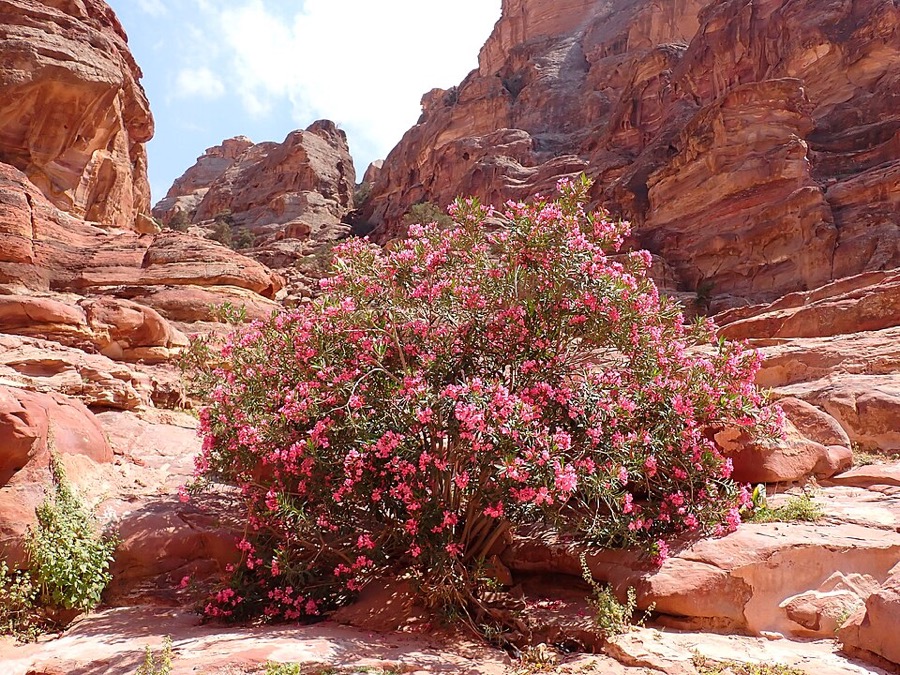 OleanderOleander
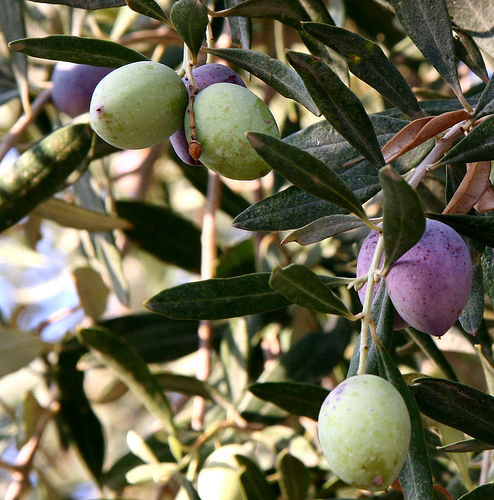 OliveOlea europaea
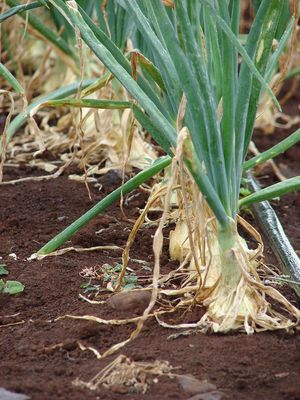 OnionAllium cepa
 OrangeOrange
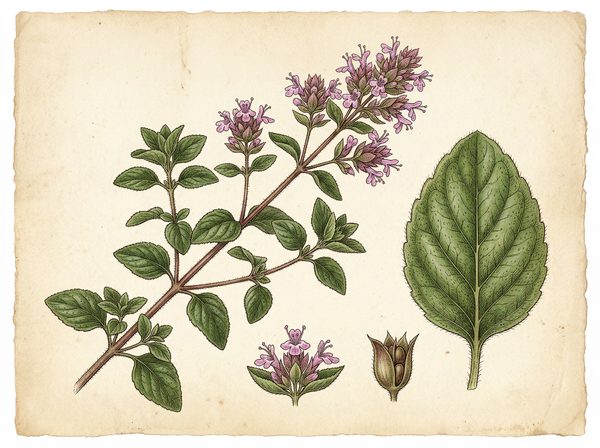 OreganoOriganum vulgare
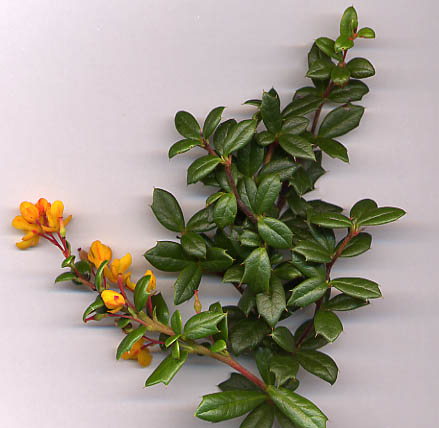 Oregon grapeBerberis aquifolium
 Orthosiphon aristatus var. aristatusOrthosiphon aristatus var. aristatus
The whole plate is in the library. The compass, Compare, the Sky of eleven hundred plants and the formulary open with an email address and a password, free, with the formula builder and its safety engine. Herbert without limit, his formulating, clients, the handouts and the labels are the paid room.
Open the library, free