Ayurvedic Herbalism
Indian rosewood
Dalbergia sissoo
Also known as North Indian rosewood, sheesham, sissoo, Shimshapa, Krishnasara, Picchila.
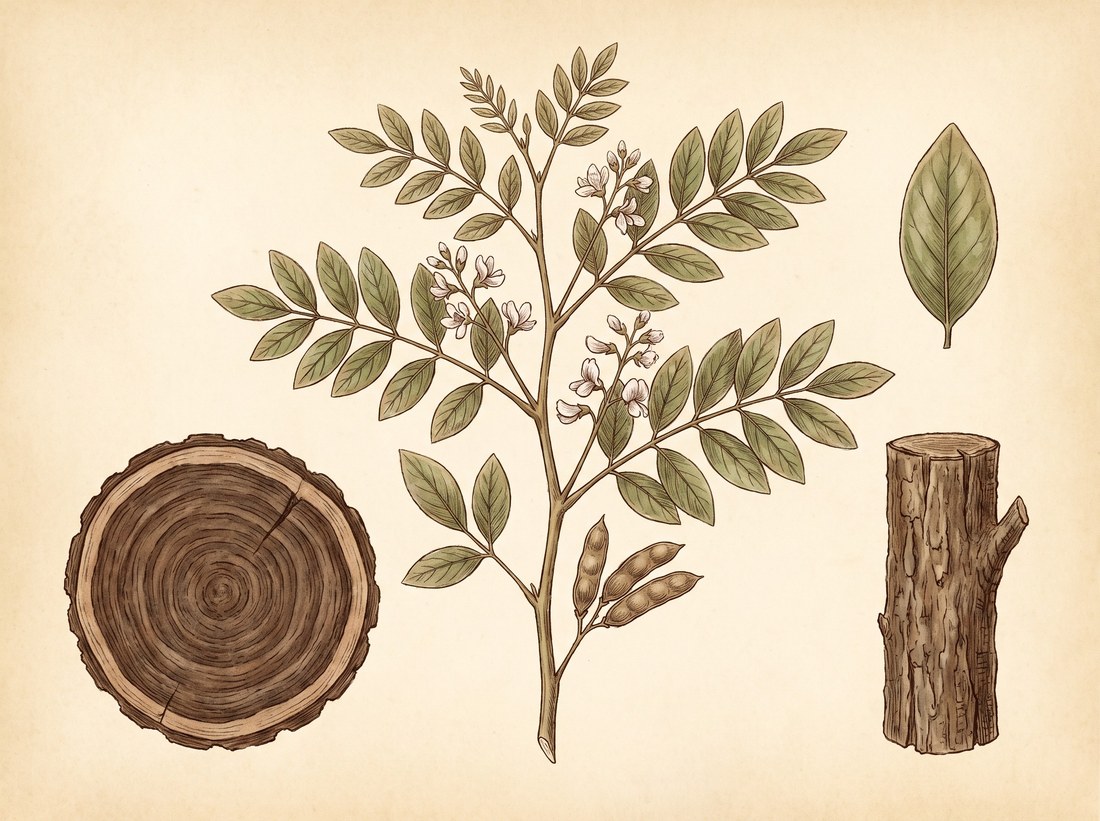
Dalbergia sissoo is the sheesham or Indian rosewood, a tall deciduous tree of the Indo-Gangetic plain and the sub-Himalayan tract from Punjab to Assam, planted everywhere along roads and canals for its hard, dark timber. Ayurveda calls it Shimshapa and uses two parts with almost opposite qualities: the heartwood, warming, bitter and astringent, belongs to the group of astringent woods used for skin disease, obesity and prameha, while the fresh leaf is cooling and slimy and is the common household remedy for burning urination. Modern research has focused on isoflavonoids in the leaf that build bone and protect cartilage.

Ask Herbert about Indian rosewood. Herbert is the master herbalist inside Bountiful Herbs: he answers from this plate and eleven hundred others, with dosing, pairing and cautions. Your first ten questions are free.
Ask HerbertActions
Indications what the tradition reached for it in
- Burning urination and urethritis (leaf juice)
- Osteoarthritis and joint pain (leaf, internal and topical)
- Fracture healing and bone loss (adjunct, traditional and preclinical)
- Chronic skin disease with itching and discoloration (heartwood)
- Leukoderma (heartwood, adjunct)
- Obesity with sluggish metabolism (heartwood, in Asanadi group)
- Early diabetes and glycosuria (heartwood, adjunct)
- Chronic wounds and ulcers (bark decoction, topical)
- Gum disease and mouth ulcers (bark gargle)
- Intestinal worms (traditional)
- Scabies and skin infection (leaf paste)
Specific indications
Scalding, frequent urination with a burning sensation in a young adult, eased within days by cold infusion of the fresh leaves with sugar
Aching, creaking knees in a middle-aged patient with early cartilage loss who wants a joint-protective herb rather than a painkiller
A postmenopausal woman with falling bone density and a recent fracture who is already taking calcium and vitamin D
Thick, dark, itching skin patches with a sluggish, overweight constitution treated with the heartwood decoction
Safety
The record lists 6 contraindications; open the plate in the library to read them in full.
In practice
The Ayurvedic practitioner uses the heartwood in kwatha, alone or in the Asanadi group with Asana, Khadira and Tinisha, for kapha disorders: obesity, early prameha, chronic skin disease, leukoderma and wounds that will not heal, taking 50 to 100 mL twice daily for weeks.
In Ayurveda
Rasa: katu (pungent), tikta (bitter), kashaya (astringent). Virya: ushna (heating) for the heartwood; the fresh leaf is regarded as sheeta (cooling) and is used for burning conditions. Vipaka: katu (pungent). Guna: laghu (light), ruksha (dry). Dosha: pacifies kapha and vata; the heartwood may aggravate pitta in excess while the leaf soothes it. Karma: kushthaghna (relieves skin disease); krimighna (anthelmintic); medohara (reduces fat); raktashodhana (purifies blood); vranaropana (heals wounds); shothahara (reduces swelling); dahaprashamana (relieves burning, the leaf); mutrala (diuretic, the leaf); garbhanirodhaka (traditional contraceptive attribution of the wood); vedanasthapana (relieves pain, topical); sandhaniya (promotes union of fractures, traditional). Classical indications: kushtha (skin disease); shvitra (leukoderma); prameha (urinary and metabolic disorders); medoroga (obesity); krimi (worms); vrana (wounds and ulcers); ushnavata (burning urination, gonorrhea); mutrakrichra (dysuria); raktapitta (bleeding disorders); chardi (vomiting); shotha (swelling); sandhivata and bhagna (arthritis and fractures, traditional). The heartwood is used as chips in kwatha and as churna, and belongs to the Asanadi group of astringent woods used for prameha, obesity and skin disease. The fresh leaf juice, cooling and mucilaginous, is the household remedy for burning urination and gonorrhea and is taken with sugar or in a cold infusion; the leaves are also applied warm to swollen joints. Bark decoction is used for wounds and as a gargle. Classical formulations: Shimshapa sara kwatha, Shimshapa patra swarasa, Shimshapa patra sheeta kashaya, Asanadi kwatha, Shimshapadi lepa, Shimshapa twak kwatha (gargle). Described in: Charaka Samhita, Sushruta Samhita, Ashtanga Hridaya, Bhavaprakasha Nighantu, Dhanvantari Nighantu, Raja Nighantu, Kaiyadeva Nighantu, Madanapala Nighantu.
Dosing as the sources wrote it
| Preparation | As written | Metric |
|---|---|---|
| Kwatha (heartwood) | 50-100 mL decoction twice daily | 50-100 mL |
| Swarasa (leaf) | 10-20 mL fresh leaf juice twice daily with sugar | 10-20 mL |
| Sheeta kashaya (leaf) | 50-100 mL cold infusion of fresh leaves twice daily | 50-100 mL |
| Churna (leaf) | 3-6 g powdered leaf daily | 3000-6000 mg |
| Lepa, topical | 10-20 g warm leaf paste applied to joints | 10000-20000 mg |
Doses are reproduced from the sources for practitioners and are not a recommendation for any person.
From the sources
Overview. Dalbergia sissoo is the sheesham or Indian rosewood, a tall deciduous tree of the Indo-Gangetic plain and the sub-Himalayan tract from Punjab to Assam, planted everywhere along roads and canals for its hard, dark timber. Ayurveda calls it Shimshapa and uses two parts with almost opposite qualities: the heartwood, warming, bitter and astringent, belongs to the group of astringent woods used for skin disease, obesity and prameha, while the fresh leaf is cooling and slimy and is the common household remedy for burning urination. Modern research has focused on isoflavonoids in the leaf that build bone and protect cartilage.
Clinical Notes. The Ayurvedic practitioner uses the heartwood in kwatha, alone or in the Asanadi group with Asana, Khadira and Tinisha, for kapha disorders: obesity, early prameha, chronic skin disease, leukoderma and wounds that will not heal, taking 50 to 100 mL twice daily for weeks.
Ayurvedic Profile. Rasa: katu (pungent), tikta (bitter), kashaya (astringent). Virya: ushna (heating) for the heartwood; the fresh leaf is regarded as sheeta (cooling) and is used for burning conditions. Vipaka: katu (pungent).
In formulas
Indian rosewood stands in 1 documented formula in the library, among them Ayaskṛti.
Often paired with
 cutch treeAcacia catechu
 Indian ateesAconitum heterophyllum
 sweet flagAcorus calamus
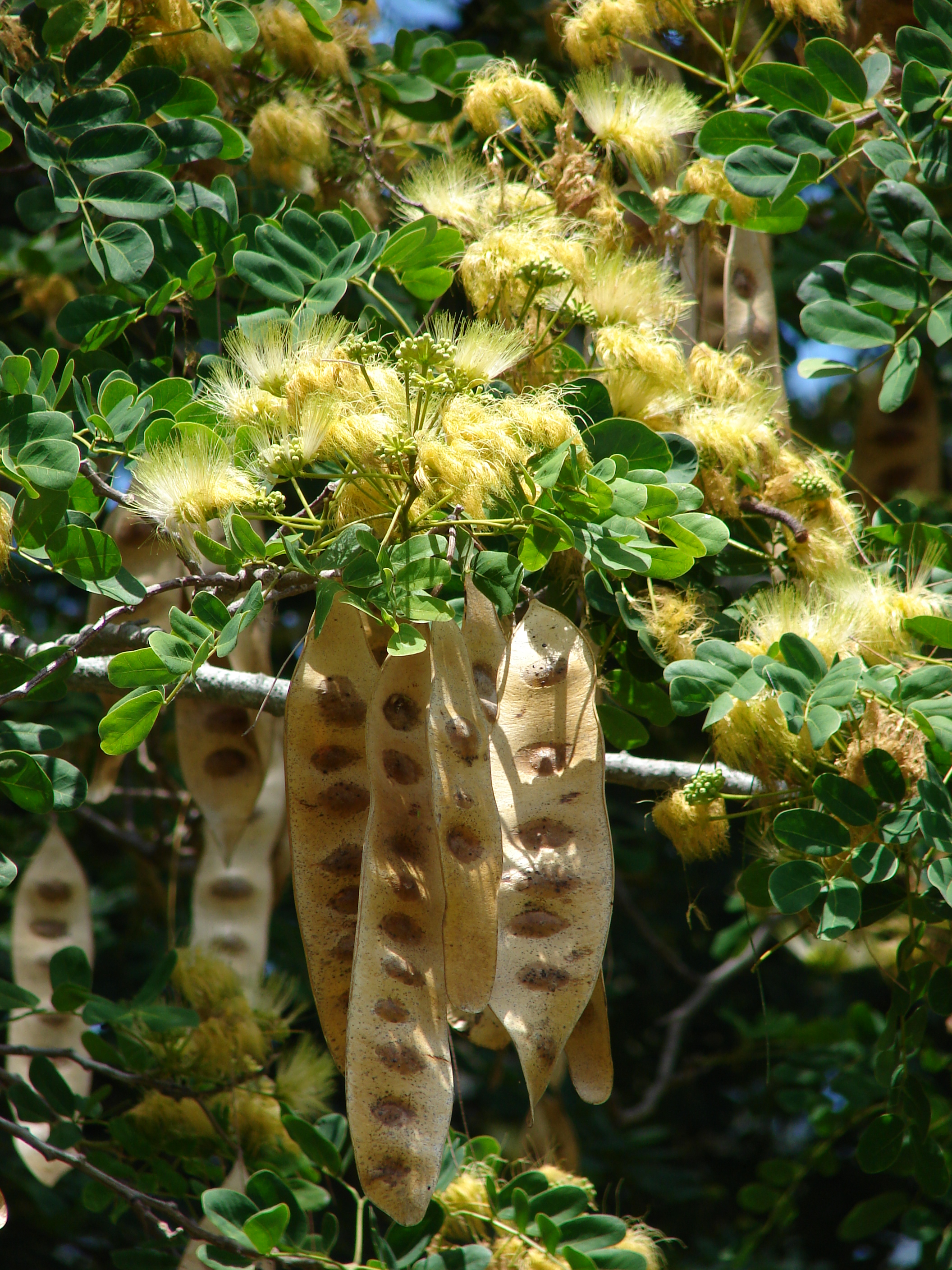 sirisAlbizia lebbeck
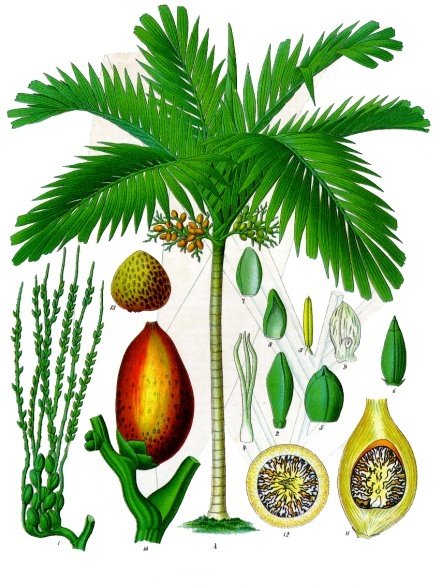 areca nutAreca catechu
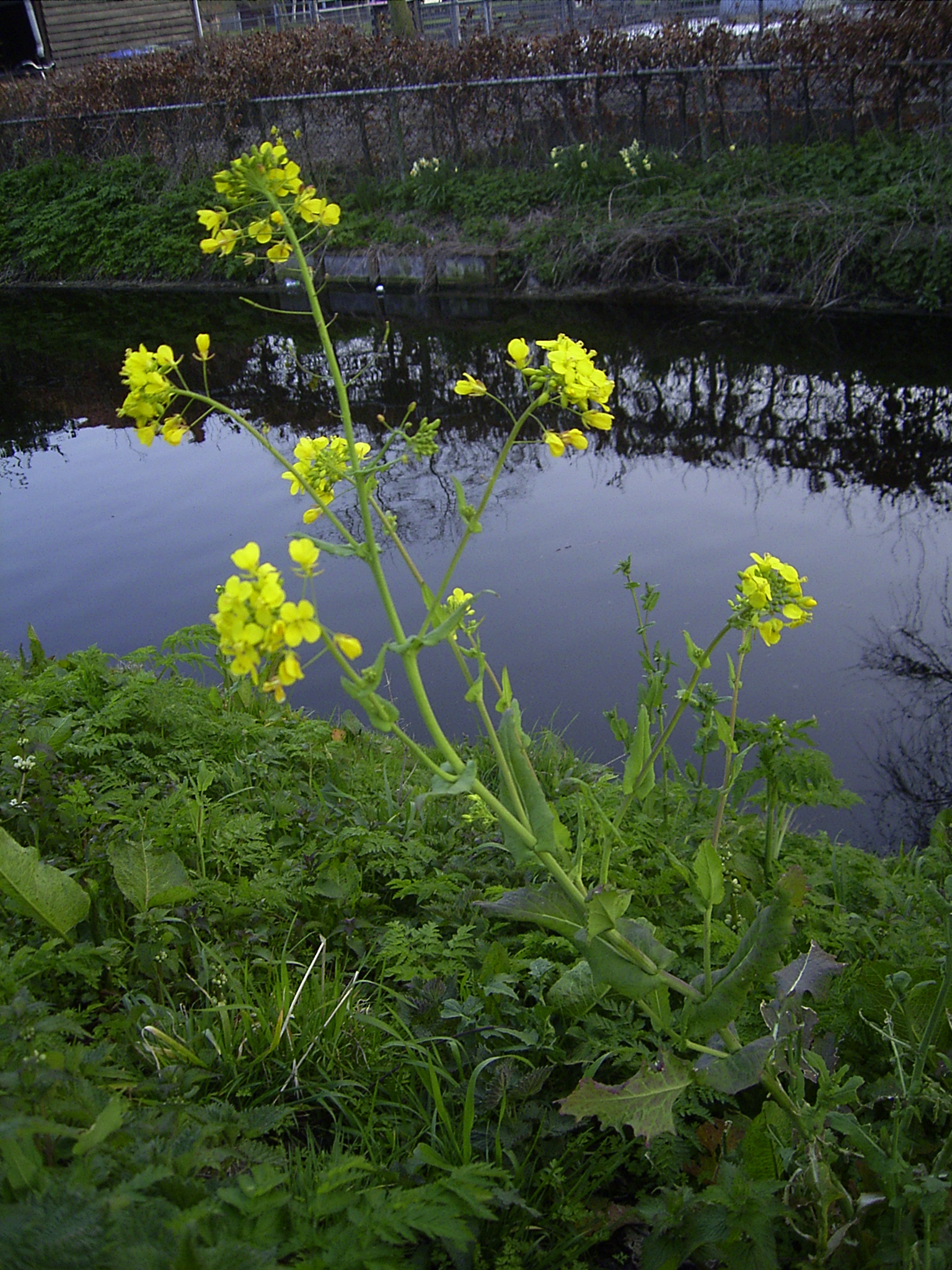 white mustardBrassica alba
Nearby on the shelf
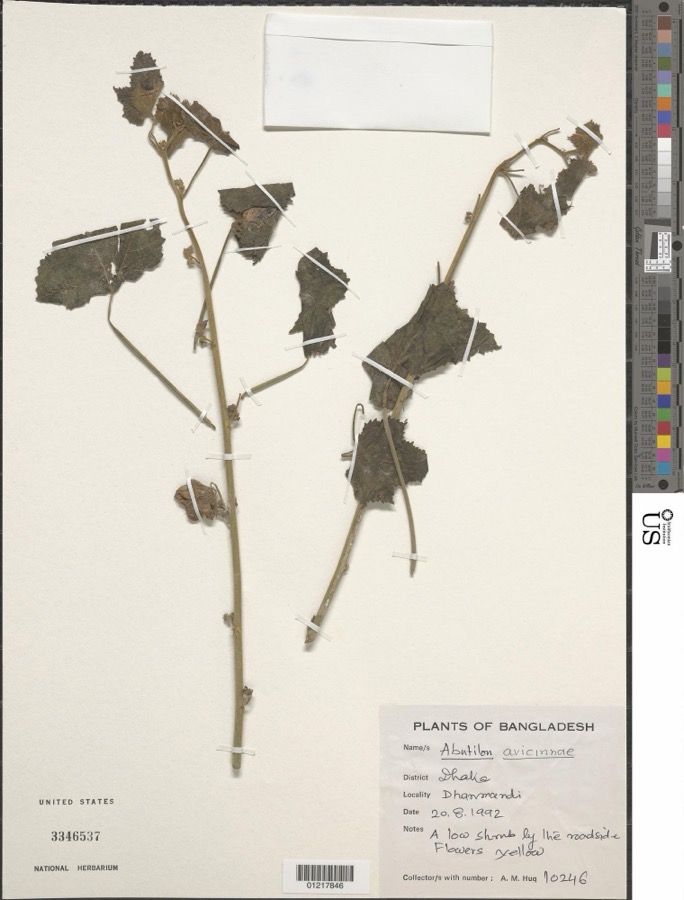 Indian mallowAbutilon avicenna
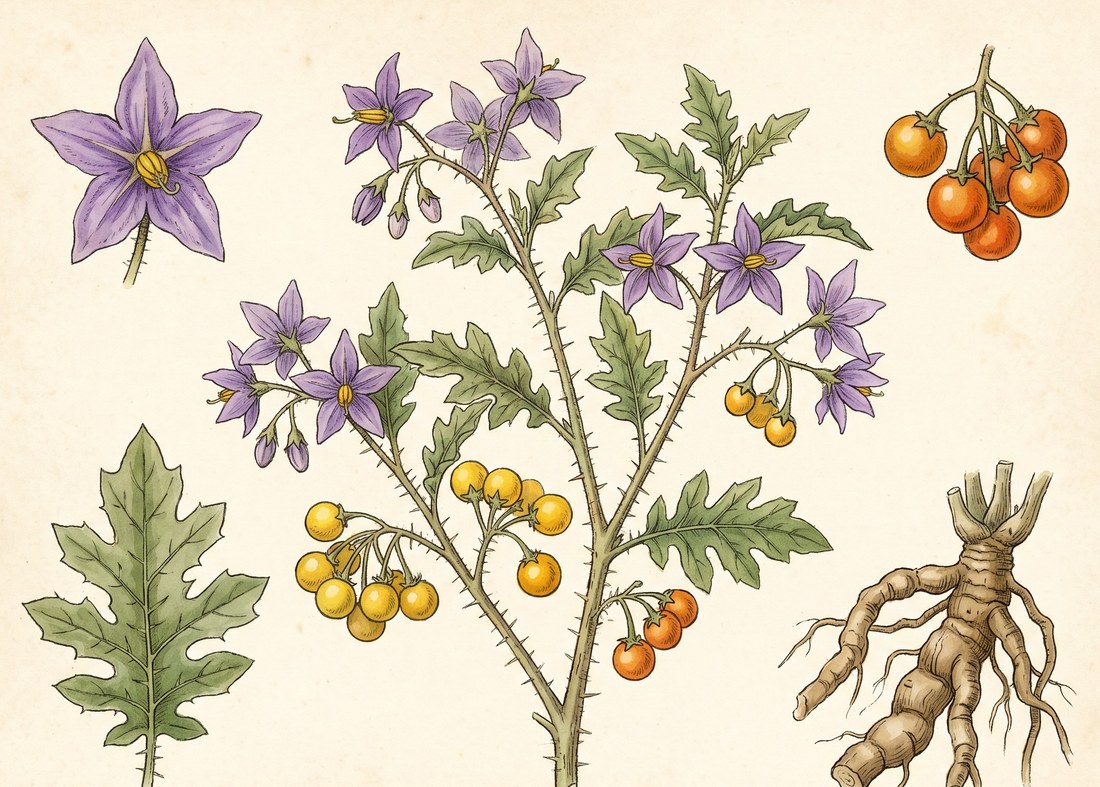 Indian nightshadeSolanum indicum
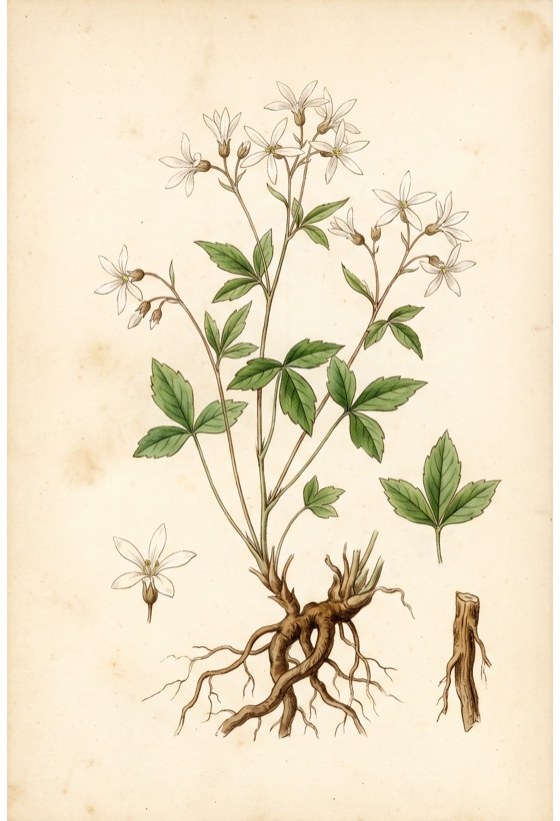 Indian PhysicGillenia
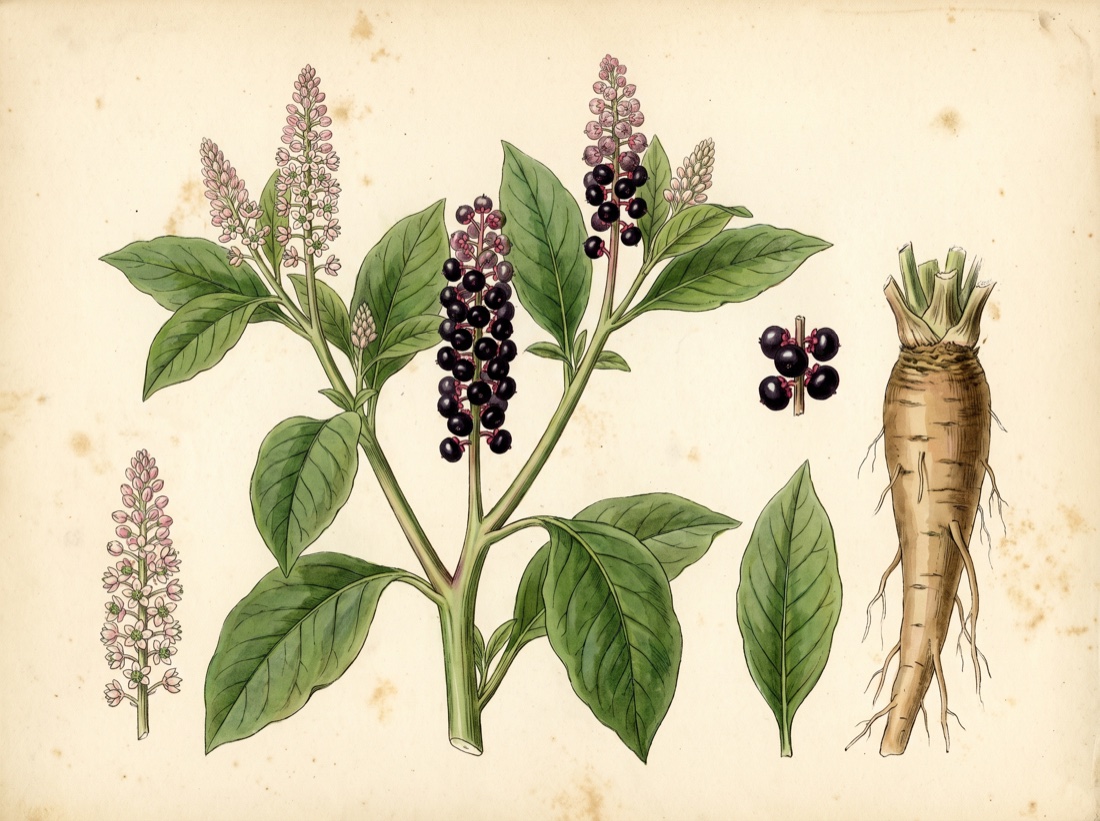 Indian pokeweedPhytolacca acinosa
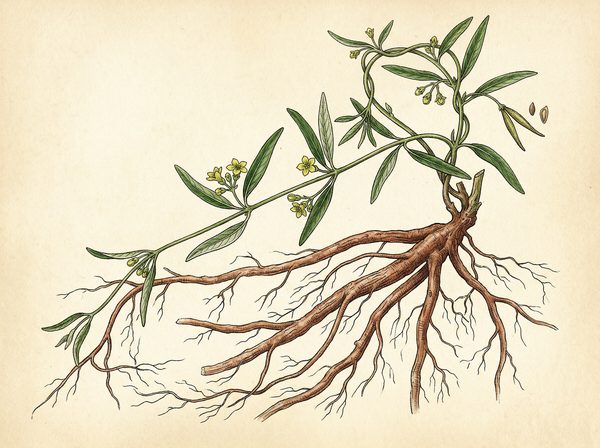 Indian sarsaparillaHemidesmus indicus
 Indian snakerootRauvolfia serpentina
 Indian spurge treeEuphorbia neriifolia
 Indian SquillUrginea indica
The whole plate is in the library. The compass, Compare, the Sky of eleven hundred plants and the formulary open with an email address and a password, free, with the formula builder and its safety engine. Herbert without limit, his formulating, clients, the handouts and the labels are the paid room.
Open the library, free