Western and Ayurvedic herbalism
White mustard
Brassica alba
Also known as yellow mustard, sarshapa, siddhartha, Mustard, Black mustard, Sarshapa, Siddhartha, Shveta sarshapa.
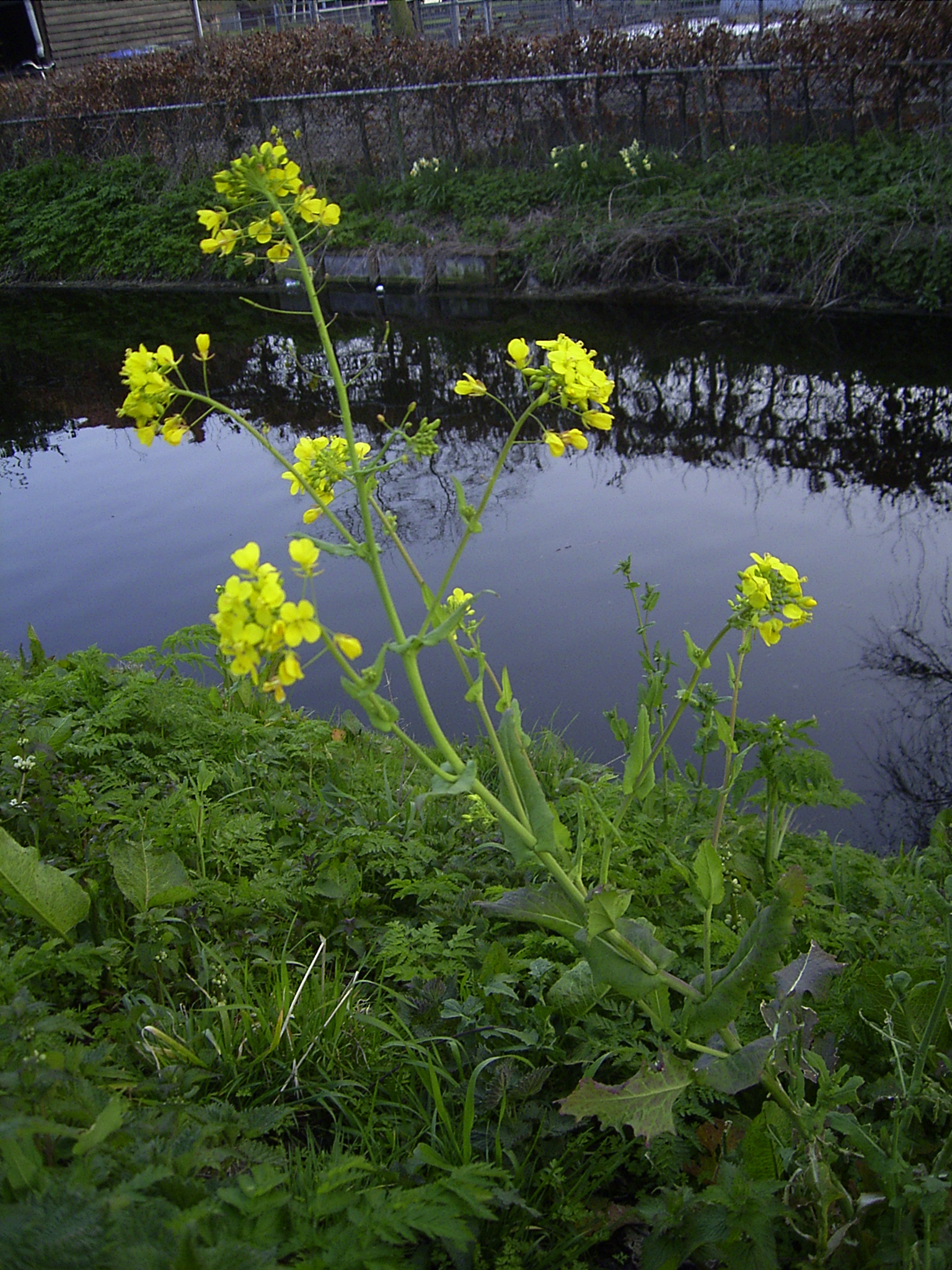
Brassica alba, now accepted as Sinapis alba, is an annual of the cabbage family with bright yellow flowers and bristly pods holding pale yellow seeds, grown as a winter oilseed and field crop across Punjab, Uttar Pradesh, Rajasthan and Bengal. Ayurveda groups it with the brown and black mustards under Sarshapa and singles out the white seed as Siddhartha, a hot, sharp, penetrating drug used mainly on the outside of the body as a plaster, paste, bath and oil, and inside in small doses to kindle digestion and expel worms.

Ask Herbert about White mustard. Herbert is the master herbalist inside Bountiful Herbs: he answers from this plate and eleven hundred others, with dosing, pairing and cautions. Your first ten questions are free.
Ask HerbertActions
Indications what the tradition reached for it in
- Muscular and joint pain of cold type (plaster or oil)
- Chest congestion with thick sputum (chest plaster)
- Cold, sluggish digestion with gas
- Chronic itchy skin conditions of kapha type (paste)
- Fungal skin infections (paste)
- Cold extremities and poor peripheral circulation (foot bath, oil)
- Sciatica and low back pain (oil massage)
- Intestinal worms (adjunct)
- Sinus congestion and headache of cold type (paste to forehead)
- Emesis in poisoning (historical, first aid)
- Splenomegaly and abdominal masses of kapha (traditional)
- Convalescent bathing and fumigation after fever (traditional)
- Gas/bloating
- Pneumonia
- Decreased peripheral circulation
- Hypertension
- Congestion (respiratory)
- Cold extremities
- Inflammation
- Skin irritations (mild)
- Arthritis
- Bronchitis
- Colds
- Myalgia
- Headache (congestive)
- Abdominal distension
- Bloating
- Colic
- Digestive discomfort
- Flatulence
Specific indications
A cold, heavy kapha patient with deep aching joints and stiff muscles that loosen only with heat and rubbing
Thick, stuck chest congestion in a person who is chilled and cannot raise the sputum, where a mustard plaster brings warmth and relief
Itchy, scaly, non-inflamed patches of kapha skin disease that call for a hot, drying paste rather than a cooling one
Not the red, hot, thin-skinned pitta patient, in whom the seed blisters the skin and inflames the gut
Safety
Low dose botanical. Used in drop doses in the classical practice; not a plant to dose freely.
The record lists 9 contraindications; open the plate in the library to read them in full.
In practice
Sarshapa is above all an external medicine in Ayurveda. The seed paste applied warm over a painful joint, a stiff neck or a congested chest draws blood to the surface and breaks up kapha; the pressed oil, warmed, is the everyday massage oil of Bengal and the north for cold, aching bodies, infants and the elderly; and the Siddharthaka snana, a bath powder built on white mustard with Vacha, Haridra and other rakshoghna herbs, is the classical medicated bath for fevers, convalescence and children thought to be under a malign influence.
In Ayurveda
Rasa: katu (pungent), tikta (bitter). Virya: ushna (heating), strongly so. Vipaka: katu (pungent). Guna: laghu (light), snigdha (unctuous), tikshna (sharp). Dosha: pacifies kapha and vata; aggravates pitta and rakta. Karma: deepana (kindles digestion); pachana (digests ama); kaphaghna (reduces kapha); kandughna (relieves itching); kushthaghna (clears skin disease); krimighna (anthelmintic); vedanasthapana (relieves pain, externally); lekhana (scraping, reduces fat); shothahara (reduces swelling, externally); vamana (emetic in large doses); rakshoghna (protective against infection, as fumigant and bath). Classical indications: kushtha (chronic skin disease); kandu (itching); krimi (worms); shula (colic and pain); vatavyadhi (joint and neuromuscular pain, externally); agnimandya (weak digestion); gulma and pliha vriddhi (abdominal masses and splenic enlargement); shotha (swelling); arsha (hemorrhoids); visha (poisoning, as an emetic); jvara (fever, as a medicated bath and fumigation). The seed is ground into kalka for external plasters and pastes, pressed into the pungent mustard oil used for massage and cooking, powdered for the Siddharthaka snana bath and fumigation, and taken internally in small amounts as a digestive and anthelmintic. The tender leaves are eaten as a vegetable. Classical formulations: Sarshapa taila, Siddharthaka snana churna, Sarshapadi lepa, Sarshapa kalka, Rasnadi churna (some traditions), Sarshapadi pralepa. Described in: Charaka Samhita, Sushruta Samhita, Ashtanga Hridaya, Bhavaprakasha Nighantu, Dhanvantari Nighantu, Raja Nighantu, Kaiyadeva Nighantu, Ayurvedic Pharmacopoeia of India.
Dosing as the sources wrote it
| Preparation | As written | Metric |
|---|---|---|
| Churna (internal) | 1-3 g seed powder daily with food | 1000-3000 mg |
| Kalka, topical (plaster) | 10-20 g ground seed mixed with flour and water, applied for 10-20 minutes | 10000-20000 mg |
| Taila, external | 20-50 mL warmed mustard oil for massage | 20-50 mL |
| Snana churna (bath) | 20-50 g seed powder in a warm bath | 20000-50000 mg |
| Poultice | Mix 1 part seeds, 3-4 parts flour, spread on thin cloth, cover area to be treated w/ olive oil or salve to protect skin, check skin for reddening or blistering every few min, apply plaster 10-20 min, if uncomfortable remove | |
| Foot bath | 1 tsp crushed mustard seeds/4 c hot water, soak feet 10-15 min |
Doses are reproduced from the sources for practitioners and are not a recommendation for any person.
From the sources
Overview. Brassica alba, now accepted as Sinapis alba, is an annual of the cabbage family with bright yellow flowers and bristly pods holding pale yellow seeds, grown as a winter oilseed and field crop across Punjab, Uttar Pradesh, Rajasthan and Bengal. Ayurveda groups it with the brown and black mustards under Sarshapa and singles out the white seed as Siddhartha, a hot, sharp, penetrating drug used mainly on the outside of the body as a plaster, paste, bath and oil, and inside in small doses to kindle digestion and expel worms.
Overview. White mustard, Sinapis alba, is an annual member of the cabbage family, native to the Mediterranean and widely cultivated across Europe and temperate climates for its pale seed, used both as a culinary condiment and as a medicinal rubefacient. The ripe seed, ground to flour and mixed with warm water, releases pungent isothiocyanate compounds through enzymatic action and is the part used. In Western herbal and eclectic tradition it holds its place chiefly as an external application, the classic mustard plaster or poultice for chest and muscular complaints, with a lesser historical role as an internal emetic and digestive stimulant.
Clinical Notes. Sarshapa is above all an external medicine in Ayurveda. The seed paste applied warm over a painful joint, a stiff neck or a congested chest draws blood to the surface and breaks up kapha; the pressed oil, warmed, is the everyday massage oil of Bengal and the north for cold, aching bodies, infants and the elderly; and the Siddharthaka snana, a bath powder built on white mustard with Vacha, Haridra and other rakshoghna herbs, is the classical medicated bath for fevers, convalescence and children thought to be under a malign influence.
Clinical Notes. The mustard plaster remains the herb's signature use: ground seed mixed with flour (to buffer the pungency and slow skin penetration) and warm water, spread on cloth and applied over the chest or a stiff, aching joint.
Drawn from Cook's Physio-Medical Dispensatory; Felter's Eclectic Materia Medica, Pharmacology and Therapeutics, and the Bountiful Herbs editorial.
In formulas
White mustard stands in 40 documented formulas in the library, among them Ayaskṛti, Maha Yogarāja Guggulu, Kāsīsādi Ghṛta, Kārpāsāsthyādi Taila, Kuṅkumādi Taila, Kuṣṭharākṣasa Taila.
Often paired with
 GingerZingiber officinale
 Licorice rootGlycyrrhiza glabra
 PerillaPerilla frutescens
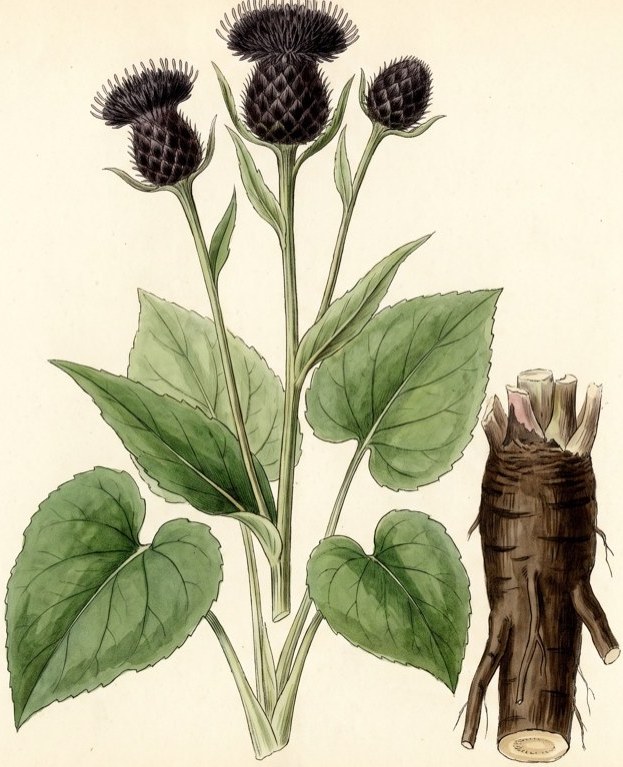 costusSaussurea costus
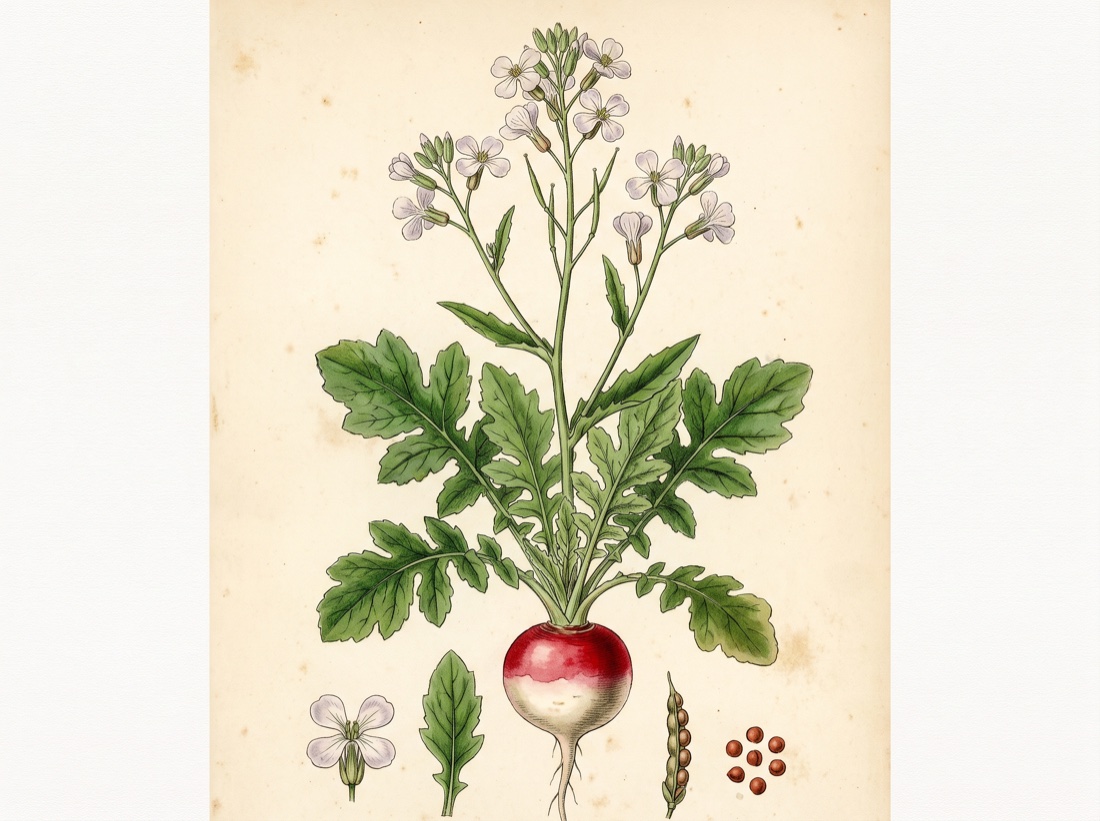 radish seedRaphanus sativus
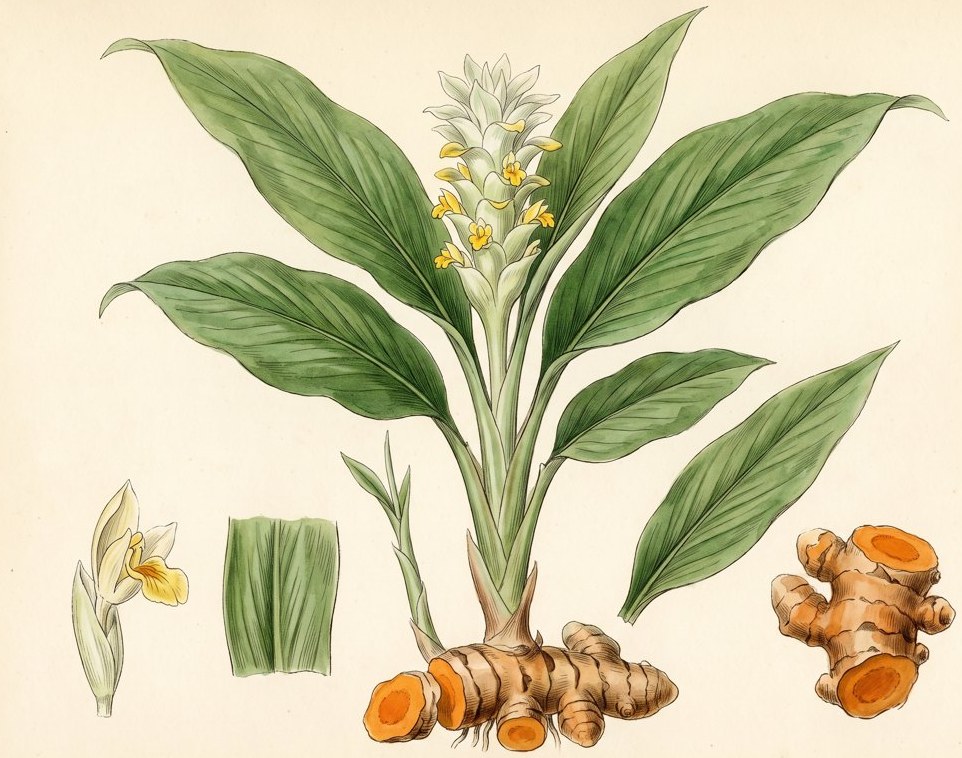 turmericCurcuma longa
Nearby on the shelf
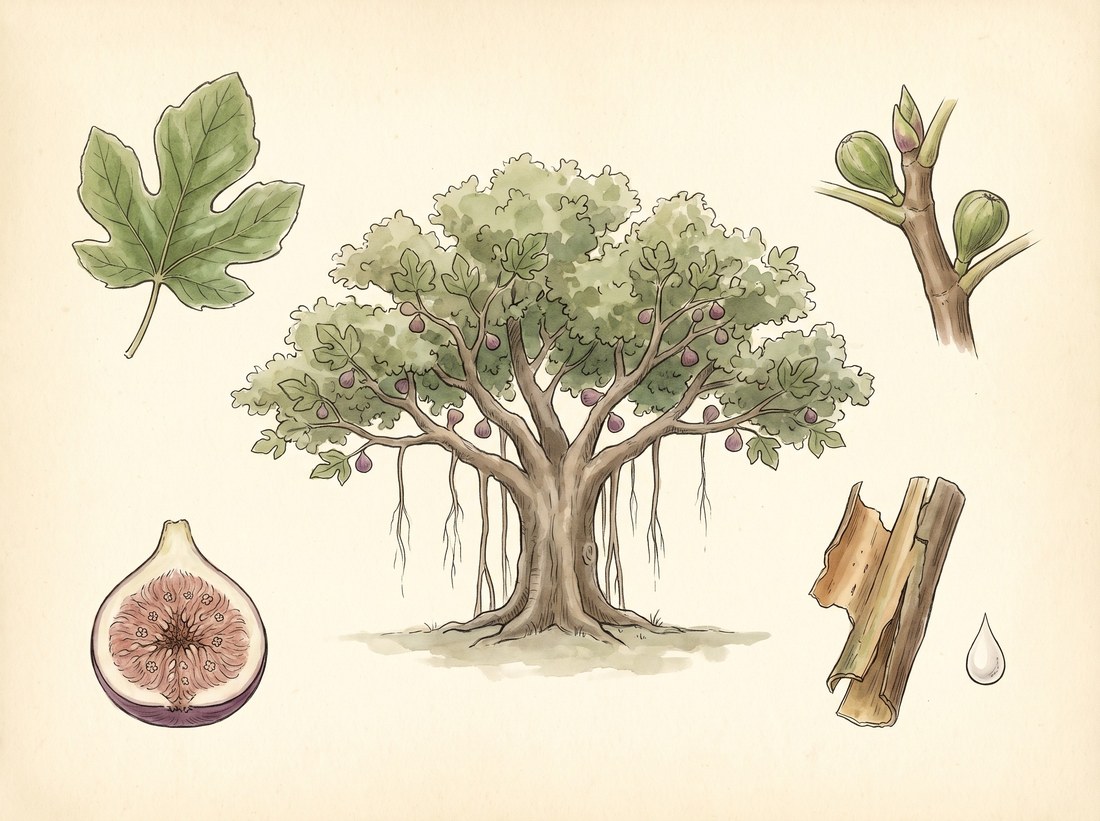 White figFicus lacor
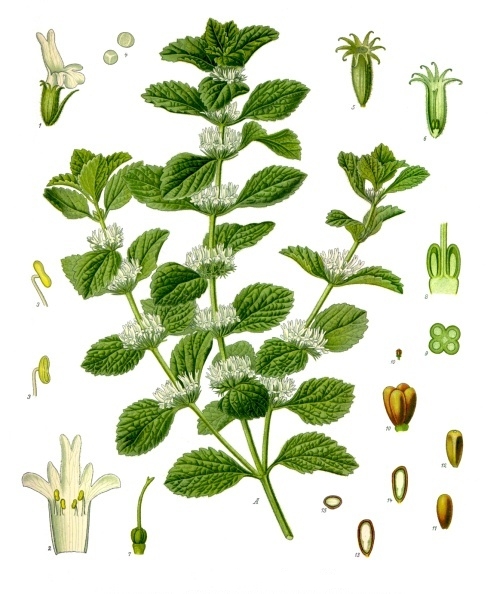 White HorehoundMarrubium vulgare
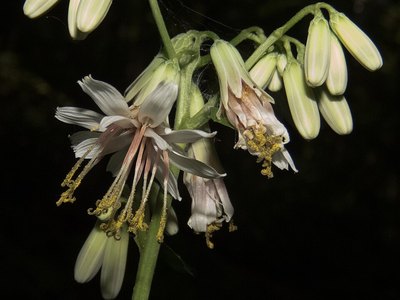 White LettuceNabalus Albus
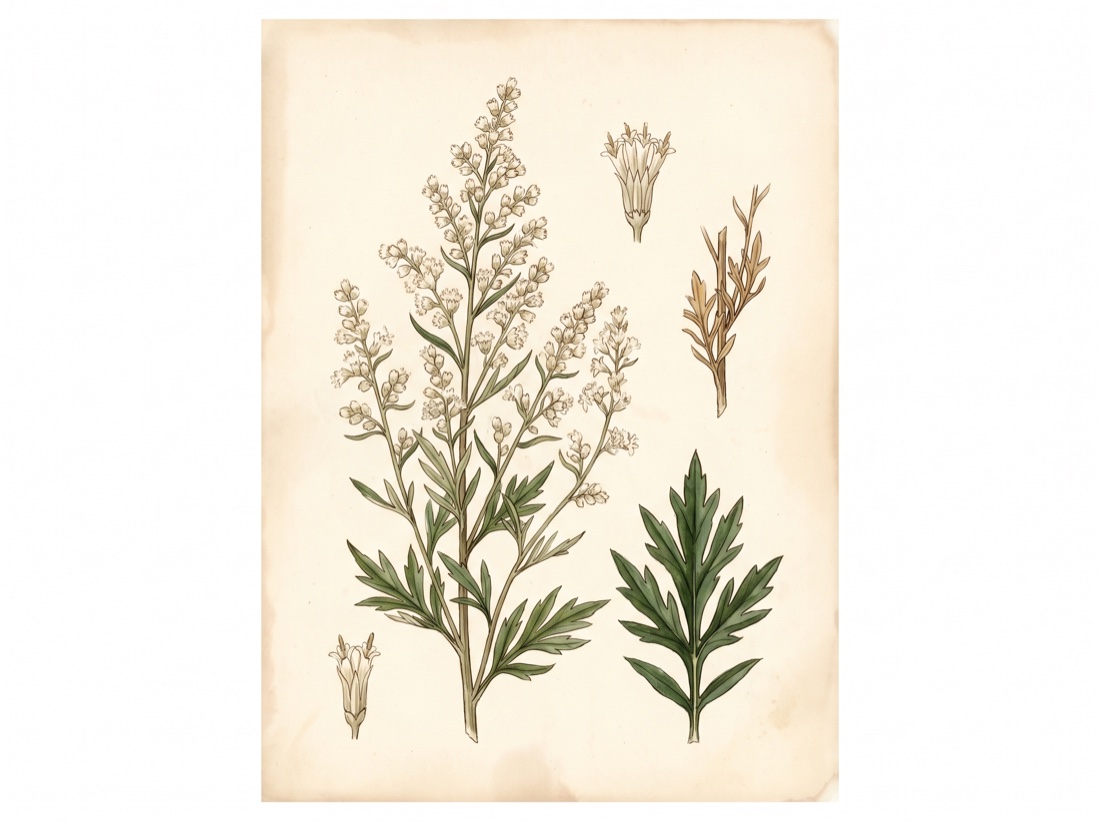 White mugwortArtemisia lactiflora
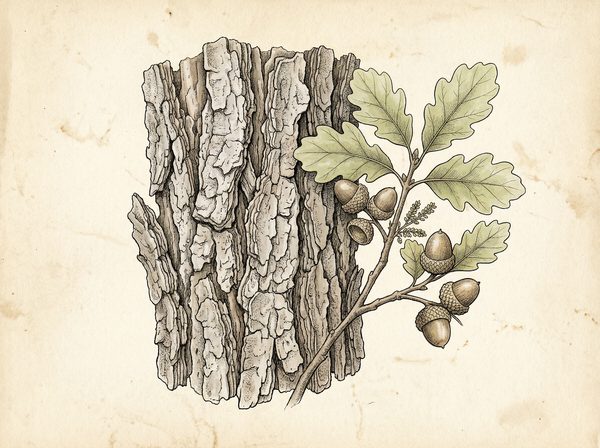 White Oak BarkQuercus alba
 White PeonyPaeonia lactiflora
 White Pond LilyNymphaea odorata
 White quebrachoAspidosperma quebracho-blanco
The whole plate is in the library. The compass, Compare, the Sky of eleven hundred plants and the formulary open with an email address and a password, free, with the formula builder and its safety engine. Herbert without limit, his formulating, clients, the handouts and the labels are the paid room.
Open the library, free