Western and Ayurvedic herbalism
Indian snakeroot
Rauvolfia serpentina
Also known as serpentine wood, sarpagandha, devil pepper, Rauwolfia, Sarpagandha, Chandrika, Nakuli.
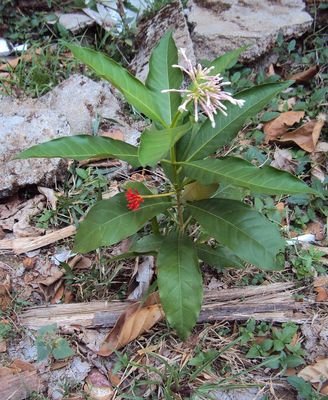
Rauvolfia serpentina is an evergreen undershrub of the dogbane family with glossy whorled leaves, small pink-white flowers and shiny purple-black drupes, native to the moist deciduous forests of the sub-Himalayan tract, the Eastern and Western Ghats, Assam and the Andamans, and now largely cultivated because wild stocks are depleted. Ayurveda knows the snake-like root as Sarpagandha, a bitter, heating drug for madness, sleeplessness and snakebite, and it was from this root that the alkaloid reserpine was isolated in the 1950s, giving the world its first effective oral antihypertensive and tranquilizer.
Ask Herbert about Indian snakeroot. Herbert is the master herbalist inside Bountiful Herbs: he answers from this plate and eleven hundred others, with dosing, pairing and cautions. Your first ten questions are free.
Ask HerbertActions
Indications what the tradition reached for it in
- Mild to moderate essential hypertension
- Hypertension with anxiety and insomnia
- Insomnia with agitation
- Anxiety states with palpitations
- Acute mania and psychosis (historical, now superseded)
- Tachycardia of nervous origin
- Menopausal hypertension with hot flushes and restlessness
- Hypertensive headache
- Alcohol withdrawal agitation (traditional)
- Snakebite (traditional, not a substitute for antivenom)
- Schizophrenia (w/ delusions and hallucinations)
- Hypertension (moderate)
- Hypertension (chronic)
- Hypertension
Specific indications
A tense, wiry, sleepless patient whose blood pressure runs high with a rapid pulse and who cannot settle at night
Early hypertension in an agitated, irritable person where a calmer nervous system will bring the pressure down with it
The menopausal woman with rising blood pressure, flushing and a restless, overactive mind
Not the depressed, slow, hypotensive patient, in whom it deepens the depression and the fatigue
Safety
Recognised toxicity. This plant carries a toxicity flag in the record; it is for trained practitioners only.
Low dose botanical. Used in drop doses in the classical practice; not a plant to dose freely.
Pregnancy: Contraindicated in pregnancy: the root is a traditional uterine stimulant and reserpine crosses the placenta, causing neonatal lethargy, nasal congestion and feeding difficulty; no published AHPA class is known to us but the position is clear.
Breastfeeding: Not for use while breastfeeding
The record lists 14 contraindications; open the plate in the library to read them in full.
In practice
Sarpagandha is a low dose drug and the tradition treats it as one. It is reached for in the vata-kapha picture of raised pressure with tension and sleeplessness, given as a small dose of root powder or a ghana vati at bedtime, and almost always softened with Jatamansi, Ashwagandha, Brahmi or Shankhapushpi so that the calming is achieved with the least Sarpagandha.
In Ayurveda
Rasa: tikta (bitter). Virya: ushna (heating). Vipaka: katu (pungent). Guna: ruksha (dry), laghu (light). Dosha: pacifies vata and kapha; may aggravate pitta in excess. Prabhava: nidrajanana and raktabharashamaka (its sedative and blood pressure lowering effect is treated as a specific action). Karma: nidrajanana (induces sleep); raktabharashamaka (lowers blood pressure); vatahara (pacifies vata); kaphahara (reduces kapha); vishaghna (counters poison); krimighna (anthelmintic); jvarahara (reduces fever); unmadahara (relieves mental disturbance); garbhashaya samkochaka (contracts the uterus). Classical indications: unmada (mental disturbance, mania); apasmara (epilepsy); anidra (insomnia); raktagata vata (hypertension, in later texts); jvara (fever); visha (snake and insect bite); krimi (worms); udara shula (abdominal colic); prasava vedana (to promote labor, traditional). The dried root is the drug, given as churna in small doses with water or as a compressed tablet (ghana vati) standardized to the root; the fresh root juice was used for snakebite. It is almost always dispensed in low dose compounds with calming herbs rather than alone. Classical formulations: Sarpagandha churna, Sarpagandha ghana vati, Sarpagandhadi vati (with Jatamansi and Ashwagandha), Sarpagandha yoga, Sarpagandha mishrana. Described in: Dhanvantari Nighantu, Raja Nighantu, Bhavaprakasha Nighantu, Ayurvedic Pharmacopoeia of India.
Dosing as the sources wrote it
| Preparation | As written | Metric |
|---|---|---|
| Churna | 250-1000 mg powdered root daily in divided doses | 250-1000 mg |
| Ghana vati | 250-500 mg standardized root tablet once or twice daily | 250-500 mg |
| Compound (Sarpagandhadi vati) | 250-500 mg tablet at bedtime | 250-500 mg |
| Tincture (1:3) | 5-10 gtts 1-2 x/d | 0.1-0.2 mL |
| Powder (capsules) | 100-200 mg BID | 100-200 mg |
| Dosing based on levels of Reserpine alkaloid | 0.05-0.1 mg BID starting dose (2 weeks), 0.05 mg QD-BID maintenance dose | 0.05-0.1 mg |
Doses are reproduced from the sources for practitioners and are not a recommendation for any person.
From the sources
Overview. Rauvolfia serpentina is an evergreen undershrub of the dogbane family with glossy whorled leaves, small pink-white flowers and shiny purple-black drupes, native to the moist deciduous forests of the sub-Himalayan tract, the Eastern and Western Ghats, Assam and the Andamans, and now largely cultivated because wild stocks are depleted. Ayurveda knows the snake-like root as Sarpagandha, a bitter, heating drug for madness, sleeplessness and snakebite, and it was from this root that the alkaloid reserpine was isolated in the 1950s, giving the world its first effective oral antihypertensive and tranquilizer.
Clinical Notes. Works by slowing heart and lowering arterial blood pressure Has a very strong dose dependent action that needs to be closely monitored Powder has less intensity than tincture Reserpine 2-3 mg TID can cause large drops in blood pressure in 4-6 hrs Wide variability in amount of alkaloids delivered if not using standardized product Initial change in blood pressure will take at least 2 weeks In larger doses it has been used to decrease psychotic excitement associated w/ delusions and hallucinations of schizophrenia Overharvested and endangered, use only cultivated product
Clinical Notes. Sarpagandha is a low dose drug and the tradition treats it as one. It is reached for in the vata-kapha picture of raised pressure with tension and sleeplessness, given as a small dose of root powder or a ghana vati at bedtime, and almost always softened with Jatamansi, Ashwagandha, Brahmi or Shankhapushpi so that the calming is achieved with the least Sarpagandha.
action. Because reserpine crosses the blood-brain barrier and reduces central sympathetic tone, the herb acts as a sympatholytic that produces calm and a tranquil, meditative mental state, most fitting for sympathetically overdriven individuals.
In formulas
Indian snakeroot stands in 1 documented formula in the library, among them Pūgakhaṇḍa.
Often paired with
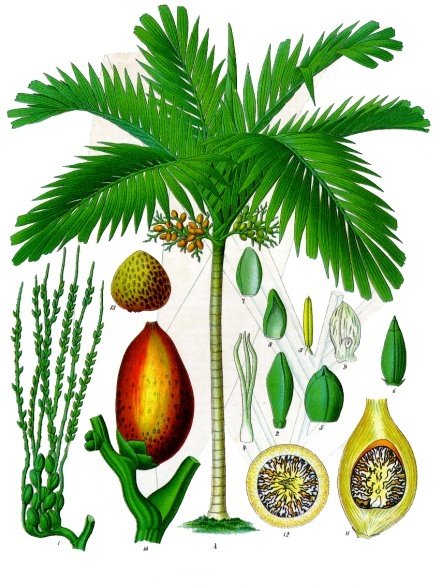 areca nutAreca catechu
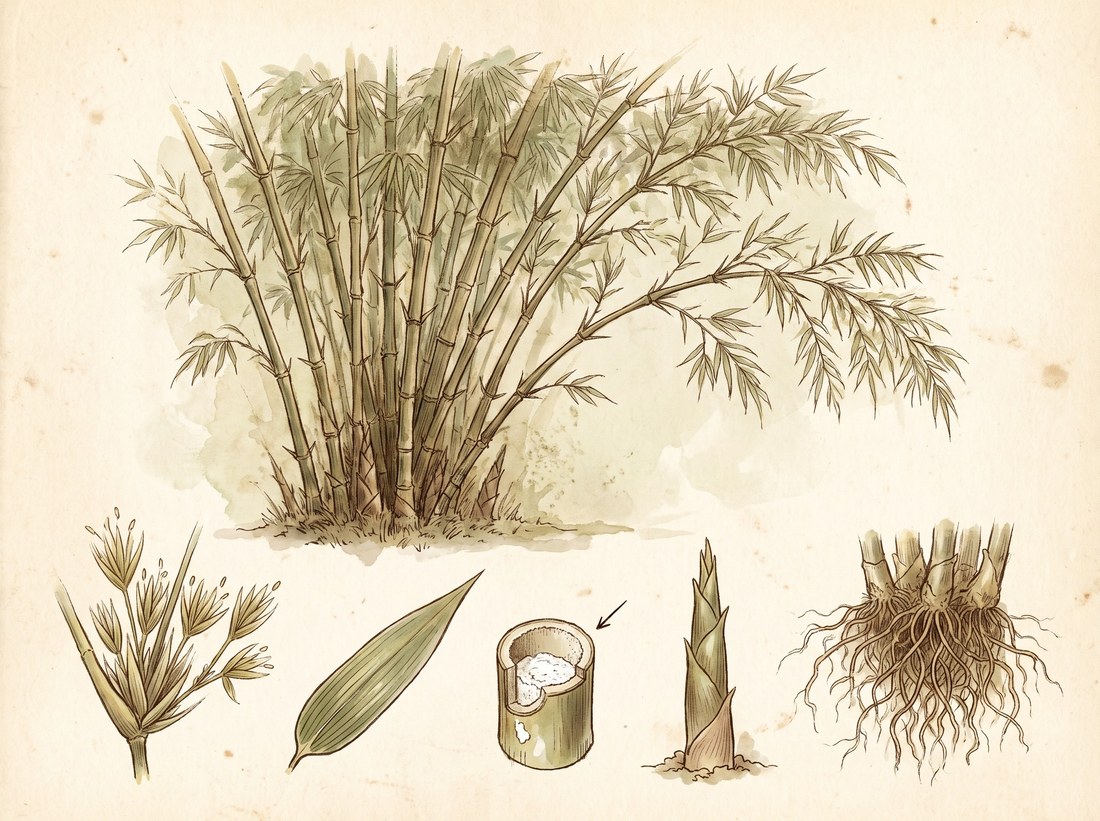 thorny bambooBambusa arundinacea
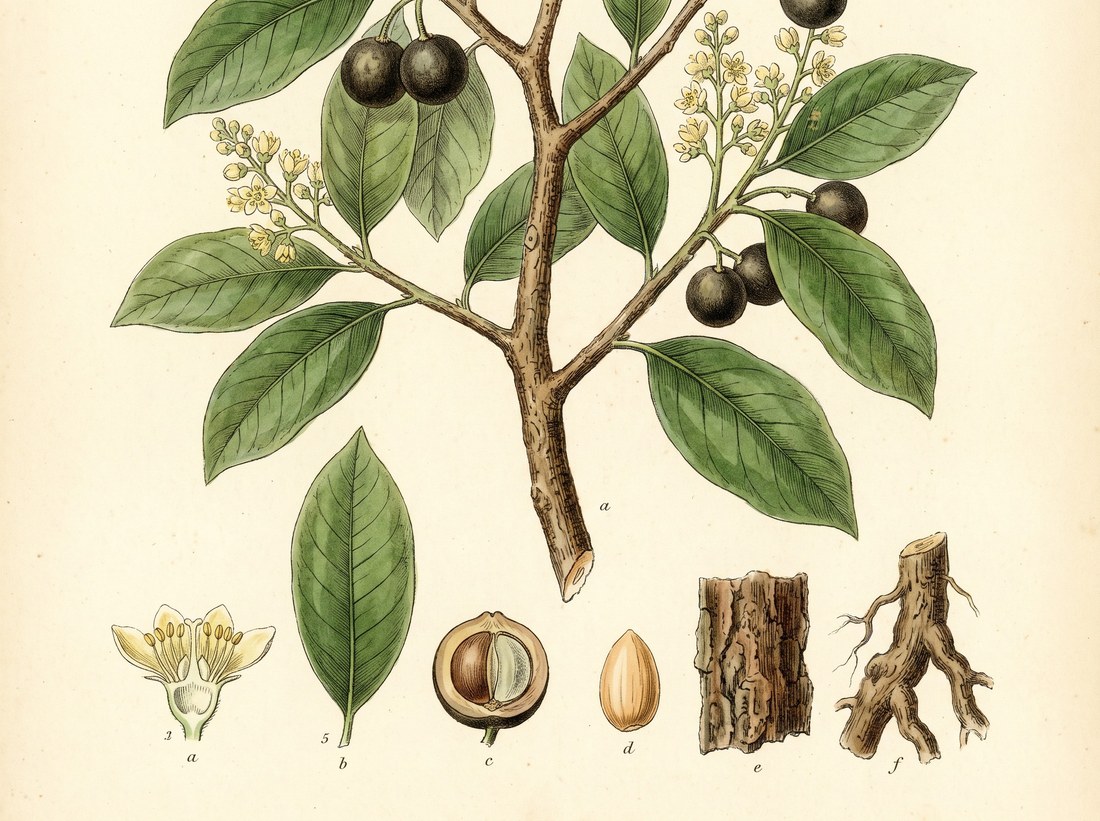 chironjiBuchanania lanzan
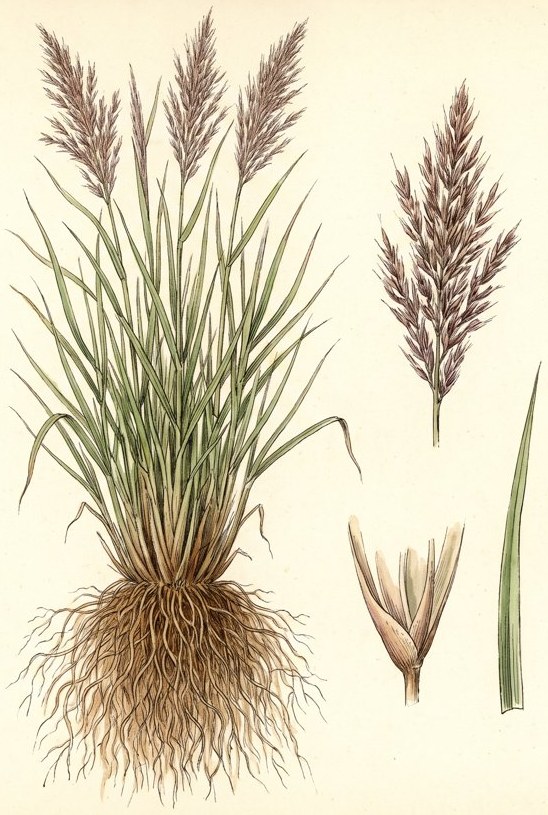 vetiverChrysopogon zizanioides
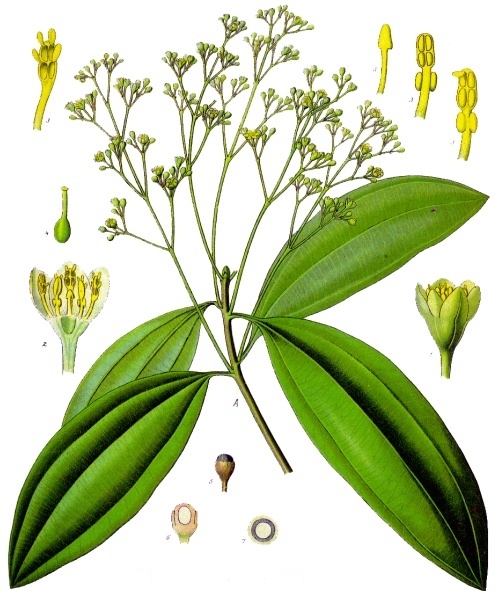 Indian bay leafCinnamomum tamala
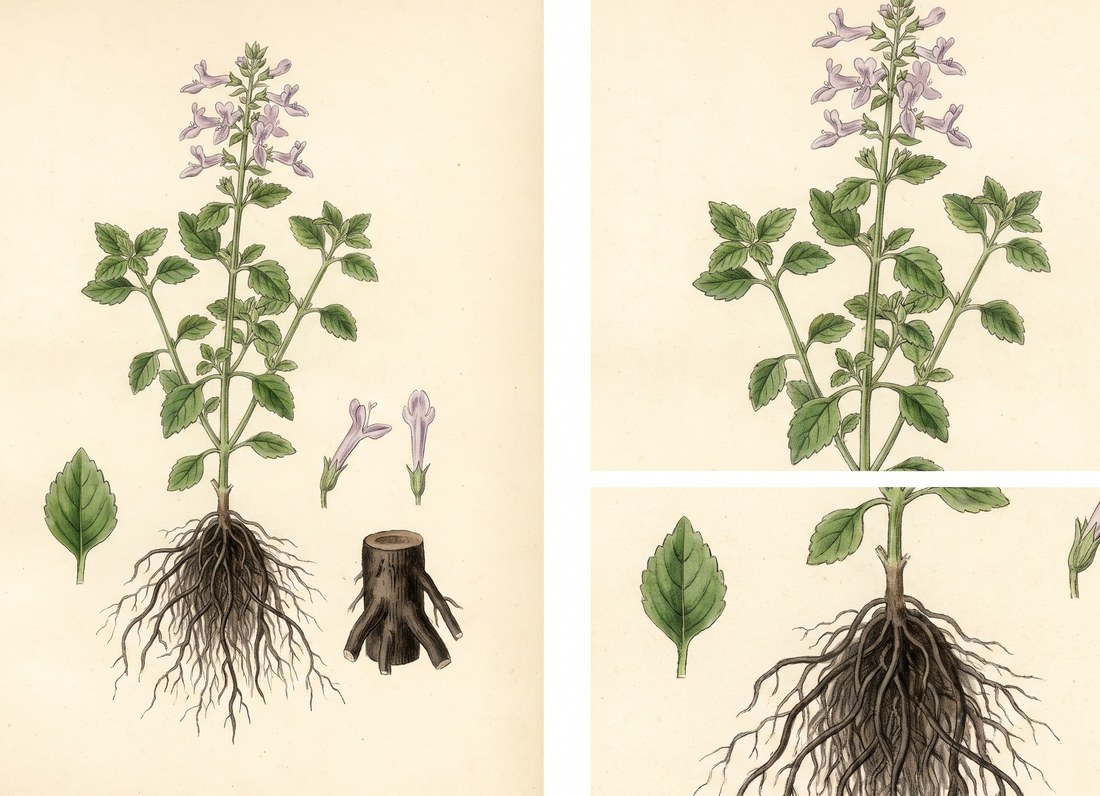 hriberaColeus vettiveroides
Nearby on the shelf
 Indian PhysicGillenia
 Indian pokeweedPhytolacca acinosa
 Indian rosewoodDalbergia sissoo
 Indian sarsaparillaHemidesmus indicus
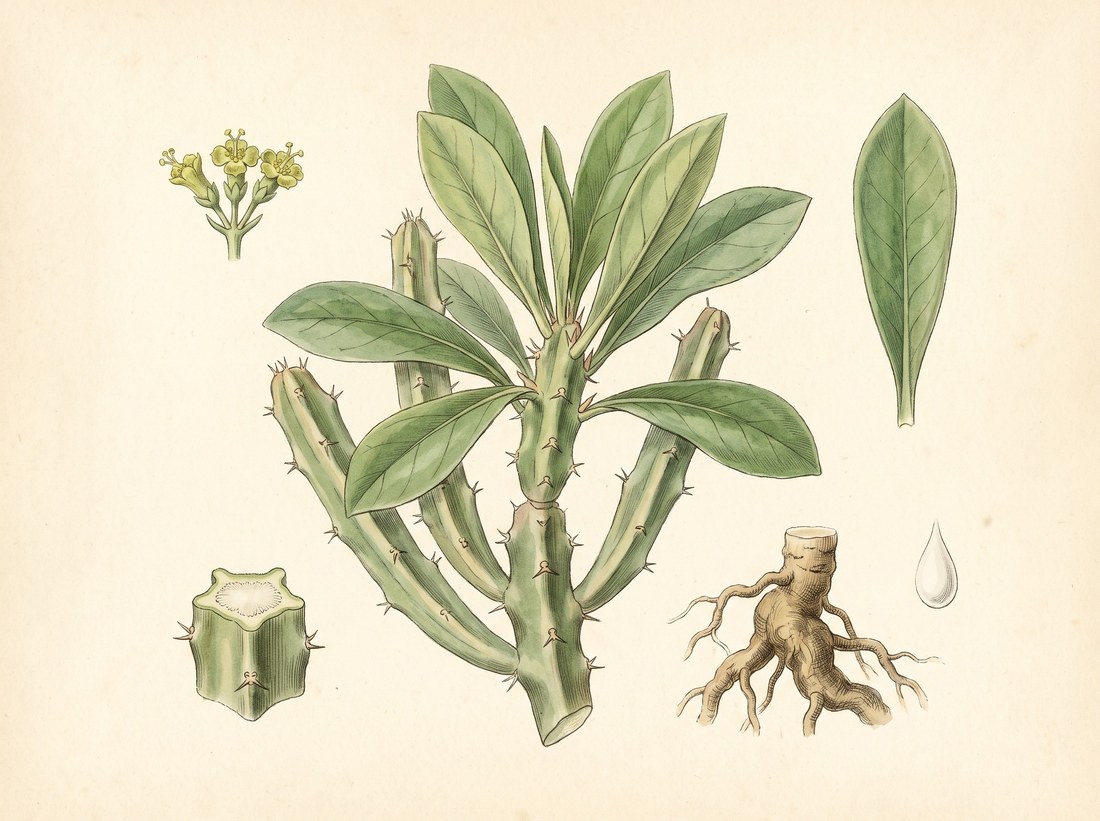 Indian spurge treeEuphorbia neriifolia
 Indian SquillUrginea indica
 Indian tobaccoLobelia inflata
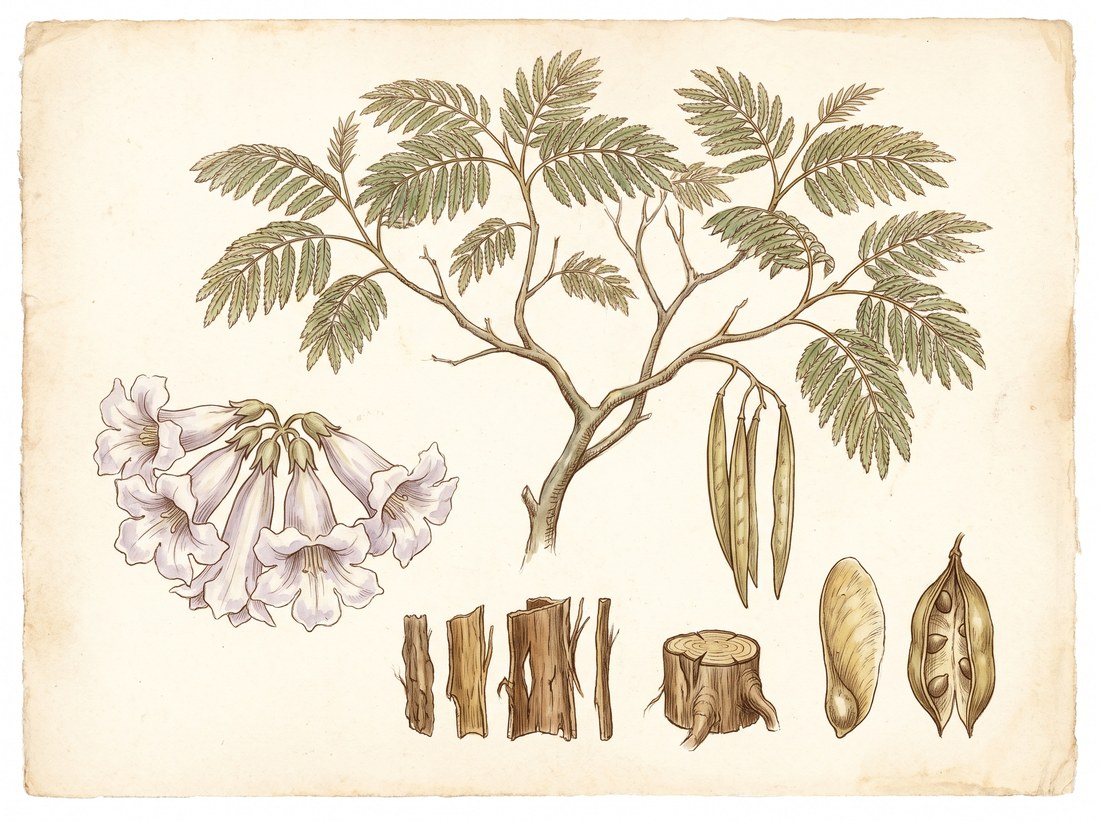 Indian trumpet flowerOroxylum indicum
The whole plate is in the library. The compass, Compare, the Sky of eleven hundred plants and the formulary open with an email address and a password, free, with the formula builder and its safety engine. Herbert without limit, his formulating, clients, the handouts and the labels are the paid room.
Open the library, free