Western Herbalism
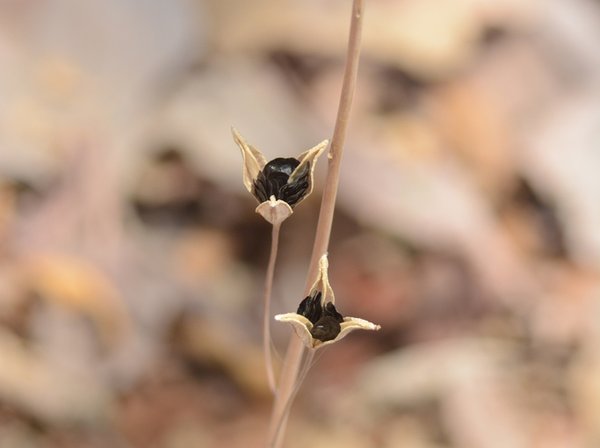
Indian Squill
Urginea indica
Also known as Sea Onion (Indian), Urginea.
Indian Squill acts primarily as: Cardioactive (cardiac glycosides), Expectorant, Diuretic, Emetic (large dose), Cardiotonic. Secondary actions include Stimulate the heart, Promote expectoration, Promote urination, TOXIC - low dose only.

Ask Herbert about Indian Squill. Herbert is the master herbalist inside Bountiful Herbs: he answers from this plate and eleven hundred others, with dosing, pairing and cautions. Your first ten questions are free.
Ask HerbertActions
Indications what the tradition reached for it in
- Chronic bronchitis and bronchial congestion with difficult expectoration (small expectorant doses)
- Cardiac insufficiency with edema (historical cardiotonic use)
- Dropsy and fluid retention
- Asthma with thick mucus
- All cardiac/diuretic uses require professional supervision
Safety
Recognised toxicity. This plant carries a toxicity flag in the record; it is for trained practitioners only.
Low dose botanical. Used in drop doses in the classical practice; not a plant to dose freely.
Breastfeeding: Pregnancy and lactation
The record lists 8 contraindications; open the plate in the library to read them in full.
Dosing as the sources wrote it
| Preparation | As written | Metric |
|---|---|---|
| Low dose only, under supervision | Low dose only, under supervision: Tincture (1:10) of the dried bulb, 2-5 drops as an expectorant | 0.04-0.1 mL |
| Powdered bulb 60-200 mg as an expectorant | 60-200 mg |
Doses are reproduced from the sources for practitioners and are not a recommendation for any person.
From the sources
primary-actions. Indian Squill acts primarily as: Cardioactive (cardiac glycosides), Expectorant, Diuretic, Emetic (large dose), Cardiotonic. Secondary actions include Stimulate the heart, Promote expectoration, Promote urination, TOXIC - low dose only.
indications. Indian Squill is traditionally indicated for: Chronic bronchitis and bronchial congestion with difficult expectoration (small expectorant doses), Cardiac insufficiency with edema (historical cardiotonic use), Dropsy and fluid retention, Asthma with thick mucus, All cardiac/diuretic uses require professional supervision.
constituents. Notable constituents of Indian Squill include: Bufadienolide cardiac glycosides (scillaren A, proscillaridin-type), Flavonoids, Mucilage, Calcium oxalate raphides (irritant).
dose-reference. Reference preparation/dosing for Indian Squill: Low dose only, under supervision: Tincture (1:10) of the dried bulb, 2-5 drops as an expectorant; Powdered bulb 60-200 mg as an expectorant; Cardiac/diuretic use is reserved for professional dosing; Strength varies - standardize and start low
Nearby on the shelf
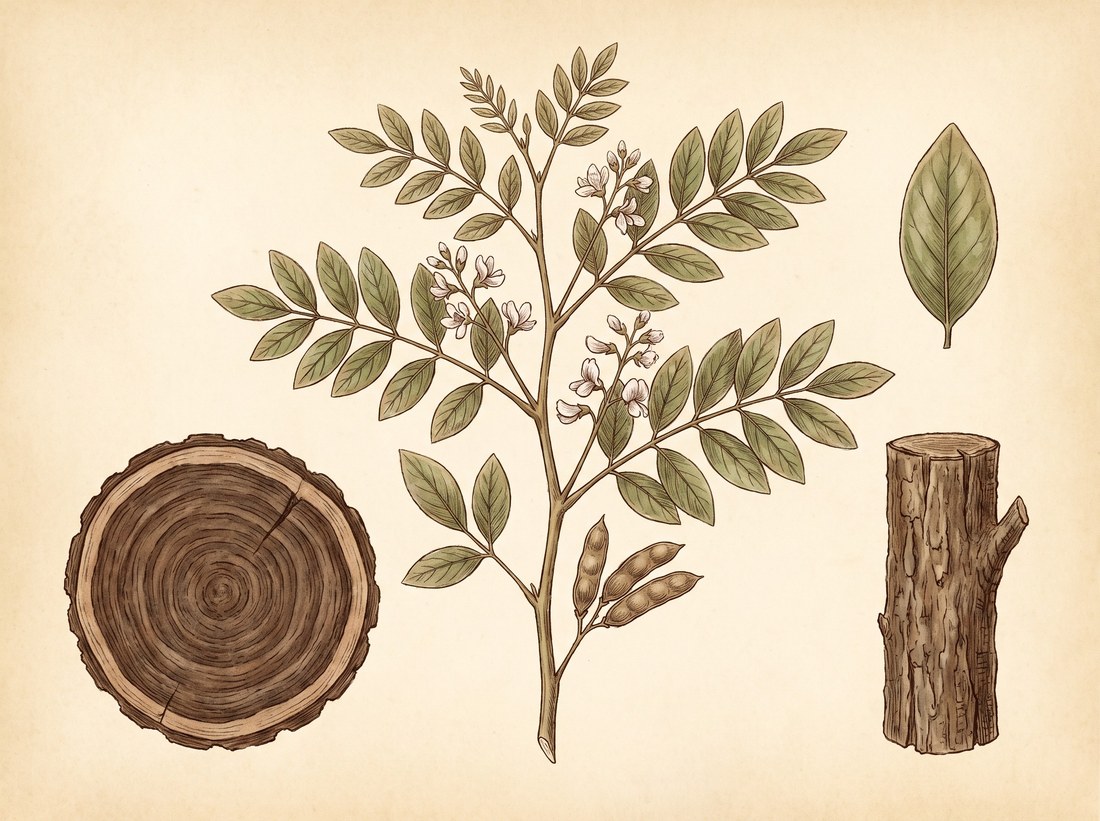 Indian rosewoodDalbergia sissoo
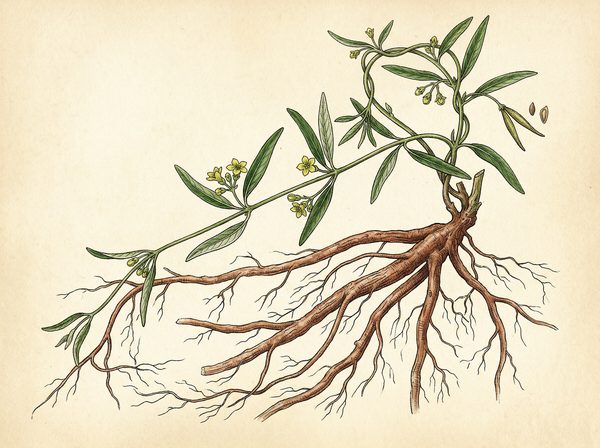 Indian sarsaparillaHemidesmus indicus
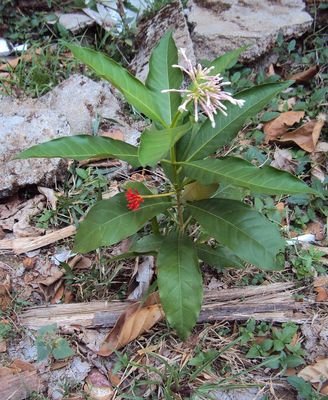 Indian snakerootRauvolfia serpentina
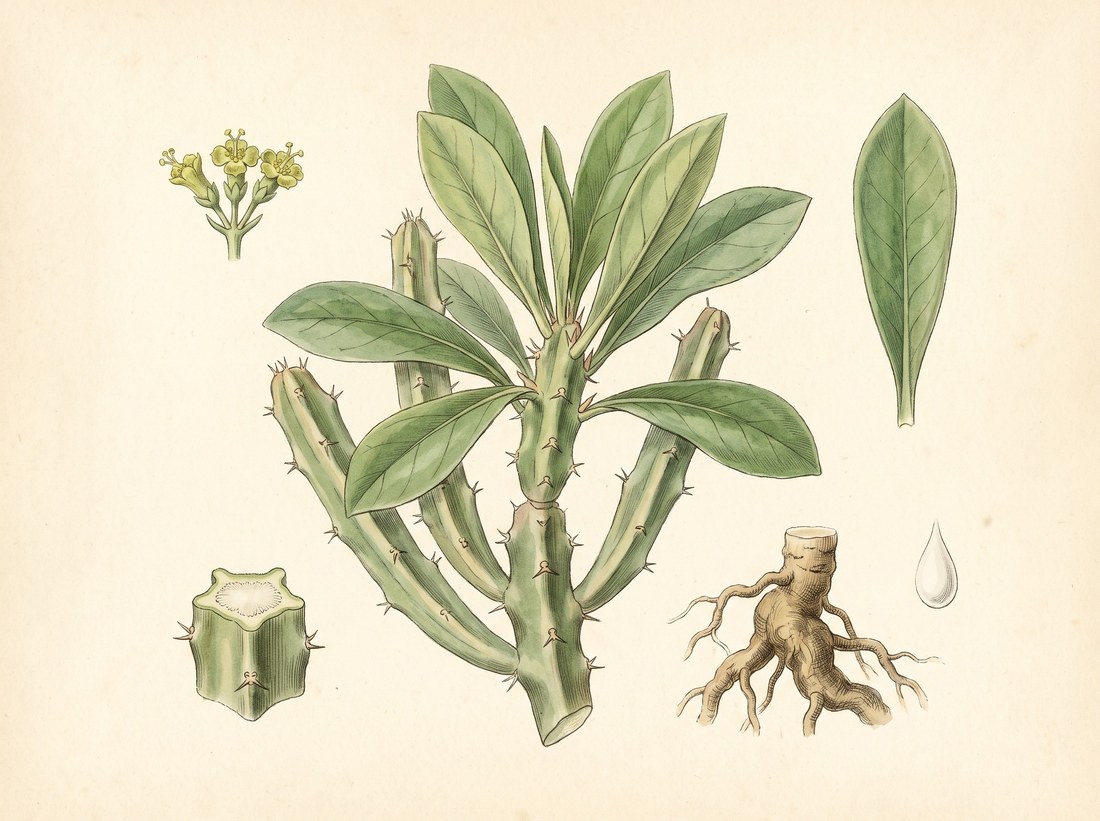 Indian spurge treeEuphorbia neriifolia
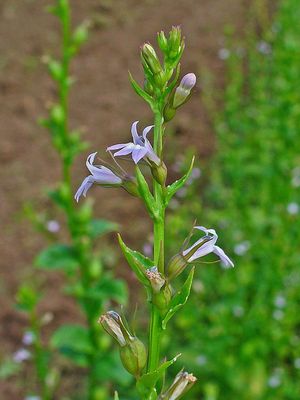 Indian tobaccoLobelia inflata
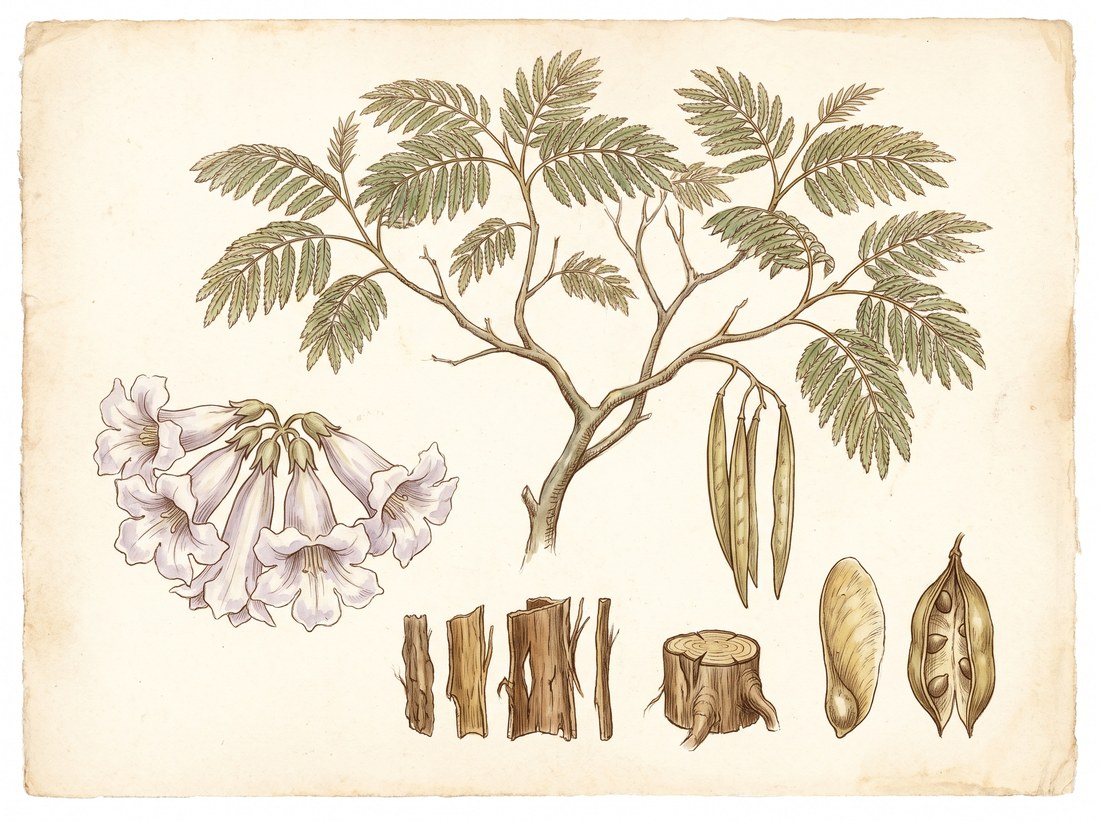 Indian trumpet flowerOroxylum indicum
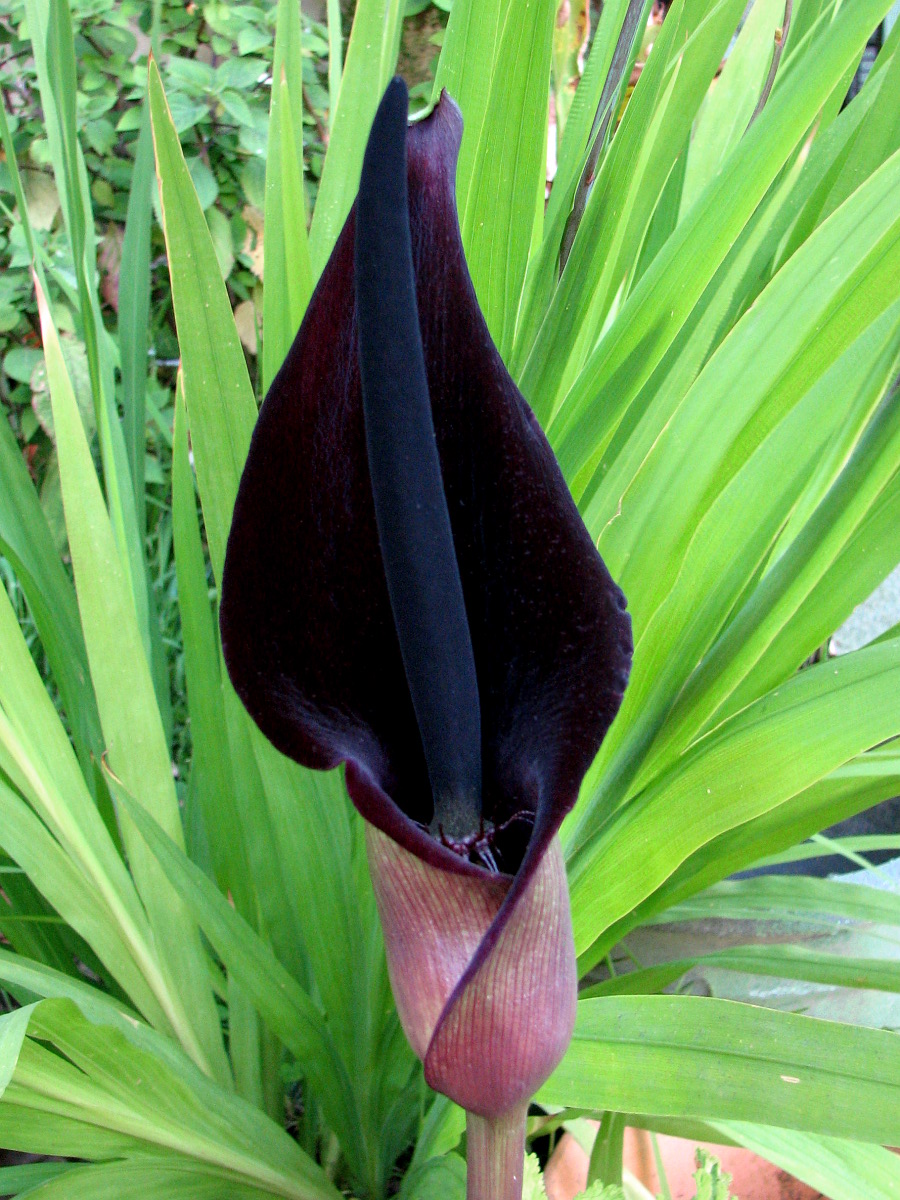 Indian turnipArisaema triphyllum
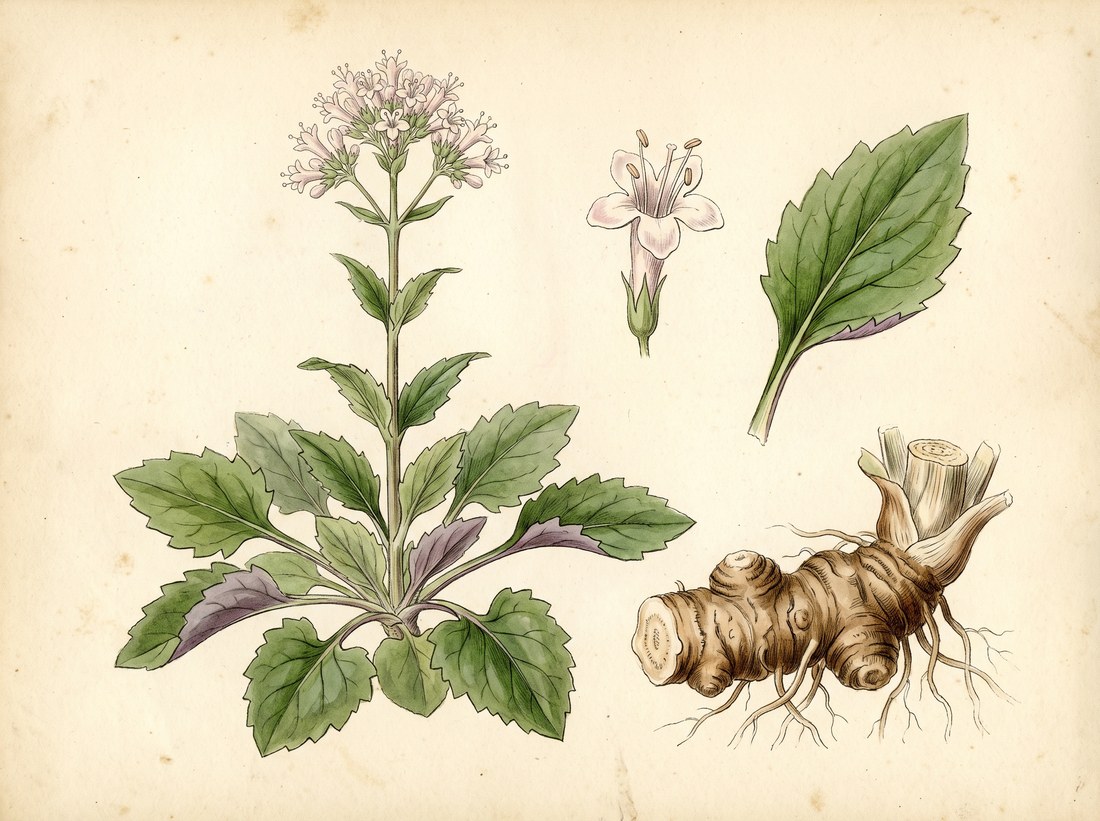 Indian valerianValeriana jatamansi
The whole plate is in the library. The compass, Compare, the Sky of eleven hundred plants and the formulary open with an email address and a password, free, with the formula builder and its safety engine. Herbert without limit, his formulating, clients, the handouts and the labels are the paid room.
Open the library, free