Western and Ayurvedic herbalism
Siris
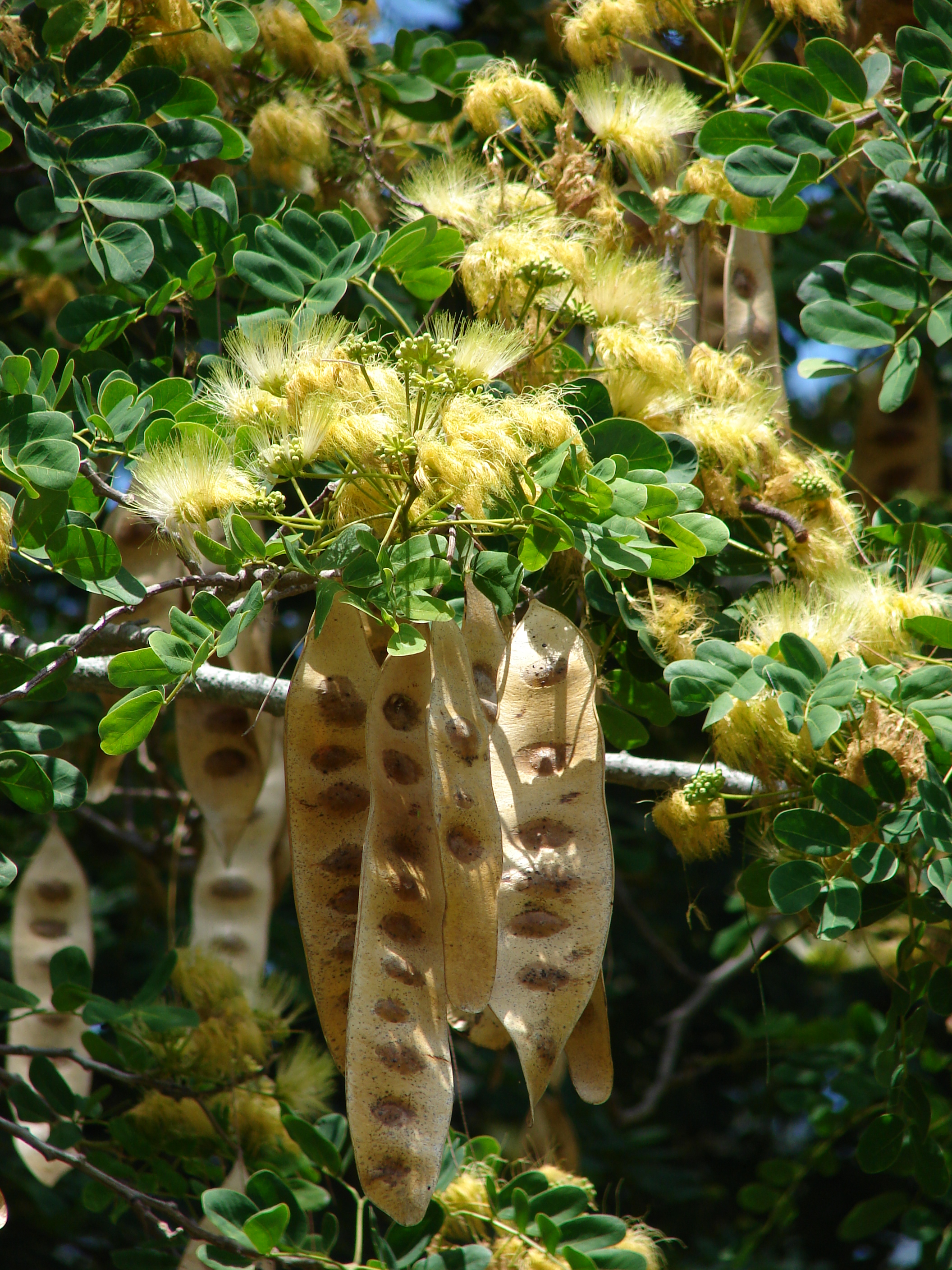
Albizia lebbeck
Also known as lebbeck, woman's tongue tree, East Indian walnut, frywood, Shirish, Lebbek tree, Pit shirish shirisha Aloes, Barbados aloe, Shirisha, Bhandi, Bhandila.
Albizia lebbeck is a large, fast growing deciduous tree of the pea family found across the Indian plains and foothills, planted as a roadside and shade tree from the Punjab to Tamil Nadu and naturalized through much of the tropics. Ayurveda knows it as Shirisha, praised in the Charaka Samhita as the best of all antidotes to poison, and uses the bark, flowers and seeds for allergic, toxic and skin conditions. In modern Ayurvedic practice it has become the leading herb for allergic rhinitis, urticaria and allergic asthma.

Ask Herbert about Siris. Herbert is the master herbalist inside Bountiful Herbs: he answers from this plate and eleven hundred others, with dosing, pairing and cautions. Your first ten questions are free.
Ask HerbertActions
Indications what the tradition reached for it in
- Allergic rhinitis and hay fever
- Allergic asthma with wheeze and mucus
- Urticaria and atopic itching
- Eczema and chronic skin eruptions
- Insect bites and stings (topical and internal)
- Chronic bronchitis with allergic component
- Food and drug sensitivities with skin flares
- Conjunctivitis and itchy eyes (flower wash)
- Wounds and slow-healing ulcers (topical)
- Hemorrhoids with bleeding (seed, traditional)
- Anxiety with allergic tendency
- Dyspnea
- Poisoning
- Gingivitis
- Gum inflammation
- Leprosy
- Night blindness
- Fractures
- Erysipelas
- Worm infestation
- Ophthalmia
- Pruritus
- Pharyngitis
- Syphilis
- Boils
- Arthritis
- Inflammation
- Urticaria
- Bronchitis
- Pimples
Specific indications
A kapha-pitta patient whose spring allergies bring sneezing, watery eyes, itchy skin and a chest that tightens with wheeze
Recurrent urticaria that flares with foods, heat or insect bites and leaves the skin hot, red and itching
The asthmatic child or adult whose attacks follow an allergic trigger rather than infection, with thin mucus and an itchy throat
A patient who reacts to everything, from bites to drugs to cosmetics, and needs a gentle systemic antidote rather than another antihistamine
Safety
Pregnancy: No published safety class is known to us; the tradition does not forbid the bark but has no record of use in pregnancy, so avoid medicinal doses until more is known.
Breastfeeding: No data in nursing mothers; traditional use is not recorded, so use food-like amounts only or avoid.
The record lists 5 contraindications; open the plate in the library to read them in full.
In practice
Reach for Shirisha when an illness has an allergic or toxic quality: swelling, itching, redness, sneezing and wheeze that follow a trigger. The classical texts group it with the vishaghna drugs, so it is given for bites and stings, for reactions to food and medicine, and for skin eruptions that spread and itch.
In Ayurveda
Rasa: kashaya (astringent), tikta (bitter), madhura (sweet). Virya: anushna (mildly heating). Vipaka: katu (pungent). Guna: laghu (light), ruksha (dry), tikshna (sharp). Dosha: pacifies all three doshas, with the strongest action on kapha and pitta; the flower is cooling and suits pitta. Prabhava: vishaghna (the foremost antidote to poisons, named so in the Charaka Samhita). Karma: vishaghna (antidote to poisons and toxins); shothahara (reduces swelling); kandughna (relieves itching); kushthaghna (clears skin disease); shvasahara (relieves dyspnea); kasahara (relieves cough); vranaropana (heals wounds); vedanasthapana (relieves pain); tridoshahara (balances all three doshas); varnya (improves complexion). Classical indications: visha (poisoning, including bites and stings); shvasa (dyspnea, asthma); kasa (cough); kushtha (skin diseases); kandu (pruritus); shotha (inflammatory swelling); visarpa (spreading skin inflammation); vrana (wounds and ulcers); netraroga (eye disorders); pinasa (chronic rhinitis); danta roga (dental disease). The stem bark is the principal drug, taken as churna, kwatha and the fermented arishta, and made into avaleha for asthma. Flowers are used fresh or dried as a cooling paste and in eye washes, the seeds as a powder for skin disease and hemorrhoids, and the leaf juice for wounds and eye complaints. Classical formulations: Shirishadi kwatha, Shirisharishta, Shirishavaleha, Panchashirishadi agada, Shirishadi churna, Shirishadi taila. Described in: Charaka Samhita, Sushruta Samhita, Ashtanga Hridaya, Bhavaprakasha Nighantu, Dhanvantari Nighantu, Raja Nighantu, Kaiyadeva Nighantu, Ayurvedic Pharmacopoeia of India.
Dosing as the sources wrote it
| Preparation | As written | Metric |
|---|---|---|
| Churna (bark) | 3-6 g powdered bark twice daily with warm water or honey | 3000-6000 mg |
| Kwatha | 50-100 mL bark decoction twice daily | 50-100 mL |
| Arishta | 12-24 mL twice daily after food with equal water | 12-24 mL |
| Avaleha | 5-10 g twice daily with warm water | 5000-10000 mg |
| Kalka, topical | 5-10 g bark or flower paste applied locally | 5000-10000 mg |
| Decoction of bark | Decoction of bark 50-100 ml | 50-100 mL |
Doses are reproduced from the sources for practitioners and are not a recommendation for any person.
From the sources
Overview. Albizia lebbeck is a large, fast growing deciduous tree of the pea family found across the Indian plains and foothills, planted as a roadside and shade tree from the Punjab to Tamil Nadu and naturalized through much of the tropics. Ayurveda knows it as Shirisha, praised in the Charaka Samhita as the best of all antidotes to poison, and uses the bark, flowers and seeds for allergic, toxic and skin conditions. In modern Ayurvedic practice it has become the leading herb for allergic rhinitis, urticaria and allergic asthma.
Clinical Notes. Reach for Shirisha when an illness has an allergic or toxic quality: swelling, itching, redness, sneezing and wheeze that follow a trigger. The classical texts group it with the vishaghna drugs, so it is given for bites and stings, for reactions to food and medicine, and for skin eruptions that spread and itch.
primary-actions. Siris acts primarily as: Anti-inflammatory, Antiallergic, Astringent, Alterative. Secondary actions include Antimicrobial, Antioxidant, Hypoglycemic, Vulnerary, Antinociceptive.
indications. Siris is traditionally indicated for: Dyspnea, Poisoning, Gingivitis, Gum inflammation, Leprosy, Night blindness, Fractures, Erysipelas, Worm infestation, Ophthalmia, Pruritus, Pharyngitis, Syphilis, Boils, Arthritis, and 36 further conditions.
In formulas
Siris stands in 5 documented formulas in the library, among them Ayaskṛti, Devadārvāriṣṭa, Kāsīsādi Ghṛta, Vajraka Taila, Vṛddhihara Lepa.
Often paired with
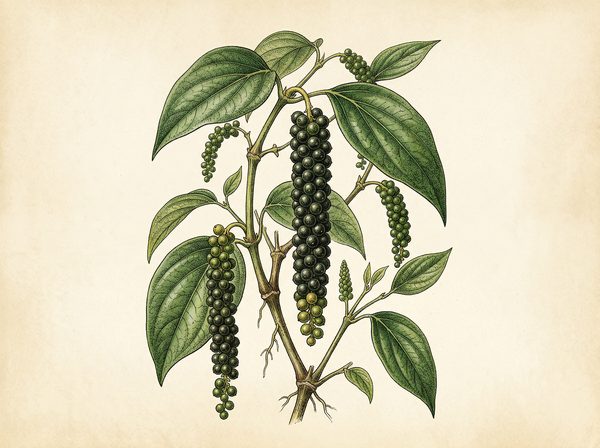 black pepperPiper nigrum
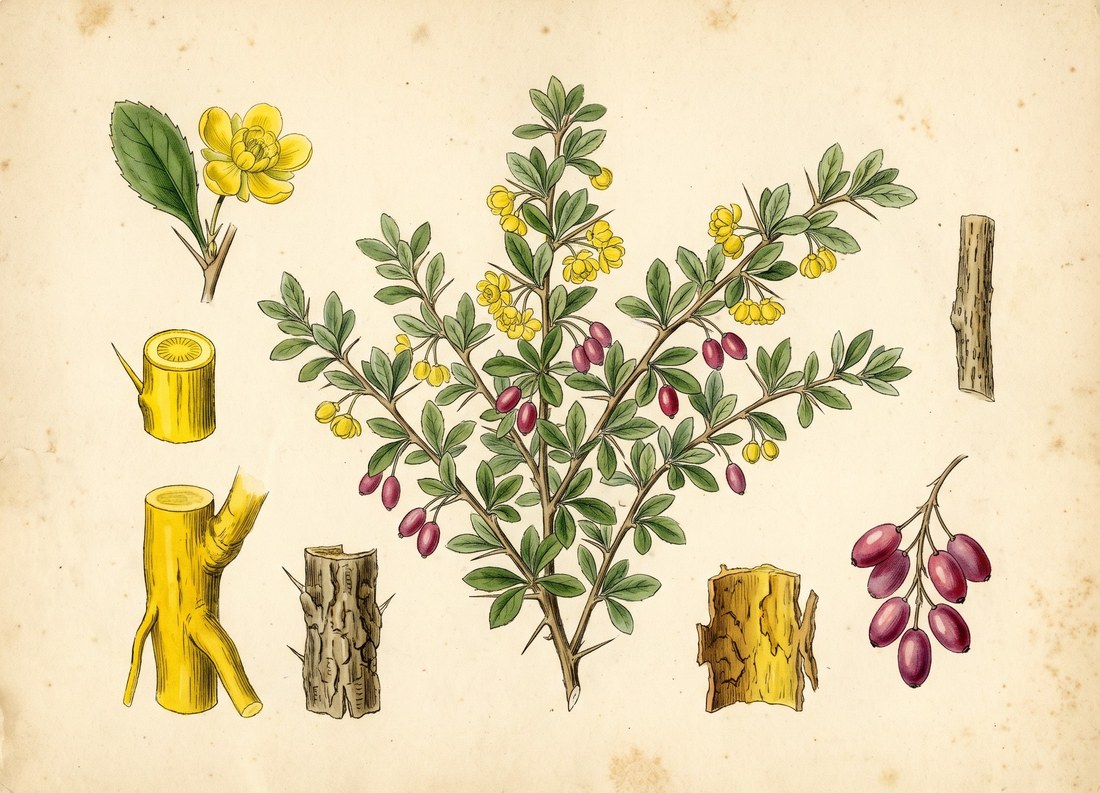 Indian barberryBerberis aristata
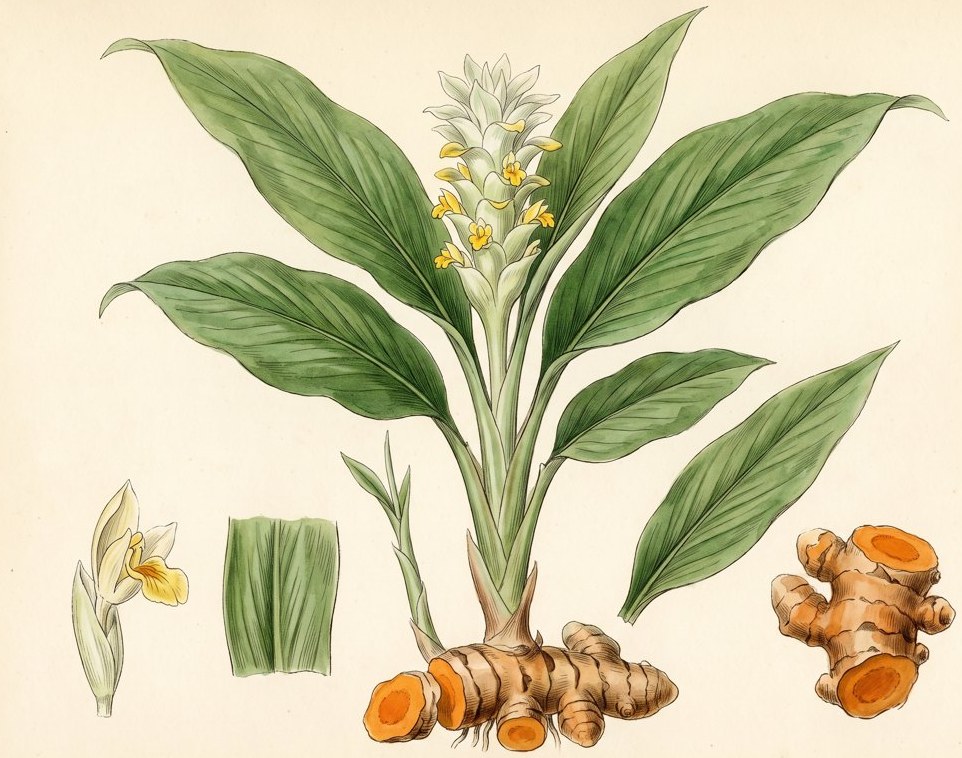 turmericCurcuma longa
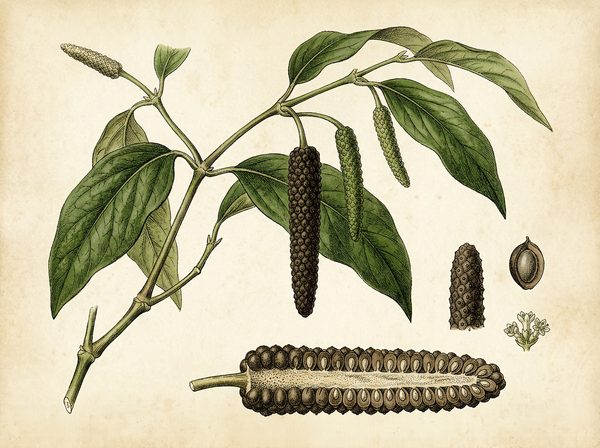 long pepperPiper longum
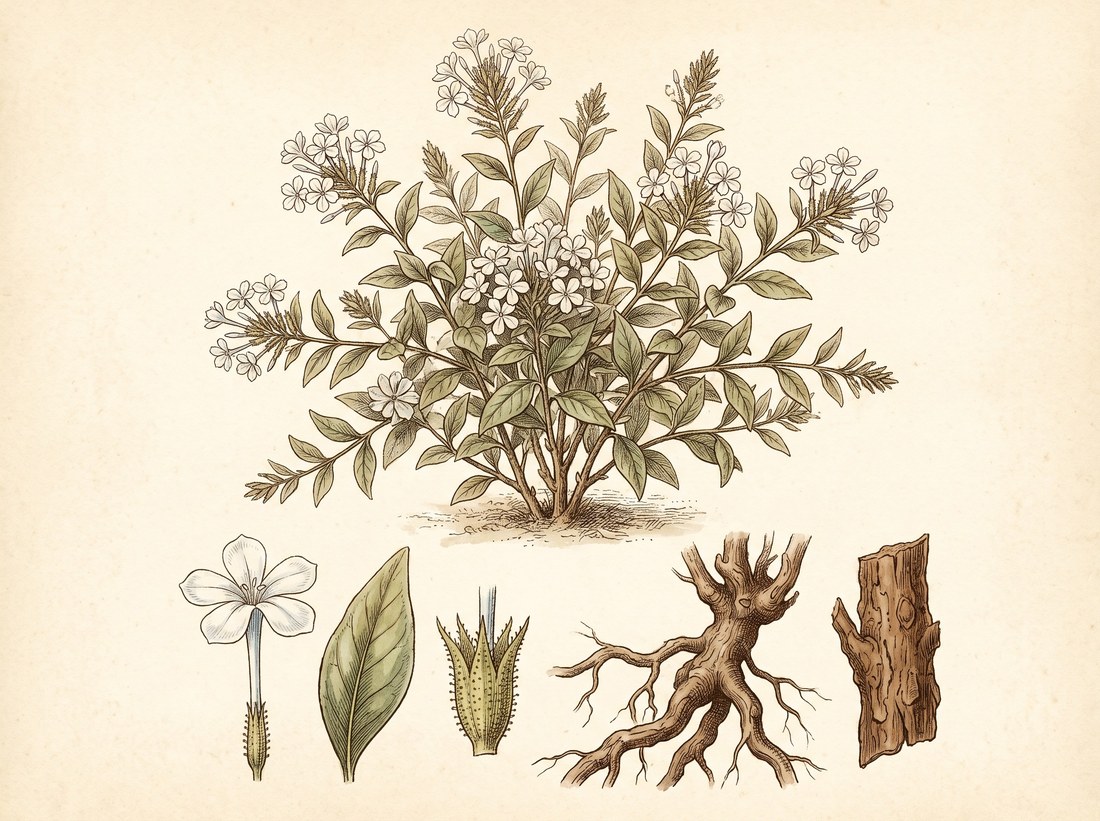 Ceylon leadwortPlumbago zeylanica
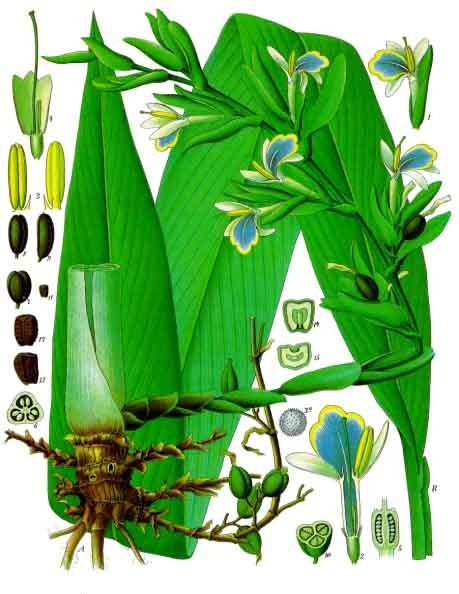 cardamomElettaria cardamomum
Nearby on the shelf
 SicklepodSenna obtusifolia
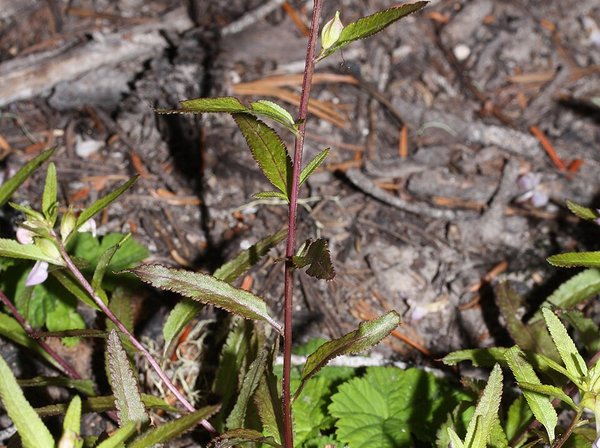 Sickletop LousewortPedicularis racemosa
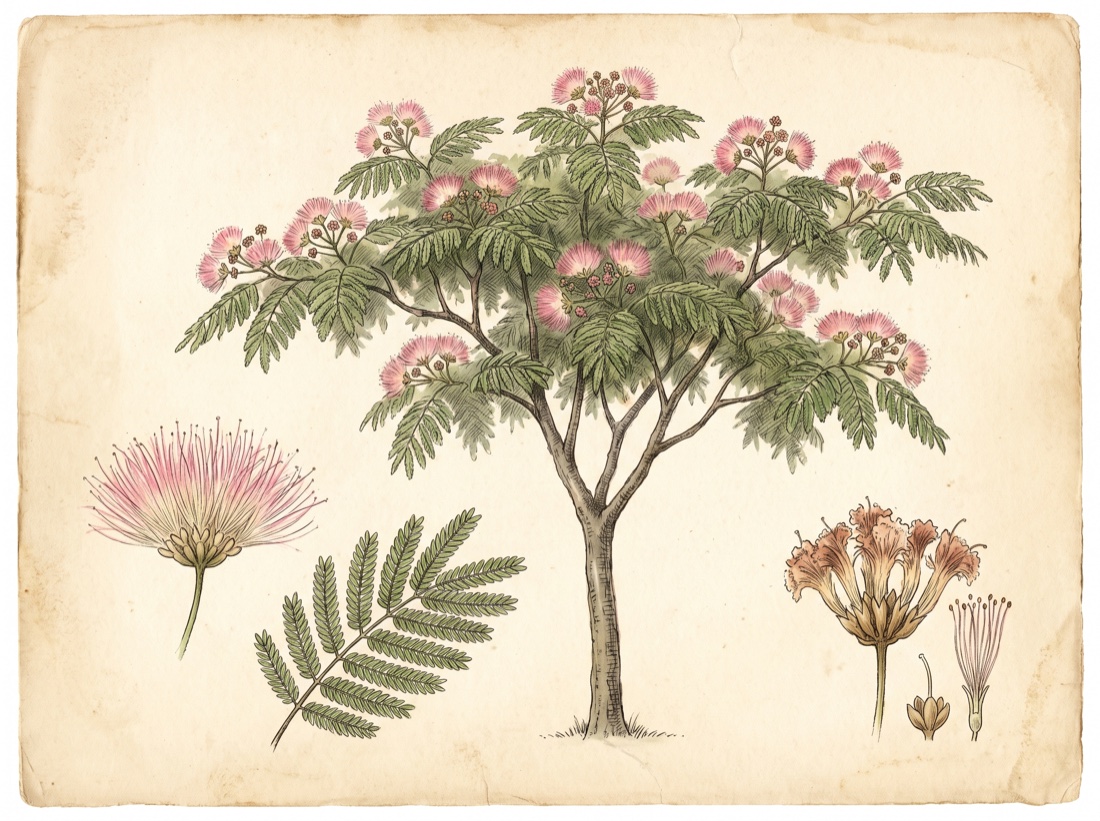 Silk treeAlbizia julibrissin
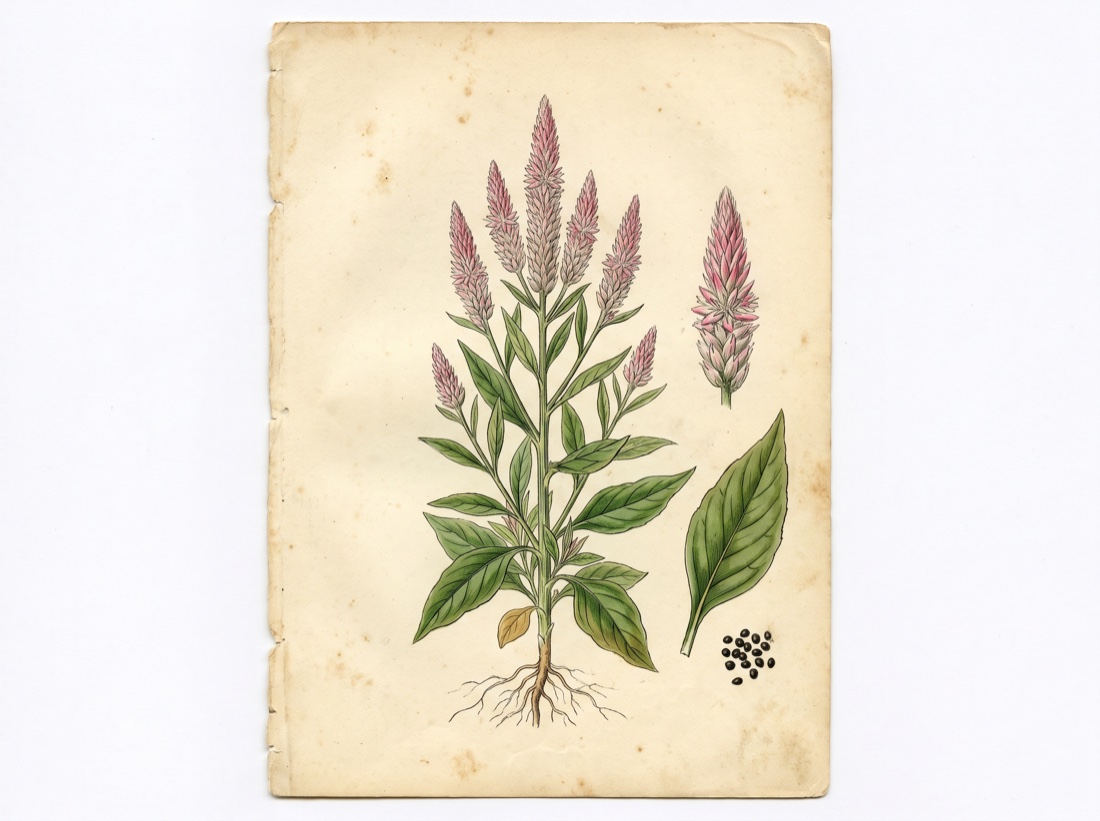 Silver cockscombCelosia argentea
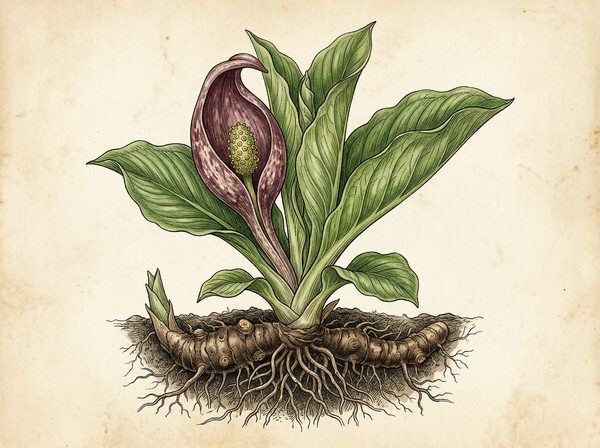 Skunk CabbageSymplocarpus foetidus
 Slippery elmUlmus rubra
 SmartweedPolygonum hydropiper
 Smilax regeliiSmilax regelii
The whole plate is in the library. The compass, Compare, the Sky of eleven hundred plants and the formulary open with an email address and a password, free, with the formula builder and its safety engine. Herbert without limit, his formulating, clients, the handouts and the labels are the paid room.
Open the library, free