Western and Ayurvedic herbalism
Areca nut
Areca catechu
Also known as betel nut, areca palm, supari, Pinang, Puga, Pugaphala, Kramuka.
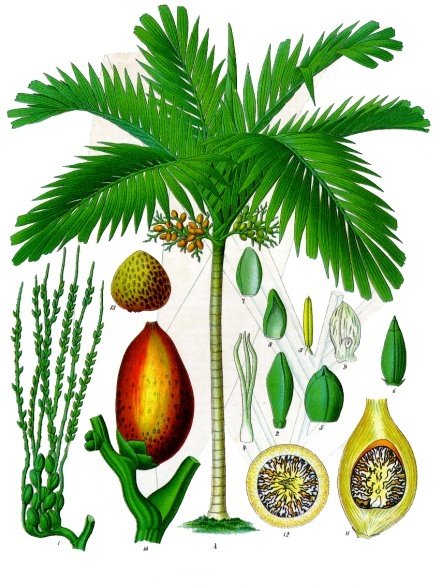
Areca catechu is a slender palm cultivated across coastal and hill India, from Kerala and Karnataka to Assam and Bengal, for its seed, the areca or betel nut, which some 600 million people chew as a stimulant wrapped in betel leaf with lime. Ayurveda knows the ripe seed as Puga and uses it, after purification, as a heavy, cooling astringent for discharge, bleeding, diarrhea and worms, and in Pugakhanda as a tonic for women weakened by leukorrhea. The same nut chewed habitually is a leading cause of oral cancer and oral submucous fibrosis, and this monograph treats Puga as a restricted medicine to be used briefly, processed and never as a habit.

Ask Herbert about Areca nut. Herbert is the master herbalist inside Bountiful Herbs: he answers from this plate and eleven hundred others, with dosing, pairing and cautions. Your first ten questions are free.
Ask HerbertActions
Indications what the tradition reached for it in
- Leukorrhea and menorrhagia with weakness (Pugakhanda, processed nut)
- Chronic diarrhea and dysentery (processed nut, short course)
- Tapeworm in animals (veterinary taenicide)
- Bleeding gums and mouth ulcers (gargle of decoction)
- Bad breath (traditional mouth cleanser)
- Dyspepsia with poor appetite (traditional, small doses)
- Postpartum discharge and debility (Pugakhanda)
- Bleeding hemorrhoids (topical and internal astringent)
- Excess salivation is a side effect, not an indication
- Tapeworm infestation
- Roundworm and other intestinal parasites
- Abdominal distension from food stagnation
- Constipation associated with qi stagnation
- Edema associated with qi stagnation
- Dysentery (historic eclectic use)
- Malarial fevers (historic use)
- Poor appetite with fullness after meals
Specific indications
A woman worn down by months of heavy white discharge, with low back ache, pallor and fatigue, given Pugakhanda with milk as both astringent and tonic
Chronic loose stools with mucus in a kapha patient where a heavy, cooling, binding drug is wanted for a week or two
Spongy bleeding gums and a foul mouth in a patient who will use a decoction gargle but must be warned off chewing the nut
Bleeding piles with a damp, heavy constitution, treated with the processed powder in buttermilk
Safety
Recognised toxicity. This plant carries a toxicity flag in the record; it is for trained practitioners only.
Low dose botanical. Used in drop doses in the classical practice; not a plant to dose freely.
Pregnancy: Limited safety data in pregnancy
Breastfeeding: Not for use while breastfeeding
The record lists 12 contraindications; open the plate in the library to read them in full.
In practice
The Ayurvedic practitioner uses Puga sparingly and always shodhita. The nut is boiled, the water discarded and the dried nut powdered; this reduces arecoline and the irritant tannins and is the only form the texts approve for internal medicine.
In Ayurveda
Rasa: kashaya (astringent), madhura (sweet). Virya: sheeta (cooling). Vipaka: katu (pungent). Guna: guru (heavy), ruksha (dry). Dosha: the ripe, processed nut pacifies kapha and pitta; the unripe nut is heating and intoxicating and aggravates pitta and vata. Prabhava: mohana, the intoxicating and habit forming quality the texts warn of in the unripe and fresh nut. Karma: grahi (binds, antidiarrheal); krimighna (anthelmintic); mukhavaishadyakara (cleanses the mouth); dantya (strengthens teeth); deepana (kindles digestion); kaphahara (reduces kapha); raktastambhana (hemostatic); mutrala (mild diuretic); mohana (intoxicating, in the fresh nut); balya (strengthening, in Pugakhanda). Classical indications: krimi (intestinal worms, especially tapeworm); mukharoga (mouth disease); dantaroga (dental disease); atisara (diarrhea); pradara (leukorrhea and menorrhagia); aruchi (loss of appetite); mukhadaurgandhya (bad breath); mutrakrichchhra (dysuria); raktapitta (bleeding disorders); daurbalya after pradara (weakness from discharge). The ripe seed is the drug, and the tradition insists on shodhana: the nut is boiled in water or cow's milk, or soaked and dried, to reduce its intoxicating and irritant quality before it is powdered as churna or cooked with sugar and ghee into Pugakhanda and Pugapaka. The fresh nut chewed with betel leaf and lime (tambula) is a social custom the medical texts describe with both praise and warning. Classical formulations: Pugakhanda, Pugapaka, Puga churna (shodhita), Khadiradi vati (some versions), Pugadi lepa (topical), Puga kshara (regional). Described in: Charaka Samhita, Sushruta Samhita, Ashtanga Hridaya, Bhavaprakasha Nighantu, Dhanvantari Nighantu, Raja Nighantu, Kaiyadeva Nighantu, Ayurvedic Pharmacopoeia of India.
Dosing as the sources wrote it
| Preparation | As written | Metric |
|---|---|---|
| Churna (shodhita) | 1-3 g processed nut powder once or twice daily with buttermilk or honey, processed material only, for up to three weeks | 1000-3000 mg |
| Pugakhanda | 6-12 g confection twice daily with warm milk, processed material only, for two to four weeks | 6000-12000 mg |
| Kwatha, gargle | 50-100 mL decoction as a mouth rinse twice daily, spat out | 50-100 mL |
| Lepa, topical | 5-10 g paste applied to bleeding piles or wounds once daily | 5000-10000 mg |
| The chief use of this drug is to expel tapeworms, for which it is said to be efficient in doses of 2 to 6 drachms of the powdered nut, administered in syrup. | 23328 mg | |
| Decoction (digestive, qi-moving use) | 3-9 g dried seed daily in decoction | 3000-9000 mg |
Doses are reproduced from the sources for practitioners and are not a recommendation for any person.
From the sources
Overview. Areca catechu is a slender palm cultivated across coastal and hill India, from Kerala and Karnataka to Assam and Bengal, for its seed, the areca or betel nut, which some 600 million people chew as a stimulant wrapped in betel leaf with lime. Ayurveda knows the ripe seed as Puga and uses it, after purification, as a heavy, cooling astringent for discharge, bleeding, diarrhea and worms, and in Pugakhanda as a tonic for women weakened by leukorrhea. The same nut chewed habitually is a leading cause of oral cancer and oral submucous fibrosis, and this monograph treats Puga as a restricted medicine to be used briefly, processed and never as a habit.
Overview. Areca catechu is a slender palm cultivated widely across South and Southeast Asia, valued for its seed, commonly called the areca nut or betel nut. The dried, mature seed has a long history of use in Chinese, Ayurvedic and Southeast Asian folk medicine as a vermifuge and digestive remedy, and it entered nineteenth century eclectic practice in the West chiefly as a taeniacide for tapeworm. Outside medicine, the fresh nut is chewed widely as a mild stimulant wrapped in betel leaf with slaked lime, a habit distinct from its therapeutic use and now recognized as a serious health hazard.
Clinical Notes. The Ayurvedic practitioner uses Puga sparingly and always shodhita. The nut is boiled, the water discarded and the dried nut powdered; this reduces arecoline and the irritant tannins and is the only form the texts approve for internal medicine.
Clinical Notes. Historically, areca nut was reached for specifically when a tapeworm had been confirmed, given as a single robust decoction, often paired with pumpkin seed and followed within an hour or two by a saline purgative to expel the worm before it could re-attach.
Drawn from King's American Dispensatory, 18th edition (Felter and Lloyd), and the Bountiful Herbs editorial.
In formulas
Areca nut stands in 42 documented formulas in the library, among them Ayaskṛti, Kuṭajāriṣta, Daśamūlāriṣṭa, Pippalyādyāsava, Mṛtasaṅjīvanī Surā, Mṛdvīkāriṣṭa.
Often paired with
 cutch treeAcacia catechu
 Kava kavaPiper methysticum
 costusSaussurea costus
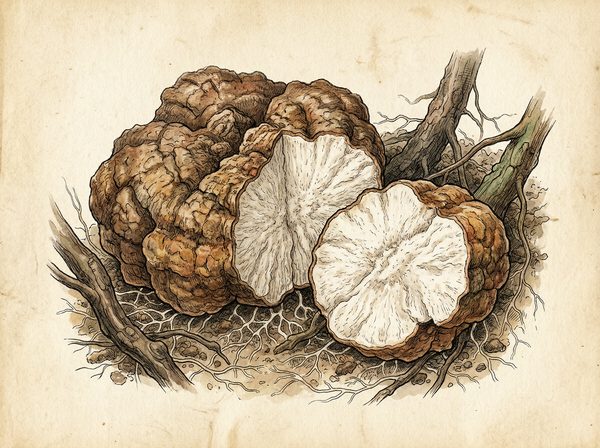 PoriaWolfiporia extensa
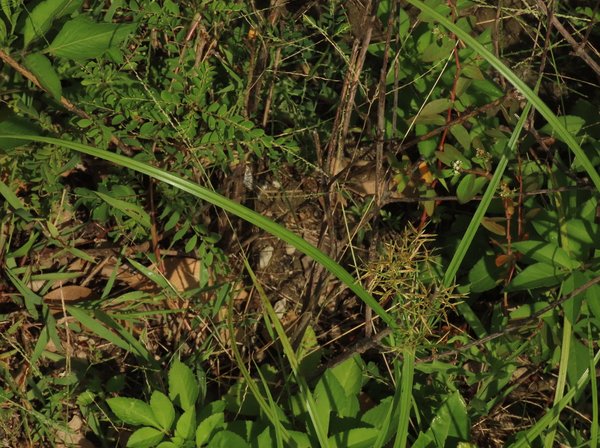 nut grassCyperus rotundus
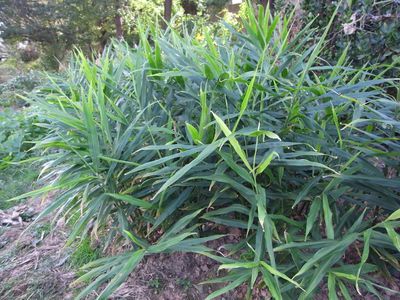 GingerZingiber officinale
Nearby on the shelf
 Anthemis cotulaAnthemis cotula
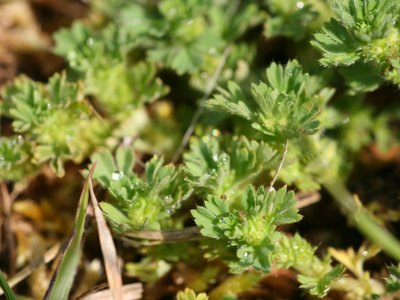 AphanesAphanes arvensis
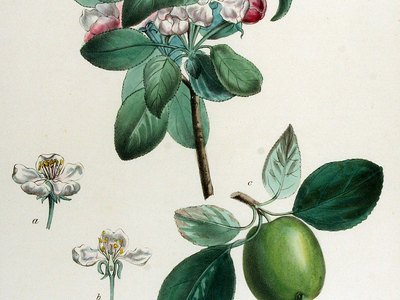 ApplePyrus Malus
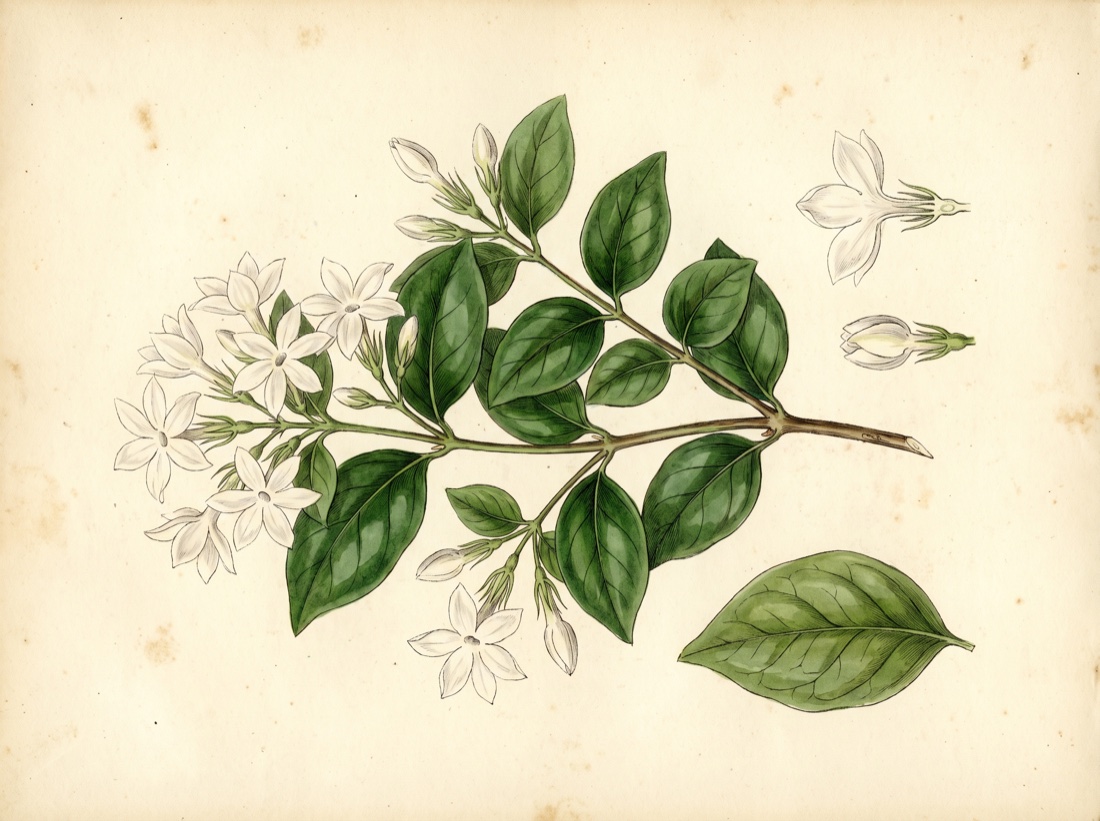 Arabian jasmineJasminum sambac
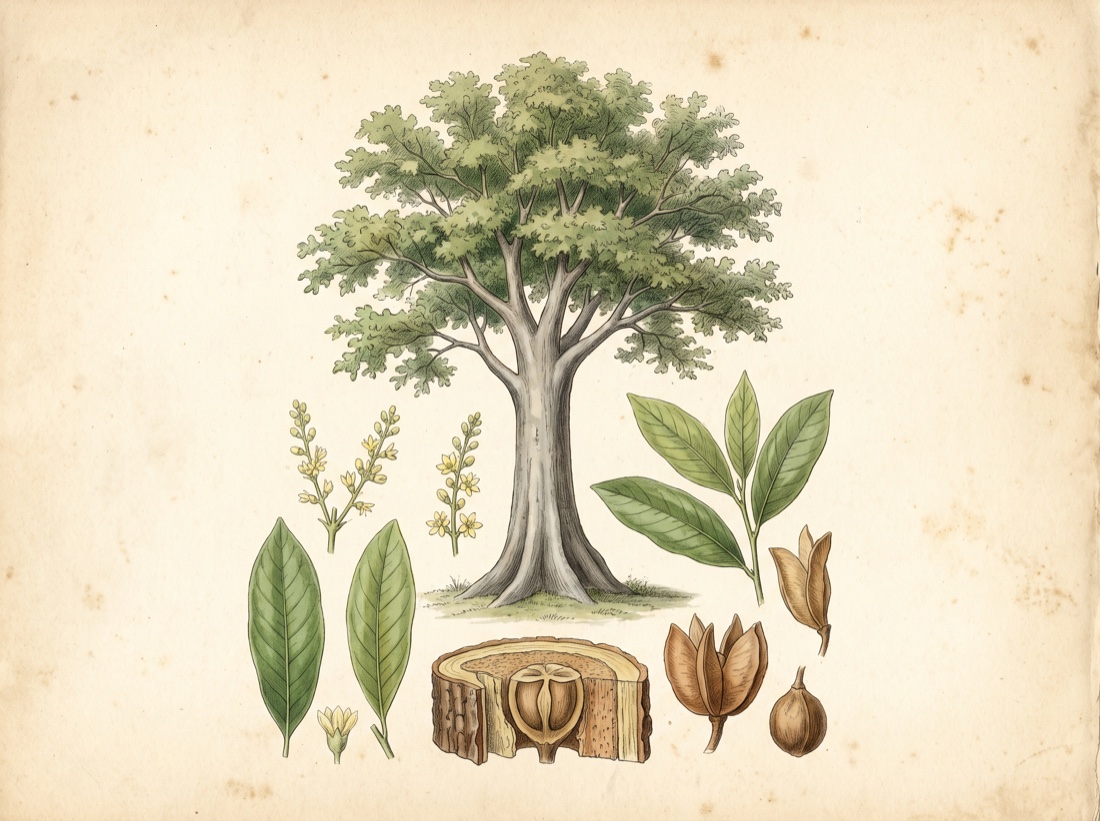 ArjunaTerminalia arjuna
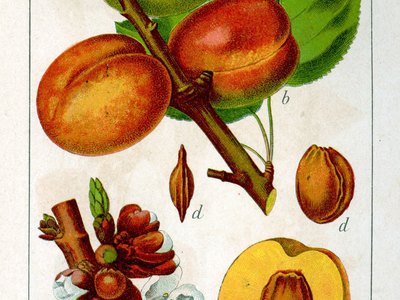 Armeniaca vulgarisArmeniaca vulgaris
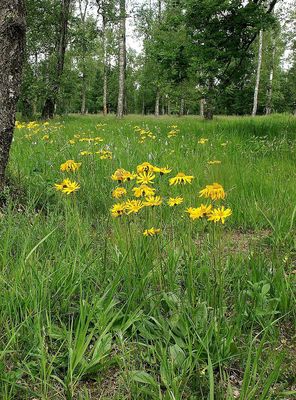 ArnicaArnica spp.
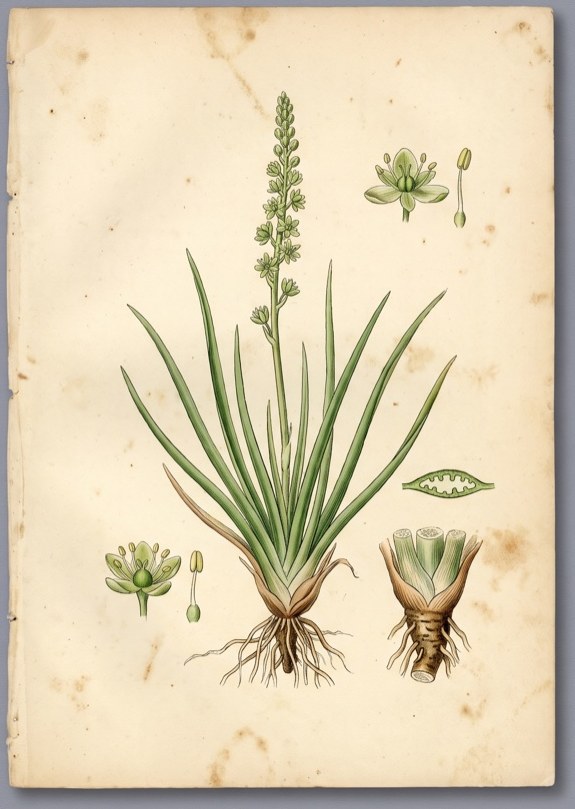 Arrow-GrassTriglochin
The whole plate is in the library. The compass, Compare, the Sky of eleven hundred plants and the formulary open with an email address and a password, free, with the formula builder and its safety engine. Herbert without limit, his formulating, clients, the handouts and the labels are the paid room.
Open the library, free