Ayurvedic Herbalism
Yellow-berried nightshade
Solanum xanthocarpum
Also known as Indian nightshade, thorny nightshade, wild eggplant, kantakari, Kantakari, Nidigdhika, Vyaghri.
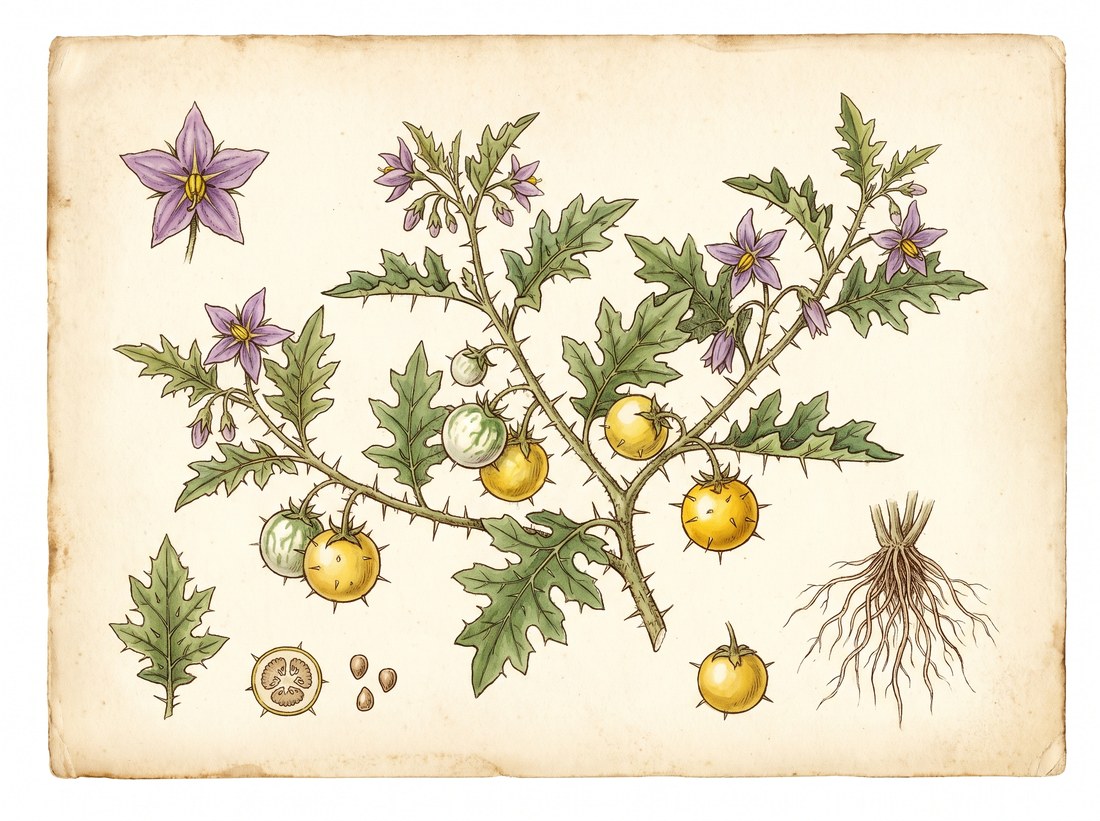
Solanum xanthocarpum, now placed under Solanum virginianum, is a low, spreading, very prickly perennial herb of the nightshade family with purple flowers and round fruits that ripen from green-veined white to yellow, growing as a common weed of wasteland and roadsides across the Indian plains and the drier parts of the peninsula. In Ayurveda it is Kantakari, the thorny one, one of the two Solanum members of the laghu panchamoola of Dashamoola and the chief herb for kasa and shvasa, cough and asthma. The whole plant, root and fruit are used, and its bitter, pungent, heating quality scrapes kapha from the chest and kindles a sluggish digestive fire.

Ask Herbert about Yellow-berried nightshade. Herbert is the master herbalist inside Bountiful Herbs: he answers from this plate and eleven hundred others, with dosing, pairing and cautions. Your first ten questions are free.
Ask HerbertActions
Indications what the tradition reached for it in
- Chronic bronchitis with thick, hard-to-raise phlegm
- Bronchial asthma with wheeze and cough
- Post-viral cough that lingers
- Fever with respiratory catarrh
- Hiccup and spasmodic cough
- Pleuritic or intercostal chest pain with cough
- Chronic rhinitis and post-nasal drip
- Poor appetite with a coated tongue
- Painful urination with scanty flow
- Hemorrhoids with sluggish bowel
- Toothache (folk use, fruit smoke)
Specific indications
A kapha patient with a chest full of thick, sticky phlegm that will not shift, a tight wheeze in the cold months and a poor appetite, where the bitter, warming, sharp plant thins the mucus and opens the airway
A child or adult with a lingering post-infective cough and low-grade fever, given as Vyaghri haritaki or Kantakari avaleha with honey
The asthmatic whose attacks follow a cold and whose digestion is sluggish, the classical link between ama in the gut and kapha in the lungs
Deep aching pain in the chest wall and flanks with cough, in the Dashamoola pattern of vata pushing against kapha
Safety
Pregnancy: Avoid medicinal doses in pregnancy: no published safety class is known to us, the plant contains steroidal glycoalkaloids, and the tradition does not make a habit of giving it to pregnant women.
The record lists 7 contraindications; open the plate in the library to read them in full.
In practice
Kantakari is the Ayurvedic practitioner's first thought for cough and asthma of kapha type: thick phlegm, a tight chest, heaviness, poor appetite, a coated tongue. The classical anupana is honey, which itself scrapes kapha, and the herb is given as a decoction of the whole plant, as Kantakari avaleha (the fruit cooked into a linctus with Pippali and honey), or as Vyaghri haritaki, in which Haritaki is cooked in a Kantakari decoction for chronic cough and asthma.
In Ayurveda
Rasa: tikta (bitter), katu (pungent). Virya: ushna (heating). Vipaka: katu (pungent). Guna: laghu (light), ruksha (dry), tikshna (sharp). Dosha: pacifies kapha and vata; may aggravate pitta in excess. Karma: kasahara (relieves cough); shvasahara (relieves dyspnea); jvaraghna (reduces fever); deepana (kindles digestion); pachana (digests ama); kanthya (benefits the throat); hridya (supports the heart); krimighna (anthelmintic); mutrala (diuretic); shothahara (reduces swelling); bhedana (loosens the bowel); kaphanissaraka (expels phlegm). Classical indications: kasa (cough); shvasa (dyspnea and asthma); jvara (fever); hikka (hiccup); parshvashula (pain in the flanks and chest); hridroga (heart disease); pratishyaya (rhinitis and catarrh); mutrakrichra (painful urination); arsha (hemorrhoids); krimi (worms); agnimandya (weak digestion); aruchi (loss of taste and appetite); dantashula (toothache, fruit smoke). The whole plant, root and fruit are used: the whole plant and root in kwatha, the root as one of the laghu panchamoola of Dashamoola, the fruit and fruit juice in avaleha and ghrita for cough and asthma, and the seeds and dried fruit burned and inhaled for toothache in folk practice. Classical formulations: Dashamoola (laghu panchamoola), Dashamularishta, Vyaghri haritaki, Kantakari avaleha, Kantakari ghrita, Vyaghryadi kwatha, Chyawanprash, Dhanwantaram taila, Narayana taila. Described in: Charaka Samhita, Sushruta Samhita, Ashtanga Hridaya, Bhavaprakasha Nighantu, Dhanvantari Nighantu, Raja Nighantu, Kaiyadeva Nighantu, Madanapala Nighantu, Ayurvedic Pharmacopoeia of India.
Dosing as the sources wrote it
| Preparation | As written | Metric |
|---|---|---|
| Kwatha | 50-100 mL decoction of whole plant twice daily with honey | 50-100 mL |
| Churna | 3-6 g powdered whole plant or root twice daily with honey | 3000-6000 mg |
| Avaleha | 5-10 g Kantakari avaleha twice daily | 5000-10000 mg |
| Swarasa | 10-20 mL fresh fruit or whole plant juice once or twice daily with honey | 10-20 mL |
Doses are reproduced from the sources for practitioners and are not a recommendation for any person.
From the sources
Overview. Solanum xanthocarpum, now placed under Solanum virginianum, is a low, spreading, very prickly perennial herb of the nightshade family with purple flowers and round fruits that ripen from green-veined white to yellow, growing as a common weed of wasteland and roadsides across the Indian plains and the drier parts of the peninsula. In Ayurveda it is Kantakari, the thorny one, one of the two Solanum members of the laghu panchamoola of Dashamoola and the chief herb for kasa and shvasa, cough and asthma. The whole plant, root and fruit are used, and its bitter, pungent, heating quality scrapes kapha from the chest and kindles a sluggish digestive fire.
Clinical Notes. Kantakari is the Ayurvedic practitioner's first thought for cough and asthma of kapha type: thick phlegm, a tight chest, heaviness, poor appetite, a coated tongue. The classical anupana is honey, which itself scrapes kapha, and the herb is given as a decoction of the whole plant, as Kantakari avaleha (the fruit cooked into a linctus with Pippali and honey), or as Vyaghri haritaki, in which Haritaki is cooked in a Kantakari decoction for chronic cough and asthma.
Ayurvedic Profile. Rasa: tikta (bitter), katu (pungent). Virya: ushna (heating). Vipaka: katu (pungent). Guna: laghu (light), ruksha (dry), tikshna (sharp). Dosha: pacifies kapha and vata; may aggravate pitta in excess. Karma: kasahara (relieves cough); shvasahara (relieves dyspnea); jvaraghna (reduces fever); deepana (kindles digestion); pachana (digests ama); kanthya (benefits the throat); hridya (supports the heart); krimighna (anthelmintic); mutrala (diuretic); shothahara (reduces swelling); bhedana (loosens the bowel); kaphanissaraka (expels phlegm).
In formulas
Yellow-berried nightshade stands in 47 documented formulas in the library, among them Amṛtāriṣta, Kanakāsava, Dantyādyariṣṭa, Daśamūlāriṣṭa, Punarnavāsava, Mṛtasaṅjīvanī Surā.
Often paired with
 Indian nightshadeSolanum indicum
 puncture vineTribulus terrestris
 prishniparniUraria picta
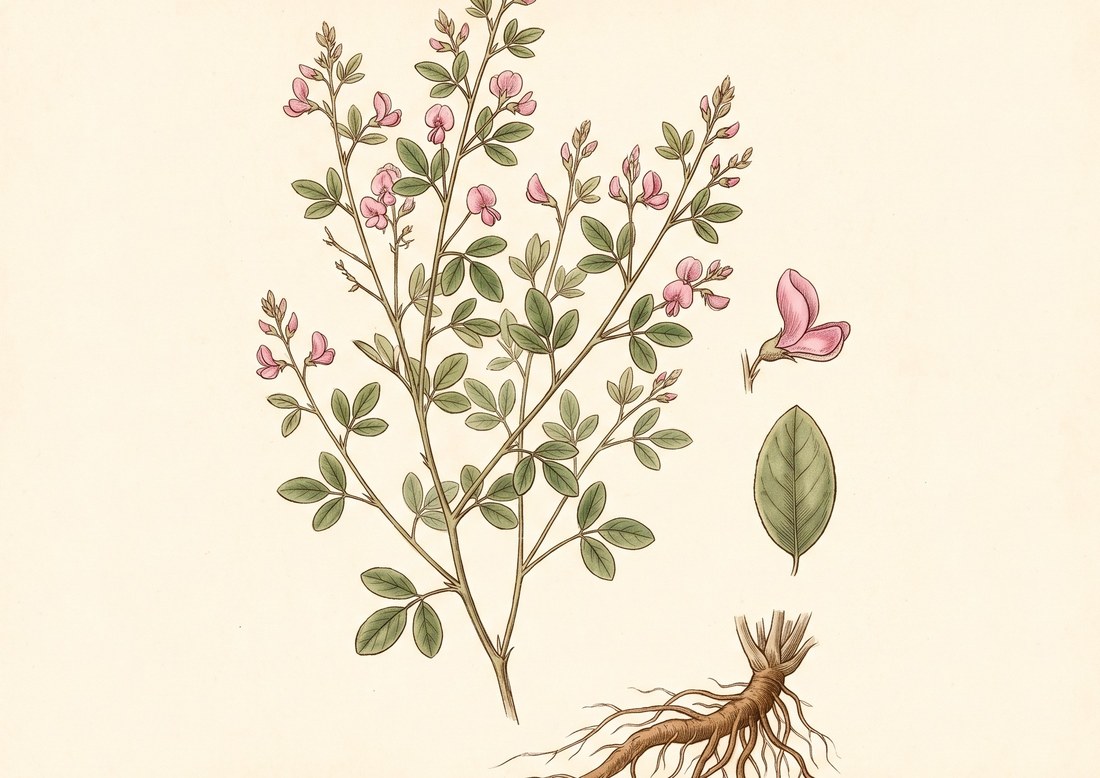 shalparniDesmodium gangeticum
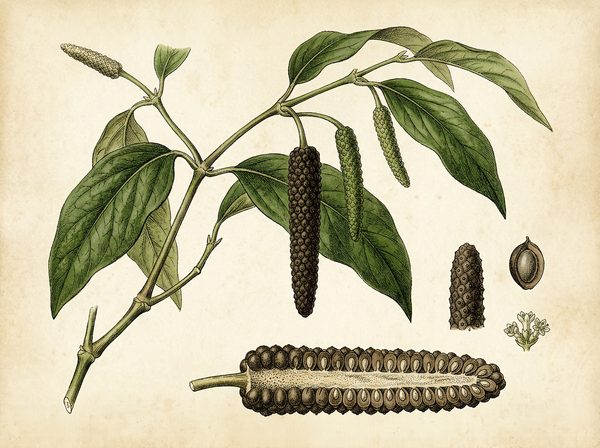 long pepperPiper longum
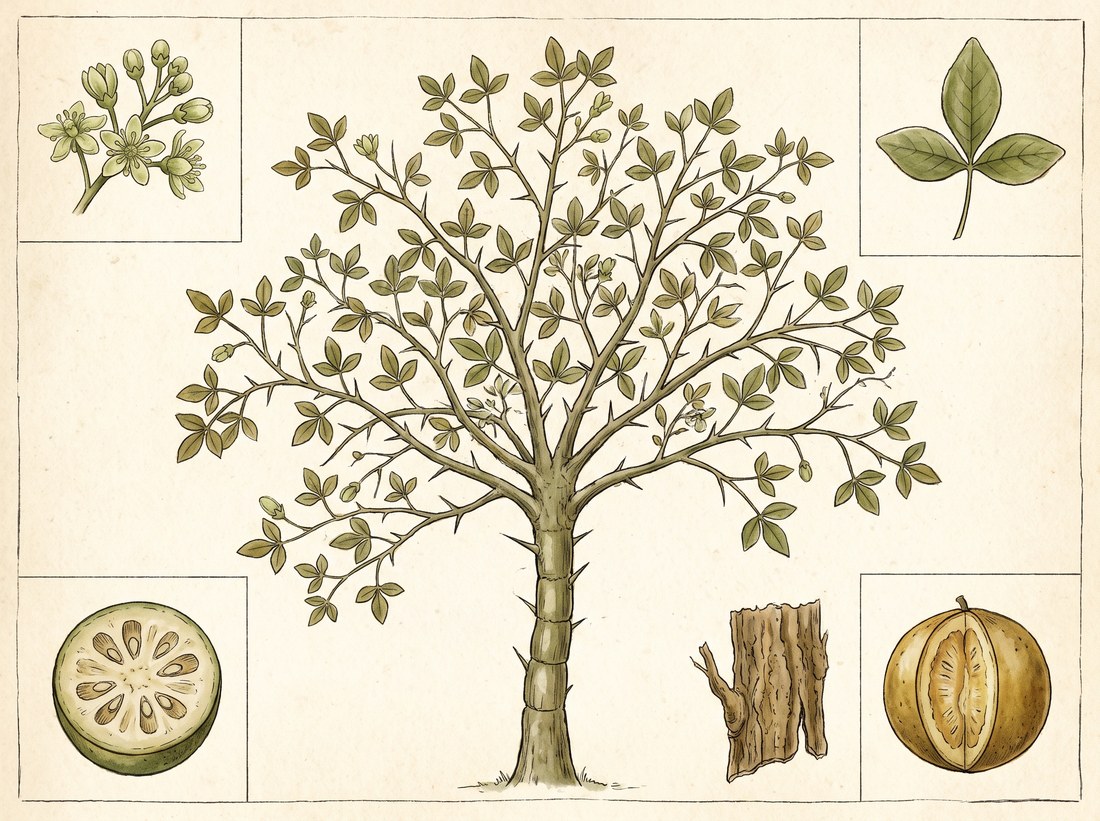 baelAegle marmelos
Nearby on the shelf
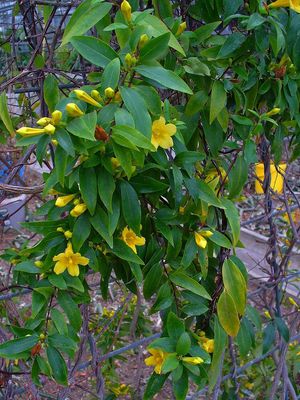 Yellow jessamineGelsemium sempervirens
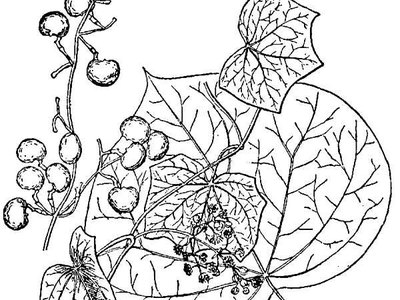 Yellow parillaMenispermum canadense
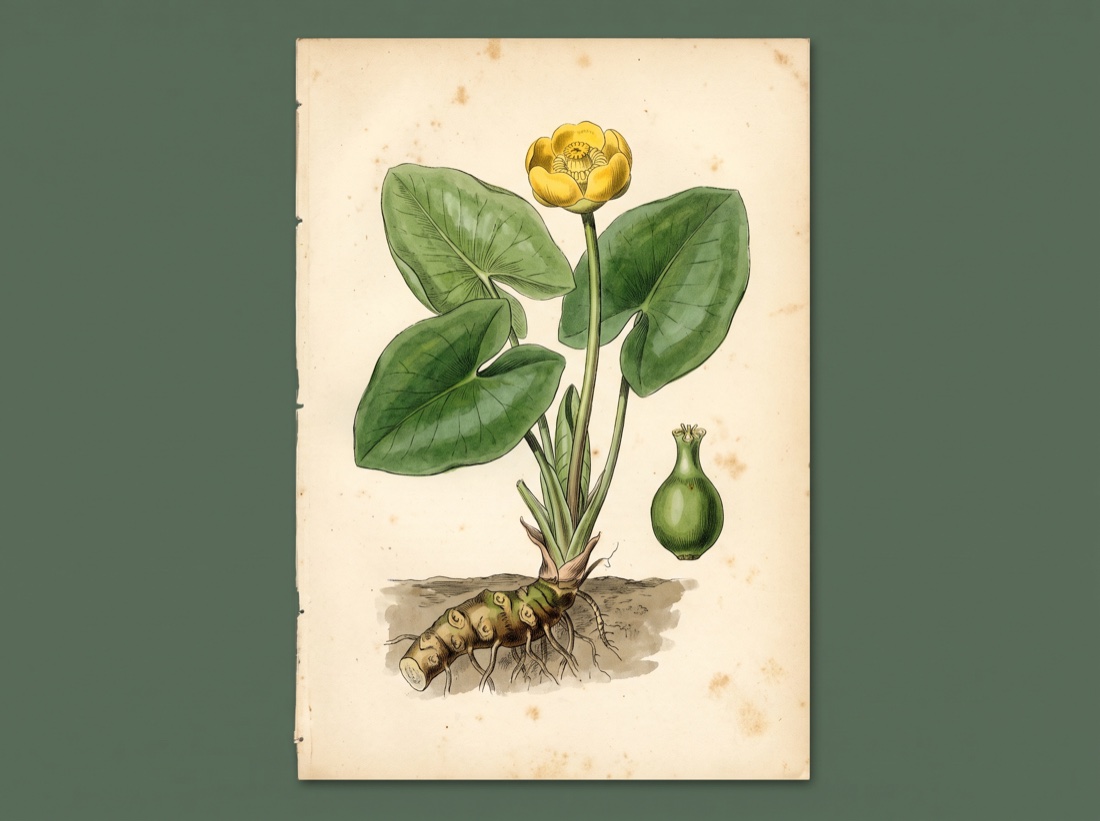 Yellow pond lilyNuphar lutea
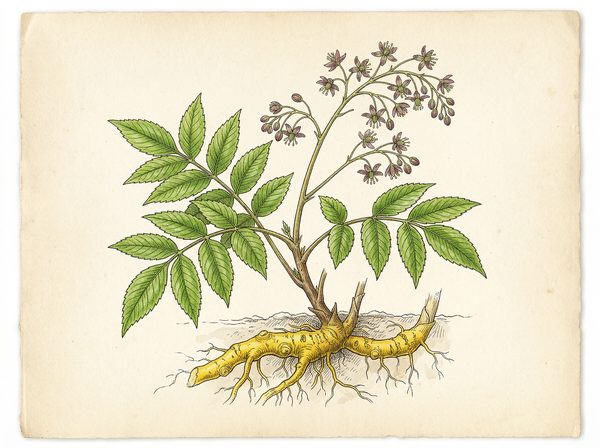 Yellow RootXanthorhiza simplicissima
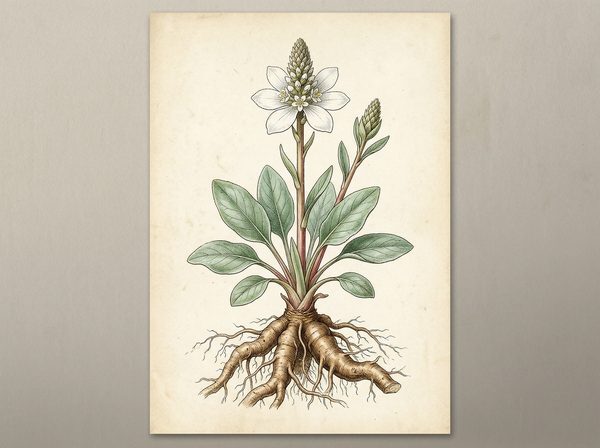 Yerba MansaAnemopsis californica
 Yerba MateIlex paraguariensis
 Yerba ReumaFrankenia
 Yerba santaEriodictyon californicum
The whole plate is in the library. The compass, Compare, the Sky of eleven hundred plants and the formulary open with an email address and a password, free, with the formula builder and its safety engine. Herbert without limit, his formulating, clients, the handouts and the labels are the paid room.
Open the library, free