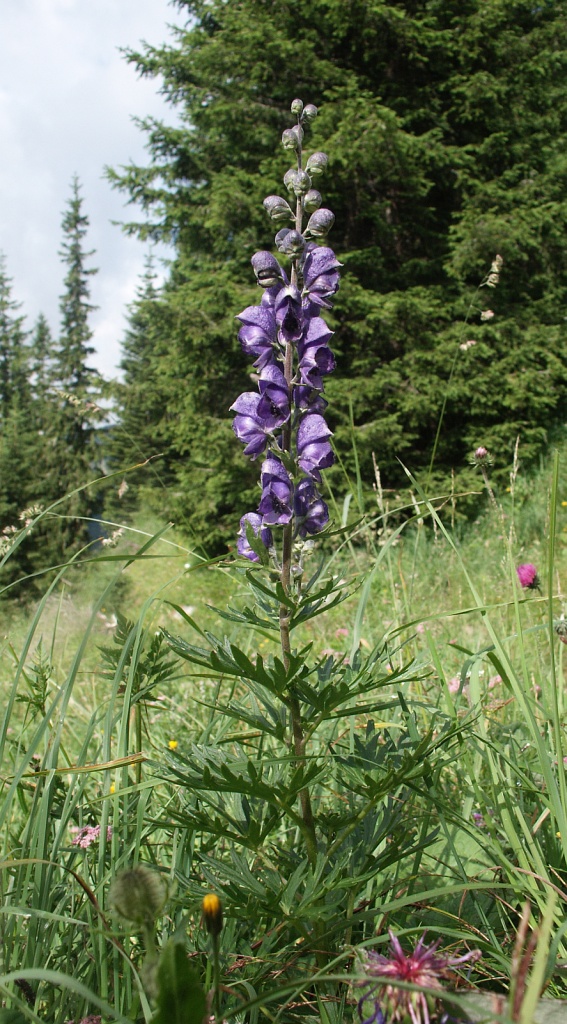
Western and Ayurvedic herbalism
Indian aconite
Aconitum ferox
Also known as Nepal aconite, bikh, bish, monkshood (Himalayan), Aconite, Monkshood, Wolfsbane, Fu zi, Vatsanabha, Visha, Amrita.
Aconitum ferox is a tall perennial of the alpine Himalaya from Uttarakhand through Nepal and Sikkim to Bhutan, growing between about 2,000 and 4,000 meters, with dark blue hooded flowers and a fleshy tuberous root that is among the most poisonous plant materials known. In Ayurveda the root is Vatsanabha, the paradigm of sthavara visha, the plant poisons, and it is used only after elaborate purification, in milligram doses inside compound formulas for severe fever, rheumatic pain and cold debility. Its main alkaloid, pseudaconitine, is more toxic than the aconitine of European monkshood, and raw root has killed by accident and by intent for centuries.

Ask Herbert about Indian aconite. Herbert is the master herbalist inside Bountiful Herbs: he answers from this plate and eleven hundred others, with dosing, pairing and cautions. Your first ten questions are free.
Ask HerbertActions
Indications what the tradition reached for it in
- Severe fever with chills and body pain (within classical compound formulas, purified material only)
- Intermittent fever (within classical compound formulas, purified material only)
- Rheumatoid and osteoarthritic pain (purified material only, in compounds)
- Neuralgia and sciatica (purified material only, external or in compounds)
- Chronic cough and asthma with cold (purified material only, in compounds)
- Weak digestion with ama and cold (purified material only, in compounds)
- Joint and muscle pain (external paste in oil, purified material only)
- Colic of cold type (purified material only, in compounds)
- Neuralgia
- Fever (acute)
- Pain (severe)
- Pain
- Anxiety
- Fever
- Insomnia
- Restlessness
Specific indications
A high fever with violent chills, aching in every joint, a thick coated tongue and no sweat, the classical sannipata picture for which Sanjivani vati or Tribhuvanakirti rasa is given by an experienced Ayurvedic physician
Cold, stiff, agonizing joints in amavata that have failed the gentler decoctions, treated with a purified aconite compound for a short defined course under supervision
Deep neuralgic pain in a cold vata patient, eased by an external paste of purified root in oil, never taken by mouth without a physician who knows the drug
Safety
Recognised toxicity. This plant carries a toxicity flag in the record; it is for trained practitioners only.
Low dose botanical. Used in drop doses in the classical practice; not a plant to dose freely.
Pregnancy: Not for use in pregnancy
Breastfeeding: Lactation
The record lists 13 contraindications; open the plate in the library to read them in full.
In practice
The Ayurvedic tradition treats Vatsanabha as a drug that becomes medicine only through shodhana. The sliced tubers are soaked in gomutra or boiled in milk for days, washed and dried, and the purified root is then ground into compound pills with ginger, pepper, Pippali and other warming herbs, as in Sanjivani vati, or with processed minerals in the rasa formulations, and given in doses of 15 to 30 mg of the purified root per day, always with honey or ghee, always for a few days at a time, and always by a physician who has seen its effects.
In Ayurveda
Rasa: madhura (sweet), described by the tradition as deceptively sweet on the tongue. Virya: ushna (heating), in the highest degree. Vipaka: madhura (sweet). Guna: laghu (light), ruksha (dry), tikshna (sharp), vyavayi (spreads through the body before digestion), vikasi (loosens the joints and tissues), ashukari (acts instantly), yogavahi (carries other drugs). Dosha: after purification it is said to pacify all three doshas, with its strongest action on kapha and vata; the raw root derange all three and kills. Prabhava: yogavahi (carries and intensifies the drugs it is combined with) and its instant action are the special qualities the tradition names. Karma: jvaraghna (reduces fever); vedanasthapana (relieves pain); swedajanana (induces sweating); yogavahi (carrier that enhances other drugs); deepana (kindles digestion); amapachana (digests ama); kaphahara (reduces kapha); vatahara (pacifies vata); shothahara (reduces swelling); vishaghna (counters other poisons, in the classical logic of poison against poison); rasayana (rejuvenative, in purified microdoses per tradition). Classical indications: sannipata jvara (fever with all three doshas deranged, severe sepsis-like fever); vishama jvara (intermittent fever including malaria); amavata (rheumatoid type joint disease); sandhivata (osteoarthritis); vatavyadhi (neuromuscular disorders including neuralgia); kasa (cough); shvasa (dyspnea); agnimandya (weak digestion); grahani (malabsorption); shula (colic); kushtha (skin disease, external); pratishyaya (rhinitis and catarrh). Only the purified root is used. The classical shodhana soaks the sliced tuber in cow's urine for three days with daily changes, or boils it in cow's milk, then washes and dries it; this hydrolyzes the diester alkaloids to far less toxic forms. The purified root is powdered and used in microgram to milligram amounts within compound tablets, never as a simple decoction, and a paste in oil is applied externally for pain. Classical formulations: Sanjivani vati, Tribhuvanakirti rasa, Anandabhairava rasa, Mrityunjaya rasa, Hinguleshwara rasa, Mahajwarankusha rasa. Described in: Charaka Samhita, Sushruta Samhita, Ashtanga Hridaya, Bhavaprakasha Nighantu, Raja Nighantu, Sharngadhara Samhita, Ayurvedic Pharmacopoeia of India.
Dosing as the sources wrote it
| Preparation | As written | Metric |
|---|---|---|
| Churna (purified root, in compound formulas) | 15-30 mg purified root daily in divided doses with honey or ghee, purified material only | 15-30 mg |
| Sanjivani vati | 125-250 mg tablet once or twice daily for a few days, purified material only | 125-250 mg |
| Kalka, topical | 1-2 g purified root paste in oil applied to painful joints, purified material only | 1000-2000 mg |
| Dried root tincture (1:10) | 1-10 drops daily in 4 oz H2O, 1 tsp every 30 min-2 h OR 2-4 gtts TID | 0.02-0.2 mL |
| Extractum Aconiti Radicis Fluidum, Fluid Extract of Aconite Root | Dose, one minim. | 0.06-0.06 mL |
| Tinctura Aconiti Radicis, Tincture of Aconite Root | Dose, from one to ten minims. | 0.06-0.62 mL |
Doses are reproduced from the sources for practitioners and are not a recommendation for any person.
From the sources
Overview. Aconitum ferox is a tall perennial of the alpine Himalaya from Uttarakhand through Nepal and Sikkim to Bhutan, growing between about 2,000 and 4,000 meters, with dark blue hooded flowers and a fleshy tuberous root that is among the most poisonous plant materials known. In Ayurveda the root is Vatsanabha, the paradigm of sthavara visha, the plant poisons, and it is used only after elaborate purification, in milligram doses inside compound formulas for severe fever, rheumatic pain and cold debility. Its main alkaloid, pseudaconitine, is more toxic than the aconitine of European monkshood, and raw root has killed by accident and by intent for centuries.
Clinical Notes. Energetics=hot Aconite=deadly poison Safest preparation is from dried & cooked/decocted root to decrease alkaloid content TCM=used to restore depleted yang, disperse cold and relieve pain, considered one of the hottest herbs, warms the inside of body and dispels cold
Clinical Notes. The Ayurvedic tradition treats Vatsanabha as a drug that becomes medicine only through shodhana. The sliced tubers are soaked in gomutra or boiled in milk for days, washed and dried, and the purified root is then ground into compound pills with ginger, pepper, Pippali and other warming herbs, as in Sanjivani vati, or with processed minerals in the rasa formulations, and given in doses of 15 to 30 mg of the purified root per day, always with honey or ghee, always for a few days at a time, and always by a physician who has seen its effects.
Therapy. External.-As a topical agent, aconite, in tincture or as an ingredient of anodyne liniments, may be applied to relieve pain, allay itching and reduce inflammation. Its use, however, must be guarded as it is readily absorbed.
Drawn from Scudder's Specific Medication and Specific Medicines; King's American Dispensatory, 18th edition (Felter and Lloyd); Ellingwood's American Materia Medica, Therapeutics and Pharmacognosy; Felter's Eclectic Materia Medica, Pharmacology and Therapeutics, and the Bountiful Herbs editorial.
In formulas
Indian aconite stands in 243 documented formulas in the library, among them Sārasvata Ghṛta, Laghu Viṣagarbha Taila, Vraṇarākṣasa Taila, Nāgavallabha Rasa, Śvāsakuṭhāra Rasa, Aśvagandhā Taila.
Often paired with
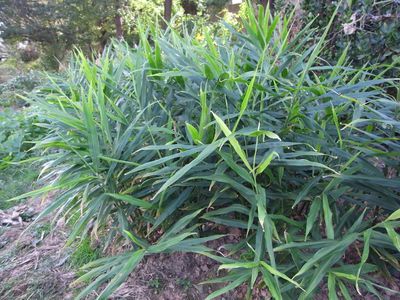 GingerZingiber officinale
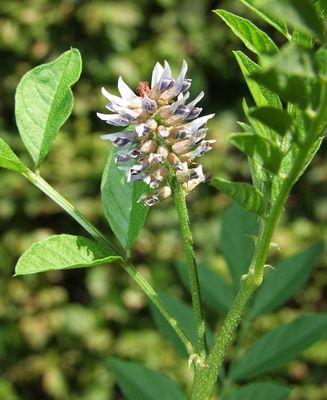 Licorice rootGlycyrrhiza glabra
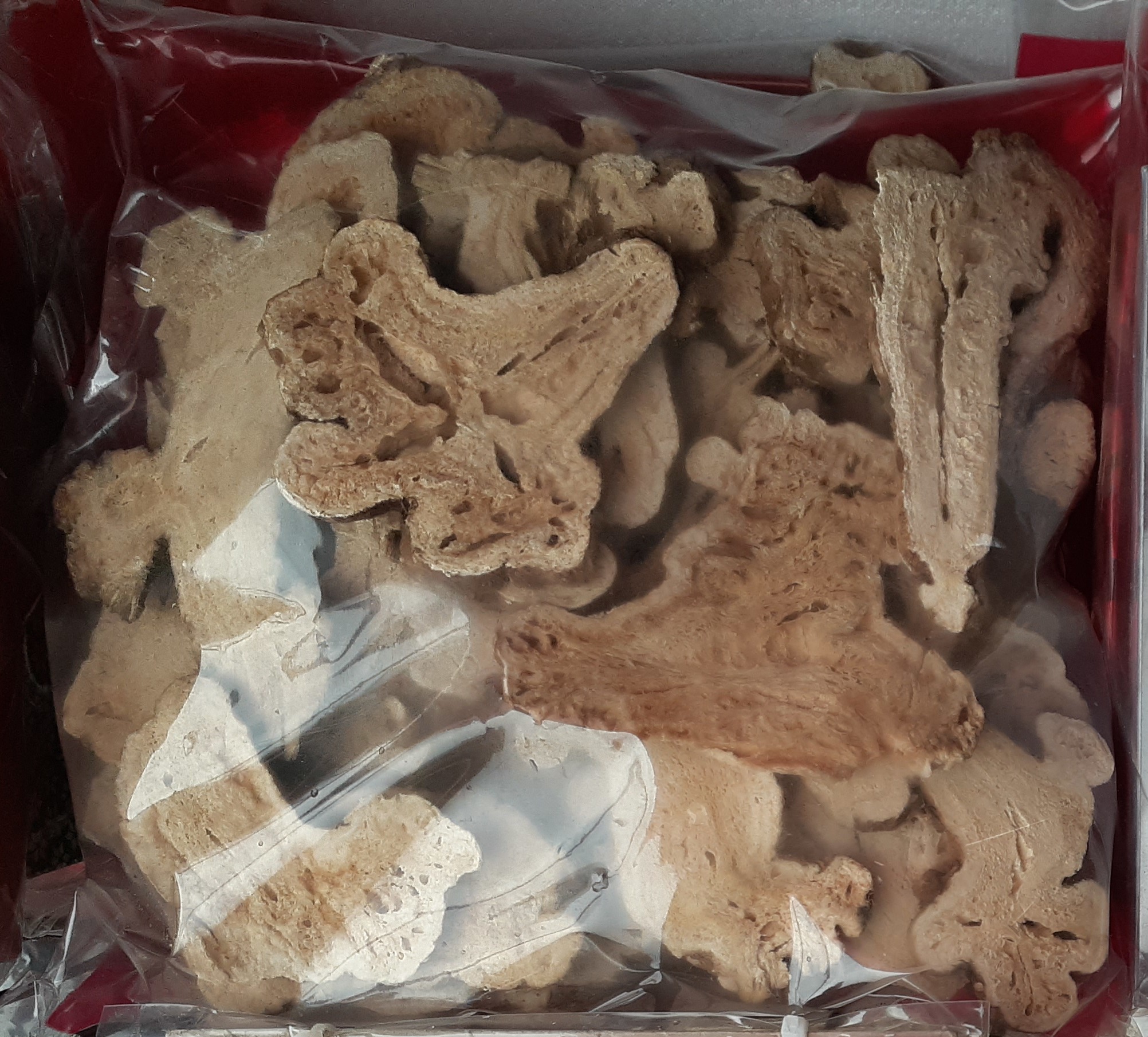 Bai ZhuAtractylodes macrocephala
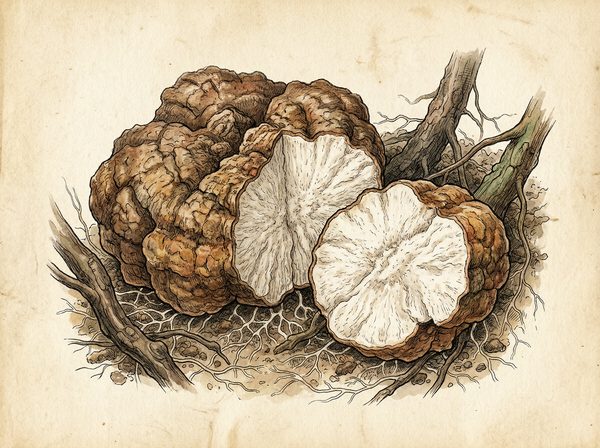 PoriaWolfiporia extensa
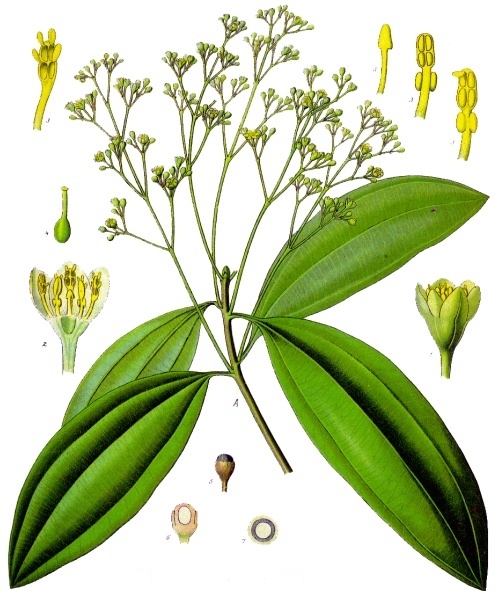 Indian bay leafCinnamomum tamala
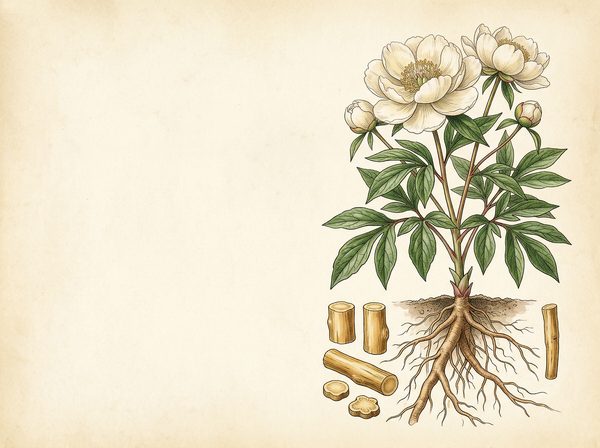 White PeonyPaeonia lactiflora
Nearby on the shelf
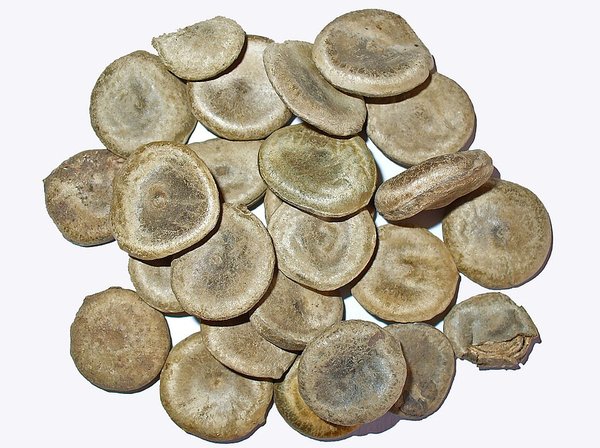 IgnatiaIgnatia
 Ignatia AmaraStrychnos ignatia
 ImmortelleHelichrysum italicum
 India-RubberElastica
 Indian ateesAconitum heterophyllum
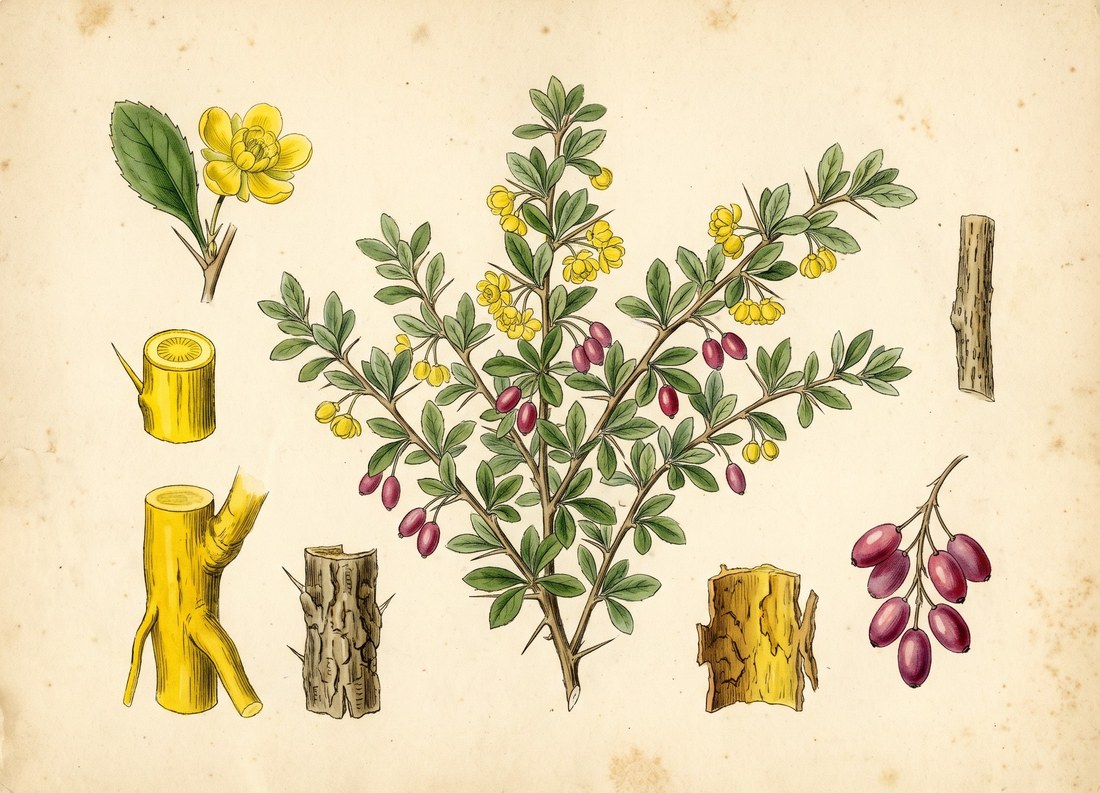 Indian barberryBerberis aristata
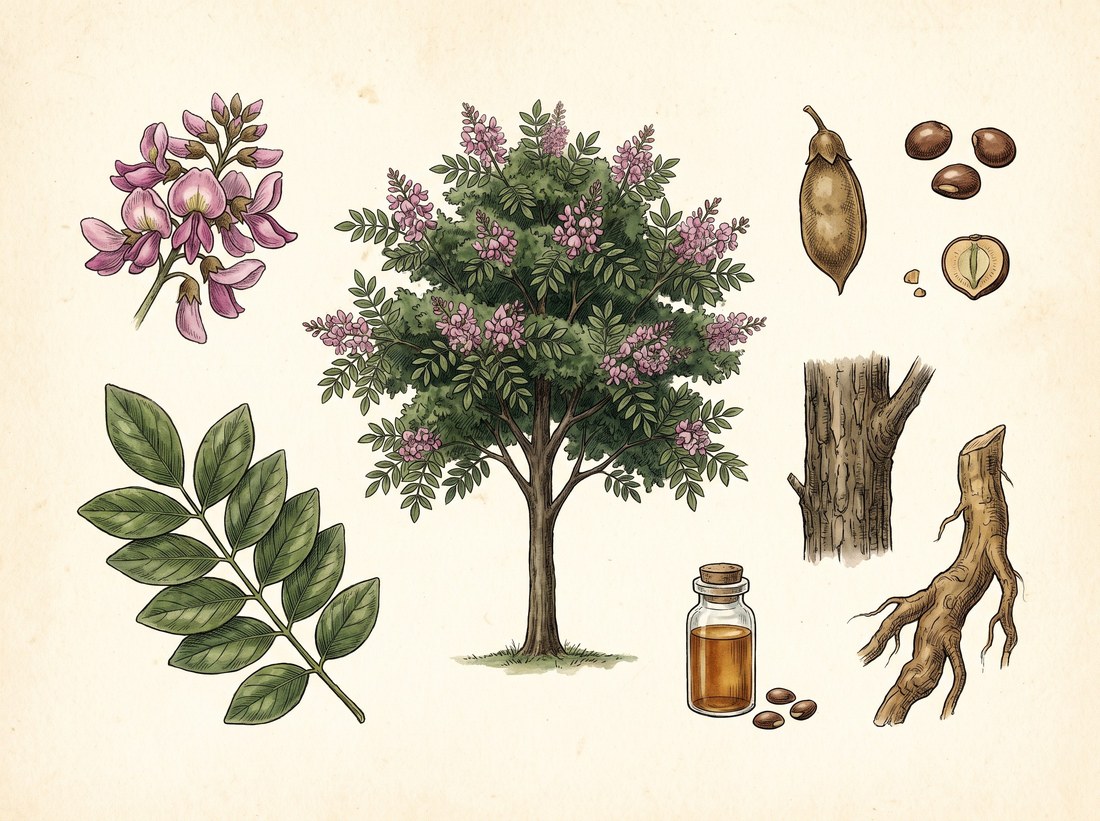 Indian beechPongamia pinnata
The whole plate is in the library. The compass, Compare, the Sky of eleven hundred plants and the formulary open with an email address and a password, free, with the formula builder and its safety engine. Herbert without limit, his formulating, clients, the handouts and the labels are the paid room.
Open the library, free