Ayurvedic Herbalism
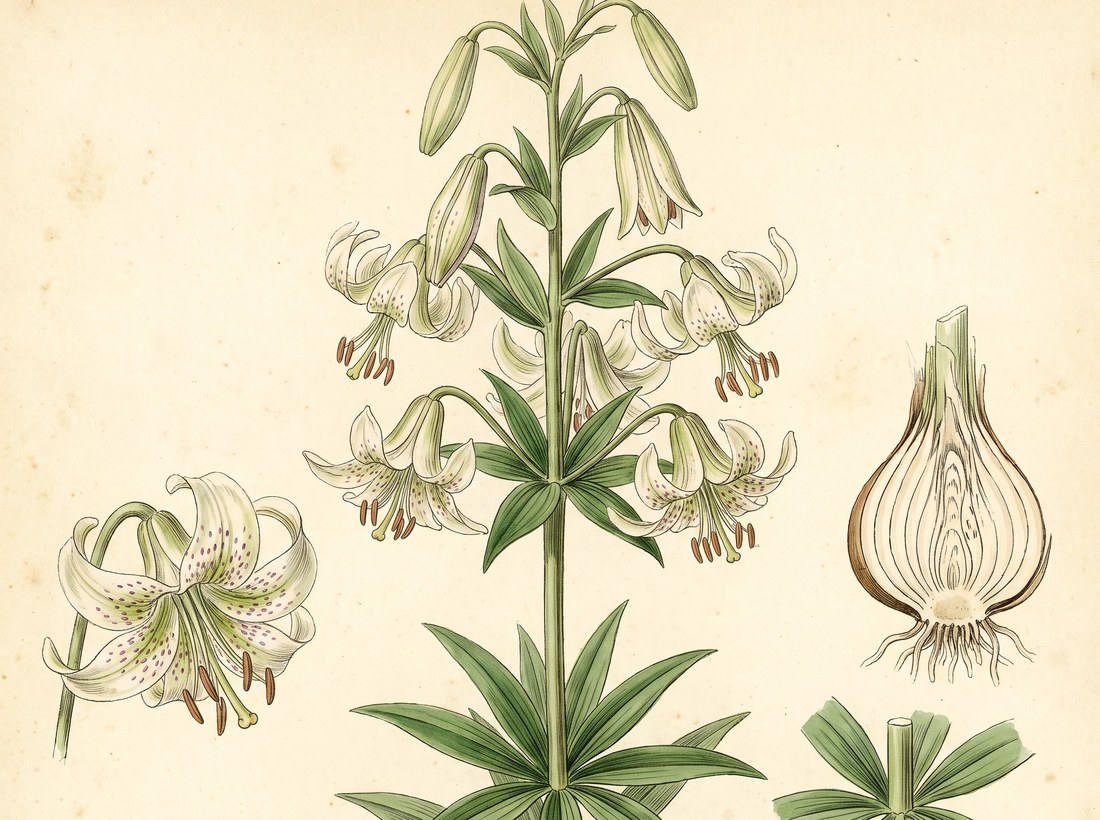
Himalayan white lily
Lilium polyphyllum
Also known as many leaved lily, kshirakakoli, Kshirakakoli, Kshirashukla, Payasya.
Lilium polyphyllum is a tall Himalayan lily with whorled leaves and fragrant, greenish white, purple spotted flowers, growing in alpine and subalpine meadows and forest margins from Kashmir through Himachal and Uttarakhand at 1800 to 3700 meters. Its bulb is Kshirakakoli, the milky Kakoli, one of the eight herbs of the Ashtavarga that form the heart of Chyawanprash and the Jivaniya group of the Charaka Samhita. It is now critically endangered from centuries of bulb collection, and almost all the Kshirakakoli sold today is a substitute.
Ask Herbert about Himalayan white lily. Herbert is the master herbalist inside Bountiful Herbs: he answers from this plate and eleven hundred others, with dosing, pairing and cautions. Your first ten questions are free.
Ask HerbertActions
Indications what the tradition reached for it in
- Chronic wasting and weight loss
- Convalescence after tuberculosis or prolonged fever
- Debility with burning and thirst
- Dry cough with emaciation
- Poor lactation in an undernourished mother
- Male subfertility with depletion
- Bleeding disorders of pitta type with weakness
- Chronic low grade fever with exhaustion
- Dryness and depletion in the elderly
- Recovery from major illness or surgery (in Chyawanprash type tonics)
Specific indications
The emaciated patient after a long fever or tuberculosis, with burning, thirst, dry cough and no strength, who needs sweet cooling nourishment in milk rather than heating tonics
A thin nursing mother with scanty milk, heat and exhaustion, for whom the Jivaniya group in milk or ghee is the classical prescription
Depleted, dry, anxious elderly patients for whom Chyawanprash or Brahma rasayana is being built with the Ashtavarga, where Kshirakakoli is one of the eight
Bleeding from the nose or gums in a weak, hot, thin patient where the tonic must not heat
Safety
The record lists 7 contraindications; open the plate in the library to read them in full.
In practice
Kshirakakoli belongs to the Jivaniya gana, the life promoting drugs, and is almost never given alone. In the classical scheme it stands with Kakoli, Jivaka, Rishabhaka, Meda, Mahameda, Riddhi and Vriddhi as the Ashtavarga, the eight sweet, cooling, heavy bulbs and tubers that give Chyawanprash, Brahma rasayana and the great ghritas their nourishing, tissue building character.
In Ayurveda
Rasa: madhura (sweet), with a trace of tikta (bitter). Virya: sheeta (cooling). Vipaka: madhura (sweet). Guna: guru (heavy), snigdha (unctuous). Dosha: pacifies vata and pitta; increases kapha in excess. Karma: jivaniya (life promoting, vitalizing); brimhana (nourishing, builds tissue); balya (strengthening); shukrala (increases semen); stanyajanana (promotes breast milk); rasayana (rejuvenative); dahaprashamana (relieves burning); raktapittashamaka (checks bleeding of pitta origin); jvaraghna (relieves fever with debility); vatapittahara (pacifies vata and pitta). Classical indications: kshaya (wasting and consumption); daurbalya (weakness); rajayakshma (tuberculosis and wasting fever); raktapitta (bleeding disorders); daha (burning sensation); jvara (chronic fever with debility); shukrakshaya (depleted semen); stanyakshaya (poor lactation); kasa and shvasa (cough and dyspnea in wasting); vatavyadhi (disorders of vata, in Jivaniya group). The scaly bulb, dried, is the drug, given as churna with milk, as ksheerapaka, and above all as a member of the Ashtavarga and the Jivaniya gana in the great rasayana and ghrita preparations such as Chyawanprash and Jivaniya ghrita. Because the plant is rare, the market drug is almost always a substitute. Classical formulations: Chyawanprash, Ashtavarga churna, Jivaniya ghrita, Brahma rasayana, Mahanarayana taila, Ashwagandhadi lehya (some recipes), Amritaprasha ghrita. Described in: Charaka Samhita, Sushruta Samhita, Ashtanga Hridaya, Bhavaprakasha Nighantu, Dhanvantari Nighantu, Raja Nighantu, Kaiyadeva Nighantu, Sharngadhara Samhita.
Dosing as the sources wrote it
| Preparation | As written | Metric |
|---|---|---|
| Churna | 3-6 g bulb powder once daily with warm milk and ghee | 3000-6000 mg |
| Ksheerapaka | 100-200 mL milk decoction once daily | 100-200 mL |
| Avaleha (Chyawanprash, as Ashtavarga member) | 5-10 g twice daily with warm milk | 5000-10000 mg |
| Ghrita (Jivaniya) | 5-10 g medicated ghee daily | 5000-10000 mg |
Doses are reproduced from the sources for practitioners and are not a recommendation for any person.
From the sources
Overview. Lilium polyphyllum is a tall Himalayan lily with whorled leaves and fragrant, greenish white, purple spotted flowers, growing in alpine and subalpine meadows and forest margins from Kashmir through Himachal and Uttarakhand at 1800 to 3700 meters. Its bulb is Kshirakakoli, the milky Kakoli, one of the eight herbs of the Ashtavarga that form the heart of Chyawanprash and the Jivaniya group of the Charaka Samhita. It is now critically endangered from centuries of bulb collection, and almost all the Kshirakakoli sold today is a substitute.
Clinical Notes. Kshirakakoli belongs to the Jivaniya gana, the life promoting drugs, and is almost never given alone. In the classical scheme it stands with Kakoli, Jivaka, Rishabhaka, Meda, Mahameda, Riddhi and Vriddhi as the Ashtavarga, the eight sweet, cooling, heavy bulbs and tubers that give Chyawanprash, Brahma rasayana and the great ghritas their nourishing, tissue building character.
Ayurvedic Profile. Rasa: madhura (sweet), with a trace of tikta (bitter). Virya: sheeta (cooling). Vipaka: madhura (sweet). Guna: guru (heavy), snigdha (unctuous). Dosha: pacifies vata and pitta; increases kapha in excess.
Conservation. Critically endangered across the northwestern Himalaya from centuries of bulb collection and habitat loss; wild collection should not be supported, and the tradition's own substitutes (Ashwagandha, Shatavari, Vidari) should be used in its place.
In formulas
Himalayan white lily stands in 6 documented formulas in the library, among them Balāriṣṭa, Amṛtaprāśa Ghṛta, Phala Ghṛta, Sukumāra Ghṛta, Triphalādi Taila, Madhuyaṣṭyādi Taila.
Often paired with
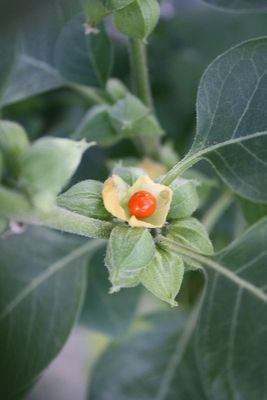 ashwagandhaWithania somnifera
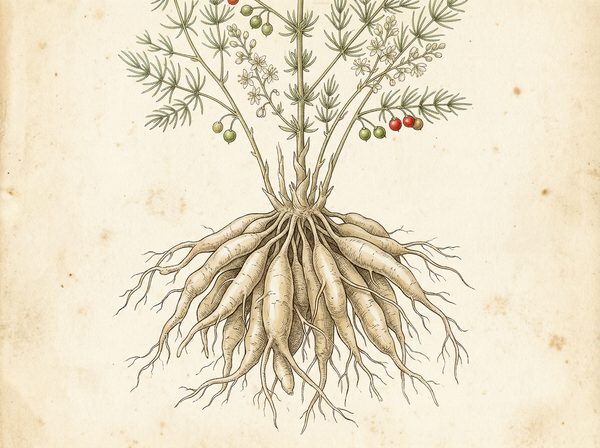 shatavariAsparagus racemosus
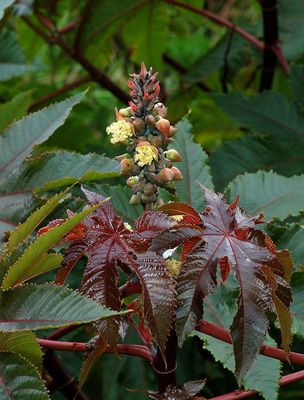 castorRicinus communis
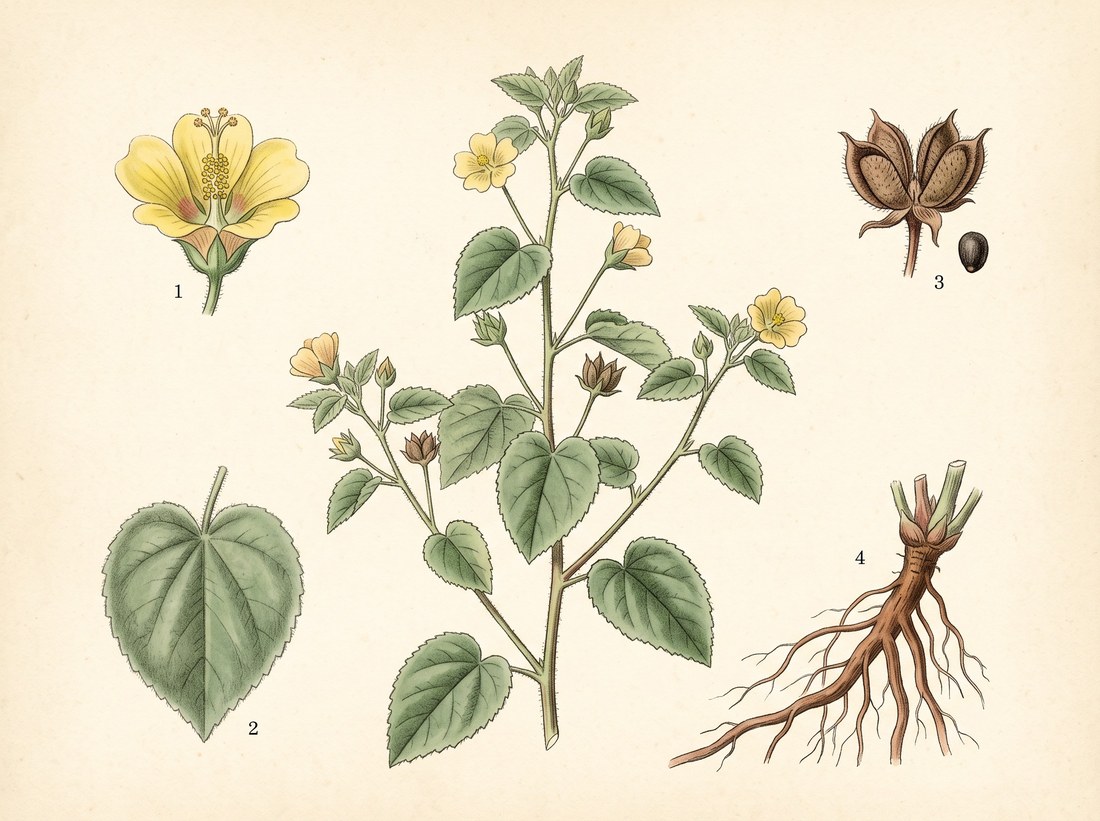 balaSida cordifolia
 puncture vineTribulus terrestris
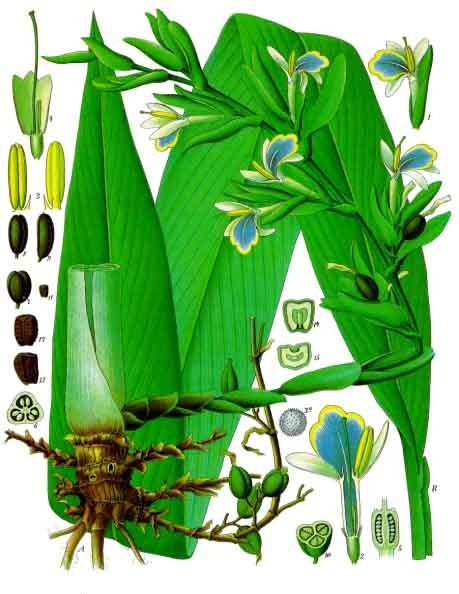 cardamomElettaria cardamomum
Nearby on the shelf
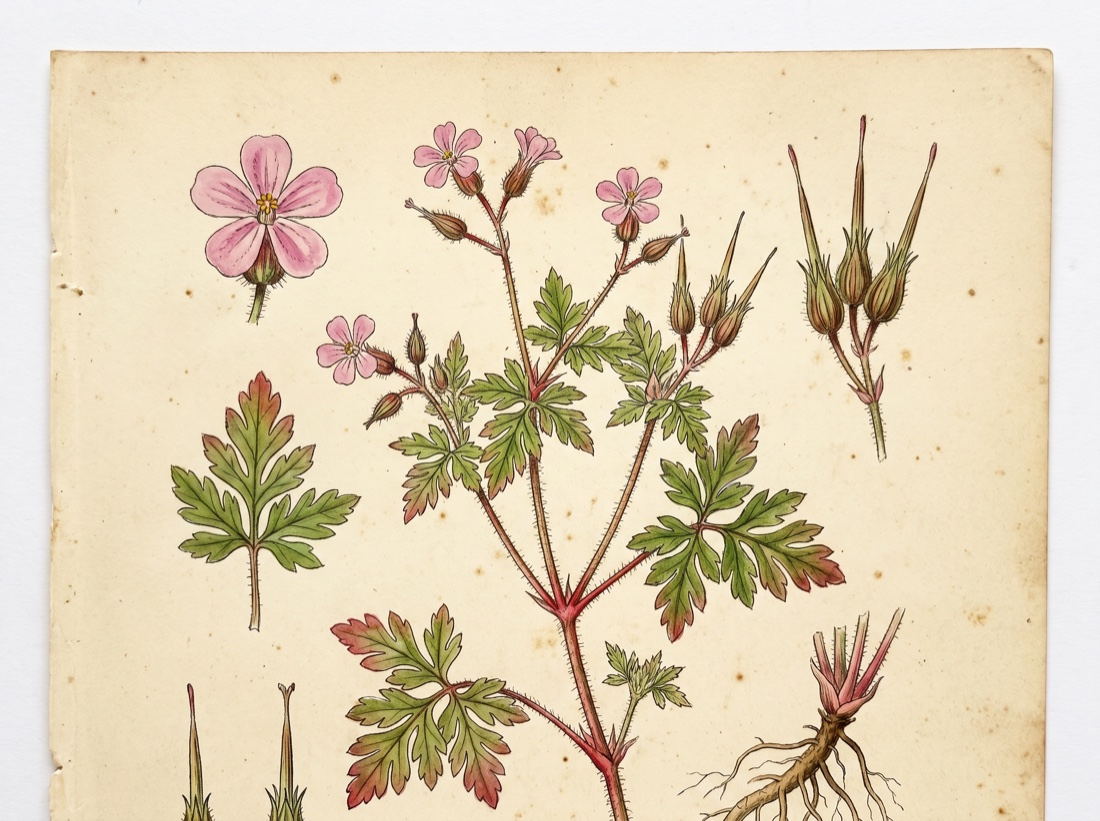 Herb RobertGeranium robertianum
 Hercules-clubZanthoxylum clava-herculis
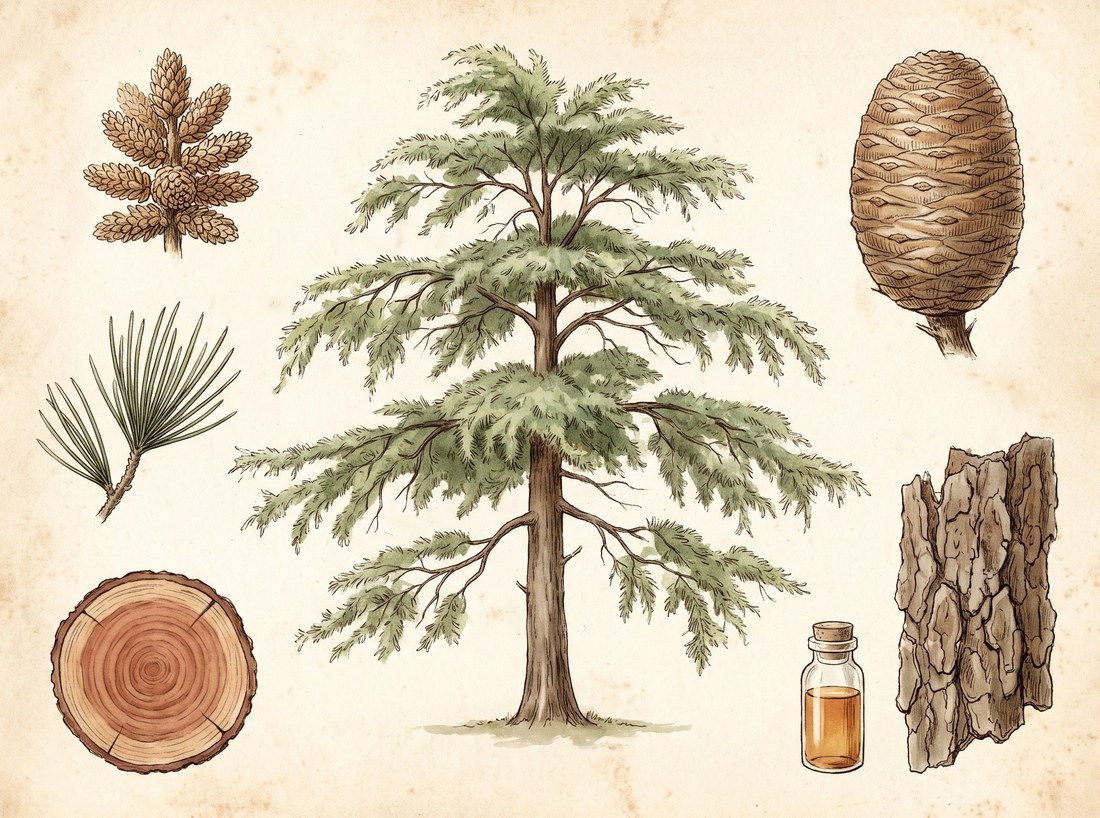 Himalayan cedarCedrus deodara
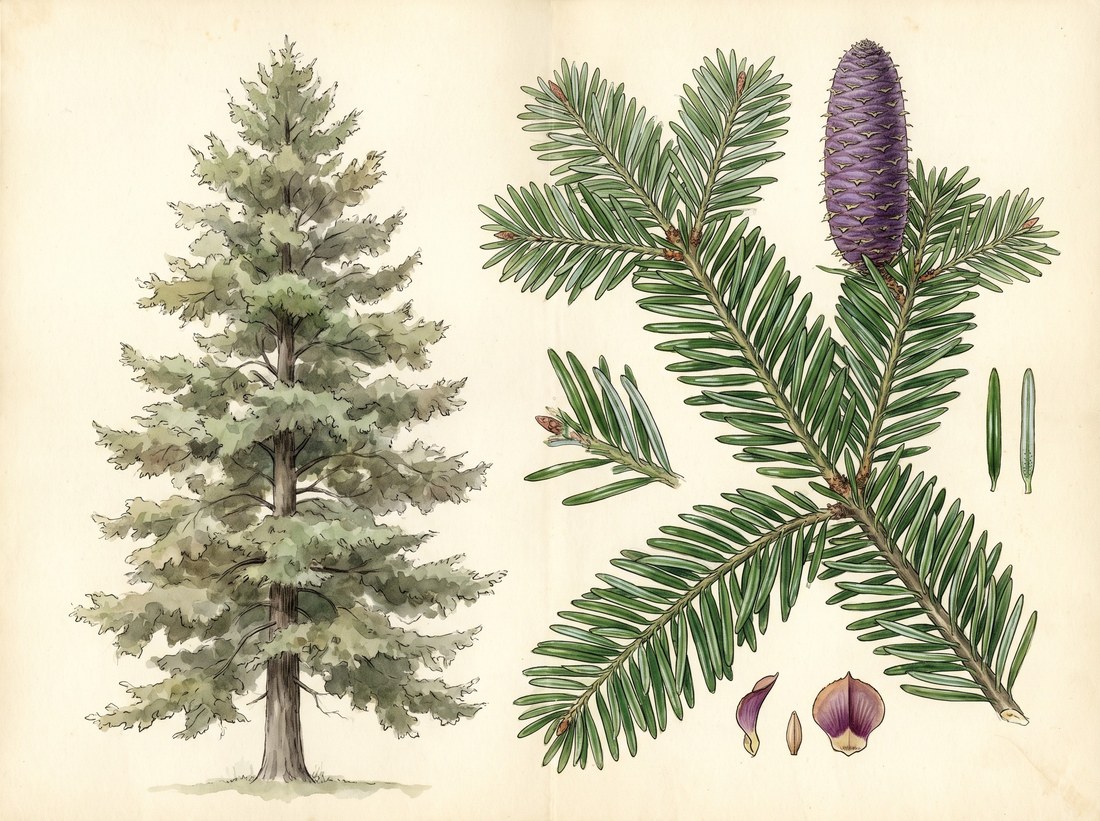 Himalayan silver firAbies webbiana
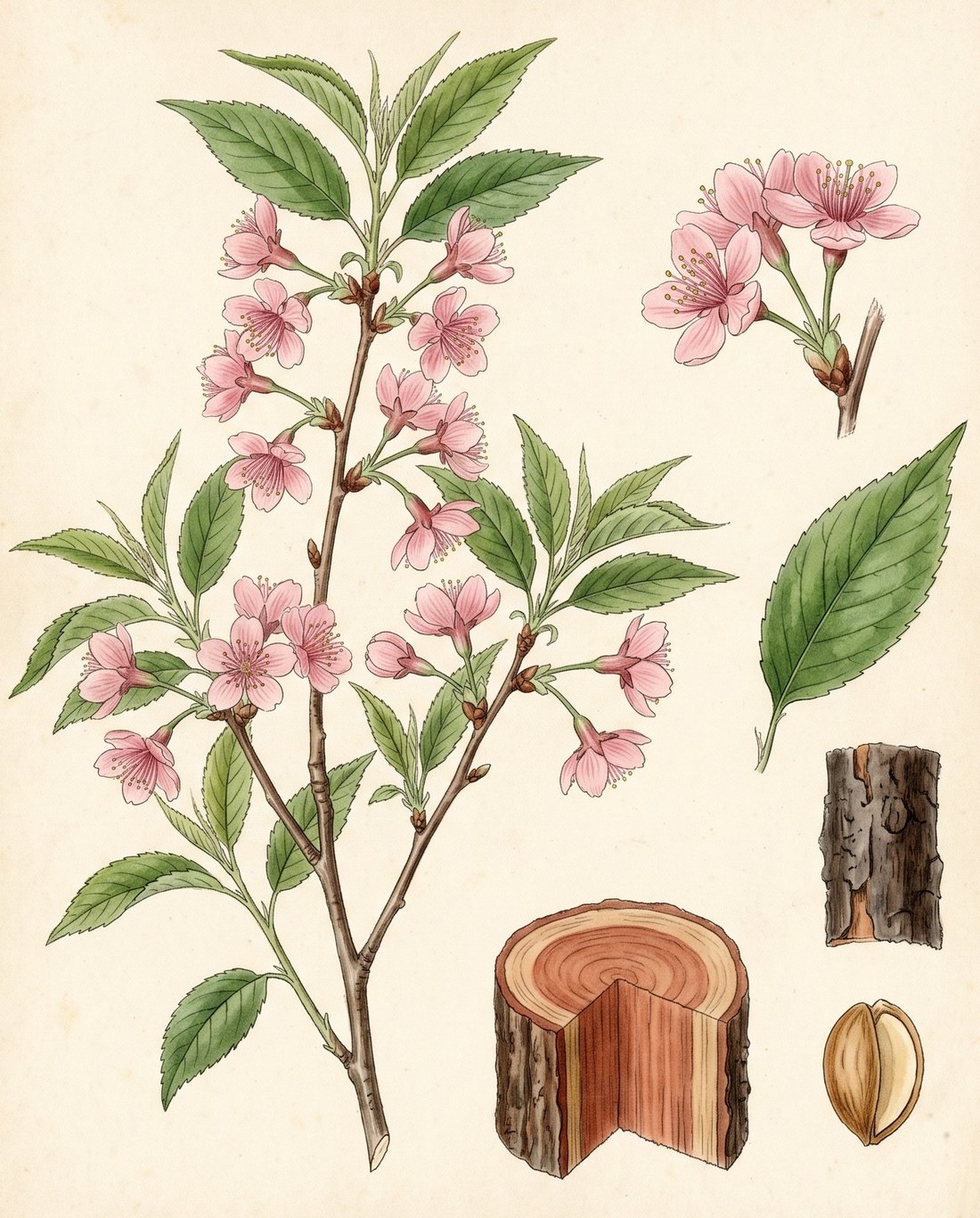 Himalayan wild cherryPrunus cerasoides
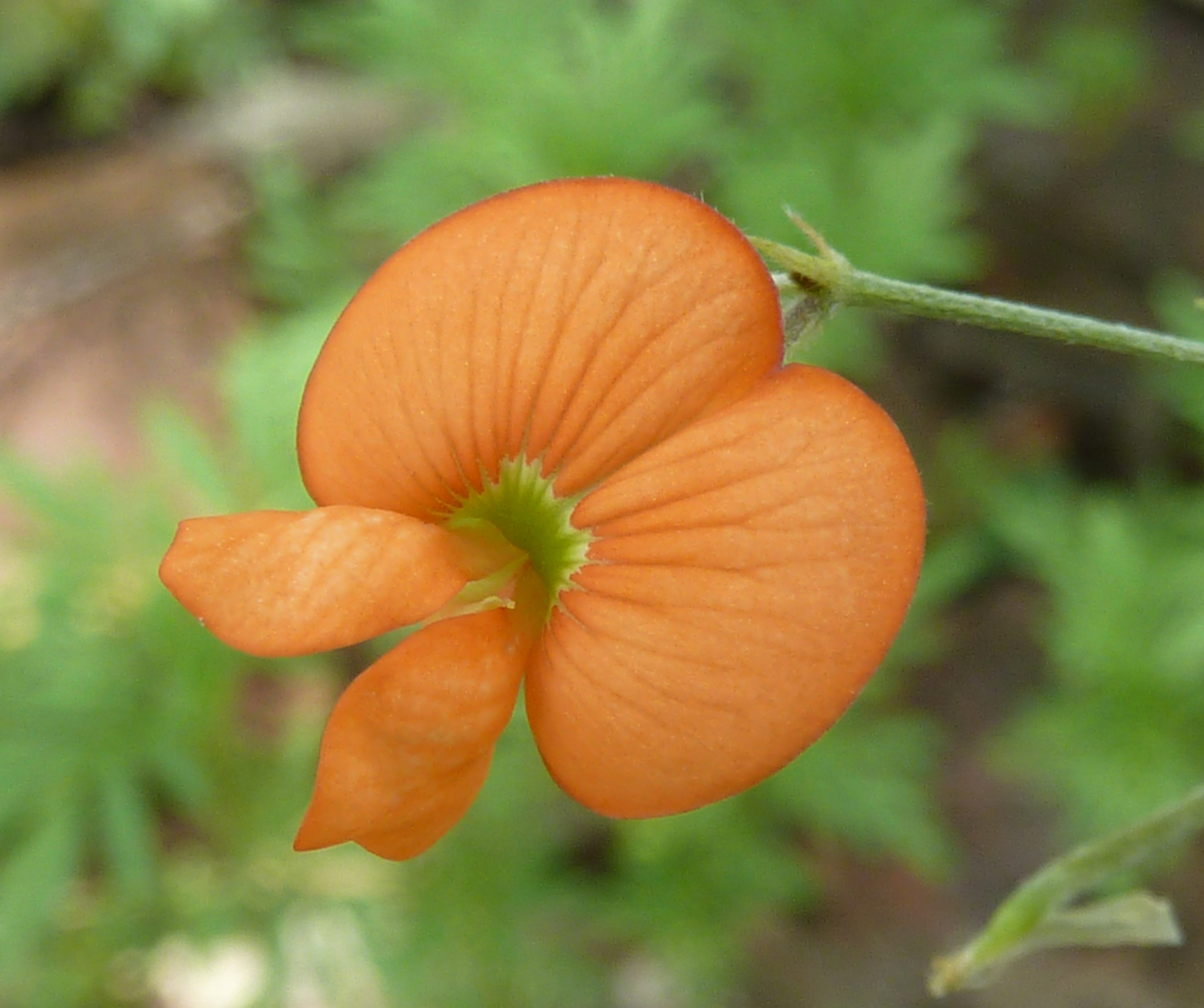 Hoary PeaTephrosia
 HollyhockAlthea rosea
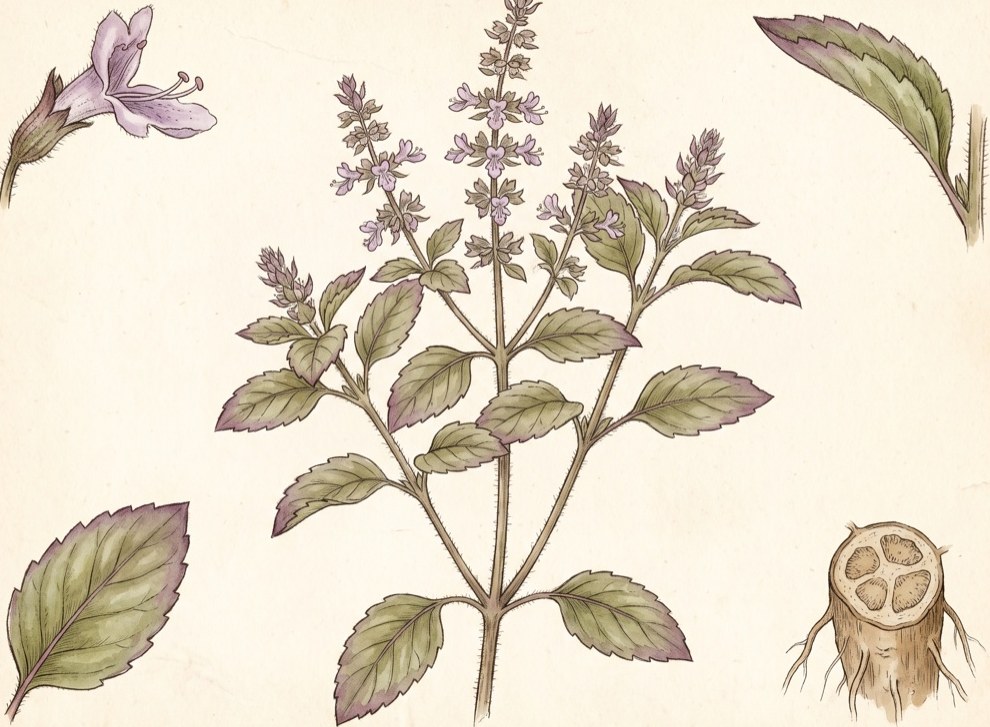 Holy basilOcimum tenuiflorum
The whole plate is in the library. The compass, Compare, the Sky of eleven hundred plants and the formulary open with an email address and a password, free, with the formula builder and its safety engine. Herbert without limit, his formulating, clients, the handouts and the labels are the paid room.
Open the library, free