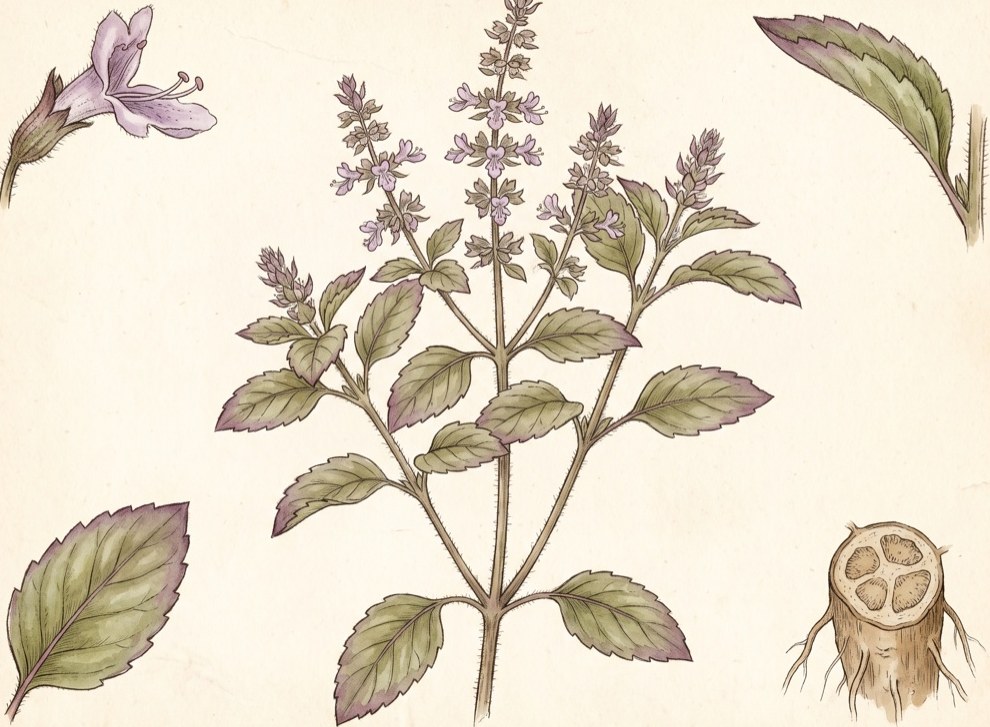
Ayurvedic Herbalism
Holy basil
Ocimum tenuiflorum
Also known as tulsi, sacred basil, Thai holy basil, Tulasi, Surasa, Vishnupriya.
Tulasi is a fragrant, much branched subshrub of the mint family grown in courtyards and temple gardens across the whole of India, from the plains of the north to the coasts of Kerala and Tamil Nadu, and found wild on waste ground in the warmer states. Two varieties are recognized in practice: the green leaved Rama tulasi and the purple tinged Krishna tulasi, which is regarded as the stronger medicine. Ayurveda treats the leaf as a warming, drying, pungent herb that clears kapha from the chest and head, kindles digestion and protects against infection, fever and the ill effects of poor air and water. Its place in daily worship reflects how completely it has been woven into Indian domestic medicine.

Ask Herbert about Holy basil. Herbert is the master herbalist inside Bountiful Herbs: he answers from this plate and eleven hundred others, with dosing, pairing and cautions. Your first ten questions are free.
Ask HerbertActions
Indications what the tradition reached for it in
- Recurrent upper respiratory infections
- Cough with thick sticky sputum
- Bronchitis and mild asthma (adjunct)
- Allergic rhinitis and sinus congestion
- Fever, including low grade and intermittent fevers
- Chronic stress with fatigue and poor concentration
- Anxiety with digestive upset
- Metabolic syndrome and type 2 diabetes (adjunct)
- Mild dyslipidemia
- Dyspepsia with bloating and poor appetite
- Halitosis and gum disease (as mouthwash)
- Insect bites and minor skin infections (topical)
- Poor memory
- Depression
- Infection
- Cognitive impairment
- Inflammation
- Alzheimer's disease
- Bronchitis
- Malaria
- Cancer adjunct
- Asthma
- Abdominal cramps
- Fatigue
- Immunodeficiency
- Peptic ulcer
- Respiratory catarrh
- Heart disease
- Diabetes
- Burnout
Specific indications
A damp, congested patient who catches every cold, has a chest full of sticky phlegm and a sluggish appetite
The overworked office worker with borderline blood sugar and lipids, low mood and a foggy, unfocused mind
Low grade fever with body ache, chills and a coated tongue in a kapha or vata constitution
A child with recurrent coughs and colds who does well on warm, pungent, gently drying herbs
Safety
Pregnancy: Pregnancy Caution
Breastfeeding: Lactation (source flag notSafeInLactation)
The record lists 6 contraindications; open the plate in the library to read them in full.
In practice
The Ayurvedic practitioner reaches for Tulasi when kapha sits in the lungs and sinuses: cough with thick white sputum, blocked nose, heaviness in the head, loss of taste and a fever that will not quite break.
In Ayurveda
Rasa: katu (pungent), tikta (bitter). Virya: ushna (heating). Vipaka: katu (pungent). Guna: laghu (light), ruksha (dry), tikshna (sharp). Dosha: pacifies kapha and vata; increases pitta in excess or in hot constitutions. Karma: kaphahara (reduces kapha and mucus); vatahara (pacifies vata); deepana (kindles digestion); pachana (digests ama); kasahara (relieves cough); shvasahara (relieves dyspnea); jvaraghna (reduces fever); krimighna (anthelmintic, antimicrobial); vishaghna (counters poisons and toxins); hridya (supports the heart); kushthaghna (helps skin disease); durgandhahara (removes bad odor); ruchya (improves taste and appetite). Classical indications: kasa (cough); shvasa (asthma and dyspnea); hikka (hiccup); parshvashula (pain in the flanks and chest); jvara (fever, including intermittent fever); pratishyaya (rhinitis and catarrh); krimi (worms and infection); kushtha (skin disease); visha (poisoning, insect and snake bite as adjunct); agnimandya (weak digestion); chhardi (vomiting); mutrakrichra (painful urination); daurgandhya (bad breath and body odor). The fresh leaf juice (swarasa) is the classical form, taken with honey or ginger juice; the dried leaf is given as churna, as kwatha, and as a daily tea. The seed is used in small doses as a mucilaginous cooling agent for urinary complaints, and the root decoction for fever. The leaf paste and the essential oil are applied externally to skin infections and bites. Classical formulations: Tulasi swarasa, Tulasi churna, Tulasyadi kwatha, Tulasi arka, Tulasi taila, Tulasi bija churna. Described in: Charaka Samhita, Sushruta Samhita, Ashtanga Hridaya, Bhavaprakasha Nighantu, Dhanvantari Nighantu, Raja Nighantu, Kaiyadeva Nighantu, Ayurvedic Pharmacopoeia of India.
Dosing as the sources wrote it
| Preparation | As written | Metric |
|---|---|---|
| Swarasa | 10-20 mL fresh leaf juice once or twice daily with honey | 10-20 mL |
| Churna | 1-3 g dried leaf powder twice daily | 1000-3000 mg |
| Kwatha | 50-100 mL decoction of leaf twice daily | 50-100 mL |
| Tea | 2-4 g dried leaf in hot water two to three times daily | 2000-4000 mg |
| Standardized extract | 300-600 mg leaf extract twice daily | 300-600 mg |
| Seed | 1-3 g seed soaked in water once daily | 1000-3000 mg |
Doses are reproduced from the sources for practitioners and are not a recommendation for any person.
From the sources
Overview. Tulasi is a fragrant, much branched subshrub of the mint family grown in courtyards and temple gardens across the whole of India, from the plains of the north to the coasts of Kerala and Tamil Nadu, and found wild on waste ground in the warmer states. Two varieties are recognized in practice: the green leaved Rama tulasi and the purple tinged Krishna tulasi, which is regarded as the stronger medicine. Ayurveda treats the leaf as a warming, drying, pungent herb that clears kapha from the chest and head, kindles digestion and protects against infection, fever and the ill effects of poor air and water. Its place in daily worship reflects how completely it has been woven into Indian domestic medicine.
Clinical Notes. Revered in Ayurveda as rasayana (rejuvenative tonic) Sacred in Hinduism May take 2 months for full adaptogenic effects High doses affected male fertility in animal studies
Clinical Notes. The Ayurvedic practitioner reaches for Tulasi when kapha sits in the lungs and sinuses: cough with thick white sputum, blocked nose, heaviness in the head, loss of taste and a fever that will not quite break.
primary_action_adaptogen. Holy basil functions as an adaptogen that modulates the stress response, increases adaptive energy and endurance, and lifts mood; animal studies confirm antistress and CNS-stimulating effects comparable to other classic adaptogens.
In formulas
Holy basil stands in 10 documented formulas in the library, among them Daśamūla Ghṛta, Dādhika Ghṛta, Balā Taila, Muktādi Mahāṅjana, Abhraka Bhasma, Svarṇa Bhasma.
Often paired with
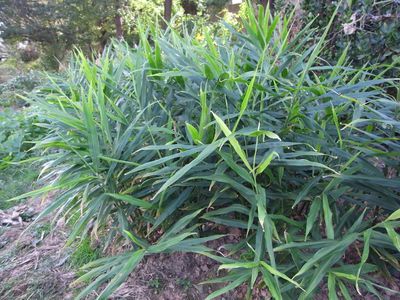 GingerZingiber officinale
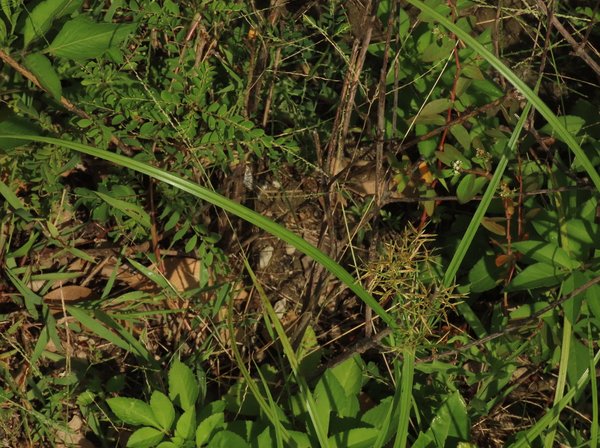 nut grassCyperus rotundus
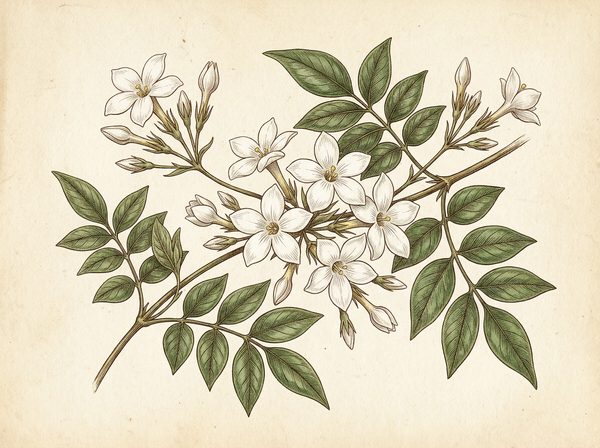 jasmineJasminum officinale
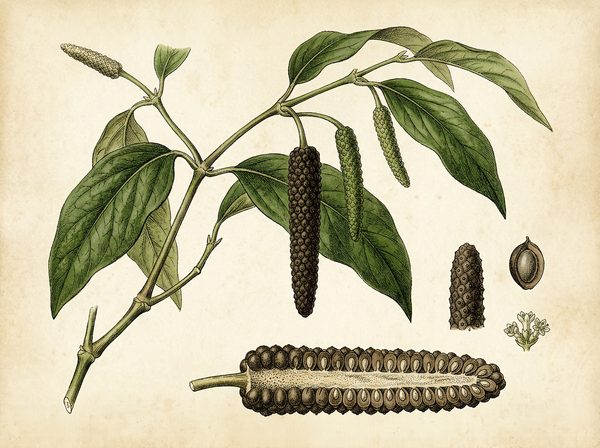 long pepperPiper longum
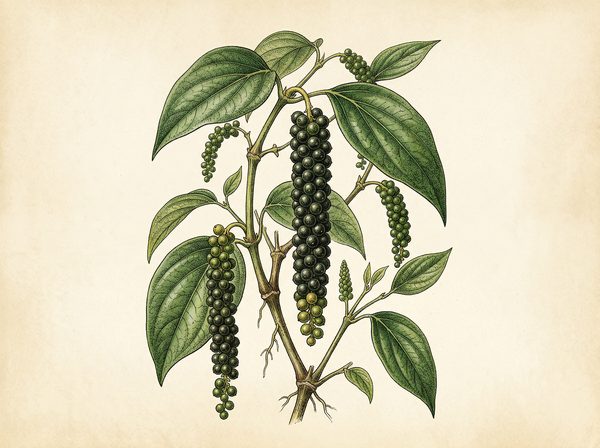 black pepperPiper nigrum
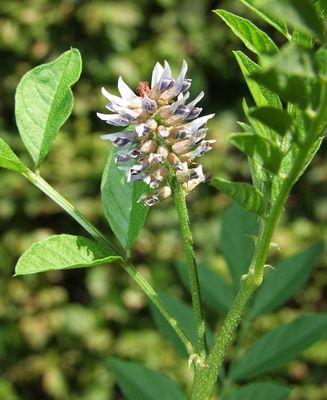 Licorice rootGlycyrrhiza glabra
Nearby on the shelf
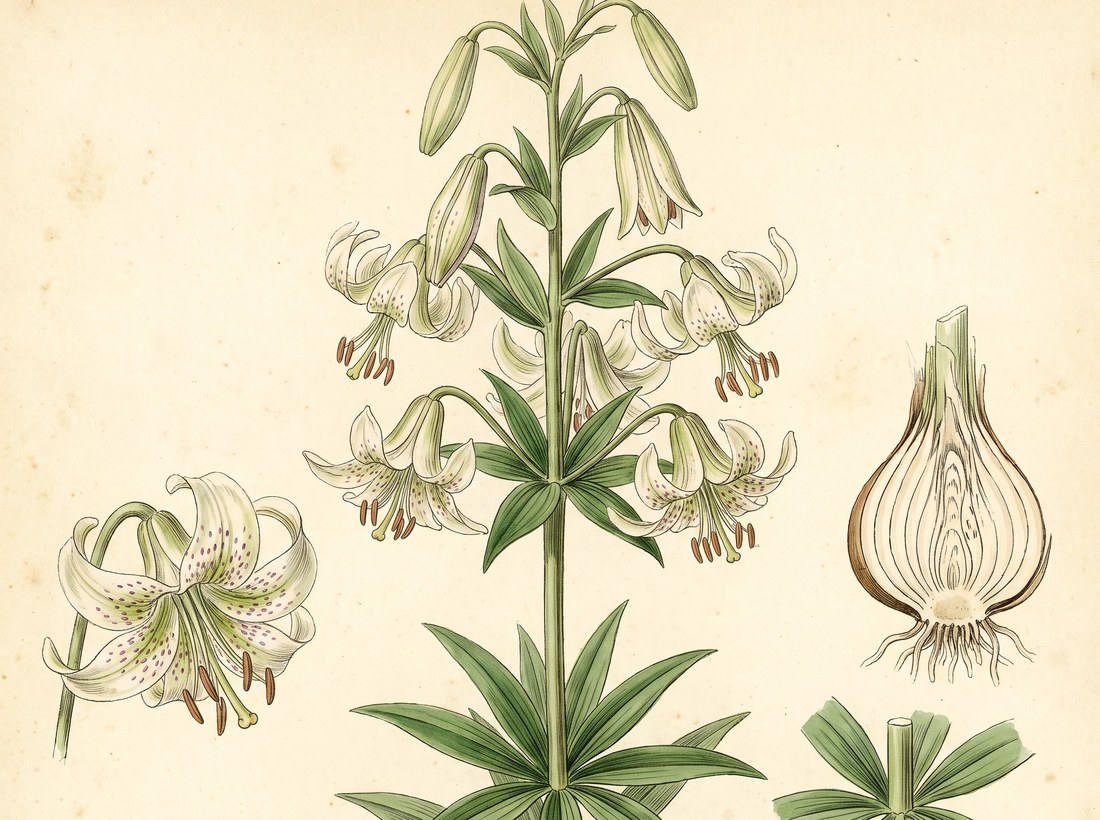 Himalayan white lilyLilium polyphyllum
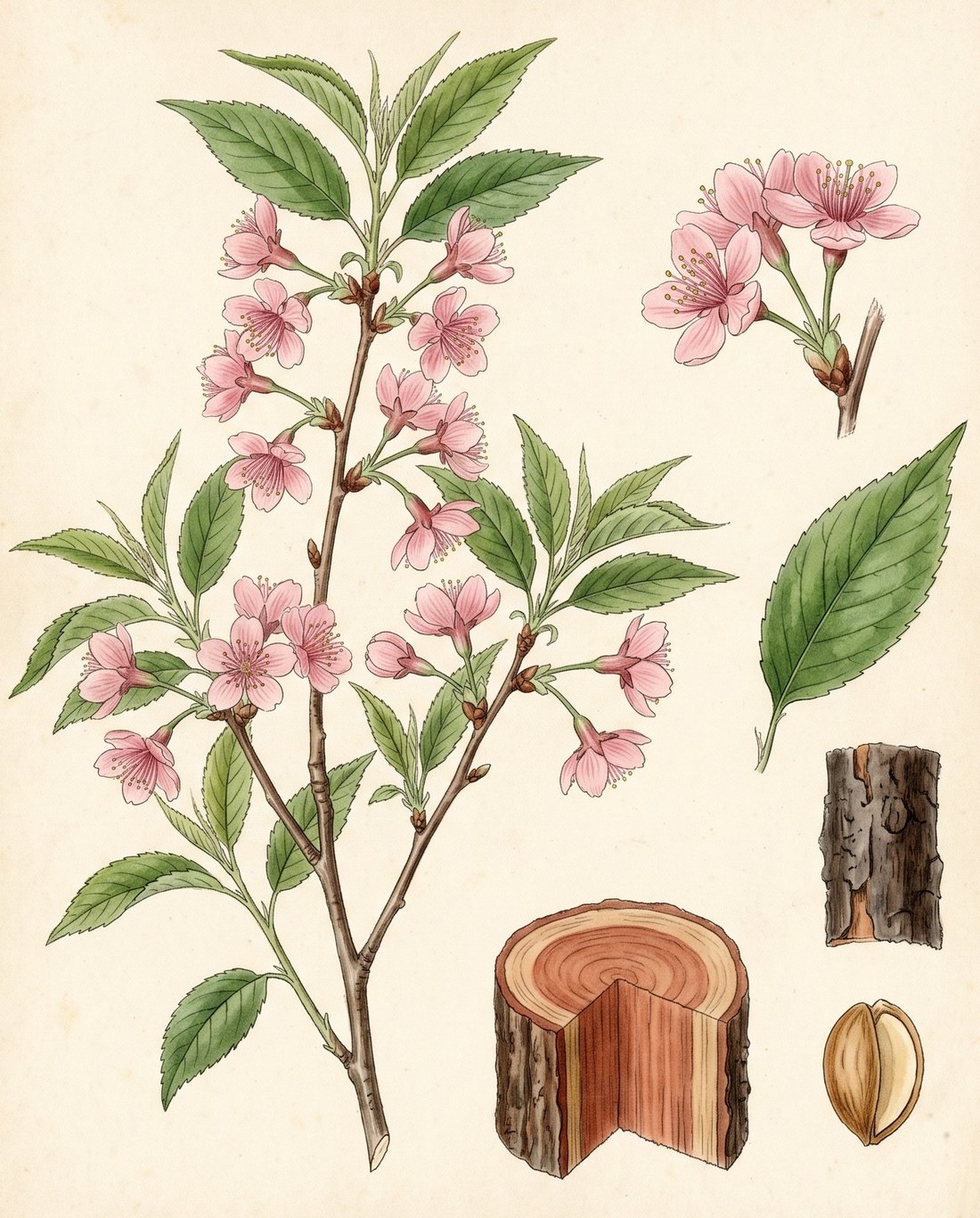 Himalayan wild cherryPrunus cerasoides
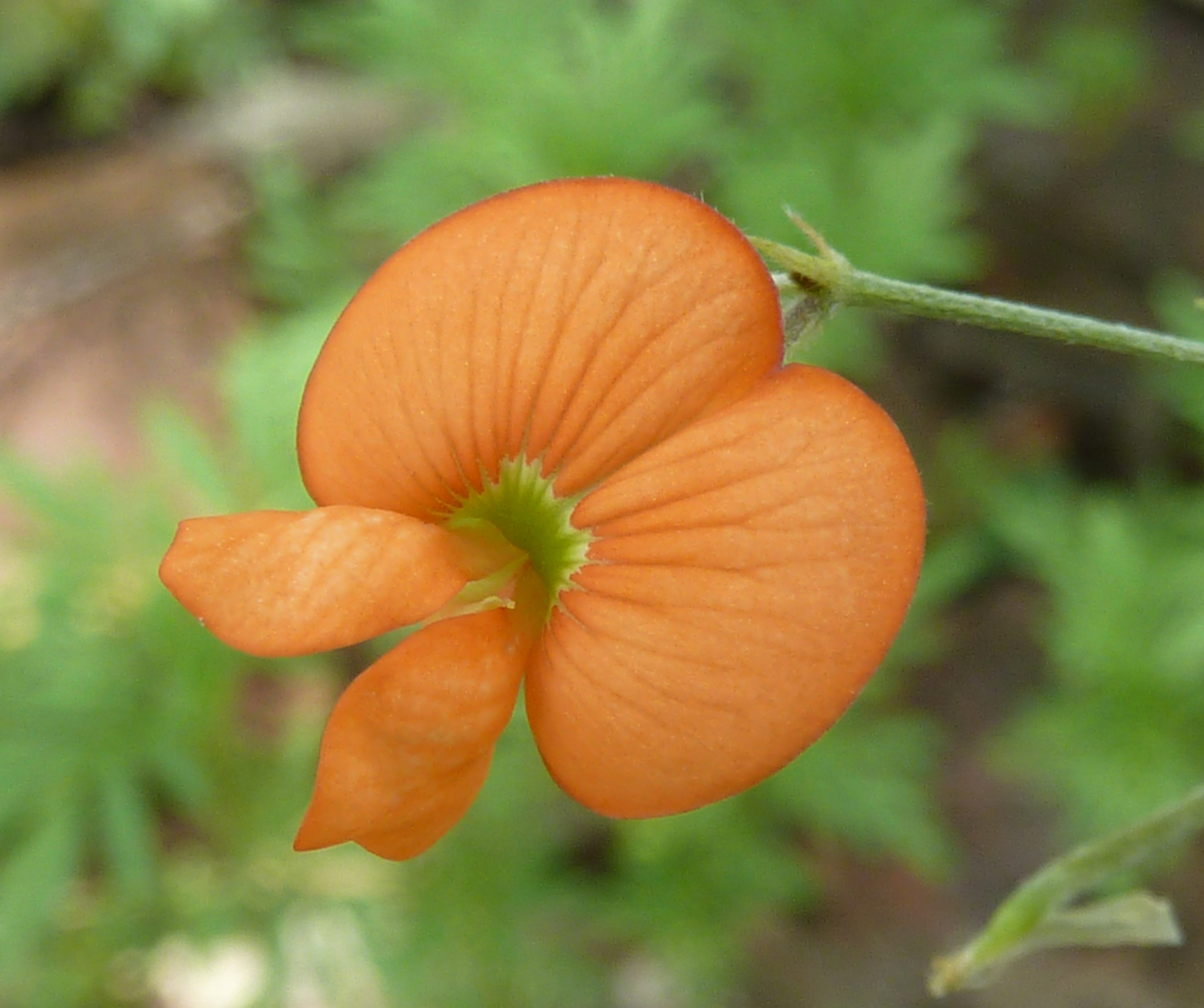 Hoary PeaTephrosia
 HollyhockAlthea rosea
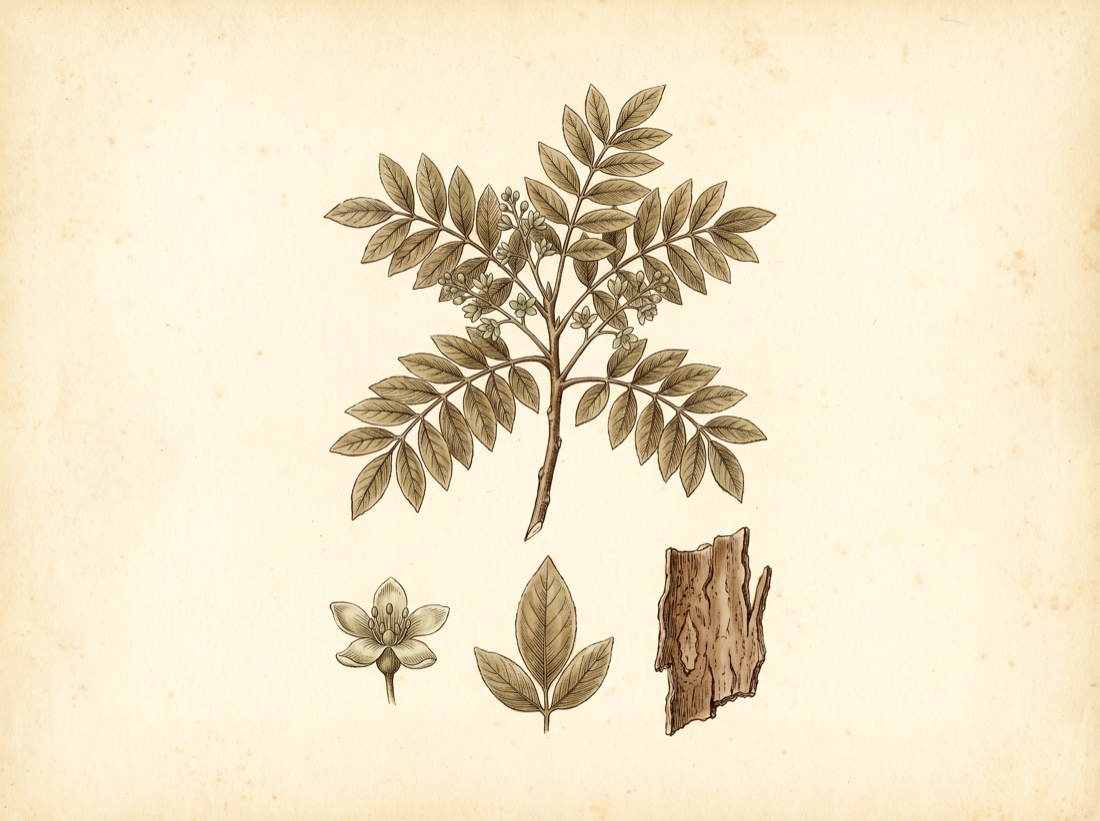 Honduras barkCascara Amarga
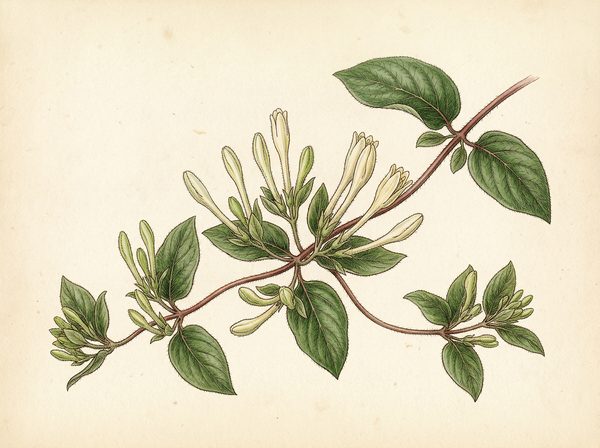 HoneysuckleLonicera japonica
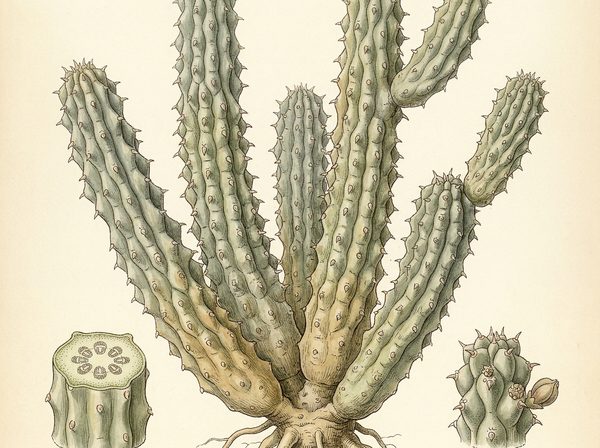 HoodiaHoodia gordonii
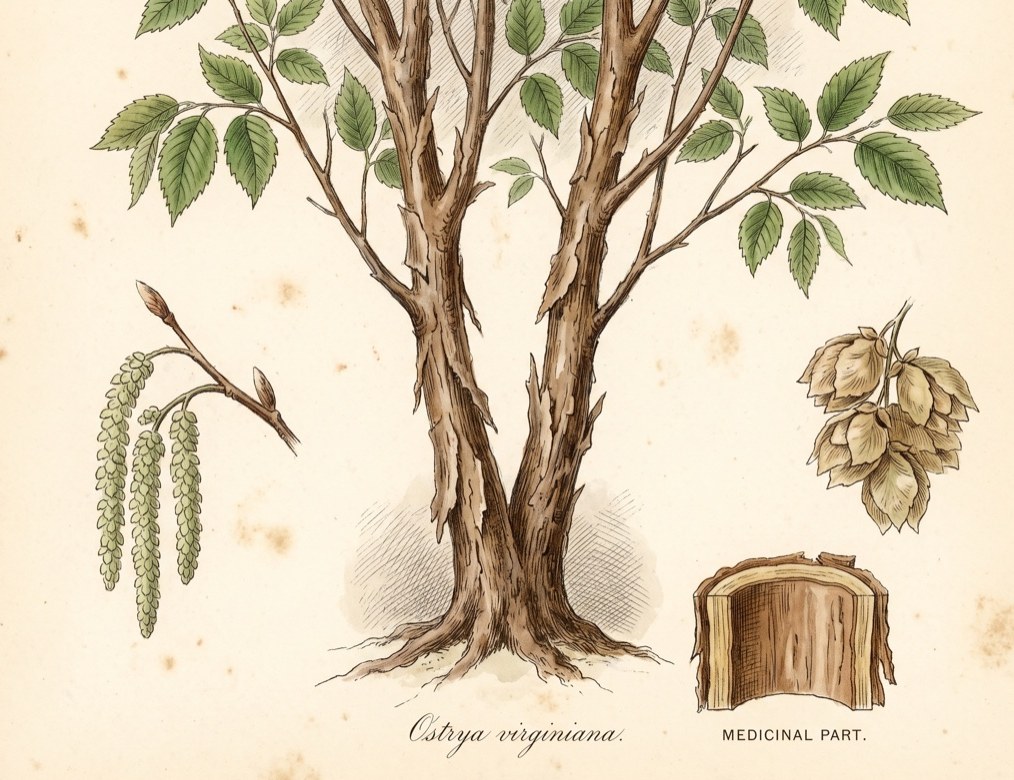 Hop hornbeamOstrya virginica
The whole plate is in the library. The compass, Compare, the Sky of eleven hundred plants and the formulary open with an email address and a password, free, with the formula builder and its safety engine. Herbert without limit, his formulating, clients, the handouts and the labels are the paid room.
Open the library, free