Western Herbalism
Honduras bark
Cascara Amarga
Also known as Cascara amarga, Bitter bark, Cascarilla amarga.
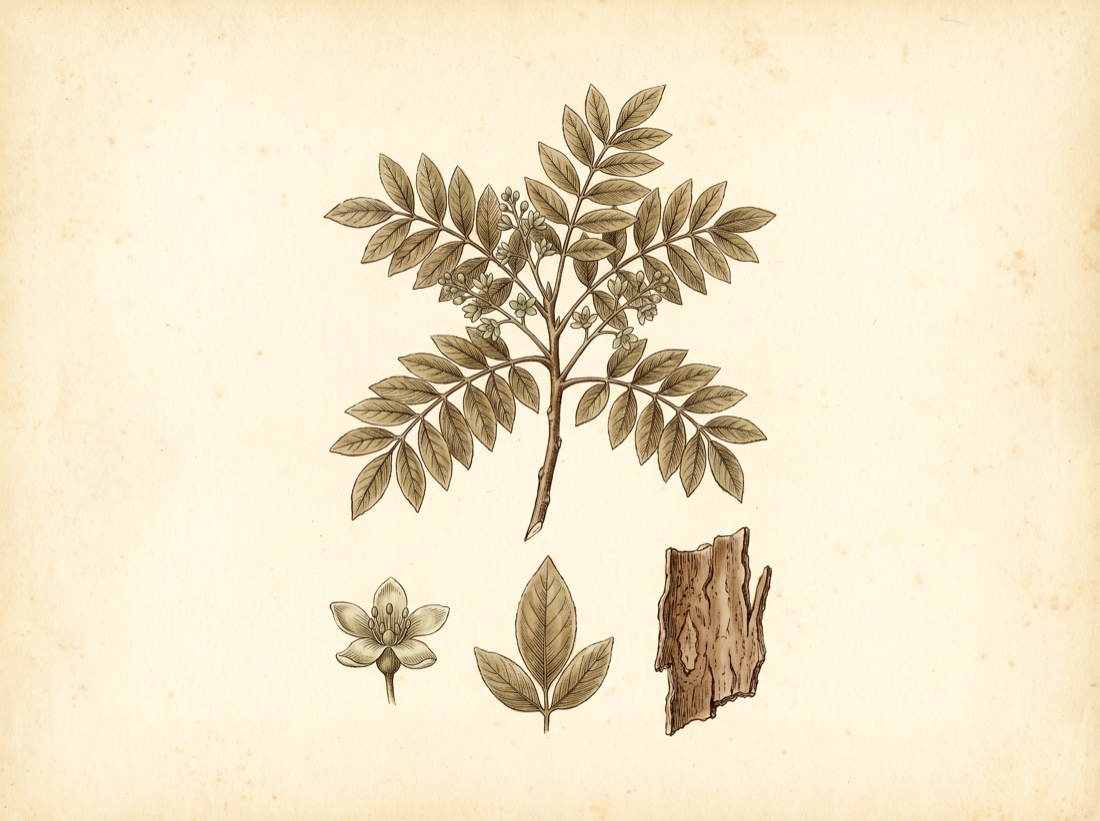
Cascara Amarga, botanically Picramnia antidesma, is a small tree or shrub of the family Picramniaceae native to Central America, the Caribbean, and parts of northern South America. The bark, sometimes traded as Honduras bark, was used by nineteenth century eclectic physicians as a bitter alterative distinct from the unrelated Rhamnus purshiana (Cascara Sagrada), which is a laxative bark from a different plant family entirely. In the eclectic materia medica it held a niche place as a gentle tonic and blood purifier for chronic skin disease, particularly where syphilis was suspected as an underlying cause.

Ask Herbert about Honduras bark. Herbert is the master herbalist inside Bountiful Herbs: he answers from this plate and eleven hundred others, with dosing, pairing and cautions. Your first ten questions are free.
Ask HerbertActions
Indications what the tradition reached for it in
- Chronic skin disease
- Pustular syphilitic skin eruption
- Debility with chronic dermatosis
- Poor appetite
- Dyspepsia with irritable stomach
- Sluggish digestion
- Scrofulous skin conditions (historical)
- General tonic debility
Specific indications
Chronic pustular eruption of syphilitic origin appearing in a run-down, debilitated patient
Weak, easily irritated stomach with poor appetite in a patient needing a mild bitter before deeper alterative treatment is tolerated
Safety
Pregnancy: Avoid in pregnancy: there is no modern safety data and historical use does not substitute for evidence of safety.
Breastfeeding: Avoid in lactation: no safety data exists for this plant in nursing mothers.
The record lists 4 contraindications; open the plate in the library to read them in full.
In practice
Eclectic writers reached for Cascara Amarga in cases of chronic, pustular skin disease occurring against a background of general debility, most often where a syphilitic history was present or suspected.
Dosing as the sources wrote it
| Preparation | As written | Metric |
|---|---|---|
| Fluid extract (historical, 1:1) | 0.5-2 mL three times daily | 0.5-2 mL |
| Tincture (1:5) | 2-4 mL three times daily | 2-4 mL |
Doses are reproduced from the sources for practitioners and are not a recommendation for any person.
From the sources
Overview. Cascara Amarga, botanically Picramnia antidesma, is a small tree or shrub of the family Picramniaceae native to Central America, the Caribbean, and parts of northern South America. The bark, sometimes traded as Honduras bark, was used by nineteenth century eclectic physicians as a bitter alterative distinct from the unrelated Rhamnus purshiana (Cascara Sagrada), which is a laxative bark from a different plant family entirely. In the eclectic materia medica it held a niche place as a gentle tonic and blood purifier for chronic skin disease, particularly where syphilis was suspected as an underlying cause.
Clinical Notes. Eclectic writers reached for Cascara Amarga in cases of chronic, pustular skin disease occurring against a background of general debility, most often where a syphilitic history was present or suspected.
Cascara Amarga, sometimes known as Honduras Bark, is advised in syphilis as an active alterative. The line of its action is where there is chronic skin affection or where the pustular variety of the syphiloderm prevails, the conditions being induced by debility, thus needing a specific tonic influence. It soothes the stomach, overcomes sensitiveness or ready irritability of this organ, increases the appetite, and improves general tonicity.
Drawn from Ellingwood's American Materia Medica, Therapeutics and Pharmacognosy, and the Bountiful Herbs editorial.
Often paired with
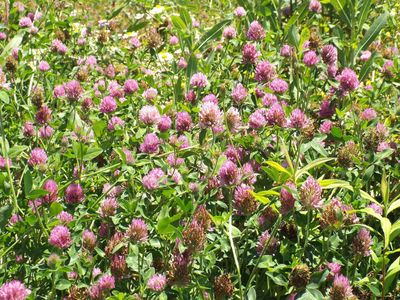 Red cloverTrifolium pratense
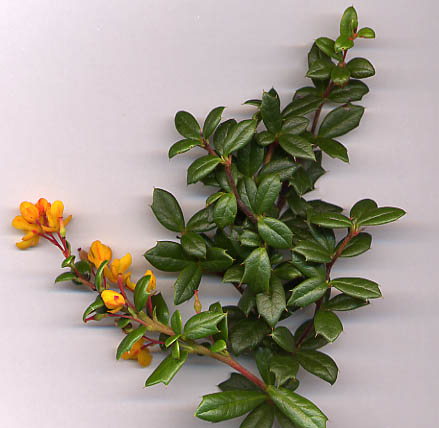 Oregon grapeBerberis aquifolium
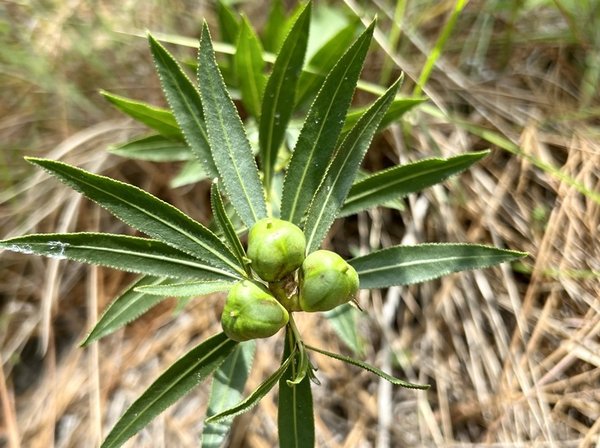 StillingiaStillingia sylvatica
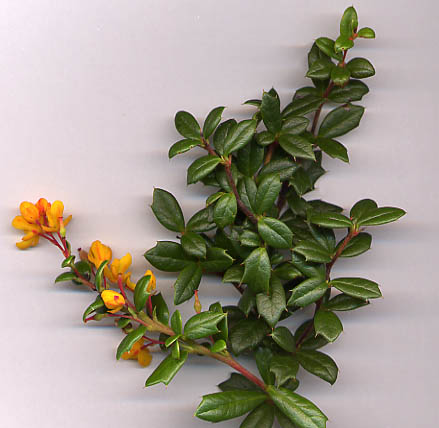 BarberryBerberis vulgaris
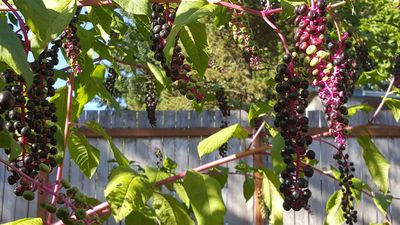 Poke rootPhytolacca americana
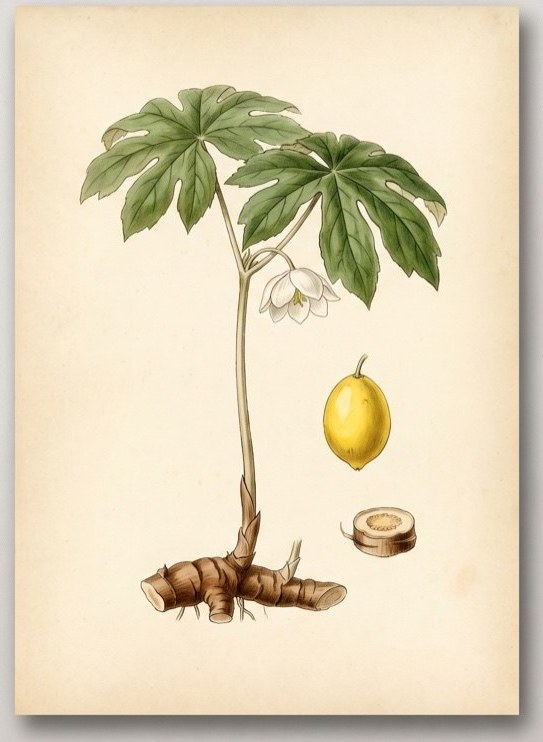 May applePodophyllum peltatum
Nearby on the shelf
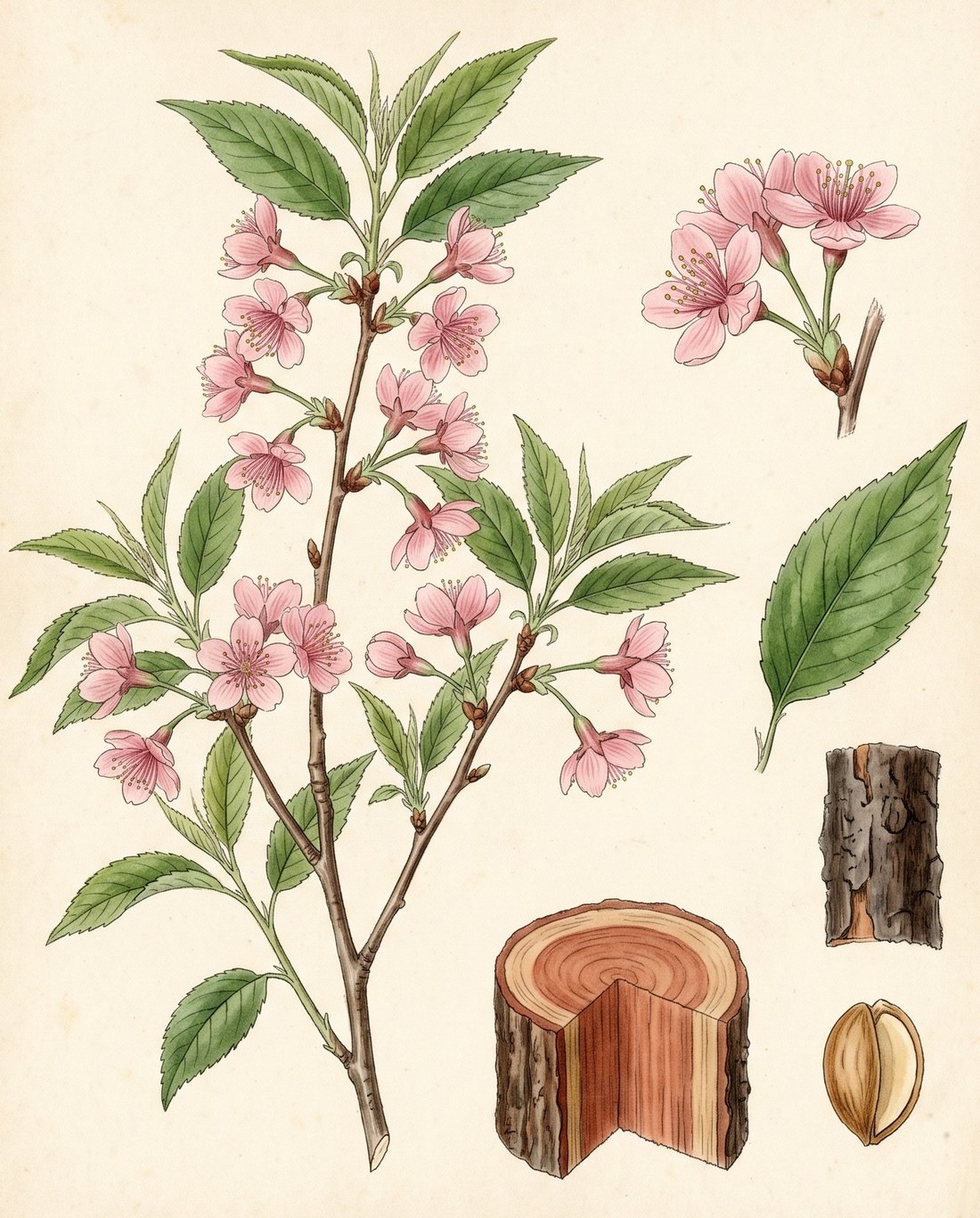 Himalayan wild cherryPrunus cerasoides
 Hoary PeaTephrosia
 HollyhockAlthea rosea
 Holy basilOcimum tenuiflorum
 HoneysuckleLonicera japonica
 HoodiaHoodia gordonii
 Hop hornbeamOstrya virginica
 HopsHumulus lupulus
The whole plate is in the library. The compass, Compare, the Sky of eleven hundred plants and the formulary open with an email address and a password, free, with the formula builder and its safety engine. Herbert without limit, his formulating, clients, the handouts and the labels are the paid room.
Open the library, free