Ayurvedic Herbalism
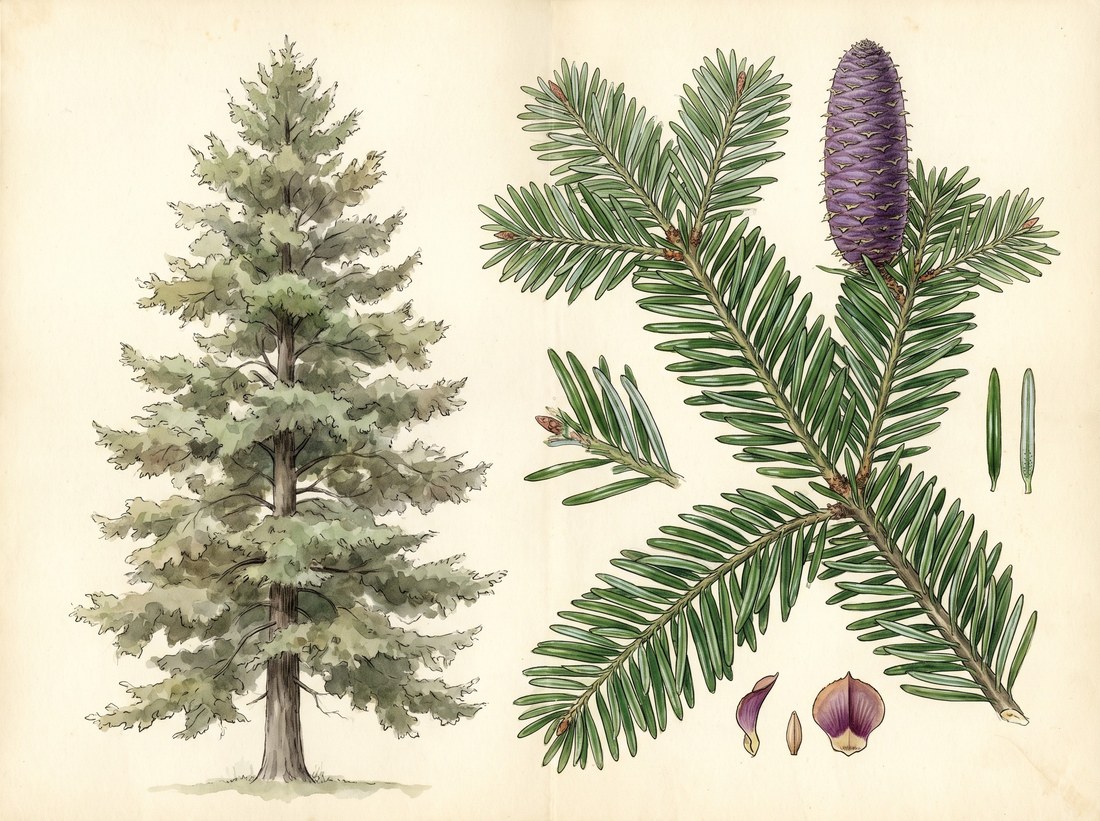
Himalayan silver fir
Abies webbiana
Also known as East Himalayan fir, Indian silver fir, talispatra, Talisapatra, Talisa, Patradhya.
Abies webbiana, now accepted as Abies spectabilis, is the tall silver fir of the high Himalaya from Kashmir through Nepal and Sikkim to Bhutan, growing between 2500 and 4000 meters with flat, glossy, aromatic needles. Ayurveda uses the dried needles as Talisapatra, a light, warming, aromatic leaf for cough, asthma, hiccup and weak digestion, and it gives its name to Talisadi churna, one of the most dispensed respiratory powders in India. It belongs to the later medieval materia medica rather than to the earliest texts.

Ask Herbert about Himalayan silver fir. Herbert is the master herbalist inside Bountiful Herbs: he answers from this plate and eleven hundred others, with dosing, pairing and cautions. Your first ten questions are free.
Ask HerbertActions
Indications what the tradition reached for it in
- Chronic cough with thick white sputum
- Bronchial asthma with cold, congested chest
- Hiccup and belching
- Hoarseness and loss of voice
- Chronic rhinitis and post-nasal catarrh
- Poor appetite and nausea in respiratory illness
- Bloating and flatulent dyspepsia
- Convalescence after pneumonia or bronchitis with lingering cough
- Cough in tuberculosis and chronic wasting (adjunct, traditional)
- Fever with chest congestion
Specific indications
A cold, heavy patient with a deep chesty cough, sticky white phlegm, wheeze and no appetite, worse in winter mornings
Hiccup or repeated belching after meals in a kapha-vata patient with a sluggish stomach
Hoarseness with a tickling cough in a singer or teacher who is also chilly and congested
The child or elder recovering from bronchitis who still coughs, eats poorly and feels weak
Safety
The record lists 5 contraindications; open the plate in the library to read them in full.
In practice
The Ayurvedic practitioner uses Talisapatra almost always in Talisadi churna, taken with honey or warm water two or three times daily for cough with sticky sputum, wheeze, chest heaviness, hiccup, loss of appetite and low fever with catarrh.
In Ayurveda
Rasa: tikta (bitter), madhura (sweet). Virya: ushna (heating). Vipaka: katu (pungent). Guna: laghu (light), snigdha (unctuous), tikshna (sharp). Dosha: pacifies kapha and vata; may aggravate pitta in excess. Karma: kasahara (relieves cough); shvasahara (relieves dyspnea); hikkanigrahana (stops hiccup); deepana (kindles digestion); pachana (digests ama); ruchya (improves taste); chardighna (stops vomiting); kaphaghna (reduces kapha); vatahara (pacifies vata); svarya (improves voice). Classical indications: kasa (cough); shvasa (dyspnea, asthma); hikka (hiccup); kshaya (wasting, consumption); pratishyaya (rhinitis and catarrh); svarabheda (hoarseness); agnimandya (weak digestion); aruchi (loss of appetite); chardi (vomiting); gulma (abdominal distension and mass); jvara (fever with respiratory catarrh). The dried needles are used as fine churna with honey, in kwatha for cough and fever, and above all as the leading ingredient of Talisadi churna, the classical powder for cough, asthma and poor appetite, which combines them with Maricha, Shunthi, Pippali, Vamshalochana, Ela, Tvak and sugar. Classical formulations: Talisadi churna, Talisapatradi churna, Talisapatradi vati, Talisadi kwatha, Sitopaladi churna (some regional versions add Talisapatra). Described in: Sharngadhara Samhita, Bhavaprakasha Nighantu, Dhanvantari Nighantu, Raja Nighantu, Kaiyadeva Nighantu, Madanapala Nighantu, Ayurvedic Pharmacopoeia of India.
Dosing as the sources wrote it
| Preparation | As written | Metric |
|---|---|---|
| Churna | 1-3 g powdered leaf twice daily with honey | 1000-3000 mg |
| Kwatha | 40-80 mL decoction twice daily | 40-80 mL |
| Compound churna (Talisadi) | 2-4 g twice daily with honey or warm water | 2000-4000 mg |
Doses are reproduced from the sources for practitioners and are not a recommendation for any person.
From the sources
Overview. Abies webbiana, now accepted as Abies spectabilis, is the tall silver fir of the high Himalaya from Kashmir through Nepal and Sikkim to Bhutan, growing between 2500 and 4000 meters with flat, glossy, aromatic needles. Ayurveda uses the dried needles as Talisapatra, a light, warming, aromatic leaf for cough, asthma, hiccup and weak digestion, and it gives its name to Talisadi churna, one of the most dispensed respiratory powders in India. It belongs to the later medieval materia medica rather than to the earliest texts.
Clinical Notes. The Ayurvedic practitioner uses Talisapatra almost always in Talisadi churna, taken with honey or warm water two or three times daily for cough with sticky sputum, wheeze, chest heaviness, hiccup, loss of appetite and low fever with catarrh.
Ayurvedic Profile. Rasa: tikta (bitter), madhura (sweet). Virya: ushna (heating). Vipaka: katu (pungent). Guna: laghu (light), snigdha (unctuous), tikshna (sharp). Dosha: pacifies kapha and vata; may aggravate pitta in excess.
Conservation. Abies spectabilis is common across the Himalaya, but wild collection of Talisapatra is often mixed with the endangered Himalayan yew, so sourcing should favor verified fir needles from managed forests.
In formulas
Himalayan silver fir stands in 16 documented formulas in the library, among them Kanakāsava, Jīrakādi Modaka, Śivā Guṭikā, Kalyāṇaka Ghṛta, Mahā Kalyāṇaka Ghṛta, Tālīsādya Cūrṇa.
Often paired with
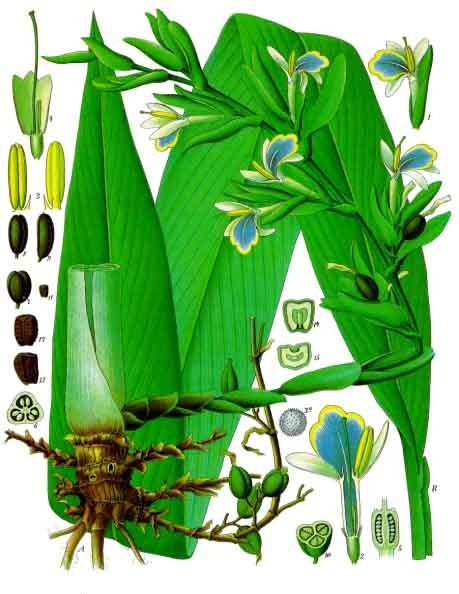 cardamomElettaria cardamomum
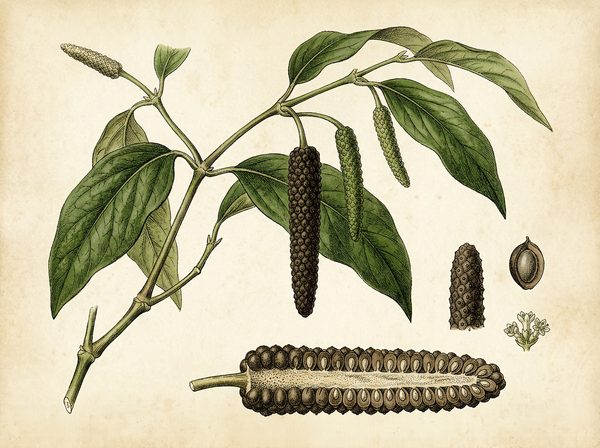 long pepperPiper longum
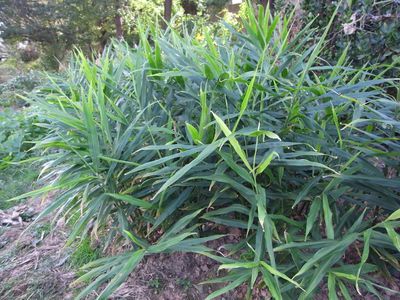 GingerZingiber officinale
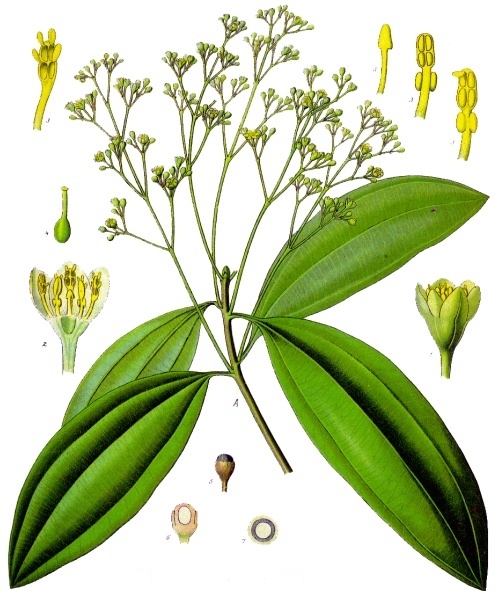 Indian bay leafCinnamomum tamala
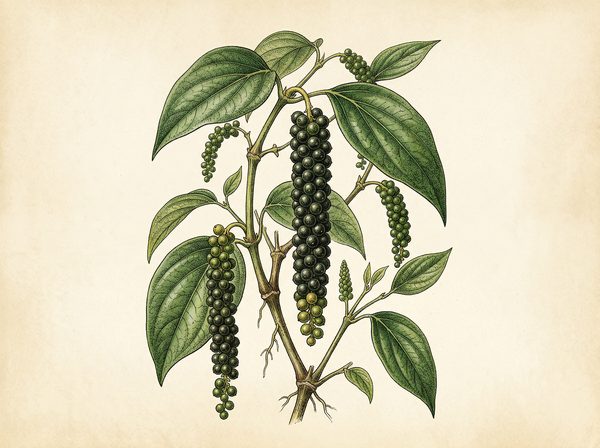 black pepperPiper nigrum
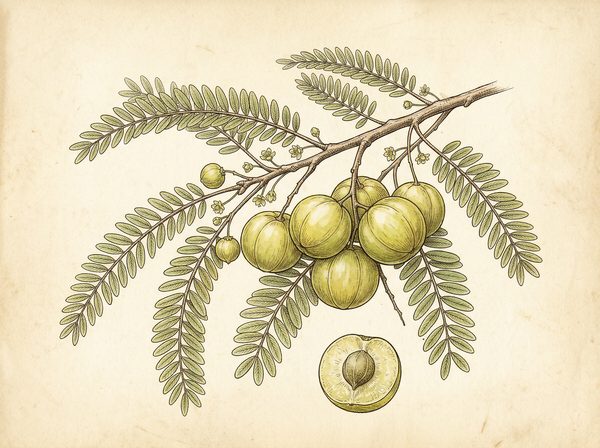 Indian gooseberryPhyllanthus emblica
Nearby on the shelf
 HennaLawsonia inermis
 Herb RobertGeranium robertianum
 Hercules-clubZanthoxylum clava-herculis
 Himalayan cedarCedrus deodara
 Himalayan white lilyLilium polyphyllum
 Himalayan wild cherryPrunus cerasoides
 Hoary PeaTephrosia
 HollyhockAlthea rosea
The whole plate is in the library. The compass, Compare, the Sky of eleven hundred plants and the formulary open with an email address and a password, free, with the formula builder and its safety engine. Herbert without limit, his formulating, clients, the handouts and the labels are the paid room.
Open the library, free