Western Herbalism
Herb Robert
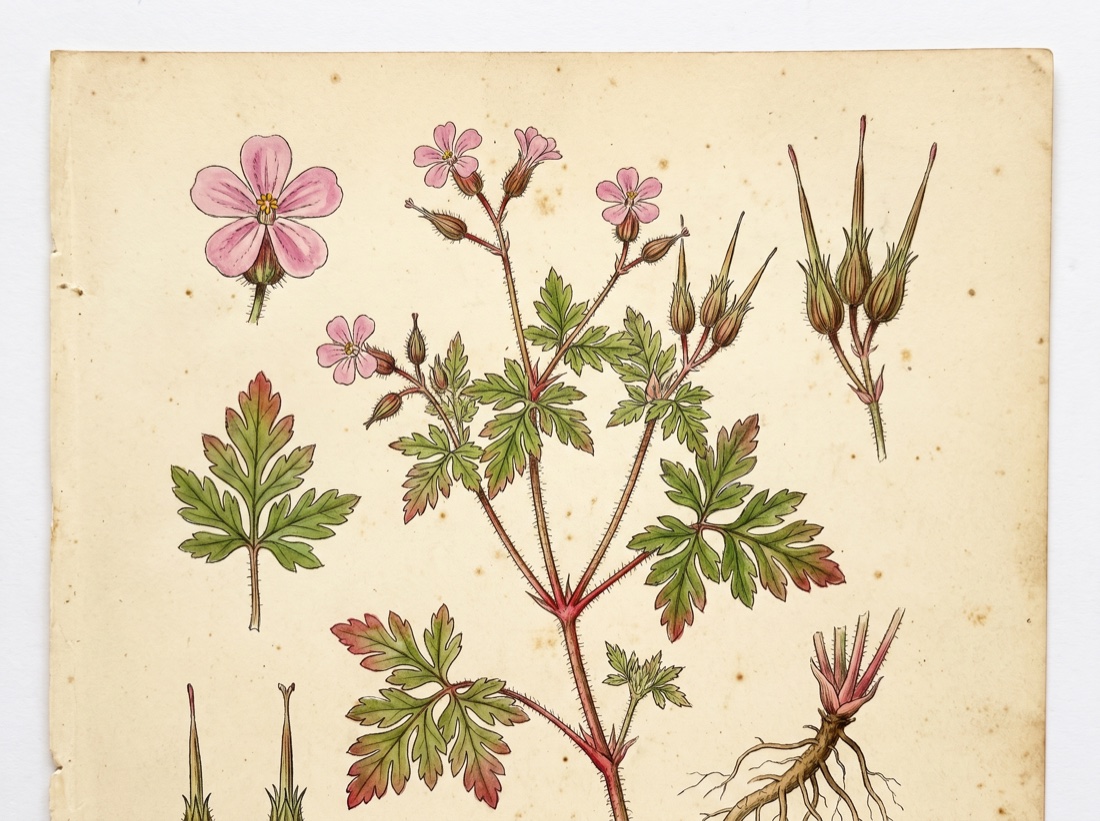
Geranium robertianum
Also known as red robin, stinking Bob, fox geranium, Robert geranium, death-come-quickly, stinking cranesbill.
Herb Robert is a small, red-stemmed cranesbill with deeply cut leaves, pink flowers and a pungent, slightly foxy smell, common on walls, hedge banks, woodland edges and waste ground across Europe, western Asia and North Africa, and naturalized in North America and elsewhere. The whole aerial plant is used, fresh or dried. It is a classic European folk astringent in the same family as American cranesbill (Geranium maculatum), gentler than that root but useful in the same range: bleeding, diarrhea, sore mouths and inflamed skin.

Ask Herbert about Herb Robert. Herbert is the master herbalist inside Bountiful Herbs: he answers from this plate and eleven hundred others, with dosing, pairing and cautions. Your first ten questions are free.
Ask HerbertActions
Indications what the tradition reached for it in
- Diarrhea and loose stools
- Mouth ulcers and sore, bleeding gums (rinse)
- Sore throat and tonsillitis (gargle)
- Nosebleeds and minor bleeding
- Minor wounds, cuts and grazes
- Skin inflammation, eczema and slow-healing sores (wash)
- Hemorrhoids (topical)
- Gastritis and irritable gut with loose stools
- Mild urinary irritation and cystitis (supportive)
- Leucorrhea (douche or sitz bath, traditional)
Specific indications
Bleeding, spongy gums or recurrent mouth ulcers that settle with a tannin-rich rinse used after each meal
Loose, urgent stools in an irritable, inflamed gut where a mild, cooling astringent is wanted alongside soothing herbs
A weeping, inflamed skin rash or a slow-healing graze that needs a drying, antiseptic wash
Safety
Pregnancy: Limited data. No published safety rating and no reports of harm; ordinary tea and topical use are regarded as acceptable, and there are no known uterine effects.
Breastfeeding: Limited data. No published safety rating and no reports of harm; ordinary tea and topical use are regarded as acceptable during breastfeeding.
The record lists 4 contraindications; open the plate in the library to read them in full.
In practice
Treat herb Robert as a mild, cooling, tannin astringent with a useful antimicrobial edge. It is the plant to use as a mouthwash for spongy gums and aphthous ulcers, as a gargle for a raw sore throat, and as a wash or compress for grazes, eczema and weeping sores.
Dosing as the sources wrote it
| Preparation | As written | Metric |
|---|---|---|
| Infusion | 2-4 g dried aerial parts per cup three times daily | |
| Tincture (1:5, 25%) | 2-4 mL three times daily | 2-4 mL |
| Mouthwash or gargle | 5-10 g dried herb per 250 mL water used three to four times daily | |
| Topical wash or compress | 10-20 g dried herb per 500 mL water applied two to three times daily |
Doses are reproduced from the sources for practitioners and are not a recommendation for any person.
From the sources
Overview. Herb Robert is a small, red-stemmed cranesbill with deeply cut leaves, pink flowers and a pungent, slightly foxy smell, common on walls, hedge banks, woodland edges and waste ground across Europe, western Asia and North Africa, and naturalized in North America and elsewhere. The whole aerial plant is used, fresh or dried. It is a classic European folk astringent in the same family as American cranesbill (Geranium maculatum), gentler than that root but useful in the same range: bleeding, diarrhea, sore mouths and inflamed skin.
Clinical Notes. Treat herb Robert as a mild, cooling, tannin astringent with a useful antimicrobial edge. It is the plant to use as a mouthwash for spongy gums and aphthous ulcers, as a gargle for a raw sore throat, and as a wash or compress for grazes, eczema and weeping sores.
Nearby on the shelf
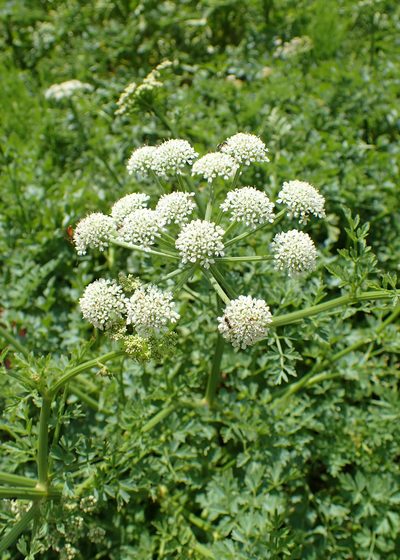 Hemlock water dropwortOenanthe crocata
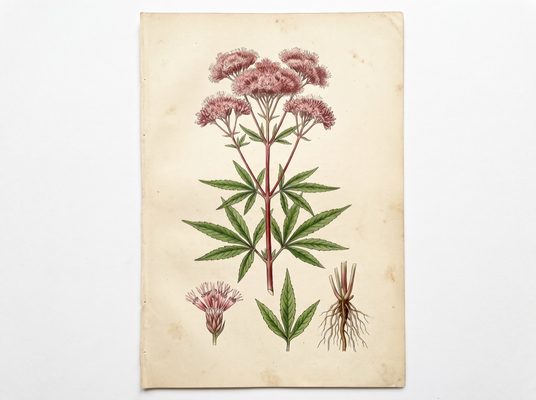 Hemp agrimonyEupatorium cannabinum
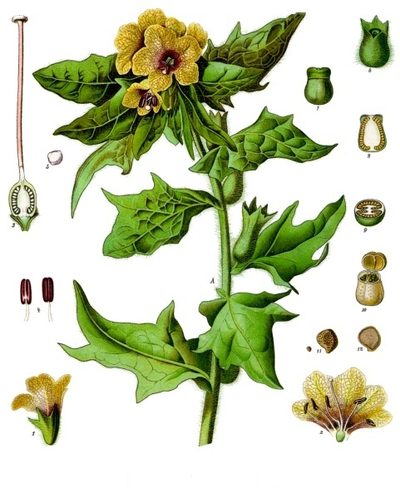 HenbaneHyoscyamus niger
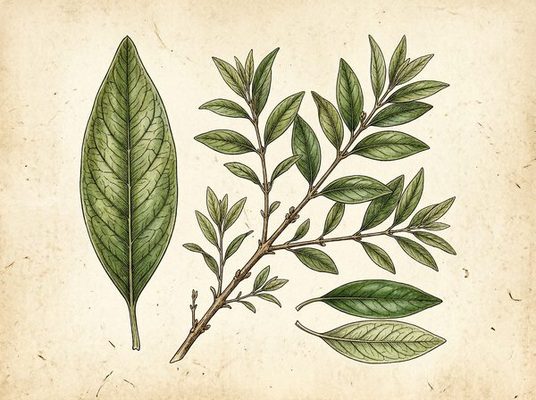 HennaLawsonia inermis
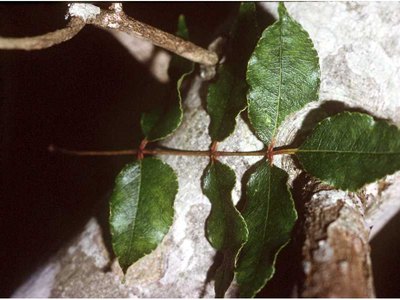 Hercules-clubZanthoxylum clava-herculis
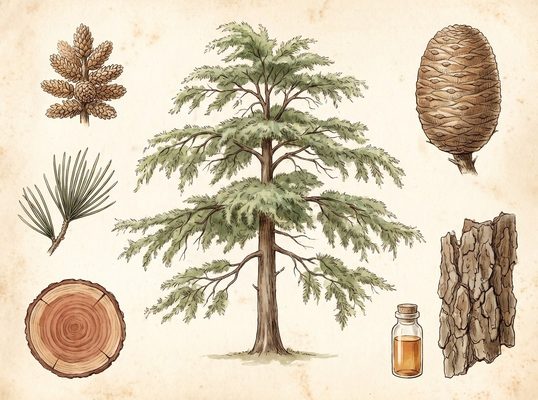 Himalayan cedarCedrus deodara
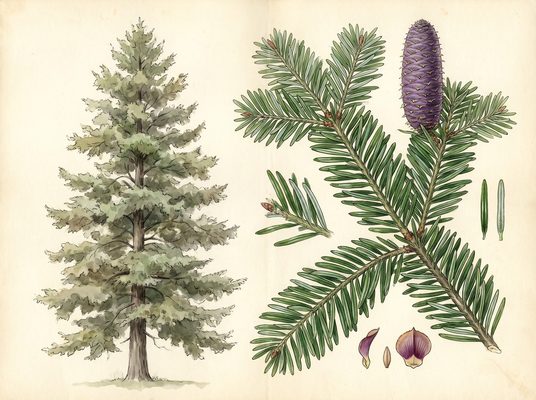 Himalayan silver firAbies webbiana
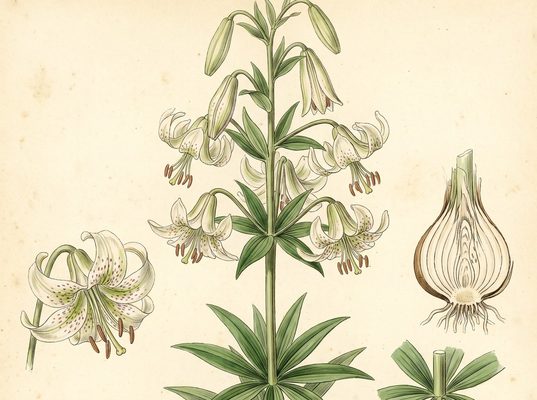 Himalayan white lilyLilium polyphyllum
The whole plate is in the library. The compass, Compare, the Sky of eleven hundred plants and the formulary open with an email address and a password, free, with the formula builder and its safety engine. Herbert in full, his formulating, clients, the handouts and the labels are the paid room.
Open the library, free