Western and Ayurvedic herbalism
Ashwagandha
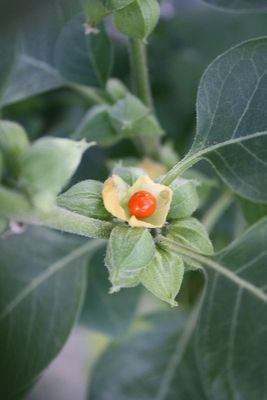
Withania somnifera
Also known as Indian ginseng, winter cherry, poison gooseberry, Ashwaganda, Ashvagandha, Varahakarni, Balada.
Withania somnifera is a small woody shrub of the nightshade family that grows wild on dry wasteland across the Indian plains, the Deccan and the northwestern states, and is cultivated on a large scale in Madhya Pradesh and Rajasthan. Ayurveda uses the dried root as its premier rasayana for vata: a warming, nourishing tonic that builds strength, steadies the nerves and restores sleep. The name refers to the horse-like smell of the fresh root and the vigor it is said to confer.

Ask Herbert about Ashwagandha. Herbert is the master herbalist inside Bountiful Herbs: he answers from this plate and eleven hundred others, with dosing, pairing and cautions. Your first ten questions are free.
Ask HerbertActions
Indications what the tradition reached for it in
- Chronic stress with fatigue and poor recovery
- Anxiety with insomnia
- Convalescence and debility after illness
- Low libido and male subfertility
- Sarcopenia and poor exercise recovery
- Chronic joint pain of degenerative type
- Mild hypothyroid states (adjunct)
- Nervous exhaustion in the elderly
- Cognitive decline with fatigue
- Underweight, cold, depleted patients
- Autoimmune conditions with exhaustion (with care)
- Infertility (male)
- Cancer (colon)
- Cancer (lung)
- Morphine withdrawal
- Chemotherapeutic/radiation adjunct
- Arthritis (inflammatory)
- Withdrawal (morphine)
- Hypothyroidism
- Anxiety
- Stress (chronic)
- Cloudy thinking
- Cancer (breast)
- Inflammation
- Erectile dysfunction
- Nervous exhaustion
- Autoimmune disease
- Insomnia
- Anemia
- Burnout
Specific indications
A thin, anxious, cold patient who is wired but tired, sleeps poorly and wakes unrefreshed
The exhausted caregiver or student whose stress has run on for months and who now aches, forgets and cannot switch off
An older man with low libido, low morning energy and loss of muscle who wants to rebuild rather than be stimulated
Post-viral or post-surgical debility with weight loss, poor appetite and shakiness on exertion
Safety
Pregnancy: Limited safety data in pregnancy
The record lists 8 contraindications; open the plate in the library to read them in full.
In practice
Reach for Ashwagandha when a patient is depleted rather than congested: the vata picture of dryness, coldness, weight loss, restlessness, poor sleep and a mind that races on an empty tank. The classical anupana is warm milk with a little ghee or jaggery, taken at bedtime, which softens the heating quality and brings out the sedative and nourishing side of the root.
In Ayurveda
Rasa: tikta (bitter), kashaya (astringent), madhura (sweet). Virya: ushna (heating). Vipaka: madhura (sweet). Guna: laghu (light), snigdha (unctuous). Dosha: pacifies vata and kapha; may aggravate pitta in excess or in hot constitutions. Karma: rasayana (rejuvenative); balya (strengthening); brimhana (nourishing, builds tissue); vajikarana (aphrodisiac, promotes fertility); nidrajanana (promotes sleep); medhya (supports intellect and memory); shothahara (reduces swelling); vatahara (pacifies vata); kaphahara (reduces kapha); shukrala (increases semen). Classical indications: kshaya (wasting and debility); daurbalya (weakness); vatavyadhi (neuromuscular and joint disorders of vata); anidra (insomnia); klaibya (male sexual dysfunction); shukradosha (defects of semen); shvitra (leukoderma, topical); shotha (inflammatory swelling); kasa and shvasa (cough and dyspnea); vandhyatva (infertility). The dried root is the classical drug, given as churna with warm milk or ghee, as kwatha, as ghrita and taila for external and internal use, and as the fermented arishta. The leaf is used as a poultice for swellings and in some modern extracts. Classical formulations: Ashwagandharishta, Ashwagandhadi churna, Ashwagandha ghrita, Balashwagandhadi taila, Ashwagandhadi lehya, Chyawanprash. Described in: Charaka Samhita, Sushruta Samhita, Ashtanga Hridaya, Bhavaprakasha Nighantu, Dhanvantari Nighantu, Raja Nighantu, Kaiyadeva Nighantu, Ayurvedic Pharmacopoeia of India.
Dosing as the sources wrote it
| Preparation | As written | Metric |
|---|---|---|
| Churna | 3-6 g powdered root daily with warm milk | 3000-6000 mg |
| Kwatha | 50-100 mL decoction twice daily | 50-100 mL |
| Arishta | 12-24 mL twice daily after food | 12-24 mL |
| Ghrita | 5-10 g medicated ghee daily | 5000-10000 mg |
| Standardized extract | 300-600 mg root extract daily in divided doses | 300-600 mg |
| Decoction | 2-3 tsp/c water BID-TID |
Doses are reproduced from the sources for practitioners and are not a recommendation for any person.
From the sources
Overview. Withania somnifera is a small woody shrub of the nightshade family that grows wild on dry wasteland across the Indian plains, the Deccan and the northwestern states, and is cultivated on a large scale in Madhya Pradesh and Rajasthan. Ayurveda uses the dried root as its premier rasayana for vata: a warming, nourishing tonic that builds strength, steadies the nerves and restores sleep. The name refers to the horse-like smell of the fresh root and the vigor it is said to confer.
Clinical Notes. As adaptogen it is most indicated for patients irritated/anxious or dibilitated under stress Increases white blood cell/red blood cell counts In vitro studies of withanolides: inhibited growth of breast, lung, and colon cancer cell lines Prevents bony degenerative changes with inflammatory arthritis Inhibits lipid peroxidation and improves sperm count and sperm motility Enhances circulating levels of T4 (animal study
Clinical Notes. Reach for Ashwagandha when a patient is depleted rather than congested: the vata picture of dryness, coldness, weight loss, restlessness, poor sleep and a mind that races on an empty tank. The classical anupana is warm milk with a little ghee or jaggery, taken at bedtime, which softens the heating quality and brings out the sedative and nourishing side of the root.
primary_action. Ashwagandha is a warming adaptogen and Ayurvedic Rasayana that helps the body withstand physical and psychological stress; it is especially suited to people who are irritable, anxious, or debilitated and depleted under stress, and controlled trials show it improves resistance to stress and self-rated quality of life.
In formulas
Ashwagandha stands in 35 documented formulas in the library, among them Aśvagandhādyariṣṭa, Balāriṣṭa, Mṛtasaṅjīvanī Surā, Sārasvatāriṣṭa, Aśvagandhādi Lehya, Pūgakhaṇḍa.
Often paired with
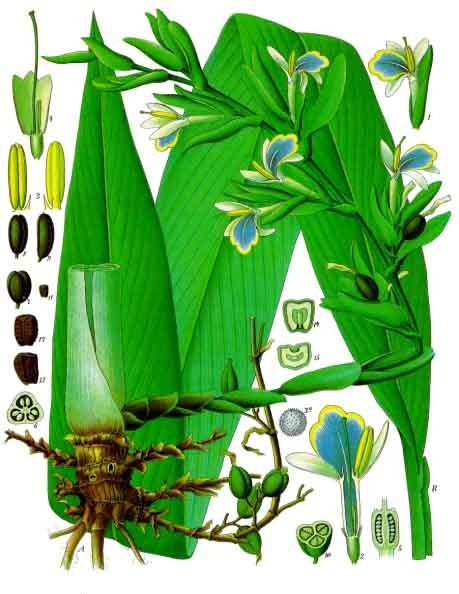 cardamomElettaria cardamomum
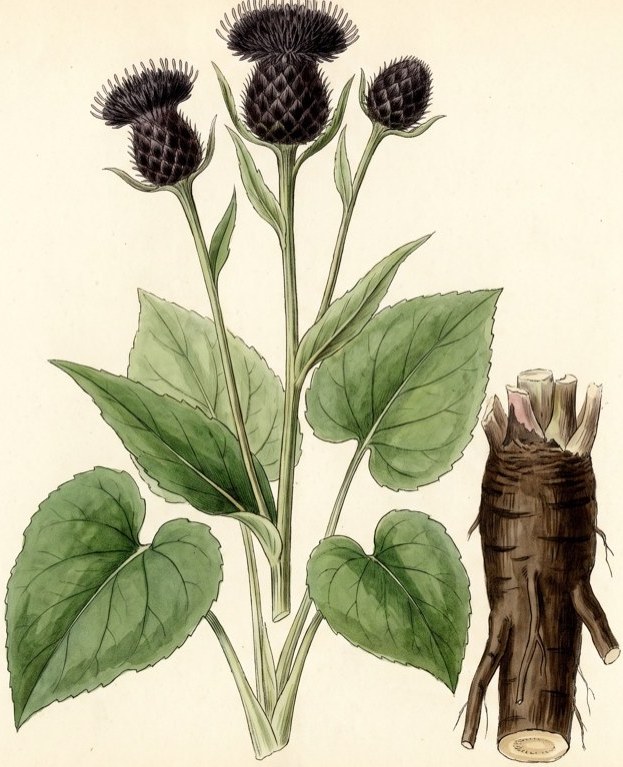 costusSaussurea costus
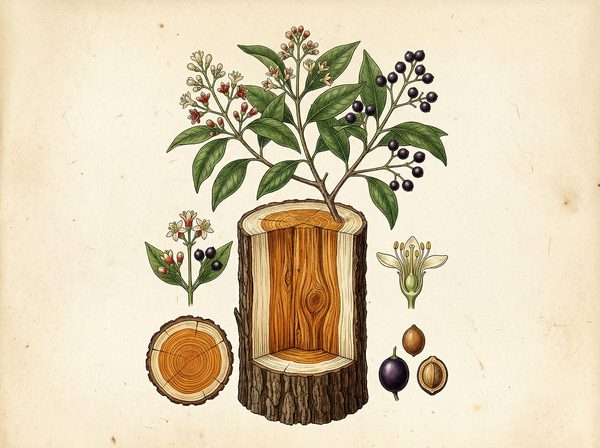 sandalwoodSantalum album
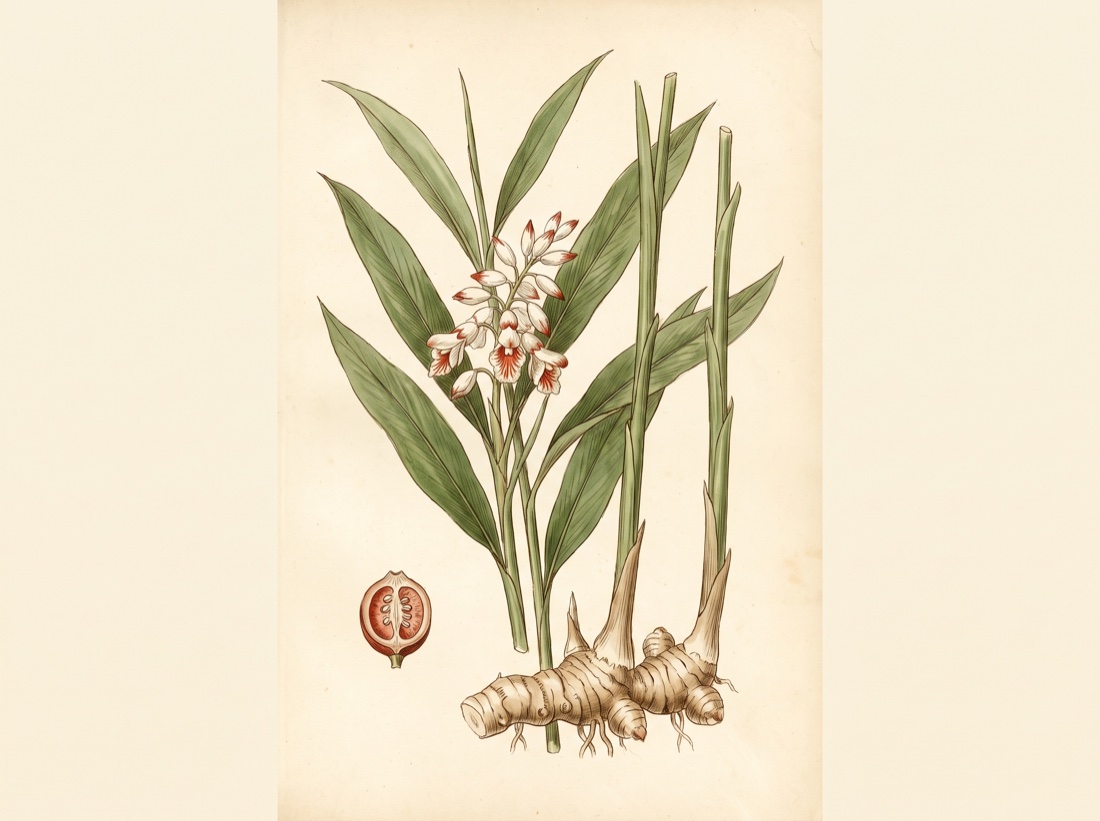 greater galangalAlpinia galanga
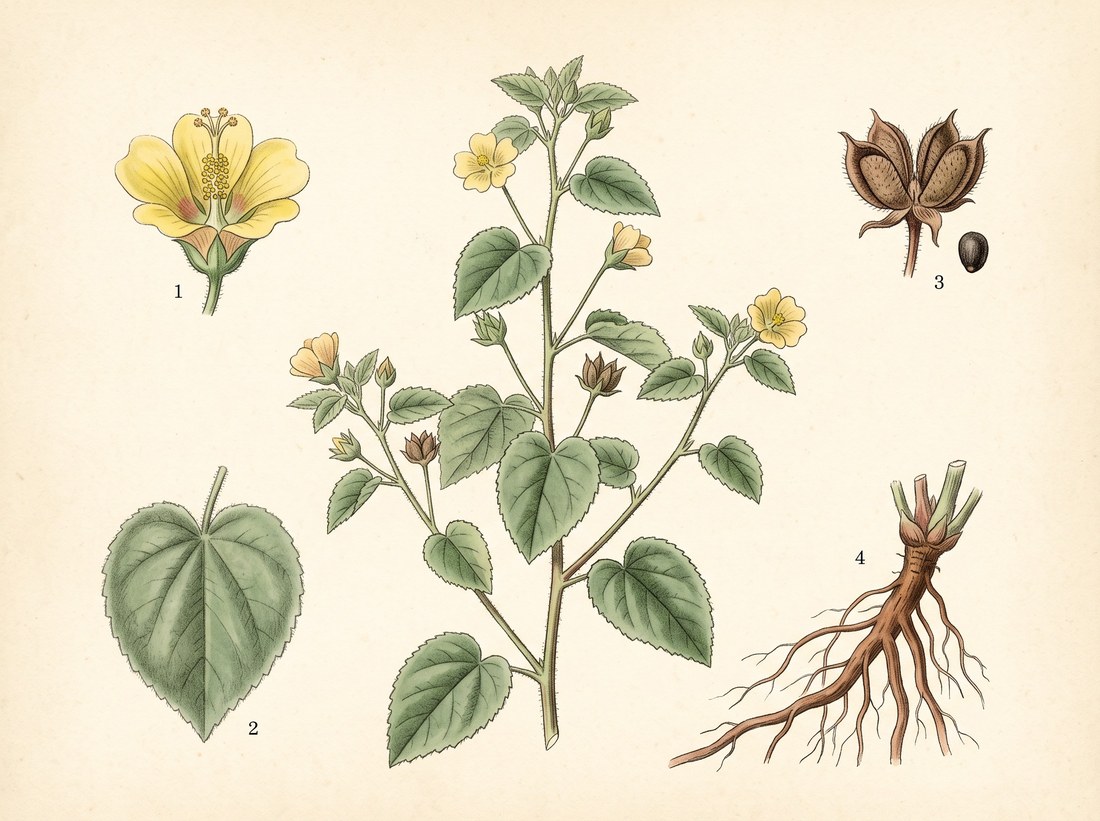 balaSida cordifolia
 shatavariAsparagus racemosus
Nearby on the shelf
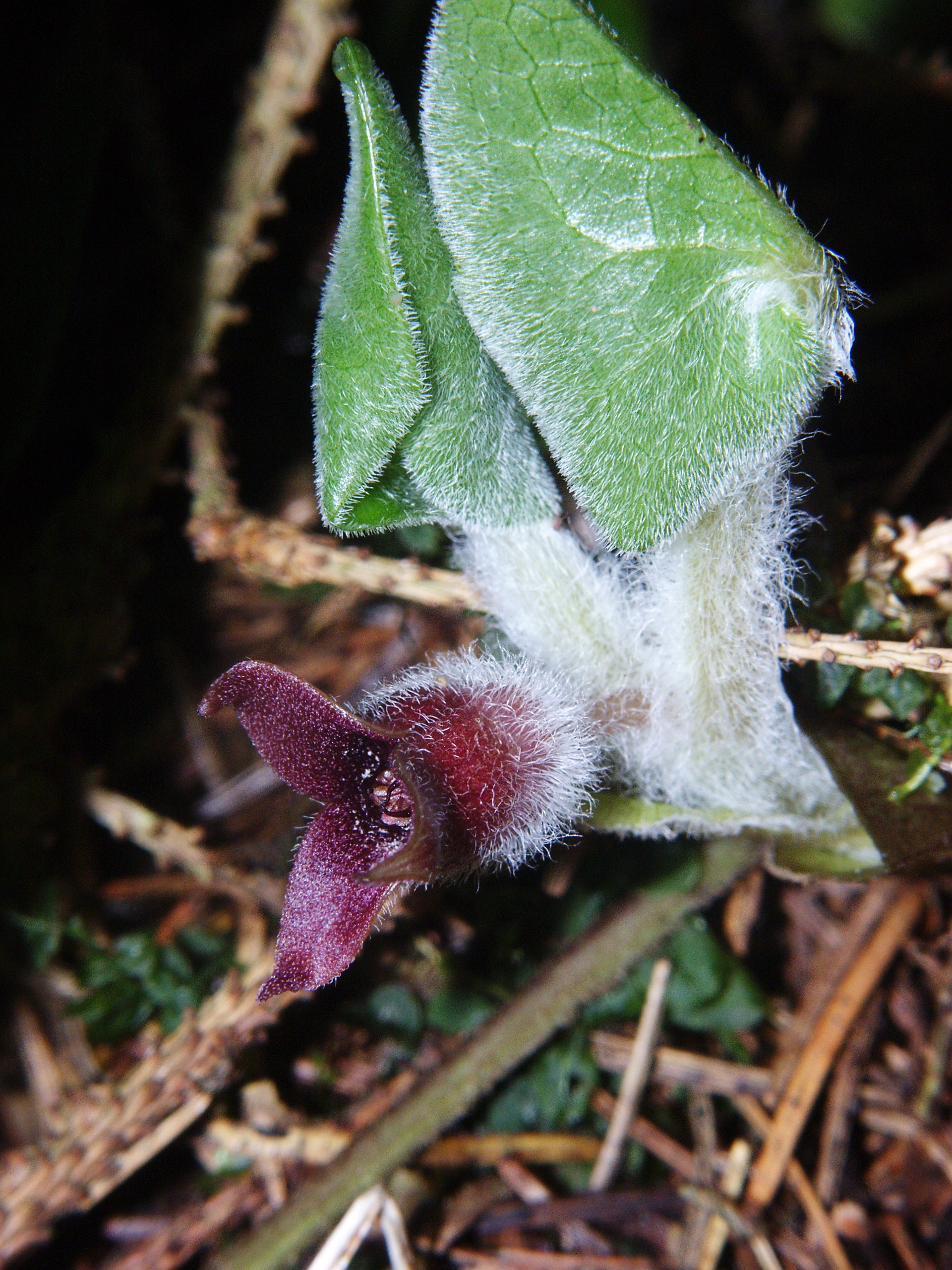 AsarabaccaAsarum Europaeum
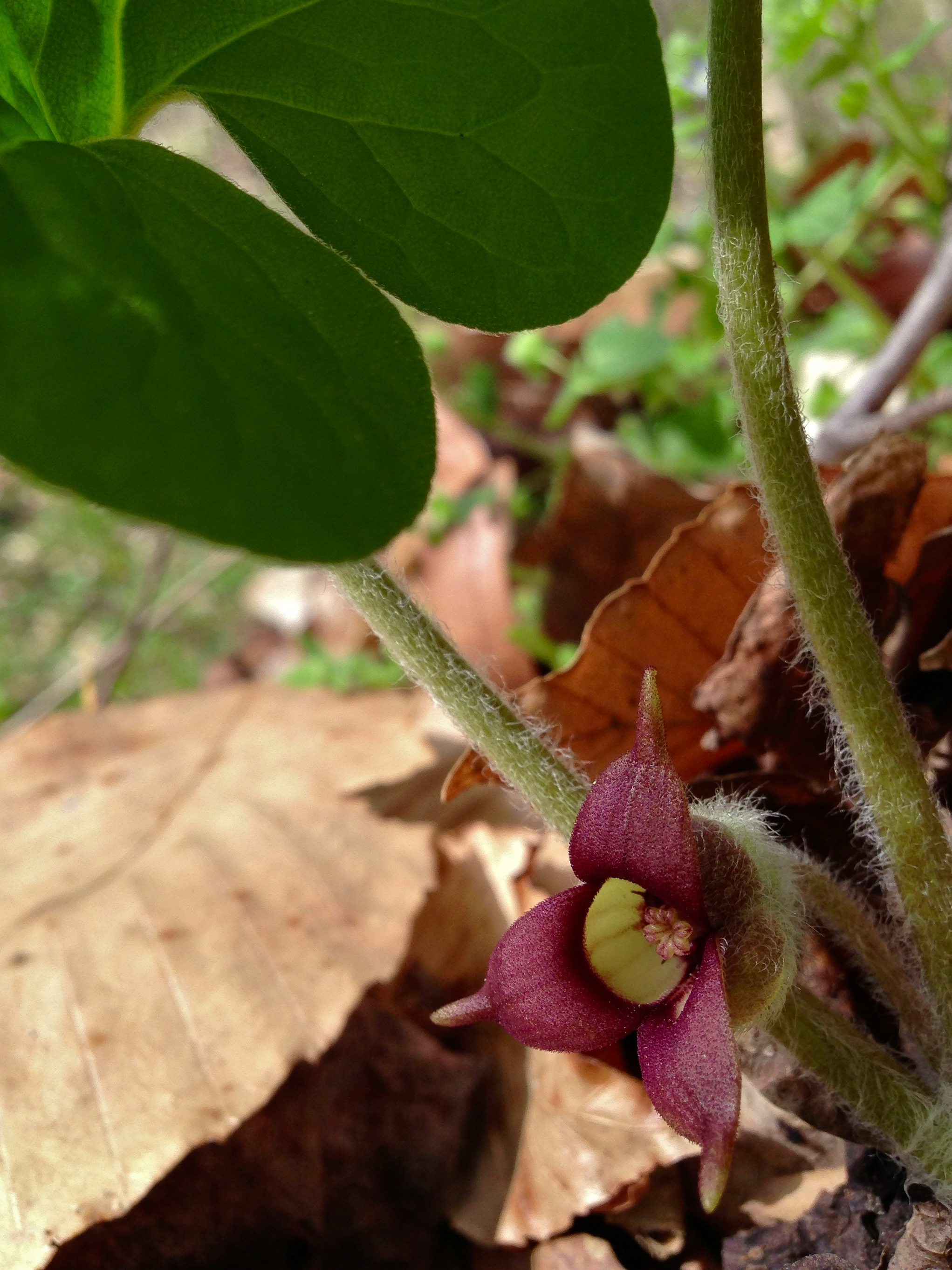 AsarumAsarum canadense
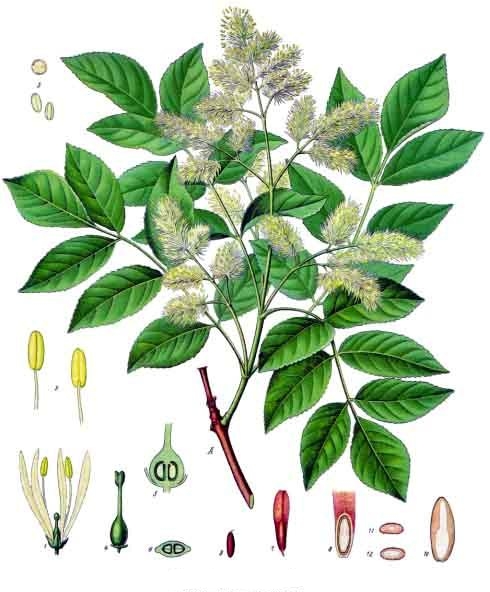 AshFraxinus excelsior
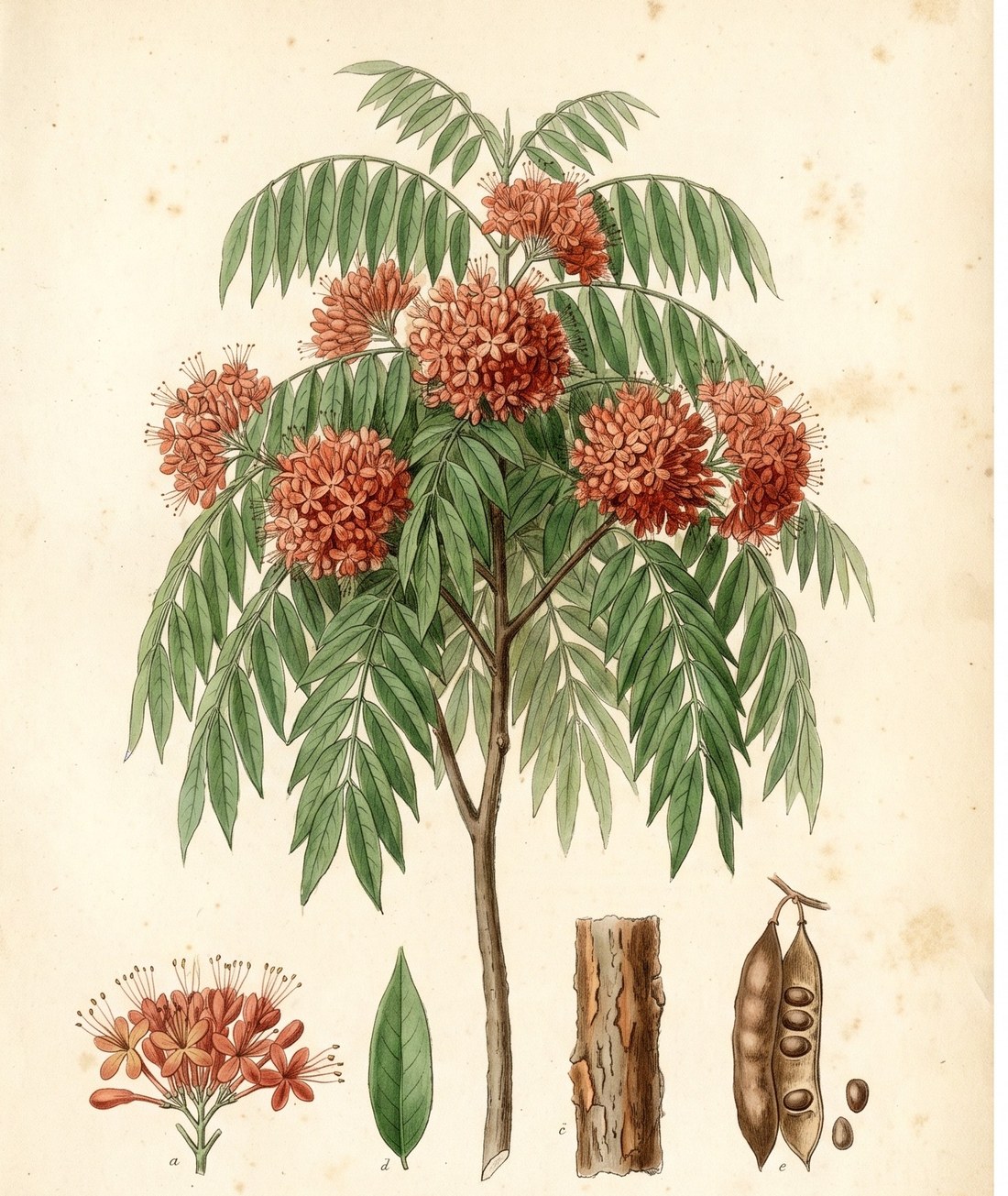 Ashoka treeSaraca asoca
 AspenPopulus tremuloides
 AtibalaAbutilon indicum
 Autumn CrocusColchicum autumnale
The whole plate is in the library. The compass, Compare, the Sky of eleven hundred plants and the formulary open with an email address and a password, free, with the formula builder and its safety engine. Herbert without limit, his formulating, clients, the handouts and the labels are the paid room.
Open the library, free