Ayurvedic Herbalism
Bala
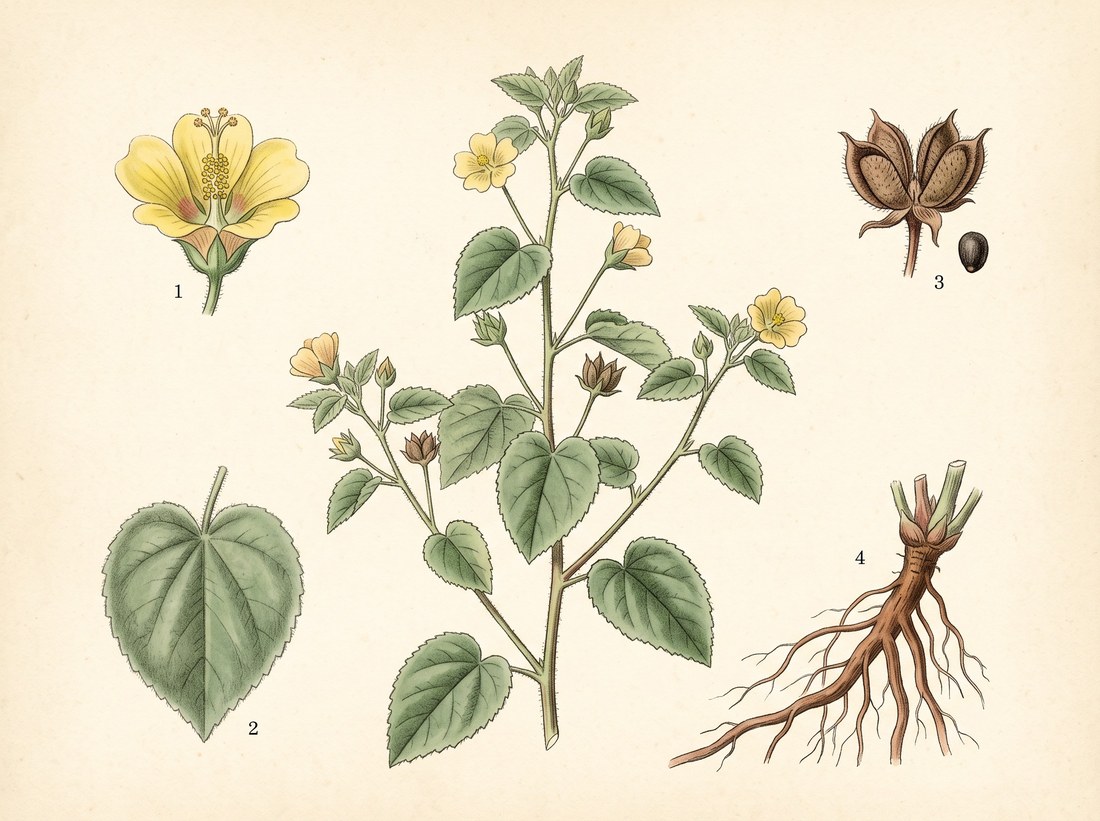
Sida cordifolia
Also known as country mallow, heart-leaf sida, flannel weed, Bala, Vatyalika, Vatya.
Sida cordifolia is a small erect shrub of the mallow family with soft, heart-shaped, velvety leaves and yellow flowers, growing as a weed of roadsides and fallow fields throughout the plains of India and much of the tropics. Ayurveda calls the root Bala, meaning strength, and treats it as the chief restorative for vata: a cooling, sweet, nourishing herb that steadies the nerves, rebuilds wasted tissue and forms the base of the great oils used for paralysis, joint disease and nerve pain.

Ask Herbert about Bala. Herbert is the master herbalist inside Bountiful Herbs: he answers from this plate and eleven hundred others, with dosing, pairing and cautions. Your first ten questions are free.
Ask HerbertActions
Indications what the tradition reached for it in
- Peripheral neuropathy and nerve pain
- Sciatica and low back pain of vata type
- Rehabilitation after stroke or paralysis (with oil massage)
- Rheumatoid and osteoarthritis with weakness
- Convalescence and chronic fatigue
- Muscle wasting in the elderly
- Asthma and chronic bronchitis (adjunct)
- Urinary irritation with frequency
- Chronic diarrhea with debility
- Bleeding disorders of pitta type
- Low libido and male subfertility
- Chronic low-grade fever with exhaustion
Specific indications
A thin, dry, tired patient with shooting nerve pain, tremor or numbness who feels better with warmth, oil and rest
The hemiplegic or post-stroke patient whose affected limb is wasting, where daily oil massage with Bala oils supports the internal program
An older person whose joints ache from wear rather than heat and who has lost strength and weight over a year
A chronically wheezy but depleted patient who cannot tolerate stimulating bronchodilators
Safety
Low dose botanical. Used in drop doses in the classical practice; not a plant to dose freely.
Breastfeeding: The root is a traditional postpartum restorative and is regarded as safe in milk; avoid stimulant whole-plant extracts while nursing.
The record lists 8 contraindications; open the plate in the library to read them in full.
In practice
Bala is the herb for weakness with vata: the wasted limb, the nerve that tingles and burns, the joint that aches from dryness and age, the body that has run out of strength after fever or long illness.
In Ayurveda
Rasa: madhura (sweet). Virya: sheeta (cooling). Vipaka: madhura (sweet). Guna: guru (heavy), snigdha (unctuous), picchila (slimy). Dosha: pacifies all three doshas, with the strongest action on vata and pitta. Karma: balya (strengthening); brimhana (nourishing, builds tissue); vatahara (pacifies vata); vrishya (aphrodisiac); ojovardhana (increases vitality); rasayana (rejuvenative); hridya (cardiotonic); grahi (absorbent, binds stool); mutrala (diuretic); vranaropana (heals wounds). Classical indications: vatavyadhi (neuromuscular and joint disorders of vata); pakshaghata (hemiplegia); ardita (facial paralysis); kshaya (wasting); daurbalya (weakness); raktapitta (bleeding disorders); mutrakrichra (painful urination); hridroga (heart disease); jvara (chronic fever); shukra kshaya (depleted semen); shosha (emaciation). The root is the principal drug, given as churna with milk, as kwatha and ksheerapaka, and above all as the base of medicated oils and ghees; the whole plant and seeds are also used. Bala taila, Ksheerabala taila and Dhanwantaram taila are the great vata oils built on this root. Classical formulations: Bala taila, Ksheerabala taila, Dhanwantaram taila, Balarishta, Balashwagandhadi taila, Mahanarayana taila, Bala ghrita, Balaguduchyadi taila, Ksheerabala 101 (avartita oil). Described in: Charaka Samhita, Sushruta Samhita, Ashtanga Hridaya, Bhavaprakasha Nighantu, Dhanvantari Nighantu, Raja Nighantu, Kaiyadeva Nighantu, Ayurvedic Pharmacopoeia of India.
Dosing as the sources wrote it
| Preparation | As written | Metric |
|---|---|---|
| Churna | 3-6 g powdered root twice daily with warm milk | 3000-6000 mg |
| Kwatha | 50-100 mL decoction twice daily | 50-100 mL |
| Ksheerapaka | 100-200 mL milk decoction once daily | 100-200 mL |
| Arishta | 12-24 mL twice daily after food | 12-24 mL |
| Taila, external | 20-50 mL warmed medicated oil for daily massage | 20-50 mL |
Doses are reproduced from the sources for practitioners and are not a recommendation for any person.
From the sources
Overview. Sida cordifolia is a small erect shrub of the mallow family with soft, heart-shaped, velvety leaves and yellow flowers, growing as a weed of roadsides and fallow fields throughout the plains of India and much of the tropics. Ayurveda calls the root Bala, meaning strength, and treats it as the chief restorative for vata: a cooling, sweet, nourishing herb that steadies the nerves, rebuilds wasted tissue and forms the base of the great oils used for paralysis, joint disease and nerve pain.
Clinical Notes. Bala is the herb for weakness with vata: the wasted limb, the nerve that tingles and burns, the joint that aches from dryness and age, the body that has run out of strength after fever or long illness.
Ayurvedic Profile. Rasa: madhura (sweet). Virya: sheeta (cooling). Vipaka: madhura (sweet). Guna: guru (heavy), snigdha (unctuous), picchila (slimy). Dosha: pacifies all three doshas, with the strongest action on vata and pitta.
In formulas
Bala stands in 36 documented formulas in the library, among them Aravindāsava, Kuṭajāriṣta, Balāriṣṭa, Sārivādyāsava, Karpūrādyarka, Miśreyārka.
Often paired with
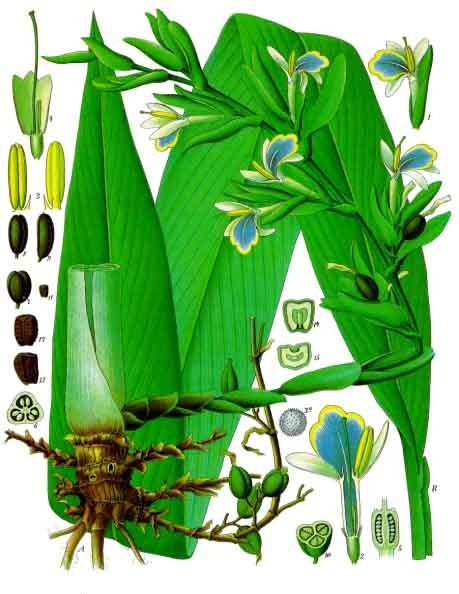 cardamomElettaria cardamomum
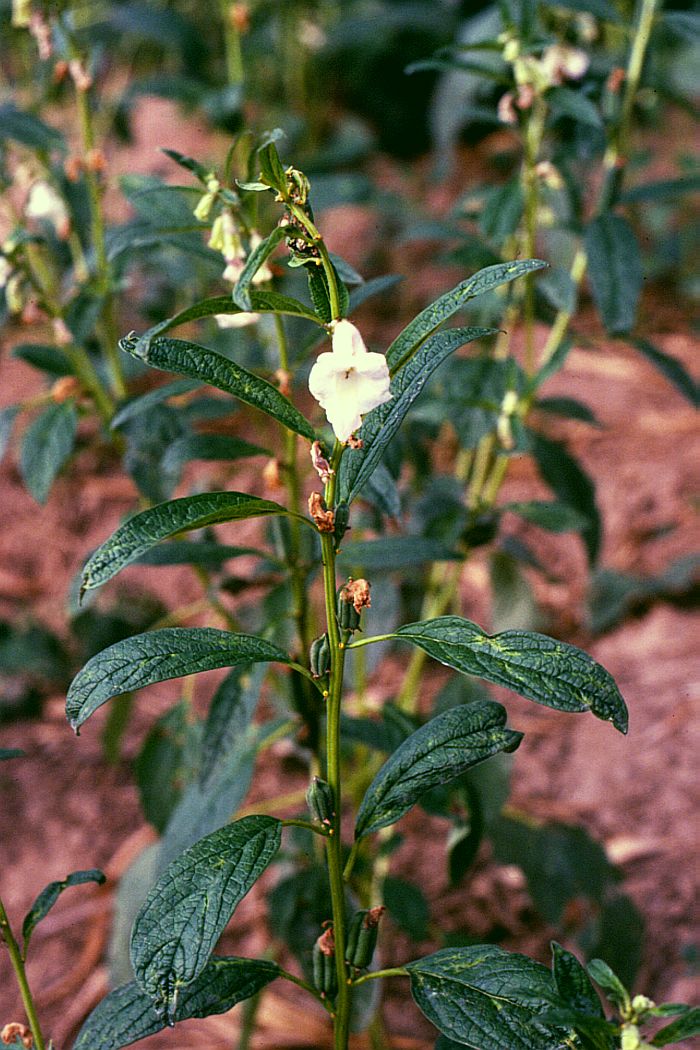 sesameSesamum indicum
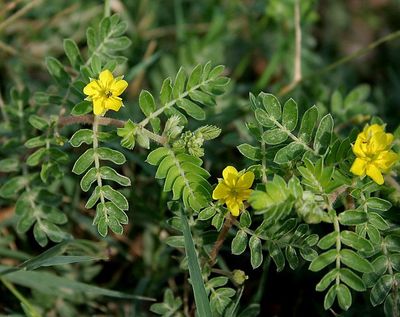 puncture vineTribulus terrestris
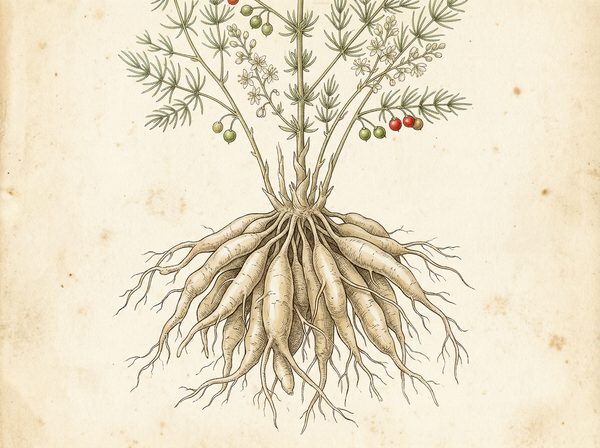 shatavariAsparagus racemosus
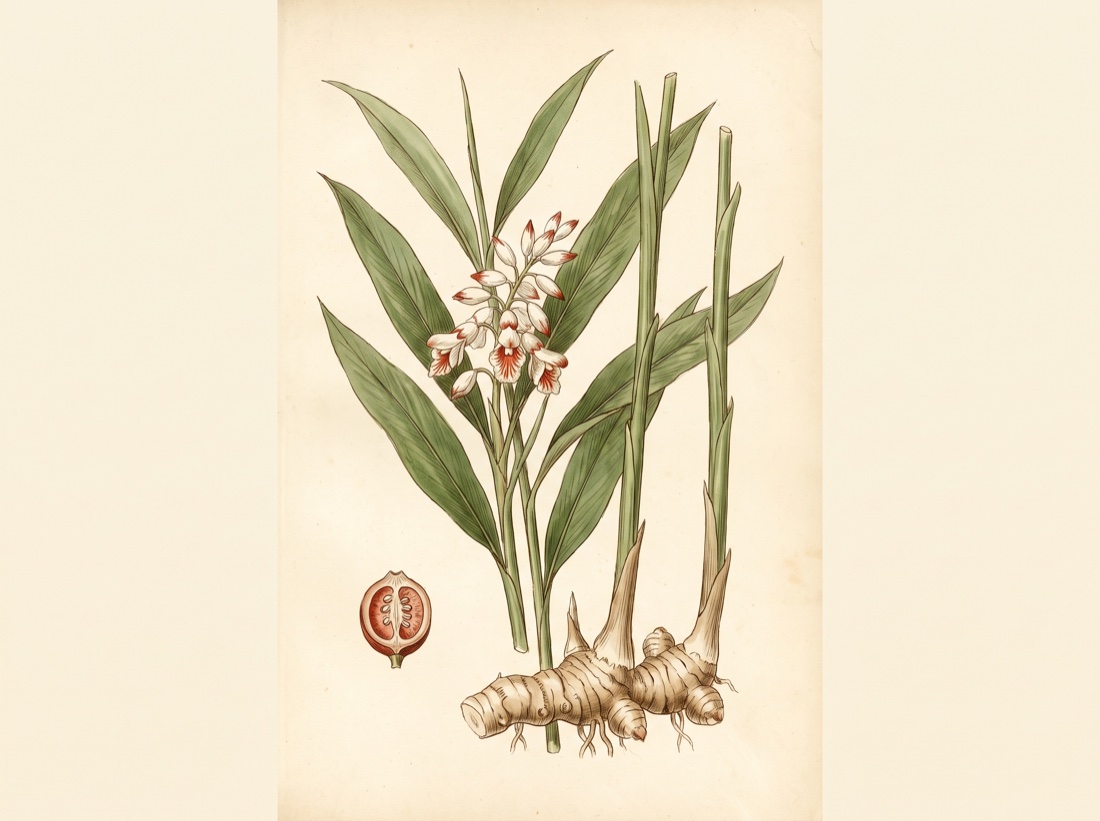 greater galangalAlpinia galanga
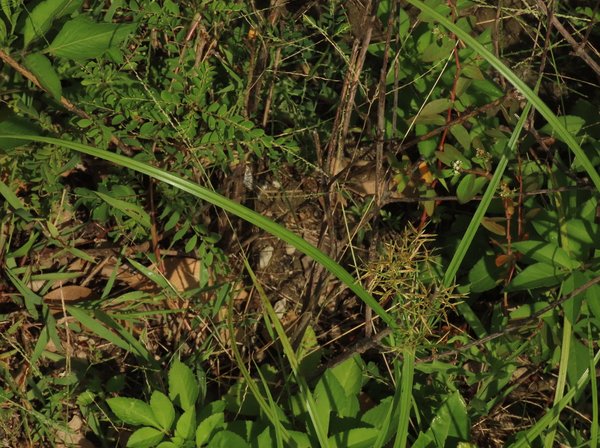 nut grassCyperus rotundus
Nearby on the shelf
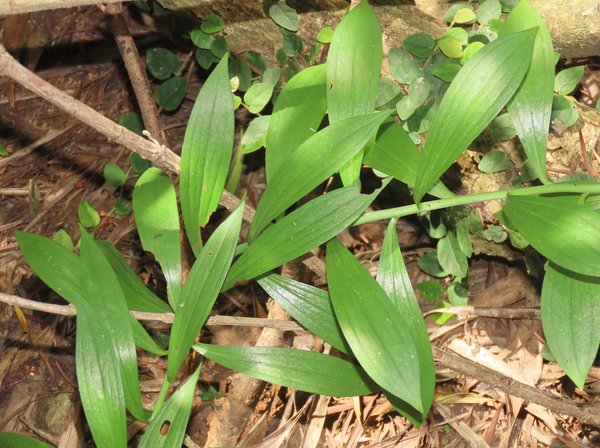 Bai HeLilium brownii
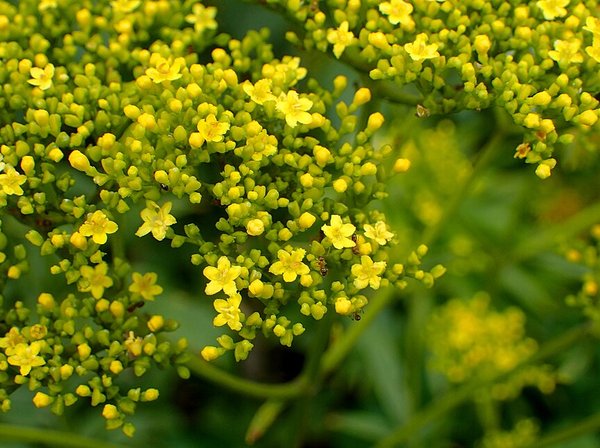 Bai Jiang CaoPatrinia scabiosifolia
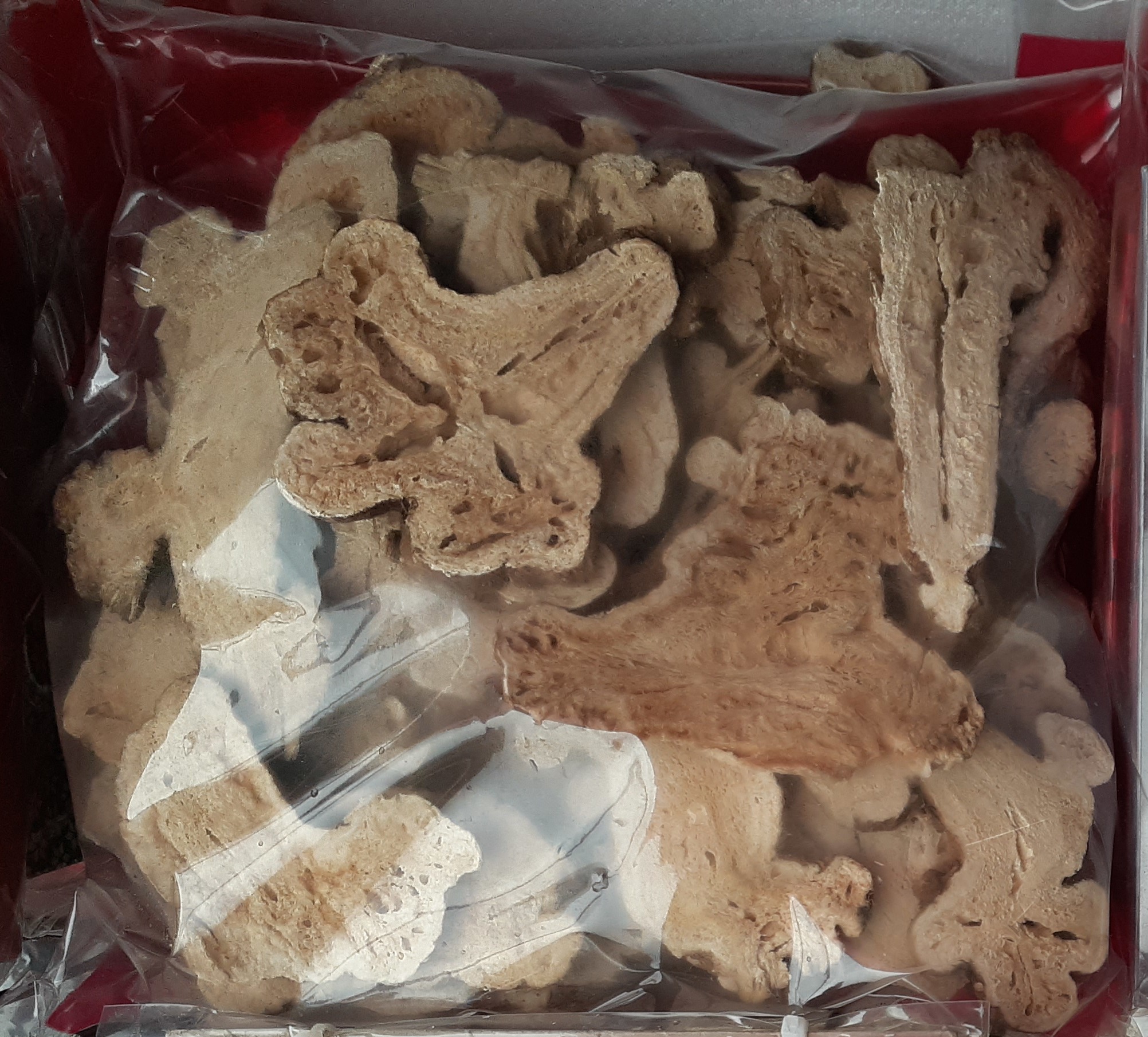 Bai ZhuAtractylodes macrocephala
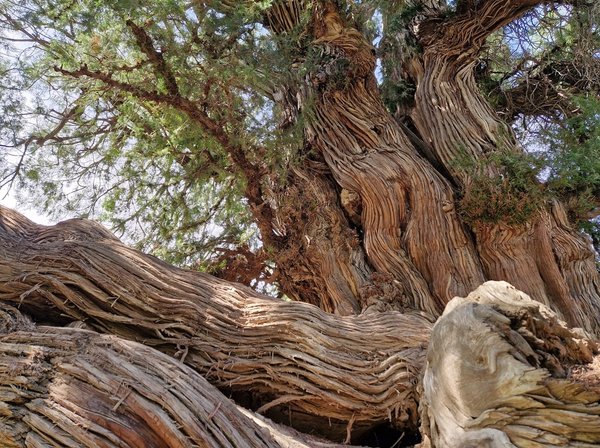 Bai Zi RenPlatycladus orientalis
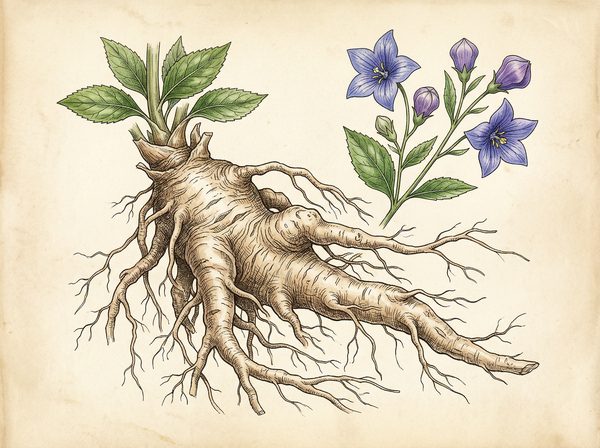 Balloon Flower RootPlatycodon grandiflorus
 Balm of GileadPopulus balsamifera
 BalmonyChelone glabra
 Balsam appleMomordica balsamina
The whole plate is in the library. The compass, Compare, the Sky of eleven hundred plants and the formulary open with an email address and a password, free, with the formula builder and its safety engine. Herbert without limit, his formulating, clients, the handouts and the labels are the paid room.
Open the library, free