Western and Ayurvedic herbalism
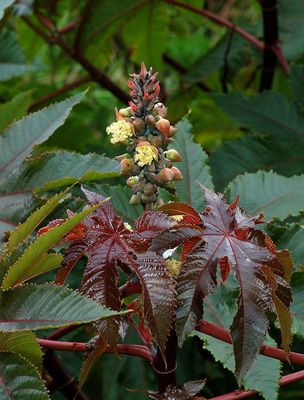
Castor
Ricinus communis
Also known as castor bean, castor oil plant, palma christi, Ricinus, Castor Oil, Eranda, Gandharvahasta, Panchangula.
Ricinus communis is a fast growing, large leaved shrub or small tree, native to northeast Africa and the Indian subcontinent and now grown on a vast scale in Gujarat, Rajasthan and Andhra Pradesh, which produce most of the world's castor oil. In Ayurveda the plant is Eranda, and its oil is the classical vata pacifying purgative: sweet, heavy, unctuous and heating, it lubricates as it moves, which is why the texts pair it with guggulu in joint disease rather than with the drying purgatives. The seeds themselves hold ricin and are never taken whole.

Ask Herbert about Castor. Herbert is the master herbalist inside Bountiful Herbs: he answers from this plate and eleven hundred others, with dosing, pairing and cautions. Your first ten questions are free.
Ask HerbertActions
Indications what the tradition reached for it in
- Acute constipation with hard dry stool
- Bowel preparation before classical purification therapy
- Rheumatoid arthritis with morning stiffness (with guggulu)
- Sciatica and low back pain of vata type
- Gout and inflamed joints (topical and internal, purified regimens)
- Abdominal distension with retained gas
- Sluggish bowel in the elderly with dry skin
- Postpartum constipation
- Engorged breasts and poor milk flow (warm leaf poultice)
- Dry, cracked skin and lips (topical oil)
- Post-term pregnancy under midwifery care (oral oil)
- Painful swellings and boils (leaf poultice)
- Post operation
- Cysts
- Musculoskeletal injury
- Labor overdue
- Masses
- Inflammation (joint)
- Parasitic infection (intestinal)
- Worms (intestinal)
- Sprain
- Enlarged lymph nodes
- Hepatitis
- Pain (joint)
- Musculoskeletal strain
- Endometriosis
- Dysmenorrhea
- Fibroids
- Inflammation
- Constipation
Specific indications
A thin, dry, elderly patient with hard, pellet like stool, gas, cramping and cold hands, who is made worse by bulk fiber and needs oil rather than roughage
Rheumatoid type joint pain with stiffness worst on waking, swelling and a sluggish bowel, where the classical Simhanada guggulu with castor oil suits the whole picture
Sciatic pain shooting down the leg with constipation and a tight low back, treated with root decoction internally and warm oil massage externally
The post-term, healthy multiparous woman whose midwife is considering a natural induction, where a single dose of oil is used with monitoring
Safety
Recognised toxicity. This plant carries a toxicity flag in the record; it is for trained practitioners only.
Low dose botanical. Used in drop doses in the classical practice; not a plant to dose freely.
Pregnancy: Do not give oral castor oil in pregnancy because it stimulates uterine contraction; the AHPA Botanical Safety Handbook places the oil in class 2b and the seed in class 3, and its only accepted pregnancy use is term induction supervised by a midwife or obstetrician.
Breastfeeding: Use with care while breastfeeding
The record lists 11 contraindications; open the plate in the library to read them in full.
In practice
Eranda taila is the purgative of choice when vata dominates: dry hard stool, gas, cramping, joint stiffness and a cold, thin patient. The classical dose is 10 to 30 mL taken at bedtime with warm milk, with ginger decoction, or with Triphala kwatha to blunt its griping; the effect comes in six to twelve hours.
In Ayurveda
Rasa: madhura (sweet), katu (pungent), kashaya (astringent). Virya: ushna (heating). Vipaka: madhura (sweet). Guna: guru (heavy), snigdha (unctuous), tikshna (sharp), sukshma (subtle, penetrating). Dosha: pacifies vata above all, and kapha; may aggravate pitta in excess. Prabhava: the foremost of the vata pacifying purgatives: it moves the bowel while lubricating rather than drying the tissues. Karma: virechana (purgative); vatahara (pacifies vata); shulaprashamana (relieves colic); shothahara (reduces swelling); vrishya (aphrodisiac, root); anulomana (regulates downward movement); bhedana (breaks up hard stool); krimighna (anthelmintic); snehana (oleating); vedanasthapana (relieves pain, leaf topical). Classical indications: vibandha (constipation); udavarta (upward movement of vata, retained flatus); amavata (rheumatoid type joint disease); vatarakta (gout and vascular vata disorder); gridhrasi (sciatica); katishula (low back pain); shotha (edema and swelling); udara (abdominal distension, ascites); shula (colic); yonivyapad (gynecological disorders); stanyakshaya (poor lactation, leaf); krimi (worms). The cold pressed seed oil, Eranda taila, is the principal drug, taken alone or with milk, ginger decoction or Triphala as a purgative, and used as the vehicle and purgative in guggulu compounds for joint disease. The root is a Vatahara decoction drug and part of Gandharvahastadi kashaya. The warmed leaf is applied over painful joints, the abdomen and the breasts. The whole seed is never given internally. Classical formulations: Gandharvahastadi kashaya, Eranda taila, Simhanada guggulu, Vatari guggulu, Erandapaka, Erandamooladi kashaya, Gandharvahastadi eranda taila, Rasnerandadi kashaya. Described in: Charaka Samhita, Sushruta Samhita, Ashtanga Hridaya, Bhavaprakasha Nighantu, Dhanvantari Nighantu, Raja Nighantu, Kaiyadeva Nighantu, Madanapala Nighantu, Sharngadhara Samhita, Ayurvedic Pharmacopoeia of India.
Dosing as the sources wrote it
| Preparation | As written | Metric |
|---|---|---|
| Taila (oral purgative) | 10-30 mL cold pressed oil at bedtime with warm milk, single or occasional dose | 10-30 mL |
| Kwatha (root) | 50-100 mL root decoction twice daily | 50-100 mL |
| Kashaya (Gandharvahastadi) | 15-30 mL twice daily before food with an equal volume of warm water | 15-30 mL |
| Guggulu (Simhanada) | 500-1000 mg tablets twice daily with warm water | 500-1000 mg |
| Taila, topical | 10-20 mL warm oil massaged over joints or abdomen daily | 10-20 mL |
| Oil | 1 tsp orally as starting dose for laxative purposes |
Doses are reproduced from the sources for practitioners and are not a recommendation for any person.
From the sources
Overview. Ricinus communis is a fast growing, large leaved shrub or small tree, native to northeast Africa and the Indian subcontinent and now grown on a vast scale in Gujarat, Rajasthan and Andhra Pradesh, which produce most of the world's castor oil. In Ayurveda the plant is Eranda, and its oil is the classical vata pacifying purgative: sweet, heavy, unctuous and heating, it lubricates as it moves, which is why the texts pair it with guggulu in joint disease rather than with the drying purgatives. The seeds themselves hold ricin and are never taken whole.
Clinical Notes. Eranda taila is the purgative of choice when vata dominates: dry hard stool, gas, cramping, joint stiffness and a cold, thin patient. The classical dose is 10 to 30 mL taken at bedtime with warm milk, with ginger decoction, or with Triphala kwatha to blunt its griping; the effect comes in six to twelve hours.
Therapy. As a cathartic in domestic practice this agent has long taken first rank. Children are susceptible to its action. An inunction of the oil over the abdomen is usually sufficient to produce a full laxative effect in babes.
indications. Castor bean is traditionally indicated for: Post operation, Cysts, Musculoskeletal injury, Labor overdue, Masses, Inflammation (joint), Parasitic infection (intestinal), Worms (intestinal), Sprain, Enlarged lymph nodes, Hepatitis, Pain (joint), Musculoskeletal strain, Endometriosis, Dysmenorrhea, and 4 further conditions.
Drawn from Ellingwood's American Materia Medica, Therapeutics and Pharmacognosy, and the Bountiful Herbs editorial.
In formulas
Castor stands in 27 documented formulas in the library, among them Punarnavāsava, Balāriṣṭa, Brāhma Rasāyana, Dādhika Ghṛta, Miśraka Sneha, Vidāryādi Ghṛta.
Often paired with
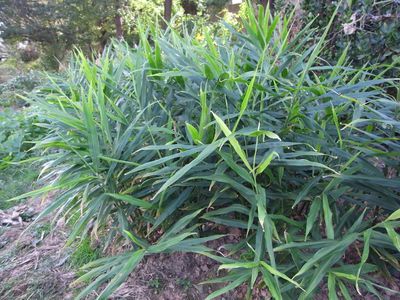 GingerZingiber officinale
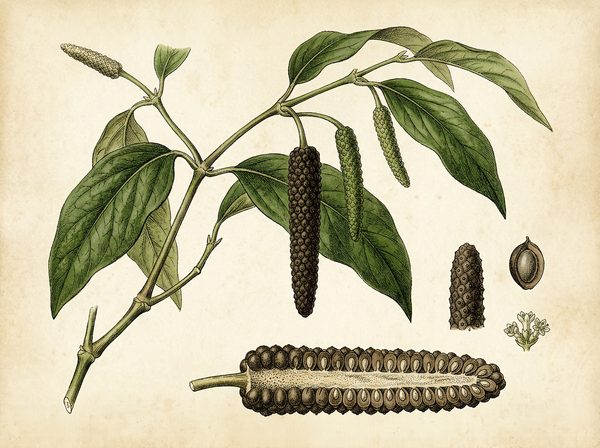 long pepperPiper longum
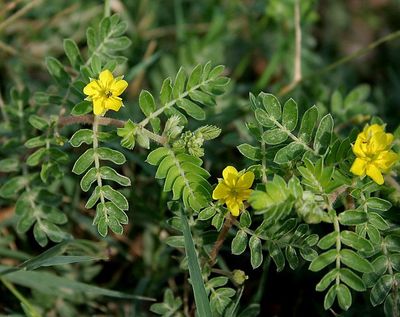 puncture vineTribulus terrestris
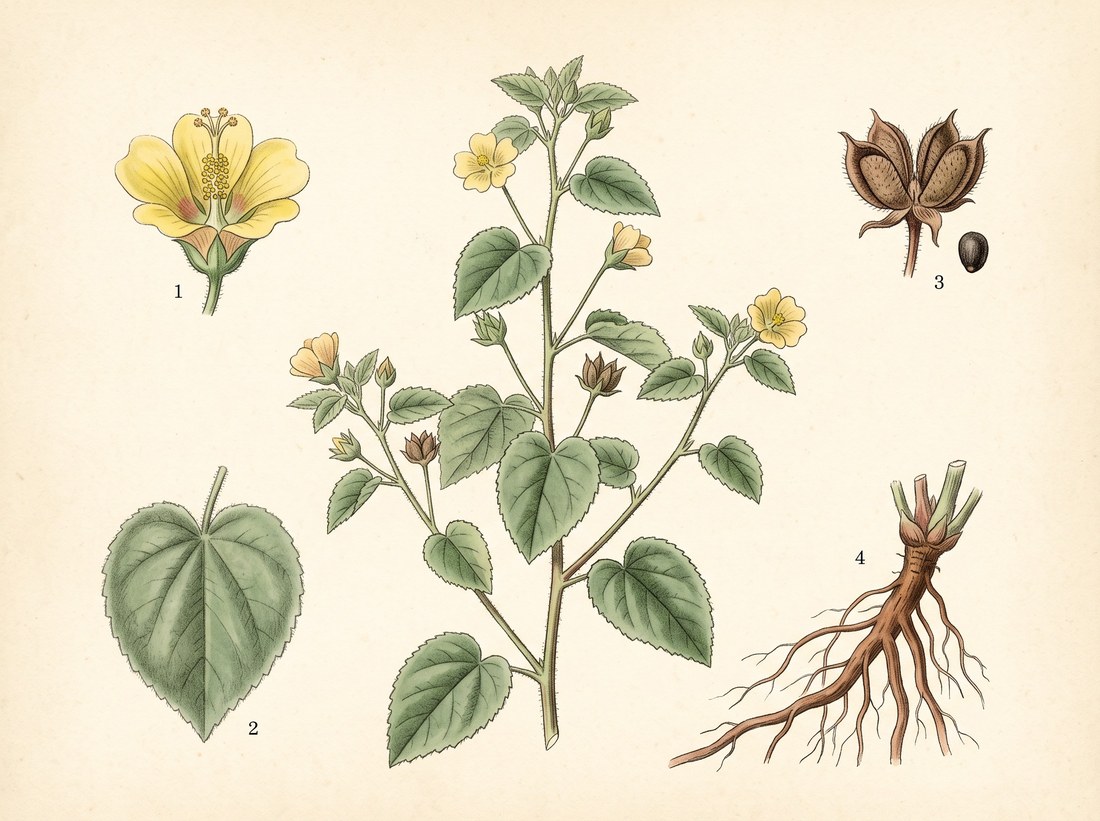 balaSida cordifolia
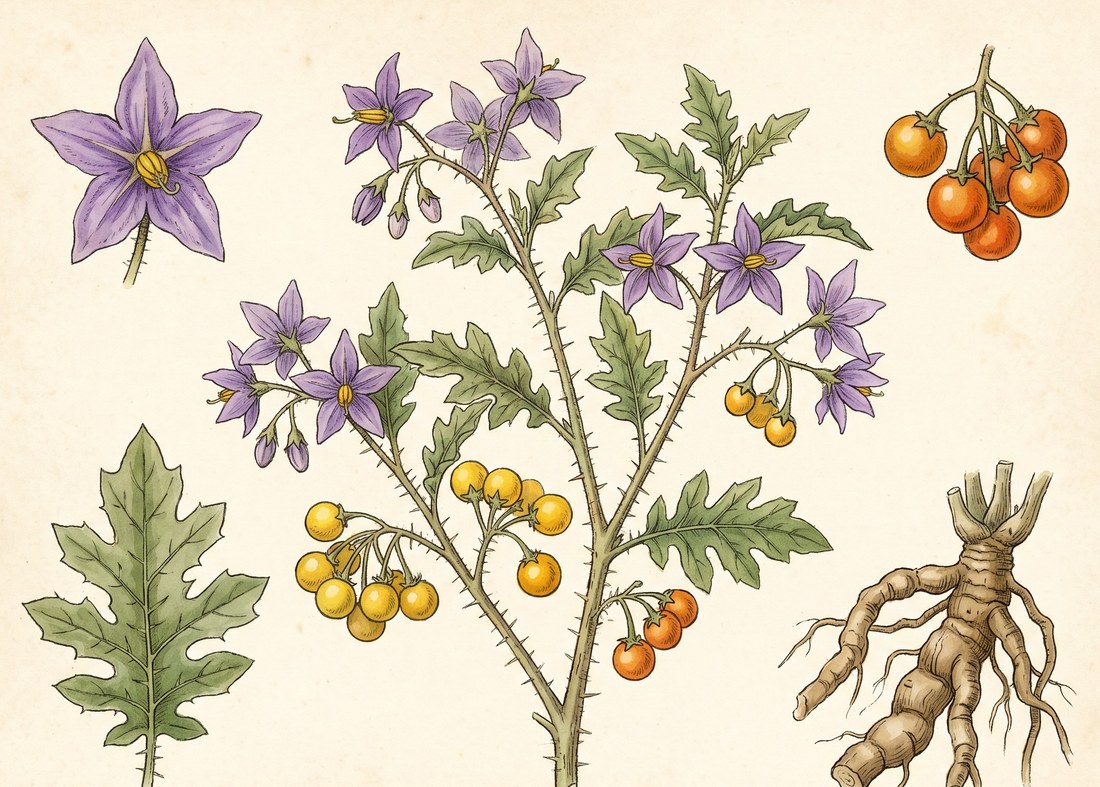 Indian nightshadeSolanum indicum
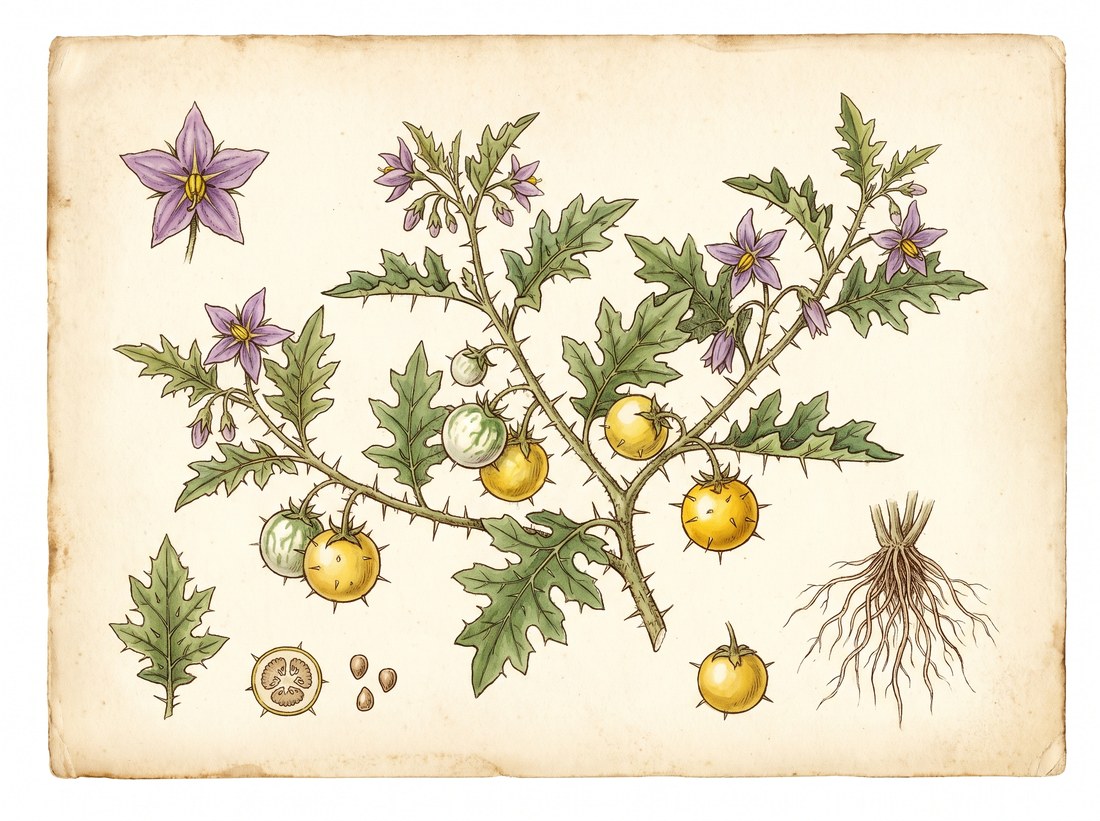 yellow-berried nightshadeSolanum xanthocarpum
Nearby on the shelf
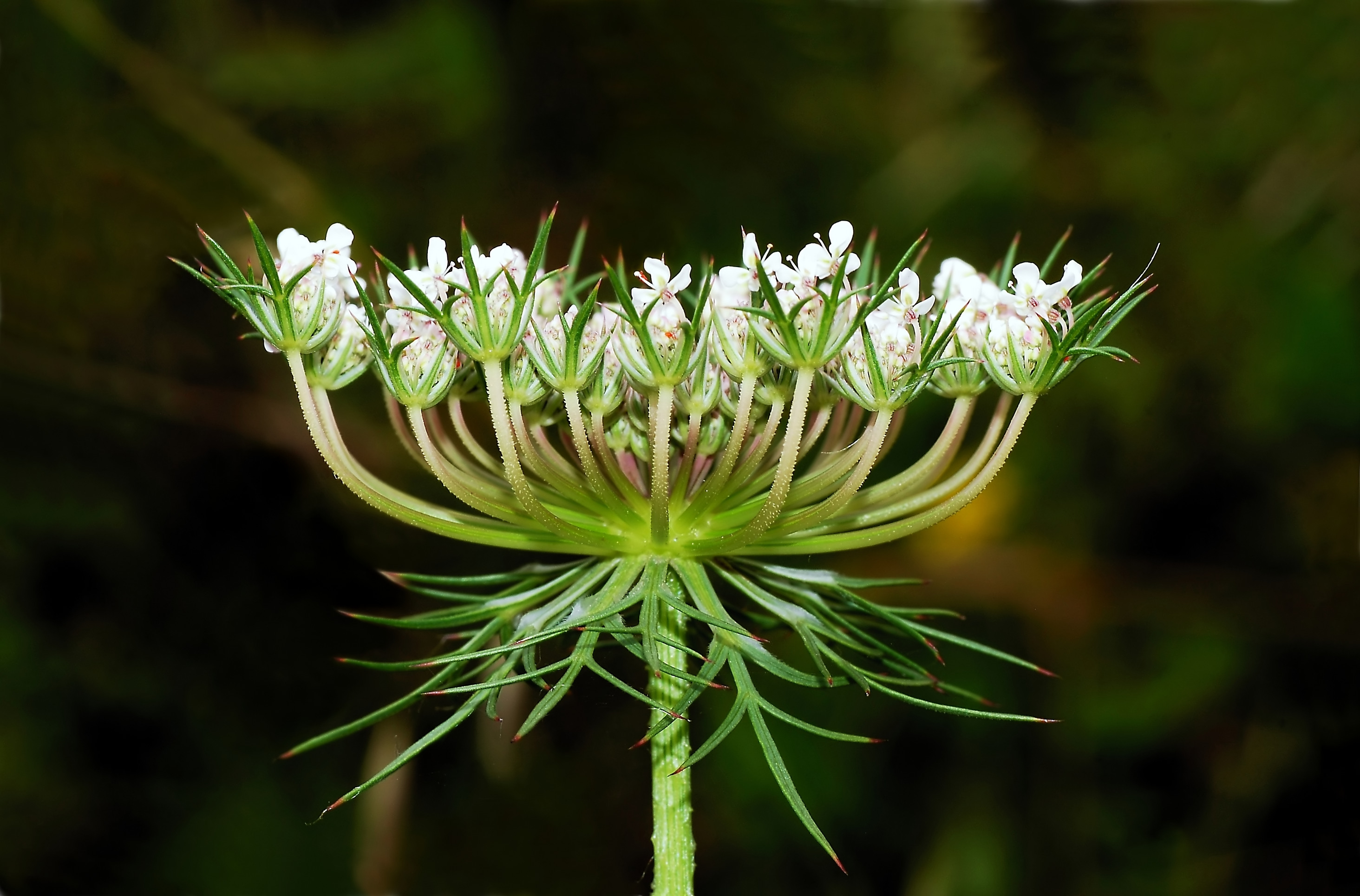 CarrotDaucus carota
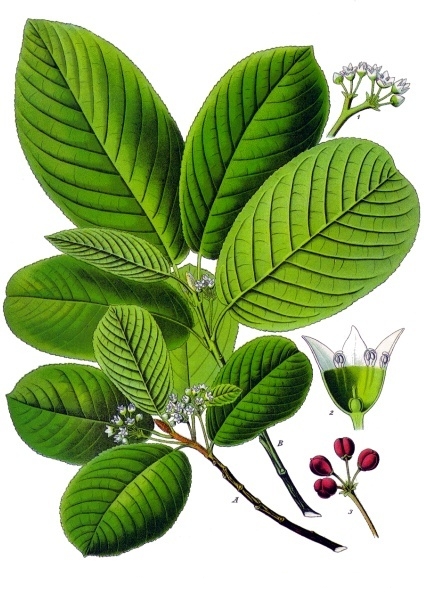 Cascara sagradaFrangula purshiana
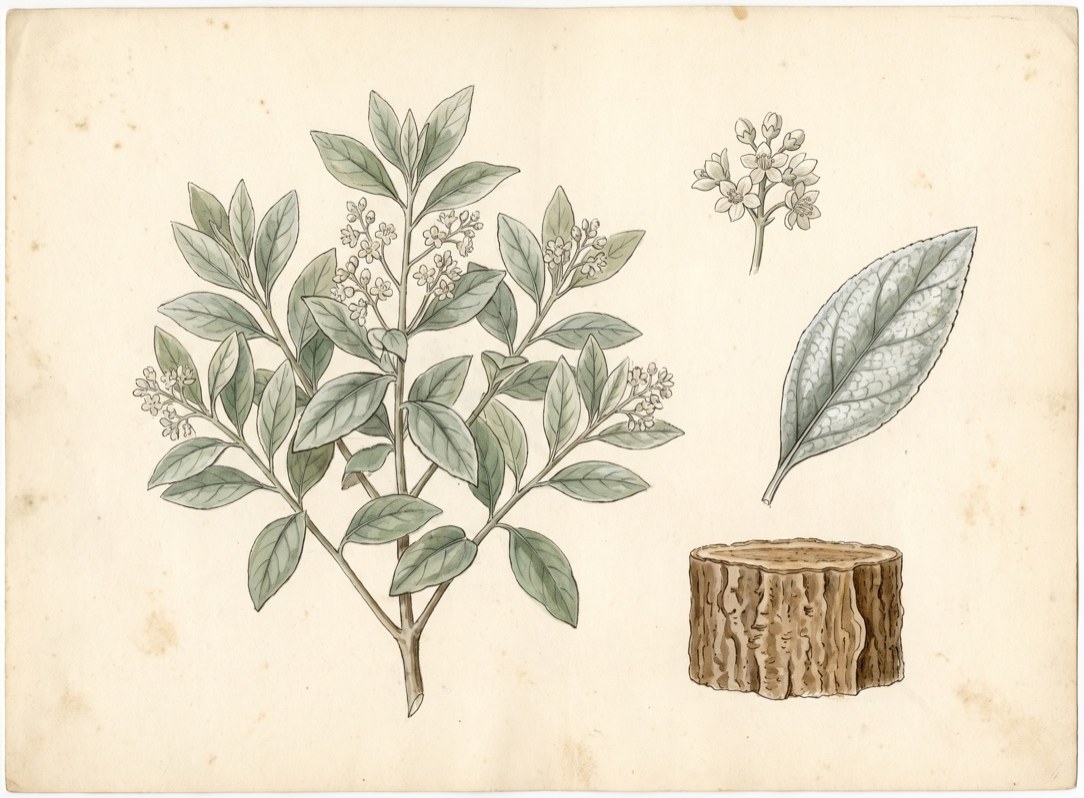 CascarillaCroton eleuteria
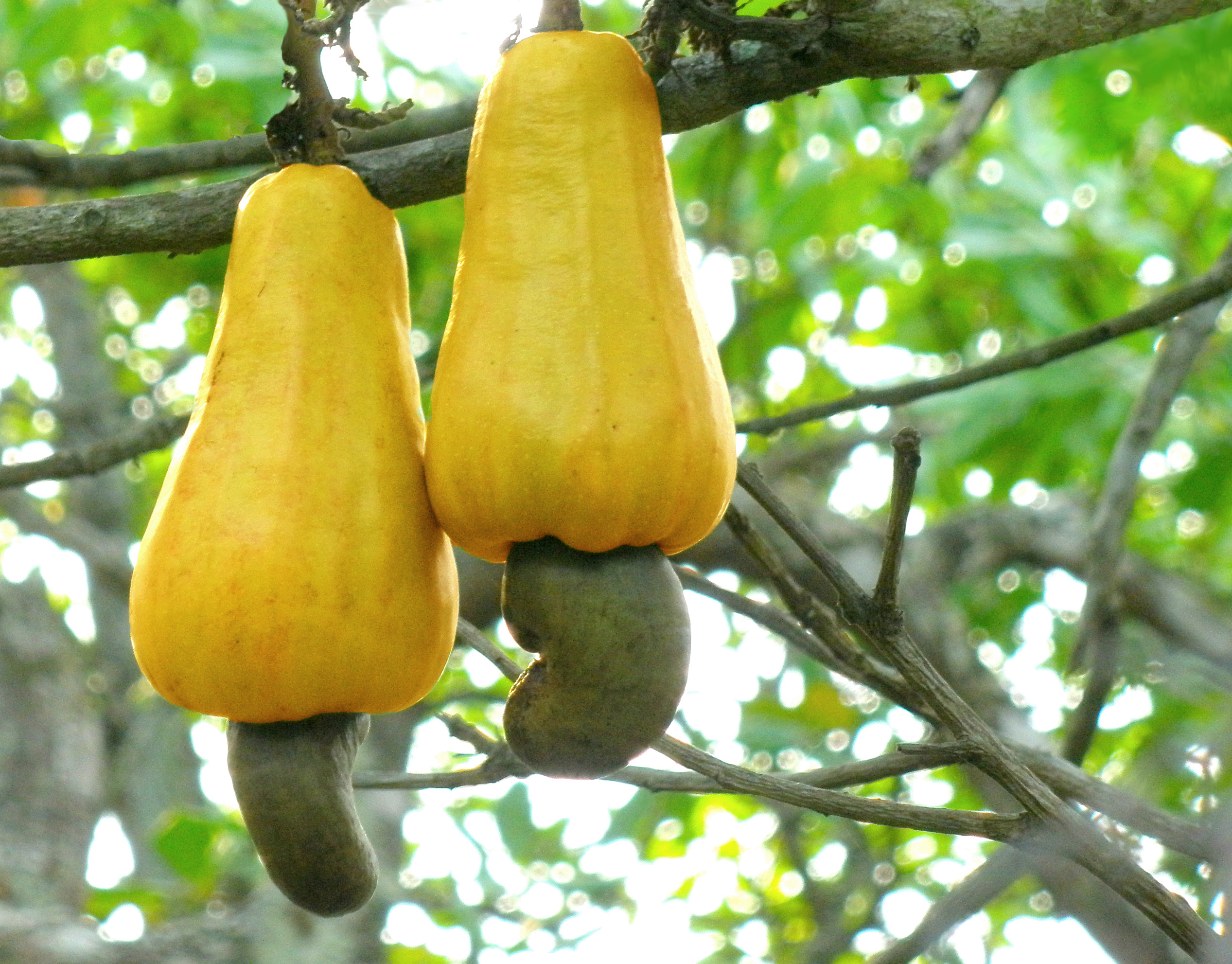 CashewAnacardium occidentale
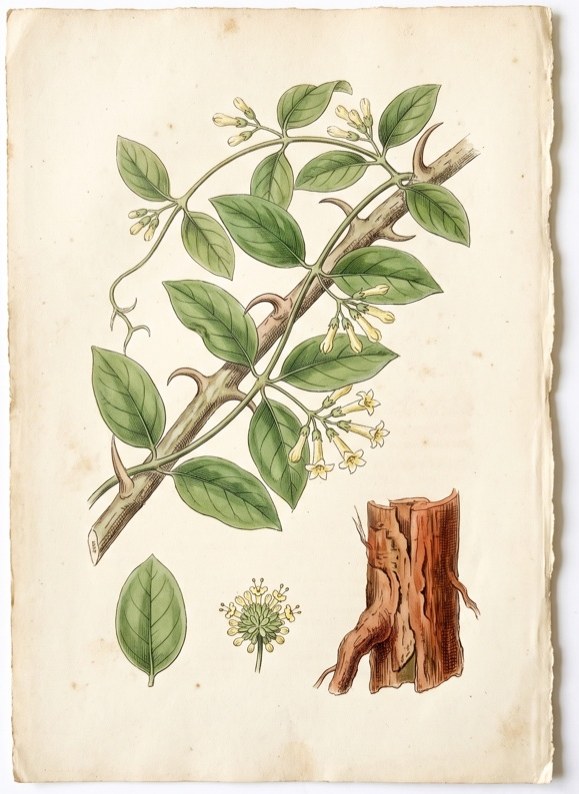 Cat's ClawUncaria tomentosa
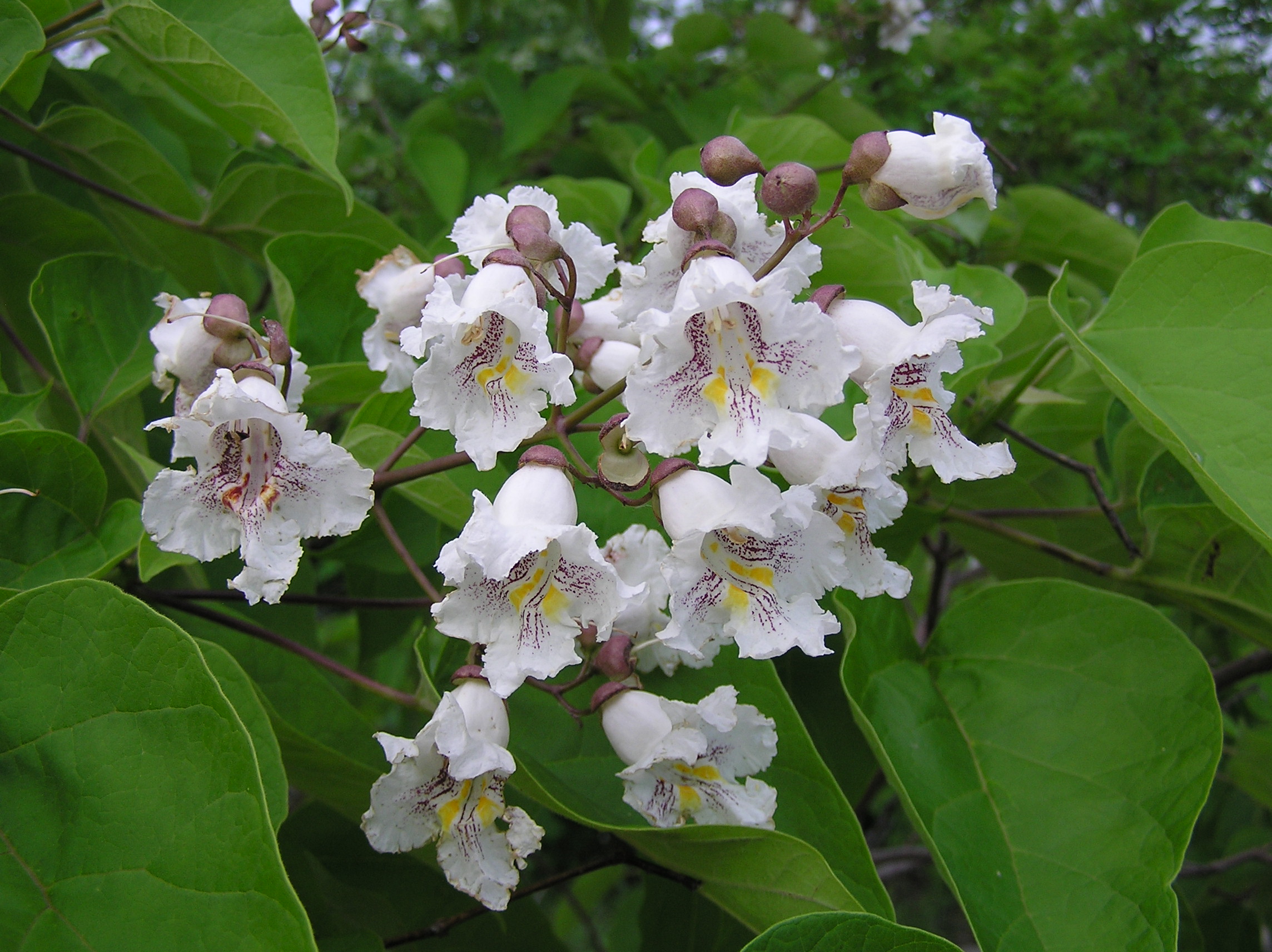 CatalpaCatalpa bignonioides
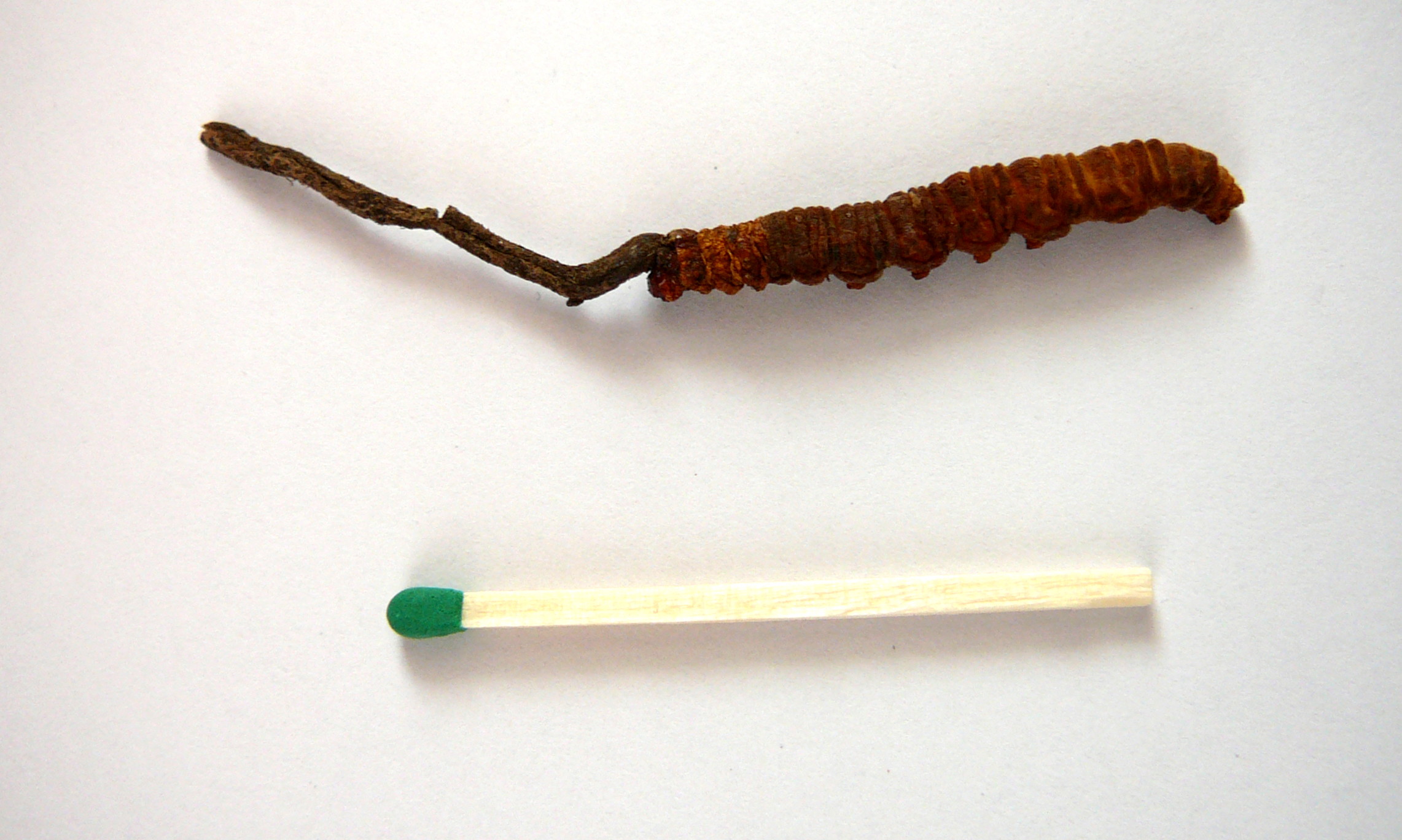 Caterpillar fungusCordyceps sinensis
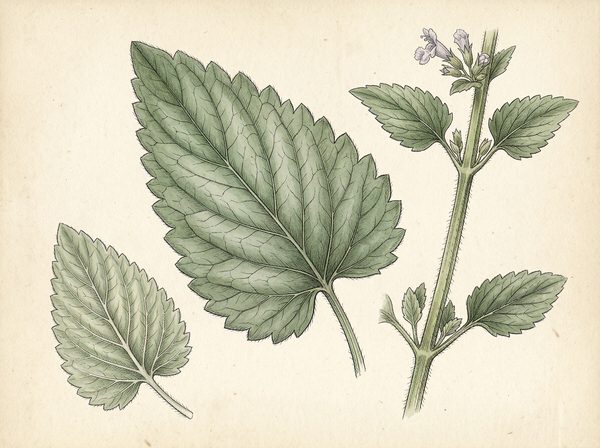 CatnipNepeta cataria
The whole plate is in the library. The compass, Compare, the Sky of eleven hundred plants and the formulary open with an email address and a password, free, with the formula builder and its safety engine. Herbert without limit, his formulating, clients, the handouts and the labels are the paid room.
Open the library, free