Ayurvedic Herbalism
Gmelina
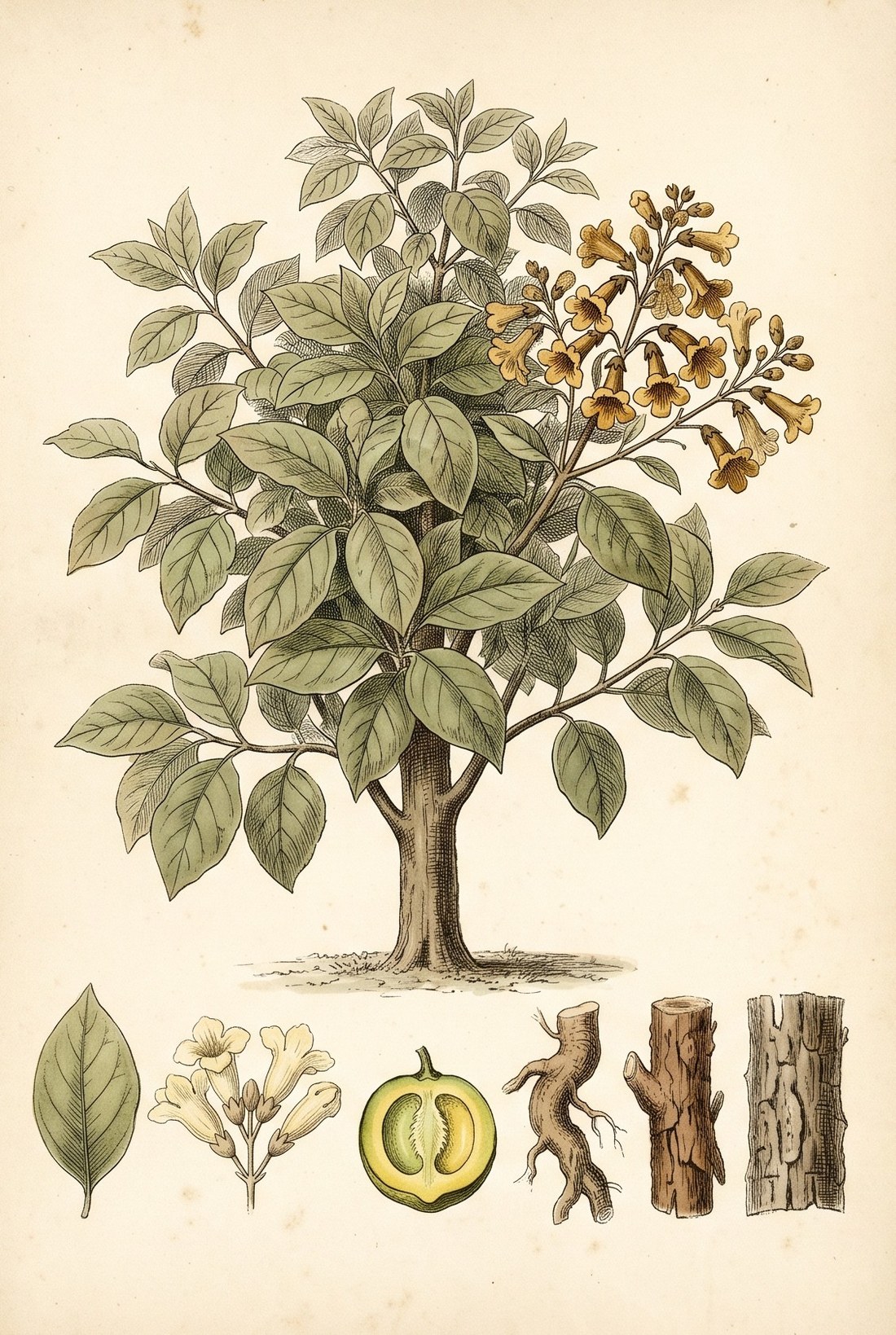
Gmelina arborea
Also known as white teak, beechwood, Kashmir tree, gamhar, Malay beechwood, Gambhari, Kashmari, Kashmarya.
Gmelina arborea is a fast-growing deciduous tree of the mint family, formerly placed in the Verbenaceae, found throughout the moist deciduous forests of India from the Himalayan foothills to the Western Ghats and now planted widely for timber. Ayurveda names it Gambhari and uses the root as one of the ten roots of Dashamoola, the foundational anti-inflammatory and vata-pacifying decoction, while the sweet yellow fruit is a cooling rasayana for wasting, thirst and bleeding. Root and fruit have almost opposite energetics and are used for different patients.

Ask Herbert about Gmelina. Herbert is the master herbalist inside Bountiful Herbs: he answers from this plate and eleven hundred others, with dosing, pairing and cautions. Your first ten questions are free.
Ask HerbertActions
Indications what the tradition reached for it in
- Chronic joint pain and swelling of vata type
- Low back pain and sciatica (in Dashamoola)
- Postpartum recovery and pain (in Dashamoola formulas)
- Fever with body ache and heaviness
- Chronic bronchitis and asthma with vata and kapha (in Dashamoola)
- Debility, wasting and low weight (fruit)
- Thirst, burning and heat exhaustion (fruit)
- Bleeding disorders and heavy menses (fruit, adjunct)
- Insufficient breast milk
- Gastritis and peptic ulcer (adjunct)
- Hair fall and premature graying (fruit, traditional)
Specific indications
A stiff, aching patient with swelling around the joints, a dull fever and heaviness, the picture that calls for a Dashamoola decoction
A woman in the weeks after childbirth with low back pain, exhaustion and thin milk
A thin, hot, thirsty patient with burning, dryness and a tendency to bleed, who needs the cooling sweet fruit rather than the warming root
Chronic low back pain and sciatica in an older person with a cold, dry constitution
Safety
The record lists 6 contraindications; open the plate in the library to read them in full.
In practice
Gambhari root rarely appears alone; it is one of the five large roots of the Brihat panchamoola, with Bilva, Shyonaka, Patala and Agnimantha, which together with the five small roots make Dashamoola. This is the decoction an Ayurvedic physician gives for painful swollen joints, low back pain, sciatica, fever with body ache, and the postpartum woman, usually with a little dry ginger and taken warm twice daily.
In Ayurveda
Rasa: root: tikta (bitter), kashaya (astringent), madhura (sweet); fruit: madhura (sweet), amla (sour). Virya: root: ushna (heating); fruit: sheeta (cooling). Vipaka: root: katu (pungent); fruit: madhura (sweet). Guna: guru (heavy), snigdha (unctuous). Dosha: root pacifies all three doshas, especially vata and kapha; fruit pacifies vata and pitta. Karma: tridoshahara (balances all three doshas); shothahara (reduces swelling); vedanasthapana (relieves pain); deepana (kindles digestion); pachana (digests ama); rasayana (rejuvenative, the fruit); brimhana (nourishing, the fruit); keshya (good for the hair, the fruit); raktapittahara (checks bleeding disorders, the fruit); stanyajanana (promotes breast milk); jvaraghna (relieves fever); medhya (supports the intellect). Classical indications: shotha (inflammatory swelling); vatavyadhi (rheumatic and neurological disorders); jvara (fever); daha (burning sensation, the fruit); trishna (thirst, the fruit); raktapitta (bleeding disorders, the fruit); kshaya (wasting, the fruit); arsha (hemorrhoids); vrana (wounds); prameha (urinary disorders); stanyakshaya (deficient breast milk); garbhasrava (threatened miscarriage, traditional). The root and root bark are one of the ten roots of Dashamoola and one of the five large roots of Brihat panchamoola, taken as kwatha, in arishta and in medicated ghee and oil. The sweet fruit is a rasayana taken as churna or made into a fermented preparation, and the leaf and stem bark are used as lepa and in decoction for fever and swelling. Classical formulations: Dashamoola kwatha, Dashamoolarishta, Dashamoola haritaki, Brihat panchamoola kwatha, Dhanwantaram taila, Chyawanprash, Gambhari phala churna, Amritarishta, Mahanarayana taila. Described in: Charaka Samhita, Sushruta Samhita, Ashtanga Hridaya, Bhavaprakasha Nighantu, Dhanvantari Nighantu, Raja Nighantu, Madanapala Nighantu, Kaiyadeva Nighantu, Sharngadhara Samhita, Ayurvedic Pharmacopoeia of India.
Dosing as the sources wrote it
| Preparation | As written | Metric |
|---|---|---|
| Kwatha (root) | 50-100 mL decoction twice daily | 50-100 mL |
| Churna (root bark) | 3-6 g powdered root bark twice daily with warm water | 3000-6000 mg |
| Churna (fruit) | 3-6 g powdered fruit twice daily with milk | 3000-6000 mg |
| Arishta (Dashamoolarishta) | 12-24 mL twice daily after food | 12-24 mL |
| Lepa, topical | 10-20 g leaf or bark paste applied to swollen joints | 10000-20000 mg |
Doses are reproduced from the sources for practitioners and are not a recommendation for any person.
From the sources
Overview. Gmelina arborea is a fast-growing deciduous tree of the mint family, formerly placed in the Verbenaceae, found throughout the moist deciduous forests of India from the Himalayan foothills to the Western Ghats and now planted widely for timber. Ayurveda names it Gambhari and uses the root as one of the ten roots of Dashamoola, the foundational anti-inflammatory and vata-pacifying decoction, while the sweet yellow fruit is a cooling rasayana for wasting, thirst and bleeding. Root and fruit have almost opposite energetics and are used for different patients.
Clinical Notes. Gambhari root rarely appears alone; it is one of the five large roots of the Brihat panchamoola, with Bilva, Shyonaka, Patala and Agnimantha, which together with the five small roots make Dashamoola. This is the decoction an Ayurvedic physician gives for painful swollen joints, low back pain, sciatica, fever with body ache, and the postpartum woman, usually with a little dry ginger and taken warm twice daily.
Ayurvedic Profile. Rasa: root: tikta (bitter), kashaya (astringent), madhura (sweet); fruit: madhura (sweet), amla (sour). Virya: root: ushna (heating); fruit: sheeta (cooling). Vipaka: root: katu (pungent); fruit: madhura (sweet).
In formulas
Gmelina stands in 27 documented formulas in the library, among them Aravindāsava, Uśīrāsava, Kuṭajāriṣta, Candanāsava, Daśamūlāriṣṭa, Miśreyārka.
Often paired with
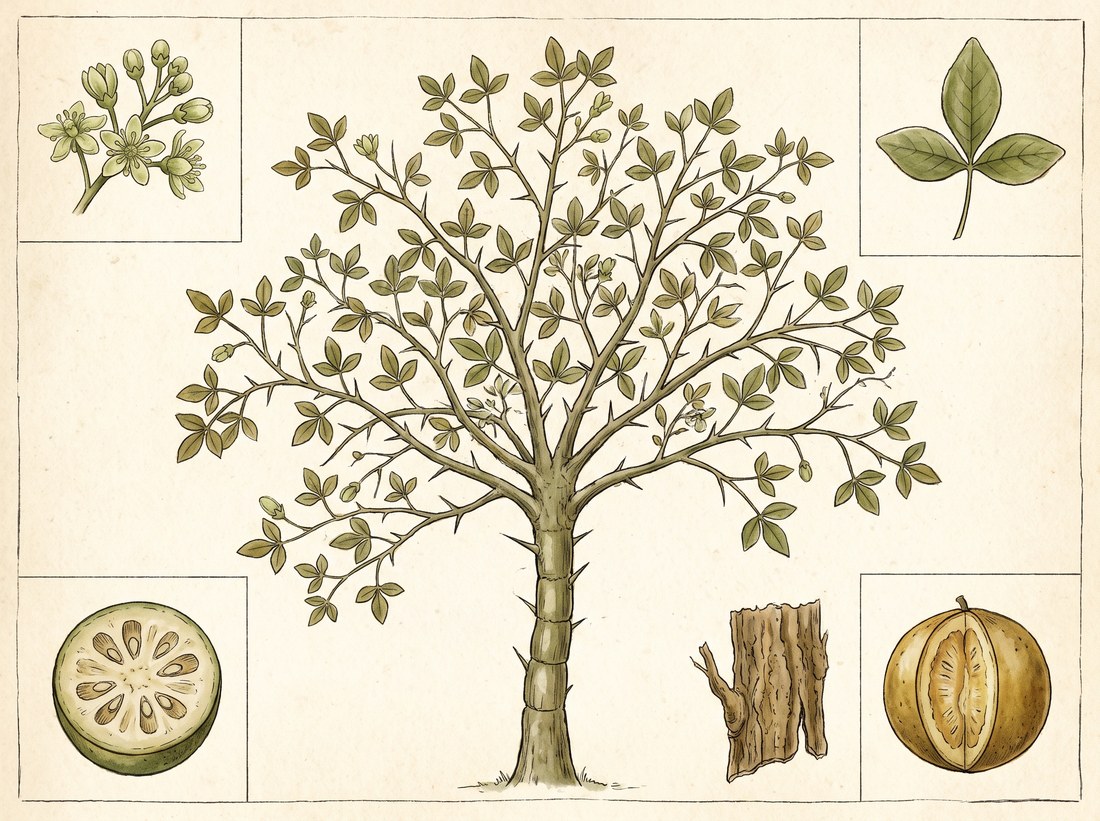 baelAegle marmelos
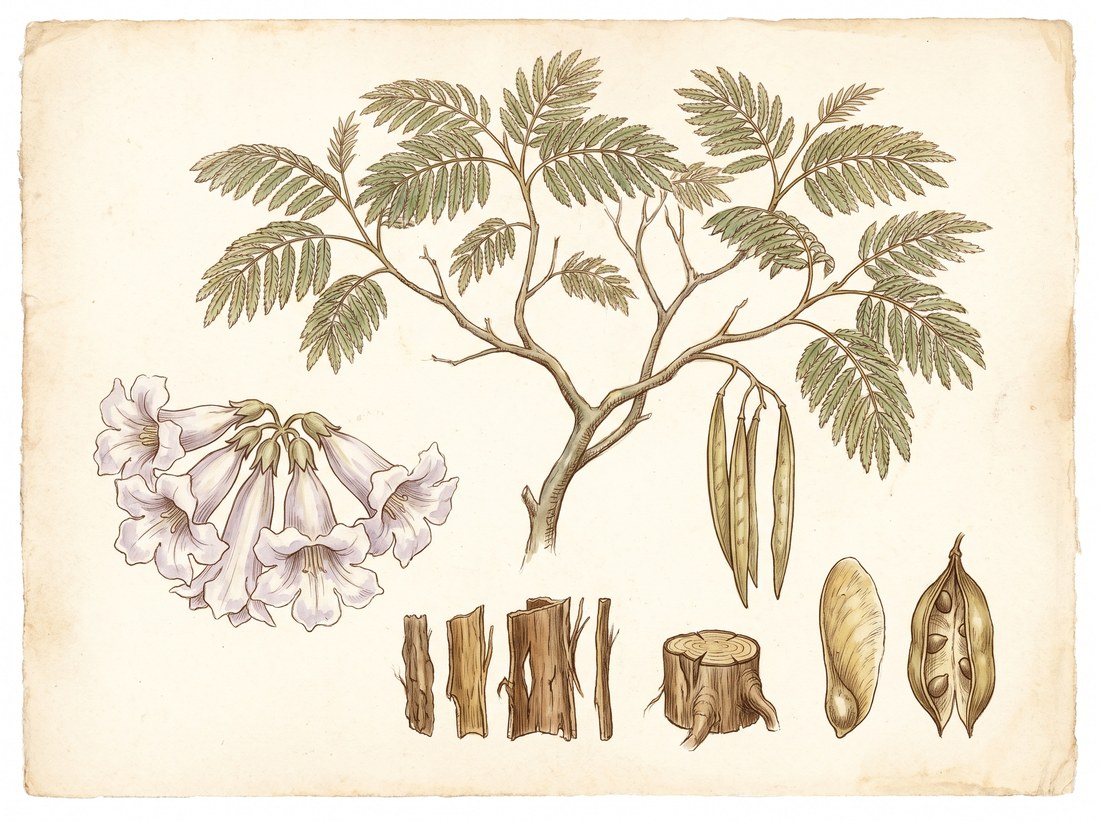 Indian trumpet flowerOroxylum indicum
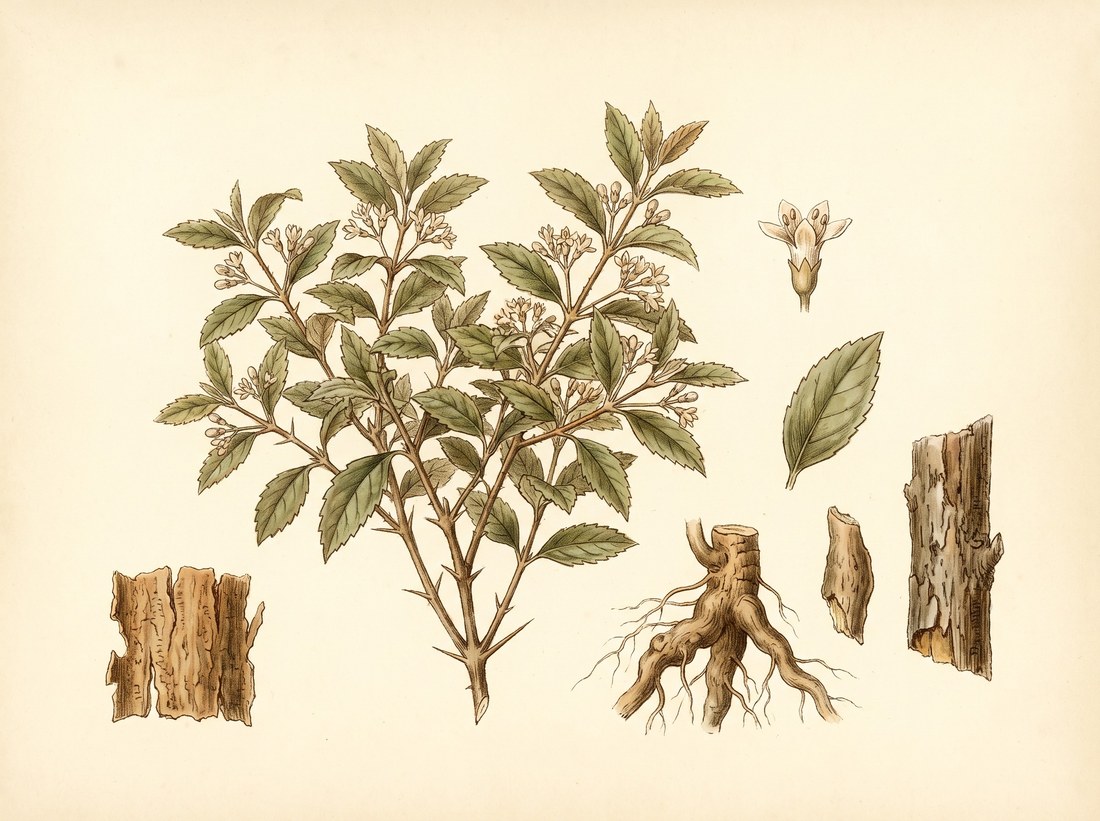 agnimanthaPremna serratifolia
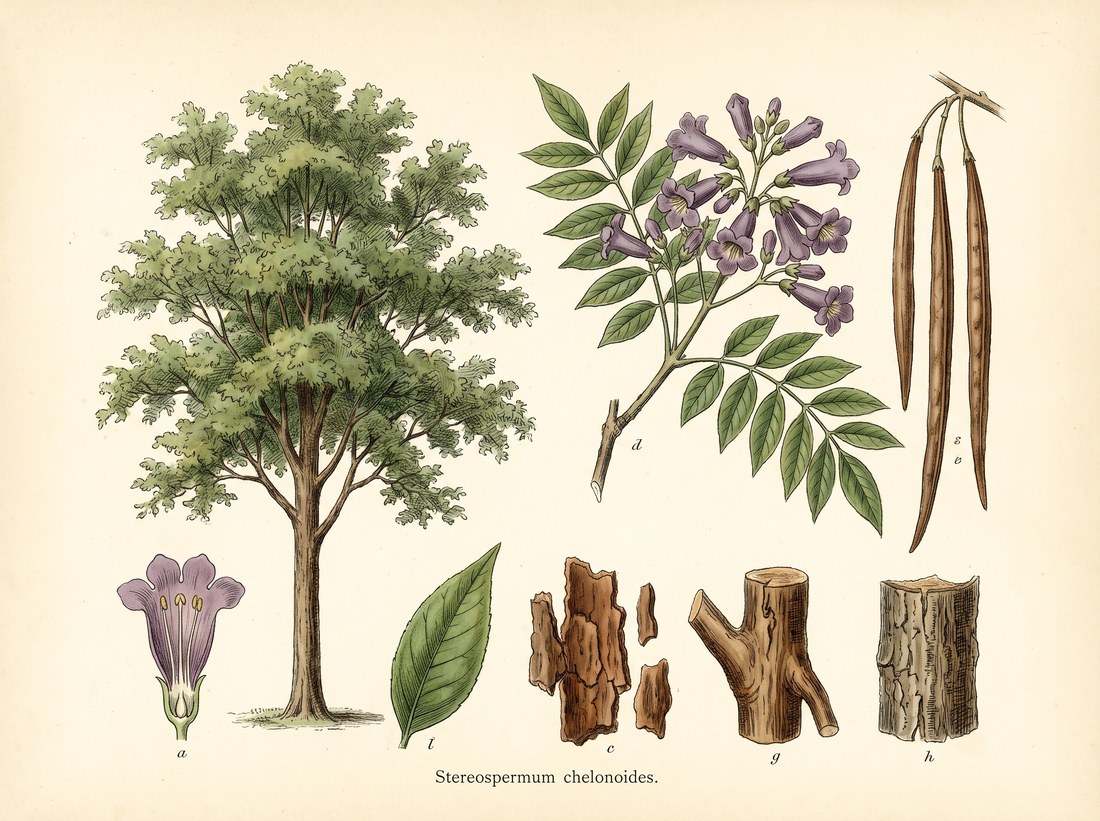 fragrant padri treeStereospermum suaveolens
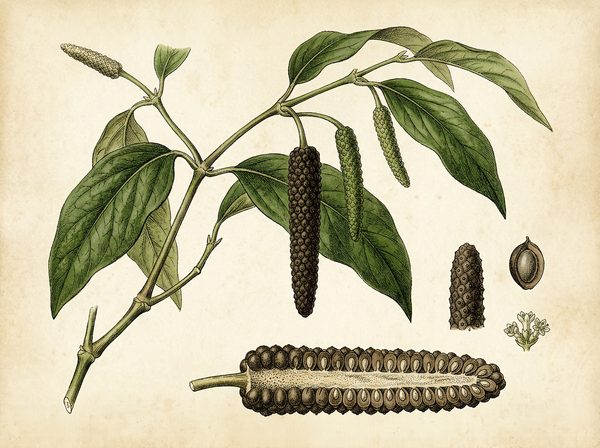 long pepperPiper longum
 puncture vineTribulus terrestris
Nearby on the shelf
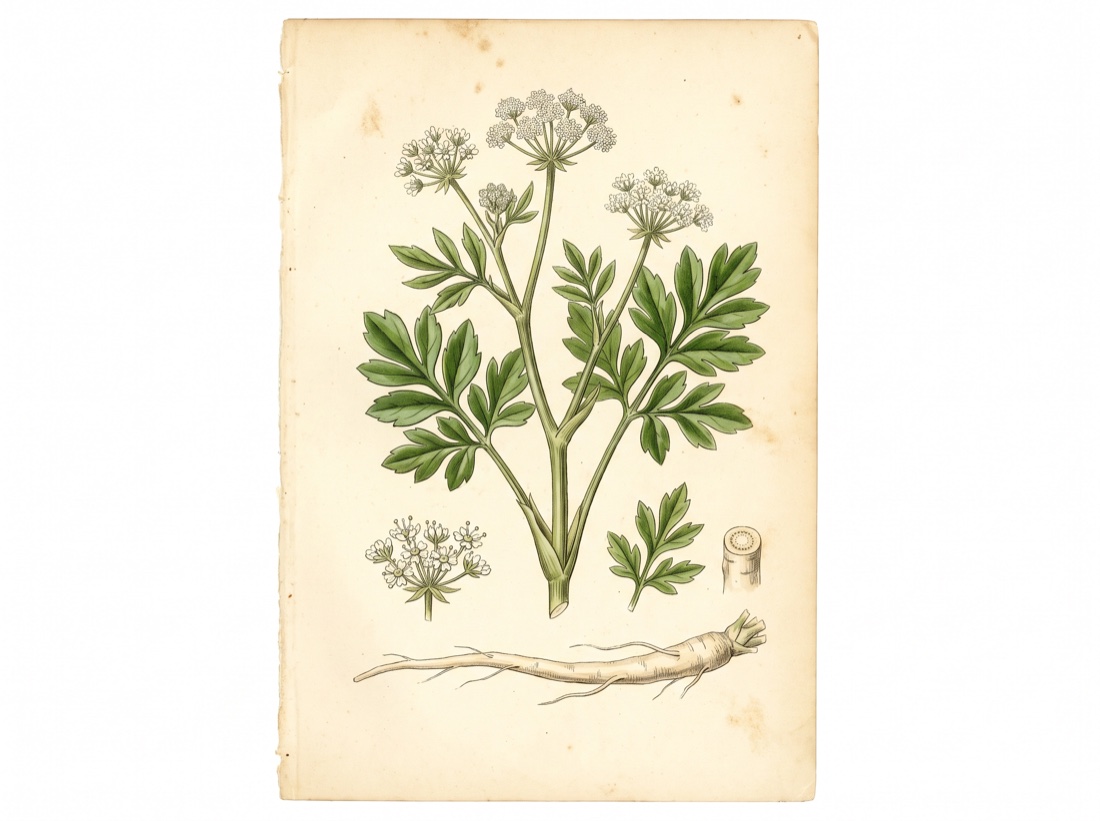 GlehniaGlehnia littoralis
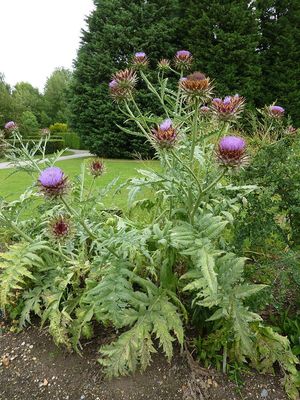 Globe artichokeCynara scolymus
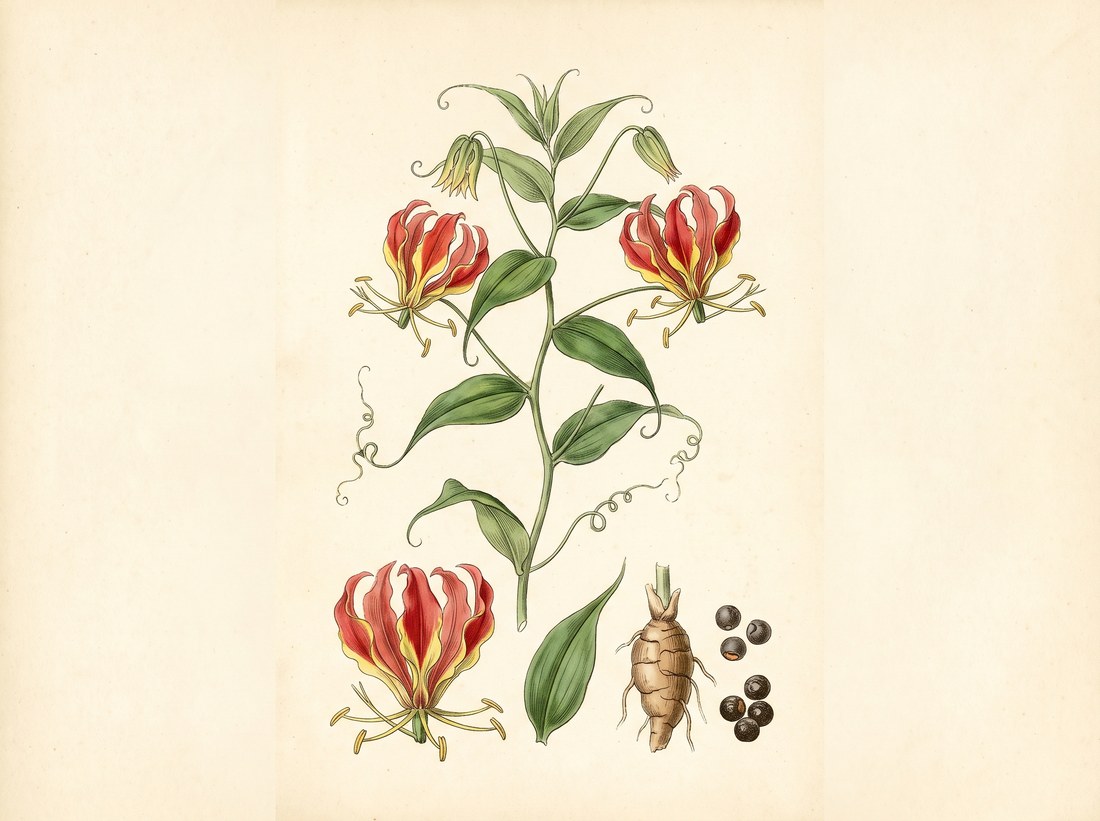 Glory lilyGloriosa superba
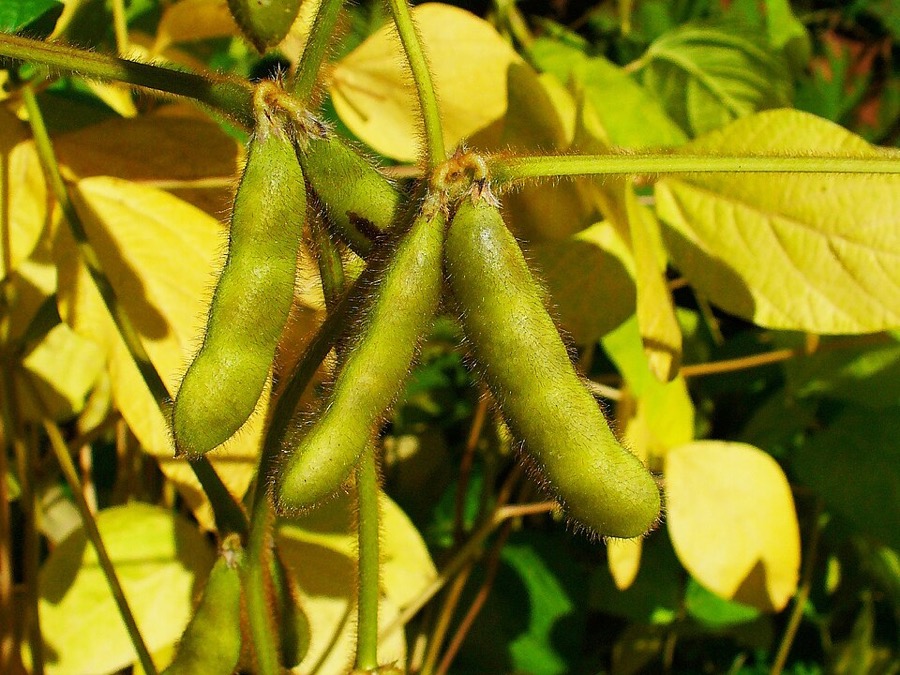 Glycine maxGlycine max
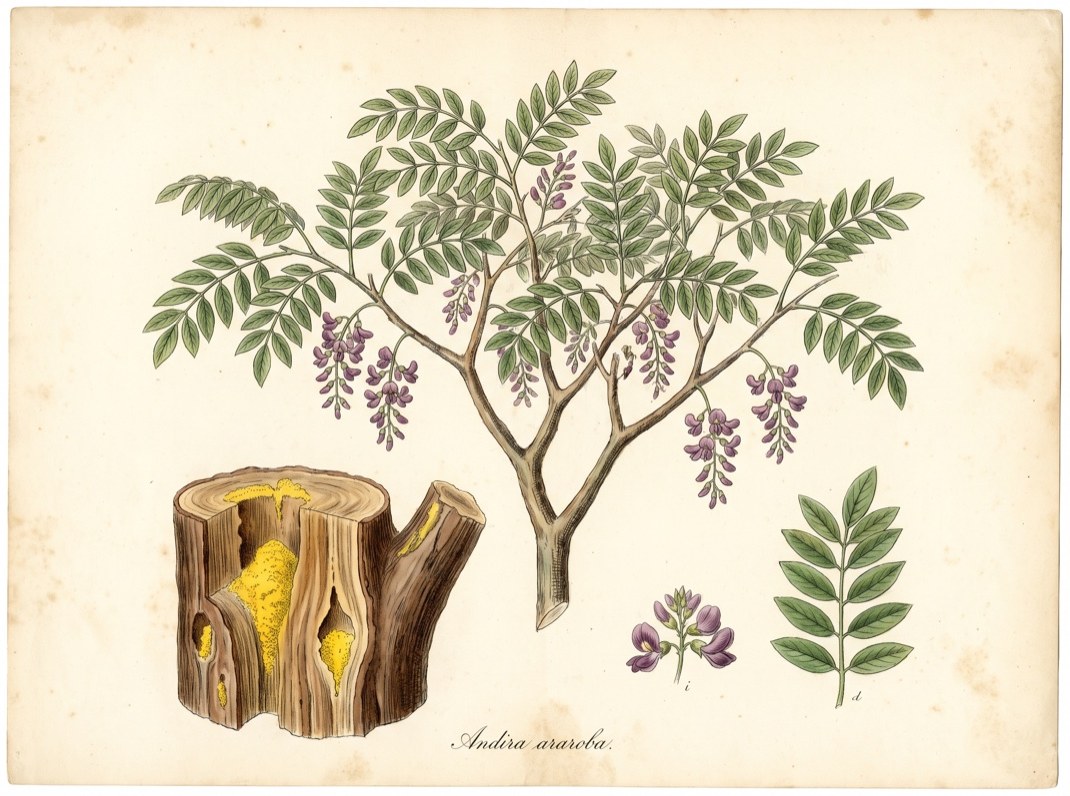 Goa PowderAraroba
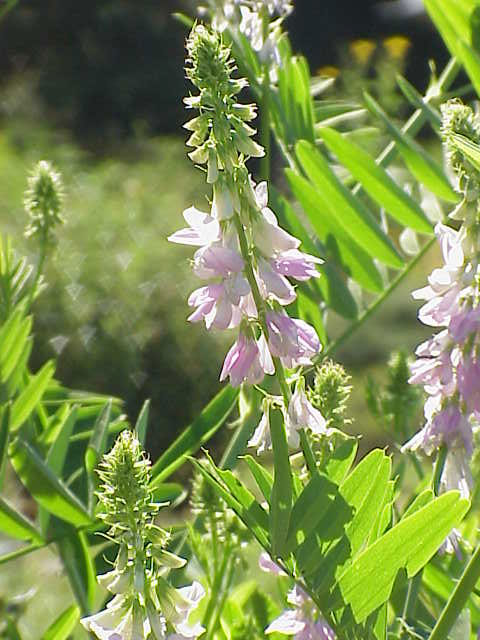 Goat's RueGalega officinalis
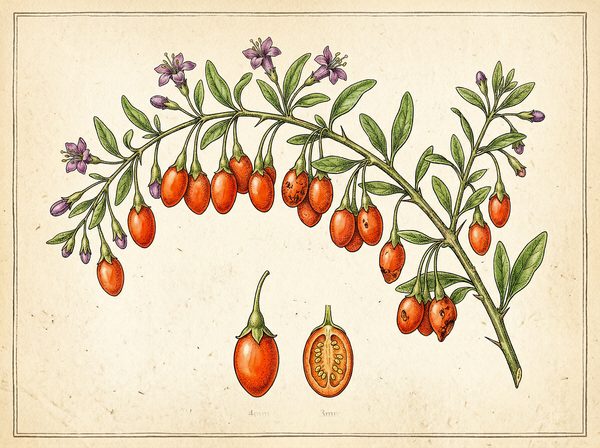 Goji berryLycium barbarum
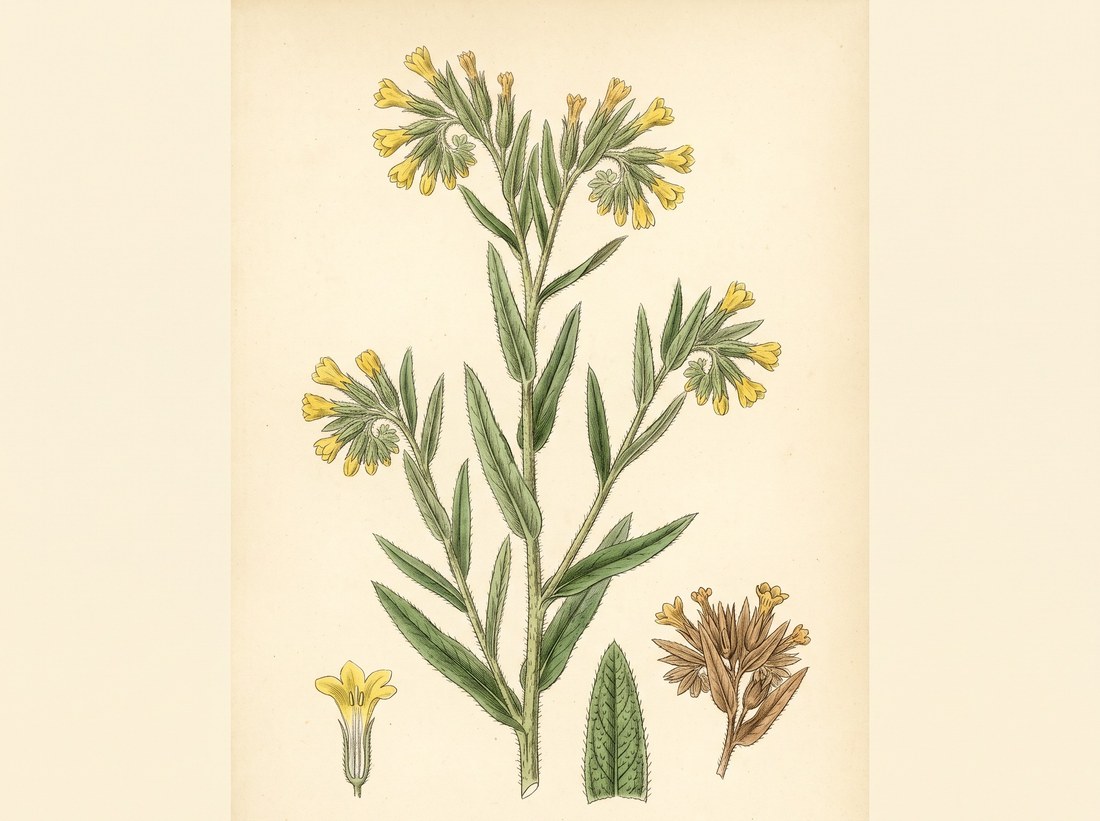 GojihvaOnosma bracteatum
The whole plate is in the library. The compass, Compare, the Sky of eleven hundred plants and the formulary open with an email address and a password, free, with the formula builder and its safety engine. Herbert without limit, his formulating, clients, the handouts and the labels are the paid room.
Open the library, free