Ayurvedic Herbalism
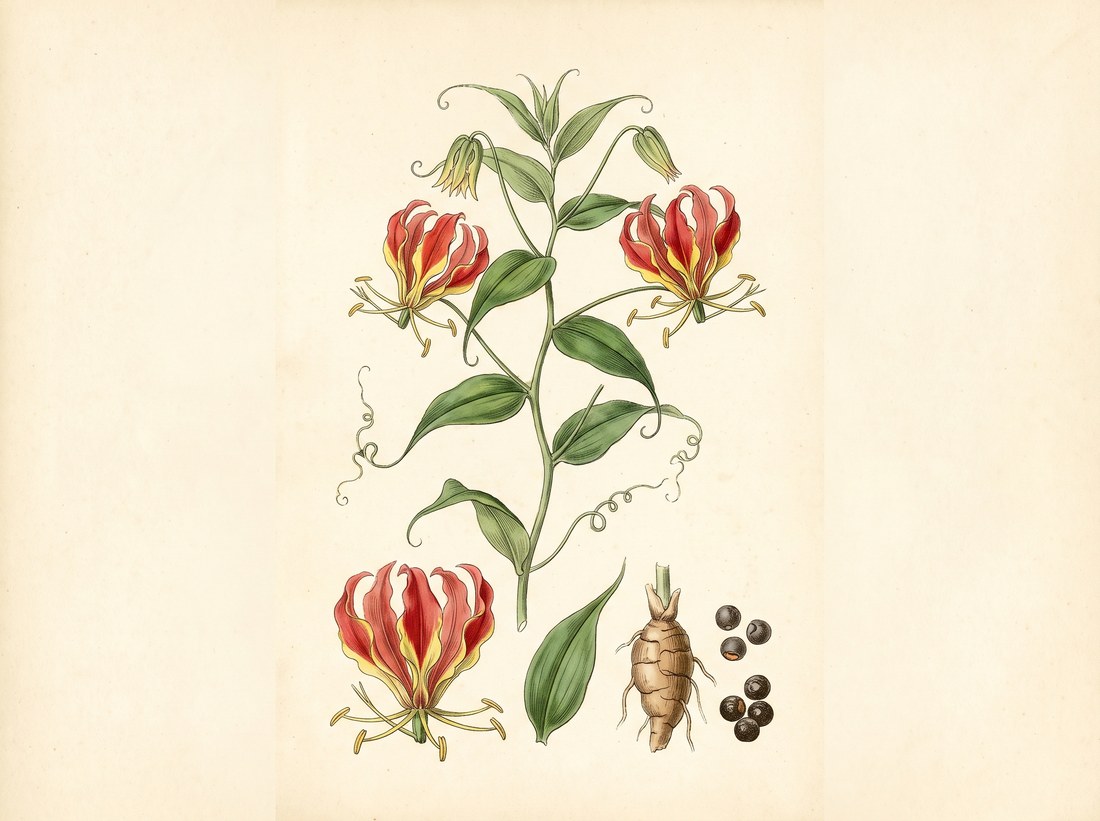
Glory lily
Gloriosa superba
Also known as flame lily, climbing lily, tiger claw, superb lily, Langali, Kalikari, Agnishikha.
Gloriosa superba is a slender tuberous climber of the Colchicaceae found in scrub and forest margins across India, Sri Lanka, southeast Asia and tropical Africa, famous for its flame colored flowers with swept back petals and for being the state flower of Tamil Nadu and the national flower of Zimbabwe. Every part of the plant, above all the tuber and seed, contains colchicine and related alkaloids, and Ayurveda has always classed it as Langali, an upavisha, a lesser poison to be purified and used mostly on the skin. It is now a major commercial source of colchicine and a leading cause of deliberate and accidental plant poisoning in South Asia.
Ask Herbert about Glory lily. Herbert is the master herbalist inside Bountiful Herbs: he answers from this plate and eleven hundred others, with dosing, pairing and cautions. Your first ten questions are free.
Ask HerbertActions
Indications what the tradition reached for it in
- Acute gout (historical source of colchicine; use the isolated drug, not the plant)
- Painful swollen joints of arthritis (topical paste only)
- Chronic skin lesions, ringworm and lice (topical, traditional)
- External hemorrhoids (topical, traditional)
- Retained placenta and obstructed labor (historical midwifery use, not for modern practice)
- Chronic ulcers and wounds (topical wash, traditional)
- Snake bite and scorpion sting (folk topical use, no reliable effect)
- Familial Mediterranean fever and pericarditis (colchicine the drug, not the herb)
Specific indications
A hot, swollen, exquisitely tender gouty joint in a patient who cannot take colchicine tablets, where a paste of the purified tuber is applied around, never on broken skin, as a short term counterirritant
Stubborn ringworm or lice in a rural setting where the tuber paste is the available topical remedy, applied with care and kept away from the mouth and eyes
Historically, the midwife's plant for retained placenta and stalled labor in the villages of southern India, a use that belongs to the record and not to the modern clinic
Safety
Recognised toxicity. This plant carries a toxicity flag in the record; it is for trained practitioners only.
Low dose botanical. Used in drop doses in the classical practice; not a plant to dose freely.
Breastfeeding: Contraindicated; colchicine passes into milk and the infant has no capacity to tolerate it.
The record lists 13 contraindications; open the plate in the library to read them in full.
In practice
The Ayurvedic tradition treats Langali with respect and mostly keeps it on the outside of the body. Its chief classical reputation is as garbhapatini, the plant that expels the fetus and the retained placenta, and it was used by traditional midwives for obstructed labor and as an abortifacient; that use is recorded here for completeness and is not part of contemporary practice, since the dose that acts on the uterus is close to the dose that kills.
In Ayurveda
Rasa: katu (pungent), tikta (bitter), kashaya (astringent). Virya: ushna (heating). Vipaka: katu (pungent). Guna: laghu (light), tikshna (sharp), sara (mobile). Dosha: pacifies kapha and vata; aggravates pitta and is itself classed among poisons (upavisha). Prabhava: garbhapatana (expels the fetus and retained placenta); classed as an upavisha, a lesser poison, requiring shodhana. Karma: garbhapatana (abortifacient, expels retained placenta); garbhashaya sankochaka (uterine stimulant); lekhana (scraping); krimighna (anthelmintic, antiparasitic); kushthaghna (relieves skin disease, topical); shothahara (reduces swelling, topical); vedanasthapana (relieves pain, topical); vishaghna (counteracts poison, topical for bites and stings); vranashodhana (cleans wounds and ulcers); arshoghna (relieves hemorrhoids, topical). Classical indications: mudhagarbha and aparasanga (obstructed labor, retained placenta); garbhapata as a deliberate act (abortion, historical); vatarakta (gout); sandhivata and amavata (arthritis, topical); kushtha (skin disease, topical); krimi (worms and lice, topical); arsha (hemorrhoids, topical); vrana (ulcers and wounds, topical); shotha (swelling, topical); sarpavisha and vrishchika visha (snake and scorpion bite, topical, folk). The tuber is the classical drug and is treated as an upavisha: it must be purified by boiling in cow's urine or milk (shodhana) before any internal use, and even then it is given in very small doses within compound formulas; the great majority of use is external, as a paste (lepa) applied to joints, skin lesions, piles and the lower abdomen or as an ingredient of medicated oils. The seed is a commercial source of colchicine and is not used in Ayurvedic practice. Classical formulations: Langali kalka lepa (topical paste), Langalyadi taila (topical), Kalihari lepa for vatarakta (topical), Component of some traditional garbhapatana preparations (historical, not dispensed). Described in: Charaka Samhita, Sushruta Samhita, Ashtanga Hridaya, Bhavaprakasha Nighantu, Dhanvantari Nighantu, Raja Nighantu, Kaiyadeva Nighantu, Ayurvedic Pharmacopoeia of India.
Dosing as the sources wrote it
| Preparation | As written | Metric |
|---|---|---|
| Shuddha Langali churna, internal (physician use only) | 30-60 mg purified tuber powder daily in compound formula, purified material only | 30-60 mg |
| Kalka, topical | 5-10 g tuber paste applied to unbroken skin over joints or lesions, once daily for a few days | 5000-10000 mg |
| Taila, topical | 5-10 mL medicated oil applied externally to affected joints | 5-10 mL |
Doses are reproduced from the sources for practitioners and are not a recommendation for any person.
From the sources
Overview. Gloriosa superba is a slender tuberous climber of the Colchicaceae found in scrub and forest margins across India, Sri Lanka, southeast Asia and tropical Africa, famous for its flame colored flowers with swept back petals and for being the state flower of Tamil Nadu and the national flower of Zimbabwe. Every part of the plant, above all the tuber and seed, contains colchicine and related alkaloids, and Ayurveda has always classed it as Langali, an upavisha, a lesser poison to be purified and used mostly on the skin. It is now a major commercial source of colchicine and a leading cause of deliberate and accidental plant poisoning in South Asia.
Clinical Notes. The Ayurvedic tradition treats Langali with respect and mostly keeps it on the outside of the body. Its chief classical reputation is as garbhapatini, the plant that expels the fetus and the retained placenta, and it was used by traditional midwives for obstructed labor and as an abortifacient; that use is recorded here for completeness and is not part of contemporary practice, since the dose that acts on the uterus is close to the dose that kills.
Ayurvedic Profile. Rasa: katu (pungent), tikta (bitter), kashaya (astringent). Virya: ushna (heating). Vipaka: katu (pungent). Guna: laghu (light), tikshna (sharp), sara (mobile). Dosha: pacifies kapha and vata; aggravates pitta and is itself classed among poisons (upavisha).
Conservation. Heavily over collected from the wild for the colchicine trade and listed as threatened or protected in several Indian states; cultivation now supplies most commercial demand.
In formulas
Glory lily stands in 6 documented formulas in the library, among them Kāsīsādi Taila, Citrakādi Taila, Mahā Viṣagarbha Taila, Lākṣādi Taila, Bṛhanmaricādya Taila, Kālakūṭa Rasa.
Often paired with
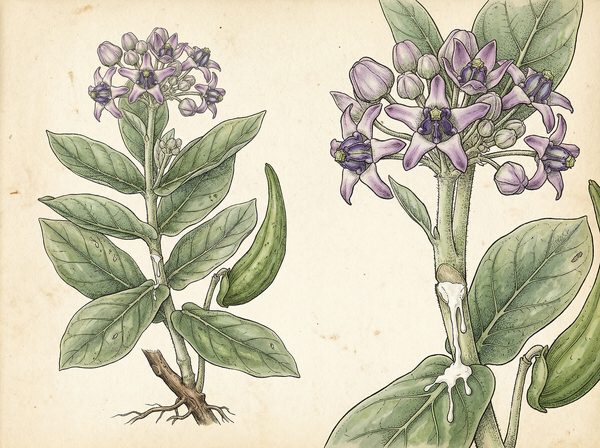 crown flowerCalotropis gigantea
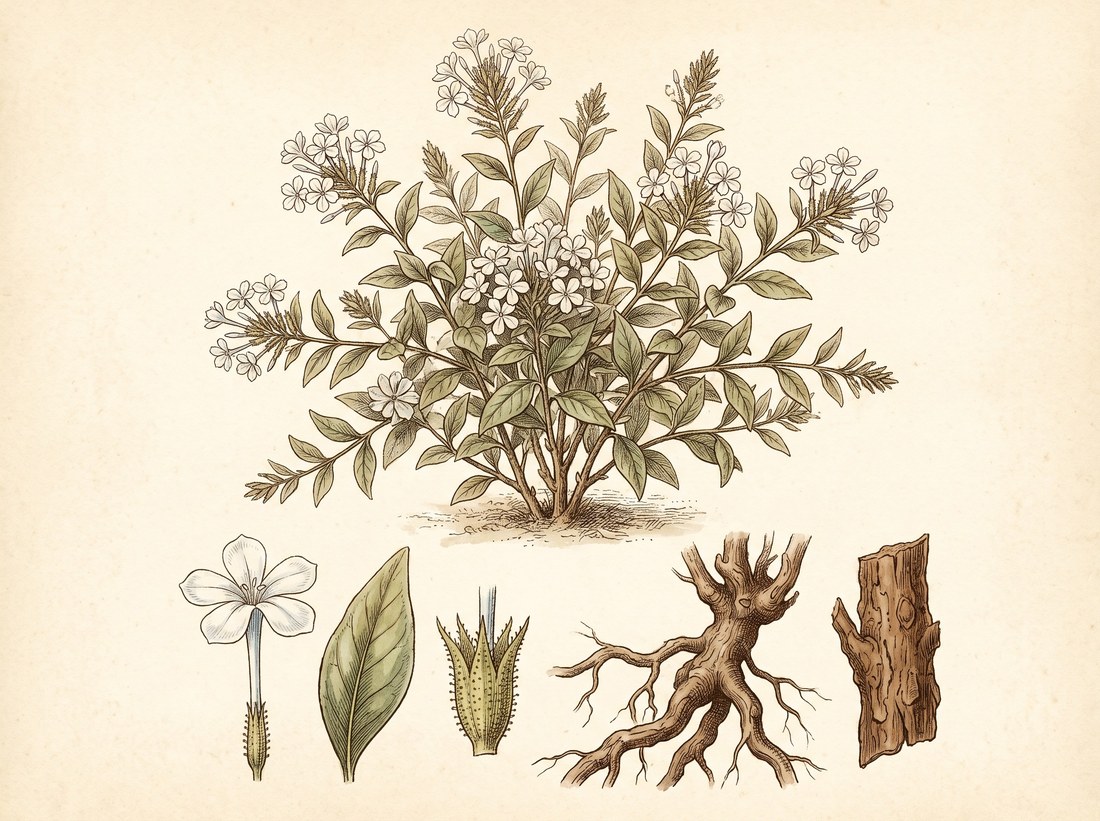 Ceylon leadwortPlumbago zeylanica
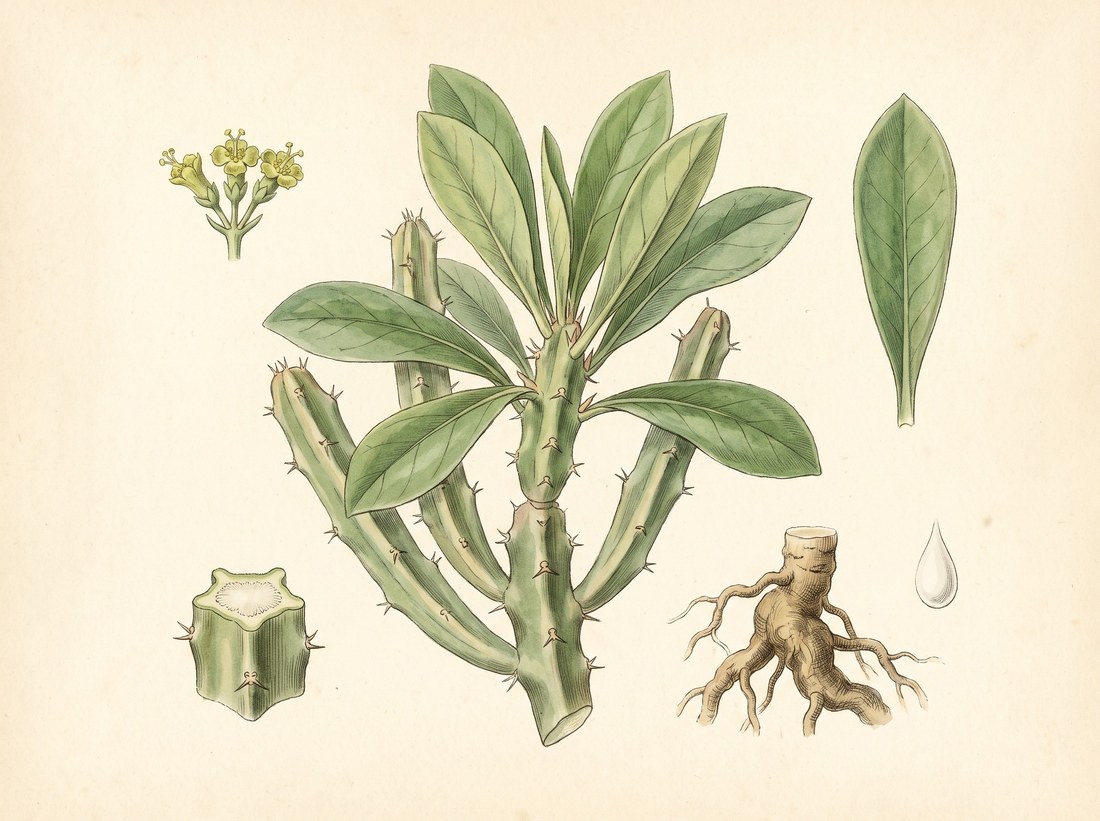 Indian spurge treeEuphorbia neriifolia
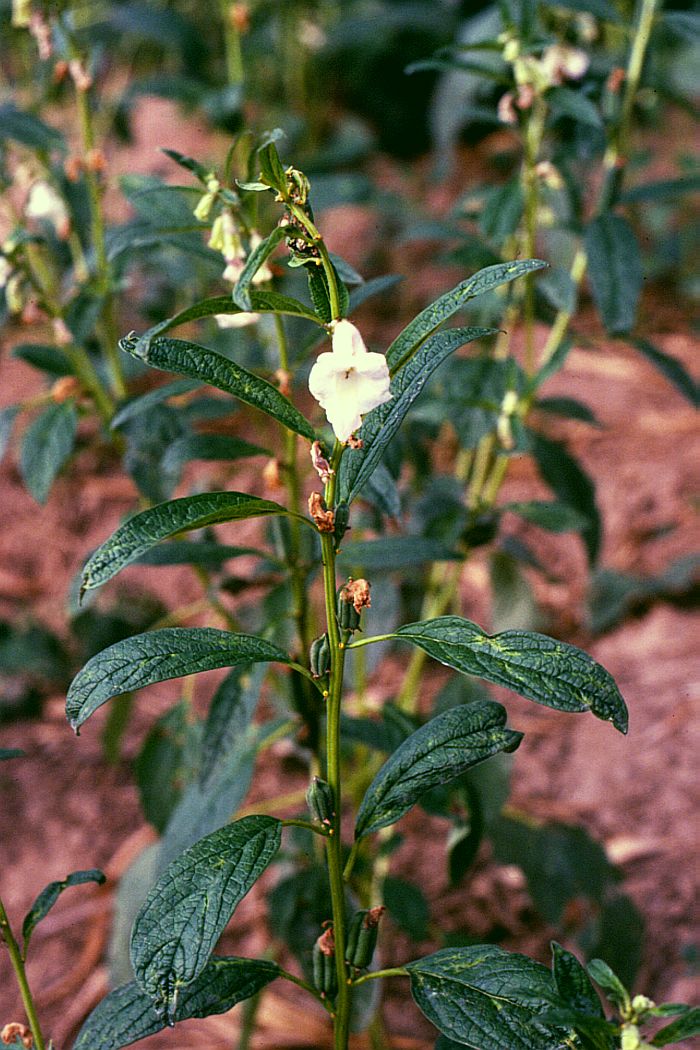 sesameSesamum indicum
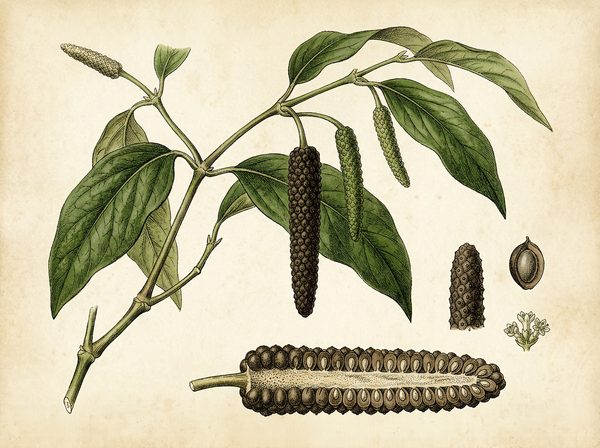 long pepperPiper longum
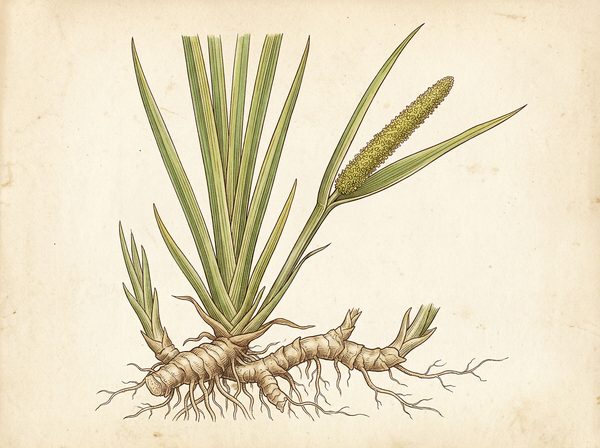 sweet flagAcorus calamus
Nearby on the shelf
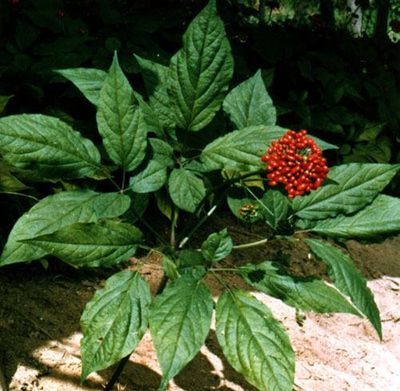 GinsengPanax ginseng
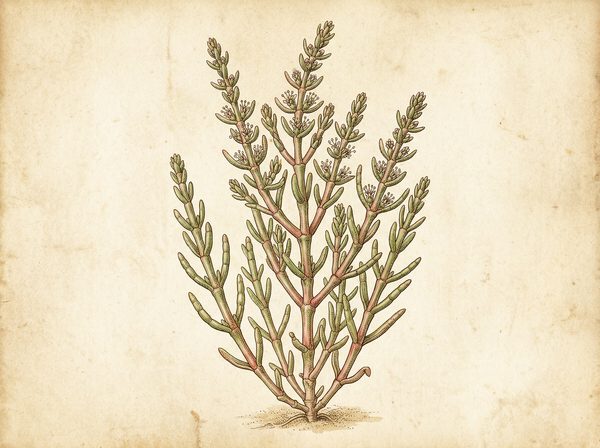 GlasswortSalicornia europaea
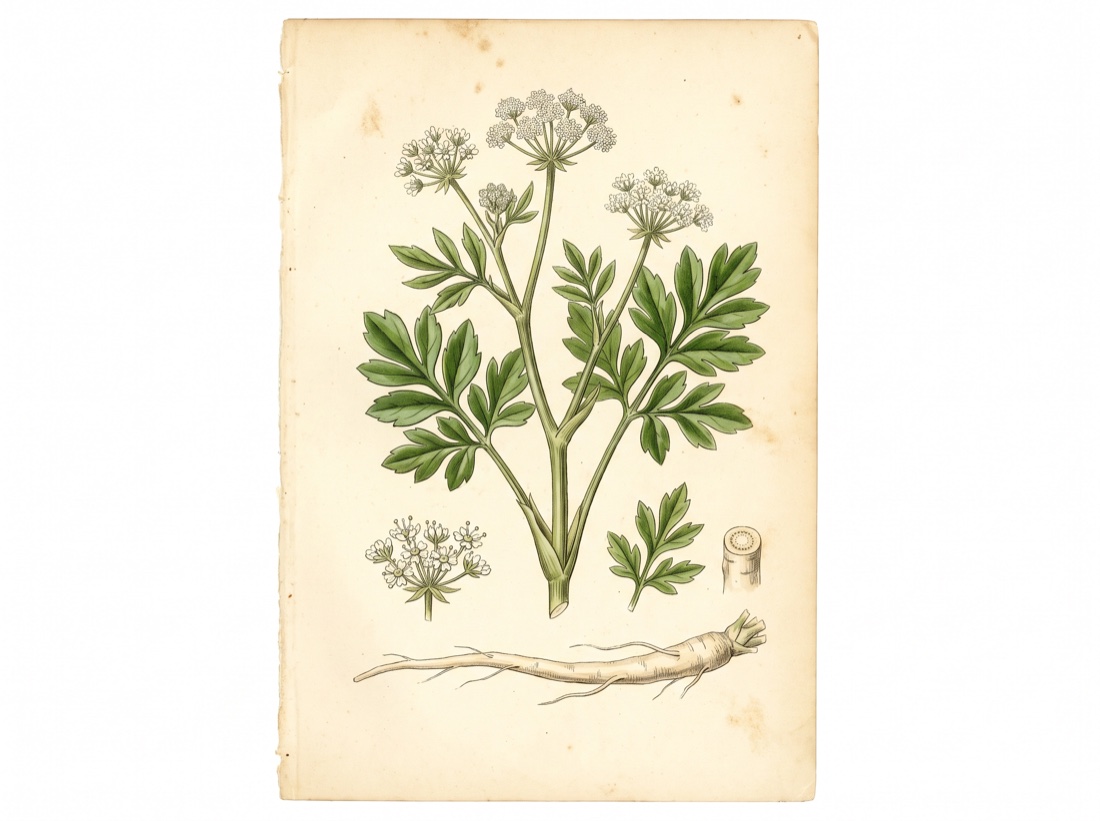 GlehniaGlehnia littoralis
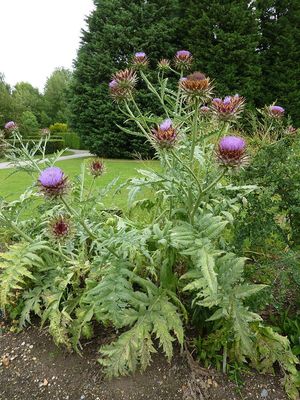 Globe artichokeCynara scolymus
 Glycine maxGlycine max
 GmelinaGmelina arborea
 Goa PowderAraroba
 Goat's RueGalega officinalis
The whole plate is in the library. The compass, Compare, the Sky of eleven hundred plants and the formulary open with an email address and a password, free, with the formula builder and its safety engine. Herbert without limit, his formulating, clients, the handouts and the labels are the paid room.
Open the library, free