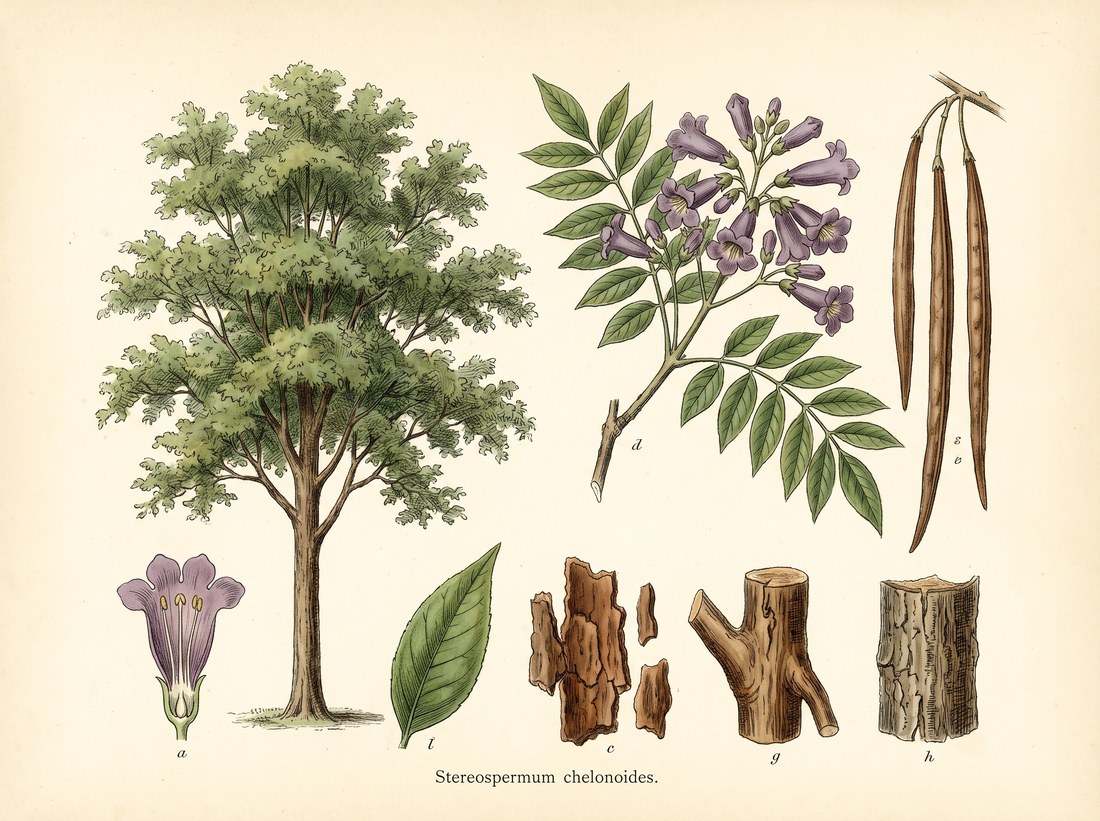
Ayurvedic Herbalism
Fragrant padri tree
Stereospermum suaveolens
Also known as trumpet flower tree, patala, yellow snake tree, Patala, Patali, Amogha.
Stereospermum suaveolens, now placed under the accepted name Stereospermum chelonoides, is a tall deciduous tree of the Bignoniaceae with fragrant, dull purple, trumpet-shaped flowers and long slender pods, growing in the moist deciduous forests of the Himalayan foothills, central India, the Western Ghats and Bengal. Ayurveda knows it as Patala, one of the five great roots (Brihat panchamoola) that together with the five small roots make up Dashamoola, the anti-inflammatory and vata-pacifying compound at the heart of dozens of classical formulations.

Ask Herbert about Fragrant padri tree. Herbert is the master herbalist inside Bountiful Herbs: he answers from this plate and eleven hundred others, with dosing, pairing and cautions. Your first ten questions are free.
Ask HerbertActions
Indications what the tradition reached for it in
- Rheumatoid arthritis and inflammatory joint pain
- Osteoarthritis with swelling
- Bronchial asthma and chronic bronchitis
- Persistent hiccup and vomiting
- Chronic fever with body ache
- Edema of inflammatory or cardiac origin (adjunct)
- Low back pain and sciatica (as part of Dashamoola)
- Bleeding hemorrhoids (flowers)
- Menorrhagia of pitta type (flowers)
- Postpartum pain and weakness (as Dashamoola)
- Neuralgia and neuropathic pain
- Poor appetite with heaviness
Specific indications
A heavy, achy kapha-vata patient whose joints swell and stiffen in cold damp weather and who wheezes when the weather turns
Chronic asthma with a productive cough in a patient who also has body aches and a weak appetite
Hiccup or vomiting that will not settle, where the fragrant flowers with honey are the classical remedy
The postpartum woman with pelvic pain, low back ache and swelling for whom Dashamoola decoction is the traditional course
Safety
The record lists 4 contraindications; open the plate in the library to read them in full.
In practice
Patala is seldom given alone; its home is Dashamoola, where it joins Bilva, Agnimantha, Shyonaka and Gambhari among the large roots to pacify vata and kapha, reduce swelling and ease pain. Reach for the Dashamoola group in inflammatory arthritis, low back pain, sciatica, chronic asthma and bronchitis with a heavy productive cough, postpartum pain and edema, and the aching low fevers of a damp season.
In Ayurveda
Rasa: tikta (bitter), kashaya (astringent). Virya: ushna (heating), described as anushna or mildly heating in some texts. Vipaka: katu (pungent). Guna: laghu (light), ruksha (dry). Dosha: pacifies all three doshas, with the strongest action on kapha and vata. Karma: tridoshahara (balances all three doshas); shothahara (reduces swelling); hridya (cardiotonic); deepana (kindles digestion); vedanasthapana (relieves pain); jvaraghna (reduces fever); shvasahara (relieves dyspnea); hikkanigrahana (stops hiccup); raktastambhana (flowers stop bleeding); ruchya (improves taste). Classical indications: shvasa (dyspnea, asthma); hikka (hiccup); chardi (vomiting); shotha (inflammatory swelling); arsha (hemorrhoids); raktapitta (bleeding disorders, flowers); trishna (thirst); jvara (fever); vatavyadhi (joint and neuromuscular disorders); aruchi (loss of taste); kasa (cough). The root and root bark are the classical drug and one of the ten roots of Dashamoola, given as kwatha and in the fermented Dashamoolarishta; the stem bark is often substituted. The fragrant flowers are used fresh or dried with honey for bleeding disorders and hiccup. Classical formulations: Dashamoola kwatha, Dashamoolarishta, Dashamoola haritaki, Brihat panchamoola kwatha, Dhanwantaram taila, Chyawanprash, Amritarishta, Indukanta ghrita, Narayana taila. Described in: Charaka Samhita, Sushruta Samhita, Ashtanga Hridaya, Bhavaprakasha Nighantu, Dhanvantari Nighantu, Raja Nighantu, Kaiyadeva Nighantu, Ayurvedic Pharmacopoeia of India.
Dosing as the sources wrote it
| Preparation | As written | Metric |
|---|---|---|
| Churna | 3-6 g powdered root bark twice daily with warm water | 3000-6000 mg |
| Kwatha | 50-100 mL decoction twice daily | 50-100 mL |
| Dashamoolarishta | 15-25 mL twice daily after food | 15-25 mL |
| Pushpa churna (flowers) | 1-3 g dried flower powder with honey twice daily | 1000-3000 mg |
Doses are reproduced from the sources for practitioners and are not a recommendation for any person.
From the sources
Overview. Stereospermum suaveolens, now placed under the accepted name Stereospermum chelonoides, is a tall deciduous tree of the Bignoniaceae with fragrant, dull purple, trumpet-shaped flowers and long slender pods, growing in the moist deciduous forests of the Himalayan foothills, central India, the Western Ghats and Bengal. Ayurveda knows it as Patala, one of the five great roots (Brihat panchamoola) that together with the five small roots make up Dashamoola, the anti-inflammatory and vata-pacifying compound at the heart of dozens of classical formulations.
Clinical Notes. Patala is seldom given alone; its home is Dashamoola, where it joins Bilva, Agnimantha, Shyonaka and Gambhari among the large roots to pacify vata and kapha, reduce swelling and ease pain. Reach for the Dashamoola group in inflammatory arthritis, low back pain, sciatica, chronic asthma and bronchitis with a heavy productive cough, postpartum pain and edema, and the aching low fevers of a damp season.
Ayurvedic Profile. Rasa: tikta (bitter), kashaya (astringent). Virya: ushna (heating), described as anushna or mildly heating in some texts. Vipaka: katu (pungent). Guna: laghu (light), ruksha (dry). Dosha: pacifies all three doshas, with the strongest action on kapha and vata.
In formulas
Fragrant padri tree stands in 26 documented formulas in the library, among them Daśamūlāriṣṭa, Mṛtasaṅjīvanī Surā, Miśreyārka, Cyavanaprāśa, Brāhma Rasāyana, Bhārṅgī Guḍa.
Often paired with
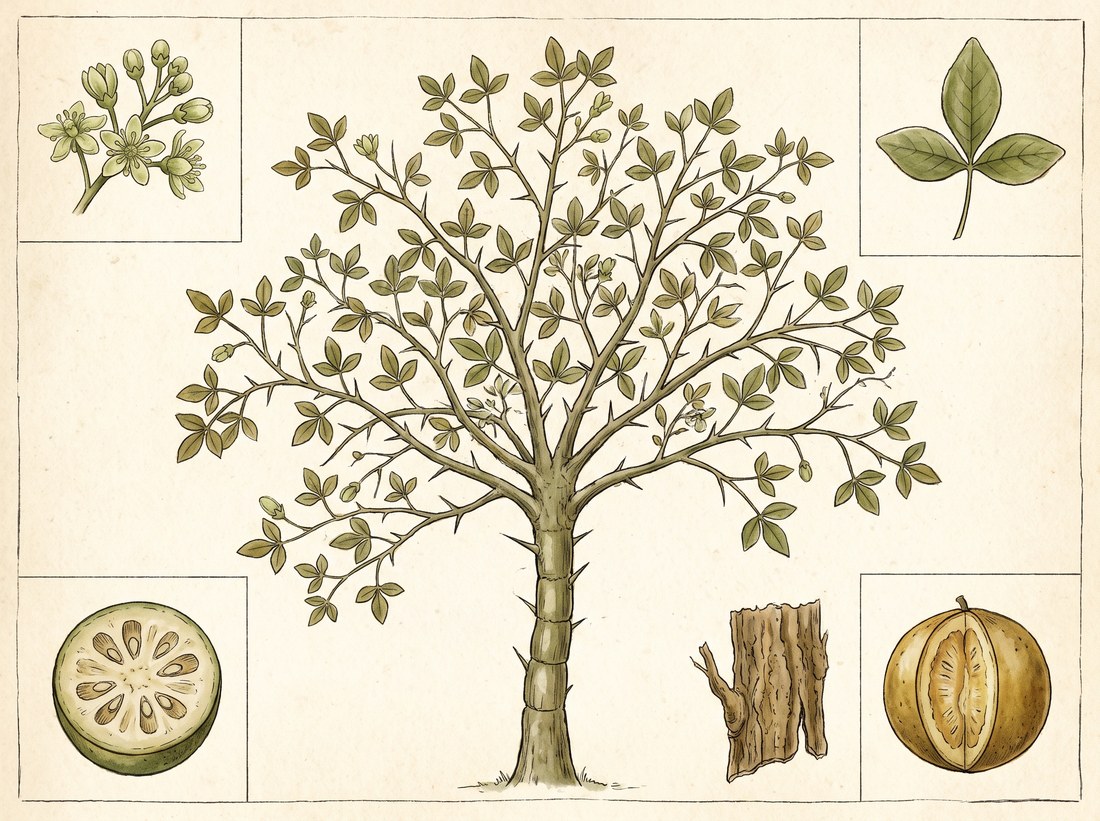 baelAegle marmelos
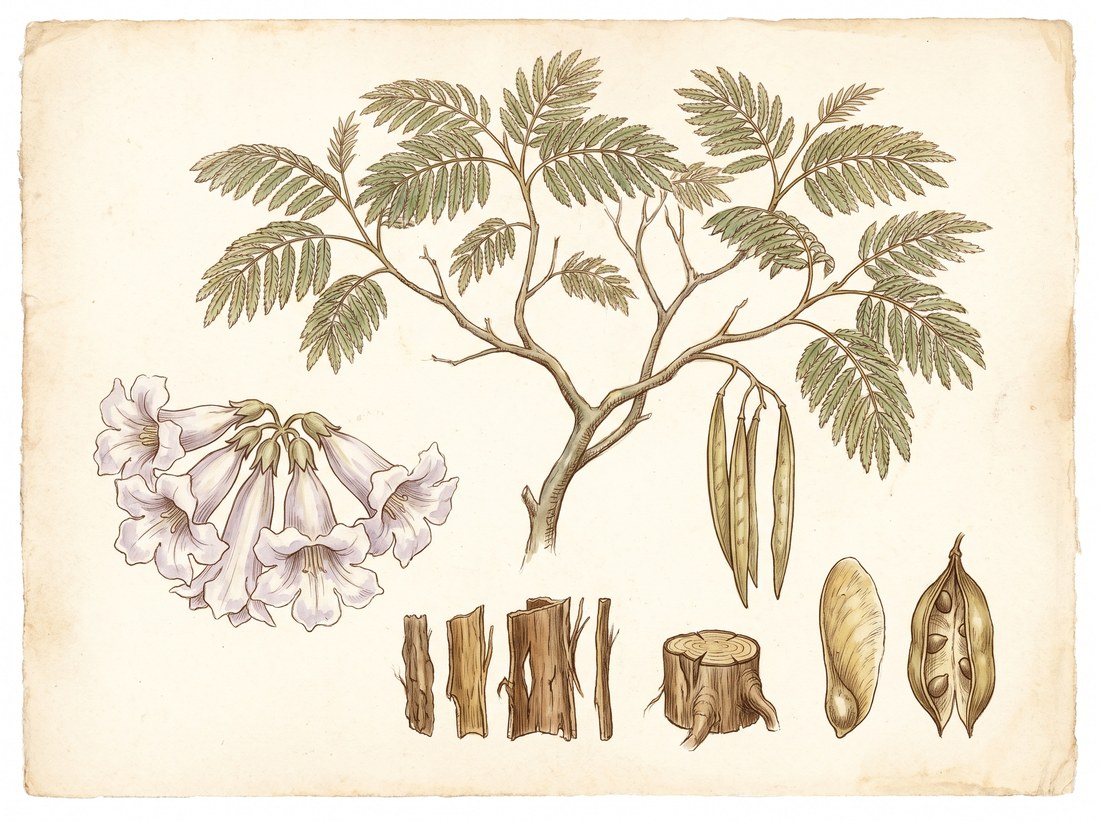 Indian trumpet flowerOroxylum indicum
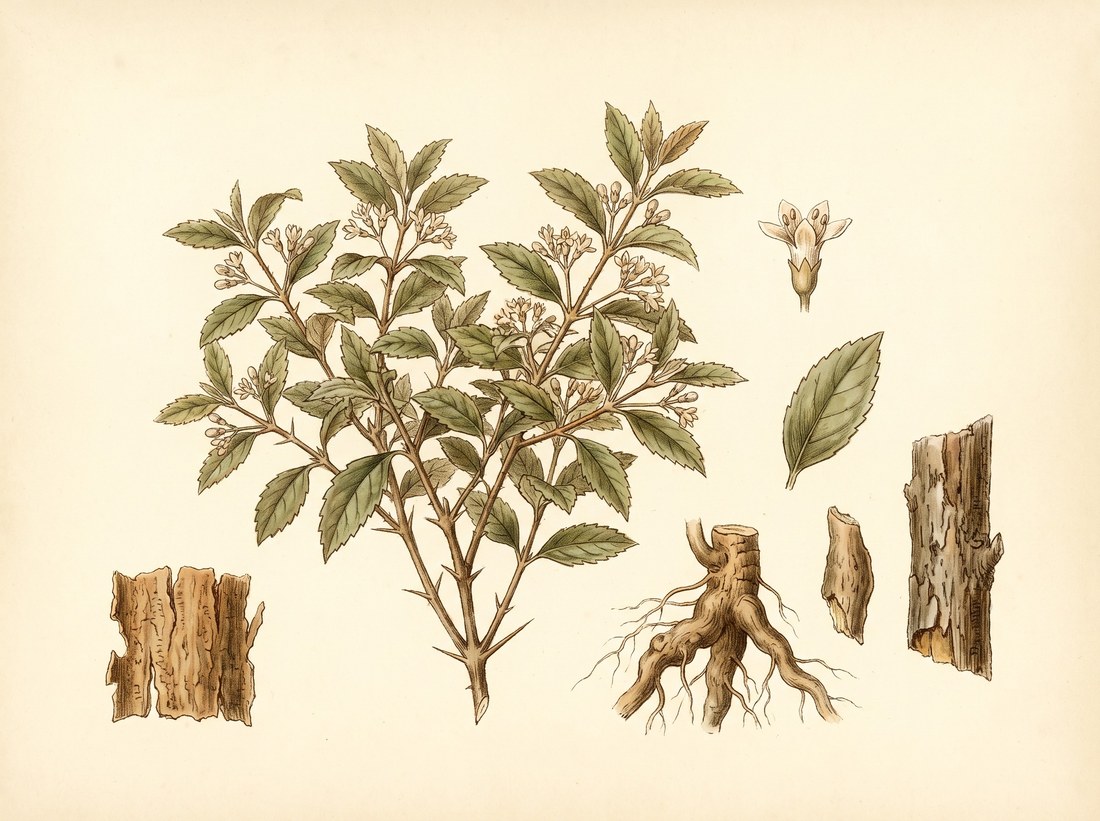 agnimanthaPremna serratifolia
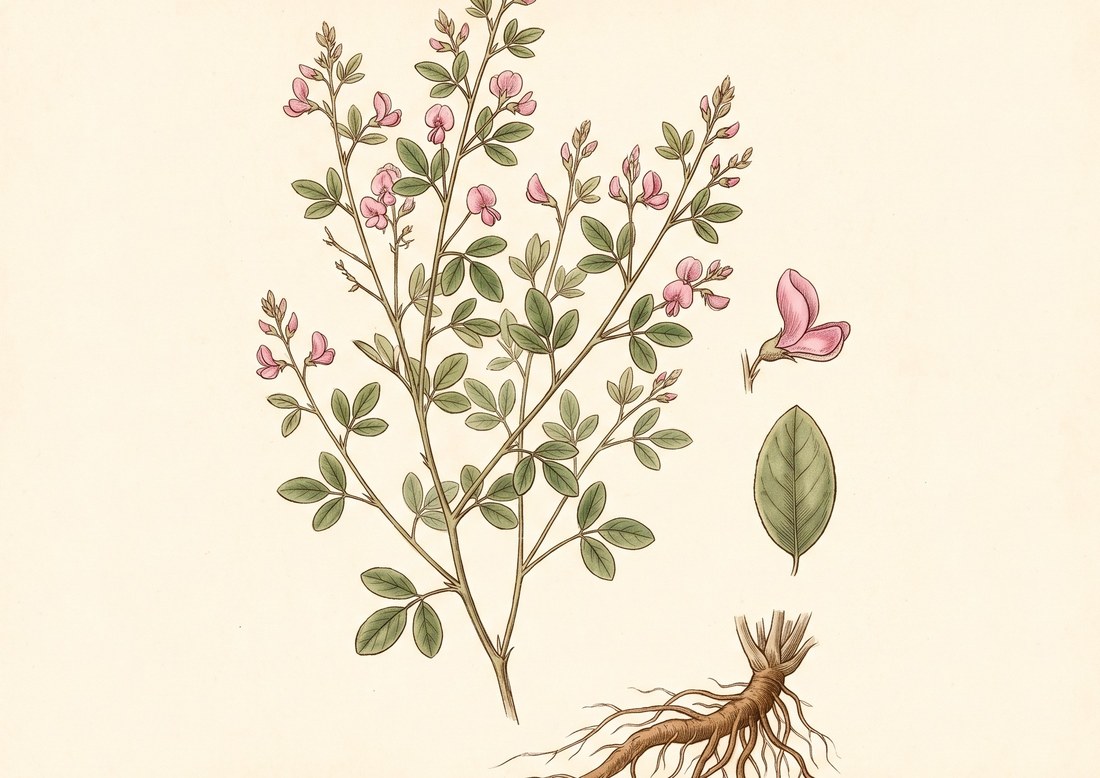 shalparniDesmodium gangeticum
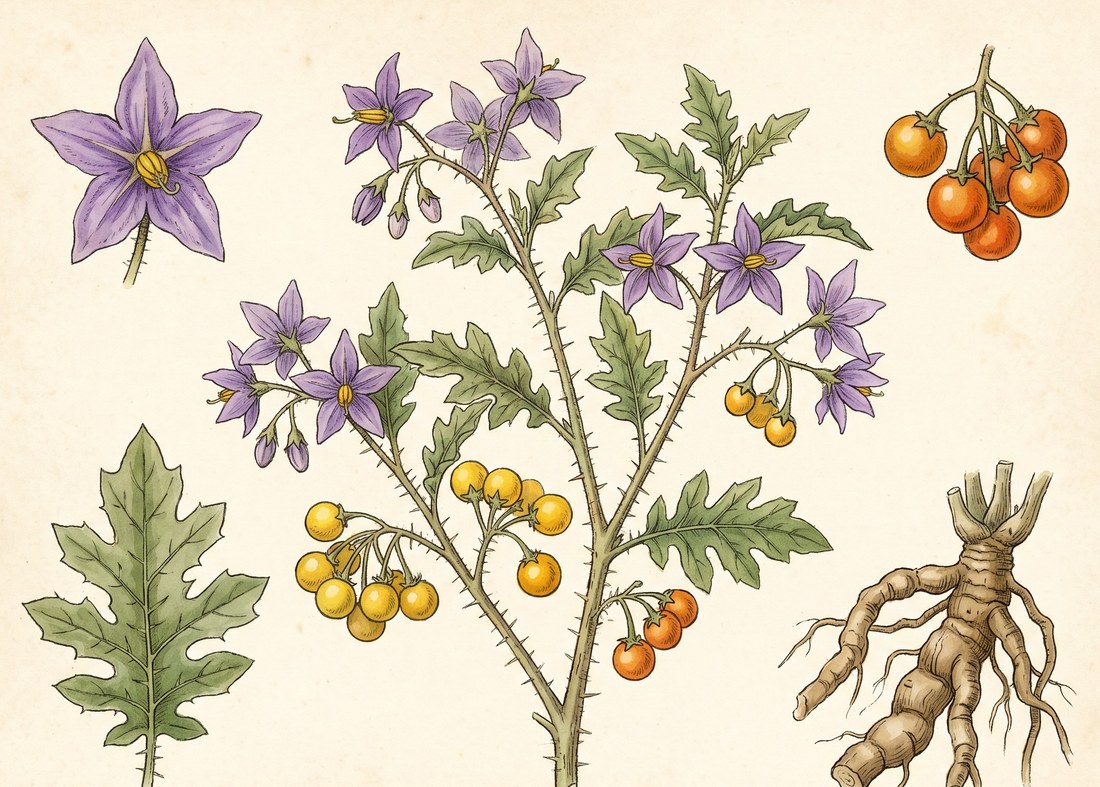 Indian nightshadeSolanum indicum
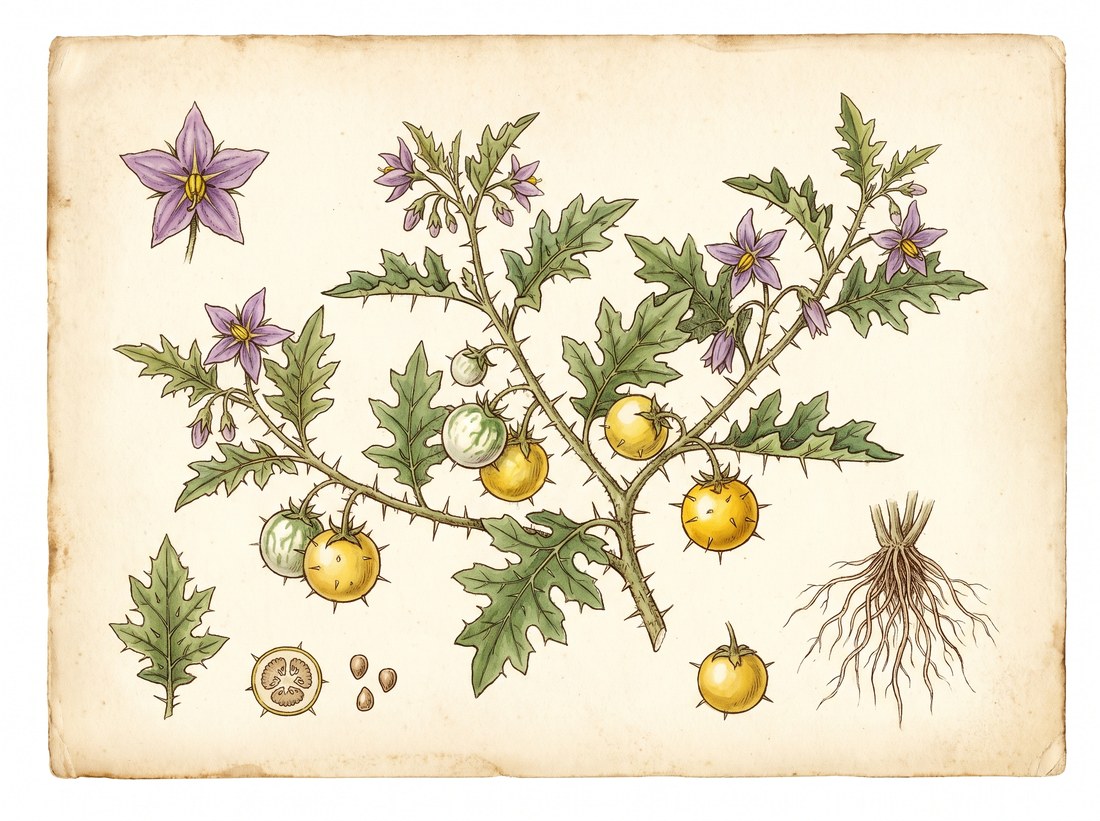 yellow-berried nightshadeSolanum xanthocarpum
Nearby on the shelf
 Flowering SpurgeEuphorbia corollata
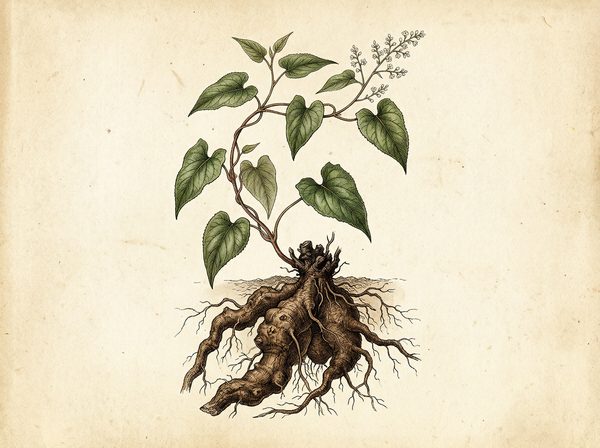 Fo-TiPolygonum multiflorum
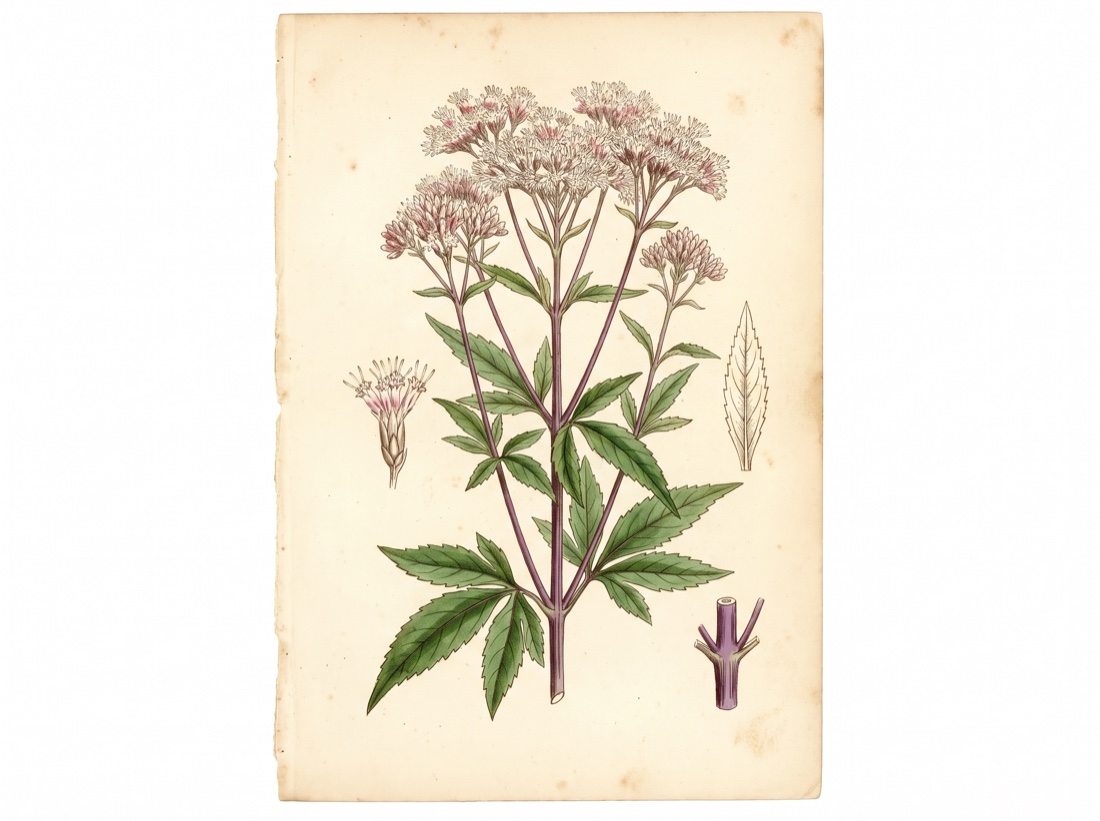 Fortune's eupatoriumEupatorium fortunei
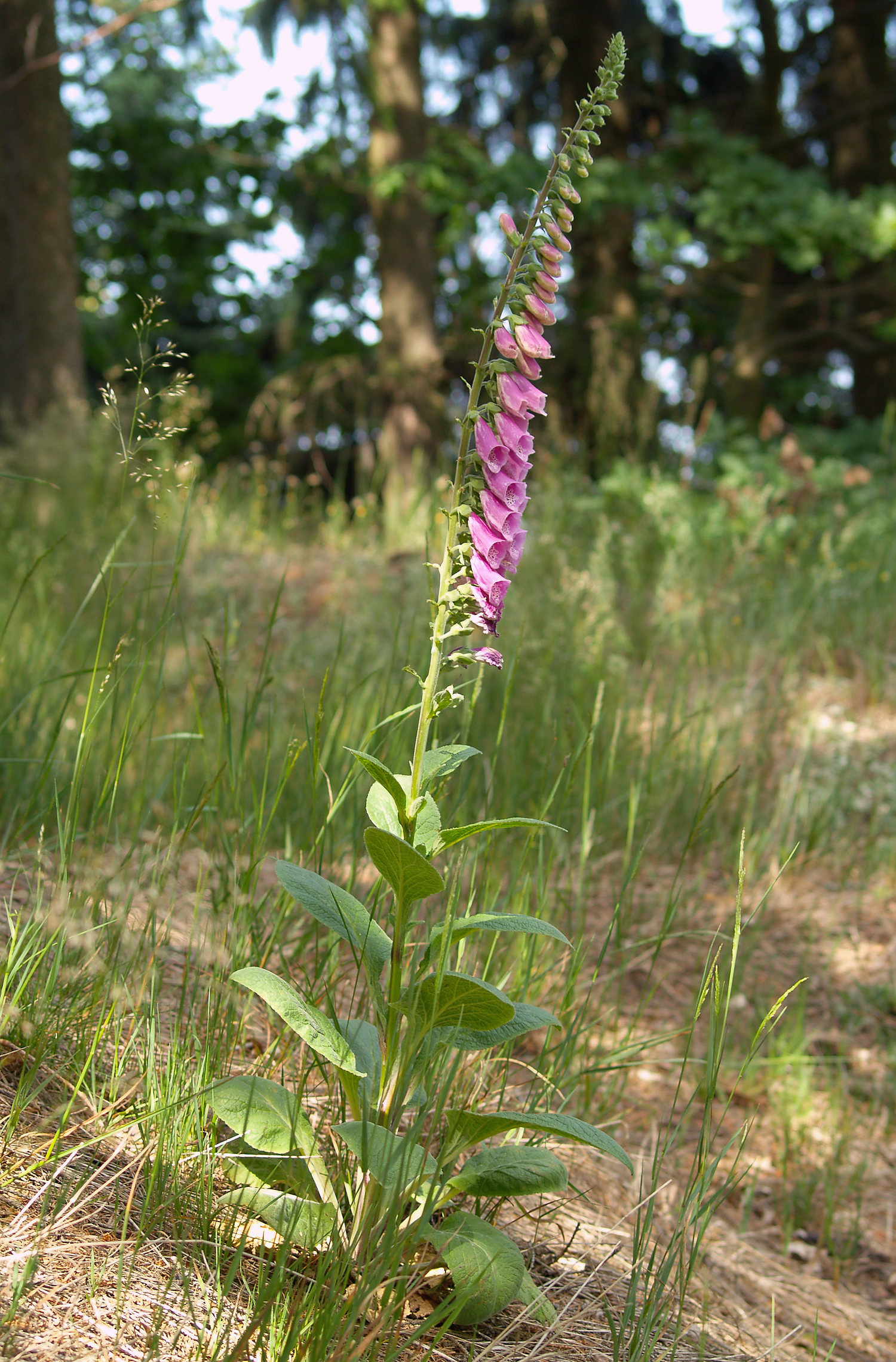 FoxgloveDigitalis purpurea
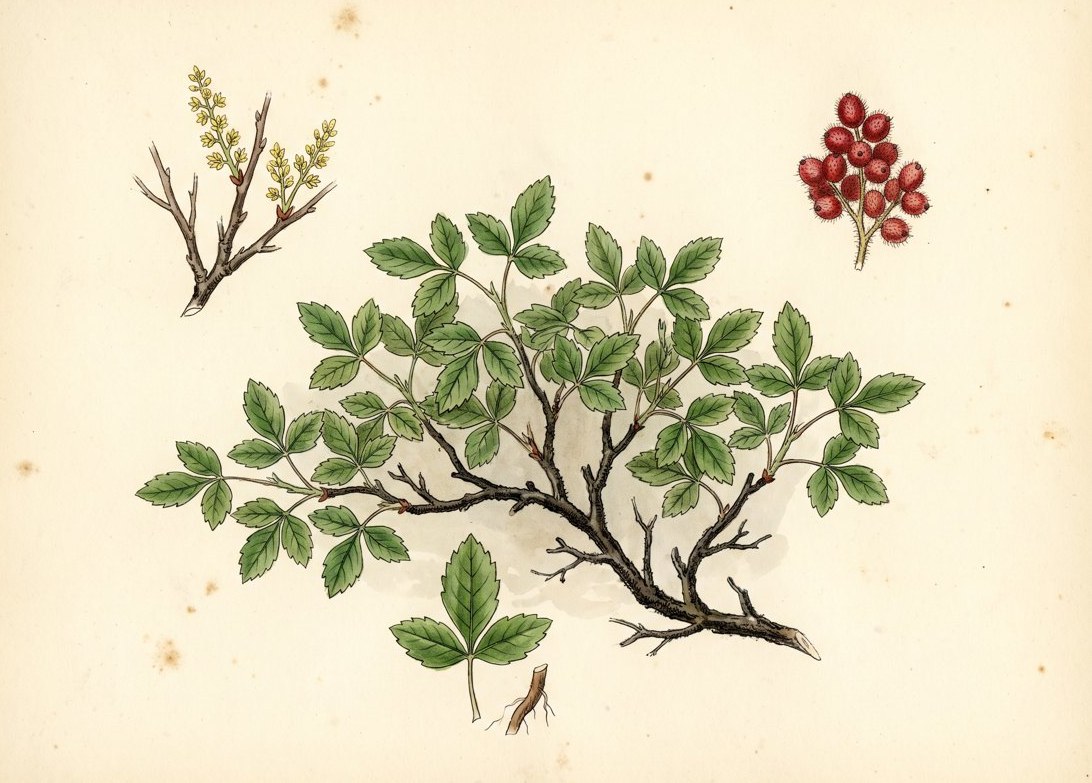 Fragrant sumacRhus Aromatica
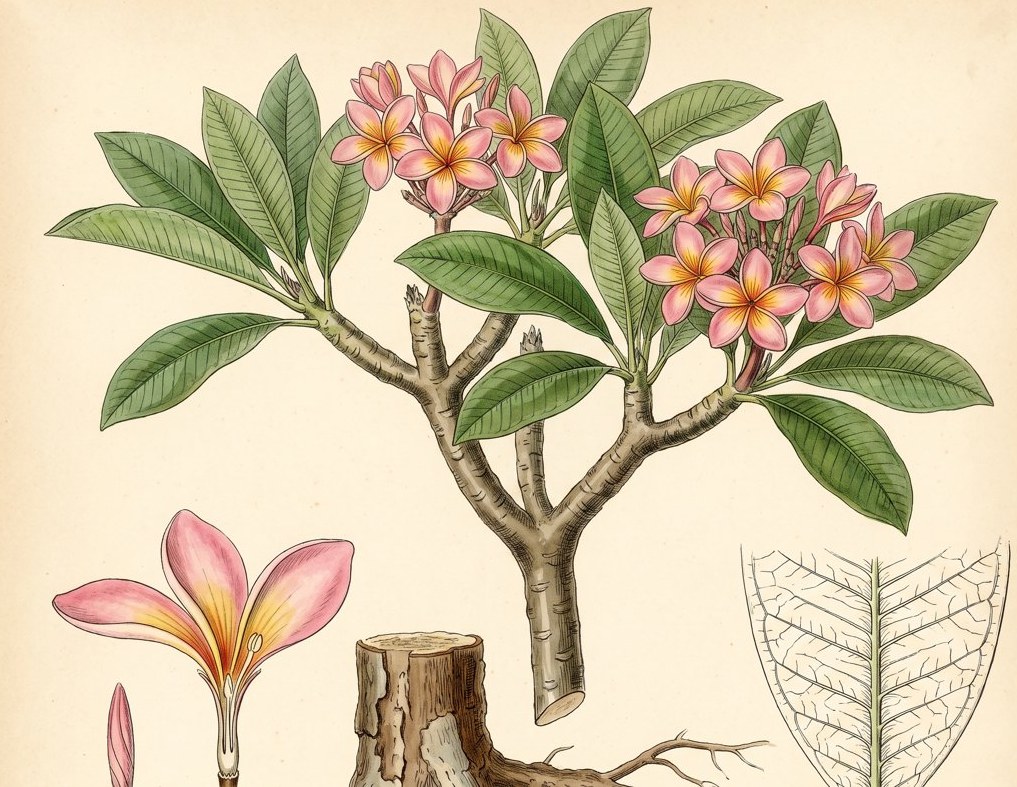 FrangipaniPlumeria rubra
 FrankincenseBoswellia spp.
 Fringe treeChionanthus virginicus
The whole plate is in the library. The compass, Compare, the Sky of eleven hundred plants and the formulary open with an email address and a password, free, with the formula builder and its safety engine. Herbert without limit, his formulating, clients, the handouts and the labels are the paid room.
Open the library, free