Chinese Herbalism
Glehnia
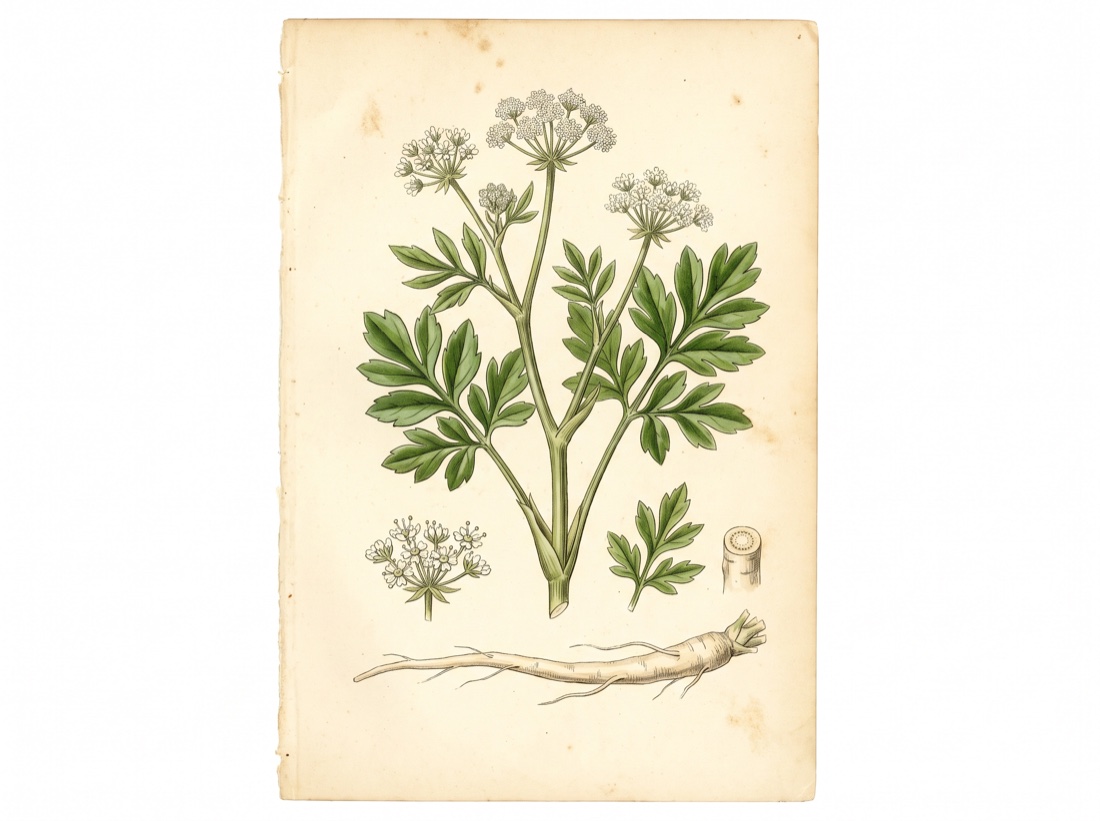
Glehnia littoralis
Also known as beach silvertop, American silvertop, northern sand ginseng, coastal glehnia, bei sha shen, běi shā shēn, shā shēn.
Bei sha shen is the root of a low, fleshy-leaved umbellifer that grows on sandy seashores around the northern Pacific, from the coasts of Shandong, Hebei and Liaoning to Japan, Korea, the Russian Far East and the Pacific Northwest of North America. The pale, slender root is harvested in summer, scalded, peeled and dried. In Chinese medicine it is the northern sha shen, cooler and more Lung-directed than the southern nan sha shen (Adenophora), and it is a mainstay of yin-nourishing prescriptions for the lungs and stomach.

Ask Herbert about Glehnia. Herbert is the master herbalist inside Bountiful Herbs: he answers from this plate and eleven hundred others, with dosing, pairing and cautions. Your first ten questions are free.
Ask HerbertActions
Indications what the tradition reached for it in
- Dry cough from Lung yin deficiency
- Lingering dry cough after a febrile illness
- Cough with scanty sticky phlegm or blood-streaked sputum
- Chronic dry throat and hoarseness
- Stomach yin deficiency with dry mouth and thirst
- Poor appetite with a dry, red, peeled tongue
- Epigastric burning and dull pain with dryness (with other herbs)
- Chronic gastritis with yin deficiency (supportive)
- Constipation from dryness after illness
- Dry mouth and thirst during radiotherapy or after fever (supportive)
Specific indications
A dry, tickling cough weeks after a fever, with a dry throat, a red tongue with little coating and a thin rapid pulse
Loss of appetite with a dry mouth, thirst that is not satisfied and a shiny, coat-free tongue in a convalescent or elderly patient
Rib-side pain and epigastric discomfort with dryness and a wiry thin pulse, where it anchors Yi Guan Jian
Safety
The record lists 6 contraindications; open the plate in the library to read them in full.
In practice
Use bei sha shen when dryness and heat are the story: the cough that has lost its phlegm and simply irritates, the stomach that has lost its fluids and its appetite, the tongue that is red and bare. It combines naturally with mai men dong, yu zhu and sang ye in Sha Shen Mai Dong Tang for post-febrile dryness of the Lung and Stomach, and with sheng di huang, gou qi zi, dang gui and chuan lian zi in Yi Guan Jian, the classic for yin-deficient Liver and Stomach pain.
In Chinese medicine
Temperature: slightly cold. Taste: sweet, slightly bitter. Channels: Lung, Stomach. Actions: Nourishes yin and clears heat from the Lung; Benefits the Stomach and generates fluids; Moistens dryness and relieves dry cough.
Dosing as the sources wrote it
| Preparation | As written | Metric |
|---|---|---|
| Decoction | 5-12 g dried root daily | 5000-12000 mg |
| Powder in capsules or granules | 1-3 g dried root powder twice daily | 1000-3000 mg |
| Food therapy (soup or congee) | 10-15 g dried root per pot | 10000-15000 mg |
Doses are reproduced from the sources for practitioners and are not a recommendation for any person.
From the sources
Overview. Bei sha shen is the root of a low, fleshy-leaved umbellifer that grows on sandy seashores around the northern Pacific, from the coasts of Shandong, Hebei and Liaoning to Japan, Korea, the Russian Far East and the Pacific Northwest of North America. The pale, slender root is harvested in summer, scalded, peeled and dried. In Chinese medicine it is the northern sha shen, cooler and more Lung-directed than the southern nan sha shen (Adenophora), and it is a mainstay of yin-nourishing prescriptions for the lungs and stomach.
Clinical Notes. Use bei sha shen when dryness and heat are the story: the cough that has lost its phlegm and simply irritates, the stomach that has lost its fluids and its appetite, the tongue that is red and bare. It combines naturally with mai men dong, yu zhu and sang ye in Sha Shen Mai Dong Tang for post-febrile dryness of the Lung and Stomach, and with sheng di huang, gou qi zi, dang gui and chuan lian zi in Yi Guan Jian, the classic for yin-deficient Liver and Stomach pain.
Chinese Medicine Profile. Temperature: slightly cold. Taste: sweet, slightly bitter. Channels: Lung, Stomach. Actions: Nourishes yin and clears heat from the Lung; Benefits the Stomach and generates fluids; Moistens dryness and relieves dry cough.
Conservation. Wild coastal populations are depleted and the species is listed as threatened in parts of Japan, Korea and China; commercial supply is cultivated and only cultivated root should be used.
In formulas
Glehnia stands in 20 documented formulas in the library, among them jià jiǎn shêng mài sǎn, qi gé sán, shùn jing tāng, sàng xìng tāng, shã shèn mài mén dòng tàng, sì yin jian.
Often paired with
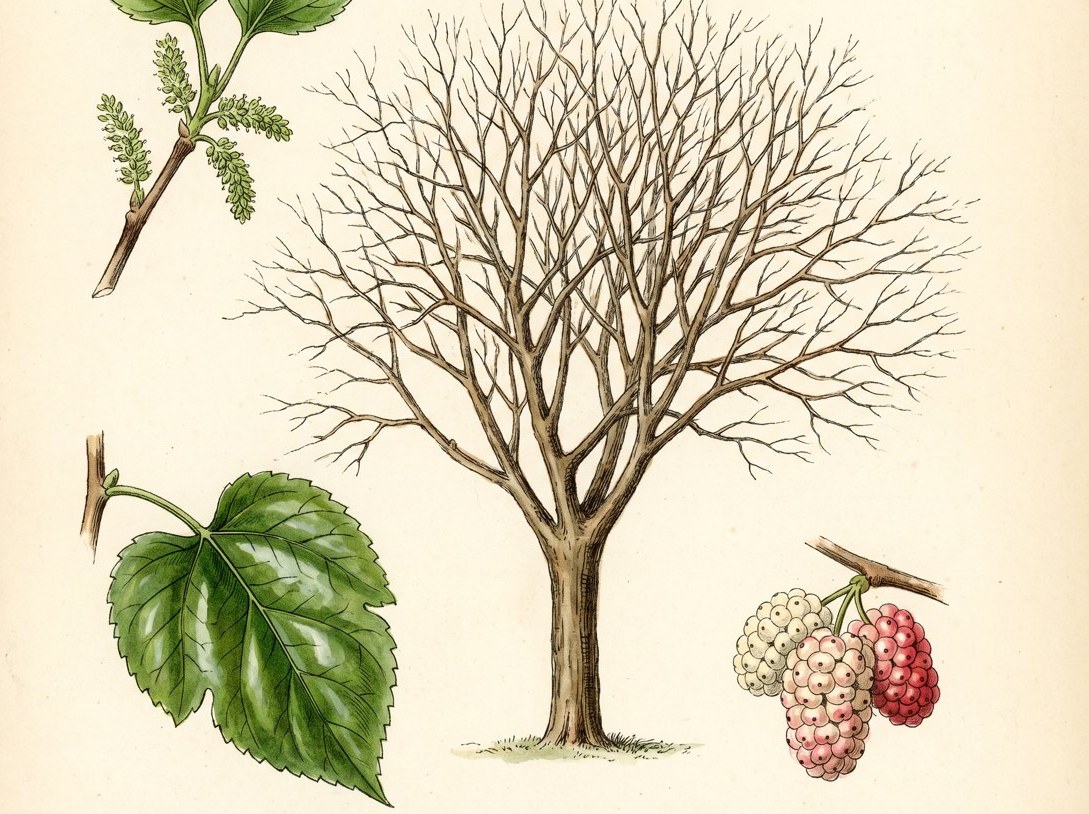 Mulberry LeafMorus alba
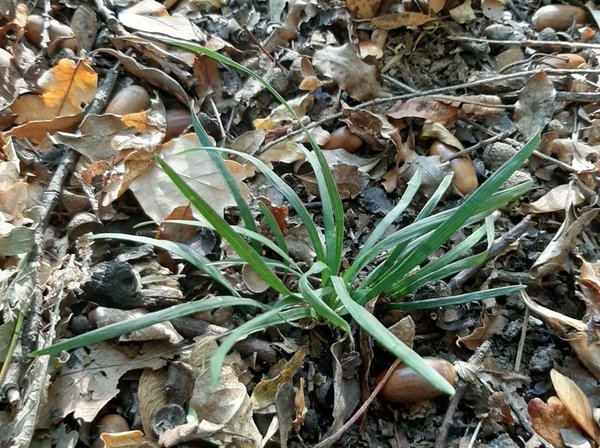 Mai Men DongOphiopogon japonicus
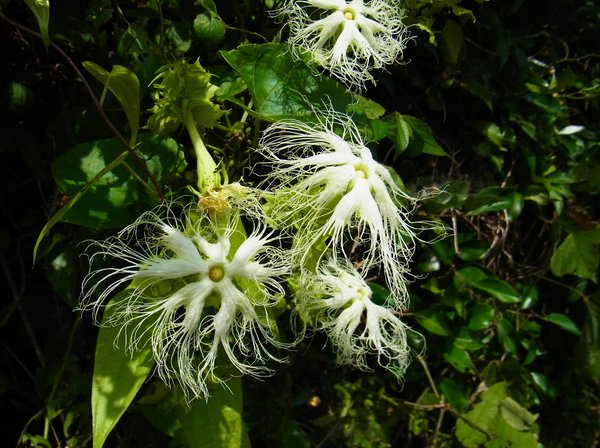 Gua LouTrichosanthes kirilowii
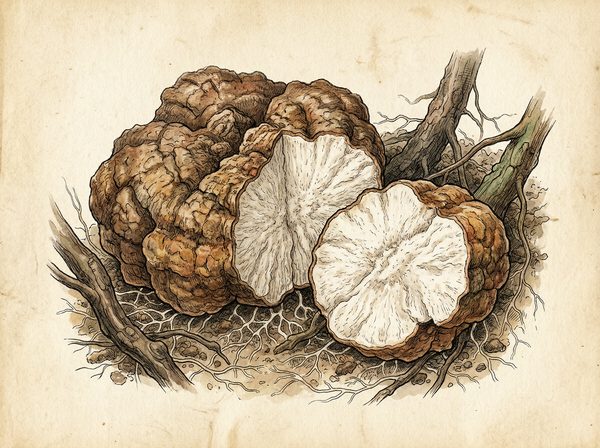 PoriaWolfiporia extensa
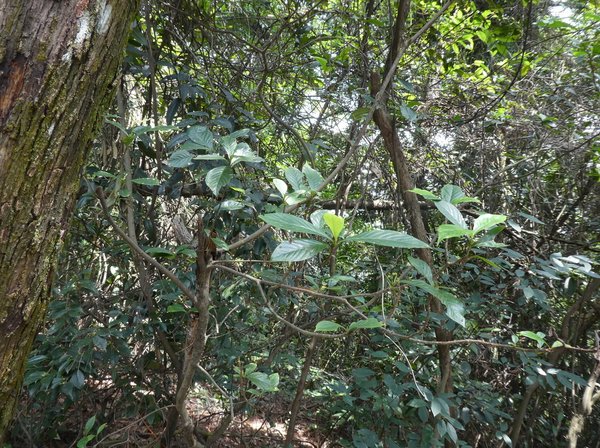 Zhi ZiGardenia jasminoides
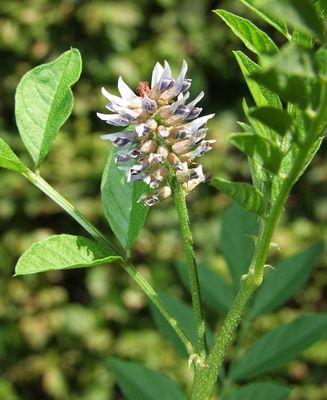 Licorice rootGlycyrrhiza glabra
Nearby on the shelf
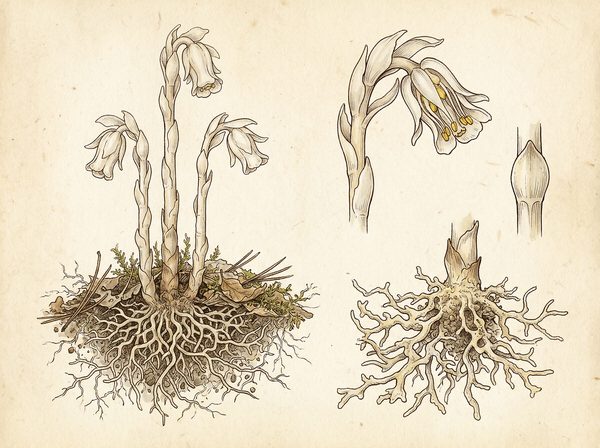 Ghost PipeMonotropa uniflora
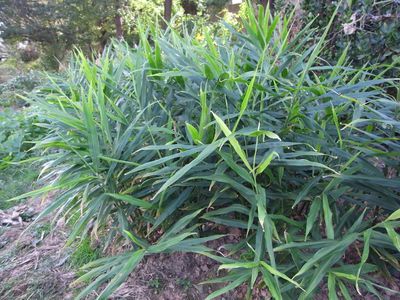 GingerZingiber officinale
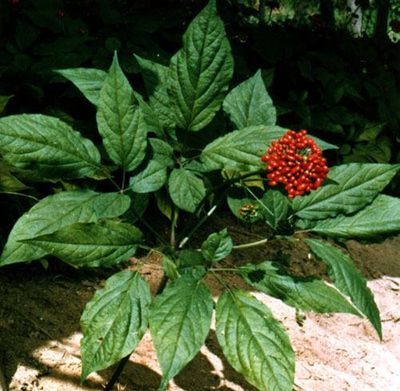 GinsengPanax ginseng
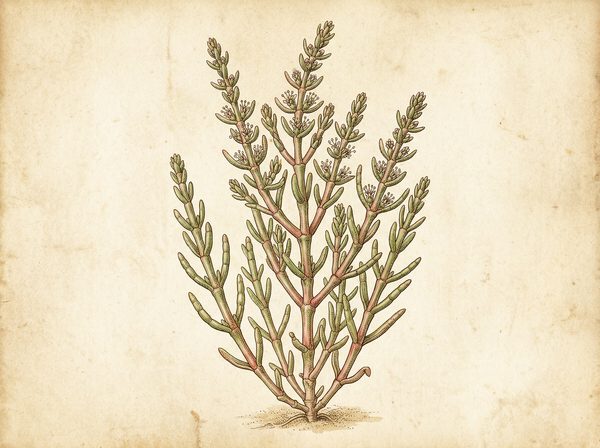 GlasswortSalicornia europaea
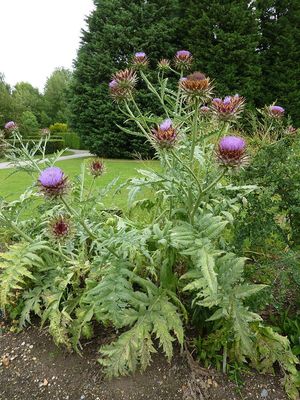 Globe artichokeCynara scolymus
 Glory lilyGloriosa superba
 Glycine maxGlycine max
 GmelinaGmelina arborea
The whole plate is in the library. The compass, Compare, the Sky of eleven hundred plants and the formulary open with an email address and a password, free, with the formula builder and its safety engine. Herbert without limit, his formulating, clients, the handouts and the labels are the paid room.
Open the library, free