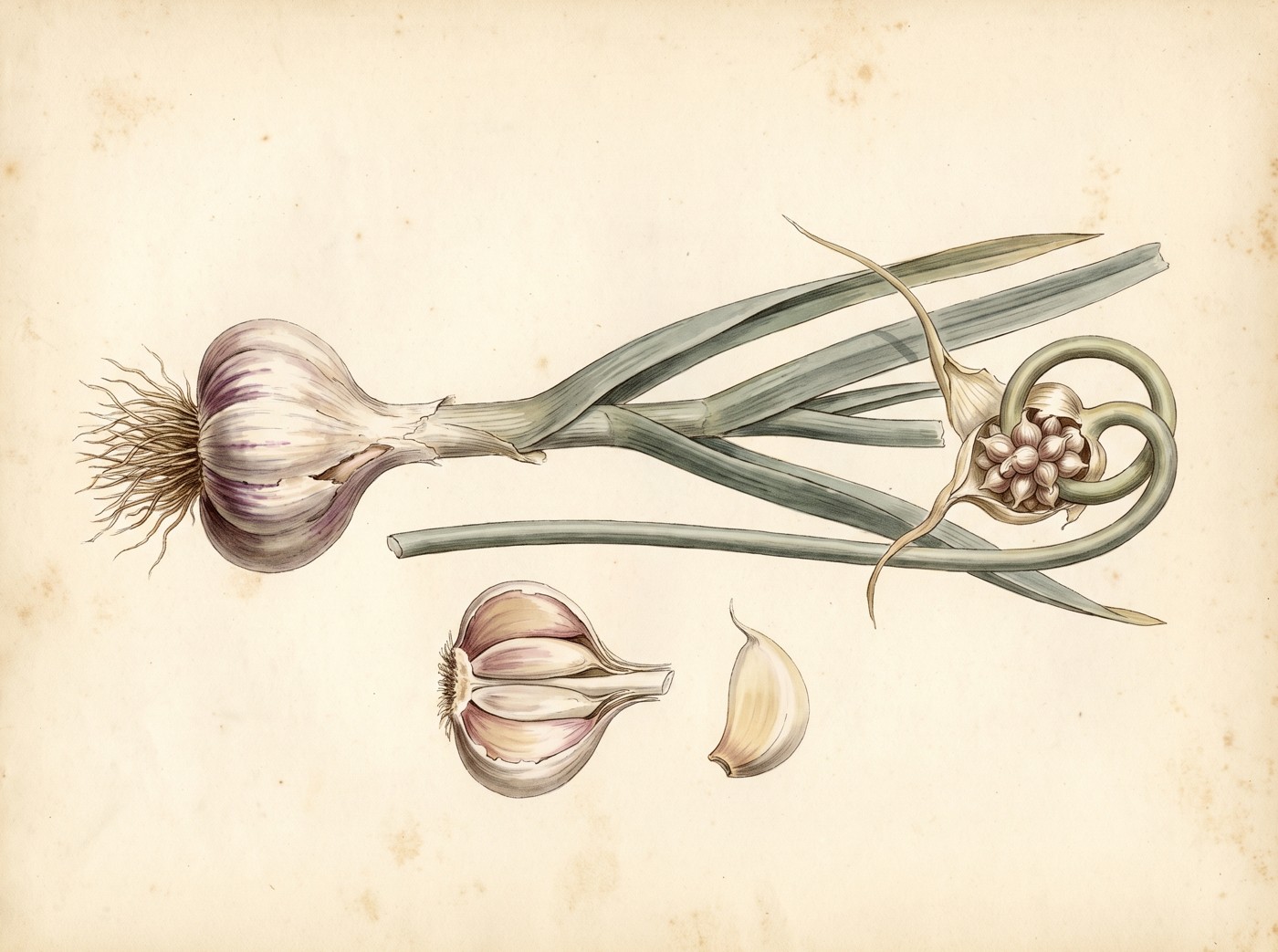
Western, Chinese and Ayurvedic herbalism
Garlic
Allium sativum
Also known as cultivated garlic, poor man's treacle, Ajo, Allium, Onion, Lashuna, Rasona, Ugragandha.
Allium sativum is the garlic of every kitchen, a bulbous perennial of the onion family domesticated in Central Asia and grown across India, with major production in Madhya Pradesh, Gujarat, Rajasthan and Uttar Pradesh. Ayurveda calls it Lashuna or Rasona, the herb of five tastes, and treats it as a powerful heating rasayana for vata: a remedy for joint and nerve disease, heart disease, worms, cold coughs, weak digestion and debility, with a dedicated rasayana course in the Uttara tantra of the Ashtanga Hridaya. Modern trials confirm its cardiovascular character.

Ask Herbert about Garlic. Herbert is the master herbalist inside Bountiful Herbs: he answers from this plate and eleven hundred others, with dosing, pairing and cautions. Your first ten questions are free.
Ask HerbertActions
Indications what the tradition reached for it in
- Mild to moderate hypertension
- Hypercholesterolemia and atherosclerosis prevention
- Recurrent respiratory infections and the common cold
- Chronic bronchitis with cold phlegm
- Intestinal parasites and dysbiosis
- Fungal infections of skin, nails and gut (adjunct)
- Sluggish digestion with gas and bloating in vata
- Osteoarthritis and cold, stiff joints (internal and oil massage)
- Sciatica and neuralgia of vata type
- Metabolic syndrome and insulin resistance (adjunct)
- Convalescence from chronic infection
- Earache from cold (oil drops, traditional)
- Chronic bronchitis
- Respiratory catarrh
- Recurrent colds
- Whooping cough
- Bronchitic asthma
- Influenza
- Ear infection
- Upper respiratory infection
- Helicobacter pylori
- Otitis media
- Candida
- Gastroenteritis
- Sinusitis
- Tonsillitis
- Maldigestion
- Hyperlipidemia
- Congestion (respiratory)
- Allergies
Specific indications
A cold, stiff, gassy vata patient with aching joints, sciatica and a sluggish gut, who is warmed and moved by garlic cooked in milk or ghee
The middle-aged patient with rising blood pressure, high cholesterol and a sedentary, kapha-heavy build, where daily garlic is part of the cardiovascular plan
Recurrent chest colds with thick cold phlegm and a weak digestive fire, especially in winter
Safety
The record lists 9 contraindications; open the plate in the library to read them in full.
In practice
Rasona is the great vata medicine of the Ayurvedic kitchen. For vatavyadhi, sandhivata and sciatica the classical preparation is Lashuna ksheerapaka: a few crushed cloves simmered in milk and water until the water is gone, taken warm at night, which softens the heat and sharpness so the unctuous nourishing side of the bulb comes forward.
In Ayurveda
Rasa: katu (pungent) predominant, with madhura (sweet), lavana (salty), tikta (bitter) and kashaya (astringent); it lacks only amla (sour), hence the name Rasona. Virya: ushna (heating). Vipaka: katu (pungent). Guna: snigdha (unctuous), guru (heavy), tikshna (sharp), picchila (slimy), sara (mobile). Dosha: pacifies vata strongly and kapha; aggravates pitta and rakta. Karma: rasayana (rejuvenative); vrishya (aphrodisiac); balya (strengthening); medhya (supports intellect); hridya (cardiac tonic); bhagnasandhanakara (unites fractures); deepana (kindles digestion); pachana (digestive); krimighna (anthelmintic); kaphahara (reduces kapha); vatahara (pacifies vata); chakshushya (benefits the eyes); svarya (benefits the voice); kanthya (benefits the throat). Classical indications: vatavyadhi (neuromuscular and joint disorders of vata); hridroga (heart disease); jvara (fever, chronic and intermittent); krimi (worm infestation); shvasa (dyspnea); kasa (cough); gulma (abdominal mass); arsha (hemorrhoids); kushtha (skin disease); agnimandya (weak digestion); sandhivata (osteoarthritis); bhagna (fracture); udara (abdominal disease); shotha (edema). The peeled clove is the drug, eaten raw or fried in ghee, cooked in milk as Lashuna ksheerapaka, pounded with salt and oil into a kalka, boiled with sesame oil for Lashuna taila used in ear drops and massage, and compounded into vati and rasayana preparations; the classical Rasona kalpa takes it in graded doses through a winter course. Classical formulations: Lashuna ksheerapaka, Lashunadi vati, Rasona rasayana, Rasonadi kwatha, Lashuna taila, Lashunadya ghrita, Rasona pinda. Described in: Charaka Samhita, Sushruta Samhita, Ashtanga Hridaya, Bhavaprakasha Nighantu, Dhanvantari Nighantu, Raja Nighantu, Sharngadhara Samhita, Kaiyadeva Nighantu, Ayurvedic Pharmacopoeia of India.
Dosing as the sources wrote it
| Preparation | As written | Metric |
|---|---|---|
| Fresh clove | 2-4 g fresh peeled clove daily, crushed, with food or honey | 2000-4000 mg |
| Ksheerapaka | 50-100 mL garlic milk decoction once daily at night | 50-100 mL |
| Churna | 1-3 g dried garlic powder twice daily with warm water | 1000-3000 mg |
| Standardized extract | 600-1200 mg aged garlic extract daily in divided doses | 600-1200 mg |
| Taila, topical | 5-10 mL garlic-infused sesame oil for joint massage daily | 5-10 mL |
| Dried bulb 2-4 g three times daily | 2000-4000 mg |
Doses are reproduced from the sources for practitioners and are not a recommendation for any person.
From the sources
Overview. Allium sativum is the garlic of every kitchen, a bulbous perennial of the onion family domesticated in Central Asia and grown across India, with major production in Madhya Pradesh, Gujarat, Rajasthan and Uttar Pradesh. Ayurveda calls it Lashuna or Rasona, the herb of five tastes, and treats it as a powerful heating rasayana for vata: a remedy for joint and nerve disease, heart disease, worms, cold coughs, weak digestion and debility, with a dedicated rasayana course in the Uttara tantra of the Ashtanga Hridaya. Modern trials confirm its cardiovascular character.
Clinical Notes. Bulb is technically underground leaf bud Hot, best treats cold conditions Good for preventing and treating infections TCM=acrid & warm, enters spleen, tomach, and lung meridians, used to reduce swelling & relieve toxicity in conditions such as sores, carbuncles, TB, whooping cough, dysentery, diarrhea & influenza, used topically mixed w/ salt and sesame oil to treat rashes, itiching & swelling of skin, used for prevention of viral infections, used to treat and prevent parasitic infections such as hookworm and pinworm, used to treat food poisoning, contraindicated w/ yin-deficient heat or in cases of excess heat 1 clove of garlic is about 4 g and contains about 1% alliin Vaginal candidiasis=insert clove of...
Clinical Notes. Rasona is the great vata medicine of the Ayurvedic kitchen. For vatavyadhi, sandhivata and sciatica the classical preparation is Lashuna ksheerapaka: a few crushed cloves simmered in milk and water until the water is gone, taken warm at night, which softens the heat and sharpness so the unctuous nourishing side of the bulb comes forward.
Action and Therapy. External. Stimulant and rubefacient. Garlic poultice, like that of the onion, may be applied with benefit in acute respiratory and abdominal inflammations. It sometimes excites a flow of urine in atony of the bladder, and in gastro-intestinal catarrh it is as efficient as the spice poultice.
Drawn from Cook's Physio-Medical Dispensatory; King's American Dispensatory, 18th edition (Felter and Lloyd); Ellingwood's American Materia Medica, Therapeutics and Pharmacognosy; Felter's Eclectic Materia Medica, Pharmacology and Therapeutics, and the Bountiful Herbs editorial.
In formulas
Garlic stands in 24 documented formulas in the library, among them Laśunādi Ghṛta, Kuṣṭharākṣasa Taila, Koṭṭamcukkādi Taila, Vacālaśunādi Taila, Viṣatinduka Taila, Vraṇarākṣasa Taila.
Often paired with
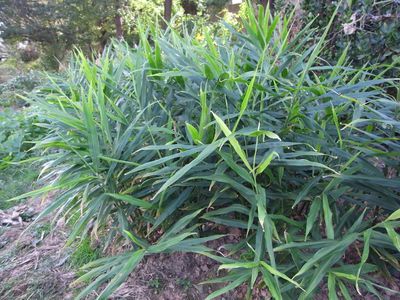 GingerZingiber officinale
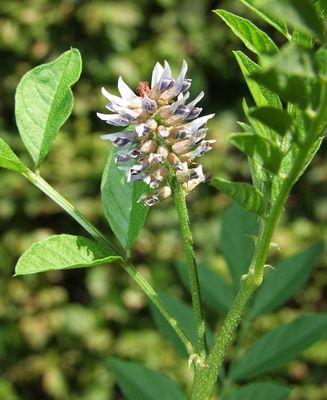 Licorice rootGlycyrrhiza glabra
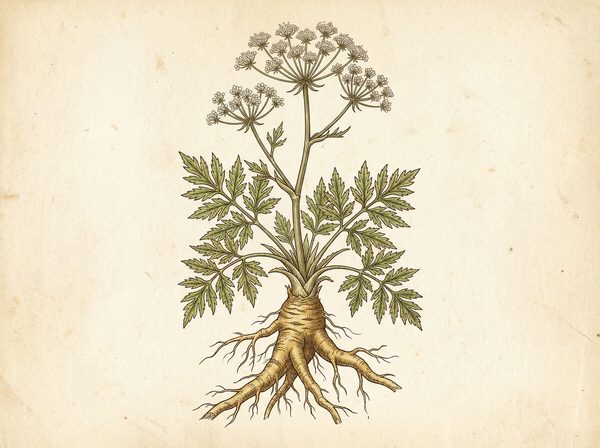 Fang FengSaposhnikovia divaricata
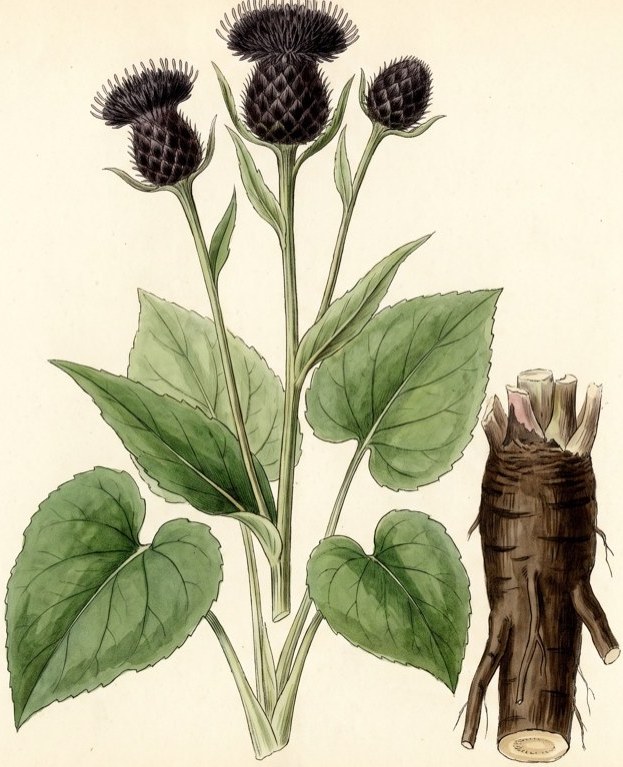 costusSaussurea costus
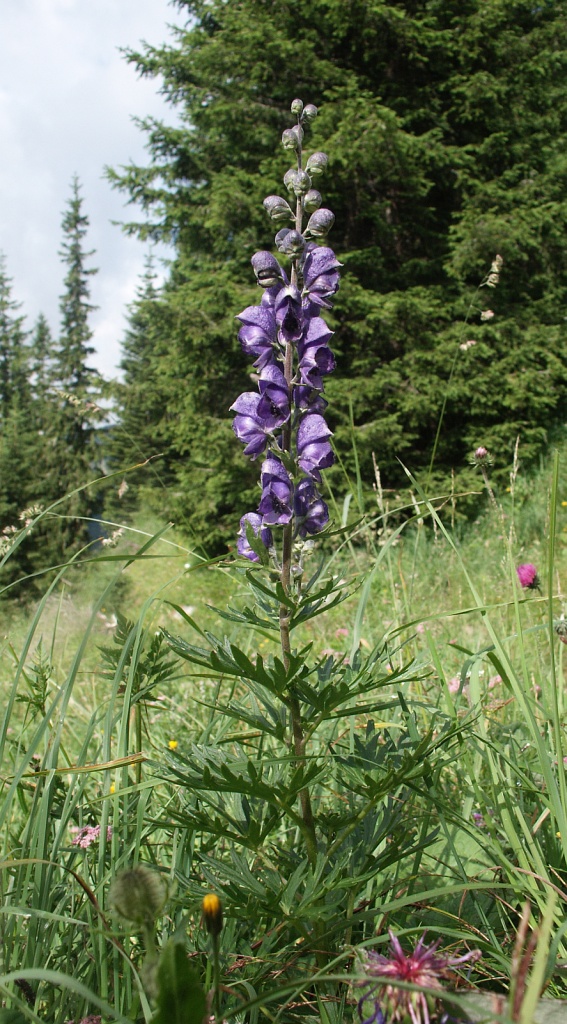 Indian aconiteAconitum ferox
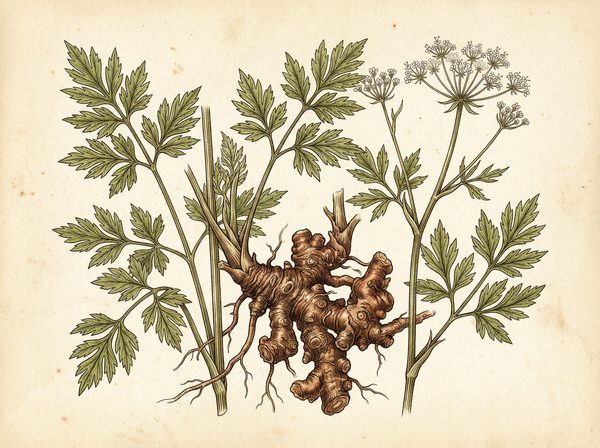 Sichuan Lovage RhizomeLigusticum chuanxiong
Nearby on the shelf
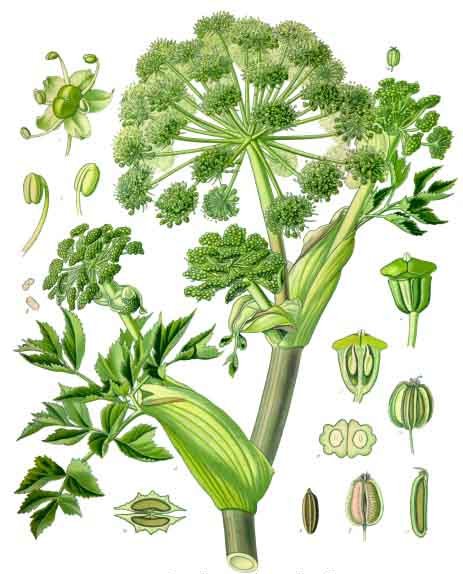 Garden AngelicaAngelica archangelica
 Garden BurnetSanguisorba officinalis
 Garden cressLepidium sativum
 Garden silkweedAsclepias currasavica
 Garlic MustardAlliaria petiolata
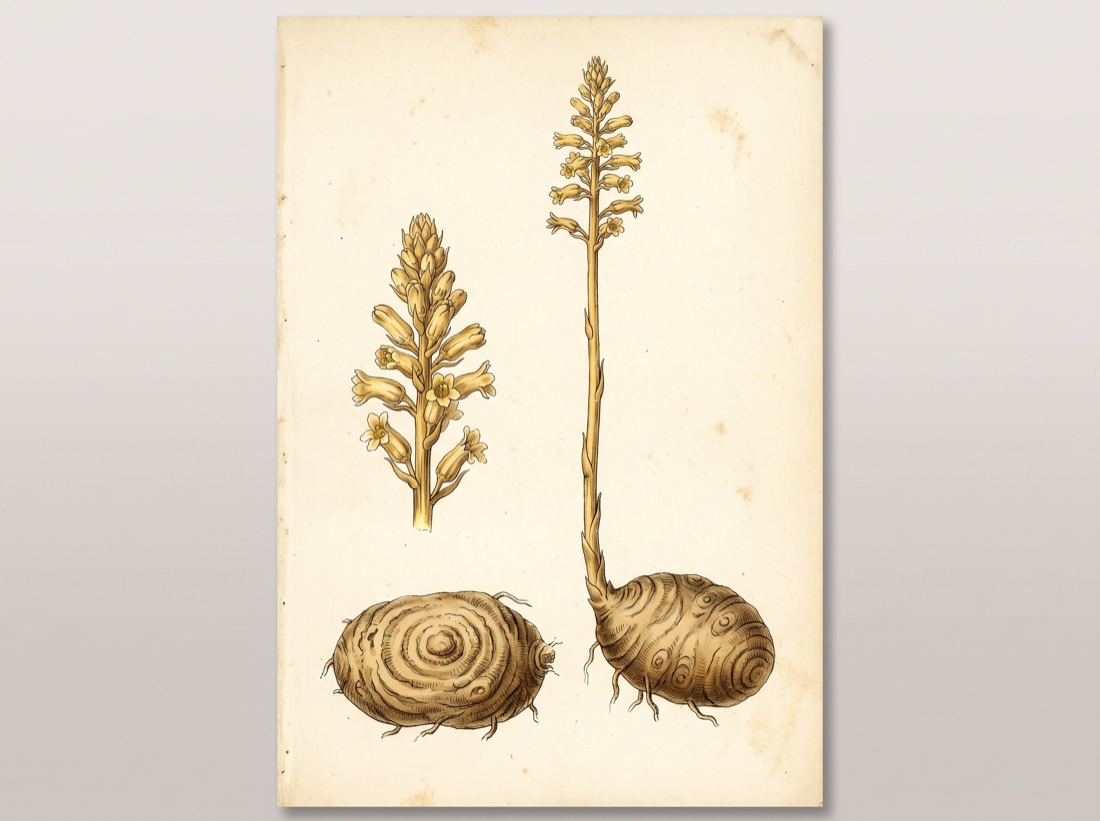 GastrodiaGastrodia elata
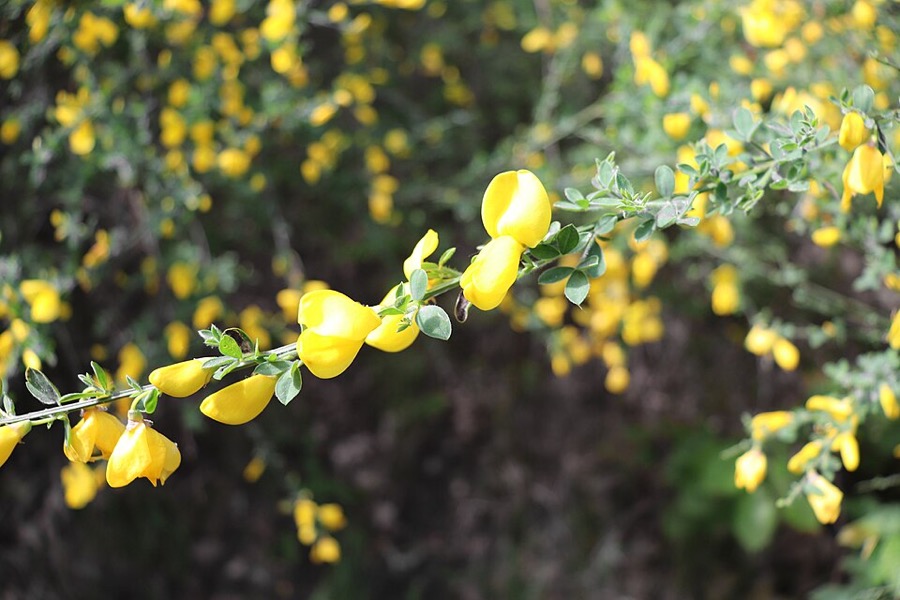 GenistaGenista
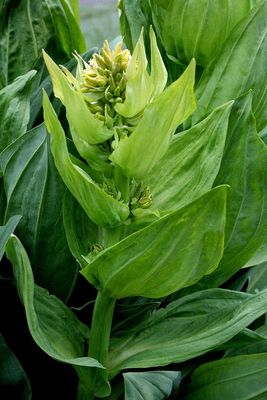 GentianGentiana lutea
The whole plate is in the library. The compass, Compare, the Sky of eleven hundred plants and the formulary open with an email address and a password, free, with the formula builder and its safety engine. Herbert without limit, his formulating, clients, the handouts and the labels are the paid room.
Open the library, free