Western and Ayurvedic herbalism
Asafoetida
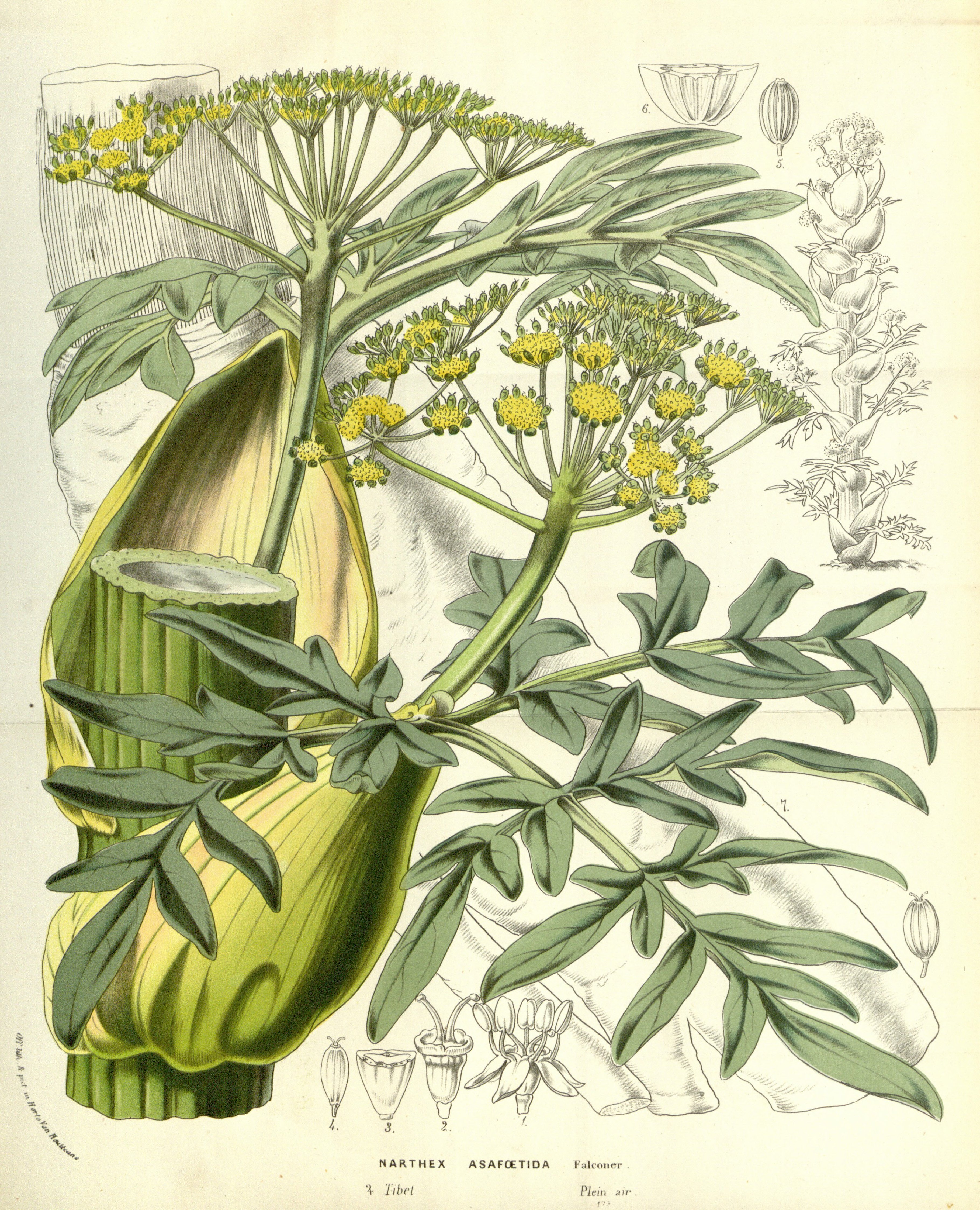
Ferula asafoetida
Also known as asafetida, devil's dung, stinking gum, food of the gods, Asant, Gum Asafetida, Hing, Hingu, Ramatha, Sahasravedhi.
Ferula asafoetida is a tall perennial umbellifer of the cold deserts and steppes of Iran and Afghanistan, from whose massive root the foul smelling oleo gum resin is tapped; it has been imported into India for millennia and is now a fixture of every Indian kitchen. Ayurveda calls the resin Hingu and ranks it among the great carminatives and antispasmodics, a hot, penetrating drug for trapped vata in the gut, the chest and the mind. It is used in pinches, not spoonfuls, and always after purification in ghee.

Ask Herbert about Asafoetida. Herbert is the master herbalist inside Bountiful Herbs: he answers from this plate and eleven hundred others, with dosing, pairing and cautions. Your first ten questions are free.
Ask HerbertActions
Indications what the tradition reached for it in
- Bloating and flatulence after meals
- Intestinal colic and cramping
- Irritable bowel syndrome, especially with constipation and gas
- Infant colic (topical, diluted)
- Sluggish digestion with heaviness
- Spasmodic cough and bronchitis with sticky phlegm
- Whooping cough (traditional)
- Dysmenorrhea with scanty flow and cramping
- Hysteria, nervous palpitations and spasms (traditional)
- Intestinal worms (adjunct)
- Loss of appetite with a cold, damp constitution
- Post-anesthetic and postpartum gas retention
- Chronic bronchitis
- Pertussis
- Laryngismus stridulus
- Hysteria
- Specifically for intestinal flatulent colic
- Impotence
- Colic
- Flatulence
- Worm infestation
- Low libido
- Whooping cough
- Nervous disorders
- Bronchitis
- Stomachache
- Epilepsy
- Asthma
- Abdominal cramps
- Leukorrhea
Specific indications
The vata patient whose abdomen swells like a drum after eating, with gurgling, cramping and relief on passing gas, who feels cold and anxious
Constipation predominant irritable bowel with painful spasm and no heat signs, where a warming antispasmodic and carminative is wanted
A colicky infant drawing up its legs, treated with a little resin dissolved in warm water rubbed around the navel
Spasmodic, dry, barking cough in a cold patient with nervous tension and poor digestion
Safety
Recognised toxicity. This plant carries a toxicity flag in the record; it is for trained practitioners only.
Low dose botanical. Used in drop doses in the classical practice; not a plant to dose freely.
Pregnancy: Not for use in pregnancy
Breastfeeding: Not for use while breastfeeding
The record lists 10 contraindications; open the plate in the library to read them in full.
In practice
Hingu is the drug for vata caught in the hollow organs: gas, bloating, colic, spasm, retained flatus and the anxiety and palpitations that go with them. The purified resin is given in doses of 125 to 500 mg, almost always in a compound: Hingvashtaka churna, with its seven other warming digestives, is the everyday remedy for flatulent dyspepsia and is taken with the first mouthful of rice and ghee; Hinguvachadi churna is preferred where colic and indigestion coexist; Hingu triguna taila is used as a vata pacifying enema and abdominal massage oil.
In Ayurveda
Rasa: katu (pungent). Virya: ushna (heating). Vipaka: katu (pungent). Guna: laghu (light), snigdha (unctuous), tikshna (sharp), sara (mobile). Dosha: pacifies vata and kapha; aggravates pitta. Prabhava: sahasravedhi, the thousand piercer: its odor and action are said to penetrate everywhere, dispersing trapped gas and reviving consciousness. Karma: deepana (kindles digestion); pachana (digests ama); anulomana (regulates downward movement); shulaprashamana (relieves colic); vatanulomana (releases trapped vata); krimighna (anthelmintic); hridya (cardiotonic); chakshushya (benefits the eyes); artavajanana (promotes menstruation); sanjnasthapana (restores consciousness); kaphavatahara (pacifies kapha and vata). Classical indications: adhmana (abdominal distension); anaha (bloating with obstruction); shula (colic); udavarta (upward moving vata, retained flatus); gulma (abdominal lump, spasm); agnimandya (weak digestion); krimi (worms); kasa and shvasa (cough and asthma); hridroga (heart disease of vata type); apasmara (epilepsy); unmada (mental disturbance); kashtartava (painful, scanty menstruation). The dried oleo gum resin tapped from the living root is the drug. It is purified before use by frying in ghee (bhrishta hingu) which removes the harshest volatile sulfides, then given in tiny amounts as churna with ghee, jaggery or buttermilk, as a member of digestive powders, in vati, and as the medicated Hingu triguna taila for enema and massage. A paste of the resin in warm water is applied around the navel for infant colic. Classical formulations: Hingvashtaka churna, Hinguvachadi churna, Hingu triguna taila, Hingvadi vati, Ashta churna, Shankha vati, Agnitundi vati, Lashunadi vati. Described in: Charaka Samhita, Sushruta Samhita, Ashtanga Hridaya, Bhavaprakasha Nighantu, Dhanvantari Nighantu, Raja Nighantu, Kaiyadeva Nighantu, Madanapala Nighantu, Sharngadhara Samhita, Ayurvedic Pharmacopoeia of India.
Dosing as the sources wrote it
| Preparation | As written | Metric |
|---|---|---|
| Churna (purified resin) | 125-500 mg fried resin powder twice daily with ghee or warm water | 125-500 mg |
| Compound churna (Hingvashtaka) | 2-4 g twice daily with the first mouthful of food | 2000-4000 mg |
| Vati | 250-500 mg tablets twice daily after food | 250-500 mg |
| Taila, topical | 5-10 mL Hingu triguna taila massaged over the abdomen | 5-10 mL |
| Kalka, topical (infant colic) | 0.1-0.25 g resin dissolved in warm water applied around the navel | 100-250 mg |
| Powdered resin 0.3-1 g three times daily (G6, G7) Tincture of asafoetida (BPC 1949) 2 -4m L | 300-1000 mg |
Doses are reproduced from the sources for practitioners and are not a recommendation for any person.
From the sources
Overview. Ferula asafoetida is a tall perennial umbellifer of the cold deserts and steppes of Iran and Afghanistan, from whose massive root the foul smelling oleo gum resin is tapped; it has been imported into India for millennia and is now a fixture of every Indian kitchen. Ayurveda calls the resin Hingu and ranks it among the great carminatives and antispasmodics, a hot, penetrating drug for trapped vata in the gut, the chest and the mind. It is used in pinches, not spoonfuls, and always after purification in ghee.
Clinical Notes. Oleo-gum-resin exuded from rhizome/root of 4-5 year old plants Strong sulfurous odor Used as spice and medicine in Ayurveda, Unani, TCM Variable bioactivity by harvest time 5506628
Clinical Notes. Hingu is the drug for vata caught in the hollow organs: gas, bloating, colic, spasm, retained flatus and the anxiety and palpitations that go with them. The purified resin is given in doses of 125 to 500 mg, almost always in a compound: Hingvashtaka churna, with its seven other warming digestives, is the everyday remedy for flatulent dyspepsia and is taken with the first mouthful of rice and ghee; Hinguvachadi churna is preferred where colic and indigestion coexist; Hingu triguna taila is used as a vata pacifying enema and abdominal massage oil.
Therapy. This agent is a mildly stimulating nerve sedative. Its soothing influence upon the brain is of no mean order. This is especially observed in hysterical conditions, in hystero-epilepsy and in hypochondriasis.
Drawn from Cook's Physio-Medical Dispensatory; King's American Dispensatory, 18th edition (Felter and Lloyd); Ellingwood's American Materia Medica, Therapeutics and Pharmacognosy, and the Bountiful Herbs editorial.
In formulas
Asafoetida stands in 25 documented formulas in the library, among them Ayaskṛti, Maha Yogarāja Guggulu, Daśamūla Ghṛta, Dādhika Ghṛta, Phala Ghṛta, Bṛhat Phala Ghṛta.
Often paired with
 long pepperPiper longum
 black pepperPiper nigrum
 ajwainTrachyspermum ammi
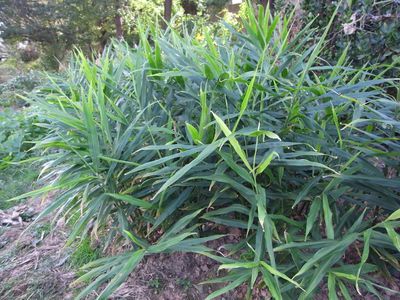 GingerZingiber officinale
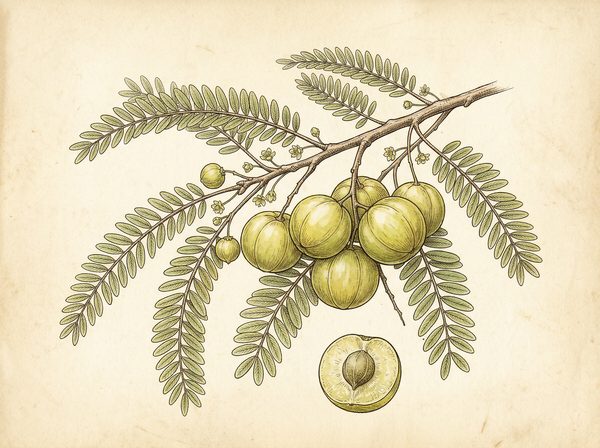 Indian gooseberryPhyllanthus emblica
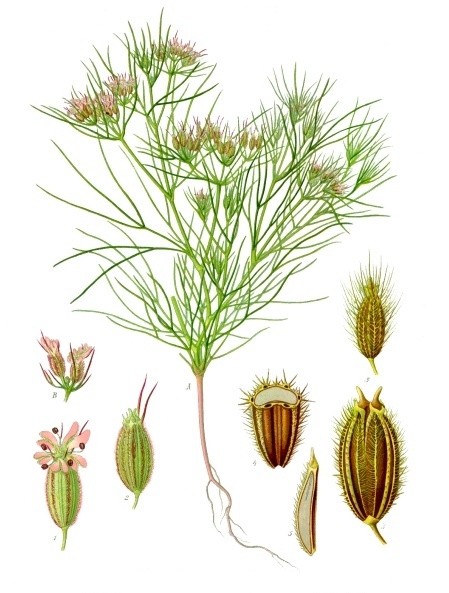 CuminCuminum cyminum
Nearby on the shelf
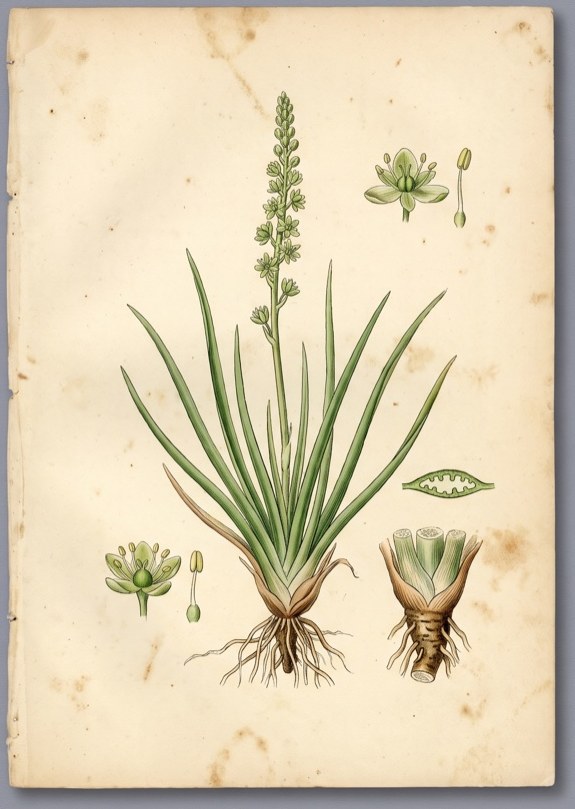 Arrow-GrassTriglochin
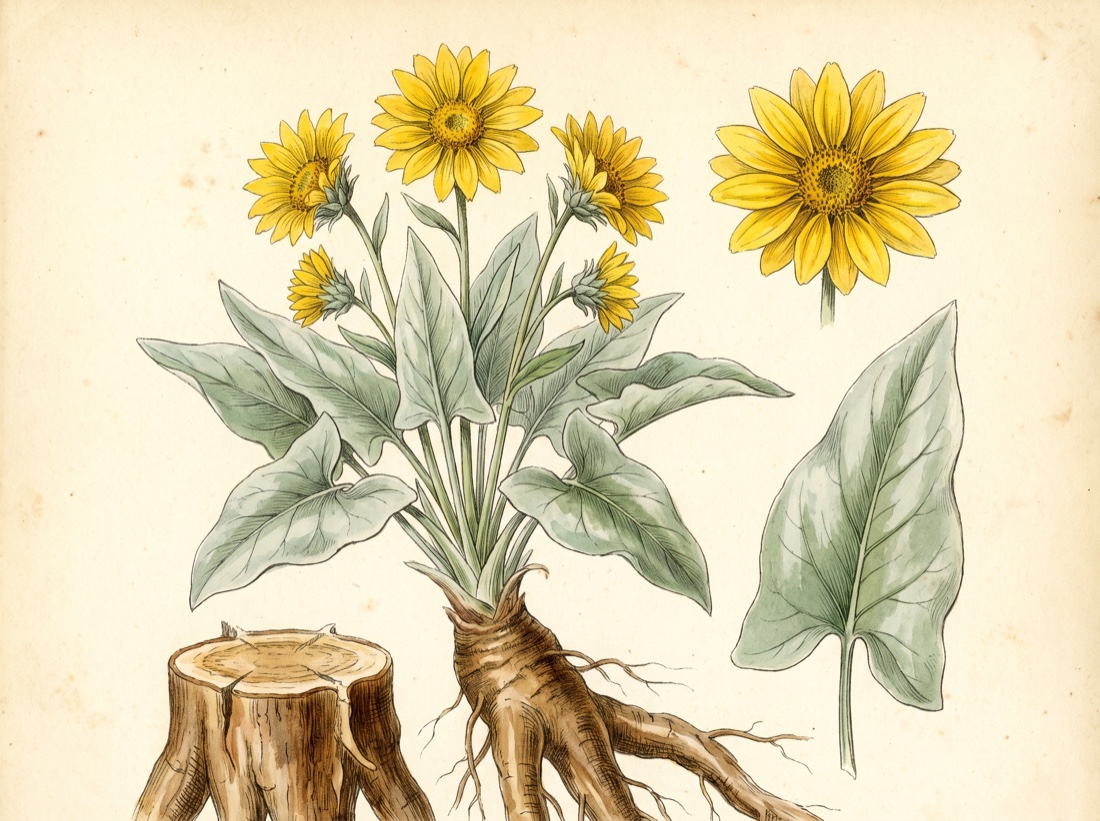 Arrowleaf balsamrootBalsamorhiza sagittata
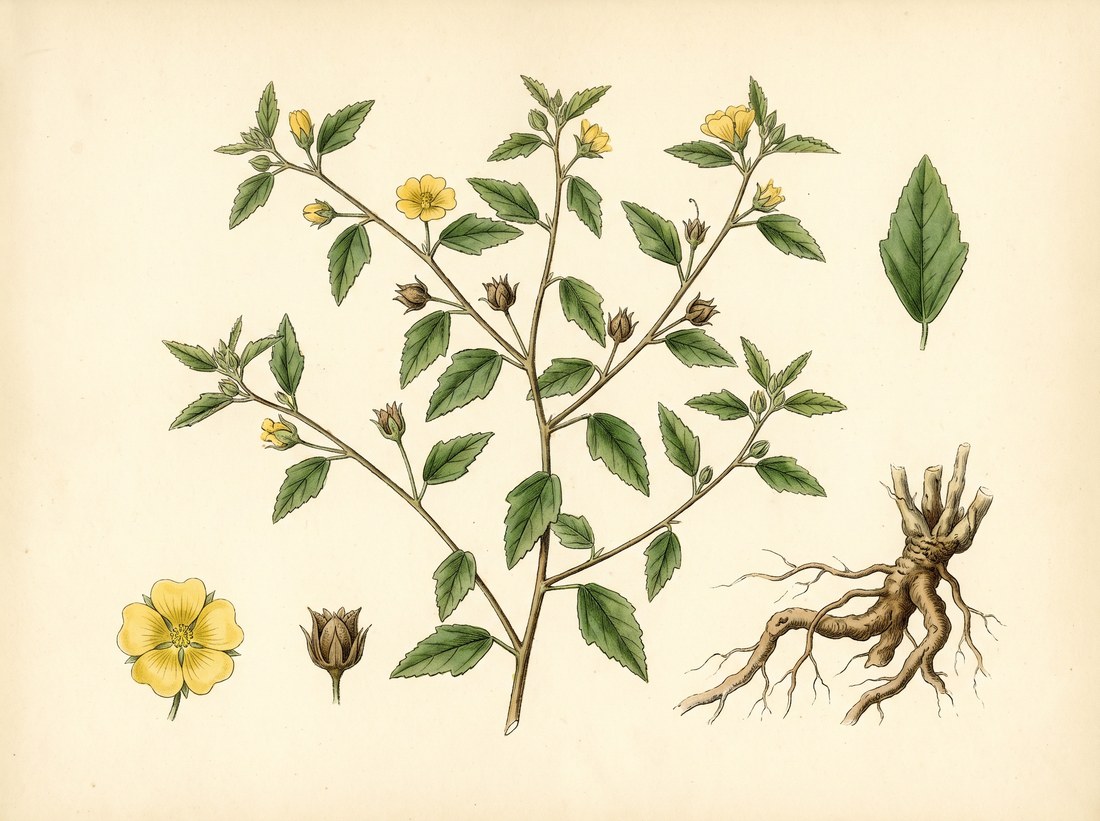 Arrowleaf sidaSida rhombifolia
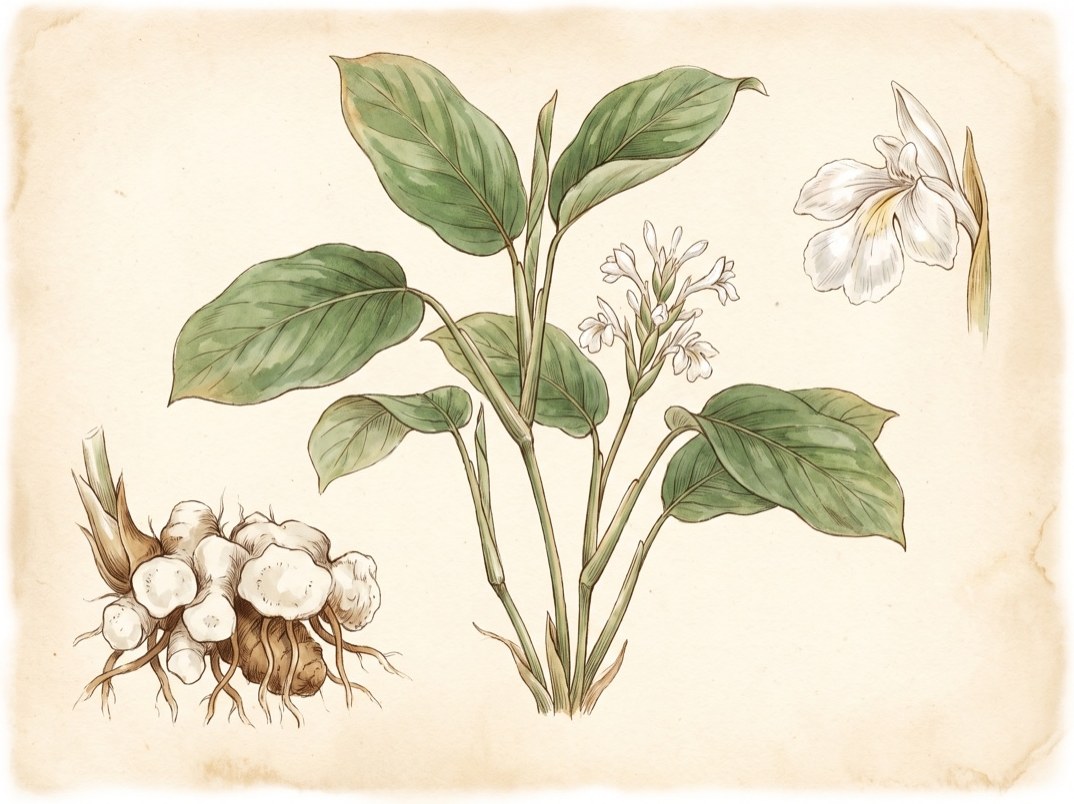 ArrowrootMaranta
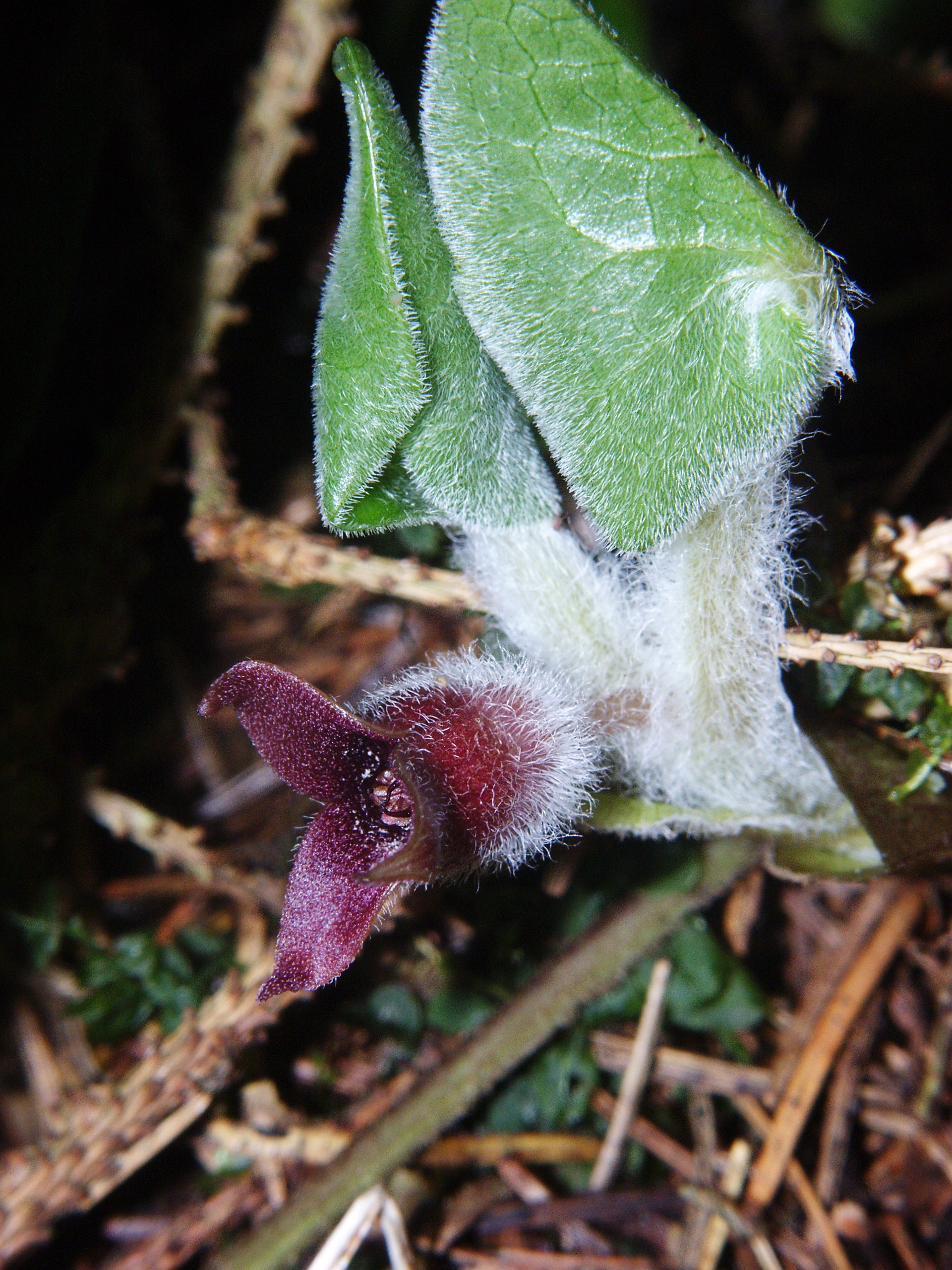 AsarabaccaAsarum Europaeum
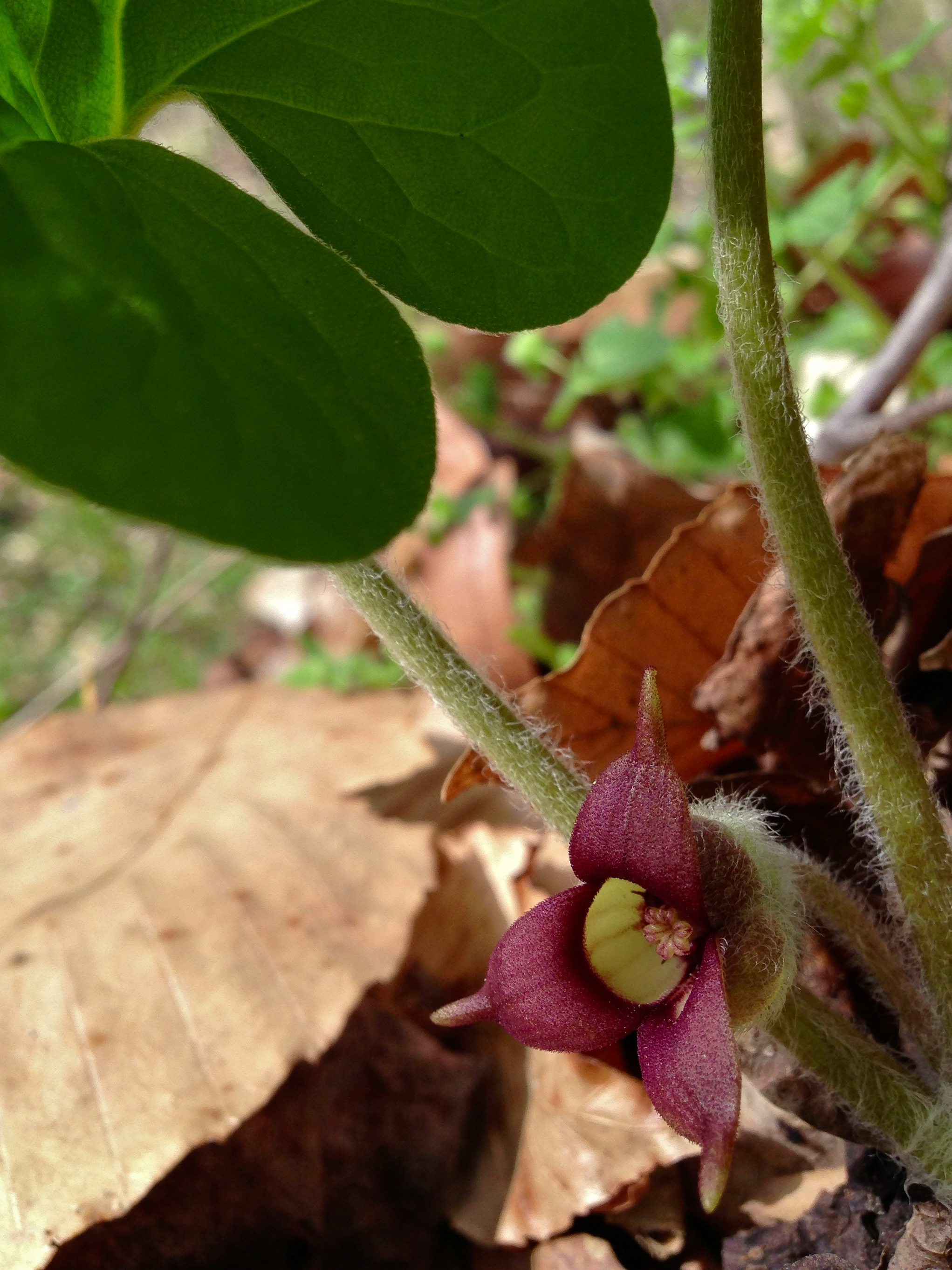 AsarumAsarum canadense
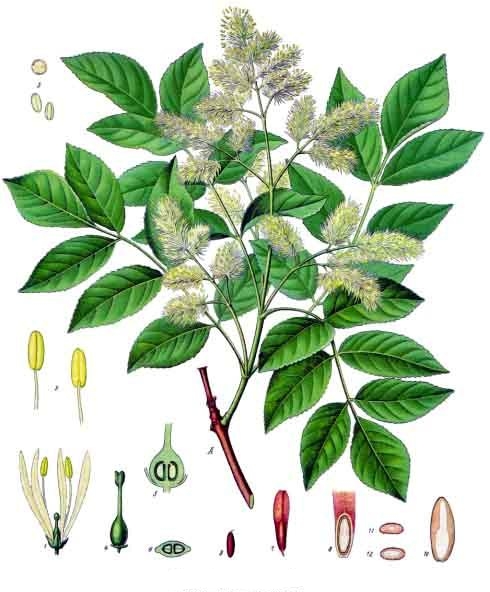 AshFraxinus excelsior
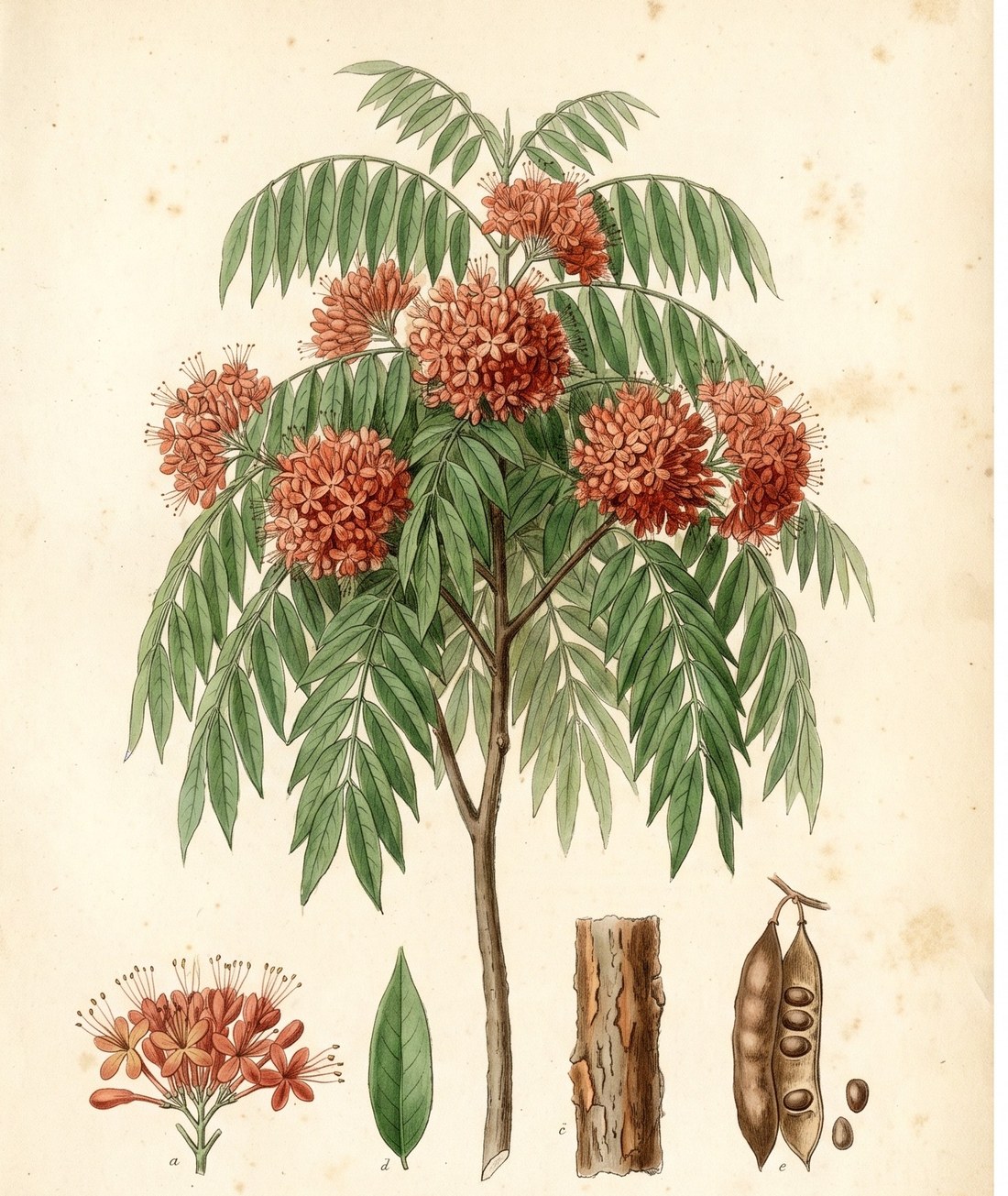 Ashoka treeSaraca asoca
The whole plate is in the library. The compass, Compare, the Sky of eleven hundred plants and the formulary open with an email address and a password, free, with the formula builder and its safety engine. Herbert without limit, his formulating, clients, the handouts and the labels are the paid room.
Open the library, free