Ayurvedic Herbalism
Moringa
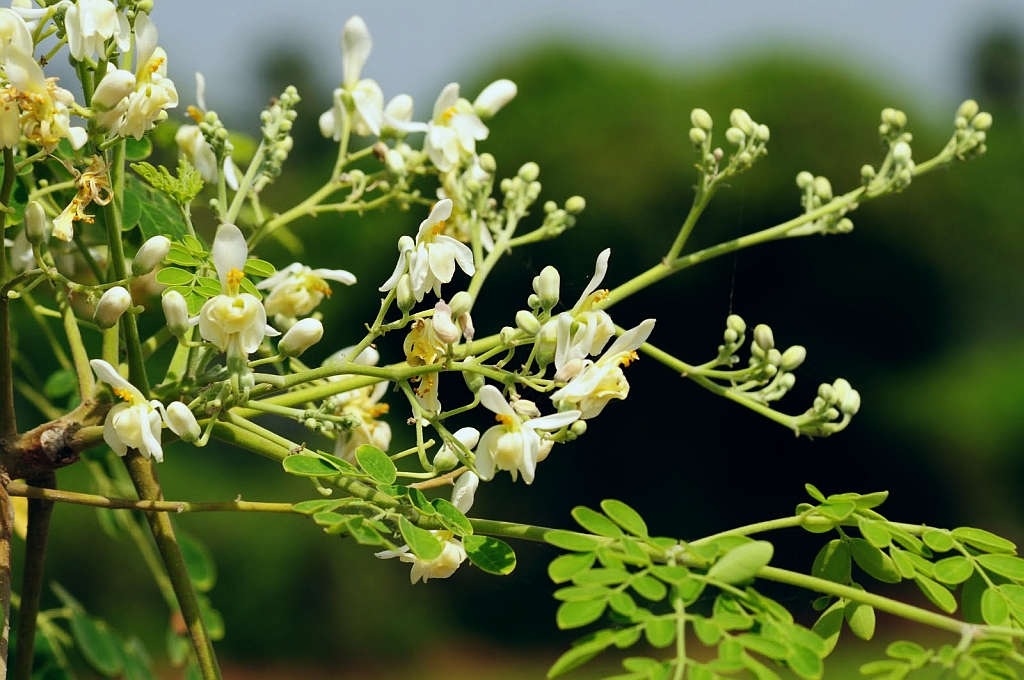
Moringa oleifera
Also known as drumstick tree, horseradish tree, ben oil tree, Shigru, Sahijan, Shigru, Shobhanjana, Tikshnagandha.
Moringa oleifera is a fast growing, drought hardy tree native to the sub-Himalayan foothills of northwest India and now grown in every village of the plains and the peninsula, especially Tamil Nadu, Andhra Pradesh and Karnataka. Ayurveda calls it Shigru, a hot, pungent, penetrating plant whose bark disperses swellings and abscesses and whose leaves and pods feed the body while kindling digestion. Its remarkable protein, mineral and vitamin content has made the leaf powder a global nutritional supplement, but the tradition has long valued it as a medicine for kapha and vata disorders.

Ask Herbert about Moringa. Herbert is the master herbalist inside Bountiful Herbs: he answers from this plate and eleven hundred others, with dosing, pairing and cautions. Your first ten questions are free.
Ask HerbertActions
Indications what the tradition reached for it in
- Nutritional deficiency and undernourishment
- Iron deficiency anemia (dietary support)
- Low breast milk supply
- Type 2 diabetes and prediabetes (adjunct)
- Dyslipidemia and metabolic syndrome
- Chronic arthritis with swelling
- Abscesses and boils (bark paste, topical)
- Poor appetite with bloating
- Recurrent infections in the frail and elderly
- Fatty liver
- Edema of kapha type
- Intestinal worms (traditional)
- Malnutrition
- Ascites
- Liver disease
- Worm infestation
- Joint pain
- Weakness
- Inflammation
- Arthritis
- Pain
- Bronchitis
- Abdominal cramps
- Heart disease
- Diabetes
- Infections (bacterial)
- Hypertension
- Ulcers
- Headache
- Anxiety
Specific indications
A thin, undernourished nursing mother with scanty milk, low iron and poor appetite who needs food as much as medicine
The overweight, sluggish patient with rising glucose and lipids, cold hands and a heavy feeling after meals
Swollen, stiff, cold joints in an older kapha-vata patient who has trouble digesting supplements
A hot, painful abscess or boil that has not yet come to a head, treated with a warm bark paste
Safety
Pregnancy: Pregnancy Caution
The record lists 7 contraindications; open the plate in the library to read them in full.
In practice
The Ayurvedic practitioner distinguishes two uses. The root and stem bark are strong medicine: hot, sharp and scraping, given in kwatha for internal abscess, splenomegaly, gulma, obesity and stone, and applied as a warm paste to boils, glandular swellings and arthritic joints to bring them to resolution.
In Ayurveda
Rasa: katu (pungent), tikta (bitter). Virya: ushna (heating). Vipaka: katu (pungent). Guna: laghu (light), ruksha (dry), tikshna (sharp). Dosha: pacifies kapha and vata; aggravates pitta, particularly the root bark and seeds. Karma: deepana (kindles digestion); pachana (digests ama); shothahara (reduces swelling); vidradhinashana (resolves abscesses); krimighna (anthelmintic); chakshushya (benefits the eyes); medohara (reduces fat); hridya (supports the heart); kaphahara (reduces kapha); vatahara (pacifies vata); ashmarighna (breaks urinary stones, root bark); vishaghna (counters poisons). Classical indications: shotha (inflammatory swelling); vidradhi (abscess); gulma (abdominal mass, bloating); krimi (worms); medoroga (obesity); pleehavriddhi (splenomegaly); netraroga (eye disease); apachi (glandular swelling); ashmari (urinary stones); sandhivata (arthritis); agnimandya (weak digestion); kushtha (skin disease). Nearly every part is used: the leaf as fresh juice, cooked vegetable and churna; the root and stem bark in kwatha and as a warm paste for swellings and abscesses; the seeds as churna and for their oil; the pods and flowers as food that doubles as medicine. The bark is the classical drug for shotha and vidradhi, while modern practice leans on the leaf. Classical formulations: Shigru churna, Shigru kwatha, Shigru twak lepa, Shigru beeja taila, Shigru patra swarasa, Shobhanjanadi kwatha. Described in: Charaka Samhita, Sushruta Samhita, Ashtanga Hridaya, Bhavaprakasha Nighantu, Dhanvantari Nighantu, Raja Nighantu, Kaiyadeva Nighantu, Madanapala Nighantu, Ayurvedic Pharmacopoeia of India.
Dosing as the sources wrote it
| Preparation | As written | Metric |
|---|---|---|
| Churna (leaf) | 3-10 g powdered leaf daily with warm water or food | 3000-10000 mg |
| Swarasa (leaf) | 10-20 mL fresh leaf juice daily | 10-20 mL |
| Kwatha (bark) | 40-80 mL decoction twice daily | 40-80 mL |
| Churna (seed) | 1-3 g powdered seed daily | 1000-3000 mg |
| Lepa, topical | 10-20 g warm bark paste applied to swellings | 10000-20000 mg |
| Leaf powder | Leaf powder 3-6 g/day | 3000-6000 mg |
Doses are reproduced from the sources for practitioners and are not a recommendation for any person.
From the sources
Overview. Moringa oleifera is a fast growing, drought hardy tree native to the sub-Himalayan foothills of northwest India and now grown in every village of the plains and the peninsula, especially Tamil Nadu, Andhra Pradesh and Karnataka. Ayurveda calls it Shigru, a hot, pungent, penetrating plant whose bark disperses swellings and abscesses and whose leaves and pods feed the body while kindling digestion. Its remarkable protein, mineral and vitamin content has made the leaf powder a global nutritional supplement, but the tradition has long valued it as a medicine for kapha and vata disorders.
Clinical Notes. Nutrient-dense superfood used in Ayurveda as Shigru (Varunadi gana) Supports malnutrition esp. in children/lactating women Clinical trials confirm benefits for anemia asthma Safe as food at culinary doses ( 9916933
Clinical Notes. The Ayurvedic practitioner distinguishes two uses. The root and stem bark are strong medicine: hot, sharp and scraping, given in kwatha for internal abscess, splenomegaly, gulma, obesity and stone, and applied as a warm paste to boils, glandular swellings and arthritic joints to bring them to resolution.
primary-actions. Moringa acts primarily as: Nutritive, Antioxidant, Anti-inflammatory, Hepatoprotective, Cardioprotective, Hypoglycemic, Antimicrobial. Secondary actions include Analgesic, Diuretic, Vulnerary, Antihypertensive, Immunomodulator, Antidiarrheal.
In formulas
Moringa stands in 13 documented formulas in the library, among them Miśraka Sneha, Vastyāmayāntaka Ghṛta, Sārasvata Ghṛta, Kārpāsāsthyādi Taila, Koṭṭamcukkādi Taila, Prabhaṅjana Vimardana Taila.
Often paired with
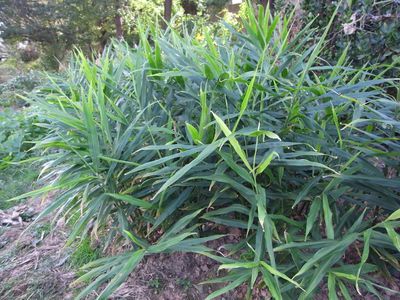 GingerZingiber officinale
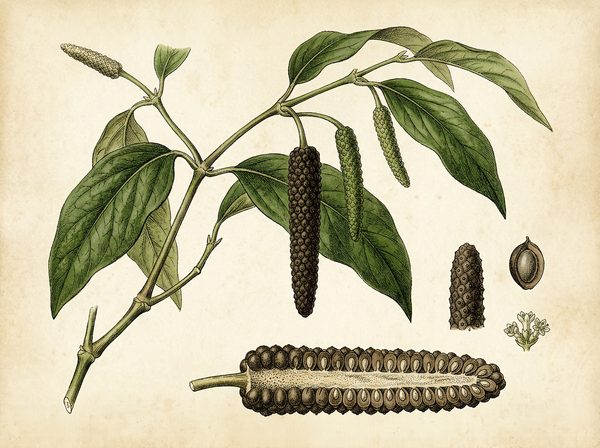 long pepperPiper longum
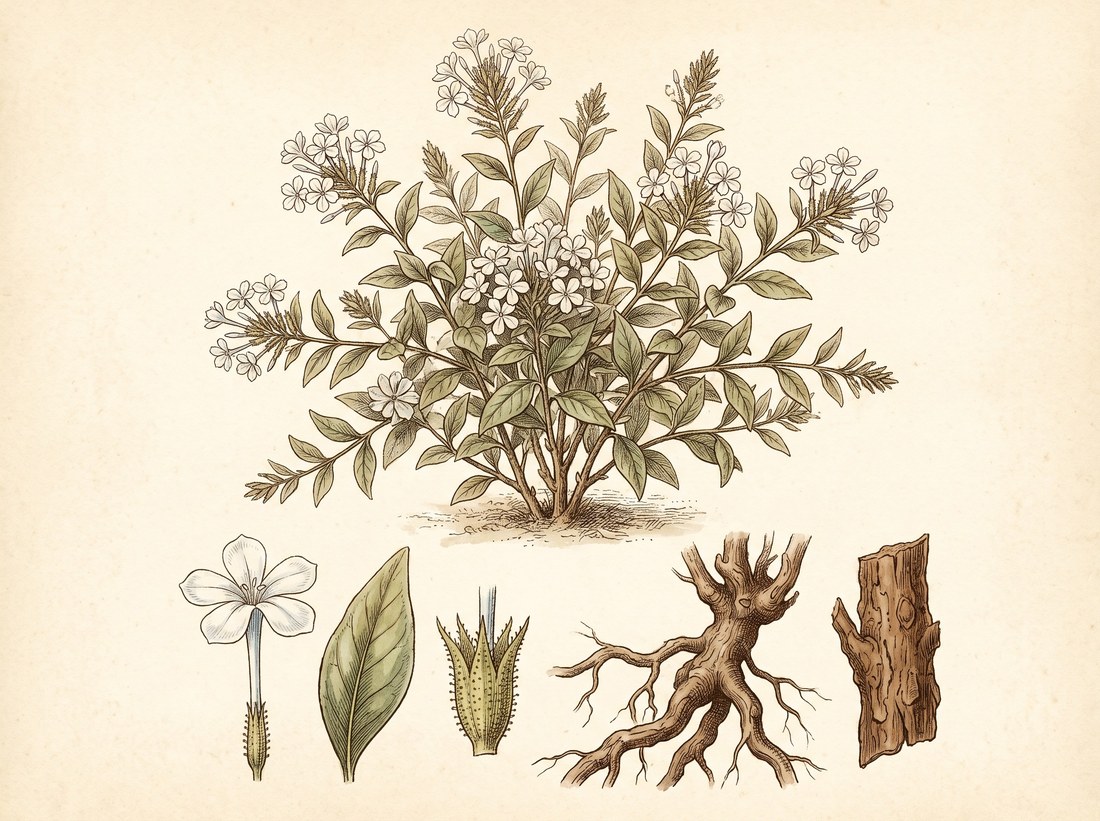 Ceylon leadwortPlumbago zeylanica
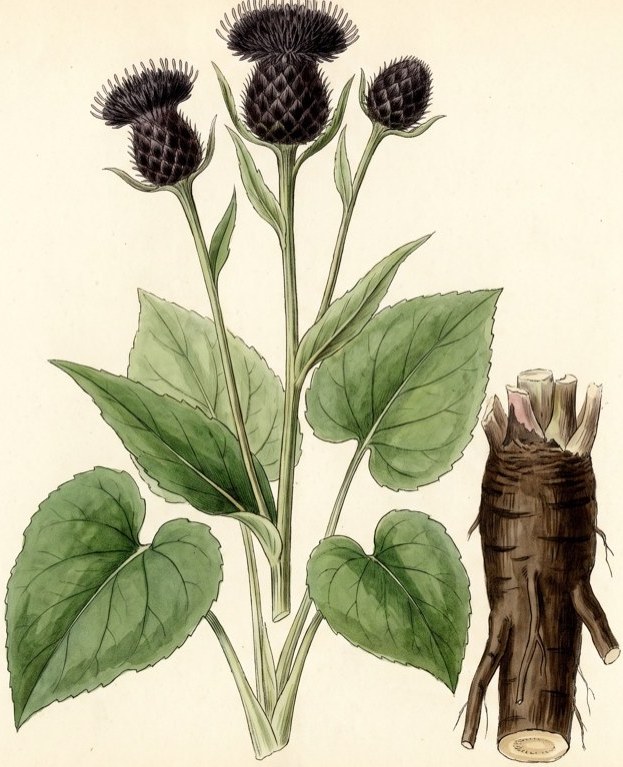 costusSaussurea costus
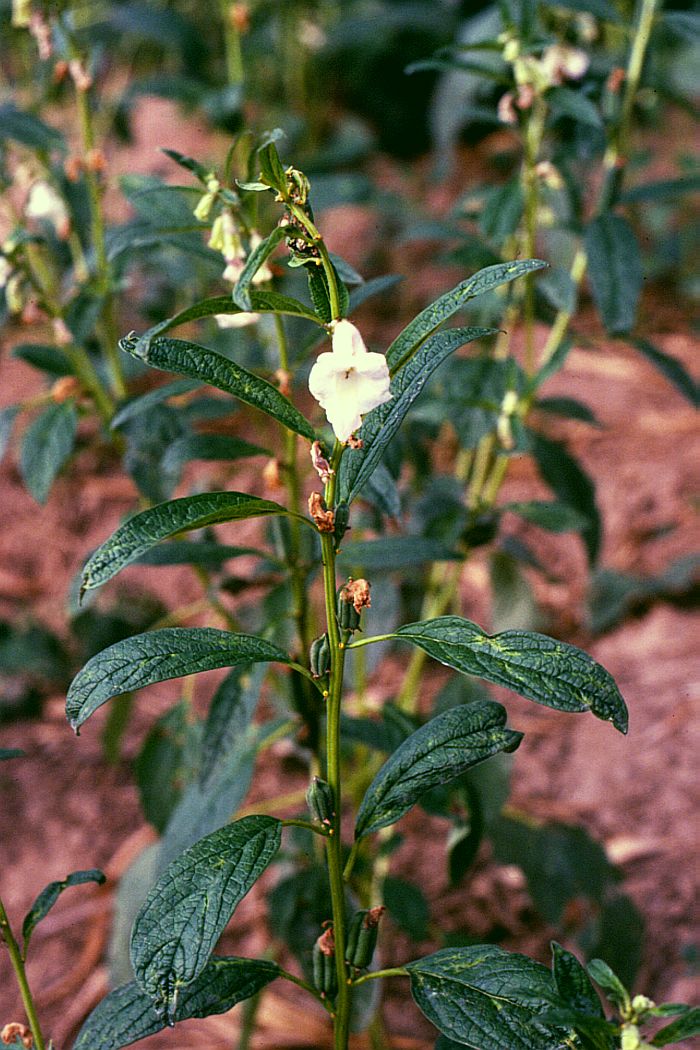 sesameSesamum indicum
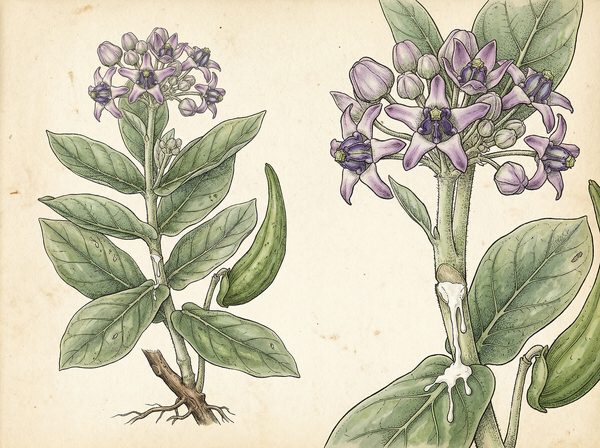 crown flowerCalotropis gigantea
Nearby on the shelf
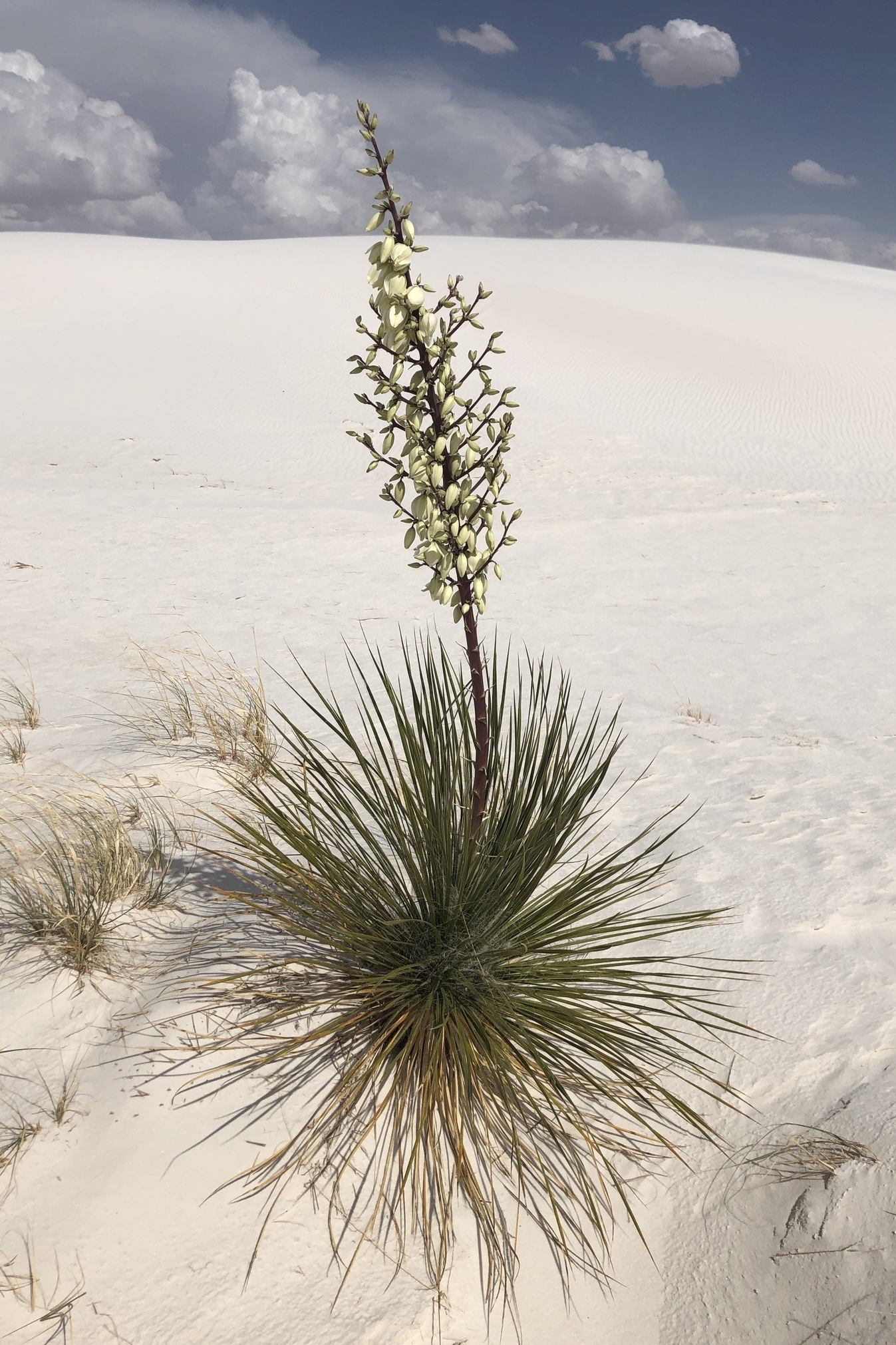 Mojave yuccaYucca schidigera
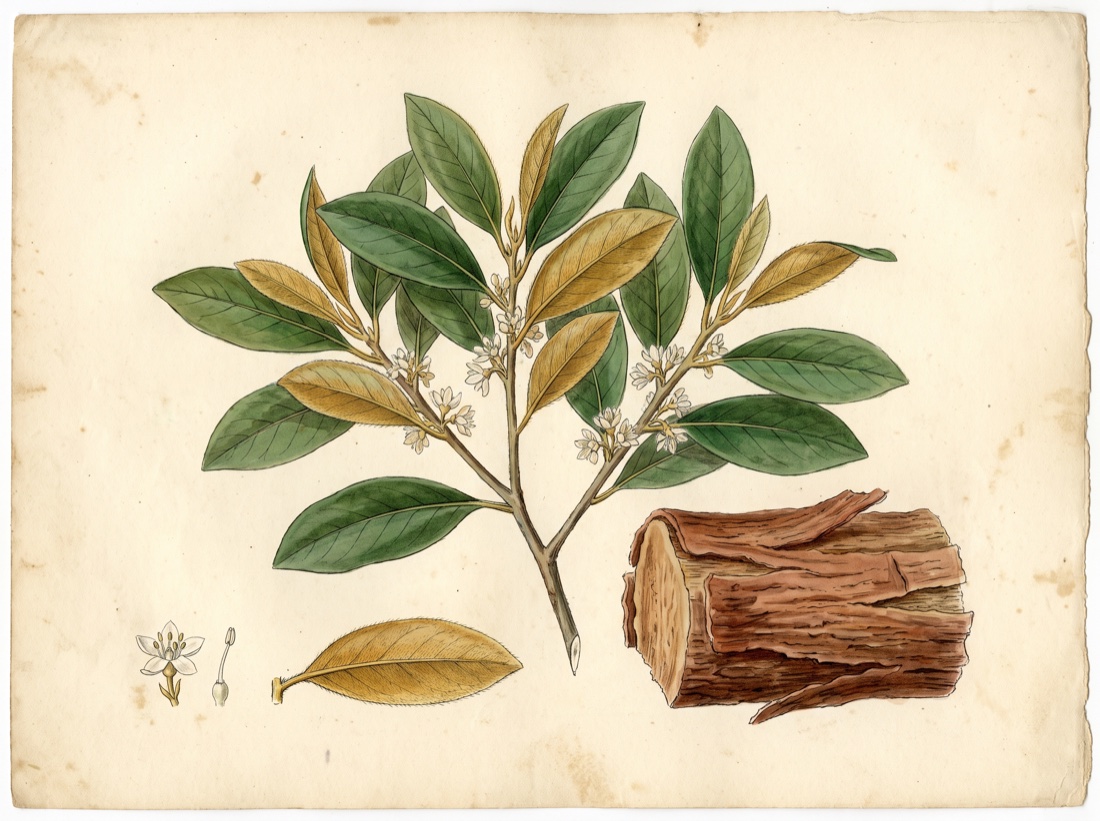 Monesia barkMonesia
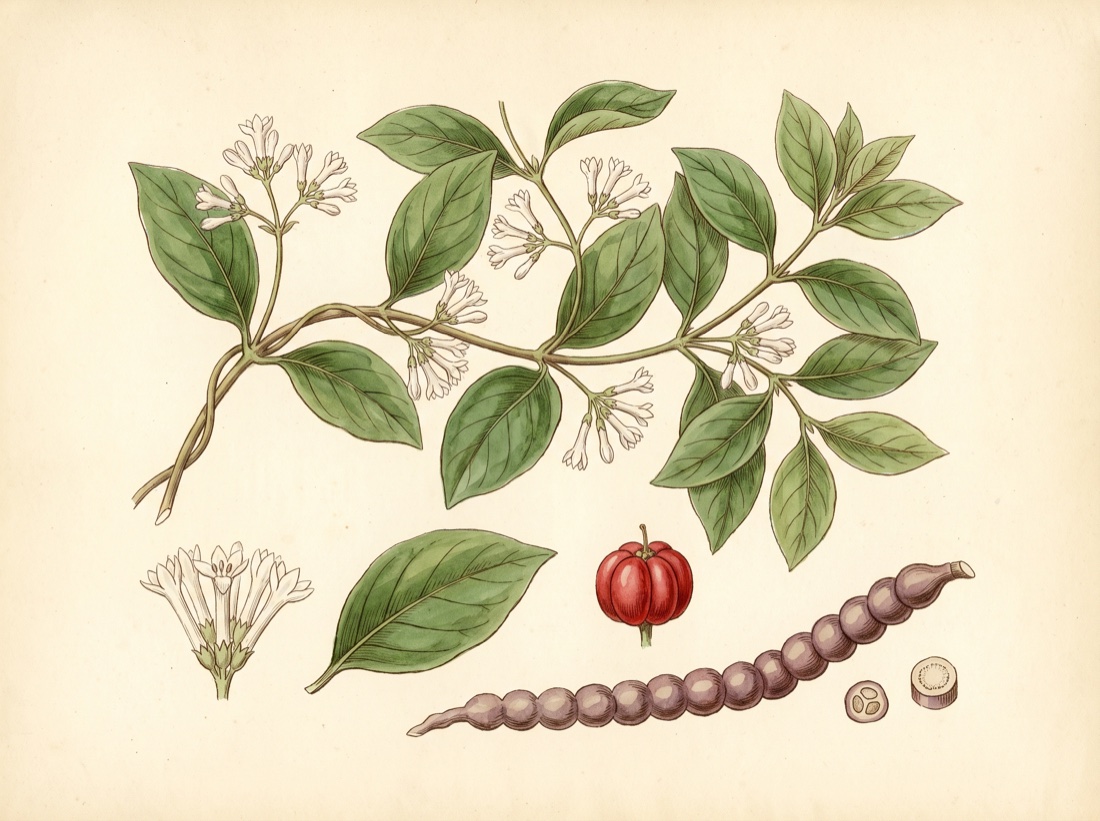 Morinda rootMorinda officinalis
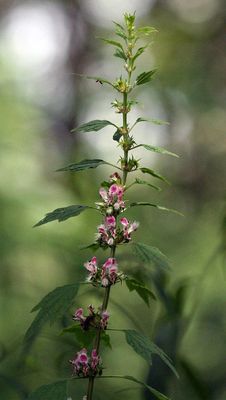 MotherwortLeonurus cardiaca
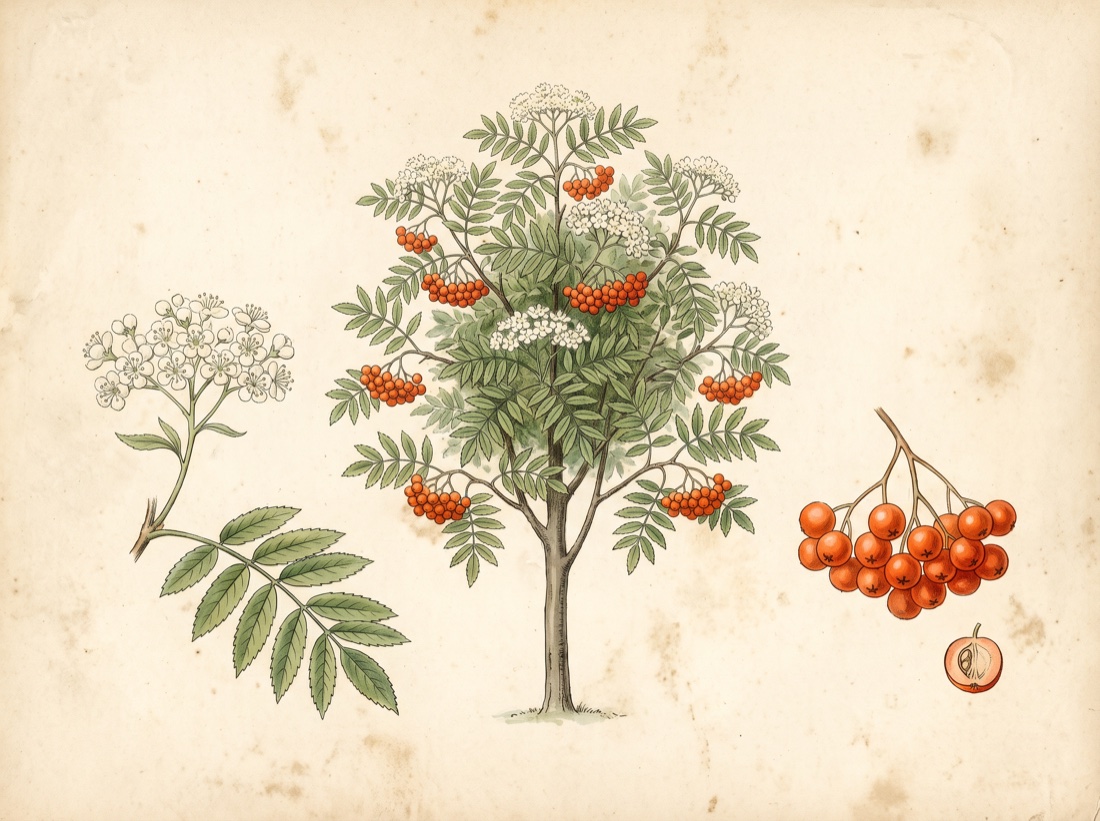 Mountain AshSorbus
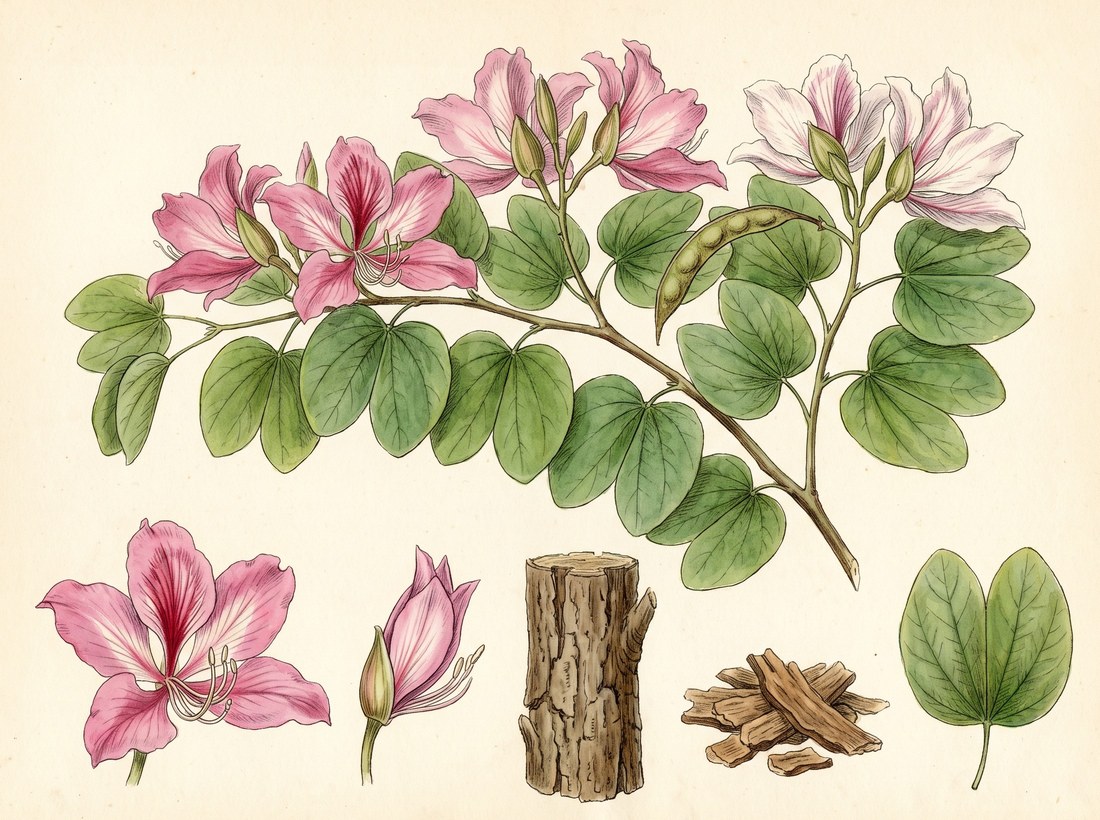 Mountain ebonyBauhinia variegata
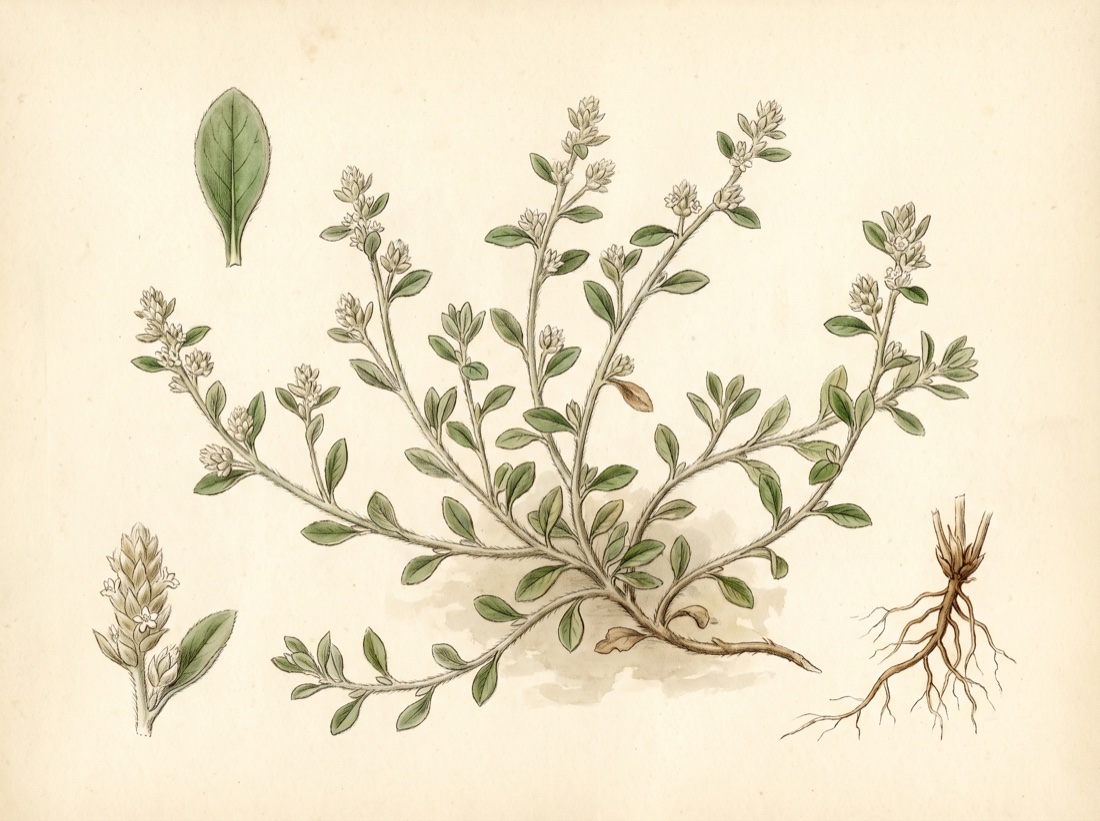 Mountain knotgrassAerva lanata
The whole plate is in the library. The compass, Compare, the Sky of eleven hundred plants and the formulary open with an email address and a password, free, with the formula builder and its safety engine. Herbert without limit, his formulating, clients, the handouts and the labels are the paid room.
Open the library, free